

Photography
Home > Visual Identity > Photography
Best Practices
- Photography should be authentic, engaged, vibrant, and community-focused. Selecting imagery that reinforces our values adds credibility to the items you create on behalf of the university.
- Professional photography connects better with audiences and should be used whenever possible. Avoid the use of stock photography.
- Select simple, uncluttered images that convey a clear subject matter.
- Images with a main point of focus are best for a variety of layouts, keeping in mind that most web platforms have responsive layouts that adapt to work on a variety of screen sizes.
- Pay close attention to detail and avoid featuring corporate logos, recognizable brand identities, or other universities.


- Use fewer and larger images, where possible. Most online platforms are viewed on cell phone screens.
- Avoid misrepresenting an individual’s background, ethnicity, or actions by being certain of the context of a photo before using it.
- Authentic visual representation of diversity and inclusion should be considered when selecting photography to use.
- Be sure selected images meet minimum resolution standards:
- 72 dpi for web
- 300 dpi for full color print publications
Acquiring Photography
University Communications manages all official university photography and recent image archives. Their services include studio portraits, event photography, group photos, and archived photo retrieval. University Archives handles archive retrievals of photos taken prior to 2006.
PhotoShelter Photo Database
University Communications manages PhotoShelter, GVSU's online photo database. Photos in this database are specifically chosen and approved for use by all GVSU departments.
Anyone with a faculty/staff login may use PhotoShelter for searching and downloading high-quality, professional, university-related and approved photographs. You are welcome to use these images in your promotions and publications.
Photo-Use Consent
Photos downloaded from PhotoShelter have the appropriate permissions in place for use by university departments for university purposes. For photos obtained from any other source you must obtain clear, written permission to use the photo from the image owner.
When creating new imagery, it is best to obtain a signed release form for any recognizable subject in a photograph. Official university photo release forms can be found on the University Communications website.
Resource
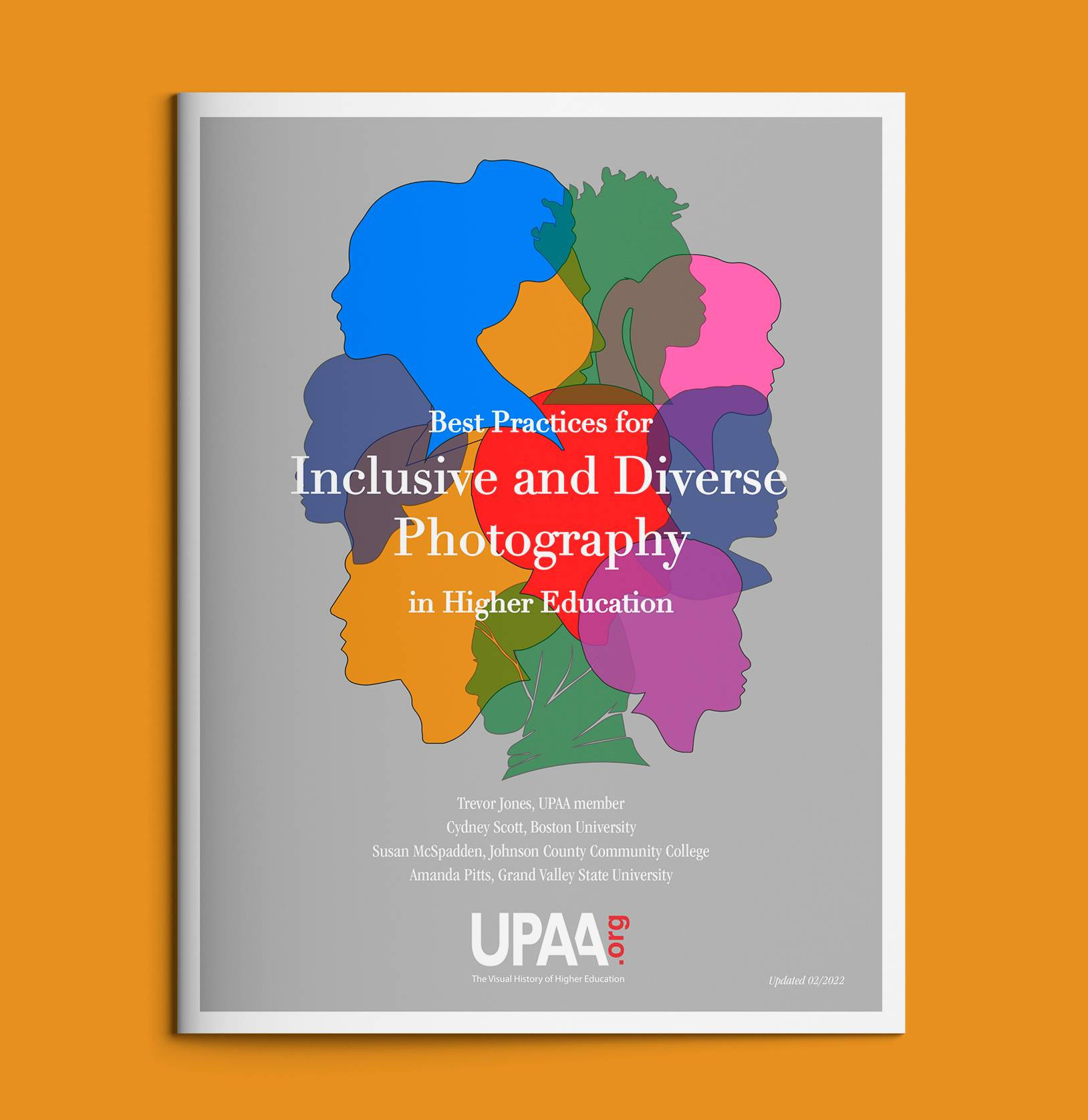
Best Practices for Inclusive and Diverse Photography in Higher Education
The visual representation of inclusion and diversity on college campuses is an essential part of telling the story of a university. Imagery that falsely reflects the reality on campus risks marginalizing students who believed otherwise and can diminish the authenticity and reputation of the institution. This guide outlines best practices in photography for accurately including and depicting underrepresented populations.