

Faculty Hiring
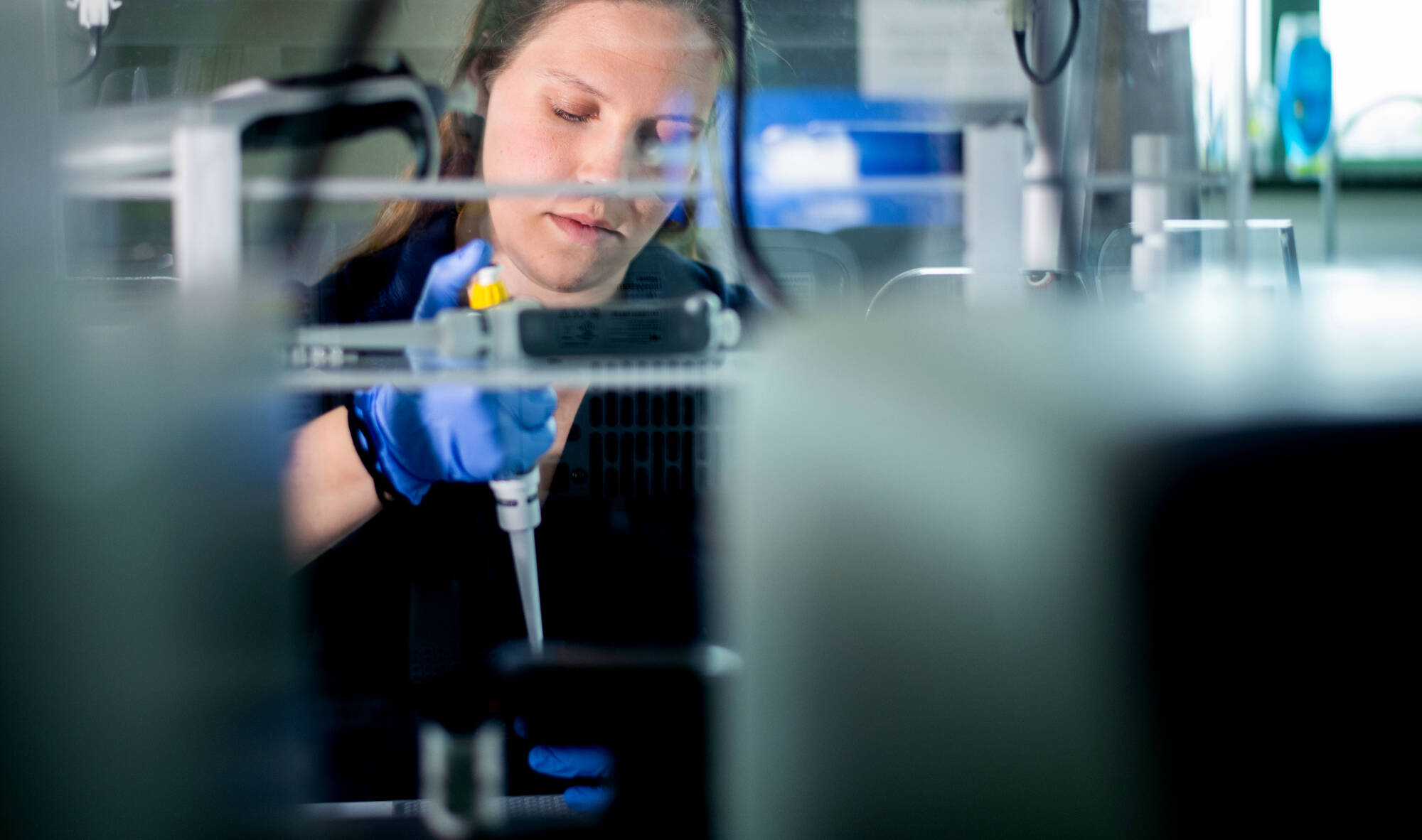
The Robert B. Annis Water Resources Institute (AWRI) at Grand Valley State University invites applications for a tenure-track Assistant Professor of Water Resources. We embrace the broadest definition of water resources, including aquatic ecology & evolution, freshwater science, aquatic chemistry & toxicology, hydrology, limnology, and ecological engineering. We welcome applications from researchers working at any spatial scale, in any freshwater system (lakes, rivers, streams, wetlands, or groundwater), at any level of biological or environmental organization, and using any mode of inference, from empirical to computational. Applicants who can augment our existing strengths in conservation & restoration ecology, environmental sensing & detection, human & environment interactions, and aquatic biogeochemistry & contaminants are particularly encouraged to apply.
A Ph.D. is required of applicants, and postdoctoral experience is preferred. Preferred candidates will have a demonstrated record of publishing quality research; obtaining extramural funding for research; an ability to teach undergraduate courses related to their field of expertise and mentor M.S. students through their thesis research; and a desire to work in a collaborative, interdisciplinary environment. Educational responsibilities of the selected candidate would include delivering a single undergraduate course in a related major; advising undergraduate and graduate students in research; and engaging with a robust community engagement and education program. This is a nine-month, tenure-track position with benefits. The distribution of effort for this position is flexible but defaults to 75% research, 15% teaching, and 10% service. Salary is commensurate with skills and experience with a minimum starting salary of $80,000.
Qualified individuals should submit materials online at www.jobs.gvsu.edu, including a cover letter, curriculum vitae, separate statements of research and teaching interests, and the names and contact information of three references. Review of applications will begin on October 16, 2026 and the position will remain open until filled. Inquiries about the position may be directed to the search chair and AWRI Executive Director, Dr. Stuart Jones ([email protected]). Grand Valley State University is an Affirmative Action/Equal Opportunity Institution.
About AWRI
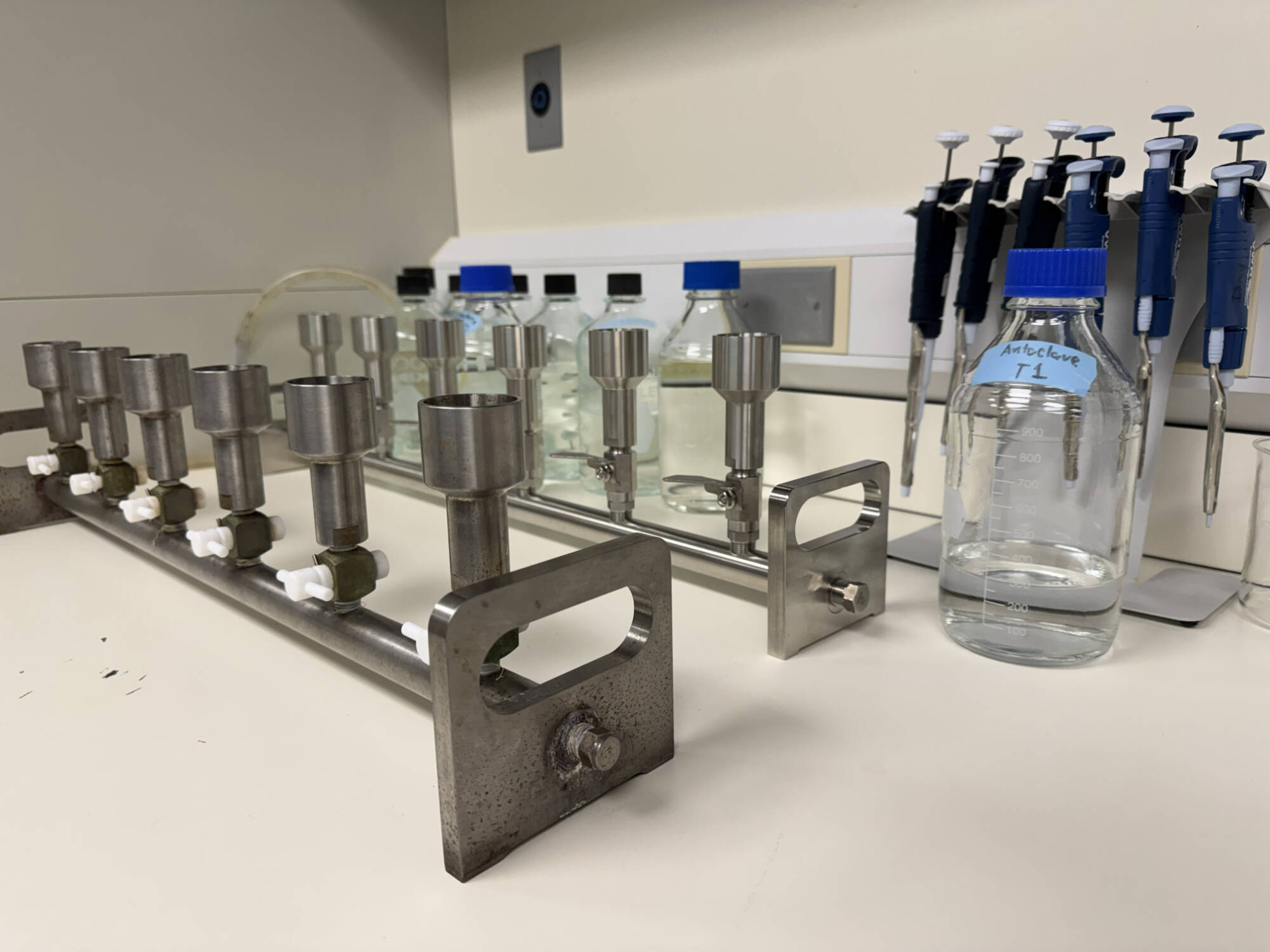
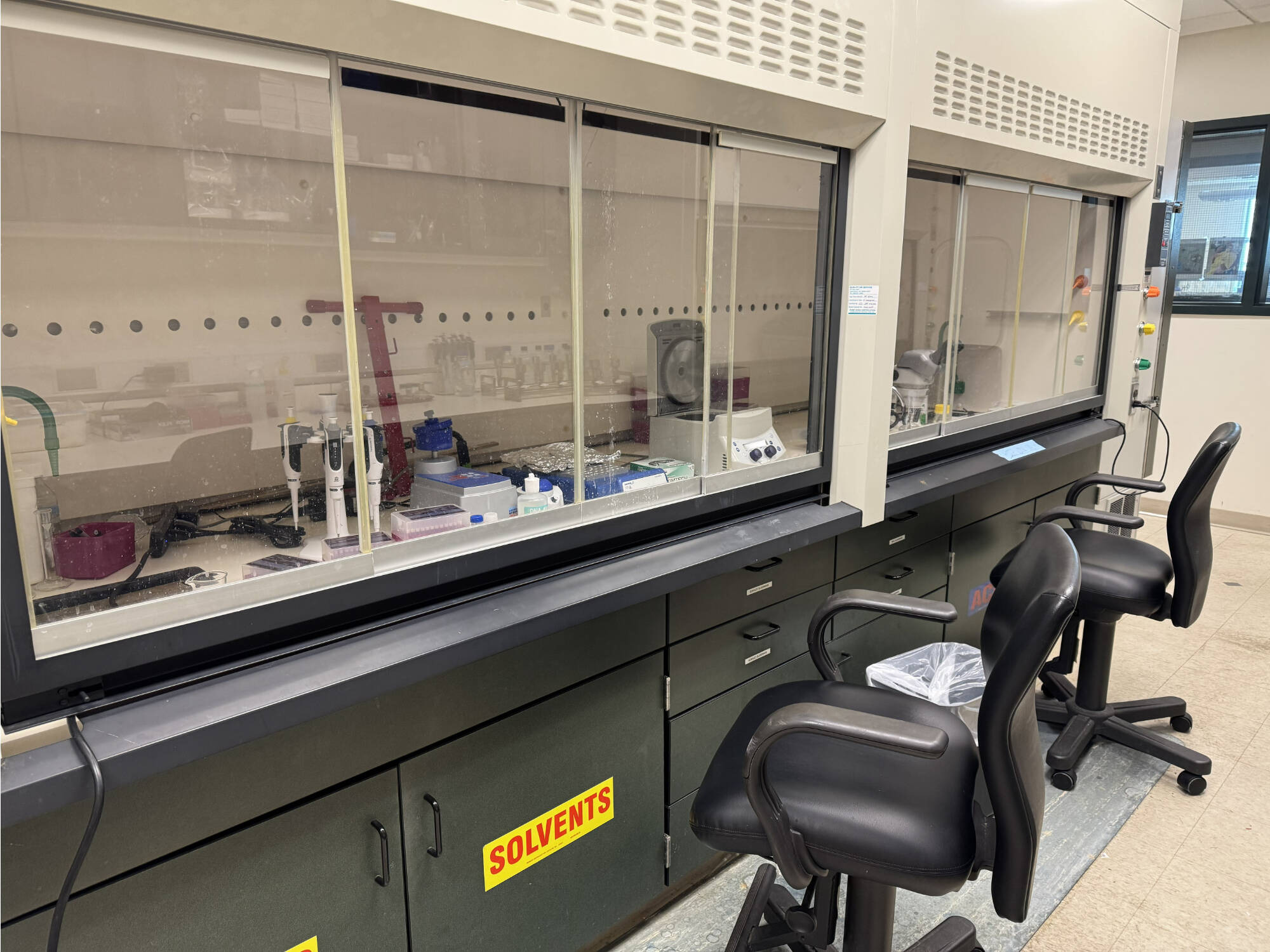
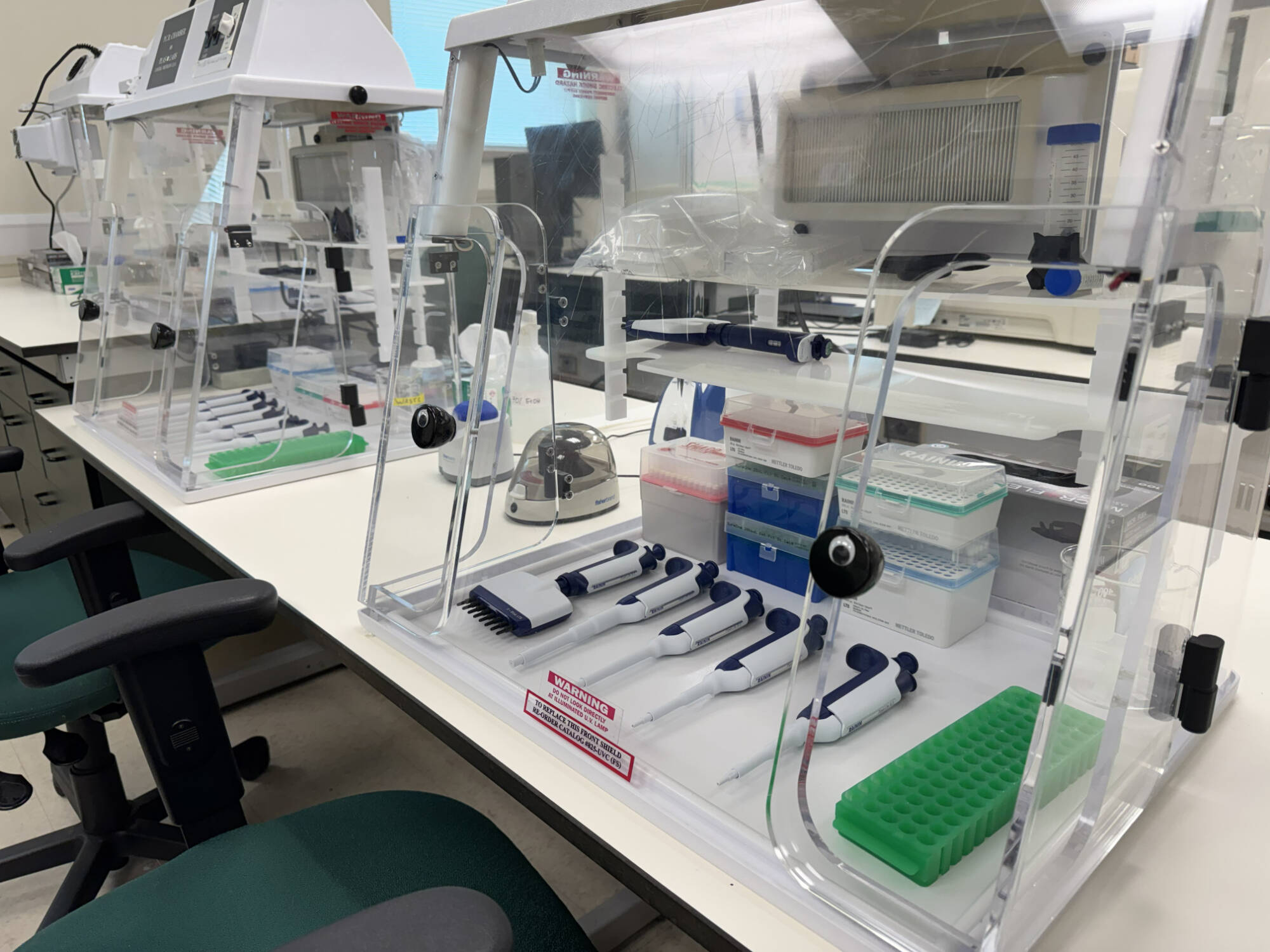
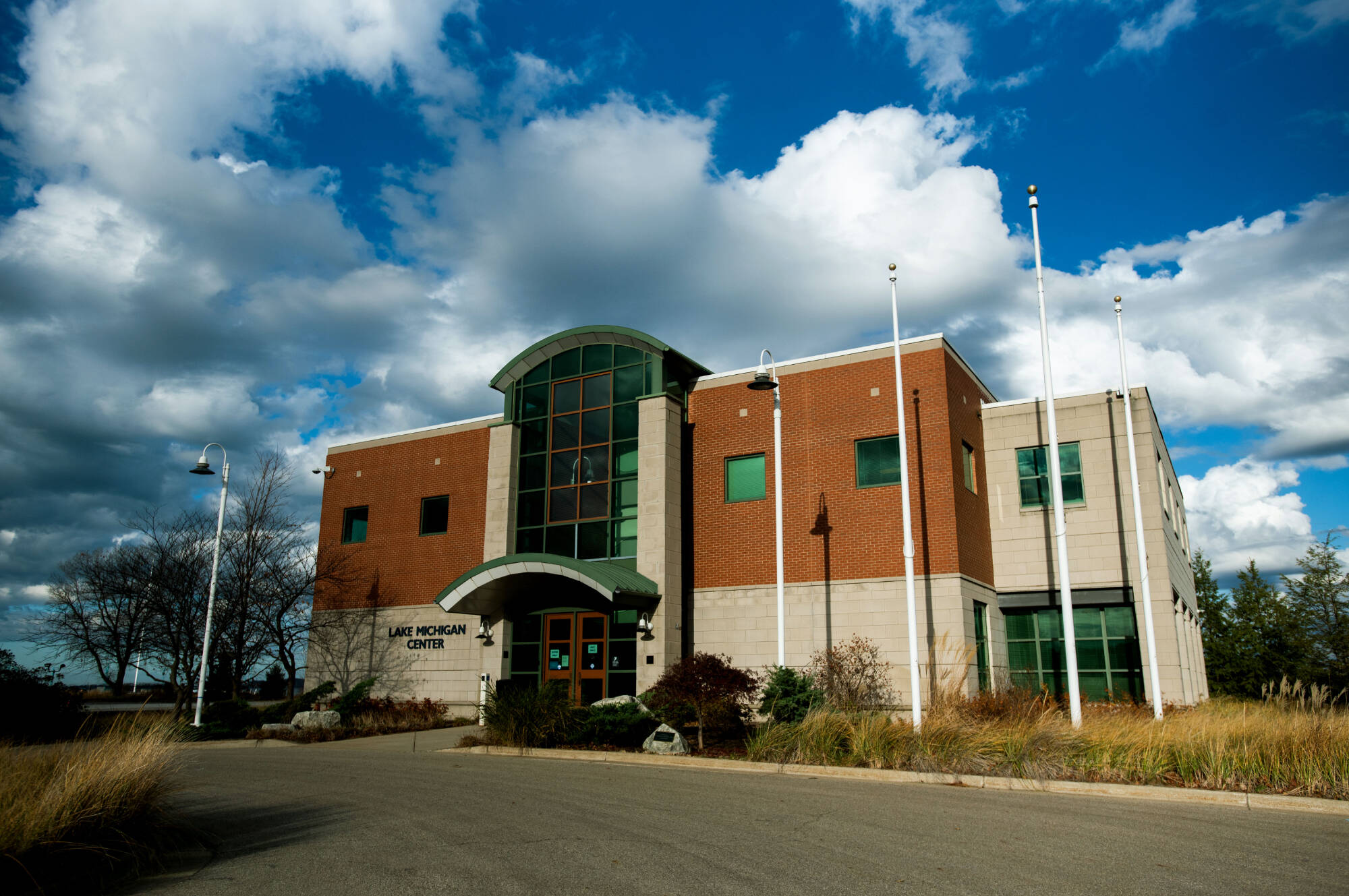
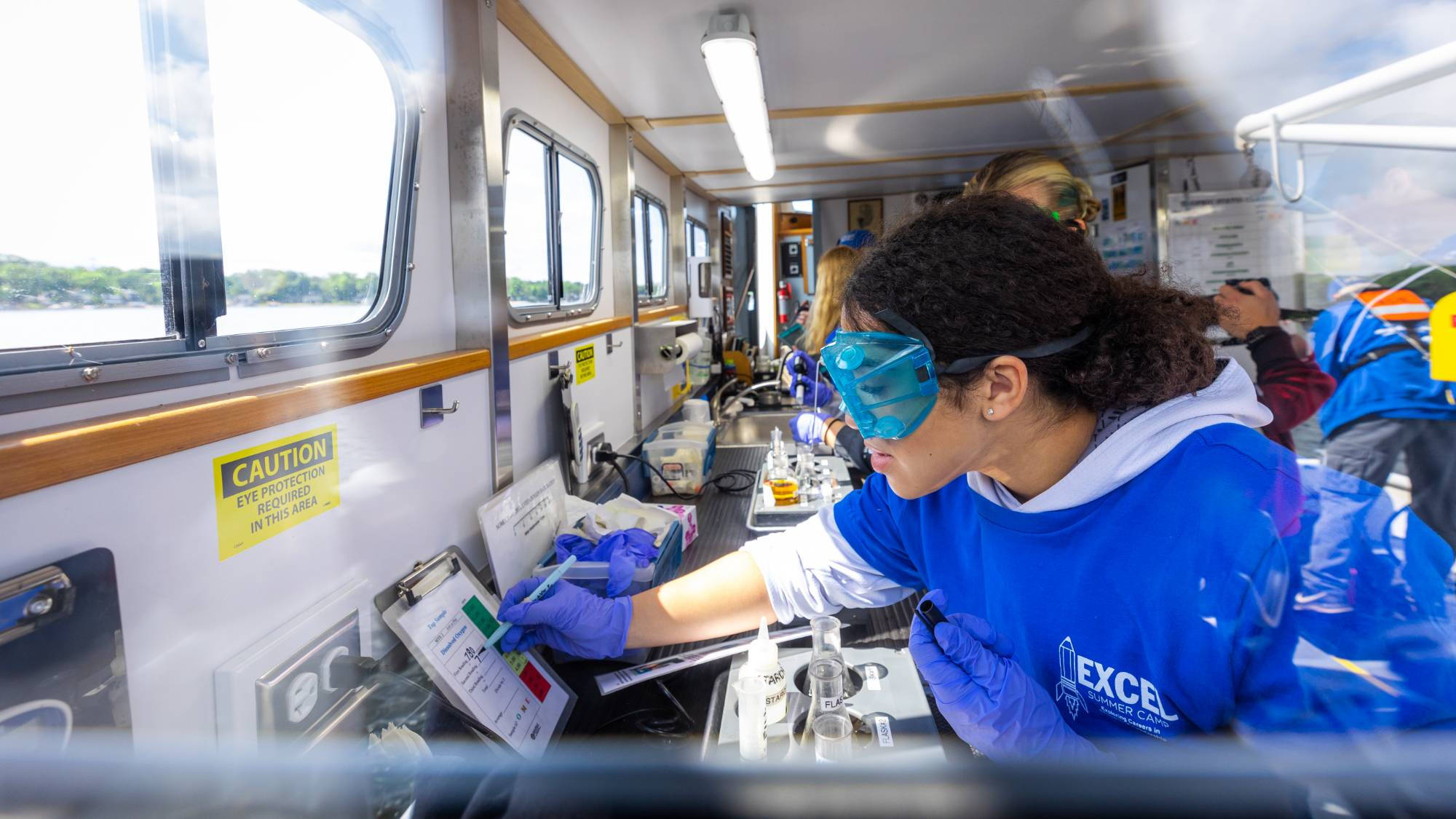
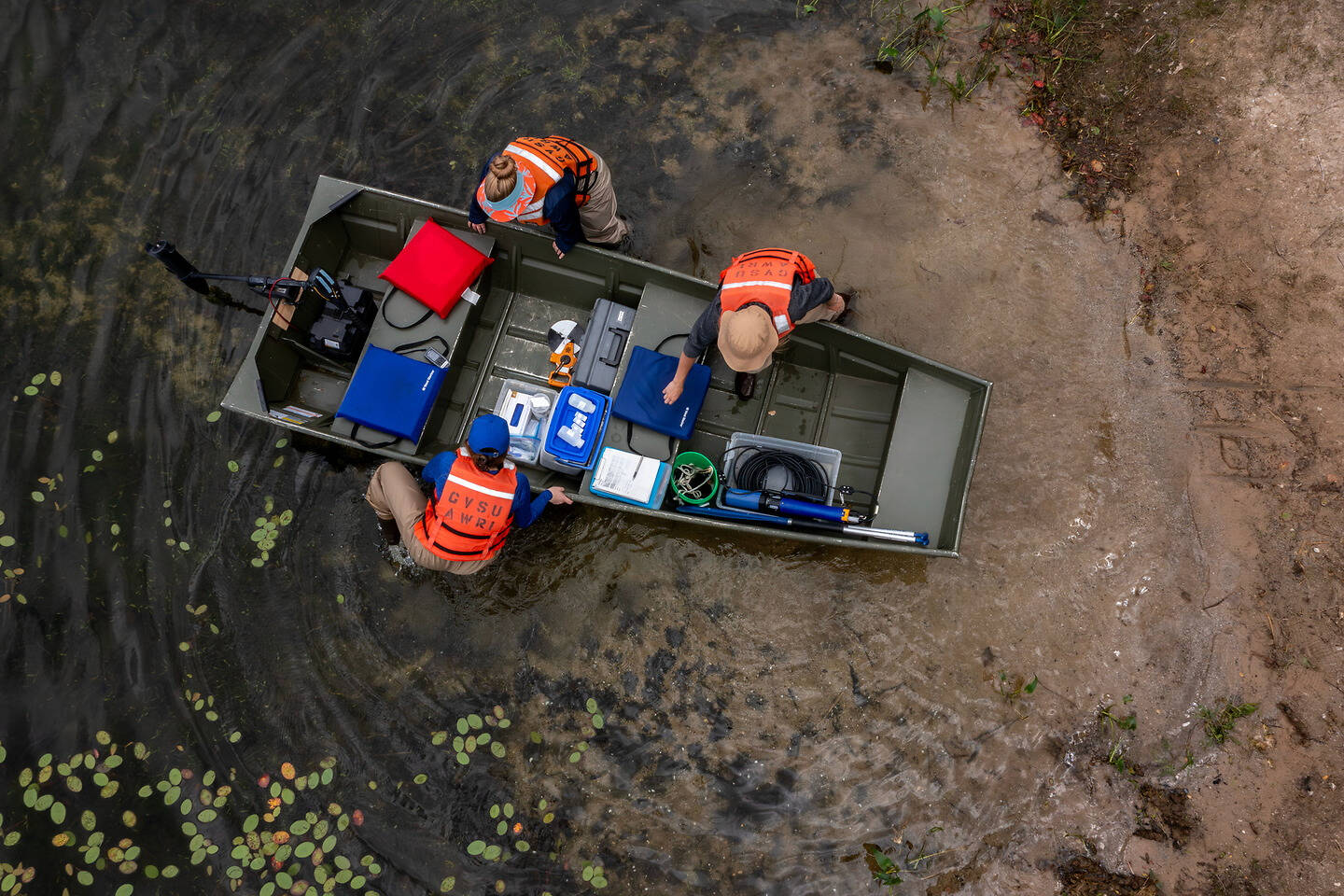
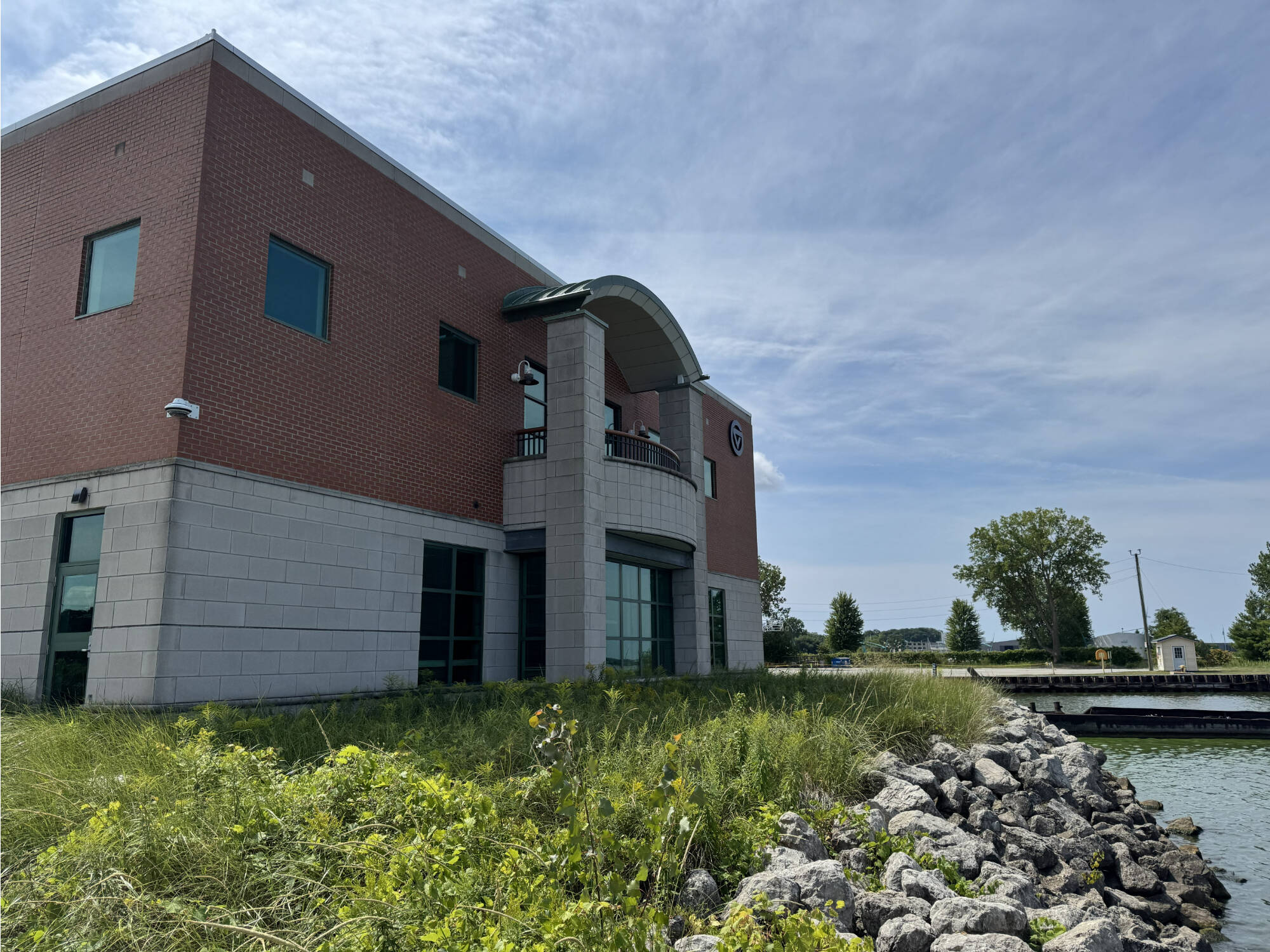
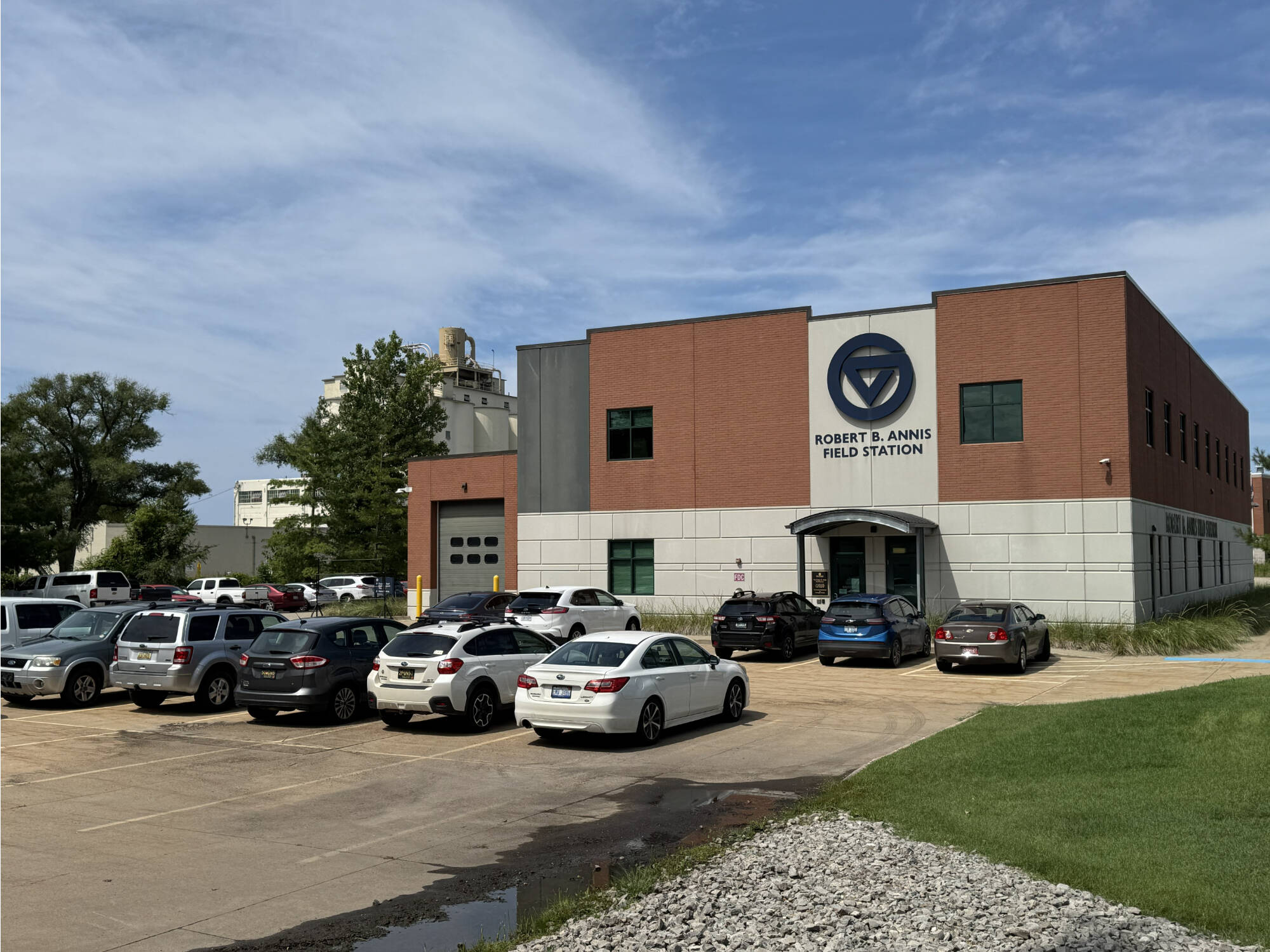
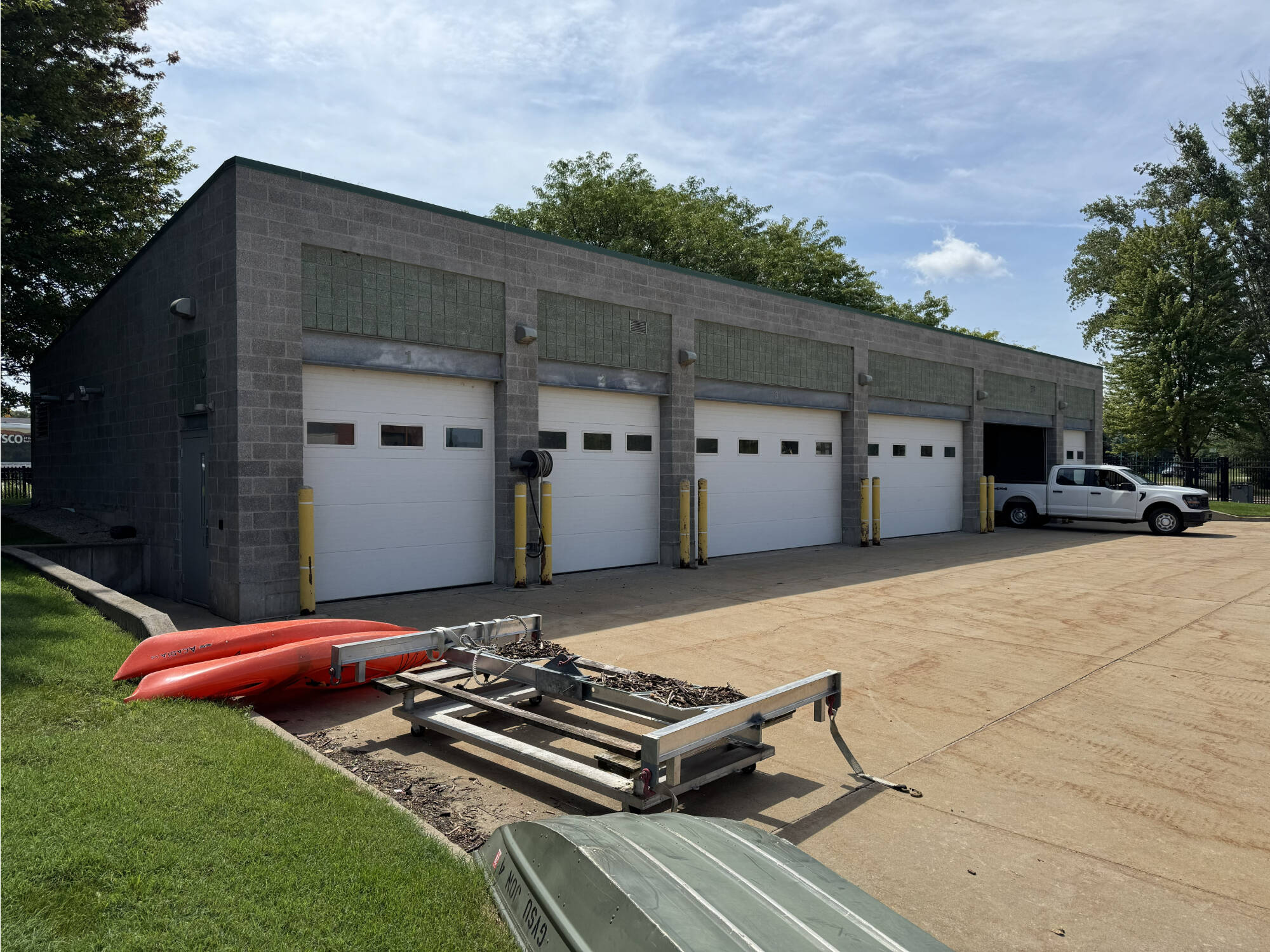
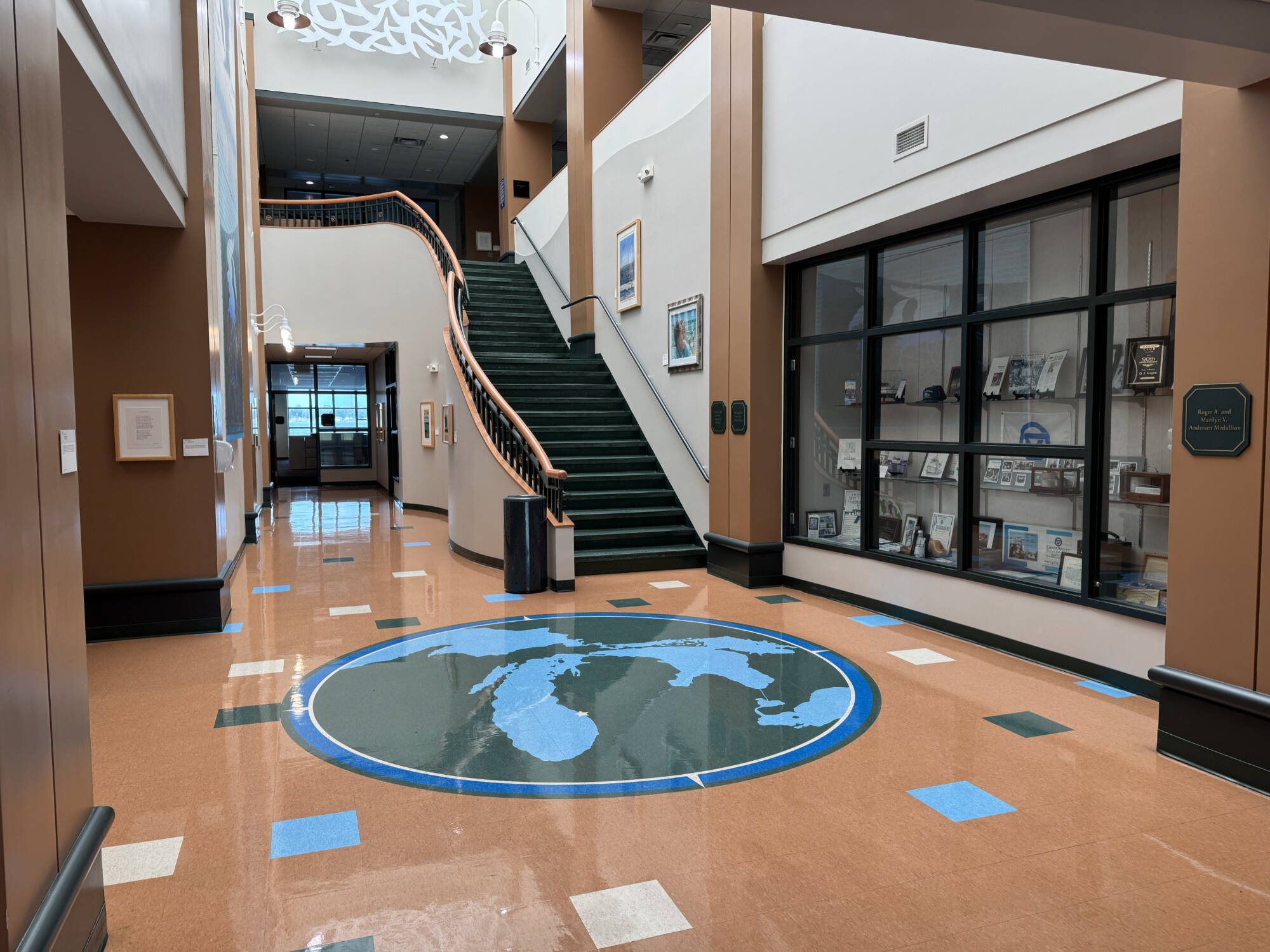
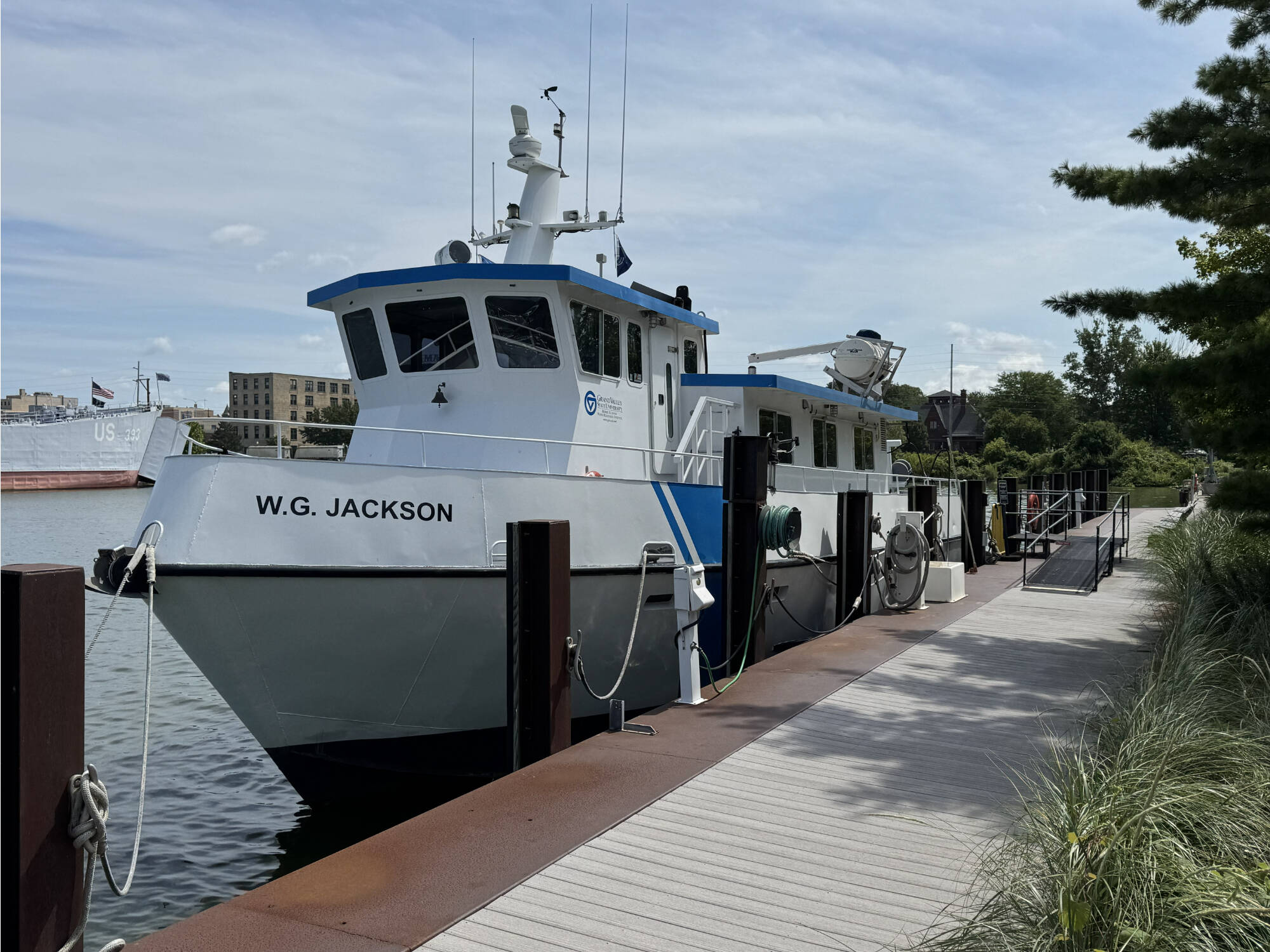
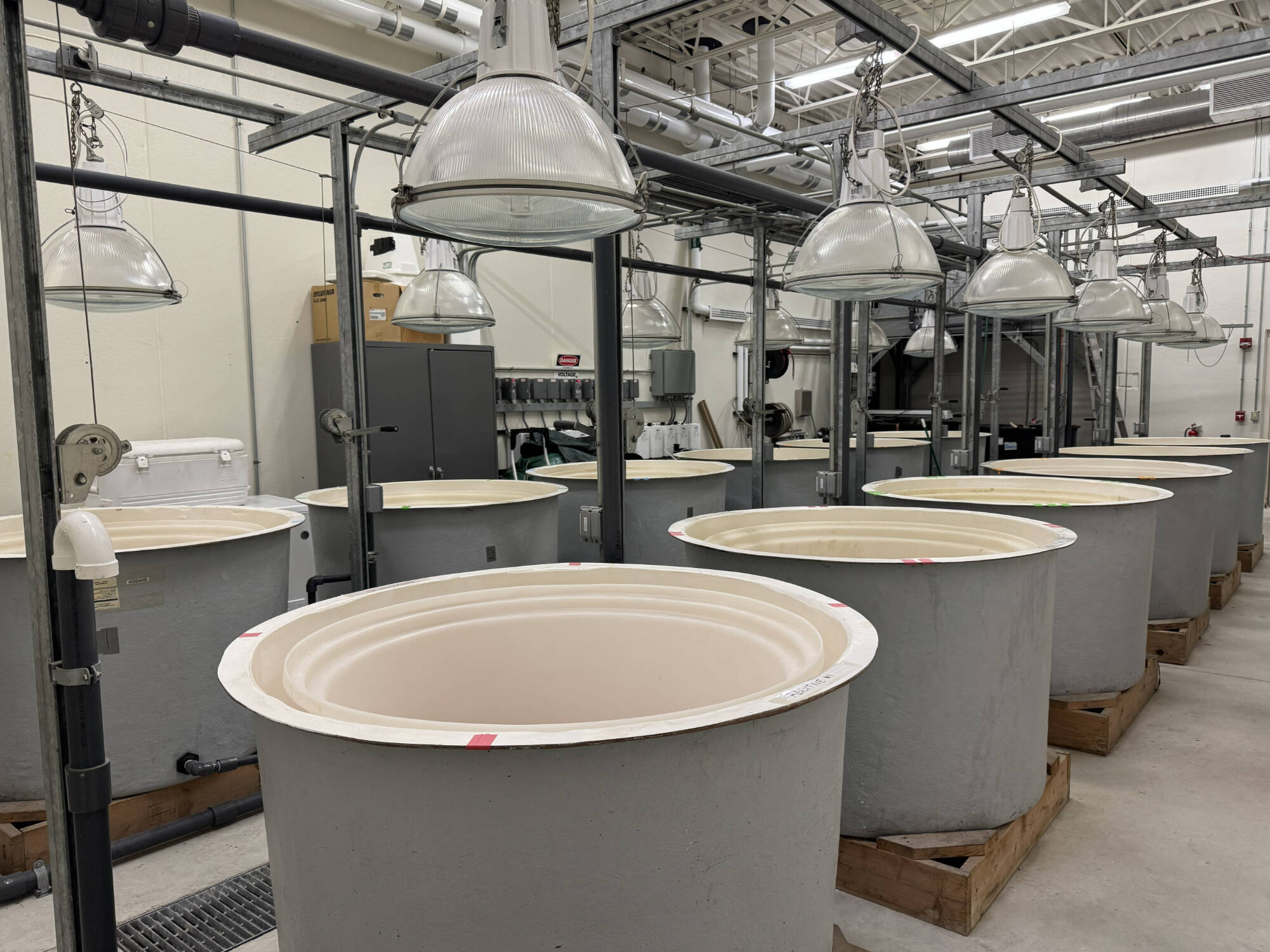
AWRI is a world-class research facility on GVSU's lakeshore campus located on Muskegon Lake in Muskegon, MI, near the shores of Lake Michigan. The institute houses a dozen faculty, numerous research staff, and a robust terminal M.S. Biology graduate program with an emphasis in aquatic science. Located 30 miles from the main Grand Valley State University campus, AWRI maintains state-of-the-art analytical and molecular laboratories, a mesocosm facility, two research vessels, and a fleet of fieldwork trucks and small boats. Please visit the AWRI website (www.gvsu.edu/wri) for more information on our faculty, facilities, research programs, educational programs, and outreach programs.
AWRI has a number of policies in place that enhance a faculty member's ability to run a robust research program. Through a recent strategic planning process we have developed goals for strategic growth at AWRI and also outlined new faculty workload norms (see more in AWRI's strategic plan). These goals and workload norms are consistent with GVSU Academic Affair's Strategic Framework, which explicitly identifies AWRI as a priority moving forward. Our newly established workload norms make room for flexible allocation of a faculty member's time between research and teaching. These norms also lay out reasonable expectations for pre-tenure faculty. Our intention with these pre-tenure expectations is to reduce unnecessary pressure and provide space for creative and impactful, collaborative research. We have a number of endowed 100-percent-research graduate assistantships and annual professional development or research funds provided to both graduate students and faculty. AWRI also has an equipment endowment fund to support the purchase and repair of equipment. Finally, GVSU's relatively low overhead rate (29.6%) and high rate of return to individual AWRI principal investigators (38%) mean more of a grant/contract budget directly supports the research activities included in the project.
About GVSU
Grand Valley State University (GVSU) is a public comprehensive institution located in West Michigan with campuses in Allendale, downtown Grand Rapids, and Holland, plus centers in Detroit, Muskegon and Traverse City. The University attracts approximately 22,000 undergraduate and graduate students with high quality programs and state-of-the-art facilities and has been nationally recognized for innovativeness and its contribution to students’ social mobility. The greater Grand Rapids metropolitan area has a population of around one million people, is affordable, and offers rich cultural amenities. Grand Valley is located within easy driving distance of Chicago, Detroit, Lake Michigan beaches, and many other superb summer and winter recreational venues. Information can be found at www.gvsu.edu/hro/community-resources-1056.htm. Grand Valley is highly rated for safety, sustainability, and veteran and LGBTQ friendliness, and is committed to supporting employees and their families in work-life balance. The university seeks to create an inclusive and diverse environment for faculty and students while promoting enrichment of society through excellent teaching, active scholarship, and service.
About Muskegon
As the largest city on Lake Michigan's eastern shoreline, the City of Muskegon and its surrounding area strikes a unique balance between access to natural resources and outdoor recreation opportunities and access to arts, culture, and sporting events. Learn more at Visit Muskegon.
Muskegon Lake is part of a series of drowned river mouth lakes that span the western border of Michigan's lower peninsula, and is fed by the 216-mile long Muskegon River (the second largest river in Michigan). GVSU-AWRI students, staff, and faculty contributed to the research and restoration of Muskegon Lake, collaborating with local, regional, and state partners in the effort to officially de-list the lake as an EPA Great Lakes Area of Concern in September 2025. Interdisciplinary studies in 2011 and again in 2020 by GVSU and AWRI faculty determined that, over 15 years, the Recovery Act funding invested in Muskegon Lake restoration will result in a 6-to-1 return to the local economy.