

Landside Programs
The Annis Water Resources Institute (AWRI) offers free landside educational opportunities for K-12 students on the grounds of the Annis Water Resources Institute and in the R.B. Annis Educational Foundation Classroom at the Lake Michigan Center in Muskegon.
Experienced instructors lead students through a variety of activities that explore the water environment. Programs are generally 2 hours long and are targeted at the appropriate grade level. Special programs, including educator workshops and tours for college and adult groups, may be available upon request.
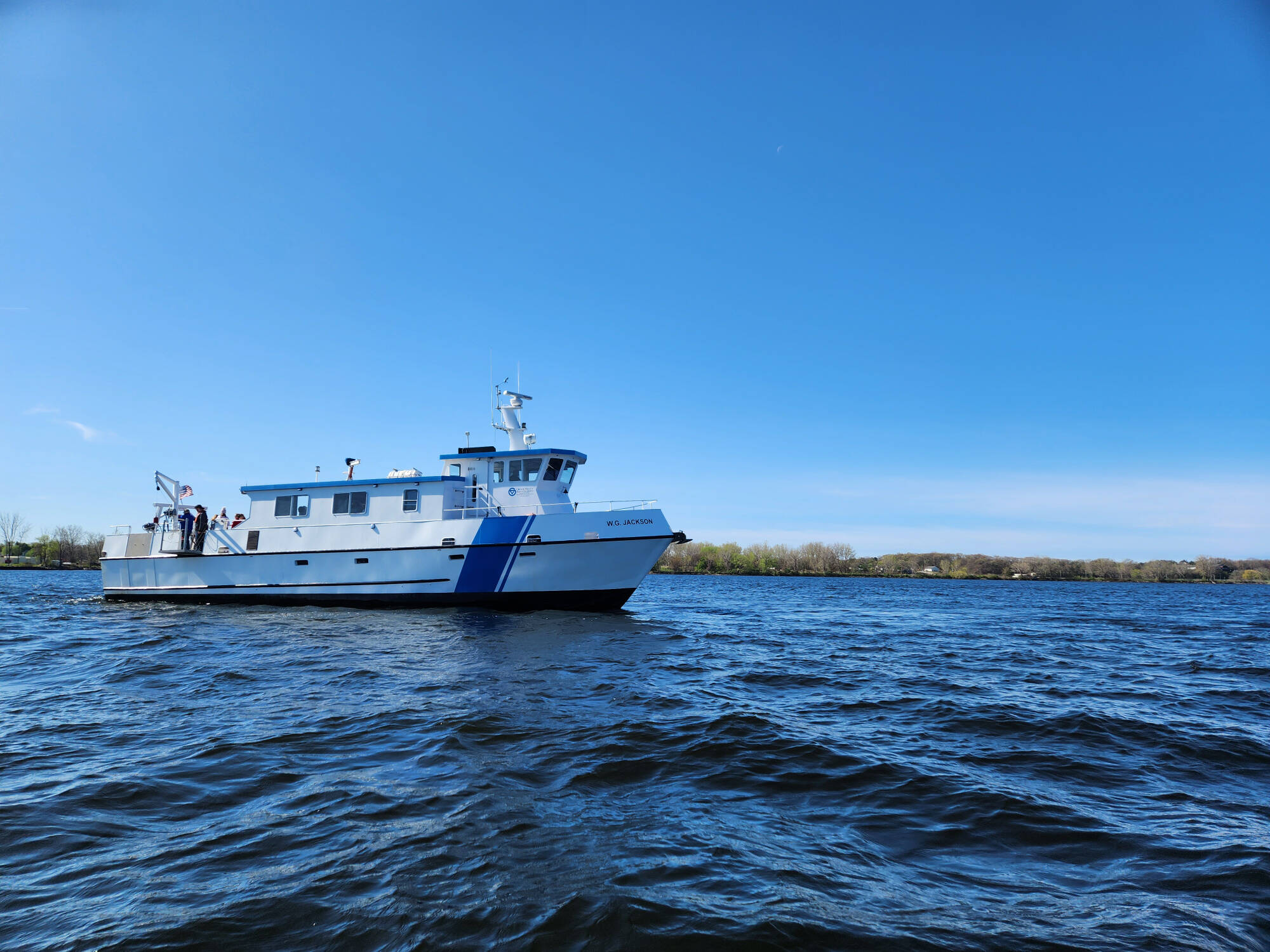
Landside experiences can be in addition to cruises onboard our research and education vessels, or as stand-alone events. When combined with a vessel cruise, groups are divided in two, with half the group starting on the W. G. Jackson and the other half starting on land. After lunch, the groups switch locations, making it a complete day of comprehensive activities.
Please note: we are currently unable to offer landside programs at our Harbor Island site in concert with cruises on the D.J. Angus, but we are able to share recommendations in the Grand Haven area upon request.
Landside Learning Topics
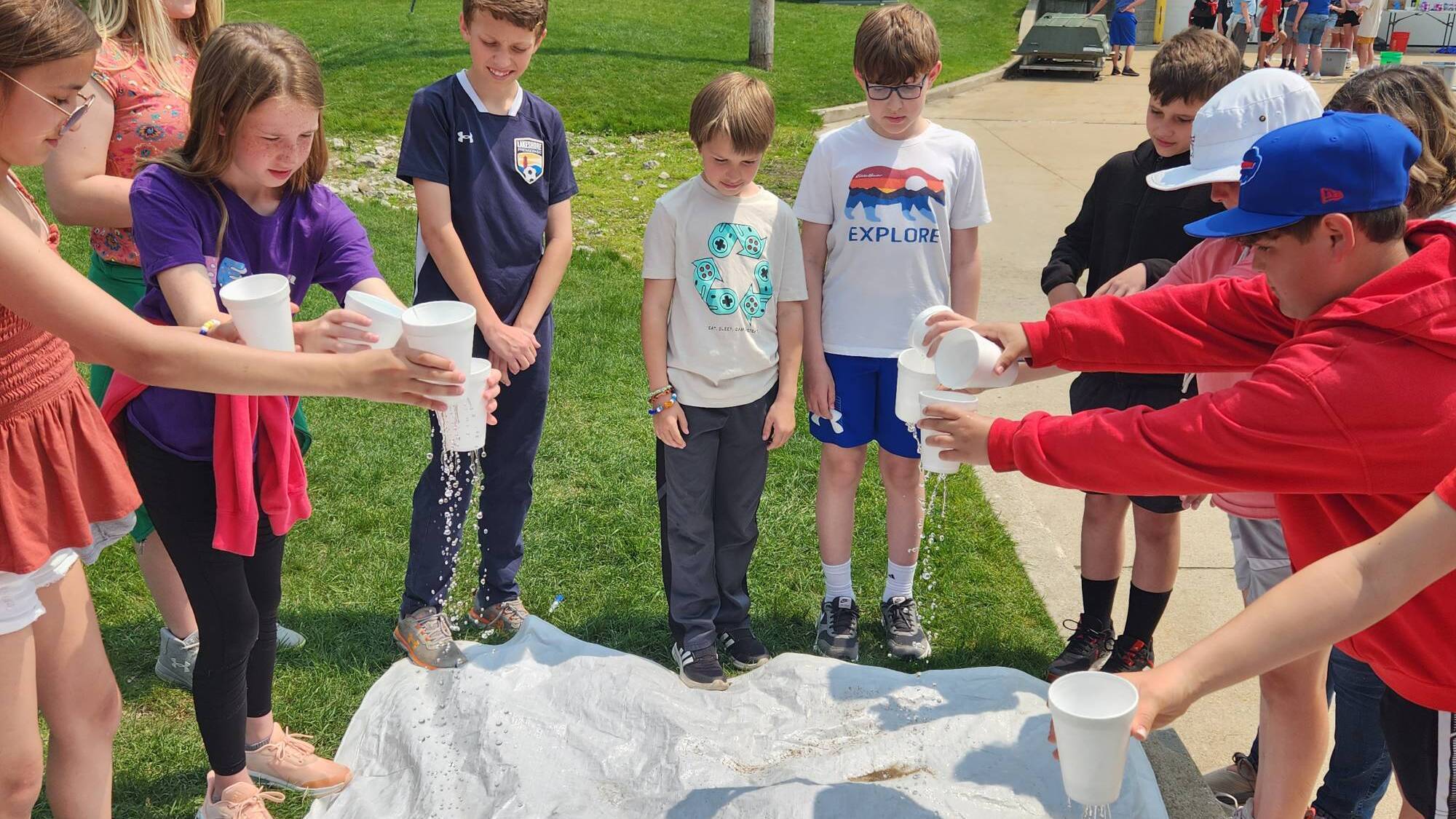
Through landside programs, students can deepen and broaden their learning about topics in water resources. We investigate the connection between terrestrial and aquatic ecosystems and foodwebs, and how actions on land can impact water quality and freshwater organisms. Students act as scientists and examine how to monitor conditions on the land, such as taking surface and soil temperatures, measuring tree heights, and making phenological observations. They also explore the concept of a watershed through activities like playing an interactive water cycle game, building a 3D watershed model, and investigating how water flows across the land.
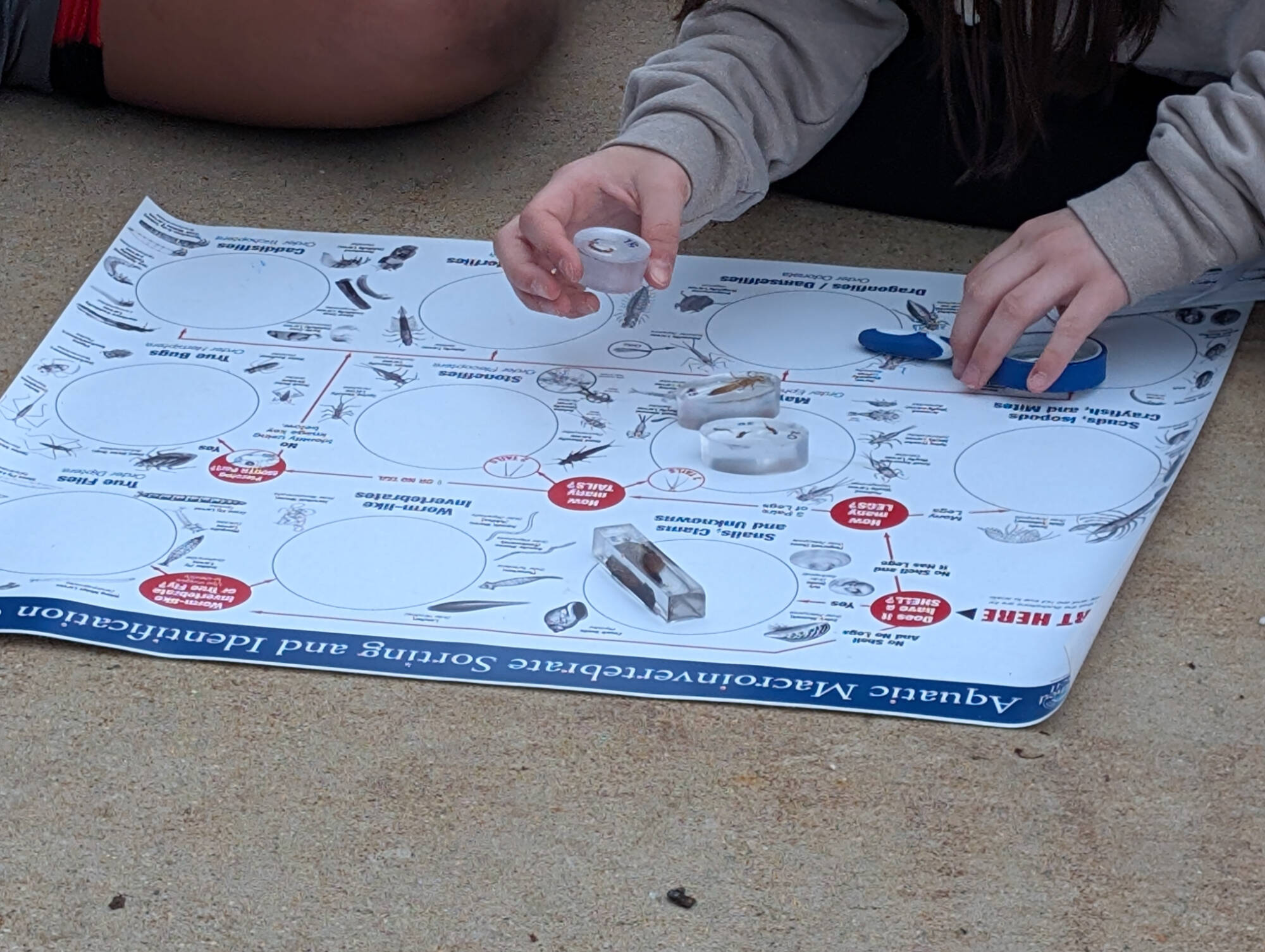
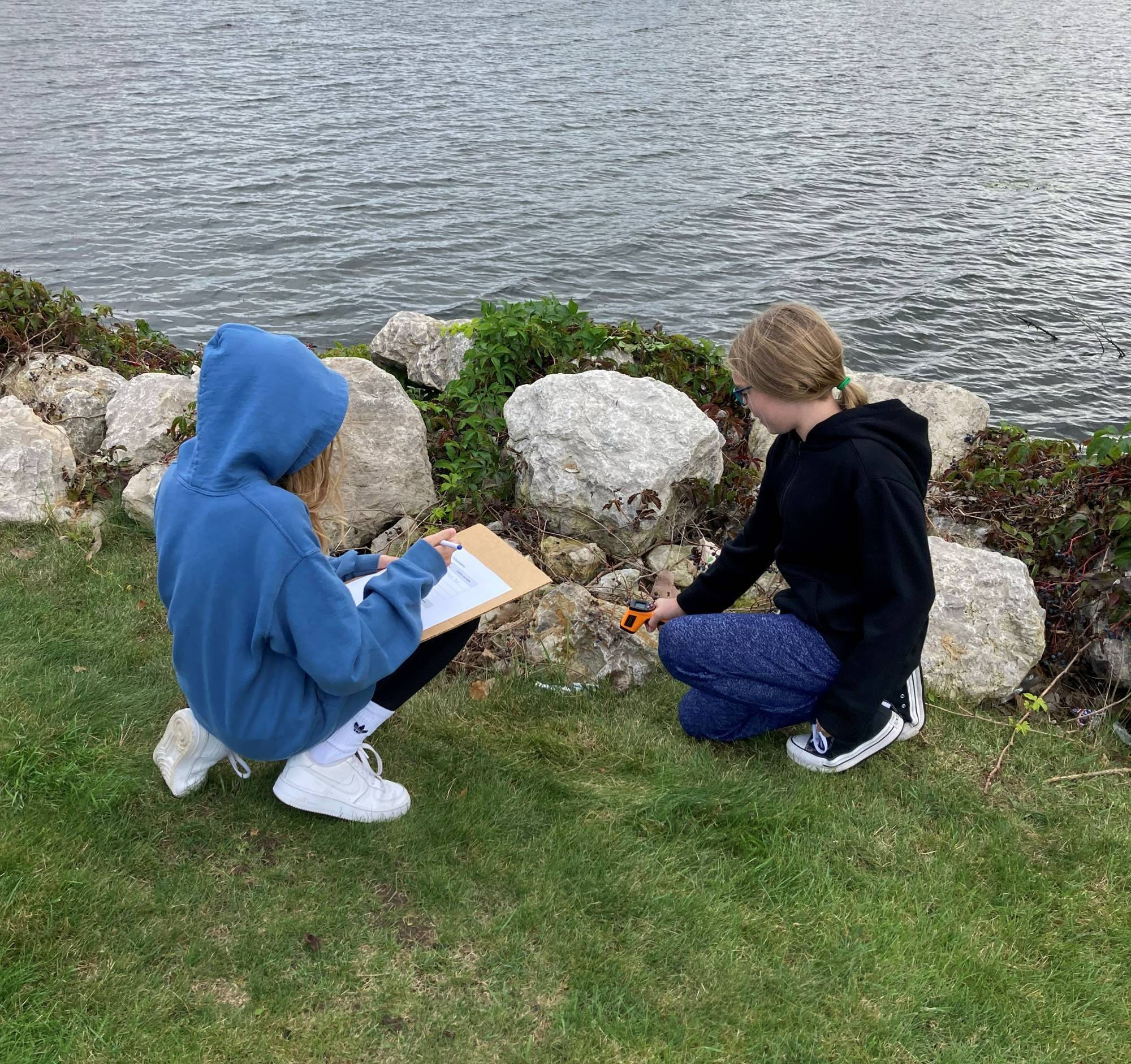
Landside programs are held primarily outdoors to enhance place-based learning. Activities have been designed by our AWRI outreach staff, and draw upon other environmental curricula such as Project WET (Water Education for Teachers), Michigan Environmental Education Curriculum Support (MEECS), and the Global Learning and Observations to Benefit the Environment (GLOBE) program. Activities in our programs address Michigan education standards, and correlations can be shared upon request.