

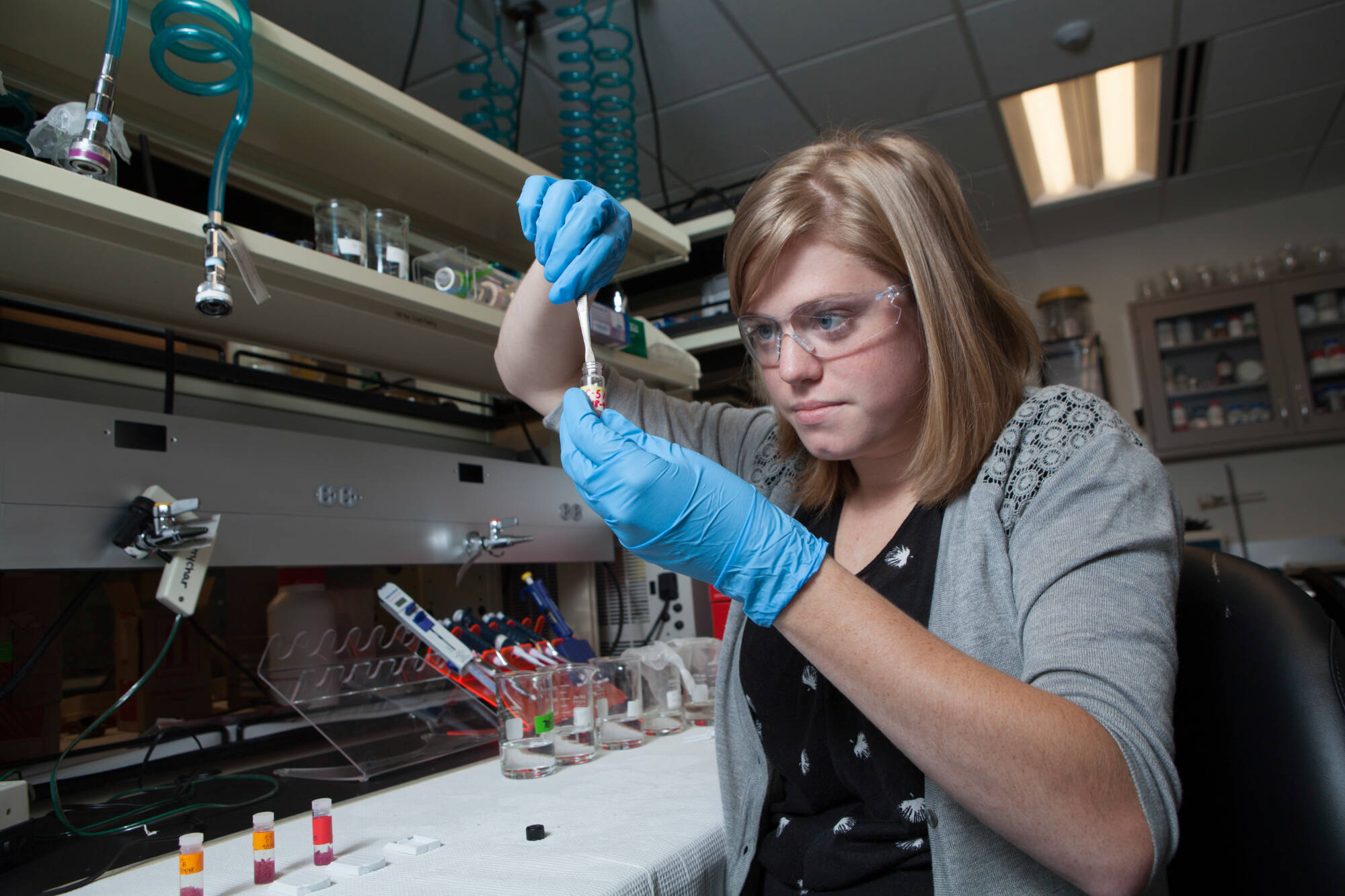
CLAS Distinguished Alumni-In-Residence
The CLAS Distinguished Alumni-in-Residence Program is a biannual celebration sponsored by GVSU's College of Liberal Arts and Sciences, and it invites outstanding alumni from CLAS departments back to campus to share their post-graduation experiences with the GVSU community. Through the program, our distinguished alumni have the opportunity to share their insights about what constitutes strong academic preparation for students. Read below to learn about AWRI's past students who have been recognized through this program.
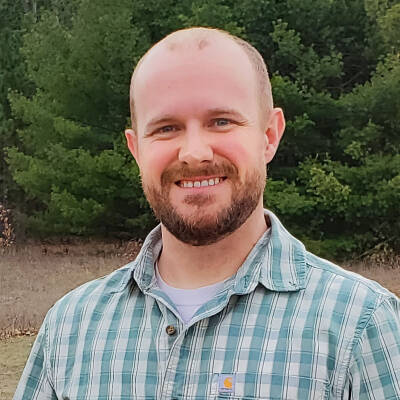
2026 Alumni-in-Residence: Dr. Jared Homola
Ph.D. - Ecology and Environmental Science, University of Maine (2018)
M.Sc. - Biology, Annis Water Resources Institute, Grand Valley State University (2013)
B.Sc. - Fisheries and Wildlife, Michigan State University (2010)
Jared Homola is a conservation geneticist and Assistant Professor in the Department of Fisheries and Wildlife at Michigan State University. His career bridges genetics and natural resource management and has been shaped by a master’s degree at Grand Valley State University’s Annis Water Resources Institute, a Ph.D. in Ecology and Environmental Sciences from the University of Maine, and a National Science Foundation Postdoctoral Research Fellowship at Michigan State University. From 2021–2024, he served as Assistant Unit Leader of the United States Geological Survey Wisconsin Cooperative Fishery Research Unit at the University of Wisconsin-Stevens Point, establishing a research program that transitioned to MSU in 2025. His group now partners with state, federal, tribal, and provincial agencies across North America to apply genetic and genomic tools to fisheries assessment, conservation planning, invasive species management, and biodiversity monitoring. He has authored over 30 peer-reviewed publications and mentored over 20 undergraduate, graduate, and early career researchers. He now makes his home with his family in Grand Ledge, Michigan.
Previous Honorees
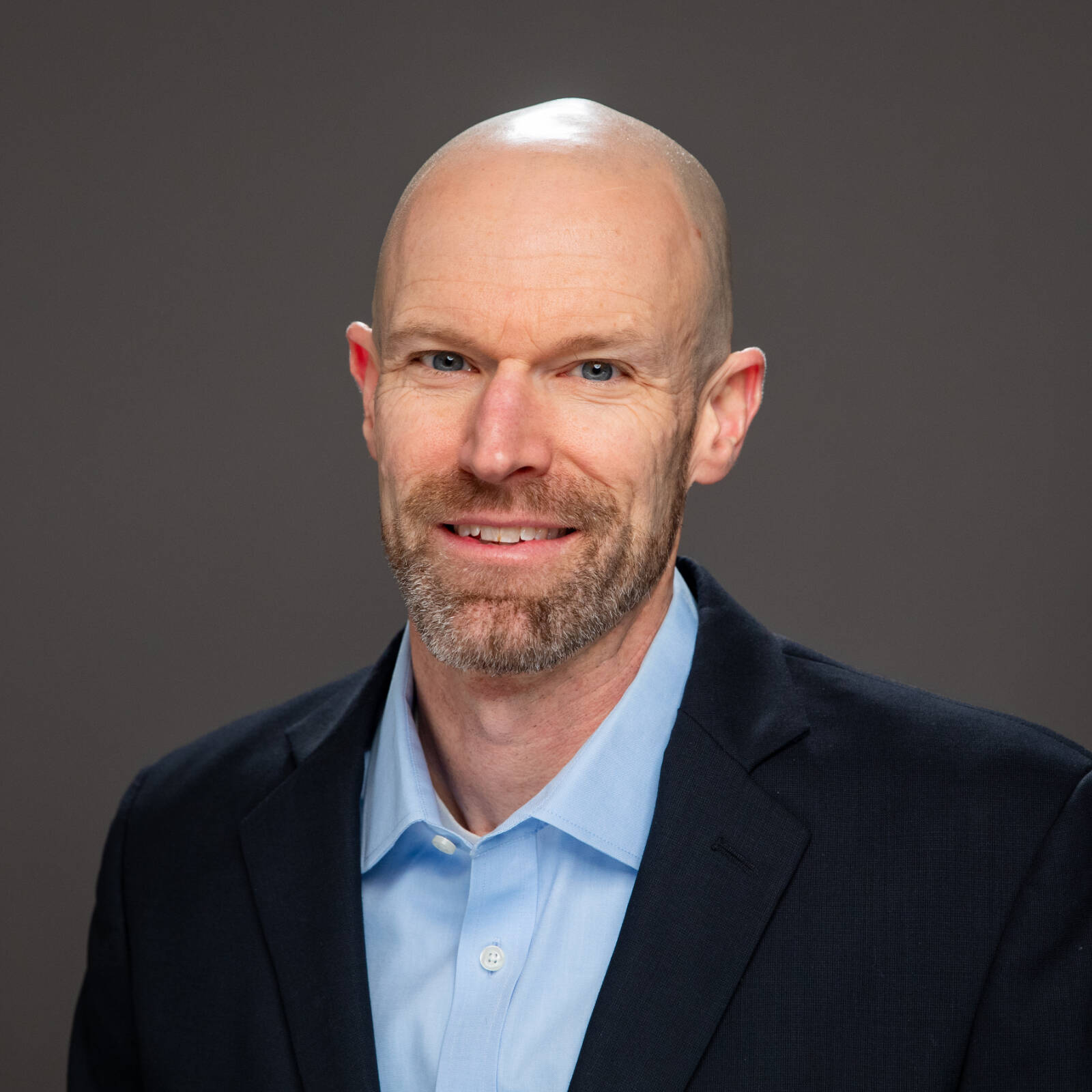
2024: Dr. Elizabeth La Rue
2017: Aaron Parker
2015: Dr. Matt Cooper
2013: Matt Breen
B.S. Biology (2010)
M.S. Biology (2012)
Ph.D. Biological Sciences (2017)
B.S. Natural Resources (2003)
M.S. Biology (2007)
B.S. in Biology (2002)
M.S. in Biology, emphasis in aquatic science (2009)
Ph.D. in Biology (2014)
B.S. in Biology (2005)
M.S. in Biology, emphasis in aquatic science (2008)
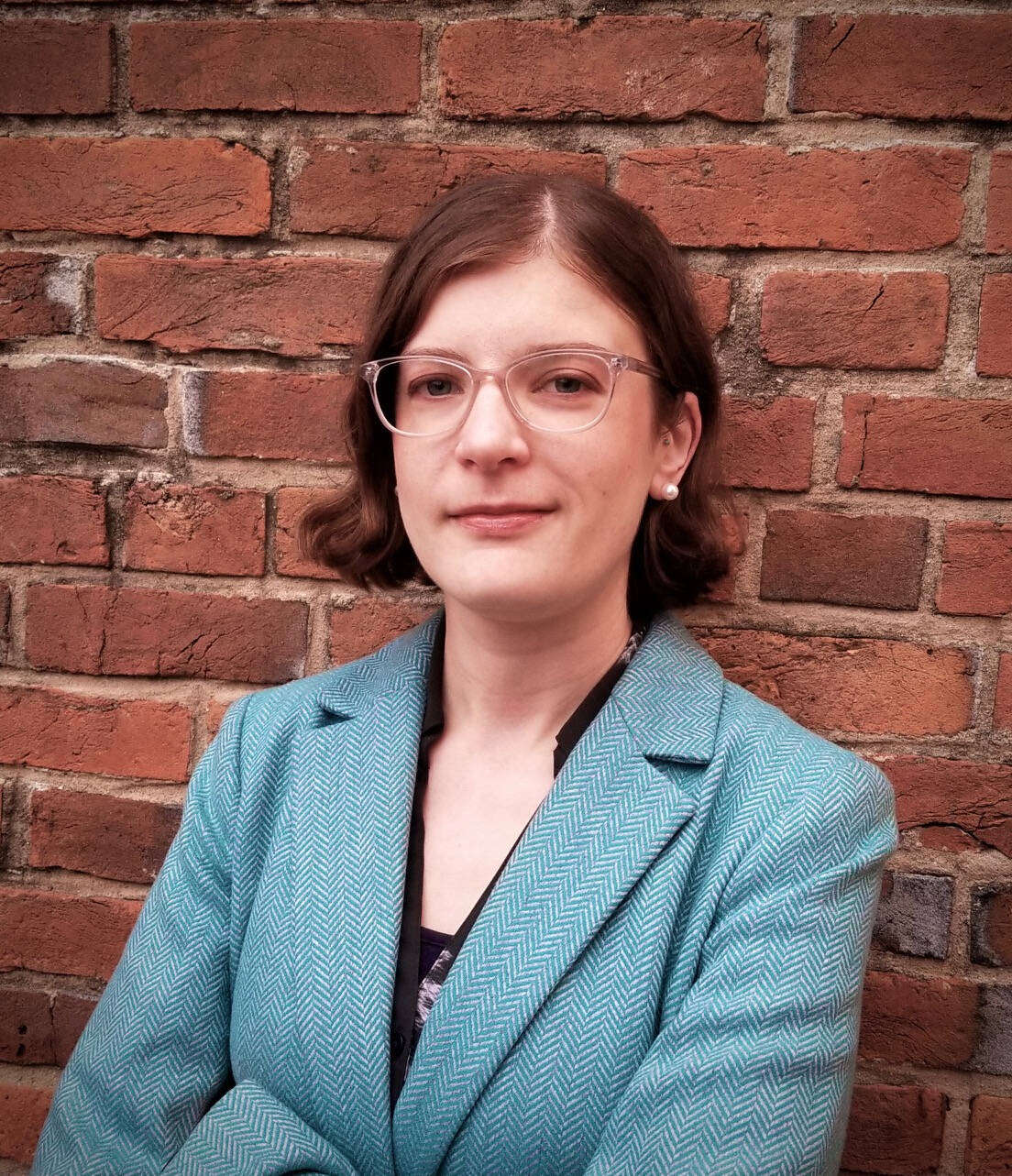
Elizabeth La Rue is a West Michigan native, growing up in Muskegon. Before earning her B.S. in Biology at Grand Valley State University in 2010, she went to Oakridge High School and Muskegon Community College. She also earned her M.S. in Biology at GVSU, doing her research at the Annis Water Resources Institute on invasive aquatic plants. She earned her Ph.D. in Biological Sciences at Purdue University in 2017, working with Great Lakes beach plants.
Dr. La Rue is an Assistant Professor in the Department of Biological Sciences at the University of Texas at El Paso. Her current research uses big data and remote sensing to uncover mechanisms underlying spatial patterns in species distributions and the structural diversity of ecosystems. She is also interested in developing remote sensing approaches for improving the monitoring and management of nuisance species and those of conservation concern.
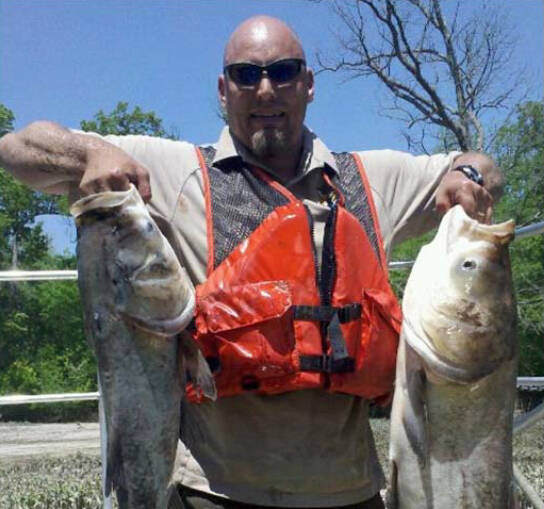
Aaron Parker earned his bachelor’s degree in natural resources management from Grand Valley State University in 2003. With a graduate research assistantship from GVSU’s Annis Water Resources Institute, he earned a master’s degree in biology in 2007. For his master’s thesis research, Aaron studied phenotypic plasticity and diets of yellow perch, an important game fish species. His thesis research resulted in two scientific publications. After earning his master’s degree, Aaron worked at Florida International University in Miami as a laboratory manager, studying the ecology of the Florida Everglades. He then worked for the U.S. Fish and Wildlife Service, where his job focused on studying the efficacy of the electric barrier in the Chicago Sanitary and Ship Canal to prevent the spread of invasive Asian carp from the Mississippi River basin to Lake Michigan. Aaron’s research on the electric barrier resulted in two publications, including an article in the prestigious Canadian Journal of Fisheries and Aquatic Sciences. In total, Aaron has seven publications in peer-reviewed journals.
Aaron is presently an aquatic biologist for the Michigan Department of Environmental Quality. His duties are wide-ranging but primarily focus on sampling inland lakes throughout Michigan for cyanobacterial toxins and communicating results to health officials and citizens. Other duties include sampling fish and macroinvertebrate, and assisting the Michigan Department of Natural Resources as an expert on Asian carp. Aaron also assisted with water recovery efforts in Flint, Michigan by collecting water samples and performing water service line inspections.
Dr. Matthew Cooper earned his B.S. in Biology at Grand Valley State in 2002. He then went on to earn an M.S. in Biology in 2009 while conducting research at the Annis Water Resources Institute and a Ph.D. at the University of Notre Dame in 2014. Matt is currently a Research Assistant Professor at Central Michigan University’s Institute for Great Lakes Research. A central theme of Matt’s professional and personal life has been a passion for the Great Lakes. Growing up near the shore of Lake Michigan instilled a sense of just how special the lakes are, which has led to a career studying their natural complexities and the ways in which humans have impacted them. For his M.S. research, Matt measured the metabolism of Lake Huron coastal wetlands, in a sense, taking the pulse of each wetland he visited. For his Ph.D., Matt focused specifically on ways that humans have harmed coastal wetlands, from excessive nutrient loading, to urban development along the coast, to economic policies that undervalue ecosystem health. In his current position at CMU, Matt continues to focus on the Great Lakes, recently launching projects to investigate nitrogen cycling along the coast and exploring microbial community function in coastal wetlands. Matt also helps manage a U.S. EPA-funded Great Lakes wetland monitoring program that is assessing the condition of over 1,000 wetlands over 5 years. Matt’s connection to the lakes remains personal as well, and he spends as much time as possible surfing, sailing, or just simply exploring the coastline with his wife and two children.
Matt Breen earned his bachelor’s degree in biology with an aquatics emphasis from Grand Valley State University (GVSU) in 2005, after serving four years in the Active Army. As an undergraduate, Matt took part in GVSU Student Summer Scholars program, conducting research to examine gear selectivity of fish in fyke nets. He published his research in North American Journal of Fisheries Management. With a Graduate Research Assistantship through Annis Water Resources Institute, Matt also earned his master’s degree at GVSU in biology with an aquatics emphasis. His thesis research focused on movement ecology of a small, non-game fish species, and he published his work in the Canadian Journal of Fisheries and Aquatic Sciences. Matt received numerous awards and grants while at GVSU, including the George L. Disborough Trout Unlimited Research Grant from the Kalamazoo Community Foundation, the Clark Hubbs Research Assistance Award from the American Institute of Fishery Research Biologists, and the best student paper at the 2007 annual meeting of the Michigan Chapter of the American Fisheries Society (AFS). Matt is currently employed by the Utah Division of Wildlife Resources where he is the Native Aquatics Project Leader for northeastern Utah. He oversees projects conducted for the Upper Colorado River Endangered Fish Recovery Program, including recovery efforts for endangered Colorado pikeminnow, razorback sucker, bonytail, and humpback chub. Additionally, his program focuses on conservation measures for state-listed sensitive species to preclude federal listing where his efforts have earned him the Award of Merit from the Utah Chapter of AFS.