

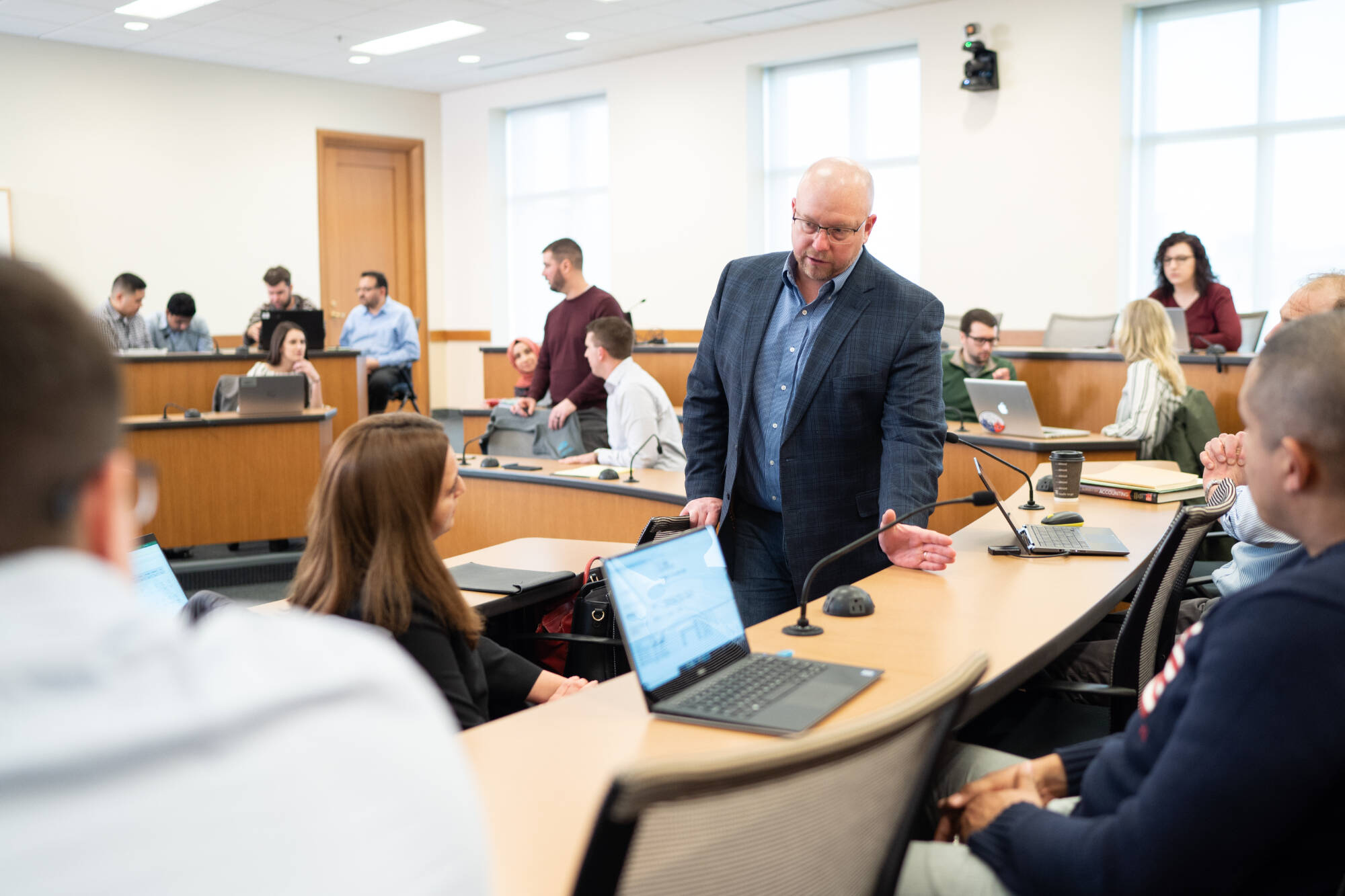
Seidman’s commitment to positive and lasting societal impact is reflected throughout our curriculum, from beginning to end. The program requirements to receive an undergraduate degree include courses at each level with emphasis on societal impact in business to prepare and inspire students to use the knowledge gained at Seidman to make the world a better place. In addition, many program electives also offer perspectives on the role of business in society.
Good Business 101
Introduction to Business
Introduction to Business (BUS 101) serves as many students’ first exposure to business education at Seidman. Primarily designed for first-year students interested in business, the course introduces the foundational disciplines of business law, marketing, management, finance, accounting, and economics, while synthesizing them into a broad, integrated view of how businesses operate.
Through this introduction, students begin to explore how business decisions affect organizations, communities, and society at large. The course also introduces potential business career paths, helping students connect academic concepts to real-world applications early in their college experience.
Legal Environment for Good Business
Legal Environment for Business
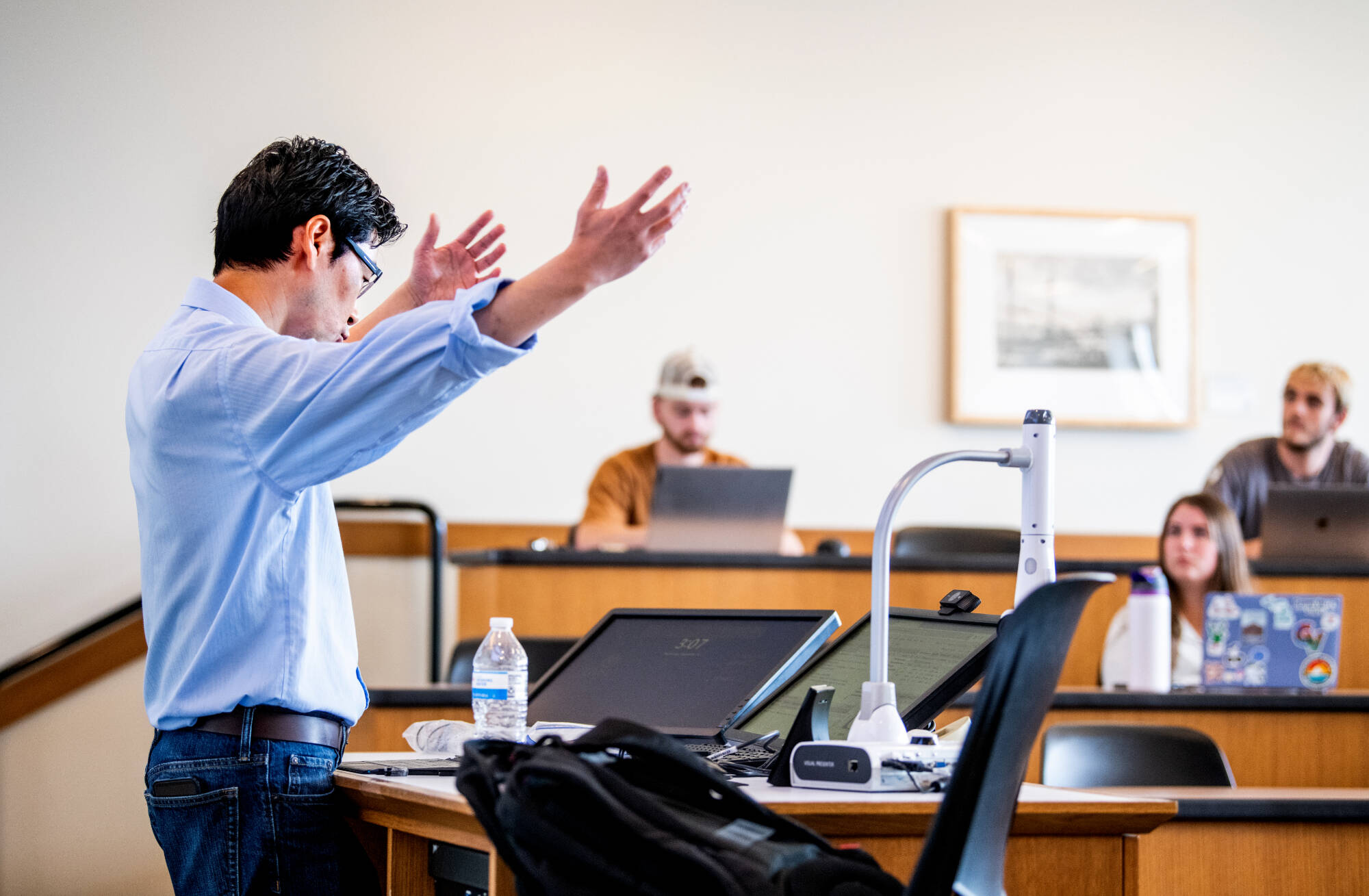
Typically completed during a student’s second year, Legal Environment for Business (BUS 201) examines the legal, regulatory, and ethical contexts in which businesses operate. The course emphasizes how laws, policies, and ethical standards shape responsible business behavior at both the domestic and international levels.
Students explore topics including business regulation, environmental law, employment law, contracts, ethics, and the political and social forces influencing statutory and case law. Through applied case studies—often focused on West Michigan organizations—students analyze corporate social responsibility, sustainability, stakeholder capitalism, and Environmental, Social, and Governance (ESG) considerations, reinforcing how business can serve as a force for positive societal impact.
A defining component of BUS 201 is the use of applied case studies focused on West Michigan organizations, many of which have been published in the Seidman Business Review. These case studies allow students to analyze corporate social responsibility, sustainability, stakeholder capitalism, and Environmental, Social, and Governance (ESG) considerations in practice.
Featured case studies have included:
- Brewery Vivant: Making a Positive Societal Impact on the West Michigan Community (2022)
- Cascade Engineering: Making a Positive Societal Impact in West Michigan (2023)
- Herman Miller, Inc.: A Force for Good in West Michigan (2022)
- Van Andel Institute: A Force for Good in Our Community and the World (2024)
- Breakdancing for Business (2025)
- Stockholder vs. Stakeholder Capitalism: What Business Students Need to Know (2022), published in the Mountain Plains Business Education Journal
Through these case studies, students connect legal and ethical frameworks to real organizational decision-making and gain a deeper understanding of how businesses can create lasting positive impact locally and globally.
Ethical Decision-Making
At Seidman, students are prepared to make ethically informed decisions that positively impact the economy, environment, and society. While ethical considerations are integrated throughout the curriculum, all undergraduate students are also required to complete at least one dedicated business ethics course, typically during their third year.
These courses introduce both normative and behavioral ethics and emphasize applying ethical reasoning in professional settings. Students evaluate real-world organizational decisions and develop the skills needed to navigate complex ethical challenges in today’s business environment.

Good Business Strategy

Administrative Policy
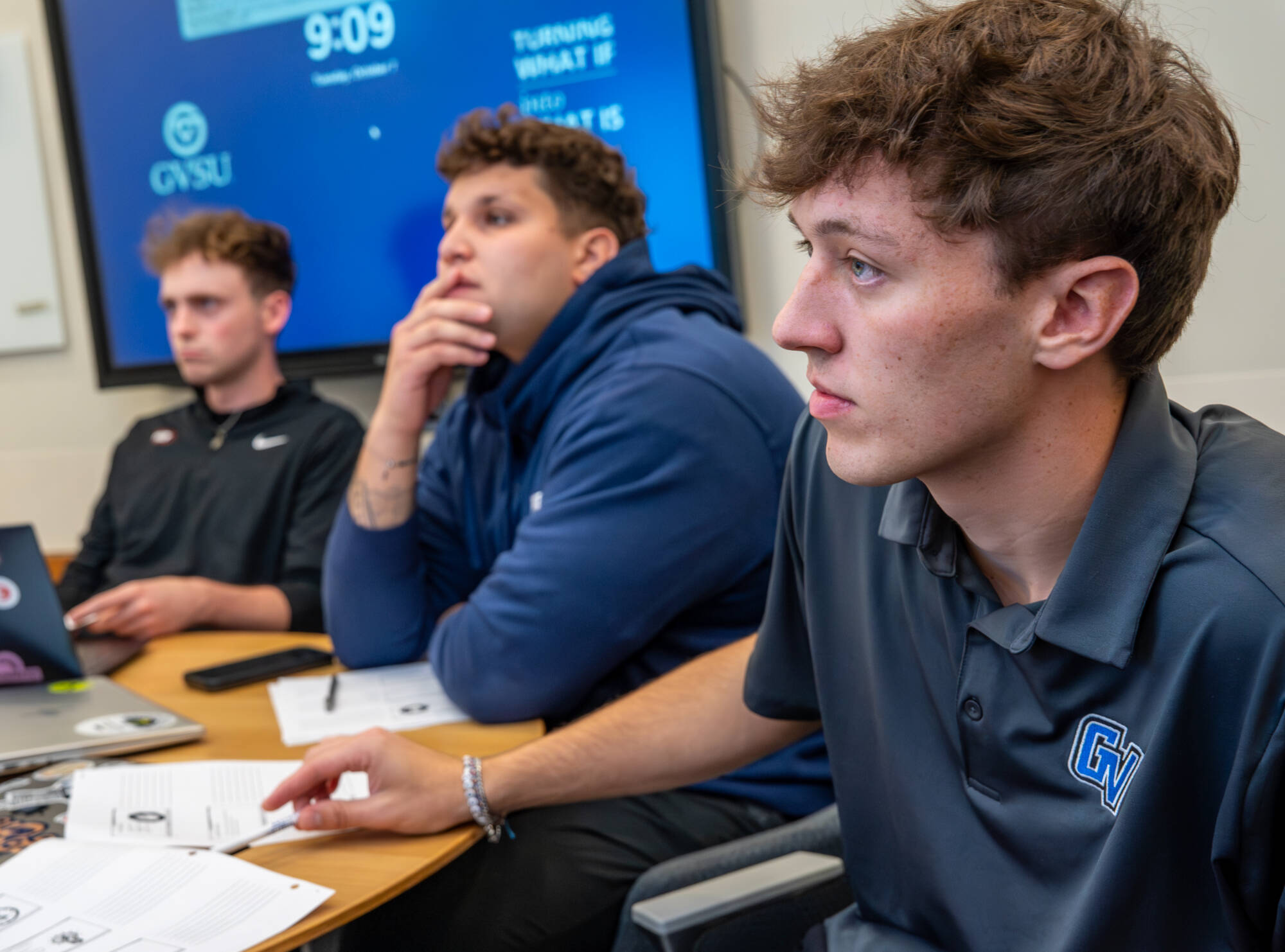
Administrative Policy (MGT 495) is the capstone course for Seidman’s undergraduate business program, focusing on the responsibilities and decision-making processes of general management. Students analyze complex organizational challenges that affect overall business performance, long-term success, and corporate character, with an emphasis on strategy development and implementation.
International perspectives are incorporated throughout the course, preparing students to navigate global business environments. As part of the capstone experience, students apply strategic thinking across functional areas while considering ethical, environmental, and societal implications—reinforcing Seidman’s commitment to developing responsible leaders equipped to support sustainable growth.