

Rahat Rafiq receives MTRAC Award to commercialize an AI system for monitoring forest health
Published March 20, 2026 by Esther Djan
At Grand Valley State University’s College of Computing, faculty and students are working at the intersection of artificial intelligence and environmental sustainability through a new project funded by the Michigan Translational Research & Commercialization (MTRAC) program in the amount of $147,701. Led by Rahat Ibn Rafiq, the initiative focuses on developing a scalable, cost-effective system for monitoring forest health—an area where traditional methods often fall short.
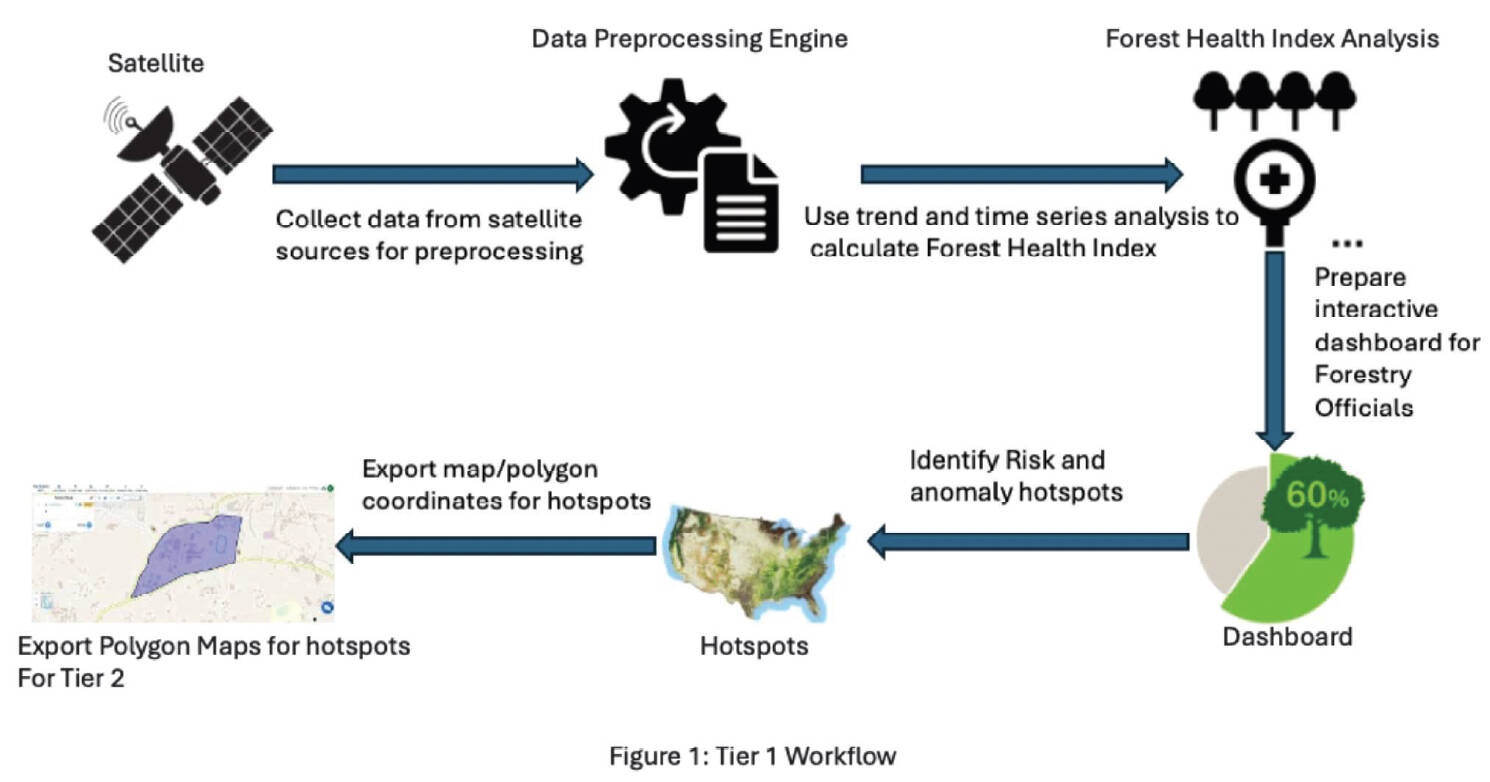
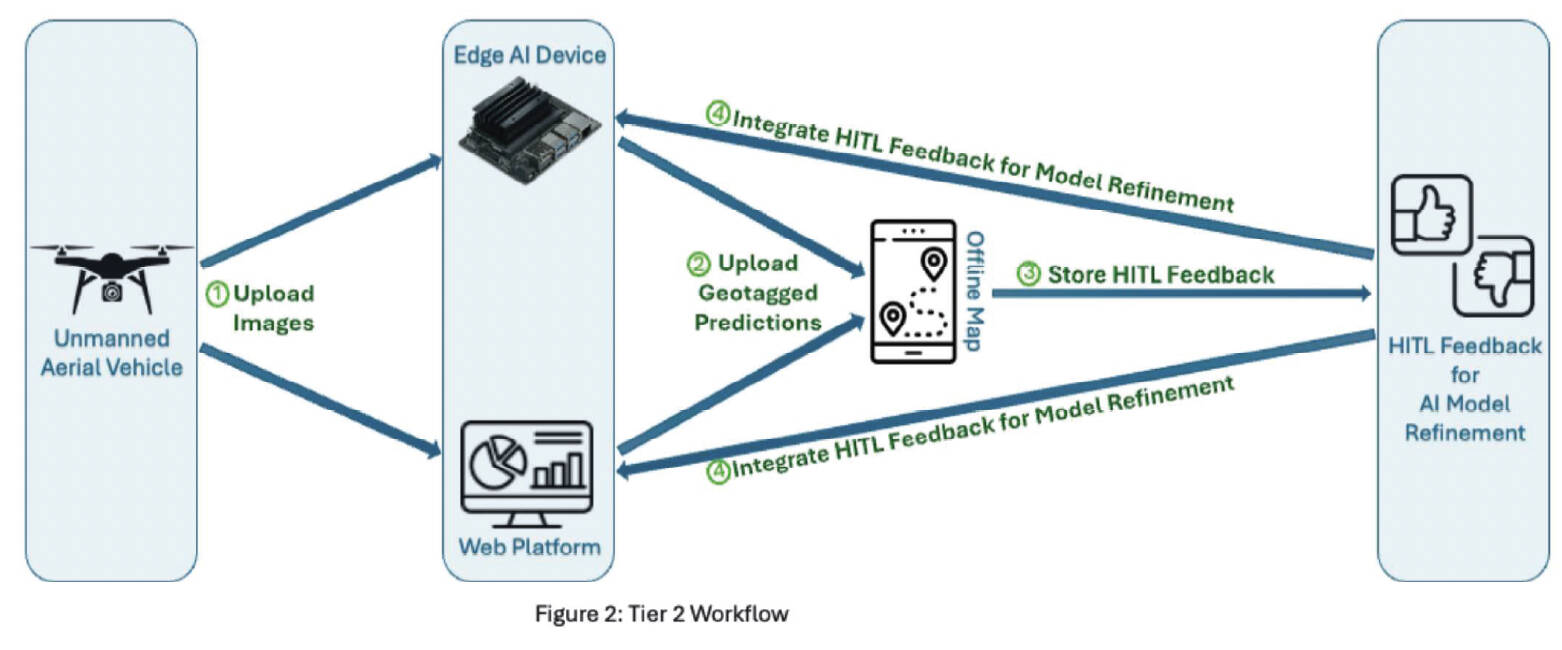
The inspiration behind the proposal stems from MTRAC’s emphasis on translational and applied research. Rather than remaining theoretical, this project is designed to directly address real-world challenges in forestry management. The team is building a tiered forest health monitoring system that integrates computer vision, AI-powered time series analysis, and remote sensing technologies. By combining these tools, the system aims to detect early signs of disease and environmental stress in forests, allowing officials to take action before issues escalate.
Students from the College of Computing play a central role in bringing this project to life. Both graduate and undergraduate students are actively contributing to the development of the system, including the creation of a live platform, EdgeForestry.com. Previous student involvement has also led to the development of computer vision models capable of identifying forest diseases. Looking ahead, the project plans to expand opportunities for students by recruiting additional undergraduate interns in areas such as forestry and marketing, creating a multidisciplinary learning experience that blends technical innovation with real-world application.
The potential impact of this research is significant. Currently, many forest health issues are addressed only after they have become severe, making mitigation both costly and resource-intensive. Existing proactive monitoring methods are often manual, limiting their scalability across large forested areas. This project seeks to transform that approach by enabling continuous, automated monitoring through a combination of remote sensing and UAV (drone)-based AI systems. The result is a more efficient and proactive model that empowers foresters to manage vast landscapes while significantly reducing costs.
For Rahat, one of the most exciting aspects of advancing this work at the College of Computing is the opportunity to collaborate with highly motivated students while addressing a problem that is deeply relevant to Michigan. Forest ecosystems across West Michigan and the broader region face increasing environmental pressures, making proactive monitoring more critical than ever. Supported by the College, this project reflects a broader commitment to leveraging computing as a force for real-world impact—where innovation not only advances technology but also helps protect and sustain natural resources.