

Dr. Jiaxin Du receives DOJ-funded award to advance justice through AI research
Published August 28, 2025 by Shelby Harrison
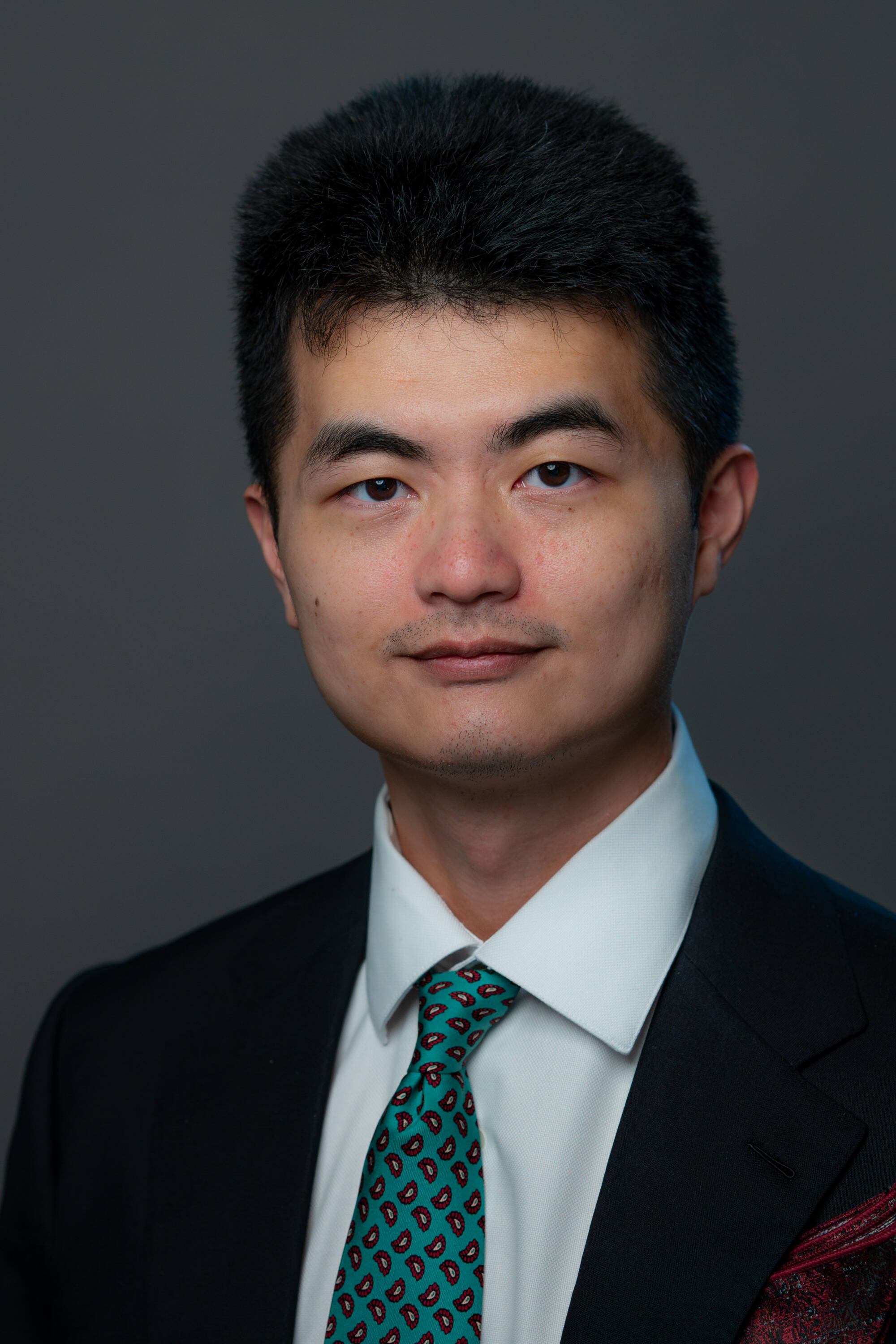
Dr. Jiaxin Du, assistant professor in the College of Computing, has been awarded a subaward from Cleveland State University as part of the U.S. Department of Justice’s FY 21 National Sexual Assault Kit Initiative (SAKI). This yearlong project positions Du as institutional principal investigator, leveraging his expertise in artificial intelligence and natural language processing (NLP) to address one of the most persistent challenges in criminal justice – unprocessed sexual assault kits.
Although this award supports one year of work, Du has been contributing to this initiative for the past three years. During his doctoral studies at Texas A&M University, he began collaborating with Cleveland State University on efforts to apply AI to criminal justice challenges. Together, the team is analyzing nearly three decades of police reports from the Akron Police Department to uncover patterns, detect potential bias, and identify key features that influence case outcomes. Their work involves converting handwritten and image-based reports into digital text, applying advanced machine learning models to evaluate bias and sentiment, and generating insights that can help law enforcement improve efficiency and deliver greater justice for victims.
A critical focus of the project is data security. All processing takes place on private, secure servers that are never open, cloud-based systems to protect victim and case information. Du explained that current funding supports operational and server costs, allowing the team to maintain strict compliance standards while advancing their research goals.
The National Sexual Assault Kit Initiative (SAKI) is a federal program dedicated to addressing the nationwide backlog of unprocessed sexual assault kits, improving the criminal justice response to sexual assault, and enhancing victim services. Du’s work brings cutting-edge AI research into this effort, bridging technology and justice in ways that can directly impact communities.
“We don’t want police officers thinking we are going against them, but we want to help them,” stated Du. “We want to support their investigation to help them bring justice for the victims through applying AI and help uncover what they may have missed.”
Looking ahead, this research lays the foundation for broader collaborations between GVSU and law enforcement agencies. Du emphasized that the tools being developed have the potential to be adapted and scaled to other regions, supporting police departments nationwide in reducing backlogs and identifying investigative blind spots. By combining data science with human-centered goals, the College of Computing at GVSU is shaping solutions that matter both in the Greater Grand Rapids area, State of Michigan, and across the nation.