

Navigating Success in Computing: A new course to support first-year students
Published September 2, 2025 by Shelby Harrison
Beginning college as a computing major is both exciting and challenging. From navigating university resources to choosing the right major track, students often face challenges that go beyond the classroom. To better support first-year computing students, the College of Computing has launched a new pilot course called CIS 180: Navigating Success in Computing.
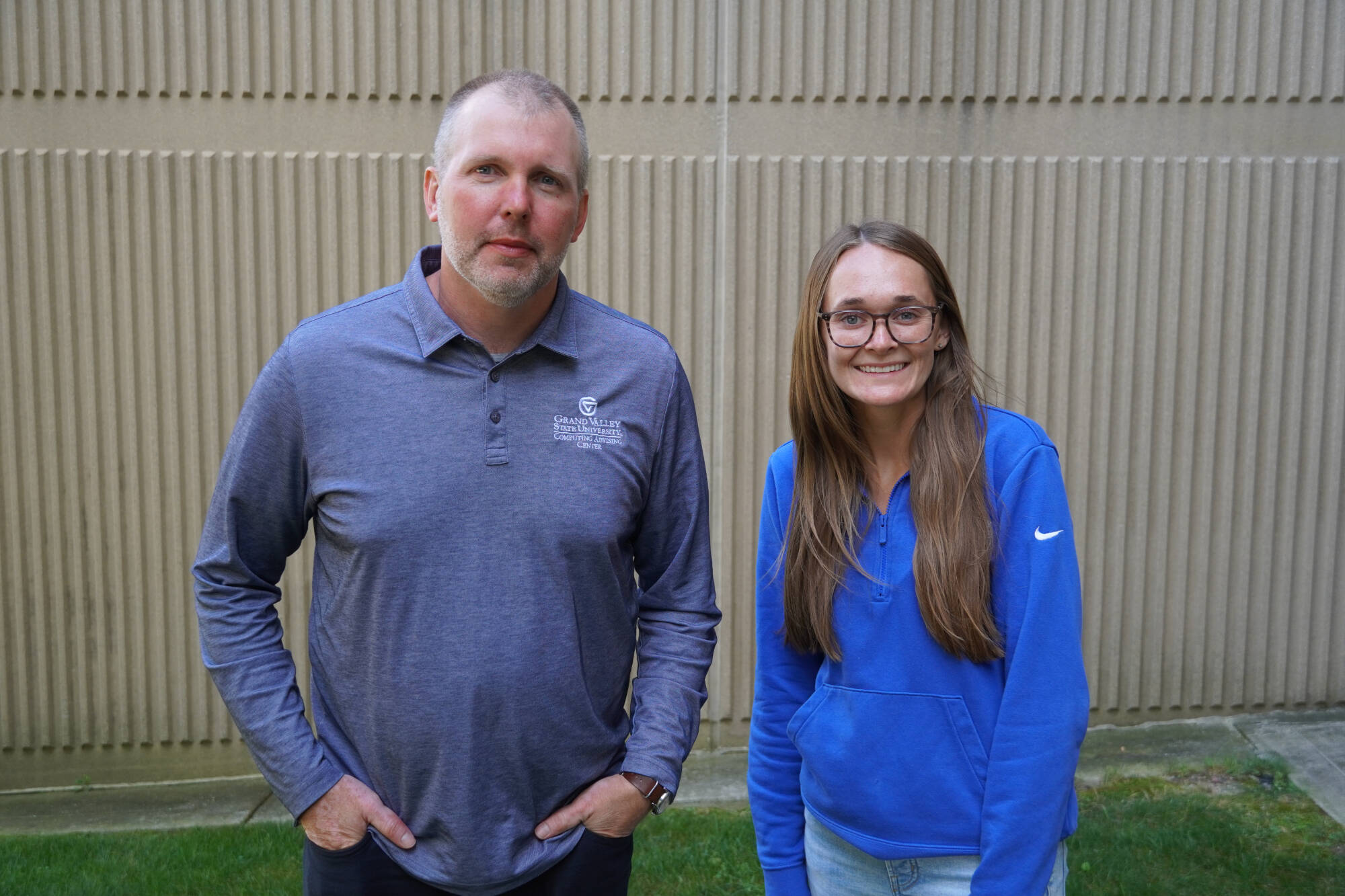
The course is co-taught by academic advisors Colin DeKuiper and Emily Zeliasko, who bring their expertise and passion for student success into the classroom. Together, they are guiding undergraduate students through their first steps in computing by building a foundation for academic success while fostering community and confidence. We sat down with them to learn more about CIS 180 and its impact.
What inspired the creation of CIS 180, and why is it an important first step for computing students?
Our students were the true inspiration behind CIS 180. As Academic Advisors, we have the pleasure of meeting with such a variety of students every day and learning about their wants and needs. There is a tremendous amount that goes into being a successful college student. It can be overwhelming to navigate resources and academic policies, especially if you don’t even know they exist or how to find them. Additionally, we have many students who enter their first semester declared as a computing major, but because of prerequisites, they may not be able to enroll in a computing course right away. CIS 180 is being piloted to address both of those challenges.
How will this course help students succeed both in the classroom and in their future careers in computing?
This course is only a first step in students’ career development. It’s designed to help them learn about each of the college’s majors and minors, build confidence in their major choice, and understand the curricular expectations ahead of them. We do hope it better prepares students for the experiential requirements of their programs.
What topics and skills will students explore in CIS 180?
Students will explore an introduction to the curriculum focus of the college’s majors, program requirements, academic support resources, and how to continue their exploration in a chosen field of computing.
How does the class go beyond academics to help students adjust to college life and the computing community?
We developed CIS 180 to help students feel comfortable connecting — not just with peers, staff, and faculty, but also to begin feeling comfortable with outreach to employers and industry. The small class size will allow students to have personal attention from both instructors, but also to create relationships with their peers in the course. Personal connections are the first step in creating a community!
What will it look like to have both of you co-teaching this course?
We are excited to have the opportunity to co-teach the first CIS 180 course! We will both be involved in every aspect of the course, and will lean on each other’s strengths to ensure that students have the best learning experience possible. We both have taught numerous courses before, and are excited to continue to learn from our Computing students in this new opportunity!
How do your unique perspectives as academic advisors complement each other in supporting students?
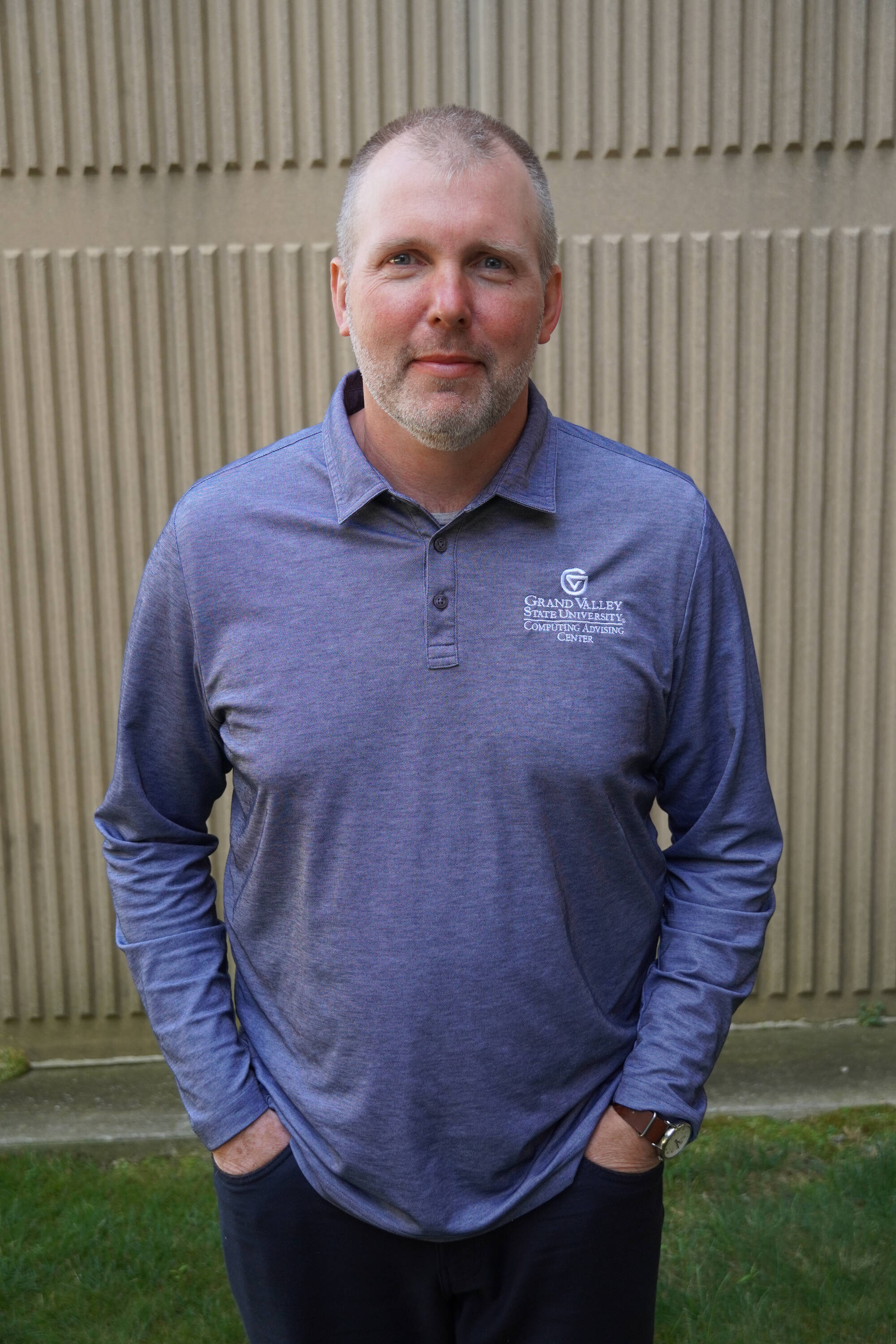
Colin: As advisors, I think that we are particularly attuned to supporting students who are feeling connected to their coursework and exploring whether it is academic support or academic exploration that should be the focus. We are also very knowledgeable of academic policies, program requirements, and semester sequencing. All of those can have a major impact on a student’s experience as well as their timeline to degree completion.
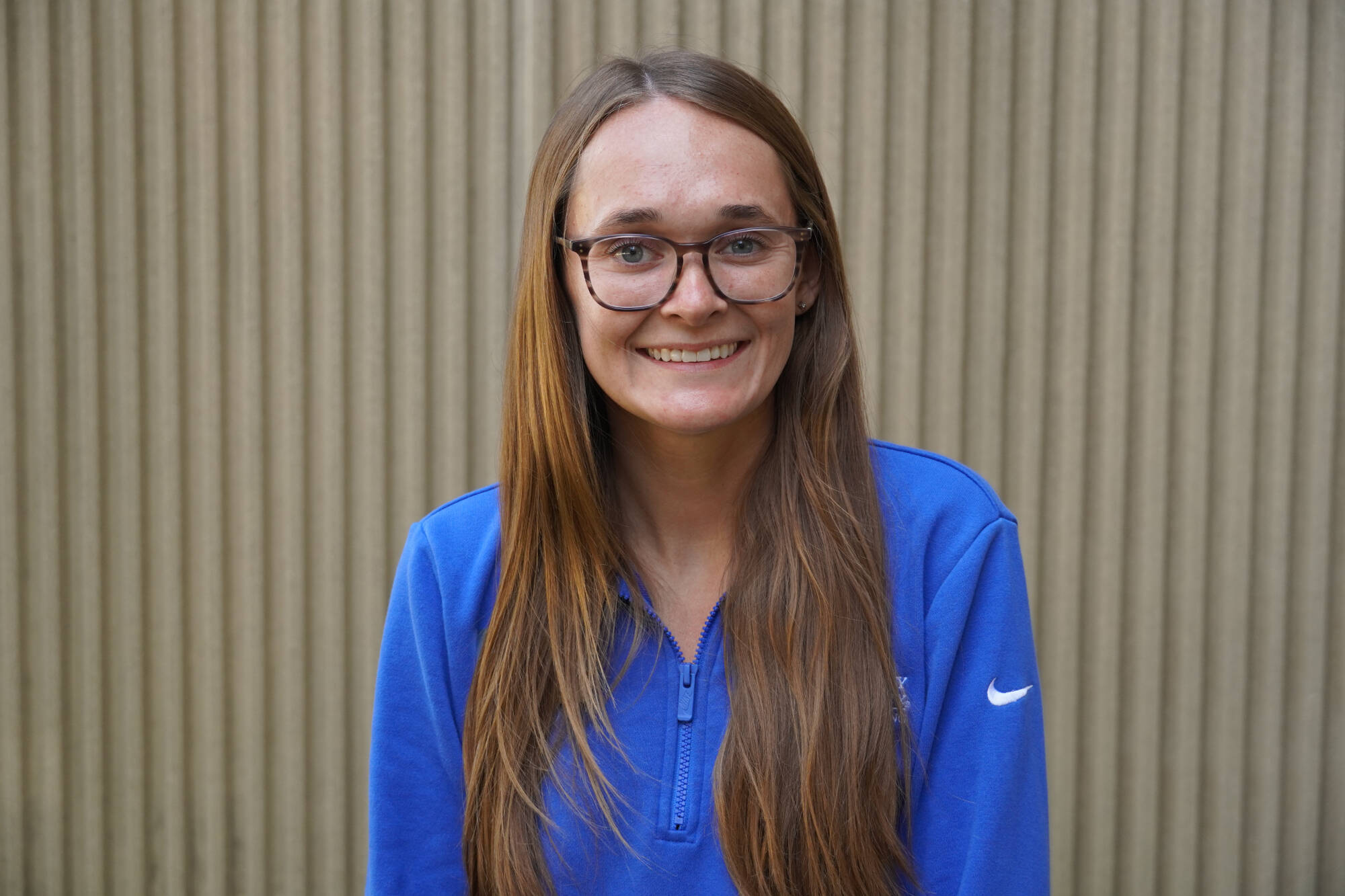
Emily: Colin and I have worked together as Academic Advisors for 2 years, and have a strong understanding of academic policies and curriculum within the College of Computing and GVSU. We both have unique educational experiences and career backgrounds that pair well to facilitate strong conversations and learning with our students. We are also excited to bring in outside perspectives from faculty and staff within the college to supplement our expertise.
Why should a student be excited to take CIS 180?
Students should be excited to take CIS 180 for the opportunity to engage with the College of Computing and learn more about academic success at GVSU early in their career here. Participation in this course should provide students with a clearer sense of direction in computing.
What’s your vision for CIS 180 as it grows to include all computing students in the future?
We're not sure that CIS 180 is going to be the right fit for every student. And that's okay! Hopefully, it can serve as a resource for students that want and need this type of first year support. We hope it grows to more sections so that more students can take advantage of that content in the future, but we also hope the college continues to think of innovative ways to support those that may not benefit from the CIS 180 content.
As CIS 180 begins its pilot semester, Colin and Emily are optimistic about the impact it will have on students exploring computing. Whether it’s building personal connections, clarifying academic pathways, or preparing for future career opportunities, the course is designed to help students start strong and stay engaged.
As the course evolves, its mission will remain the same: to provide computing students with the tools, knowledge, and community they need to thrive at GVSU and in the computing field beyond.
Story by Shelby Harrison. Q&A insights from Colin DeKuiper and Emily Zeliasko.