
Job Search
Searching for a job can take, on average, three to six months, so it’s important to begin early (at least a semester before you’d like to be hired). Here are some strategies to get you started:
Get Focused

- It’s okay if you don’t know exactly what you want to do in a job, however, employers will expect you to have an idea. Think about the type of work you’d like to do, skills you’d like to use, and industries you’d like to explore. Refer to our Self-Guided Career Exploration site if you need some ideas or need to do further research.
- Be mindful of recruiting timeframes for industries you’d like to work. For example, educators are often hired between March and June, while accounting firms typically hire in September/October.
- Organize your search. Keep track of organizations you’ve applied to, when, who you spoke with, and when you need to follow-up.
Assemble Materials
- Most jobs will require a resume and cover letter. Review our Resume Guide, stop by the CareerLab, or schedule an appointment to have your documents reviewed.
- Update your LinkedIn and Handshake profiles. This will ensure you are receiving position updates that fit what you are looking for.

Network

- On average, 75% of opportunities are never posted, so identify companies/organizations you are interested in and contact them directly.
- Reach out to contacts and GVSU alumni through LinkedIn to conduct informational interviews. This is a great way to learn about opportunities and build your network.
- If you’re looking for jobs outside your local area, utilize GVSU Alumni Networks.
- Attend events. The Career Center brings hundreds of employers right to campus and these employers want to talk to you about opportunities.
Search and Apply
- While networking is the number one way students learn about opportunities, online tools can also be helpful.
- Handshake is a great online tool for searching for positions, and have many local, regional, and national opportunities. How to Use Handshake
- Stunio is a student work app that matches GVSU students with verified, flexible work in the local area - shifts, short-term projects, micro- internships, and more.
- RAIN is a tool to help you organize your applications and check out networking and interview prep all while receiving personalized guidance at every step.
- Work Abroad is a great resource if you’re interested in an international opportunity.
- How to recognize and avoid fraudulent jobs
Handshake Tips
- Use Career Interests in your profile to generate jobs of interest
- Favorite employers so you'll be notified when they post a position or come to campus
- Use filters to narrow down your search
Get Ready to Interview
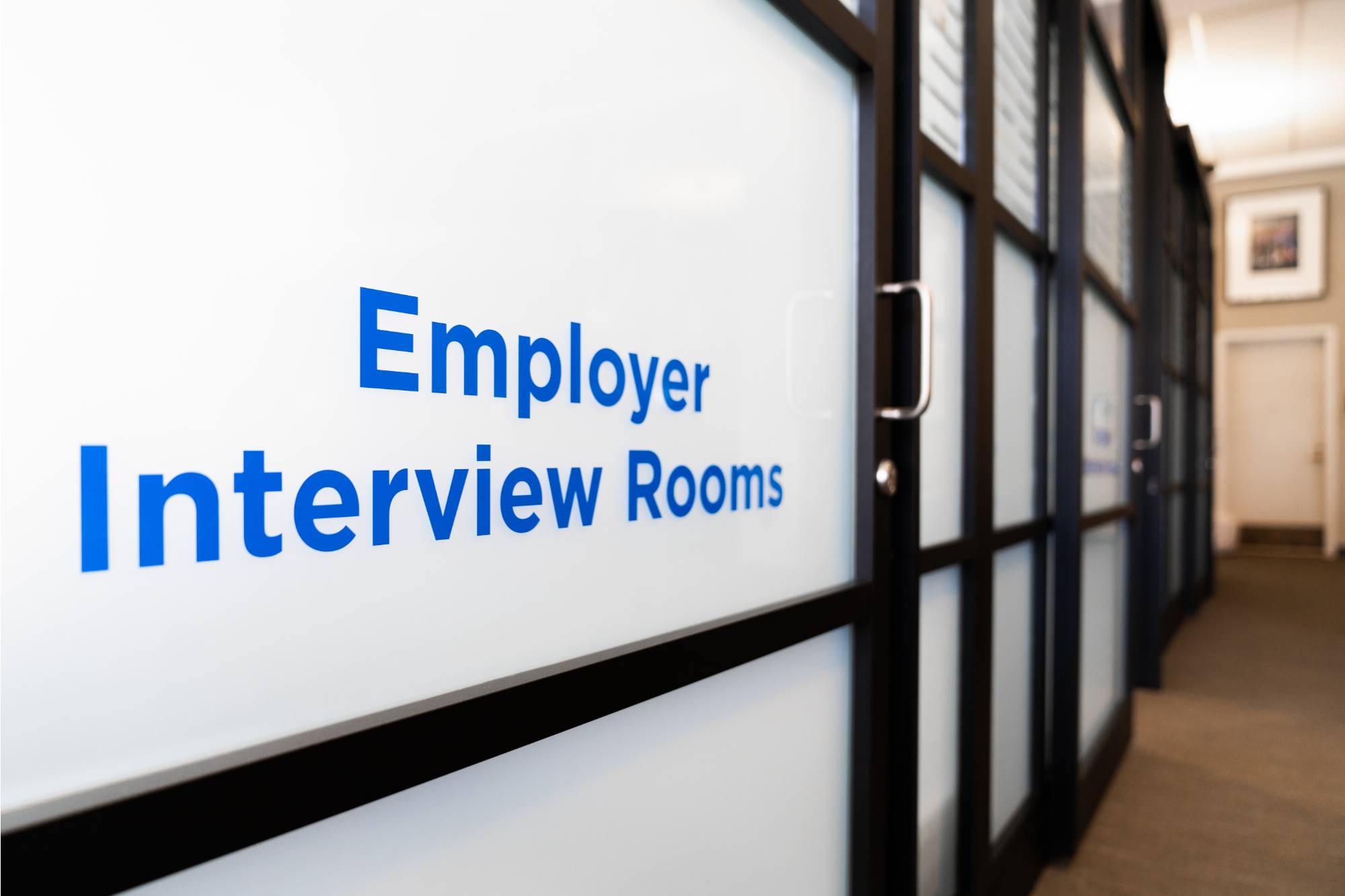
- Visit the interview section of our site to review tips on how to prepare for an interview.
- Schedule a simulated interview with your career advisor.
- Practice at home using Big Interview.
Follow-up
- It’s always important to follow-up; whether you’ve applied online for a position, sent an email inquiry to a contact, or met a recruiter at an event.
- Follow-ups can be done over email, phone, or LinkedIn.
- Keep track of when you’ve followed up so you can be consistent, but not pestering. One to two follow-ups is a good rule of thumb.
Follow-Up Tips
- Emails should be short and sweet
- Follow-ups can be congratulatory notes, emails, etc regarding the person or organization
- It's okay if you don't always receive a response
Reviewing and Negotiating a Job Offer
Talking about salary can feel intimidating, but it’s an important part of the job search process. With the right preparation, you can approach negotiation with confidence and advocate for compensation that reflects your skills, experience, and the value you bring to an organization.

1st: Consider the following questions before you begin the salary negotiation conversation:
- Is there a posted salary range?
- How closely does my experience match the job description?
- What do I expect from my first role?
- What benefits are offered at the company beyond salary?
- What is the market average (check out resources like Glassdoor, O*Net and Salary.com)
2nd: Consider your own experiences and how to market them (beyond just wanting more money, what do you bring to the table that they can’t find elsewhere).
- What does the job description ask for (technical and soft skills)?
- What do you bring to the table?
- Quantify Results
- Demonstrate Impact
- Acknowledge your gaps
- Show initiative
- Demonstrate a learning mindset and diverse perspective
3rd: Know your audience.
- Think about what their risk would be to lose you as a candidate
- Listen carefully to what they say in an interview (ask: what qualities does an employee have who is at the top of the pay scale?)
- Understand hiring equity, it is unusual for you to make more than someone in the same role on your team
Finding the Right Words
- "Based on my research and the value I can bring to this role, I was hoping we could discuss a salary in the range of…"
- "I’m very excited about the opportunity, and I’d like to explore whether there’s flexibility in the compensation package."
- "Considering my skills, experience, and the market rate for similar positions, I believe a salary of ___ would be fair."
What should I consider if they are unable to meet my requested rate?
If you plan to still ACCEPT the position:
"Thank you for being transparent about the budget. Although the salary is below my expectations, I’m still very interested in the role. Could we revisit compensation after a set period based on performance milestones?"
If you plan to DECLINE the position:
"Thank you for taking the time to discuss the role and for considering my request regarding compensation. After careful thought, I’ve decided to withdraw from consideration as the offer doesn’t align with my current salary requirements. I truly appreciate the opportunity to learn more about the position and your team, and I hope we can connect again in the future should circumstances change."
If this is an internship, co-op or entry-level position you should consider the following before declining:
Think about your current expenses, if the pay would not allow you to pay your bills, then it may make sense to decline the position. If not, you should ask yourself if this is a role that will give you hands-on experience, industry exposure, or skills that are hard to gain elsewhere.
Other Tips:
- Find a trusted resource (family, friend, career advisor, faculty, etc) to review the offer with and make sure it’s a good fit for you.
- It’s possible you may receive multiple offers, or an offer while you’re still interviewing with another organization. These can be tricky conversations, so reach out to the Career Center if you’re unsure how to handle them.
- Be sure the offer and job are right for you. Once you formally accept an offer, it is highly unprofessional to withdraw from that offer.