

Medium: Sculpture
Sculpture has been used as a form of human expression since prehistoric times. Ancient peoples created human and animal figures carved from stone, wood, or bone for spiritual or religious purposes. The tradition of carved sculptures was especially popular in the Mediterranean. As civilizations grew, monumental-scale sculptures became popular, and sculptures became more realistic, often memorializing rulers or functioning as part of religious life.
With the advancement of science and technology, the materials and techniques available to sculptors evolved. Artistic trends swayed by socio-economic movements influenced the themes and images portrayed in 3-dimensional forms over the centuries. Today, sculptures come in a wide variety of materials, including wax, stone, fabric, glass, wood, plastic, clay, and found materials. These materials may be carved, molded, cast, wrought, welded, sewn, assembled, thrown on a potter’s wheel, or otherwise shaped and combined to create 3-dimensional sculptures that exemplify diverse concepts.
Bronze
Ceramic
Glass
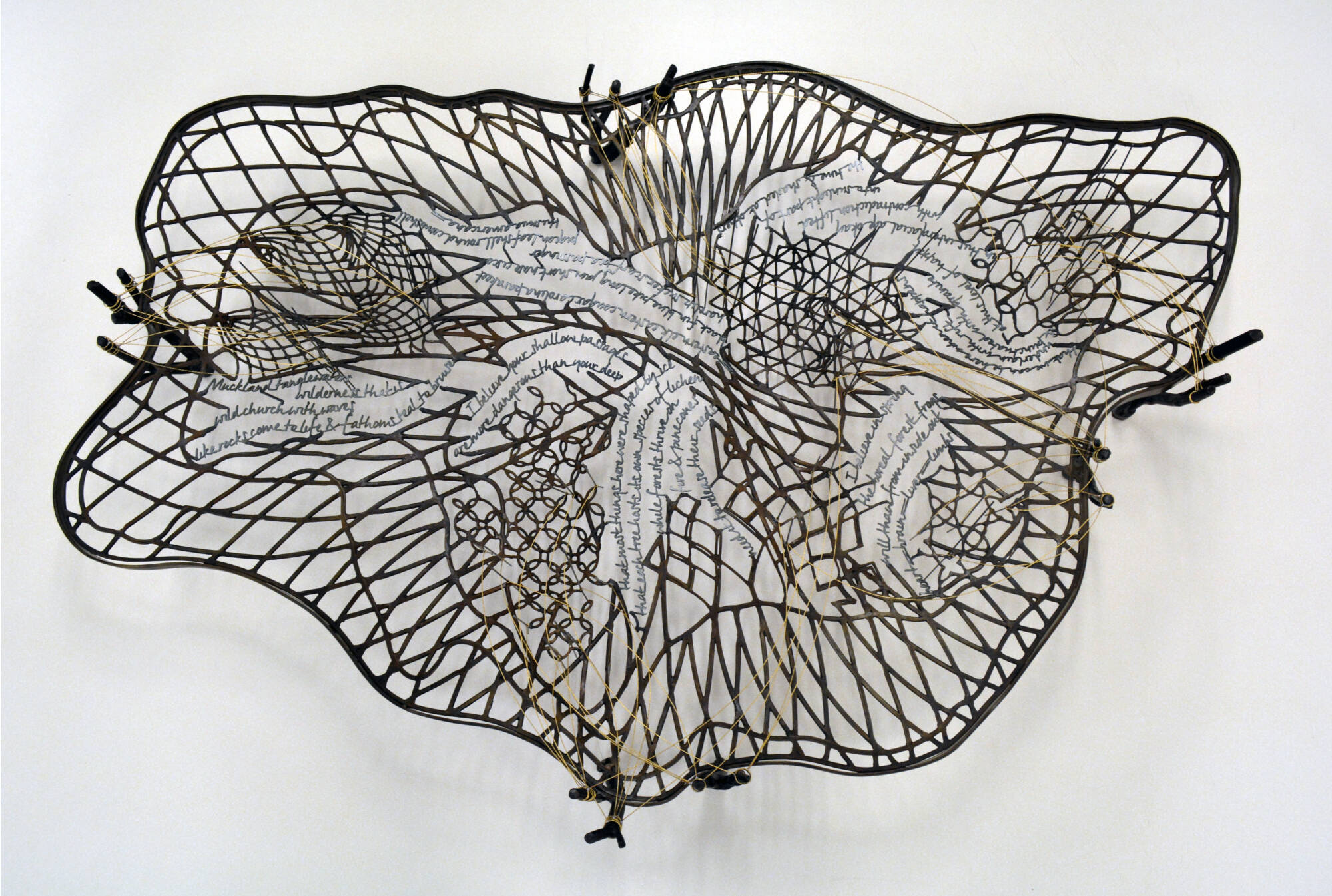
Metals
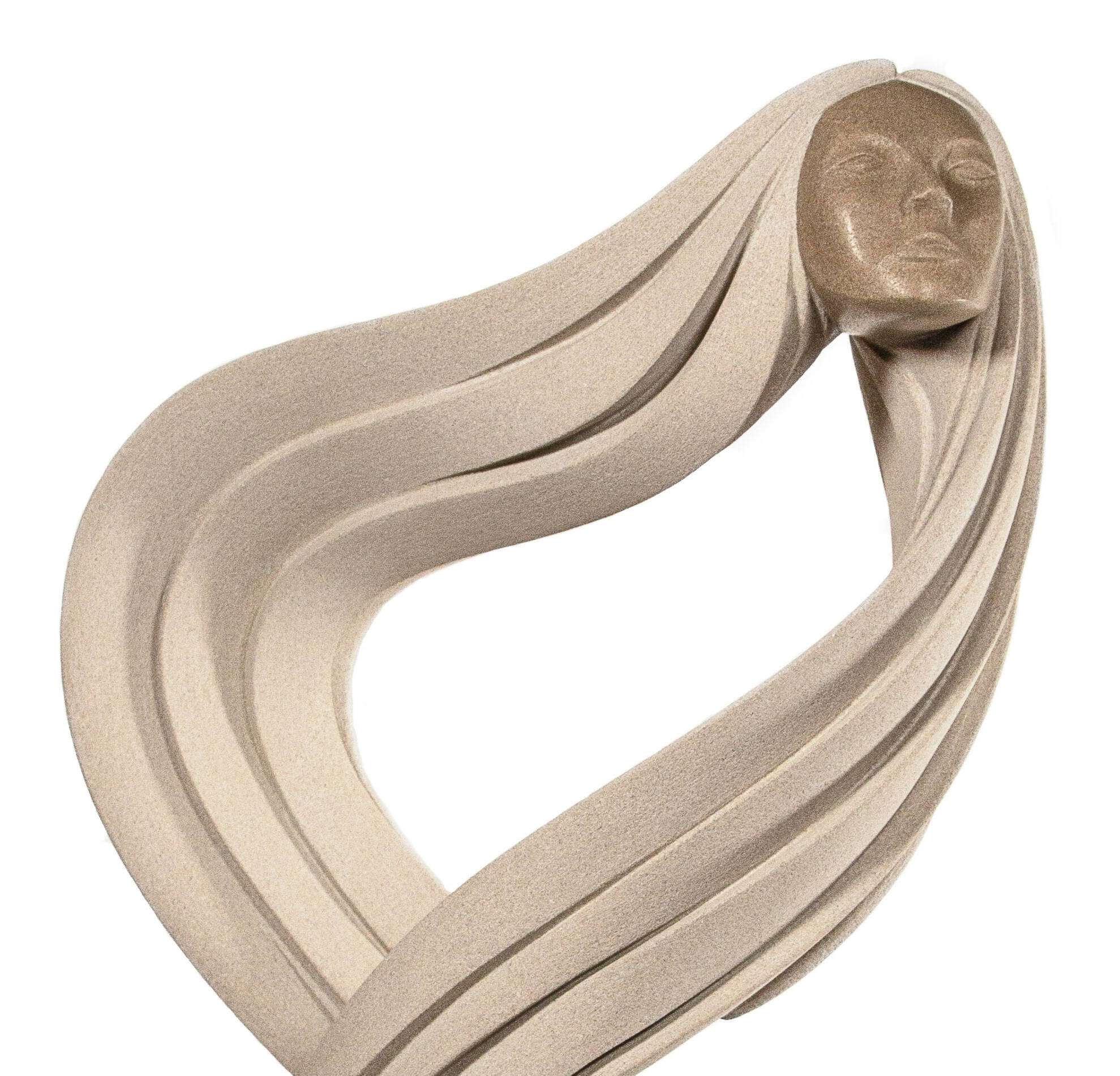
Stone
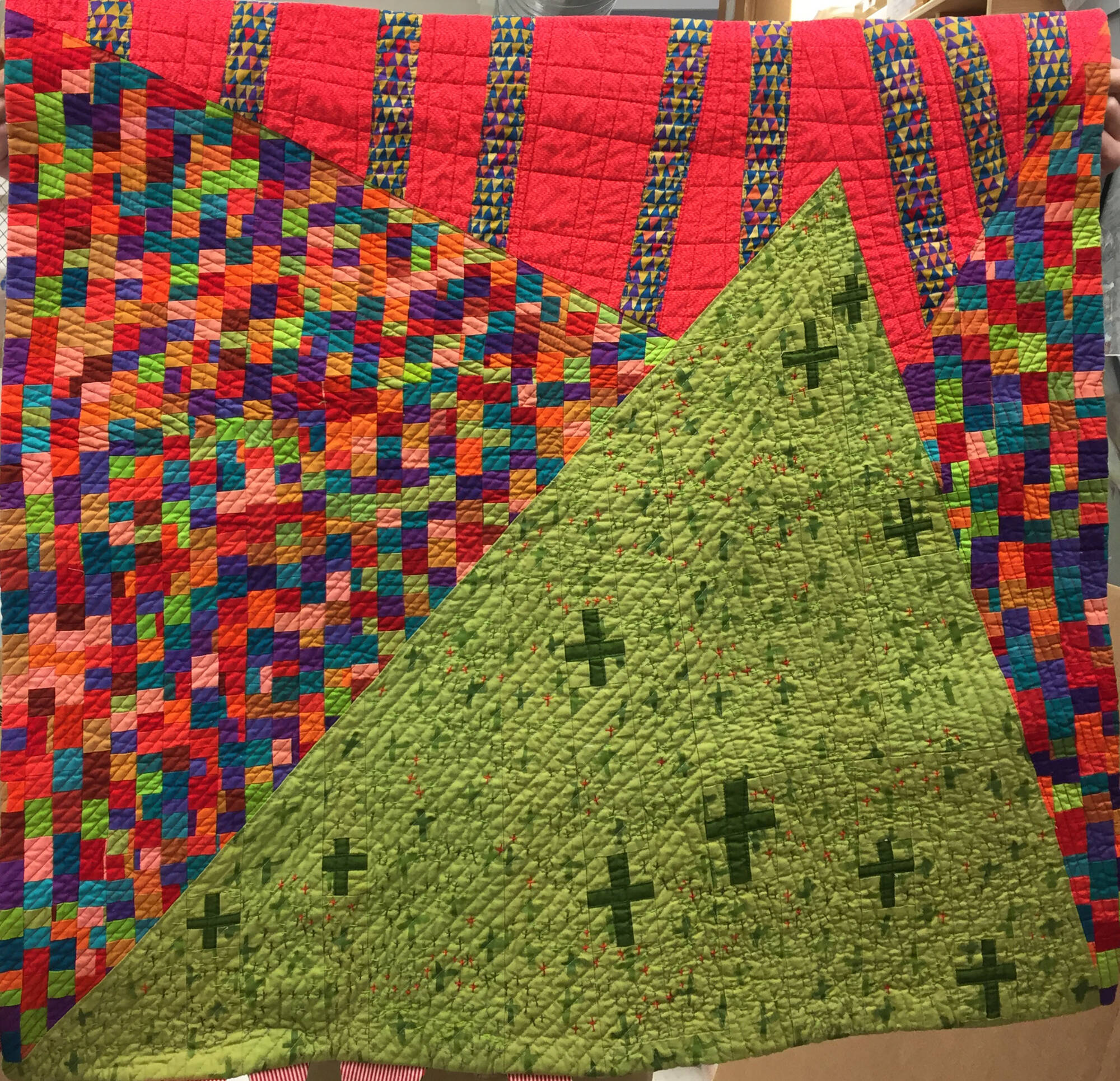
Textiles
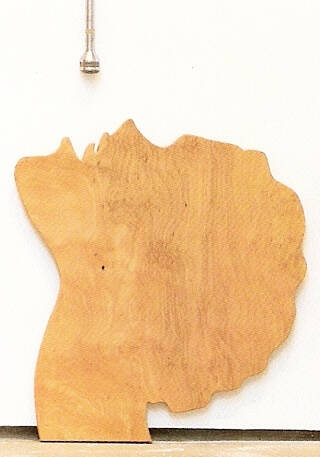
Wood
Header Images
Left
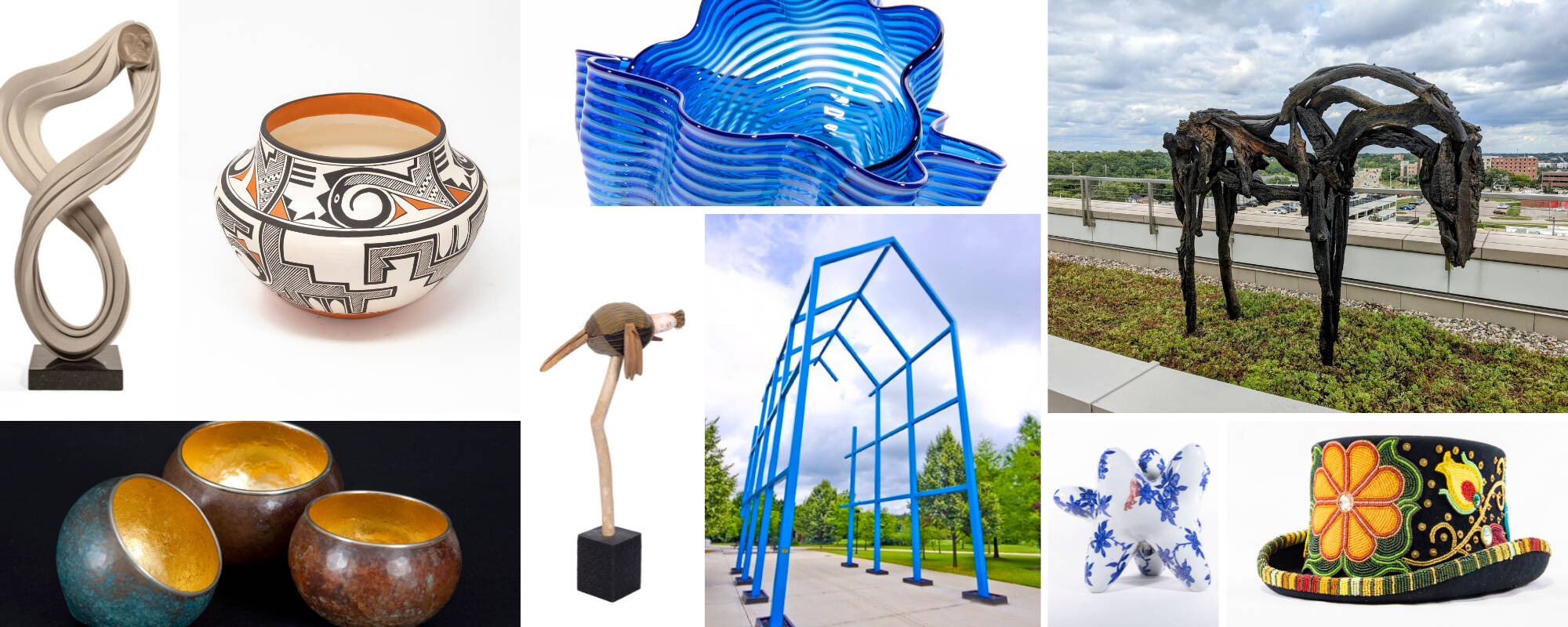
Jason Quigno, Manidoo Nodin (Spirit Wind), Indiana limestone on black granite base, 2020, 2020.24.1.
Robert Patricio, Polychrome Acoma Vessel, polychrome ceramic, ca. 2008, 2009.31.1.
David Huang, Luminosity #149, bronze, sterling silver, 23 Karat Gold Leaf, 2001, 2002.608.1.
Center
Dale Chihuly, Capri Blue Seaform, handblown glass, 2018, 2021.5.1.
Akiko Hara, Bird Man, mixed media, ca. 1990, L11.2022.997.
Gary Kulak, Transformational Link, painted steel, 1990, 1998.007.1.
Right
Deborah Butterfield, Char, cast bronze with patina, 2021, 2021.70.1.
Wansoo Kim, Untitled, earthenware, cone 9 reduction, 2014, 2015.6.5.
Naawikwegiizhig, Beaded Top Hat, wool felt hop hat with Ojibwe floral beaded appliqué, 24k gold-plated beads, Swarovski crystals, and brass sequins, 2021.20.1.