

Medium: Bronze
Bronze is an alloy metal consisting primarily of copper and tin. Other metals, such as aluminum, manganese, or zinc, as well as non-metals like phosphorus or silicon, can be added to bronze to change its strength. Bronze was created and became popular during what is now referred to as the Bronze Age in Europe and India, dating to around 3,300 BCE and later in China around 2,000 BCE. The discovery of bronze enabled people to create metal objects, like tools, weapons, and armor, that were harder and more durable than stone or copper. The first cast bronze sculpture, using melted alloys and a mold, is thought to be that of the Assyrian King Sennacherib around 700 BCE. Bronze sculptures were regarded as the highest form of sculpture in Ancient Greece. Techniques using bronze have not significantly changed since ancient times.
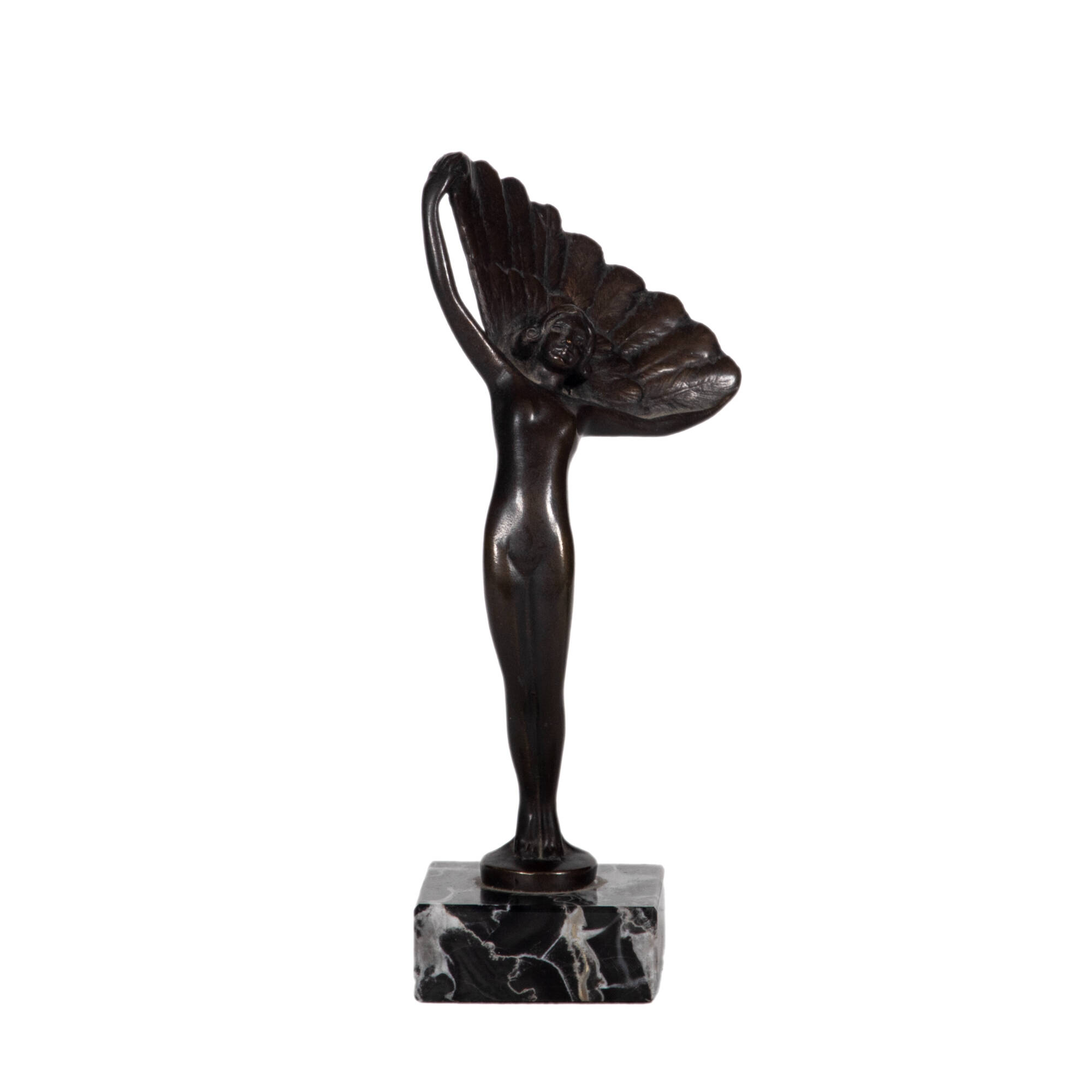
Artist Unknown, Fan Dancer, bronze and marble, ca. 1925, L11.2022.1292.
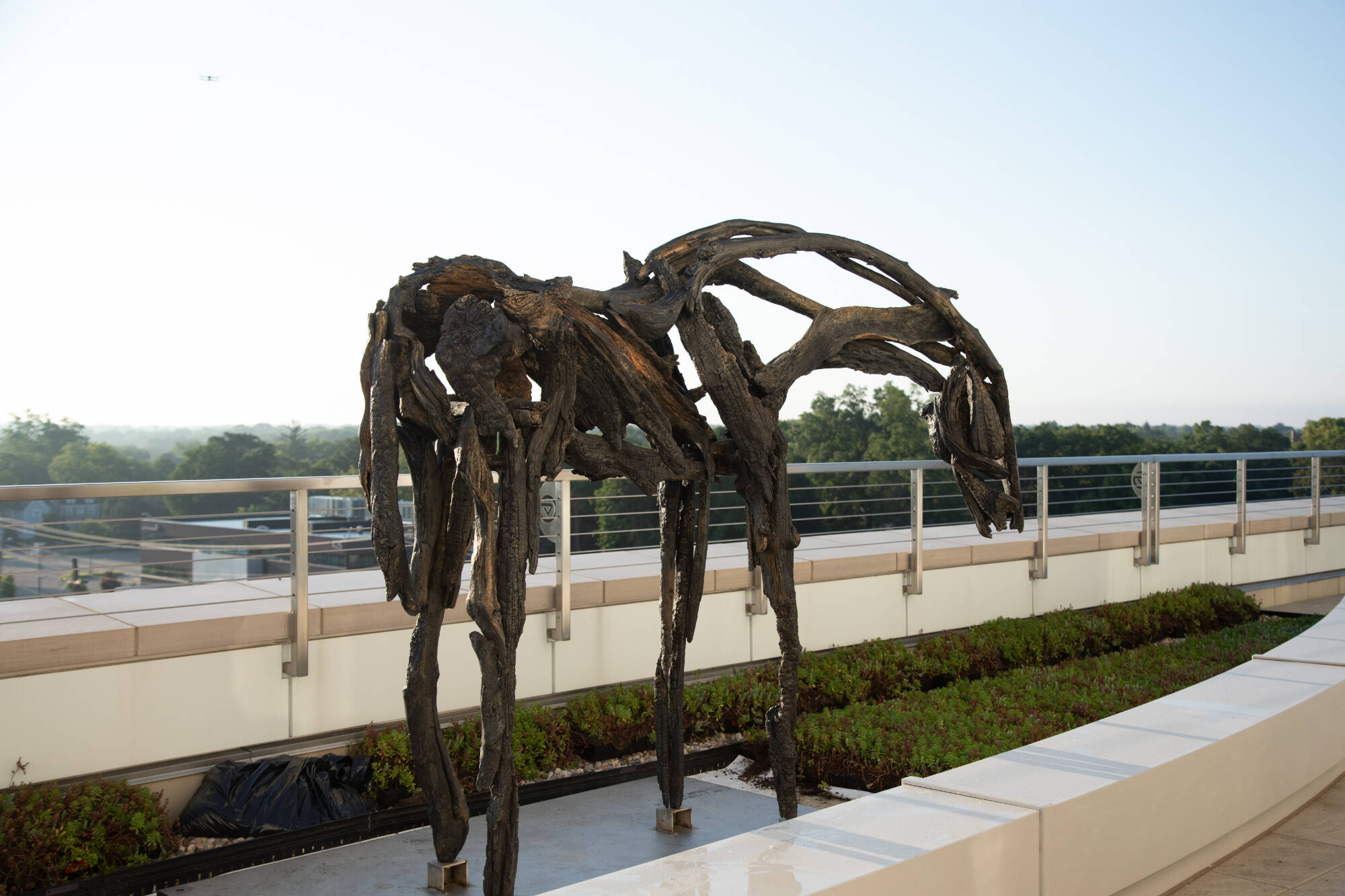
Deborah Butterfield, Char, cast bronze with patina, 2021, 2021.70.1.
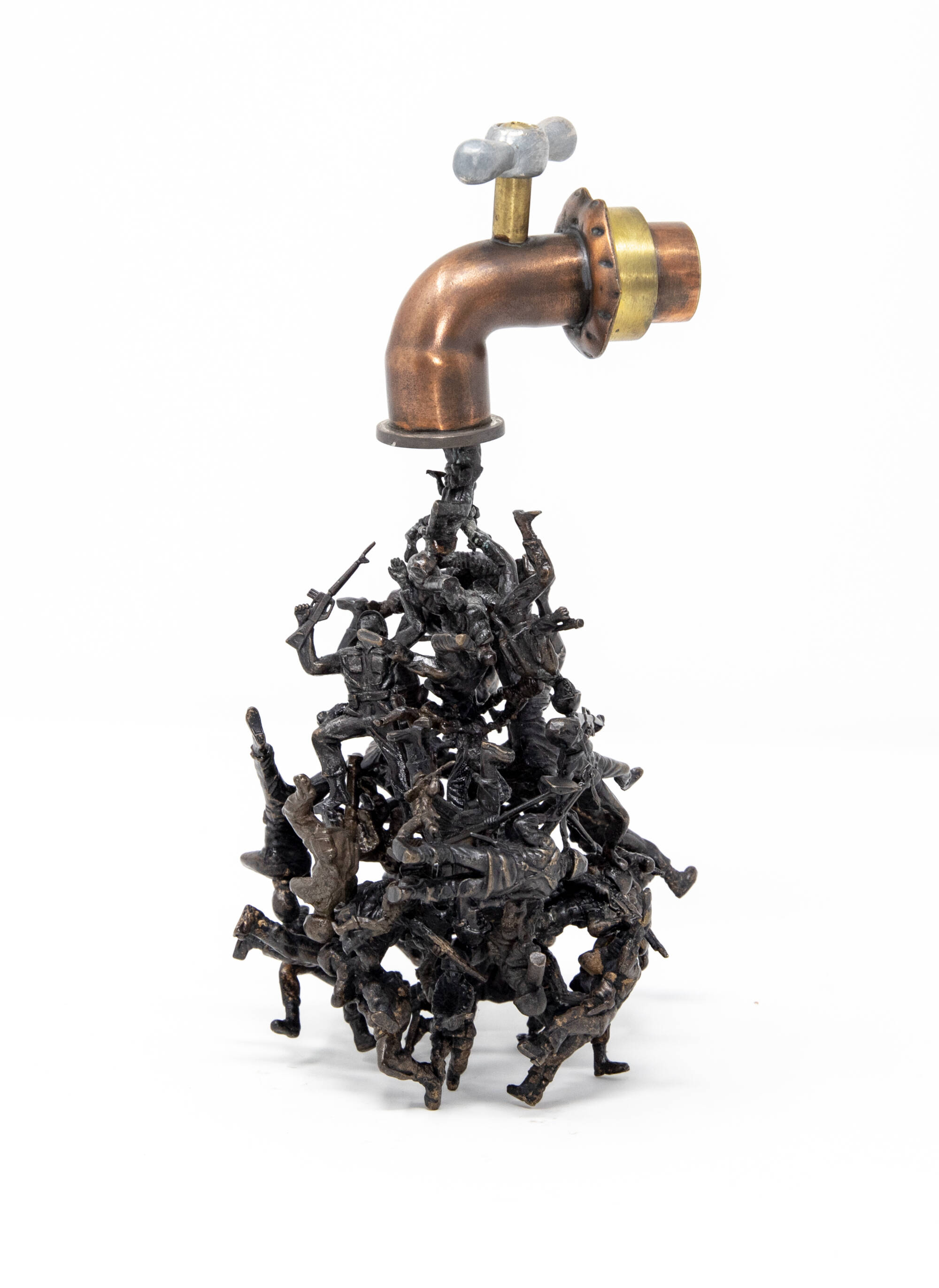
Renee Zettle-Sterling, Actuality #8, bronze, silver, and copper, 2002, 2002.411.1.
Resources in the Collection
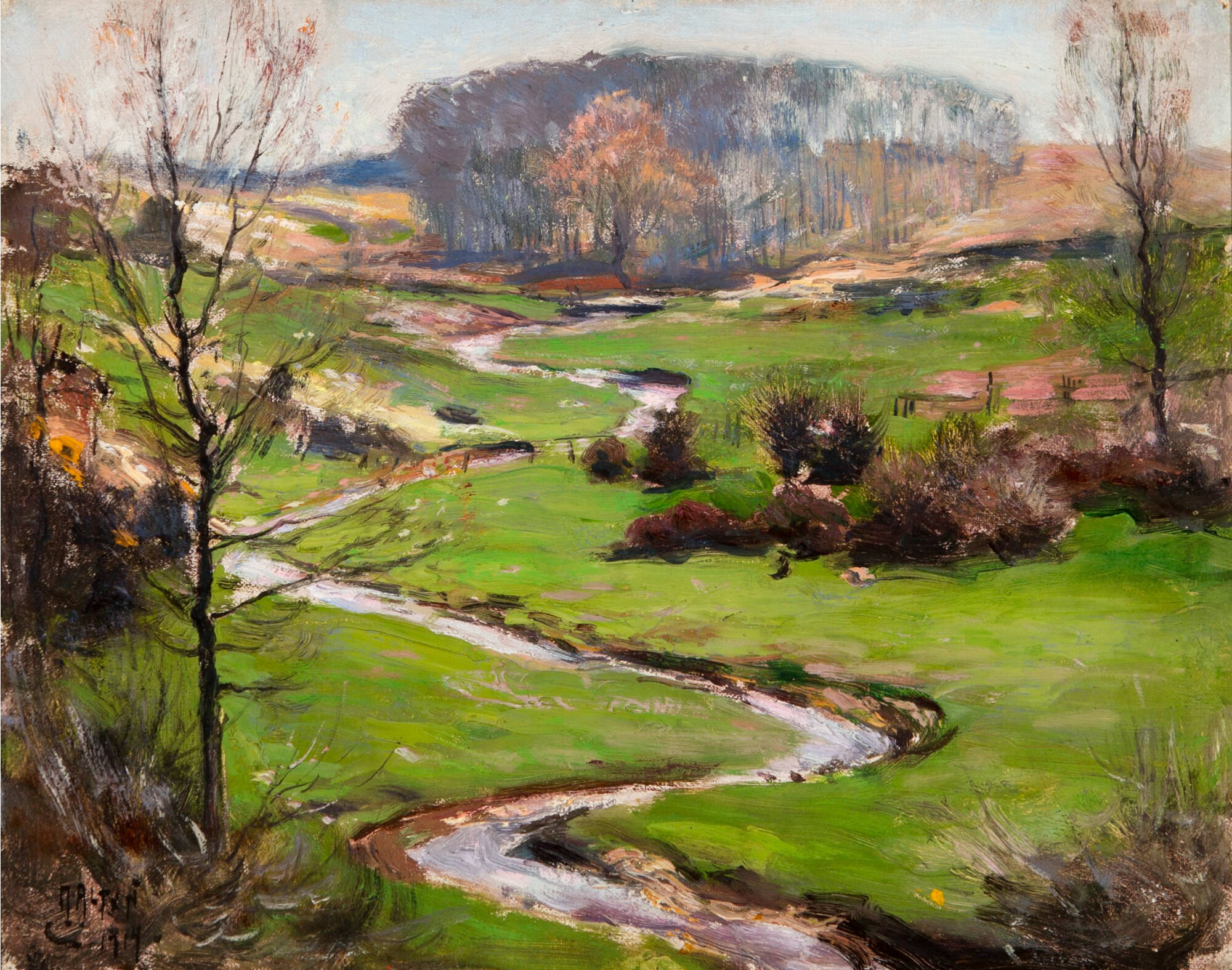
Artist Profile: Jason Quigno
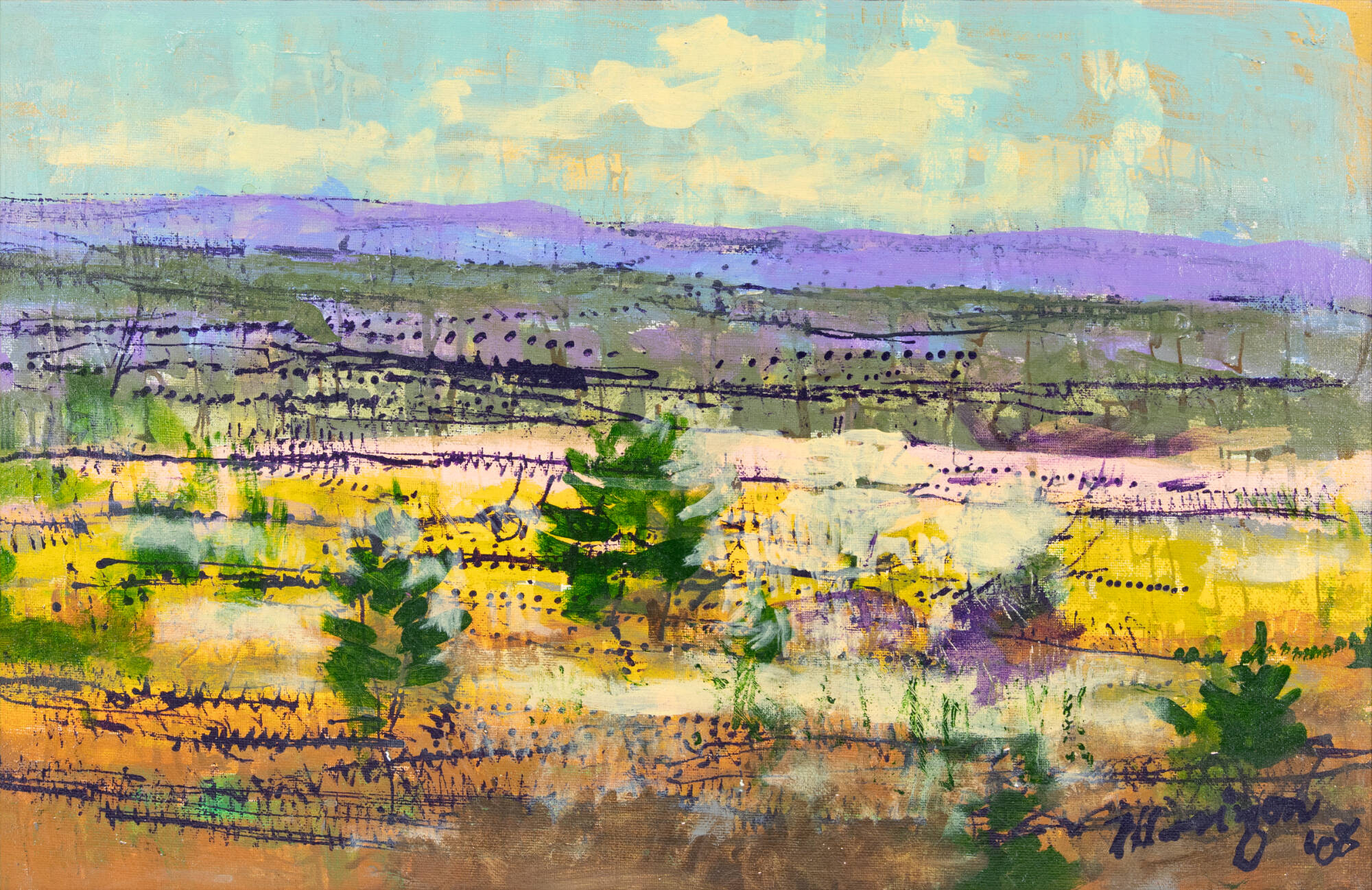
Artist Profile: Maureen
Header Images
Left
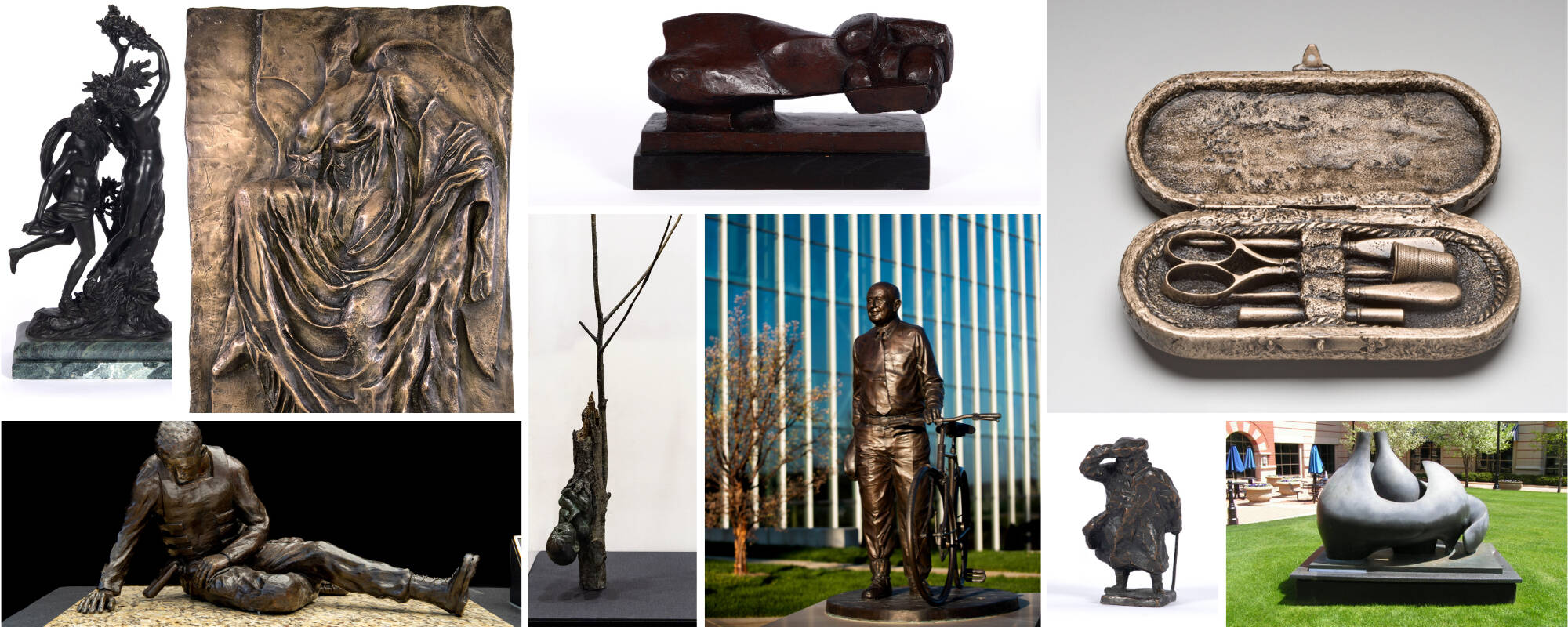
Gian Lorenzo Bernini, Apollo and Daphne, bronze reproduction, 2007, 2007.560.1.
GVSU Department of Visual Arts and Department of Classics students, Nike Tying Her Sandal, bronze, 2008, 2013.28.6.
Edward Byrd, Homage to the Fallen, bronze, 2013, 2014.2.1.
Center
Mario Negri, Orizzontale (Horizontal), patinated bronze, ca. 1960, 2013.68.25.
Tom Czarnopys, Birthing Figure, bronze, 1988, 2010.42.1.
J. Brett Grill, L. William "Bill" Seidman, bronze, 2013, 2013.63.1.
Right
Norwood Viviano, First Generation Artifact: Need Work Tools, cast bronze, 2004-2008, 2011.17.2.
Dmitry Kaminker, Monument to Vitus Bering, cast bronze, 2004.372.1.
Joseph E. Kinnebrew, Jr., The Embrace, bronze, 2000, 2000.246.1.