

Medium: Textile
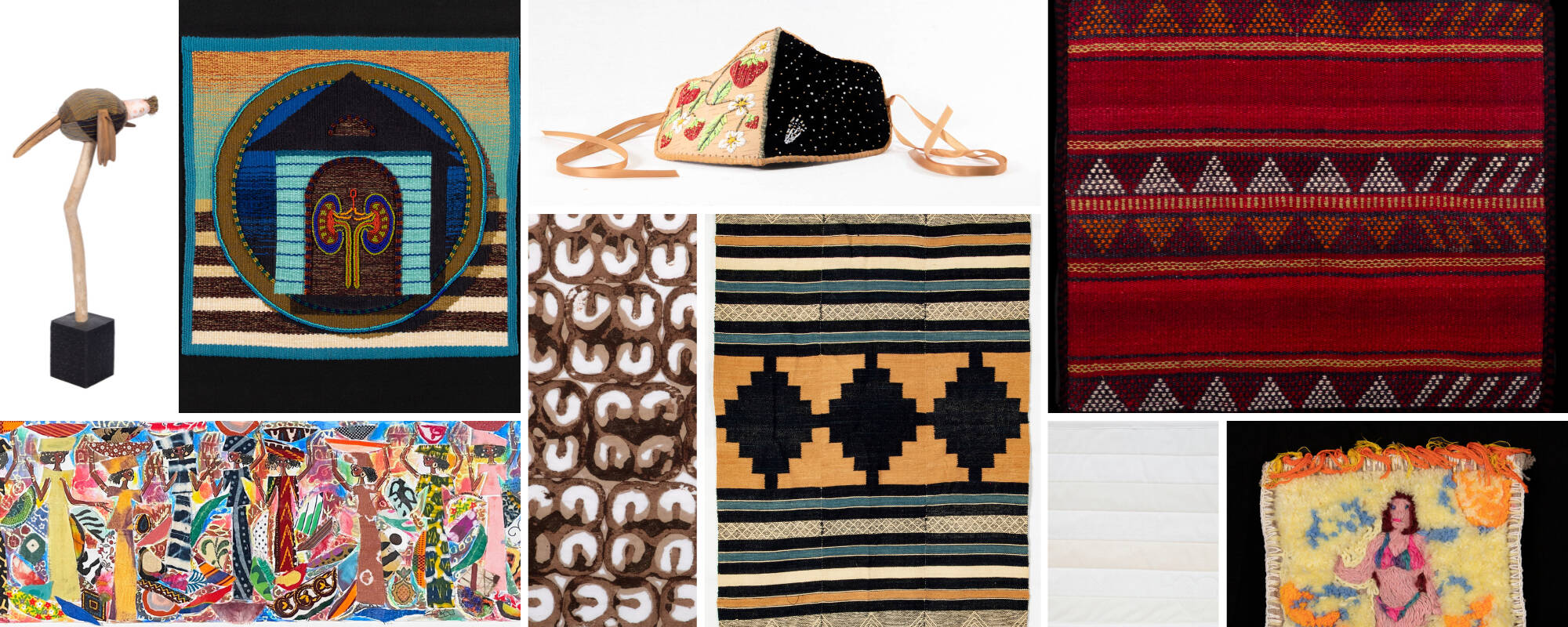
Textiles have always played a vital role in human civilization. Historians and anthropologists have traced textile art as far back as 500,000 years ago, with items made from plants, fur, and other animal products. Many of these textiles were used as practical objects for survival, like blankets, clothing, and rugs. As civilizations developed, the materials and techniques used to create textiles changed. Animal fur was felted, natural materials were knit, woven, or sewn into new, more complex and intricate artistic patterns that each culture used to express themselves.
Over the years, textile art has had to compete with other art forms, as critics tend to treat it as a lower form of art than other media. Textile production often fell under the category of women’s manual work, rather than being valued for its creativity and diversity of materials. Today, textile art is becoming more mainstream, and artists are using traditional techniques like knitting, sewing, quilting, weaving, and spinning in new and inventive ways. Textile artists are pushing boundaries while reflecting on the historic importance of textiles across all civilizations.
Explore Textiles in the Collection
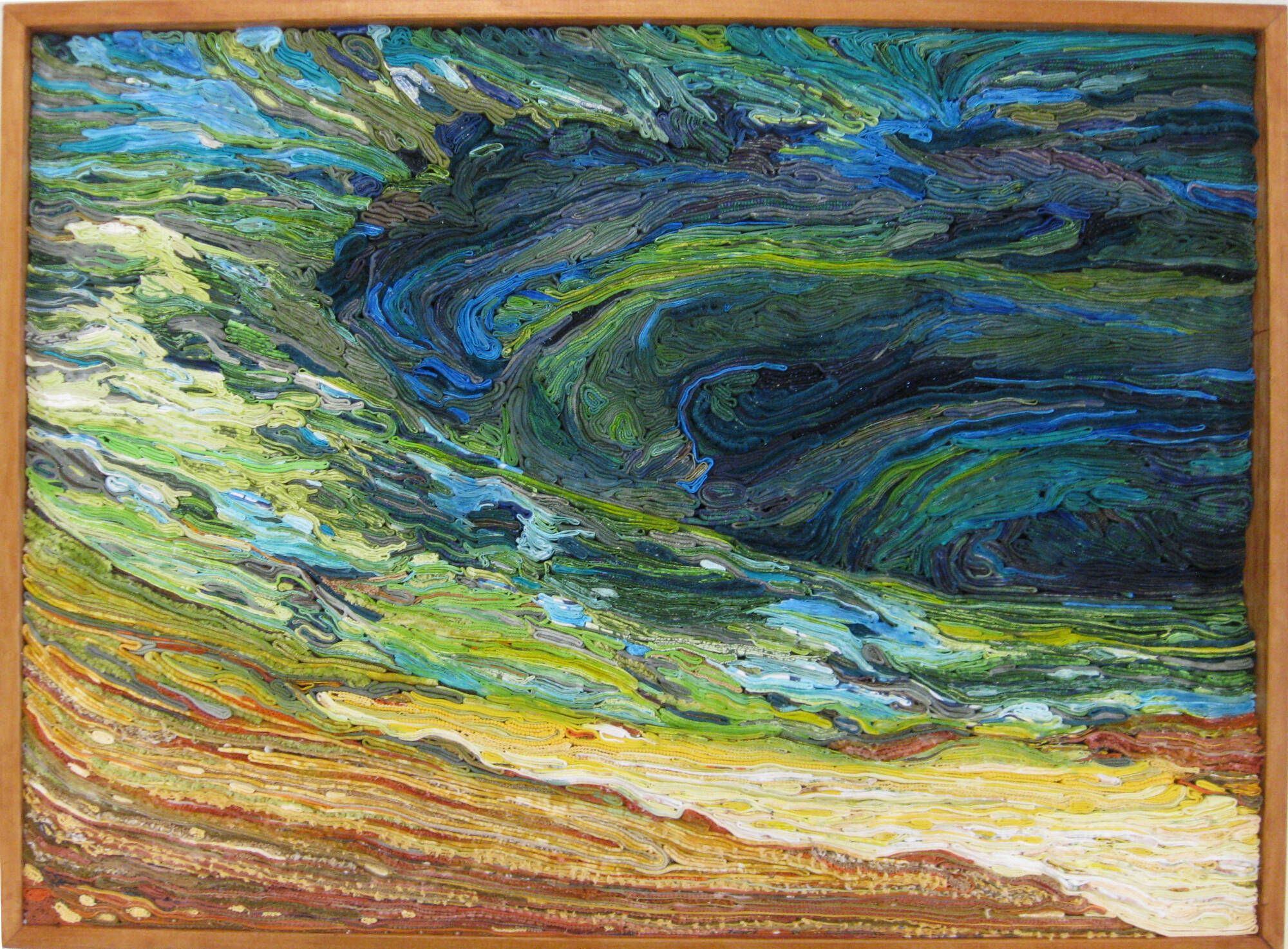
Georgia Rowswell, Hot Yellowstone #3, recycled textiles, acrylic paint, matte medium on wood, 2013, 2014.118.1.
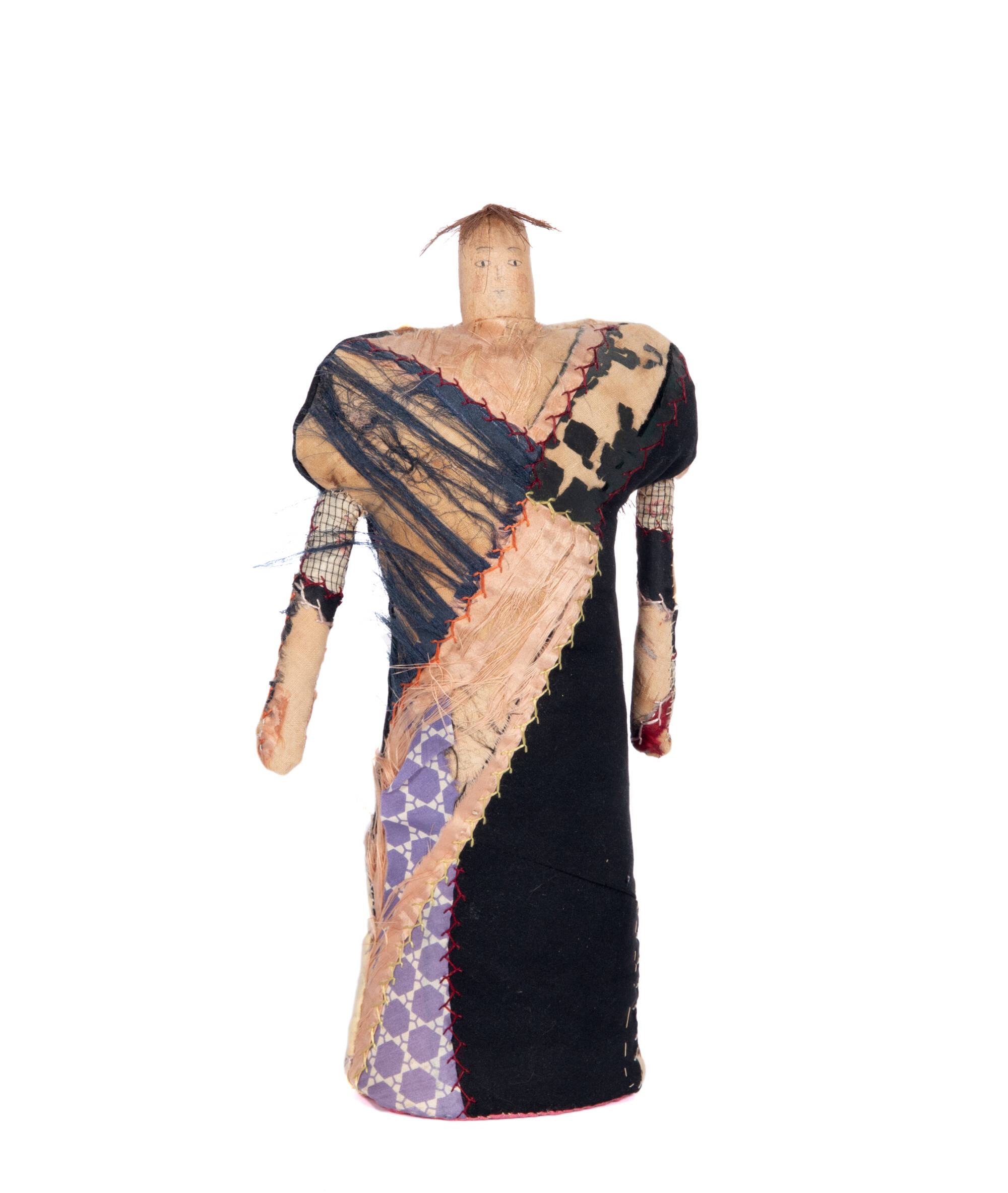
Akiko Hara, Widow, mixed media, ca. 1990, L11.2022.995.
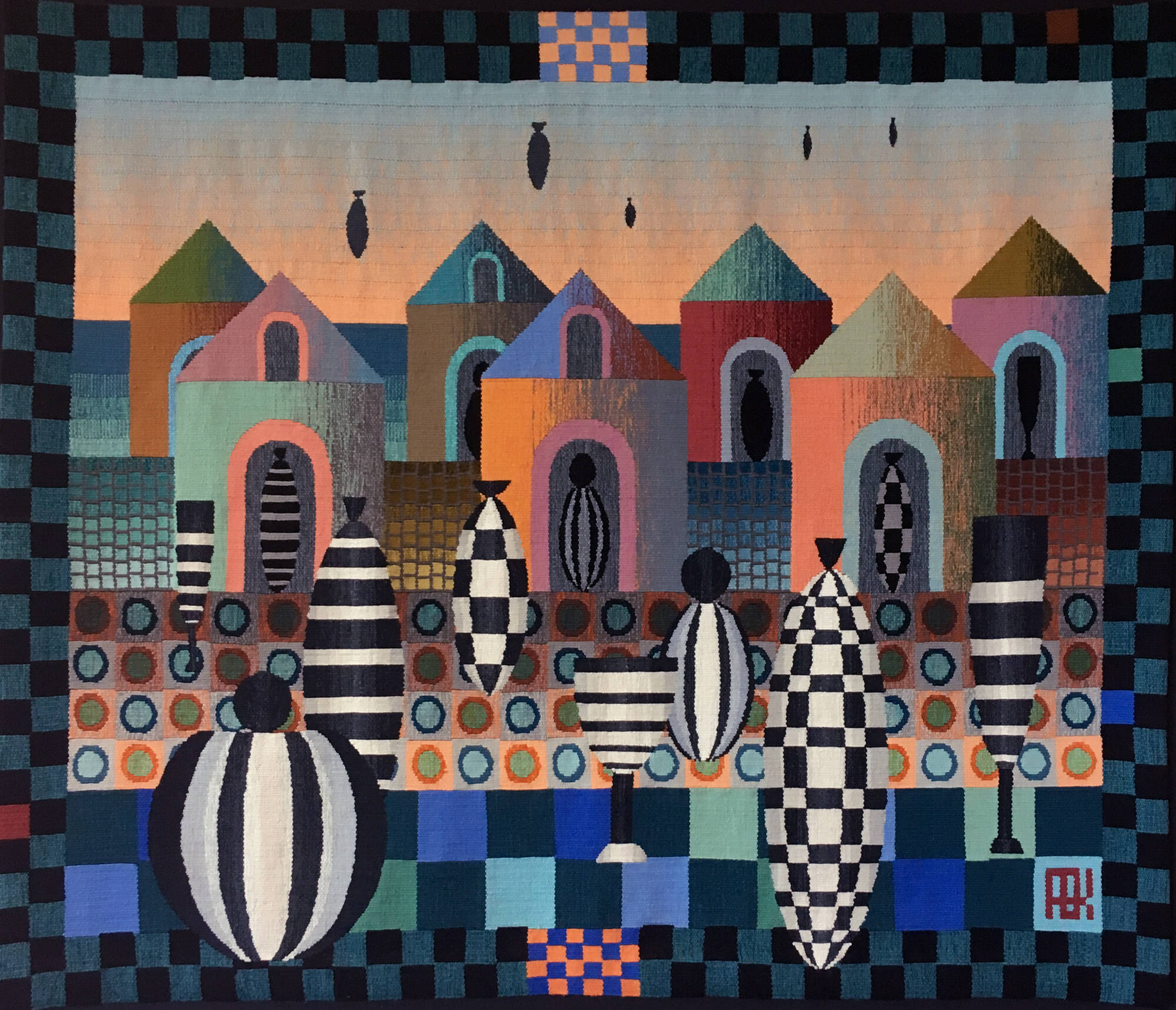
Ann Baddeley Keister, Uninvited Visitors, 1995, textile, 2013.6.8.
Resources in the Collection
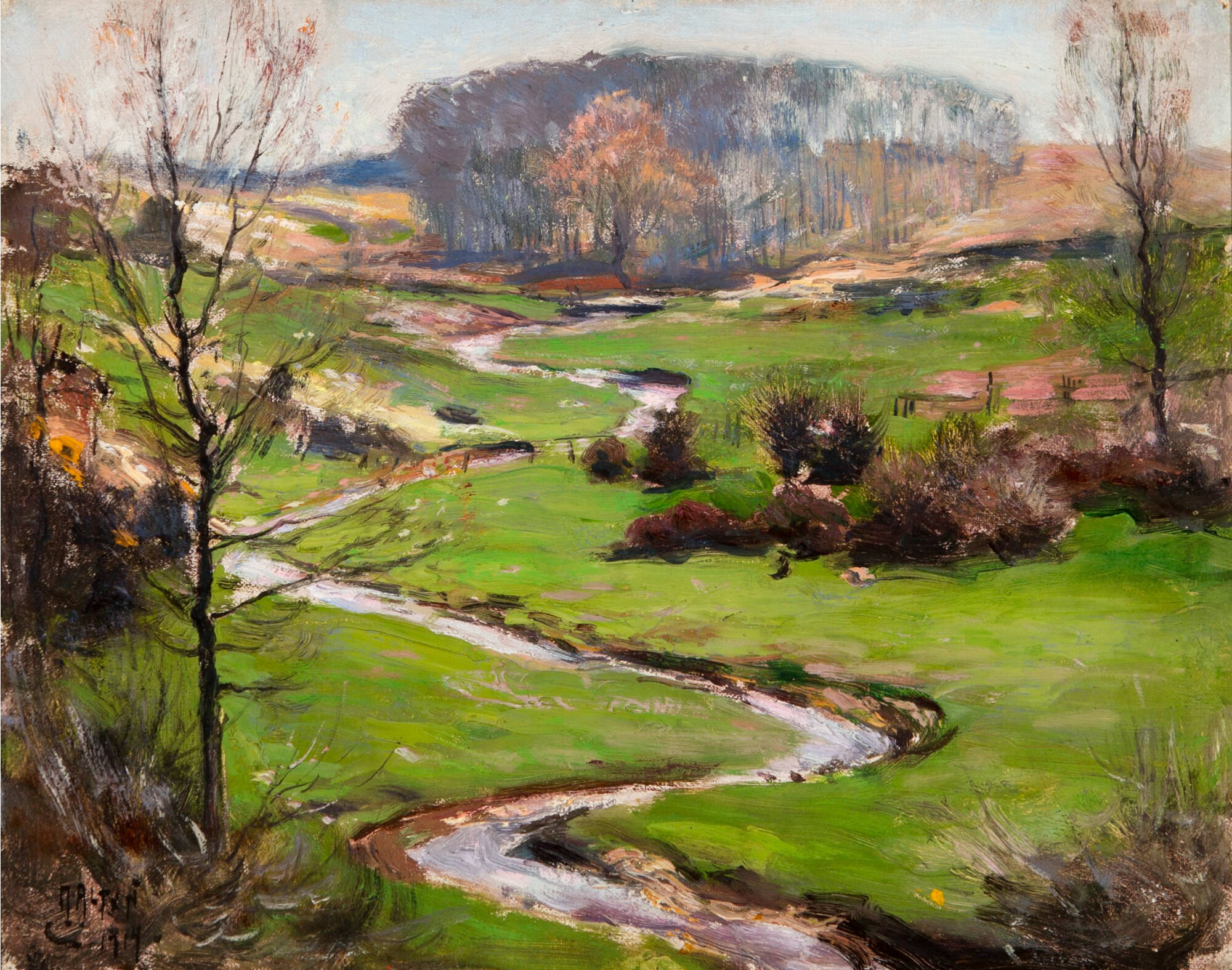
Artist Profile: Mathias Alten
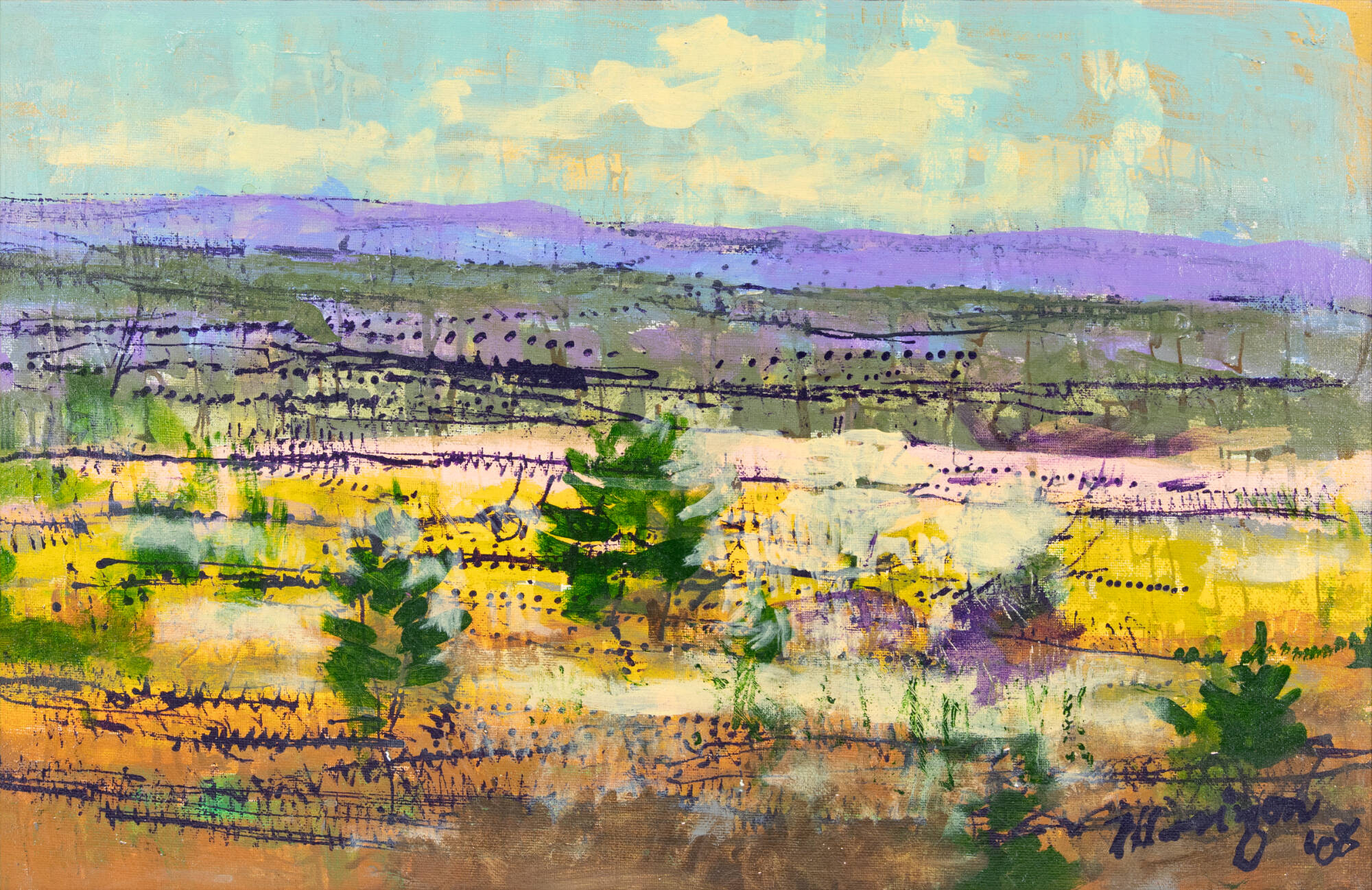
Artist Profile: Armand Merizon
Header Images
Left
Akiko Hara, Bird Man, mixed media, ca. 1990, L11.2022.997.
Ann Baddeley Keister, Interiors/Milagros, mixed media, 2003, 2003.304.1e.
Barbara Paxson, African Market Women (Aye L'Oja, Orun N'Ile "The World is Our Market, Heaven is Home"), mixed media collage, 1994, 2021.54.1.
Center
Kelly Church, Breathe in the Beauty of the Day and the Beauty of the Night, Birch Bark, Quills, Rit Dye, Thread, Velvet, Beads, 2021, 2021.22.1.
Artist Unknown, Wisdom and Knowledge, dye of Saltpeter and Millet Stalks on fabric, 2004, 2006.107.1.
Artist Unknown, Kpokpoi (Mende "Country Cloth") from Bo, Sierra Leone, handspun, handwoven, stripwoven, and dyed cloth, 1973, 2021.53.4.
Right
Artist Unknown, Bedouin Textile, woven textile, 2006.243.1.
Linda K. Hall Anderson, Little White Quilt: In Honor of Those Who Have Faced Pregnancy Loss, cotton quilting fabric, 2019, 2019.69.1.
Artist Unknown, Bather at Sea, hooked rug with embroidery, beads, and thread, 2017.1.46.