Stream Team
The Water Science in Agriscience (“Stream Team”) program engages rural West Michigan high school students in hands-on Great Lakes watershed monitoring through partnerships with National FFA agriscience classrooms. Students collect and analyze water chemistry, macroinvertebrate, and E. coli data to understand local stream health, explore environmental careers, and share their findings to promote community awareness and informed decision-making. A ready-to-use, standards-aligned curriculum and classroom resources are available to help teachers easily implement this meaningful, real-world learning experience.
Stream Team Student Field Guide
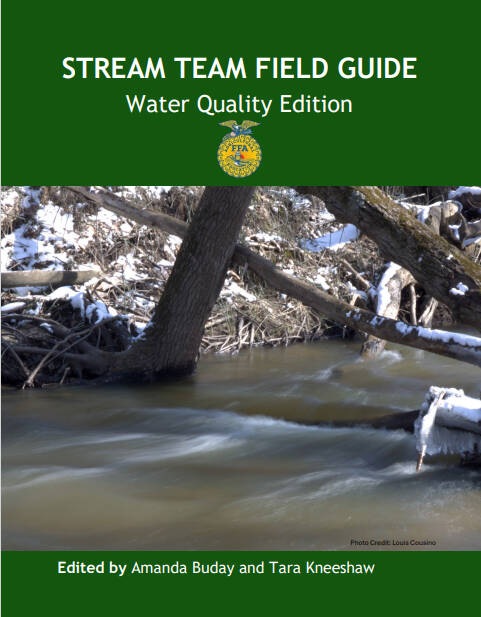
The Stream Team Field Guide is a roadmap for collecting, understanding, and reporting stream monitoring data, connecting hands-on stream monitoring to agricultural learning. Every stream has a story. Monitoring helps tell the story: how water flows, changes, and recovers over time. This guide walks students through observing physical features, measuring water chemistry, sampling macroinvertebrates, and analyzing for E. coli.
Fall Monitoring
The Fall Stream Team Curriculum is designed to be completed over several weeks during the months of September and October.
Understanding the Study Location
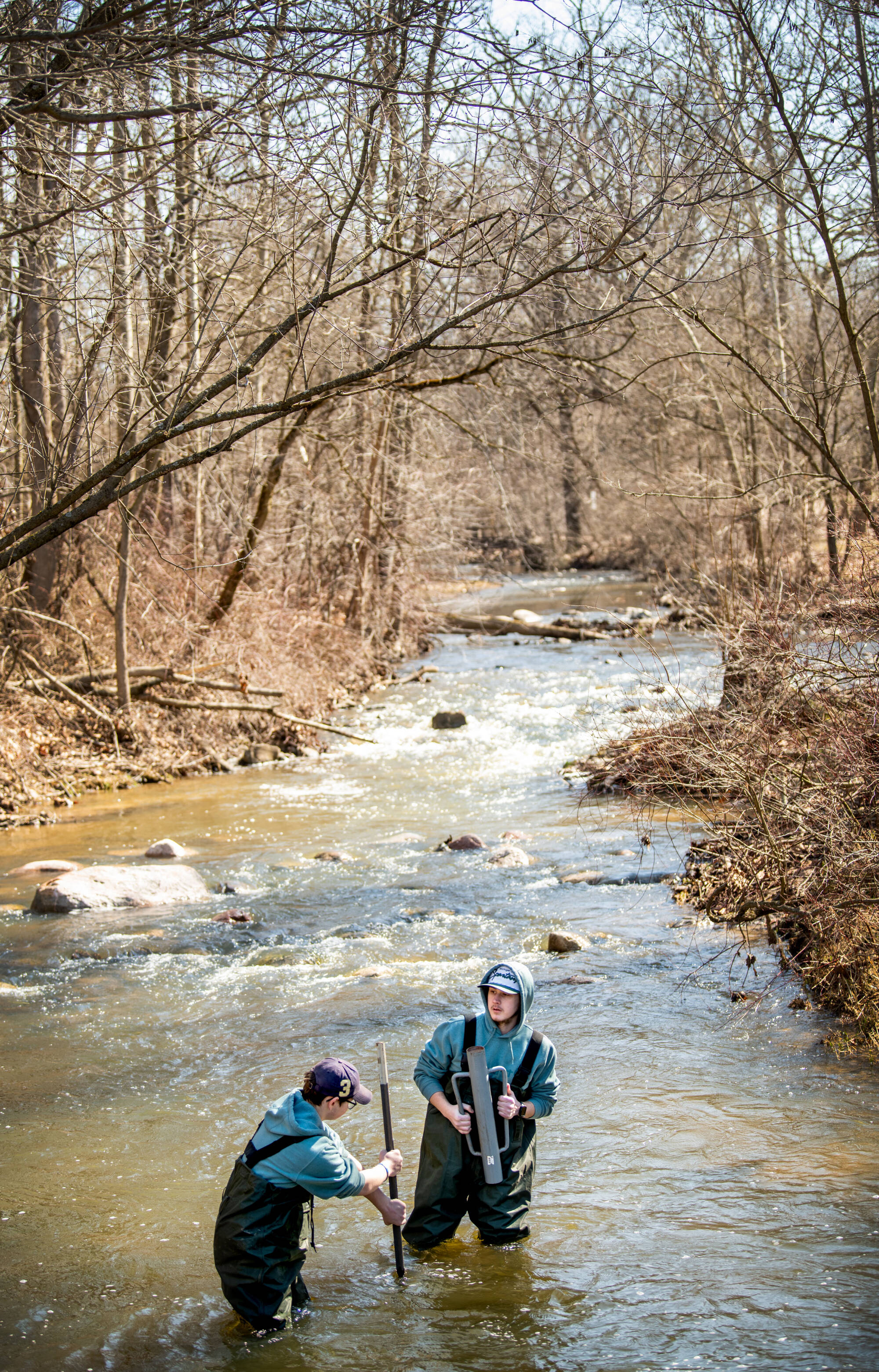
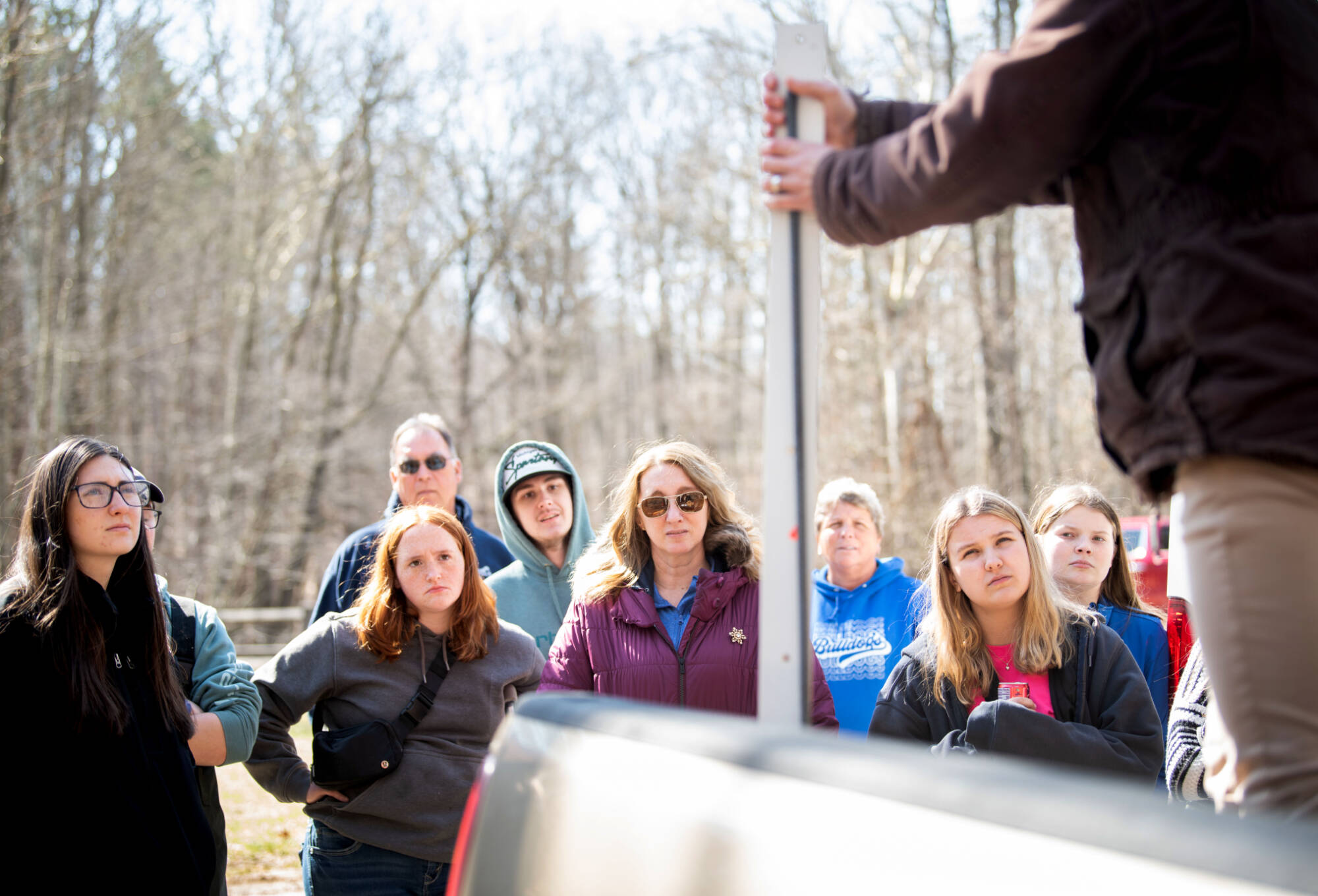
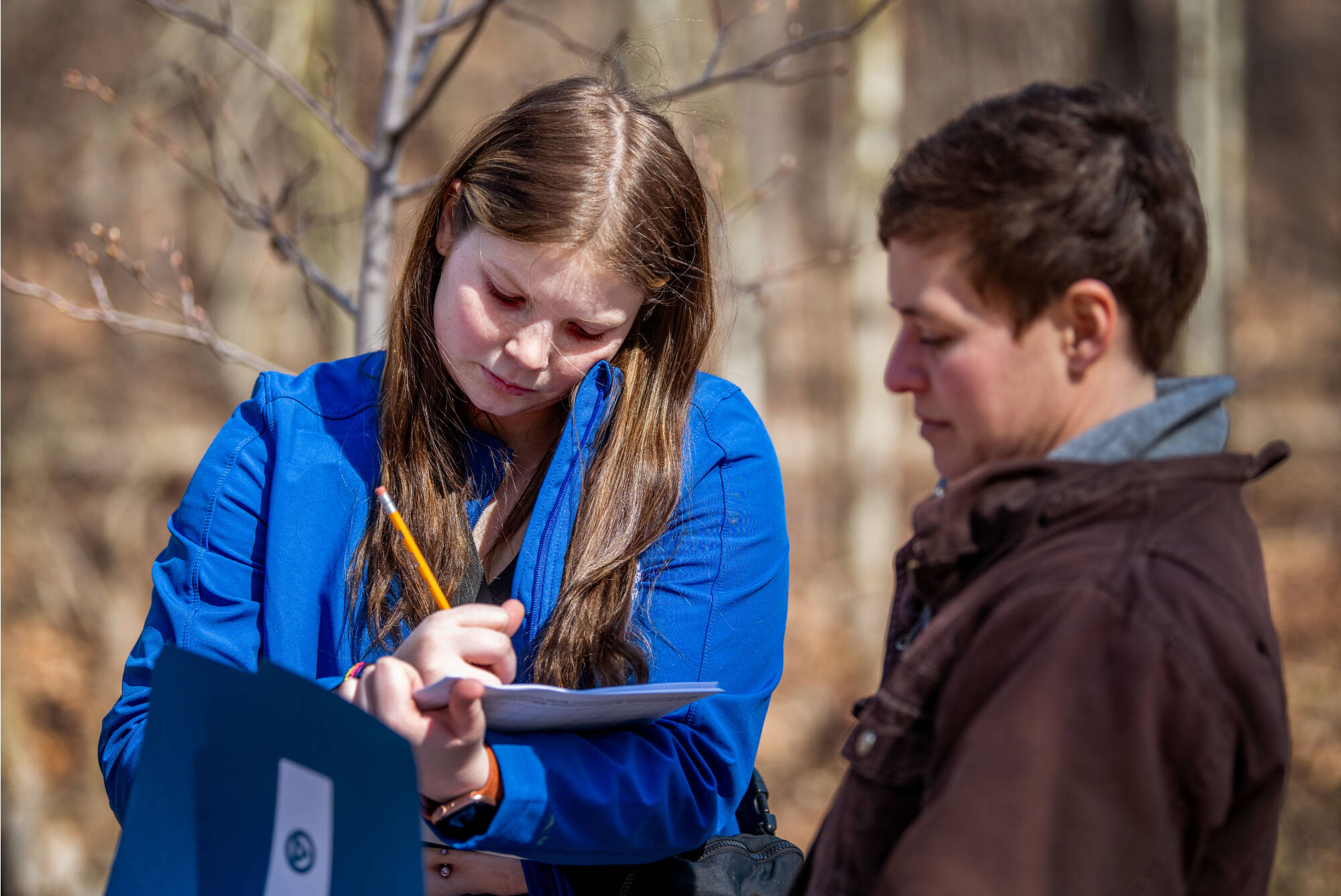
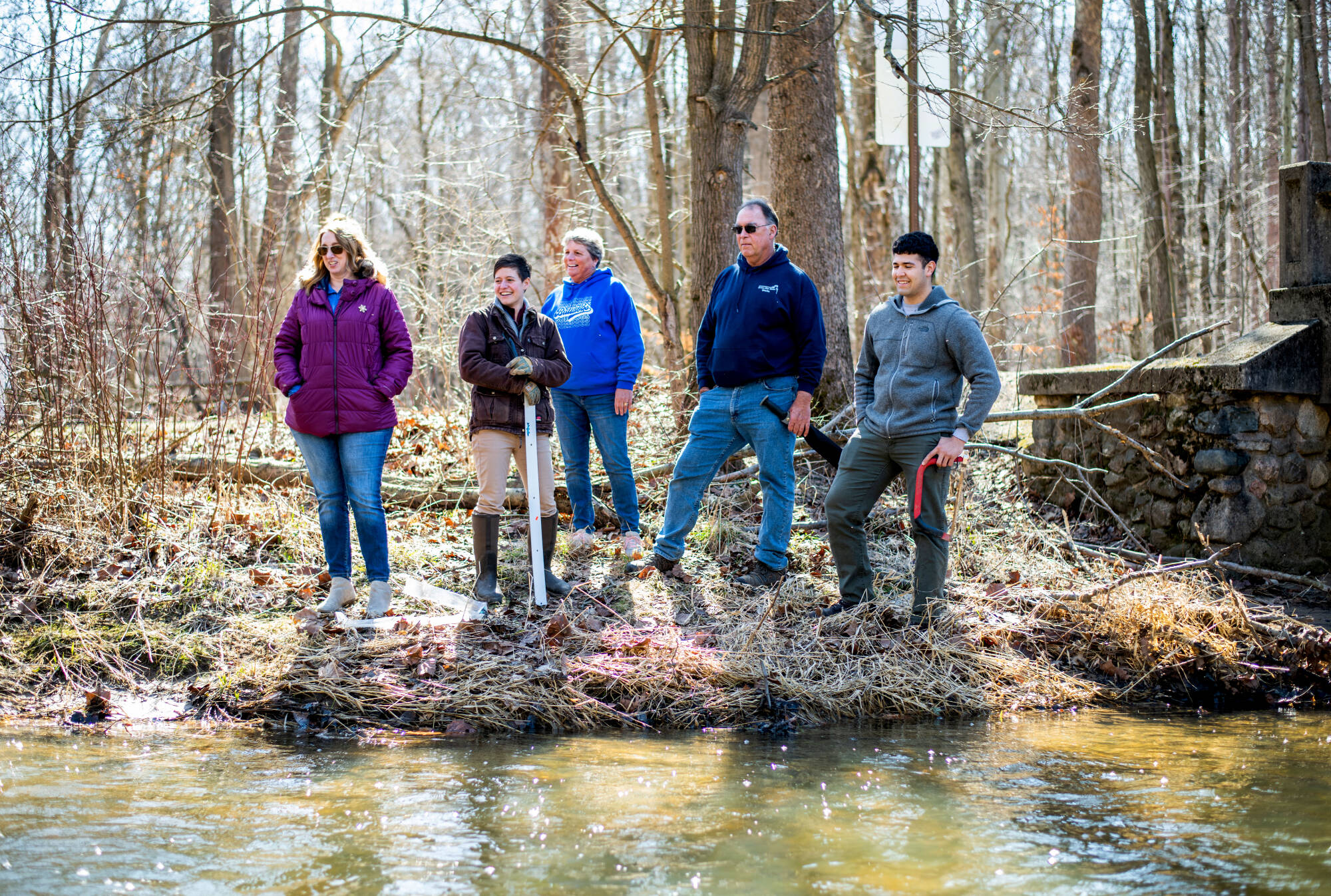
This day takes place in the field at the stream site. Students will be introduced to the study location and the Stream Team trainers, review watershed concepts such as best management practices and nonpoint source pollution, and observe key features of the stream study location. Using their observations, students will create a site map and will begin planning their investigation.
Diving into Water Chemistry
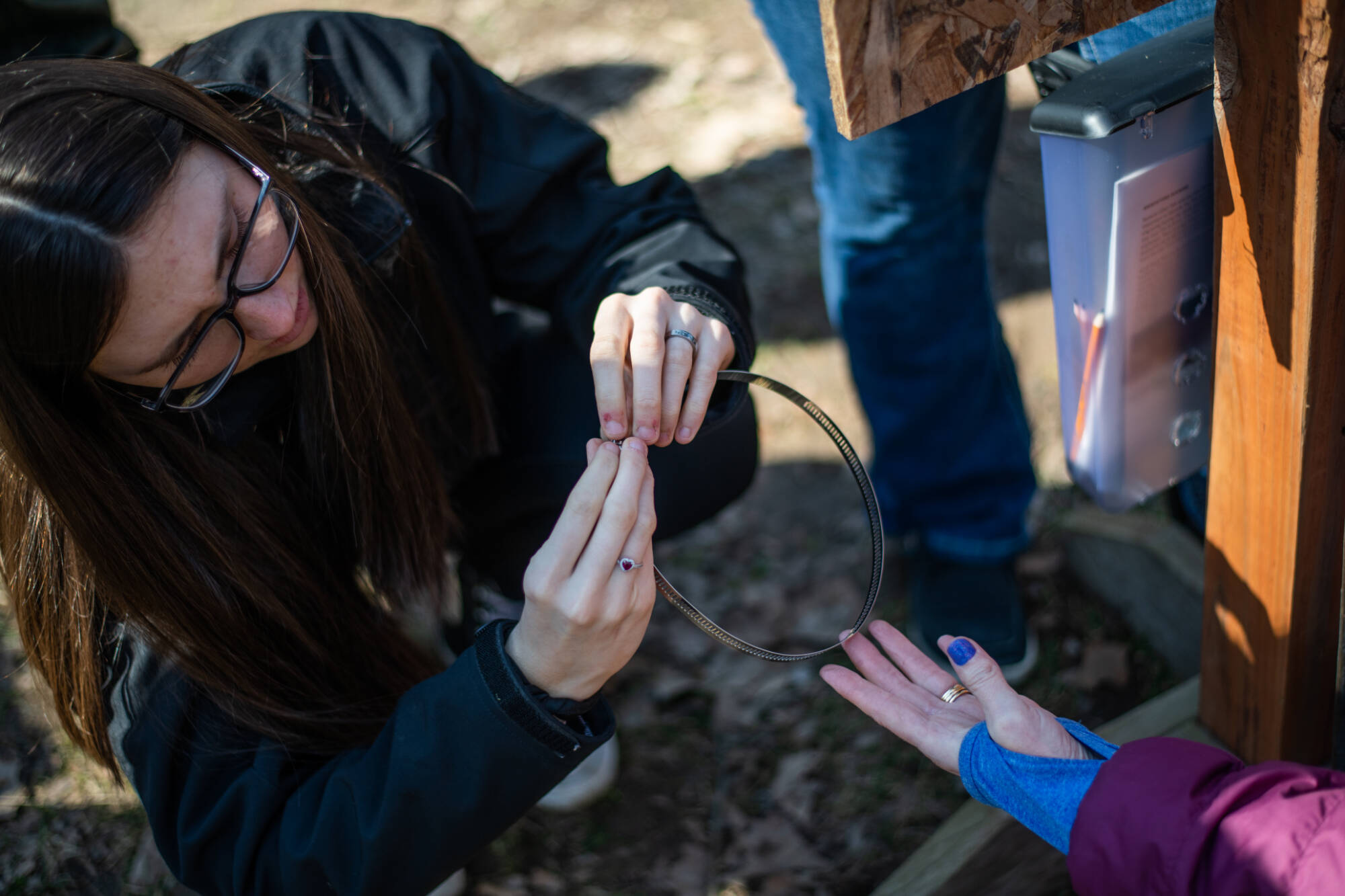
Students are introduced to the equipment they will be using for the water chemistry portion of the investigation by conducting the Mystery Water Lab. Over two class periods, students will practice using multi-parameter probes, analyze their results, and connect their learning to planning for real stream monitoring.
Instructor Guide: Fall Days 2-3
Field Training & Reflection
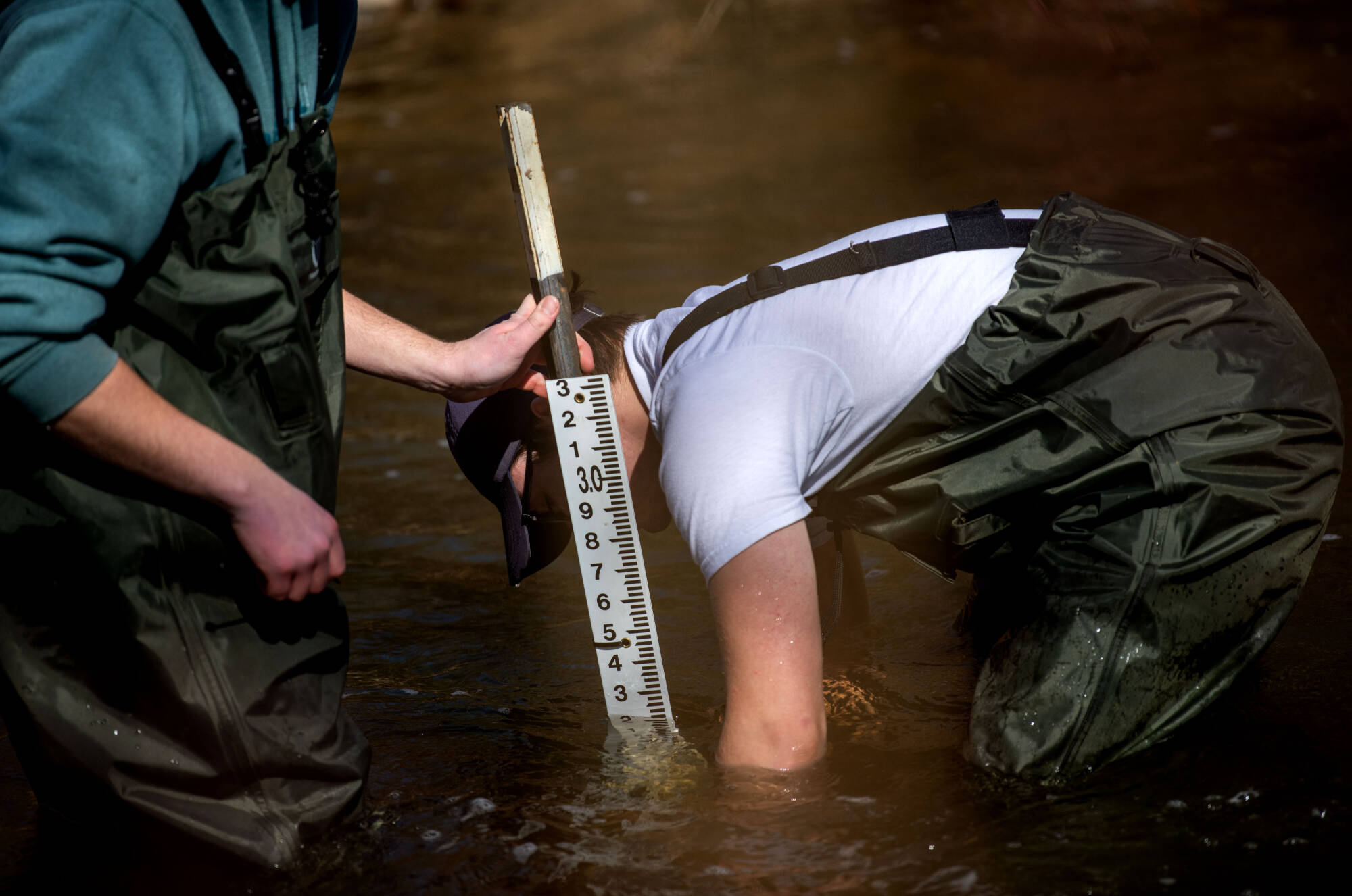
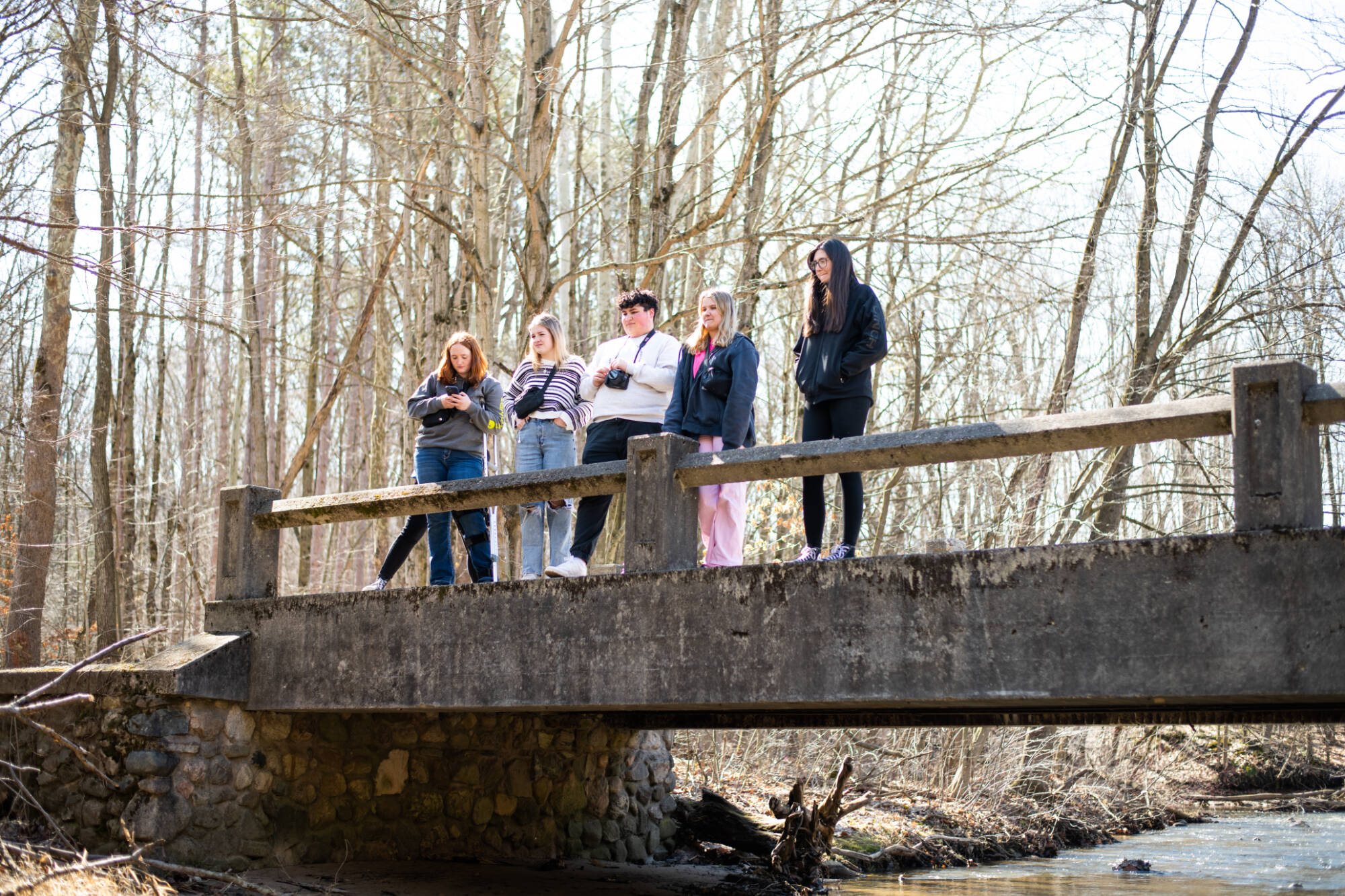
Students will conduct a hands-on investigation at their designated stream study site, practicing the use of field measurement tools to assess water quality. In the field, they will learn to collect and identify macroinvertebrates, observe and compare different stream habitats, measure flow rate and turbidity, and gather E. coli samples. Back in the classroom, students will analyze their data to explore how each measurement, especially the presence and diversity of macroinvertebrates, serves as an indicator of stream health. Through discussion and reflection, they will connect their field observations to broader concepts in aquatic ecology and environmental monitoring.
Field Monitoring
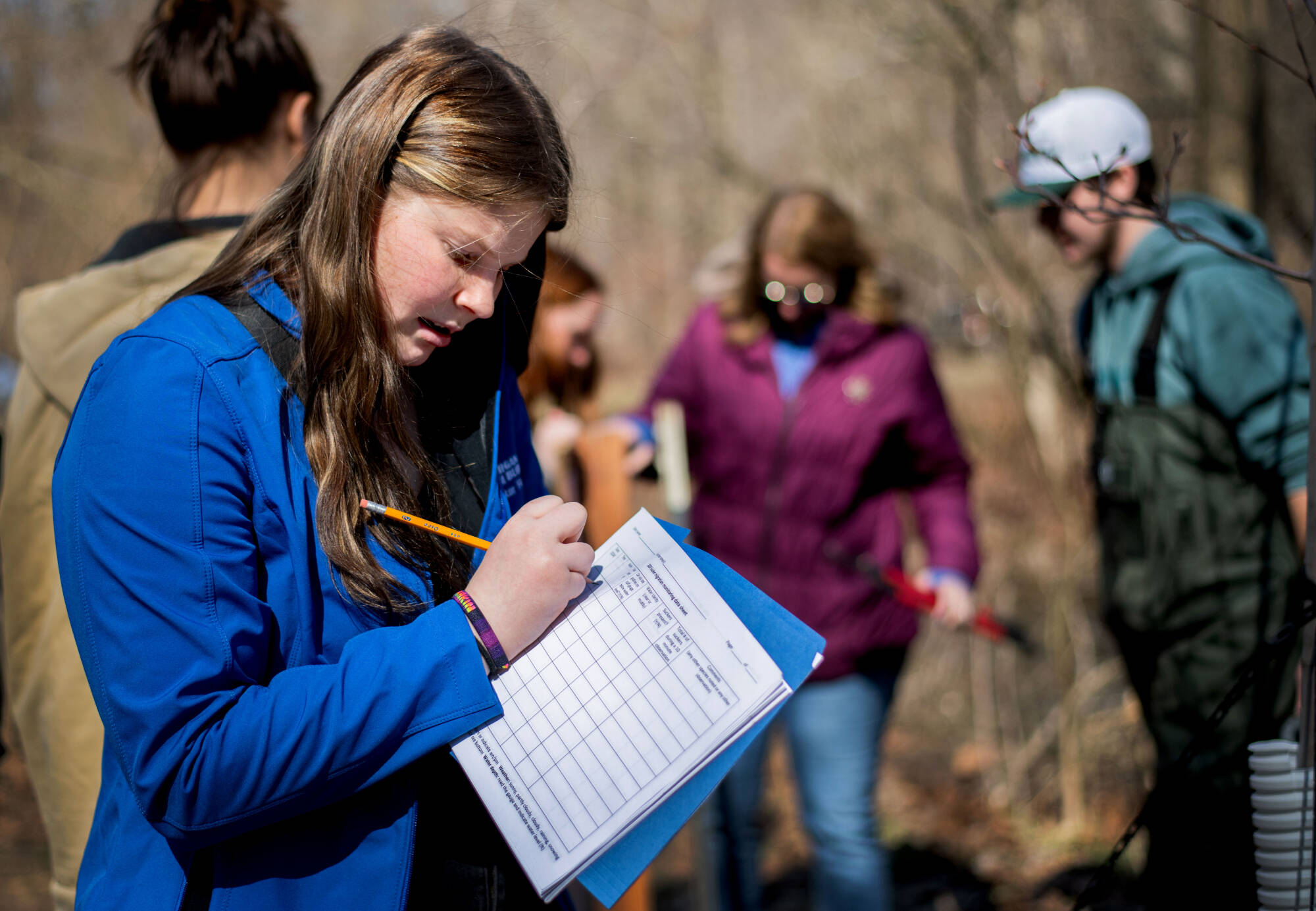
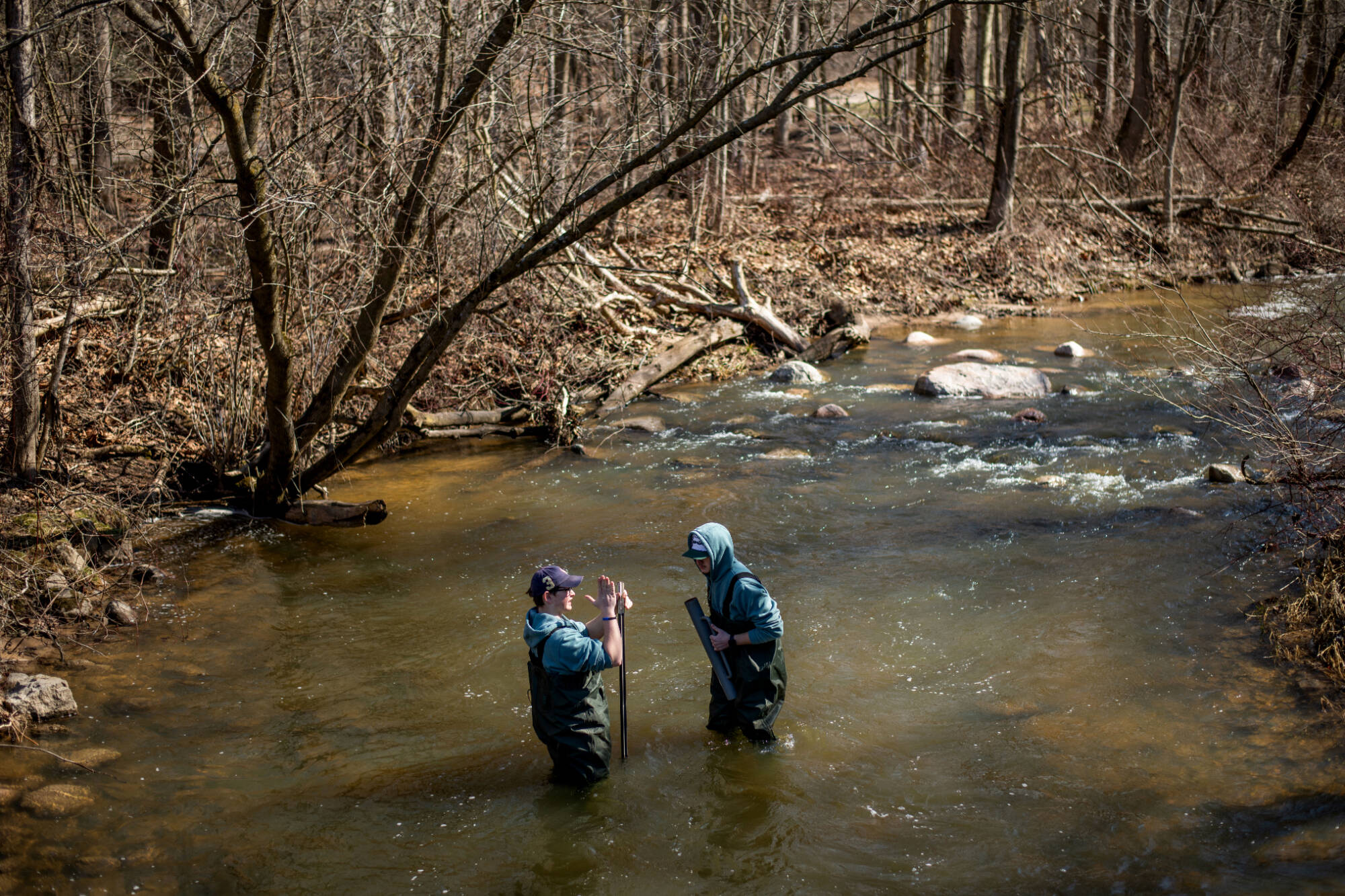
During these field investigation days, students work in teams to collect and record stream health data at designated study sites using protocols from the Stream Team Field Guide. Building on prior training, they measure water chemistry, turbidity and flow, E. coli levels, and macroinvertebrate communities, while also documenting habitat conditions and weather. The focus is on accuracy, safety, and consistent methods to ensure reliable data over time. Samples and data are then brought back to the classroom for processing, with time set aside for macroinvertebrate sorting and identification immediately after sampling or during a later class period.
Data Analysis I
Students will review their fall monitoring data using their Field Guide data sheets and the Fall Analysis worksheet. They’ll spot patterns, connect site conditions to their results, and practice using claim-evidence-reasoning to explain water quality. This session sets the stage for comparing results in the spring and building stronger data interpretation skills.
Spring Monitoring
The Spring Stream Team Curriculum is designed to be completed over several weeks during the months of April and May.
Field Refresher
During this field training refresher, students revisit their stream study site to observe seasonal changes, reconnect with monitoring equipment, and review sampling and safety procedures in preparation for spring data collection. Back in the classroom, they complete a reflection worksheet to identify new questions, assess their readiness with equipment and protocols, and note any skills they want to practice before the next sampling day.
Field Monitoring
During these field investigation days, students work in teams to collect and record stream health data at designated study sites using protocols from the Stream Team Field Guide. Building on prior training, they measure water chemistry, turbidity and flow, E. coli levels, and macroinvertebrate communities, while also documenting habitat conditions and weather. The focus is on accuracy, safety, and consistent methods to ensure reliable data over time. Samples and data are then brought back to the classroom for processing, with time set aside for macroinvertebrate sorting and identification immediately after sampling or during a later class period.
Data Entry
Students practice accurate data management by entering their field results into their Stream Team dashboards. They submit data through a Google Form that automatically generates visualizations in a Google Sheet, with separate tabs for each parameter. With teacher guidance, students check for entry errors and begin organizing their data to share on the class Google Site. If needed, teams can also use this time to finish sorting and classifying macroinvertebrates collected on sampling days.
Data Analysis
In this final phase, students synthesize their learning by analyzing their full-year monitoring data. Using the Spring Data Analysis worksheet and their data dashboards, they identify patterns, interpret water chemistry, E. coli, and macroinvertebrate results, and compare findings to healthy reference ranges. Working in teams, they then produce a clear, evidence-based stream health report that explains what their data show and how stream conditions connect to human activity in their watershed.