
CCESS2026 Welcome
CCESS2026 "Ways of Knowing in Climate Change Education" October 14-15, 2026
[1773440662].jpg)
CCESS2026 Registration
The Climate Change Education Solutions Summit (CCESS) is an annual, multi-disciplinary international conference hosted by Grand Valley State University. CCESS serves as a forum for all students, faculty, staff, and community partners on solution-oriented place-based transdisciplinary climate education rooted in community action, innovation, and collaboration.
The GVSU 8th Annual Climate Change Education Solutions Summit (CCESS2026) "Ways of Knowing in Climate Change Education" will be held October 14–15, 2026 in Russel H. Kirkhof Center on GVSU Valley Campus and online. Registration for CCESS2026 is free and is open to everyone on a first-come first-served basis with in-person space being limited to 320 participants. Register today to secure your access.

Day 1: Wednesday, October 14, 2026
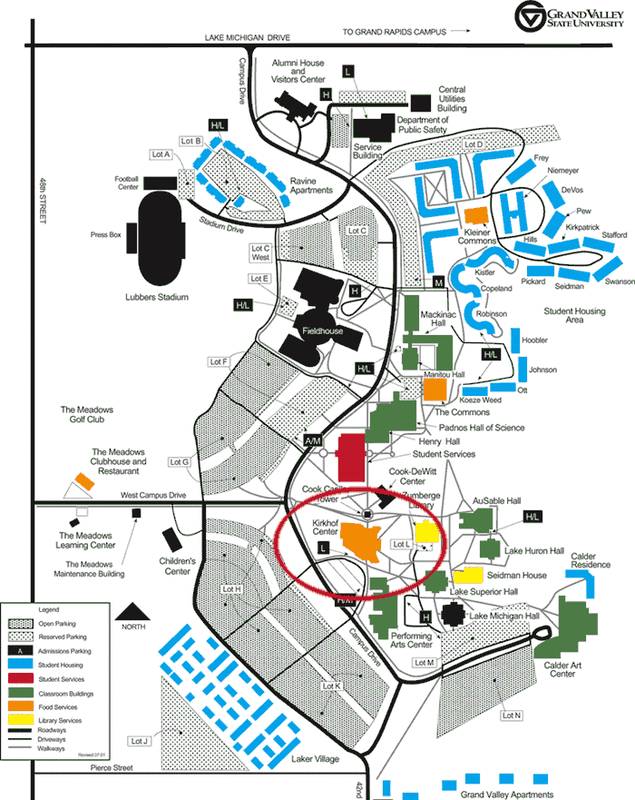
GVSU Valley Campus
Coming by Car: The Valley Campus is located off M-45 in Allendale, MI. Please use any non-reserved space in Parking Lot H
Traveling by Bus: Bus Route LL - The Laker Line bus ride between GVSU's Allendale campus and downtown Grand Rapids takes approximately 25 to 45 minutes
Accessibility: This interactive accessibility map shows accessible entrances, parking, paths and elevator locations.
"Going Beyond the Land Acknowledgement: Braiding Indigenous Knowledge with Western Sciences to Improve Pedagogies" Faculty Workshop. KC2266
10:00-11:30 AM - Faculty Learning Workshop "Going Beyond the Land Acknowledgement: Braiding Indigenous Knowledge with Western Sciences to Improve Pedagogies" facilitated by Bazile Minogiizhigaabo Panek, Good Sky Guidance Founder/CEO, and Institute for Tribal Environmental Professionals Consultant.
This event is reserved for GVSU faculty and staff and has a limited capacity. Workshop RSVP is required. Non-GVSU faculty wishing to participate should contact Elena Lioubimtseva at [email protected]. Participants are invited to join GVSU Learning Community "Braiding Indigenous Knowledge with Western Sciences to Improve Pedagogies" to continue exploring the best practices for integrating Indigenous Ecological Knowledge (IEK) in transdisciplinary environmental curriculum informed by respectful, reciprocal, and relevant relationships with Indigenous communities. Light lunch will be provided.
Plenary Session I in Grand River Room (KC 2250)
Doors open at noon
12:00 - 1:00 PM Community Climate Expo and Student Poster Session. Students are encouraged to present research or environmental or climate science, climate change education, or traditional ecological knowledge. If you have any questions about the poster session, please contact Jordyn Stoll at [email protected]. Easels, poster boards, clips, and light lunch will be provided. Please arrive by 11:50 AM to set up. Register your poster here.
1:00- 1:20 PM Welcome Remarks by Ed Aboufadel, Senior Associate Vice President for Academic Affairs and Christopher Jones, Dean, College of Liberal Arts and Sciences. Announcements from the CCESS Planning Committee.
1:20 - 2:00 PM "Indigenous Ways of Knowing and Not Knowing" - Keynote Address by Bazile Minogiizhigaabo Panek, Red Cliff Band of Lake Superior Ojibwe, Good Sky Guidance Founder/CEO, Institute for Tribal Environmental Professionals Consultant, and PhD candidate at the University of Minnesota Twin Cities.
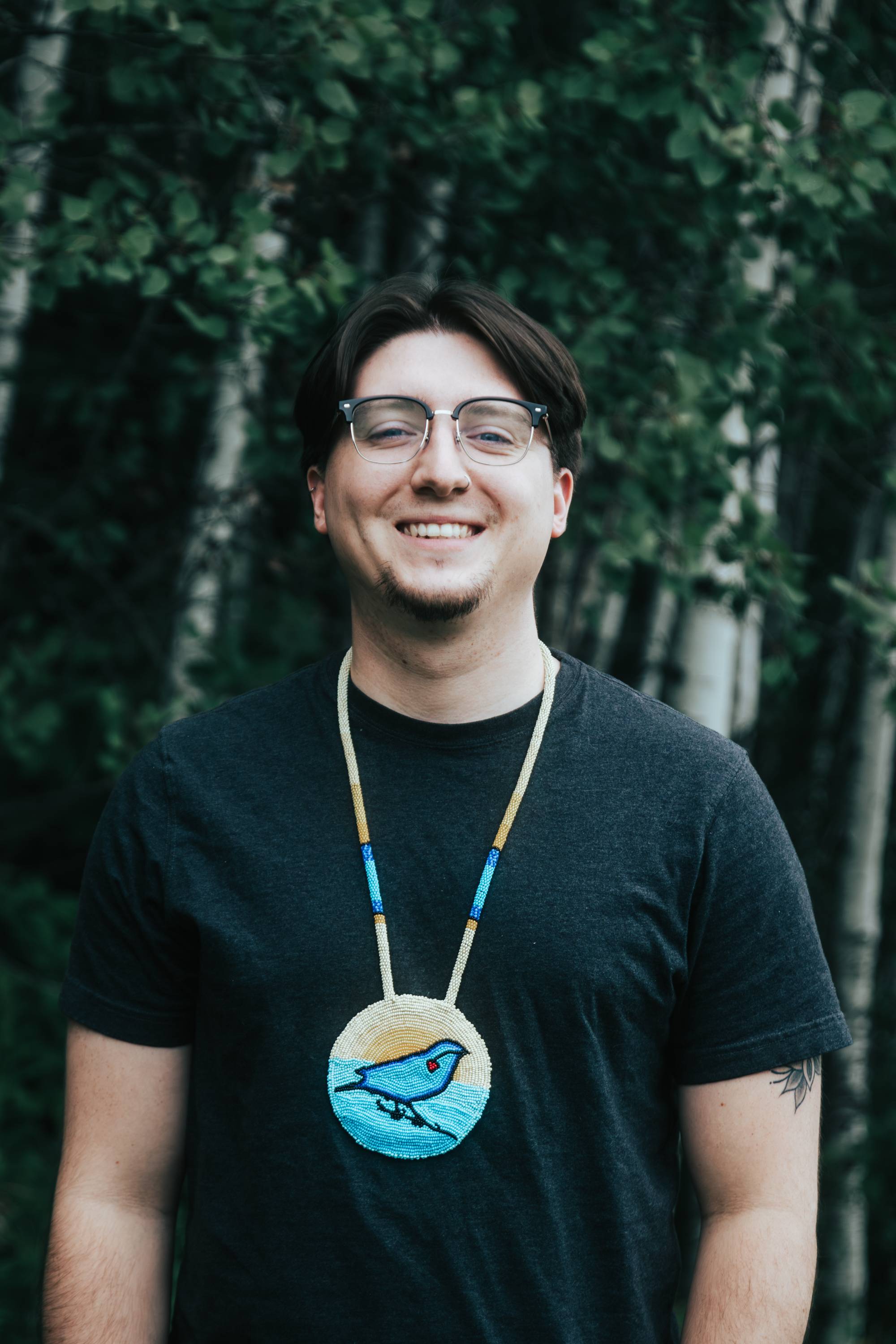
Bazile Minogiizhigaabo Panek
Bazile Minogiizhigaabo Panek comes from the Red Cliff Band of Lake Superior Ojibwe where he was born and raised. His culture is an integral part of his life, as he consistently participates in cultural events and ceremonies.
In 2022, Bazile graduated with a Bachelor of Science in Native American Studies from Northern Michigan University. There, he made a significant impact as the President of the Native American Student Association, advocating successfully for the university's official observance of Indigenous Peoples’ Day. In 2023, Bazile founded Good Sky Guidance and is currently the CEO. Good Sky Guidance is a consulting firm specializing in the integration of Indigenous Knowledges and culture in environmental initiatives and advising institutions on respectful tribal community engagement. Bazile is also a graduate student at the University of Minnesota-Twin Cities pursuing a master’s degree in Natural Resource Sciences and Management and a PhD in American Indian Studies. His focus is on fire as a land caretaking tool. Bazile also works as the Fire-Plan Research Coordinator at University of Wisconsin-Platteville for a National Science Foundation-funded project that combines various ways of knowing to help heal fire-dependent lands and cultures in the Great Lakes region. He is a sought-after speaker on topics such as Indigenous environmentalism, Traditional Ecological Knowledge, decolonization, and cultural revitalization. He has spoken all across the United States and internationally.
Bazile's guiding philosophy in life is to "honor my ancestors by becoming an honorable ancestor for future generations."
Plenary Session 2 in Grand River Room (KC 2250)
2:00- 3:15 “Setting the Straits on Fire – Using tree-rings to tell the stories of the people and the landscape in the Michigan Straits” interactive presentation by Mary Parr, Sault Ste Marie Tribe of Chippewa (Ojibwe) Indians, Michigan Natural Features Inventory Joshua Gabriel Cohen, Michigan Natural Features Inventory, Mae Wright, Little Traverse Bay Bands of Odawa Indians, Derek Hartline, Little Traverse Bay Bands of Odawa Indians, Kurt Kipfmueller, Department of Forestry at Michigan State University.
Synopsis: Through the Coastal Program, the United States Fish and Wildlife Service established a cooperative agreement with the Little Traverse Bay Bands of Odawa Indians, Michigan Natural Features Inventory, and Michigan State University to prioritize biodiversity stewardship within the Straits Region of Michigan. This project builds upon 3 complementary components: 1) Collating knowledge about factors that determine priorities for cultural burning; 2) Reconstructing fire histories of culturally significant sites through dendrochronology; and 3) Developing models that identify the most ecologically and culturally important places and thereby increase the integrity of native ecosystems, improve habitat for native biodiversity, and increase opportunities for cultural expression of Indigenous communities. In this presentation, we will share results about the reconstruction of fire history in the homeland of the Little Traverse Bay Bands of Odawa Indians.
[1788465264].jpg)
Mary Parr, Fire Ecologist, Michigan Natural Features Inventory
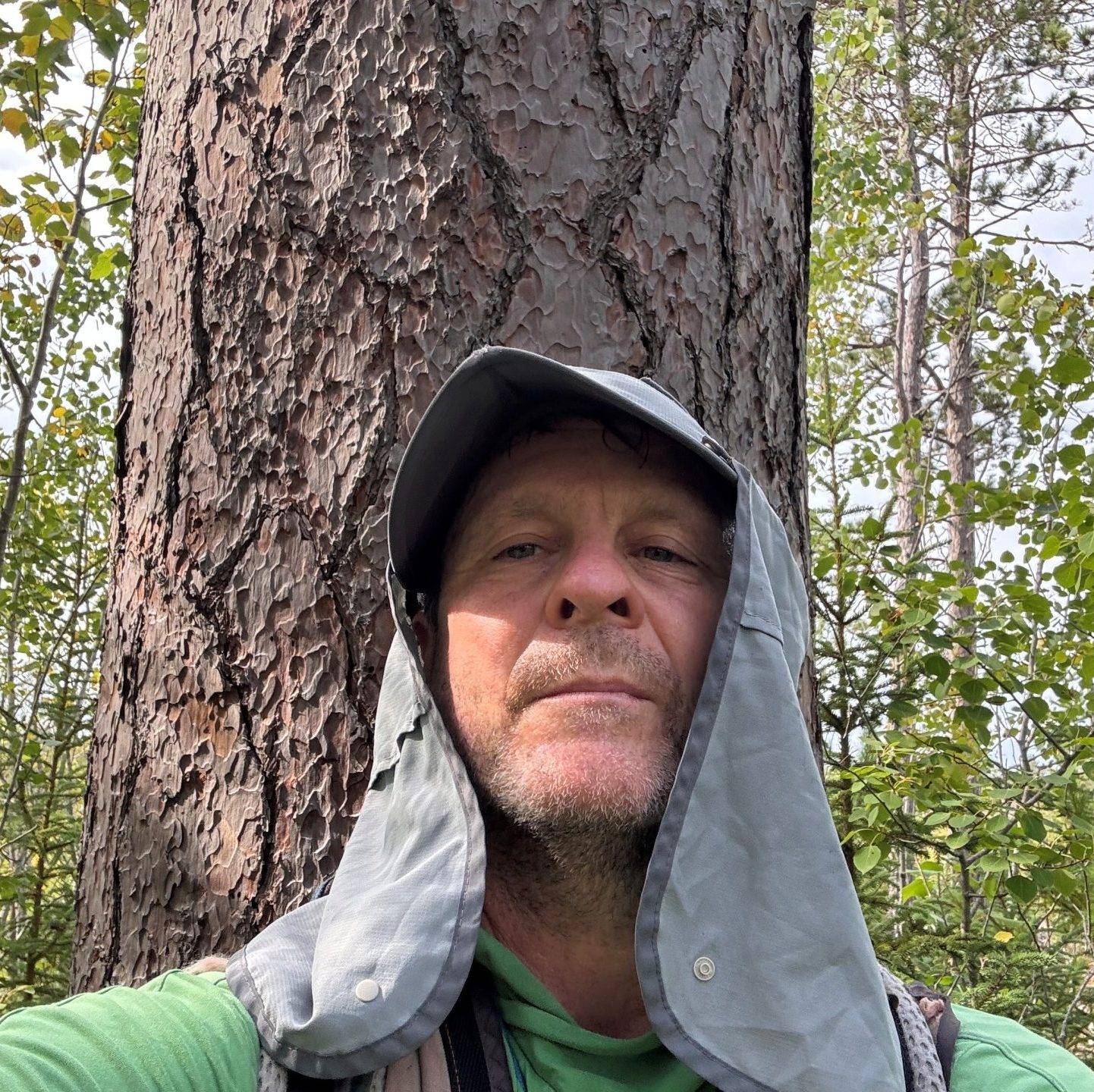
Joshua Gabriel Cohen, Lead Ecologist - Senior Conservation Scientist, Michigan Natural Features Inventory
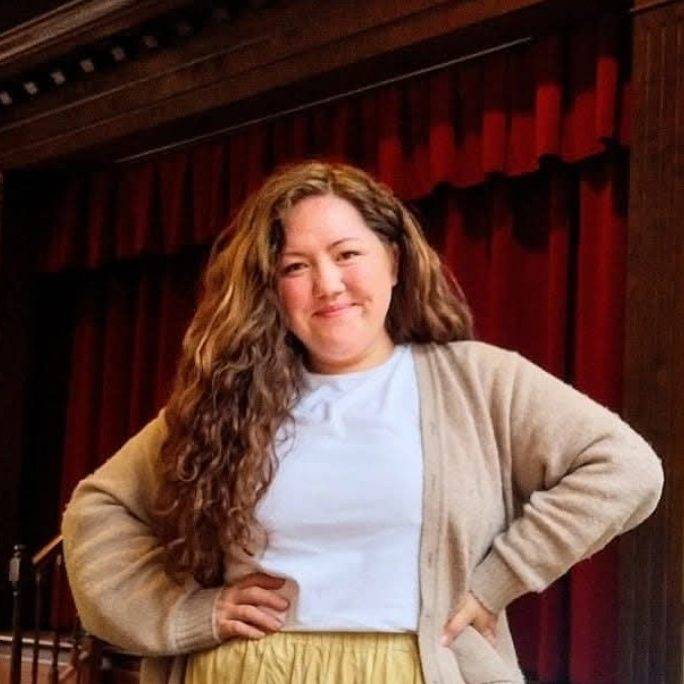
Mae Wright, Tribal Historic Preservation Officer, Little Traverse Bay Bands of Odawa Indians
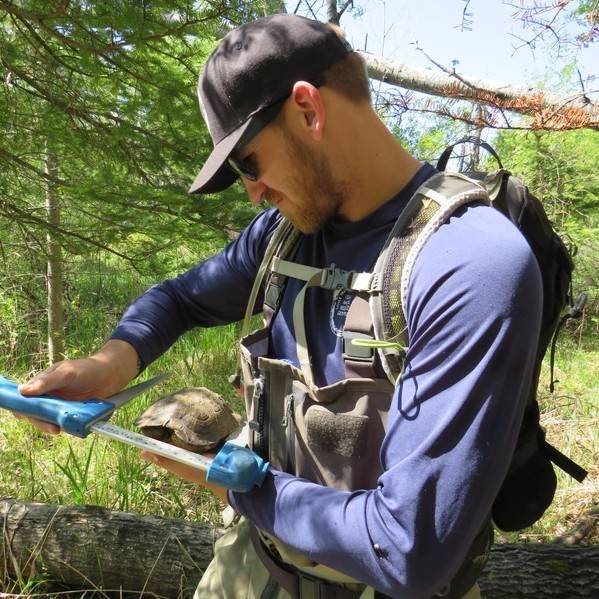
Derek Hartline, Conservation Biologist, Little Traverse Bay Bands of Odawa Indians
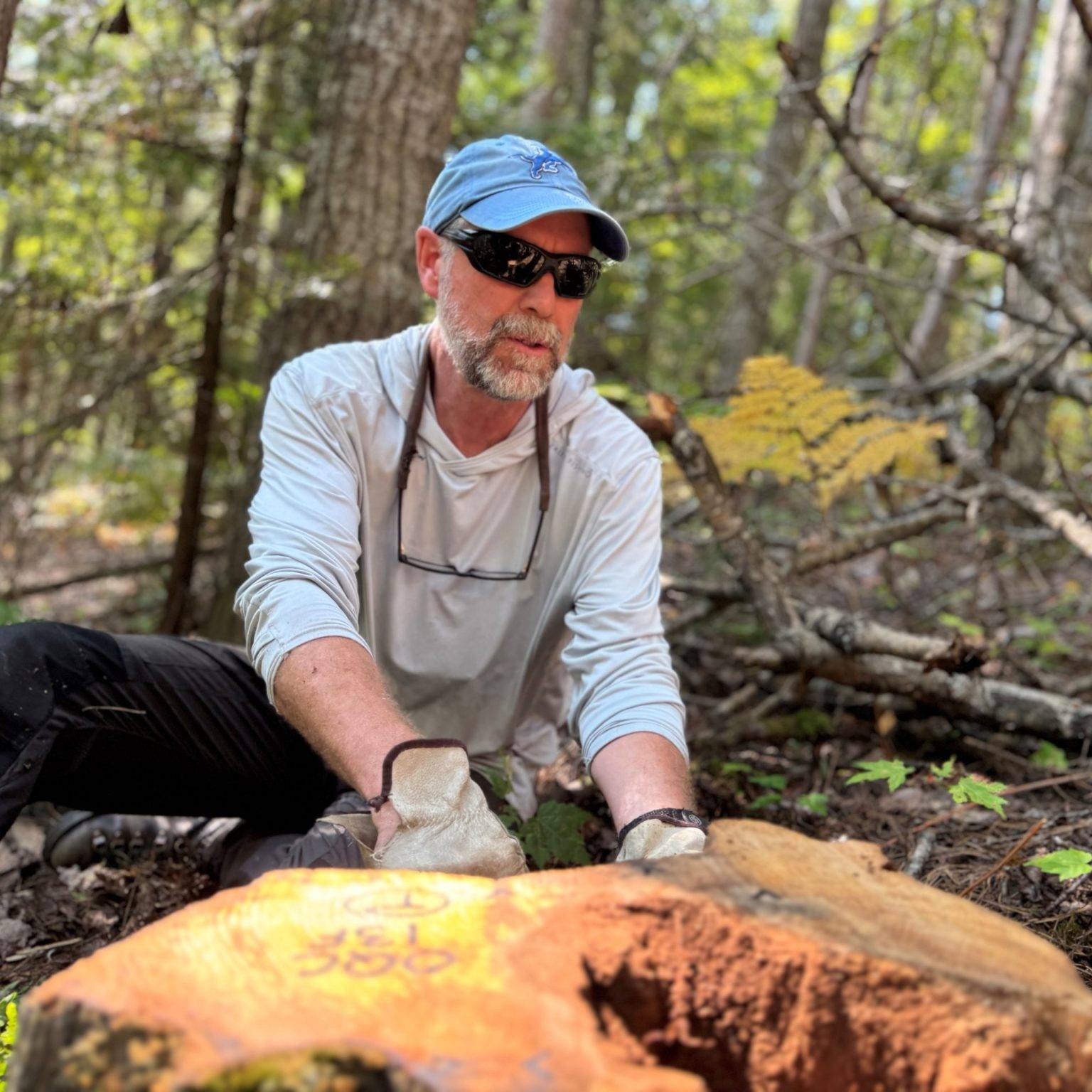
Kurt Kipfmueller, 1855 Professor of Indigenous and Tribal Natural Resource Management, Department of Forestry, MSU
"Setting the Straits on Fire" project. U.S. Fish and Wildlife Services, The Department of the Interior
Mary Parr earned her B.Sc. in Natural Resource Management and M.S. in Biology from GVSU. She is is a passionate educator, frequently delivering presentations on the intricacies of fire-dependent ecosystems and promoting the relevance of Indigenous Knowledge in natural resource management. She is a proud member of the Sault Ste. Marie Tribe of Chippewa Indians (Ojibwa) and an active participant in the Michigan Prescribed Fire Council.
Joshua Cohen has worked for the past 25 years as an ecologist with Michigan Natural Features Inventory. He is the lead author of A Field Guide to the Natural Communities of Michigan and recent articles in Diversity and Ecological Modelling entitled “Assessing the Ecological Need for Prescribed Fire in Michigan Using GIS-Based Multicriteria Decision Analysis: Igniting Fire Gaps” and “Using GIS-based multicriteria decision analysis to prioritize invasive plant treatment: A creative solution for a pernicious problem”.
Mae Wright is a member of the Little Traverse Bay Bands of Odawa Indians. She grew up in the northern parts of Michigan and now lives in Harbor Springs where she works for her sovereign nation’s government as their Tribal Historic Preservation Officer and NAGPRA Representative. This role holds many responsibilities including caring for ancestral burials and preserving cultural resources for future generations through collaborative work and education.
Derek Hartline is the Conservation Biologist for Little Traverse Bay Bands of Odawa Indians. Derek is a dedicated wildlife and forestry enthusiast with a deep passion for the ecosystems of the Great Lakes. He earned his BS in Fisheries and Wildlife Management from Lake Superior State University, followed by a MS in Biology from Central Michigan University, where he focused on coastal wetland ecology. With a strong commitment to conservation and sustainable practices, Derek actively engages in research to promote the health of vital habitats.
"Setting the Straits on Fire" is a collaborative initiative utilizing dendrochronology and Indigenous Ecological Knowledge to reconstruct the fire history and land stewardship practices within the Michigan Straits of Mackinac. By analyzing fire scars on native red pines, researchers aim to reintegrate traditional cultural burns to restore ecological resilience and inform modern forest management. To learn more about this project, visit U.S. Fish & Wildlife Service website.
Kurt Kipfmueller is the 1855 Professor of Indigenous and Tribal Natural Resource Management in the Department of Forestry at Michigan State University. He uses the information and stories encoded within the annual rings of trees to help reconstruct past environments including disturbance dynamics and climate variability. He has been engaged in a broader collaborative effort to better understand fire regimes and develop network of fire history sites helpng to tell the story of important relationships between people, pine, and fire in the Great Lakes Region.
3:15-3:30 Coffee Break and Transition to Break-Out Sessions
3:30 - 4:45 PM Concurrent Presentations and Workshops
Parallel Session 1 KC2204 (Pere Marquette)
"Building Shared Understanding Across Higher Education and Communities: AI, Data Centers, and Climate Change Education" with Dr. Deirdre Nieves, WMU & MICAN, Dr. Denise Keele, MICAN, Dr. Nicole Keyway Biber, citizen of Little Traverse Bay Bands of Odawa Indians, Clean Water Action, and Tera John, citizen of Grand Traverse Band of Ottawa and Chippewa Indians.
GVSU contacts: Abbe Forbes & Elena Lioubimtseva
Parallel Session 2 KC2215/2216
2A "Climate Education and Action in Community - MI Healthy Climate Fellows Panel" with Charlotte Nana Mayworm, Michigan Department of Environment, Great Lakes, and Energy, Jessica Austin, Michigan Green Building Collaborative, and Daisy Krycian, North End Woodward Community Coalition
2B "Creating Climate Connections" by Bridget Booth, Subject To Climate.
GVSU Contact: Yumiko Jakobcic
Parallel Session 3 KC2259
"Challenges in Overcoming Partisanship in Climate Change Awareness" by Jim Lax, Climate for Tomorrow.
"Coping with Climate Anxiety to Foster Climate Hope" by Allison Royer, Prescott College.
"Beyond Climate Anxiety: Student Emotional Profiles, Institutional Trust, and Pathways to Climate Engagement" by Michaela Zint, University of Michigan.
GVSU Contact: Heather Moody
Parallel Session 4 KC2201
"Confronting the US Military's Role in the Climate Crisis" by Antonia Sigmon and Brian Deyo, Grand Valley State University.
"Teaching Petro and Climate Fiction to Address Carbon Capitalism" by Allen Webb, Western Michigan University.
"What Does it Mean to be Climate Literate?" by Allen Webb and Steve Bertman, Western Michigan University.
GVSU Contact: Brian Deyo
Quiet hospitality space for planning, rest, reflections or meditation is available in KC room 2264
Plenary Session 3 in Grand River Room
5:00 - 6:20 PM Panel Discussion with Craig Santos Perez, Lauren Westerman, and Bryan Smigielski, moderated by Brian Deyo
Poetry reading by Craig Santoz Perez, an award winning poet, essayist, former university professor, and publisher from the Chamorro People
"Sustainable Behaviors: From Classroom Experience to Systemic Transformations" by Lauren Westerman, President, Michigan Alliance for Environmental and Outdoor Education
"Building Power Across Worlds: Pluralistic Solidarity and the Ecology of the Possible" by Bryan Smigielski, Senior Campaign Organizer, Sierra Club.
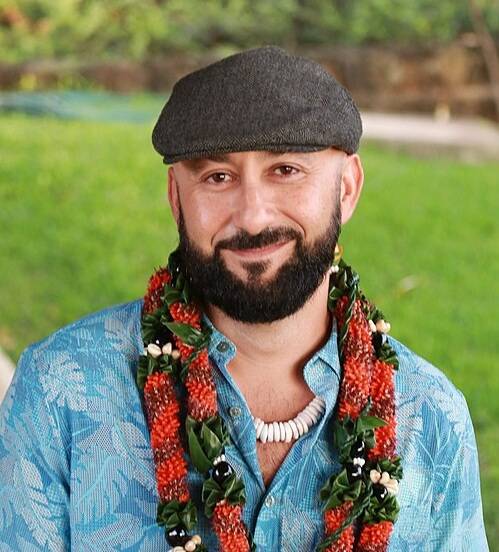
Craig Santos Perez is a native Chamorro from Mongmong, Guam. Perez earned his BA in literature and creative writing in 2002 at the University of Redlands in California and his MFA in poetry at the University of San Francisco in 2006. He is the co-editor of nine anthologies and the author of seven books of poetry and the academic monograph, Navigating CHamoru Poetry: Indigeneity, Aesthetics, and Decolonization, which received the MLA Prize for Best Book in Studies of Native Culture and Literature.
[1760291785].jpg)
Lauren Westerman, Ph.D. is an experienced environmental and outdoor educator. Her teaching and research interests focus on Sustainability Education. Lauren teaches at AuSable Institute and Cornerstone University and currently serves as President of Michigan Alliance for Environmental and Outdoor Education. Her recent Ph.D. from Prescott College examines how high-impact environmental education experiences during the formal school years influence life-long pro-environmental behaviors.
[1788123145].jpg)
Bryan Smigielski is a Detroit-based environmental organizer and GVSU philosophy alumnus who draws systems theory, American pragmatism, and deep-time ecological thinking into the practice of campaign organizing. Leading the Sierra Club’s data-center work in Michigan, he organizes across grassroots movements and regulatory arenas to build pluralistic solidarity capable of winning material reforms while cultivating more radical possibilities for transformation.
Informal Conference Dinner
Let's continue our climate conversations over dinner at Main St Pub in Allendale! Everyone is welcome, self-pay. 11240 University Pkwy, Allendale, Michigan 49401, 616.895.1234
Main St Pub
Day 2: Thursday, October 15, 2026
Keynote Presentation (Virtual)
9:00 - 9:40 AM Eastern Time "DISRUPT: Critical Economic Literacy as Epistemic Approach to Addressing Climate Change" presentation by Dr. Catherine Ho, Chief Wonderer Officer, Education Reimagined, Beijing, China.
Why does reversal of climate change seem so elusive? Is it late-stage capitalism, the billionaire class or could the answer run deeper and possibly implicate all of us? In this session, we will explore the onto-epistemic entrenchment of neoliberal imaginary and the need for Critical Economic Literacy (CEL) to counter the economic stories that have become common sense and invisible - including scarcity, competition, growth, extractivism and productivity. CEL is operationalized through the DISRUPT thinking routine, which can be a helpful tool for exposing the hidden economic stories behind the meta crisis in our world; and concomitantly, advancing the work of reversing climate change.
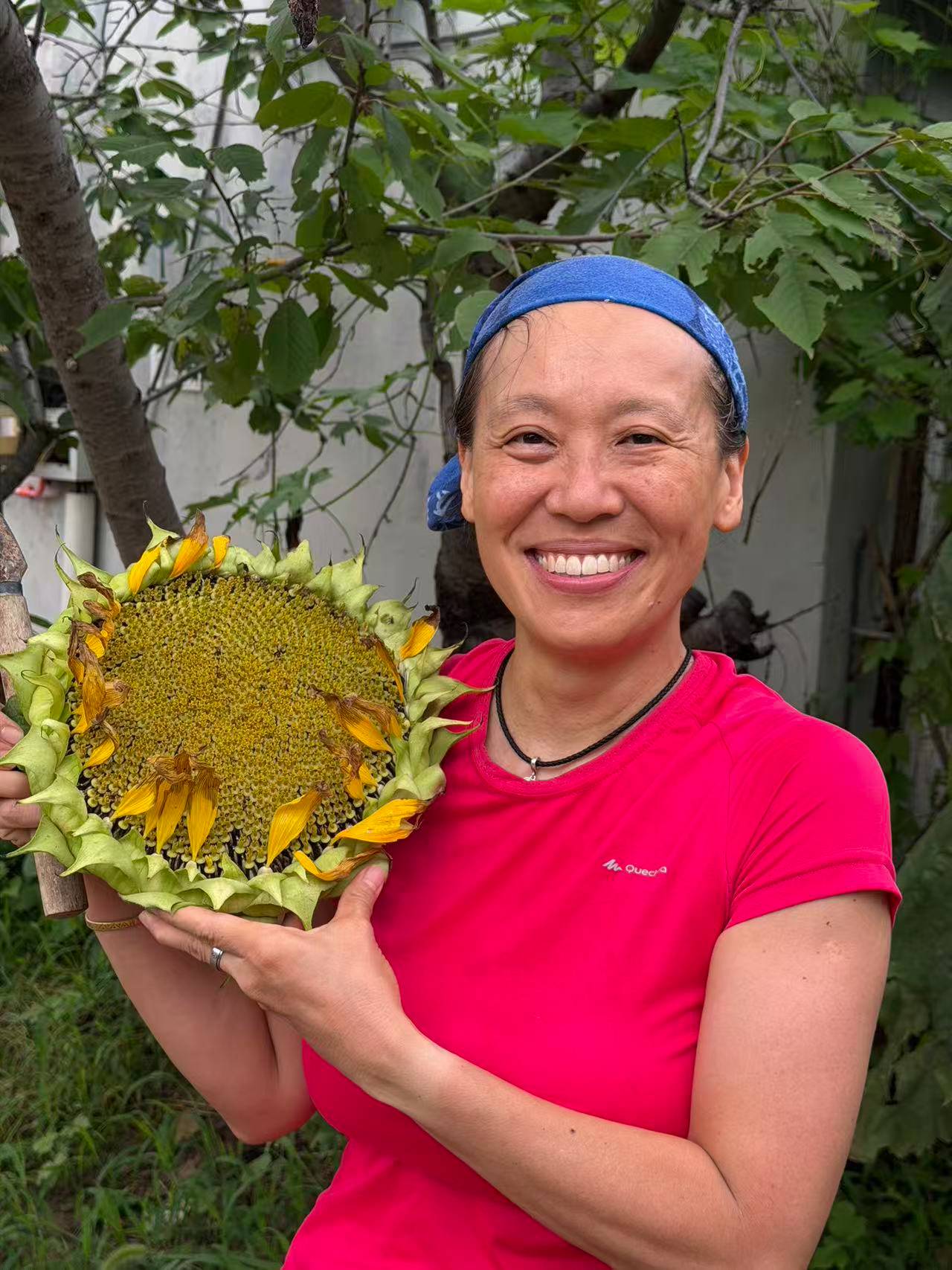
Dr. Catherine Ho
Dr. Catherine Ho is a renegade economist, internationally acclaimed speaker, researcher, and author. She hails originally from Singapore but has lived her entire adult life in China, United States, and Canada. She is a mother of two GenZers and is committed to leave a world where future generations can thrive.
Catherine Ho holds B.Sc. in Economics from National University of Singapore, M.Div. in Pastoral Care from Regent College, post-graduate certificates in Sustainable Development from Columbia University and in International Education from the University of Nottingham, and Doctoral degree in Education, Educational Policy, and Leadership from University of Illinois Urbana-Champaign. She is currently based in Beijing and is the Chief Wonderer Officer of Wonder: Education Reimagined. Wonder’s work challenges taken-for-granted economic narratives and supports educators, leaders, and institutions to re-examine how knowledge, power, and value are constructed and taught. Catherine have led multicultural, multilingual teams across non-profits, international schools, and higher education, designing programs grounded in global citizenship, inter-generational, regenerative approaches. Her research focuses on epistemic renewal: where individuals and institutions can recover the capacity to question, imagine, and teach such as to promote healing in our world and to pivot to an economics of hope where all can flourish.
Wonder: Education Reimagined was created by Dr. Catherine Ho on the back of her inspiring research, teaching, and leadership — and the stubborn belief that epistemic recovery is possible. That teachers who can name the story can begin to rewrite it. And that students in classrooms led by those teachers have a fighting chance of becoming the genuinely critical global citizens our world so urgently needs.
Virtual Session A "International Perspectives on Climate Change Education"
"Education for Economic Futures" by Ruth Irwin, RMIT University, New Zealand
"Removing and Destroying Residual GHGs" by David F. Roberts, CEO and President of Freytech Inc., USA
Virtual Session B "Learning With Trees: A Campus Tree Library for Climate Change Education and Ecological Care"
1:00- 2:00 PM "Learning With Trees: A Campus Tree Library for Climate Change Education and Ecological Care" Interactive Panel Discussion by Lidia Ponce de la Vega, Annika Mekis, Leigh Rupinski, and Lindsay Stankus, GVSU, USA
This panel introduces the Tree Library project and explores its connection to climate education through interspecies care, natural-cultural archiving, and place-based learning. The Tree Library is a digital collection of tree species in Grand Valley State University's Arboretum that promotes campus spaces as a living classroom where students build ecological literacy and develop relationships with the more-than-human world.
Virtual Session C "Promoting a Unified One Health and One Water Model for Public Health"
2:30 - 3:30 PM "Promoting a unified One Health and One Water Model for Public Health" - a virtual workshop by Zigmond Kozicki and Stephanie Baiyasi- Kozicki, University of Detroit Mercy, USA
Poetry Night (in-person)
7:00 - 9:00 PM Poetry Night 2026 with Craig Santos Perez, in-person, at Wealthy Theater
Dr. Craig Santos Perez is an Indigenous Chamoru from the Pacific Island of Guam. He is the editor of nine anthologies and author of seven books of poetry, most recently Call This Mutiny [Uncollected Poems], and the academic monograph, Navigating Chamoru Poetry: Indigeneity, Aesthetics, and Decolonization, which received the MLA Prize for Best Book in Studies of Native Culture and Literature. His work has been honored with the National Book Award, the American Book Award, a PEN award, and the Poetry Society of America Prize.
Perez will appear at Poetry Night for a poetry reading and conversation, as well as for the 2026 GVSU Climate Change Education Solutions Summit. Perez is a poet, editor, essayist, critic, environmentalist and political activist. An important voice in eco-poetics, he describes his work as a mourning and desire to protect the environment from further desecration and a longing and advocacy for a decolonized, sovereign, and indigenous future. His from Unincorporated Territory series uses poetry to touch on the history and ongoing militarization, colonization, and environmental injustice in Guam and the Pacific, often using documents and maps to expose and critique colonial power. In 2010, the Guam Legislature passed Resolution No. 315-30, recognizing and commending Perez “as an accomplished poet who has been a phenomenal ambassador for our island, eloquently conveying through his words, the beauty and love that is the Chamorro culture.”
[1773443823].jpg)

Thank You, Sponsors!
[1695334417].jpg)
[1759865904].jpg)
[1759866026].jpg)


[1695130748].jpg)



Call for Sponsorship
CCESS is a free community conference hosted by GVSU annually since 2019. Your support helps us to continue bringing outstanding speakers to our campus and facilitate conversations about climate change solutions that shape a sustainable future.
GVSU internal sponsors are invited to direct their pledges to Geography & Sustainable Planning Department
Community sponsors are invited to make donations via GVSU University Development page, where you can select “Climate Change Education Solutions Network” as a recipient.
Thank you for your partnership and support.
GVSU CCESS2026 Planning Committee
Brian Deyo (English), Abbe Forbes (Student Affairs), Yumiko Jakobcic (Office of Sustainability Practices), Elena Lioubimtseva (Geography), Azizur Molla (Public Health), Heather Moody (Geography), Tierney Powell (English), Jordyn Stoll (Biology), Rebecca Williams (Interdisciplinary Studies)
