
Peer Networks and Peer Support Arrangements
Dr. Erik Carter, a leader in the area of Peer-Mediated Interventions (PMI), has demonstrated through numerous studies that building meaningful peer relationships is essential for belonging, social connection, and learning in school. PMI such as Peer Networks and Peer Support Arrangements create intentional opportunities for students with and without disabilities to connect and grow together. These approaches strengthen social, communication, and academic skills while making the school culture more inclusive, collaborative, and centered on belonging.
Estimated Time: 54 minutes
Keywords:
Peer-mediated Intervention, Peer Networks, Peer Arrangements, Inclusion, Belonging, Social Connection, Friendship
Related Bites: What is Peer to Peer?
Related Topics: Peer to Peer; Inclusion and Belonging
Peer Networks
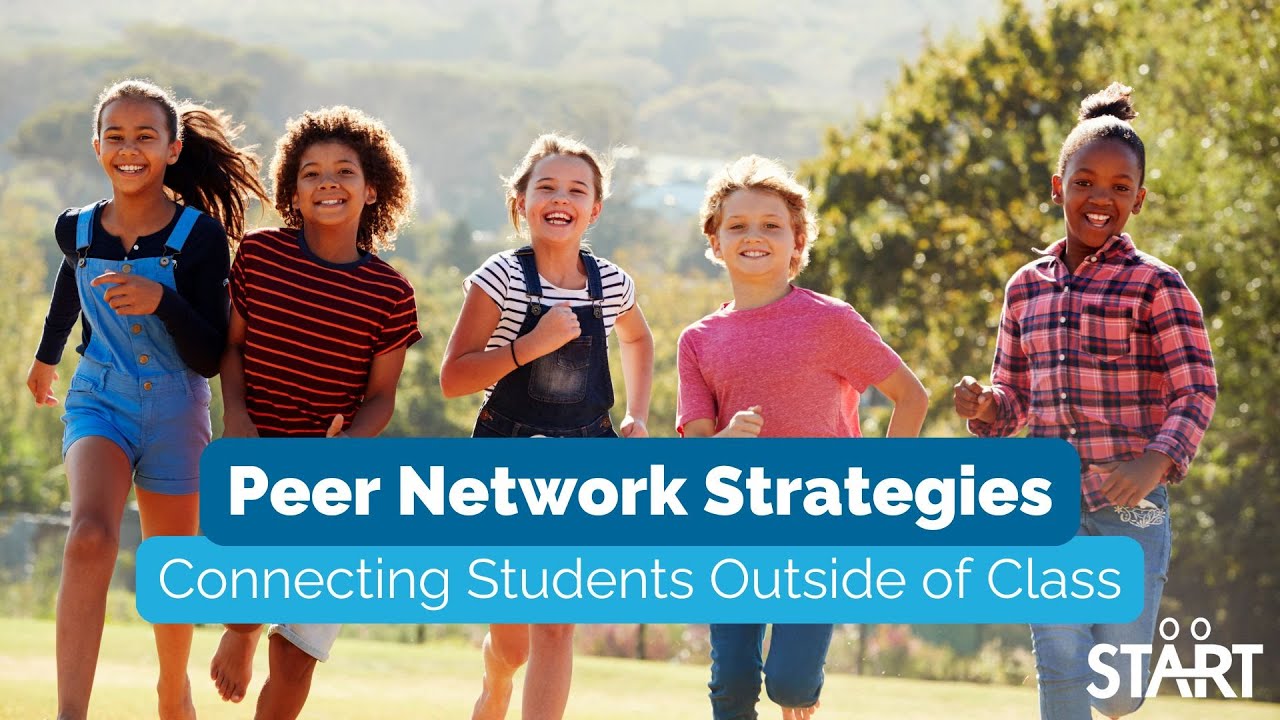
Peer networks are small groups (typically three to six students) who meet regularly outside of class to foster social connections and friendship with a focus student who has a disability. Guided by a facilitator, these groups participate in shared activities, conversations, and games that reflect common interests and encourage natural communication. The goal is to expand students’ social circles, promote reciprocal friendships, and increase opportunities for inclusion during school and extracurricular settings. By orienting peers, supporting communication (including AAC), and holding consistent meetings, schools can create environments where all students feel valued and connected. Over time, peer networks often shift attitudes across the school, helping peers and adults see inclusion as both beneficial and achievable for everyone.
Peer Support Arrangements

Peer support arrangements bring peers together within the general education classroom to provide academic, social, and behavioral support throughout the school day. Peers are intentionally oriented and equipped to work alongside a student with disabilities, working together on note-taking, communication, participation, and social interaction during instruction. These arrangements enhance engagement, promote independence, and reduce reliance on adult support. Teachers, paraprofessionals, and peers collaborate to ensure that all students are active participants in learning, fostering mutual growth and respect. Like peer networks, peer support arrangements are rooted in relationships, shared responsibility, and the belief that every student has something to contribute.
Key Takeaways
- Start small and grow gradually by piloting a peer network or peer support arrangement, then expand over time.
- Prepare and orient peers by providing clear expectations, modeling inclusive interactions, and celebrating successes along the way.
- Focus on relationships by prioritizing genuine friendships and shared experiences.
- Collaborate intentionally by engaging general educators, paraprofessionals, and families as partners in planning and implementation.
- Share stories and data through photos, student quotes, and impact measures to inspire more participation.
Resources
- Peer-Mediated Intervention Resources (Erik Carter)