
A Self-Advocate’s Perspective on Autism, Identity, and the Power of Words

This article originally appeared in START Connecting in May 2025.
START believes in the power of authentic voices and centering lived experiences to drive meaningful change. This article reflects the perspective of Katie Oswald, an autistic self-advocate, nonprofit leader, and champion for neurodiversity, on how language and society’s role shape identity, dignity, and inclusion.
While not every person will share the same views in this article, this is Katie’s lived experience and her insights are part of a broader, vital conversation. By spotlighting Katie’s viewpoint, we invite readers to reflect thoughtfully, engage openly, and consider the use of language that may lead to harm or exclusion of people with autism and their families. We encourage working collaboratively toward a future where all Autistic individuals are seen, heard, and respected.
Let’s move beyond labels, beyond division, and toward a more inclusive, affirming way of supporting the Autistic community, together.
Content Warning: This article contains discussions of suicide, which may be distressing for some readers.
Language Shapes Perception and Identity
The Language We Use About Autism Matters
How we talk about autism shapes how people see Autistic individuals—and how they see themselves. Labels can reinforce stigma and often follow people for life, even as their needs change. We should describe the needs and challenges, not define the person by them.
When we say something like "Katie is an autistic person and has profound challenges with…” or “Joe is autistic and has the following support needs…” and then clearly describe those specific challenges or needs, we respect the Autistic individual while acknowledging that they may need significant support. But, when we label the person themselves, for example, “Katie is profoundly Autistic” or “Joe is high functioning,” that label can stick for life. Such labeling can dehumanize Autistic people, framing them as "problems" that "destroy families,” and may prevent them from opportunities and receiving the support they need.
Yes, challenges like intellectual disability and cognitive challenges can be severe, and it is fair to describe them that way. Some Autistic people need full-time care. But none of these things are autism. They are things that can be more common for Autistic people, but they are separate. We need to look past the challenges and see the Autistic person.
Language Shapes Self-worth
I’ve led Autistic peer support groups for over seven years. Some attendees come in with deep self-hatred - something we call Autistic self-hatred. These individuals have often internalized negative language about autism their whole lives. They are more likely to say, “I have autism,” as a way to separate it from their identity. In my opinion, those struggling with self-hatred are less likely to say “I’m Autistic.”
Teaching someone to avoid identifying as Autistic sends a harmful message: that being Autistic is shameful. We don’t talk this way about other identities. No one says “I have femaleness” instead of “I am a woman.” Insisting on person-first language can send the message that identifying as Autistic is shameful.
People aren’t born with this shame, it is learned from society, and unfortunately, sometimes family. I never correct peers on how they identify themselves. It is rude and can retraumatize people. I advocate for neurotypical society to change how they view and talk about autism, to reduce the shame that leads to anxiety, depression, and trauma in Autistic individuals.
Society’s Role in Autistic Struggles
Social Rejection Causes Harm
I believe many of the struggles Autistic people face are not caused by autism itself but by society’s rejection of Autistic ways of being. With true acceptance, life outcomes would improve - our life expectancy wouldn’t be 20 years shorter and our suicide rate wouldn’t be almost nine times higher than average.
Autistic advocate Lyric Holmans, also known as Neurodivergent Rebel, once shared how, as a child, she suffered daily migraines from bright lights. When she said the lights were too much, people told her she was wrong. She assumed others were also in pain and that she was just weak. After an autism diagnosis, she adjusted her environment and the migraines stopped.
Invalidating Autistic experiences causes unnecessary suffering. Acceptance starts with how we think and talk about autism—as a different neurotype and natural variation of the human experience, not a disorder or deficit.
Respect Identity and Address Challenges
When we conflate Autistic identity with conditions like intellectual disability, it can lead to harmful beliefs, such as the thinking that to reduce suffering we need to eliminate Autistic people.
For example, consider a woman who has Lupus, which is more common in females. We wouldn't say that this person is "suffering from femaleness," nor would we attempt to reduce the prevalence of females in the population as a response to Lupus. But that is how society responds to conditions that are more prevalent in Autistic people. Conflating identity with condition can lead to dangerous thinking about autism, including strategies aimed to reduce the number of Autistic people in society.
We must separate autism as an identity from any medical or support needs. Just as Lupus is treated without denying someone’s identity, we should address individual needs without erasing Autistic people.
Treat the condition, not the identity.
Support the Autistic Community - Together
Unity Over Division
Dividing the Autistic community weakens our efforts. We need to work together to improve all Autistic lives.
I recognize my privilege as someone who can usually communicate verbally and doesn't have cognitive or intellectual disabilities. My challenges are going to be very different from my peers who do have these challenges, as well as from those who face chronic unemployment, extreme poverty, homelessness, PTSD, or suicidal thoughts. Privilege sometimes isn’t visible to those experiencing deep hardship.
Who decides whose struggles are “severe”? In our peer group, we've welcomed participants with significant cognitive disabilities who have shared joy and connection through gestures, eye contact, and sounds. When we slow down and listen, we see how much we share.
We are one community. The idea that we can’t coexist as one Autistic community with a shared goal is false. We must work together to fight for a world that accepts and includes all Autistic people. Nothing about us without us!
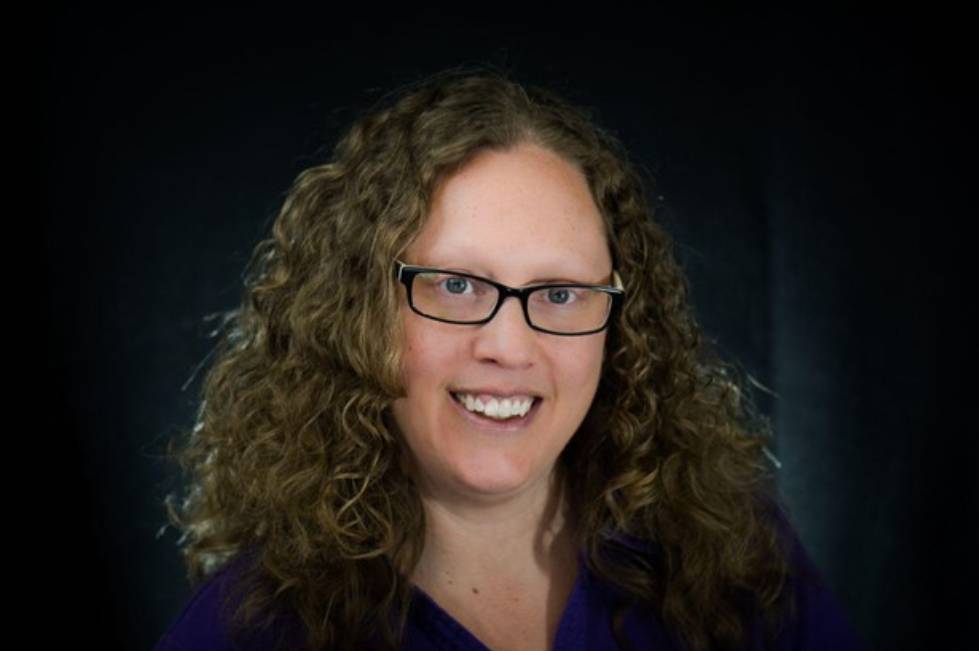
Written by: Katie Oswald, MS - Executive Director, Full Spectrum Agency for Autistic Adults