

Portraiture: Paintings to Photographs
Published August 1, 2022 by Nicole Webb
Portraiture, the human desire to capture our own likeness, is one of the oldest art forms. Dating back to ancient Egypt, a painted, sculpted, or drawn portrait was the only way to record how someone looked before the invention of photography. Portraits are more than just a record of the likeness of an individual. They have been used to show power, importance, virtue, beauty, wealth, and other attributes of the sitter. Portraits not only tell the viewer how that subject wanted to be depicted, but they can also reveal how an artist interprets their subjects.
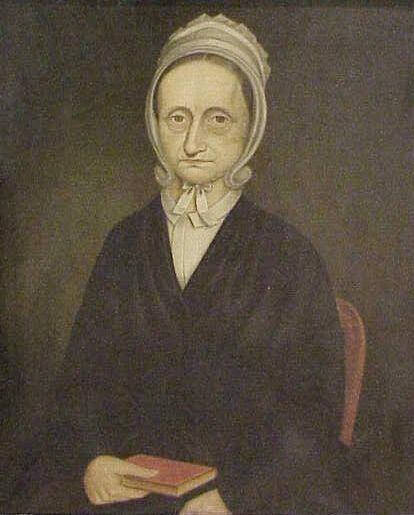
An artist's ability to create work freely based on their interests and inspirations is a relatively new concept. For much of history, art was created on commission—or at the bidding of wealthy patrons. Before the 18th century, most portraits were considered public art; images of royal, wealthy, or holy individuals were displayed in and often paid for by the church. Later in the 18th century, oil paint and canvas became less expensive and more available; at the same time, the middle class was becoming wealthier and more able to purchase paintings of themselves and their family members. Similar to family photos we display in our homes today, portraits were a way to immortalize yourself and your family. This rise in painted portraiture was slightly stifled by the increased use of the camera in the 20th century.
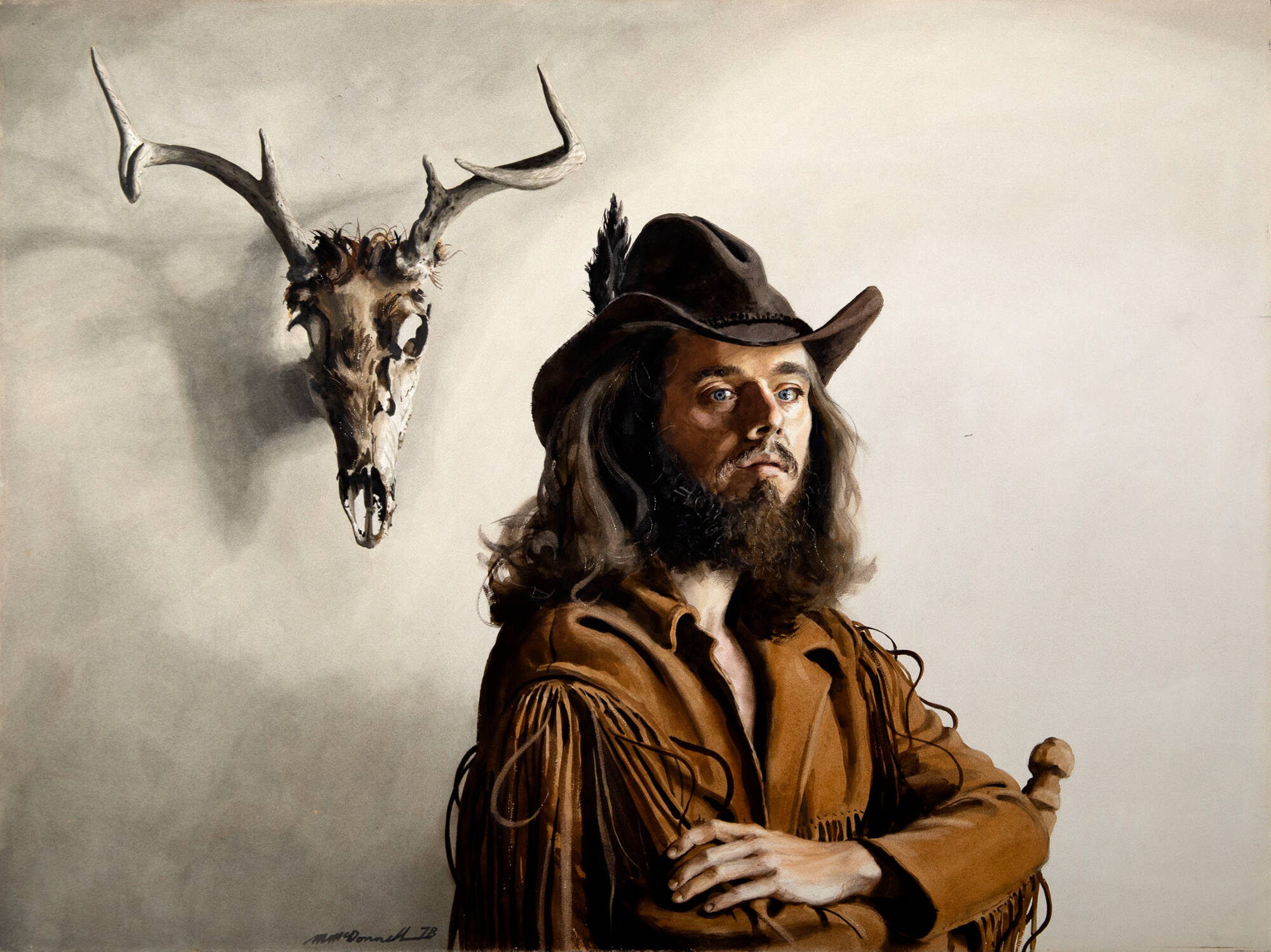
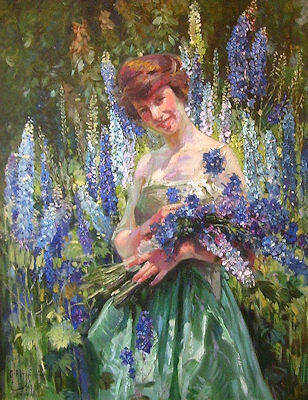
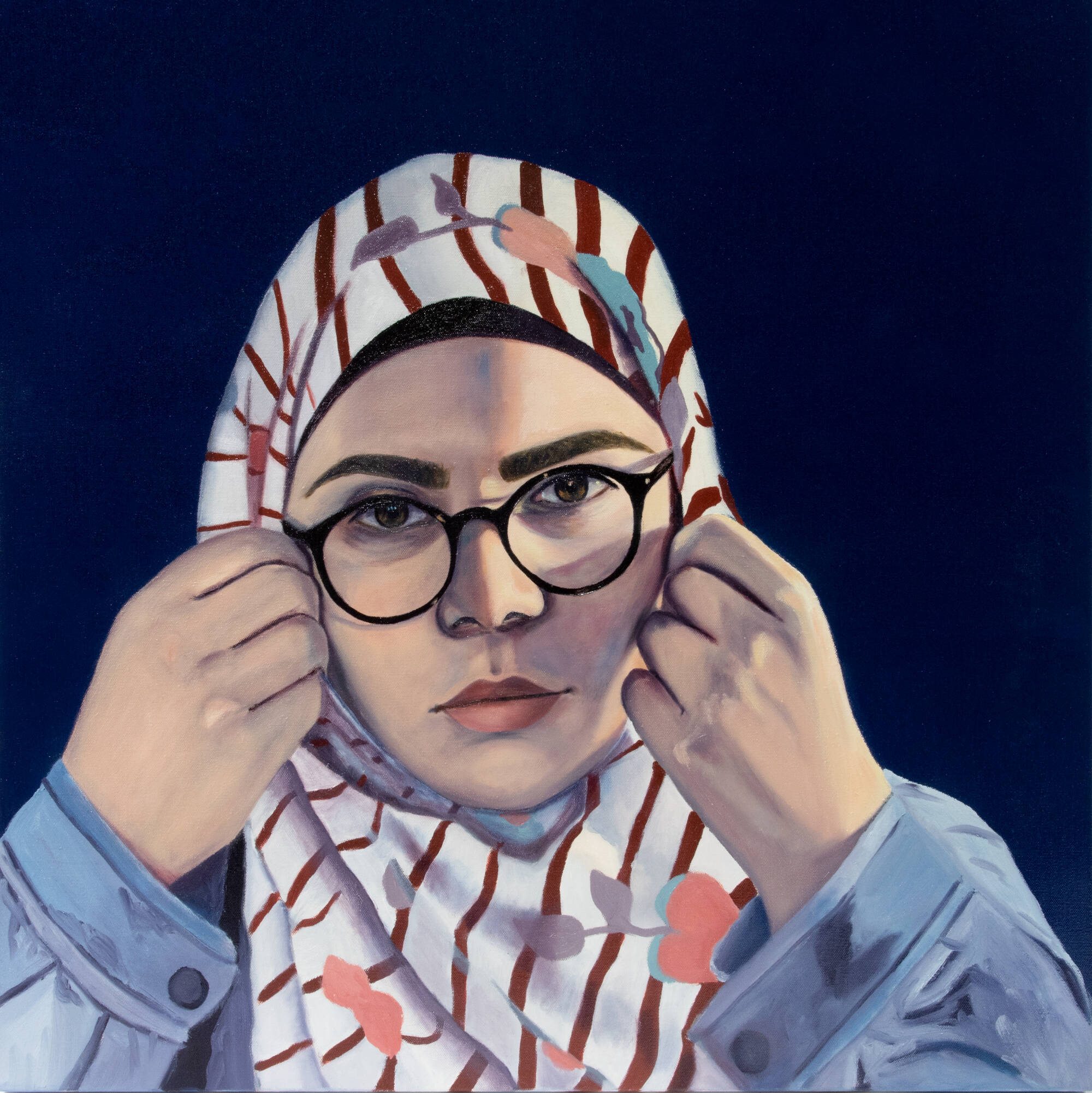
20th century artists expanded the style and subject matter of the portrait genre. Instead of primarily taking portrait commissions, artists took control of their creative practice and looked for people to paint based on their interests and peculiarities. The genre of portraiture expanded to include other mediums and styles. From Cubism to Pop-Art, portraits remain a popular genre throughout time.
Learning Resources

Portraiture: Photographs to Selfies

Black Portraiture

Photography

Painting
Attributed to Ammi Philips, Mrs. Benjamin Hopkins, oil on canvas, ca 1850, 2001.131.1.
Mike McDonnell, Dream Hunter, watercolor, ca 1978, 2013.2.10.
Mathias J. Alten, Camelia of the Delphiniums, oil on canvas, 1919, 2021.86.10
Batoul Ballout, Not Going Without a Fight, oil on canvas, 2018.79.2
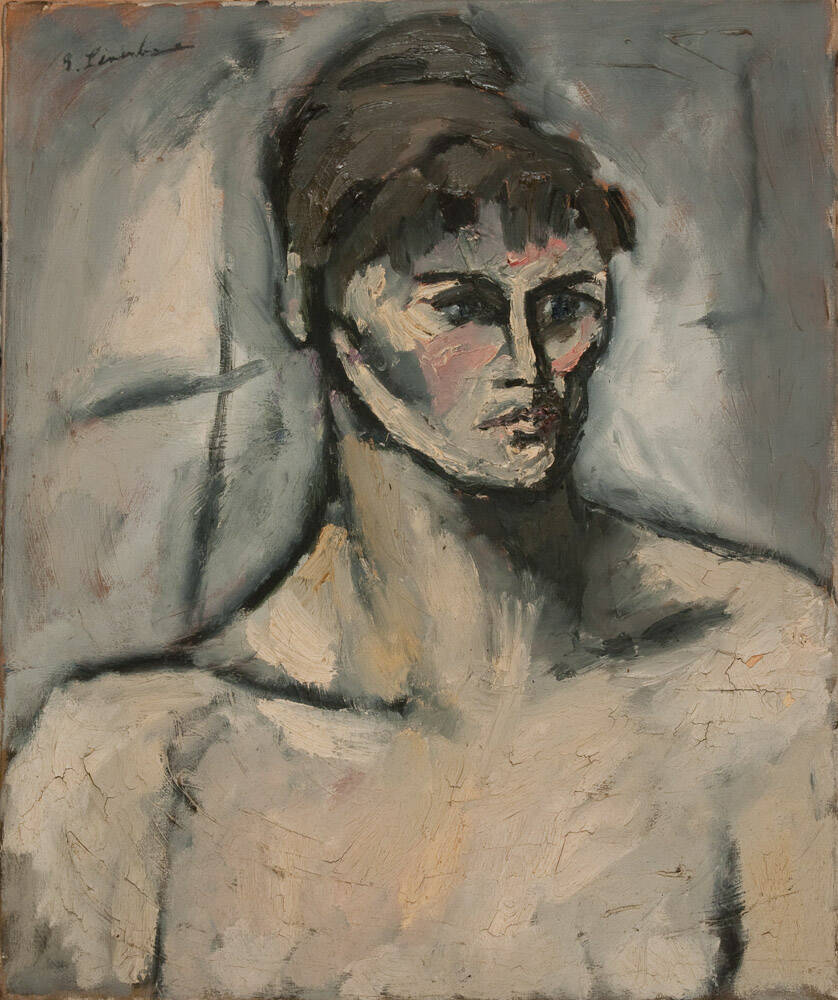
Cyril Lixenberg, Portrait of Tineke, oil on canvas, circa 1958-1959, 2013.15.19
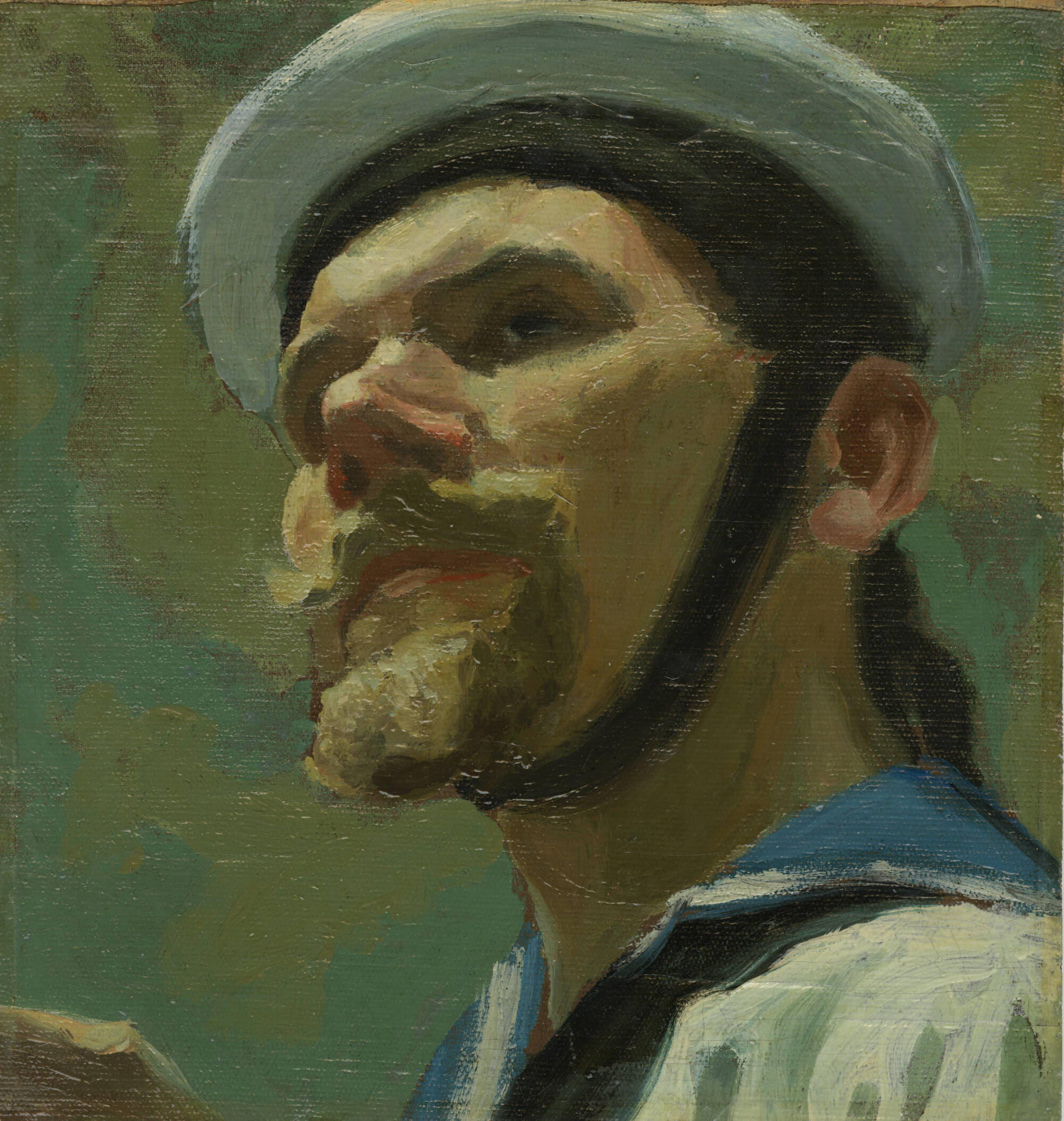
Artist Unknown, Untitled (Portrait of a man), oil on board. 2021.33.1854