

Portraiture: Photographs to Selfies
Published September 2, 2022 by Nicole Webb
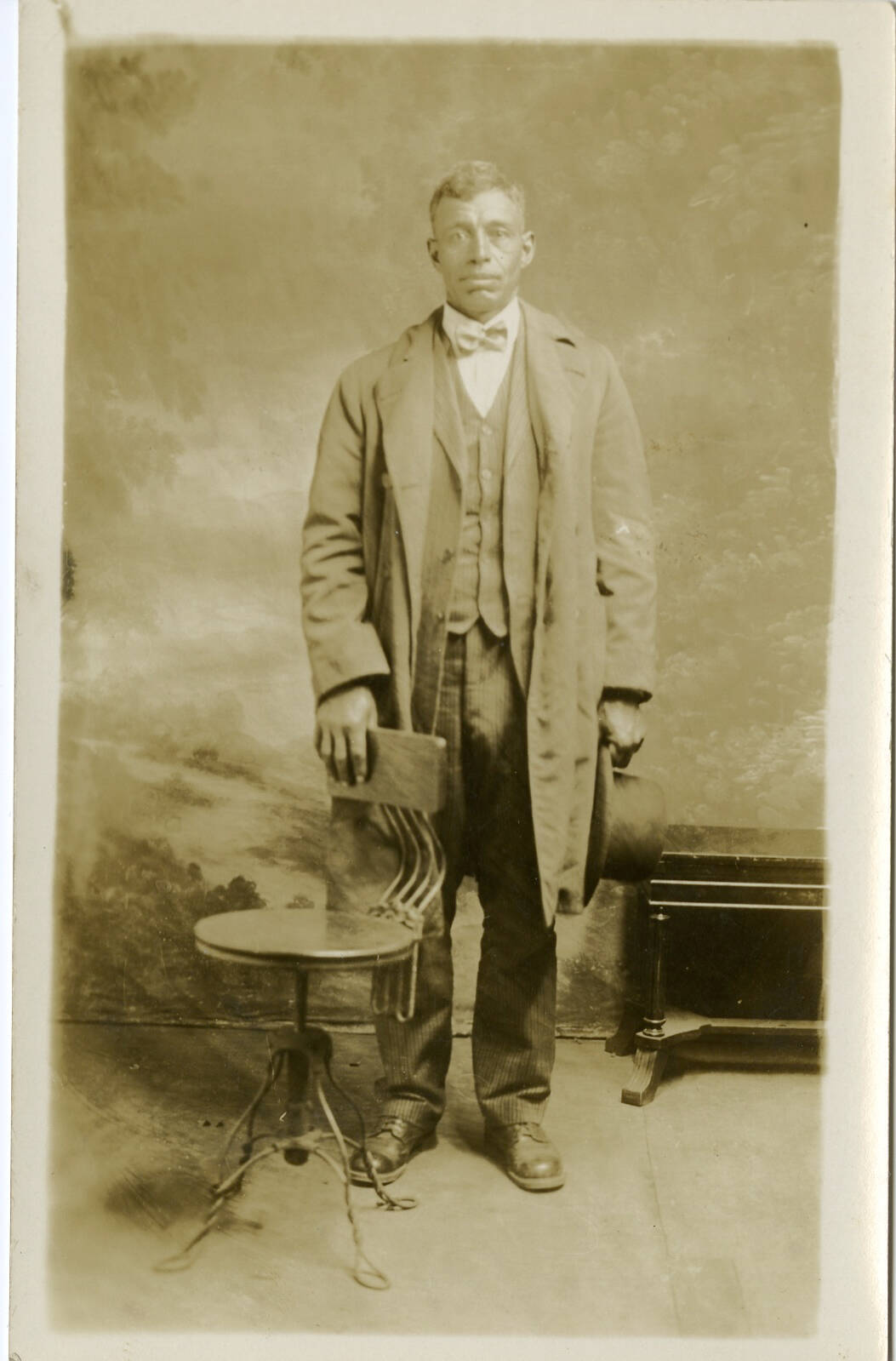
In 1839, Robert Cornelius took the first known photographic portrait of a human taken in the United States, an image of himself. Soon after this image was taken, the daguerreotype, named after the inventor Louis Jacques Mandé Daguerre, became the first commercially successful photographic process. The relatively low cost of daguerreotypes led to a rise in the popularity of portrait photography over painted portraiture. Catering to the desire for capturing an individual's likeness, camera and photography technology evolved rapidly.
Cartes-de-visites, small photos printed on cardboard, soon became popular as they were easy to display and could be printed on demand. Even less expensive than their photographic predecessors, having a portrait developed was no longer only for the very rich. The number of photographic studios in Europe and America exploded, with photographers running businesses in every major city and traveling to local fairs and carnivals.
This emergence of photography in the early 19th century triggered a shift in the genre of portraiture. The early photographic portraits still followed many of the conventions of the painted portrait. Clothing and surrounding objects continued to indicate a person’s social status. When W.H. Fox Talbot invented a way to reproduce duplicates with a paper negative, the foundations of the modern photographic process were born.
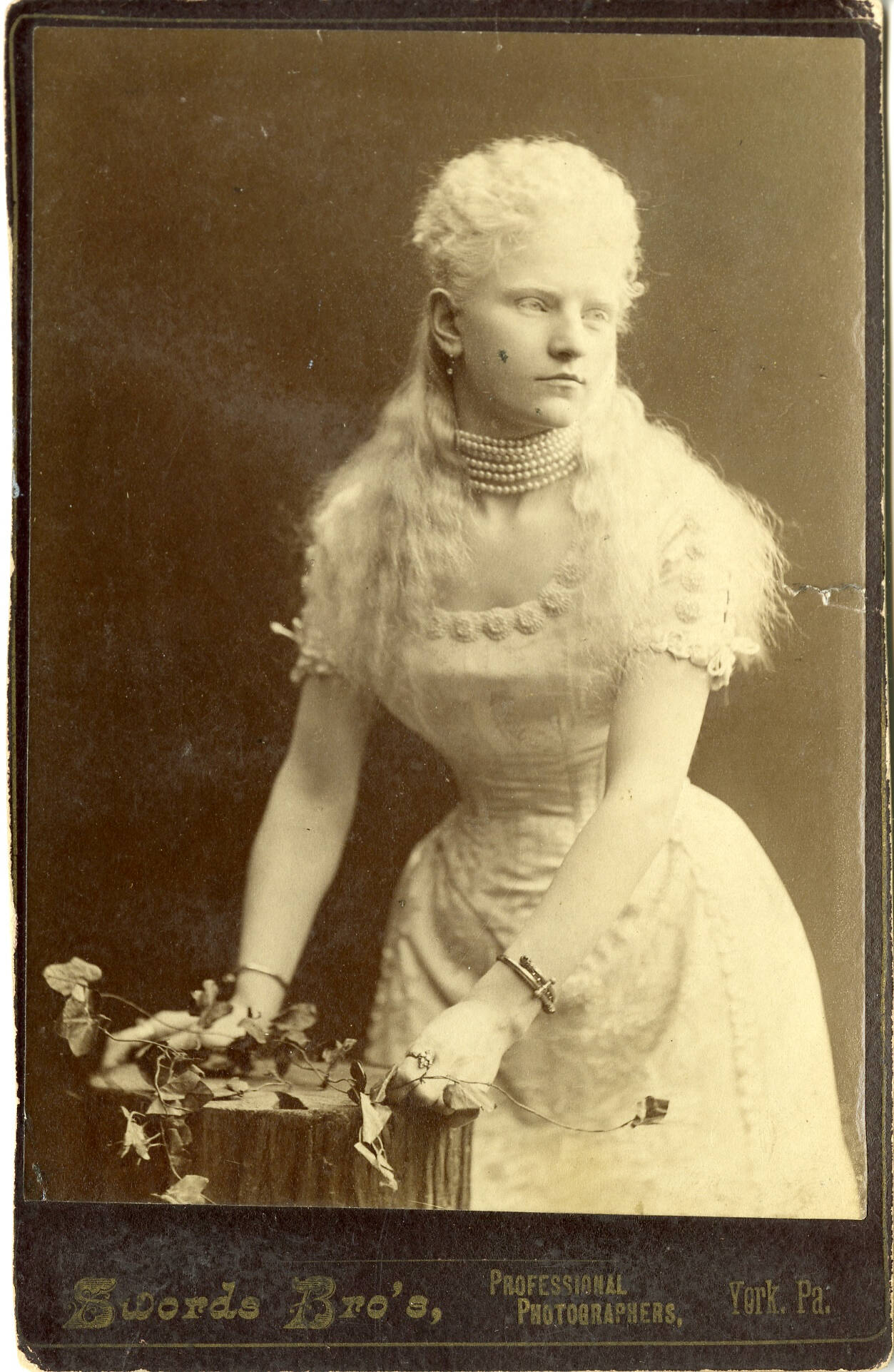
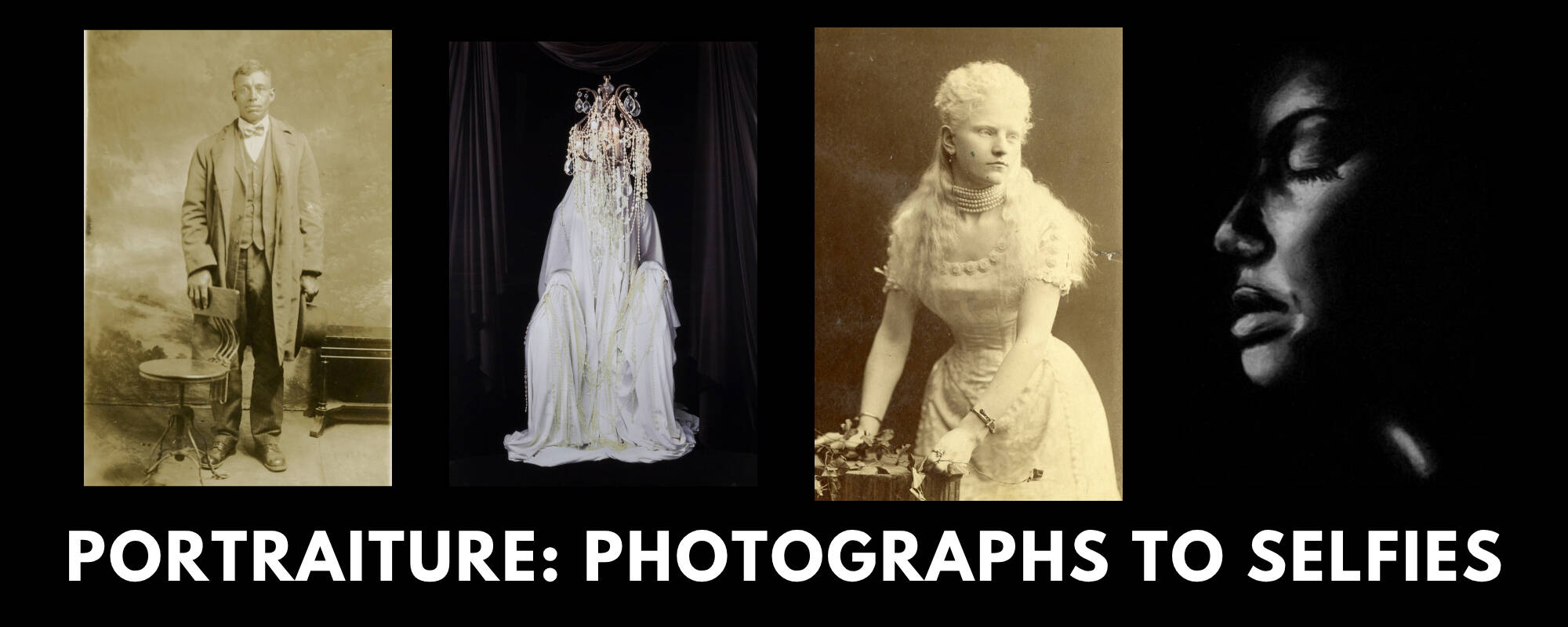
In the late 19th and 20th centuries, photography was easier than ever. Going beyond the posed portrait, photographic portraits presented subjects posed naturally, even if not flattering. The subjects could choose what was in their portrait, including everything from pets to important possessions or places they wanted to remember. The portrait became dynamic and unpredictable, capturing a single moment in a person’s life, either for documentation or strictly for the sake of art.
Today, the portrait takes on various forms, from the traditional to the experimental, from studio portraits to cellphone selfies. In the end, portraits are always about the interpretation or certain representation of a person, moment, or expression. Evolving from painted portraiture where the artist and subject had complete control over the final image, to contemporary photography that can capture a quick moment in all of its realness, photographic portraiture evokes a multitude of possibilities in creating the picture of an individual.
Learning Resources

Portraiture: Paintings to Photographs

Black Portraiture

Photography
Swords Brothers, Untitled (Portrait of a Woman), cabinet card, 2019.55.7.
Artist Unknown, Untitled (Portrait of a Man), real photo postcard, ca. 1907, 2020.1.27.
Claudia S. Liberatore, Diana Series Untitled, photographic print, 1984, 2019.48.71.
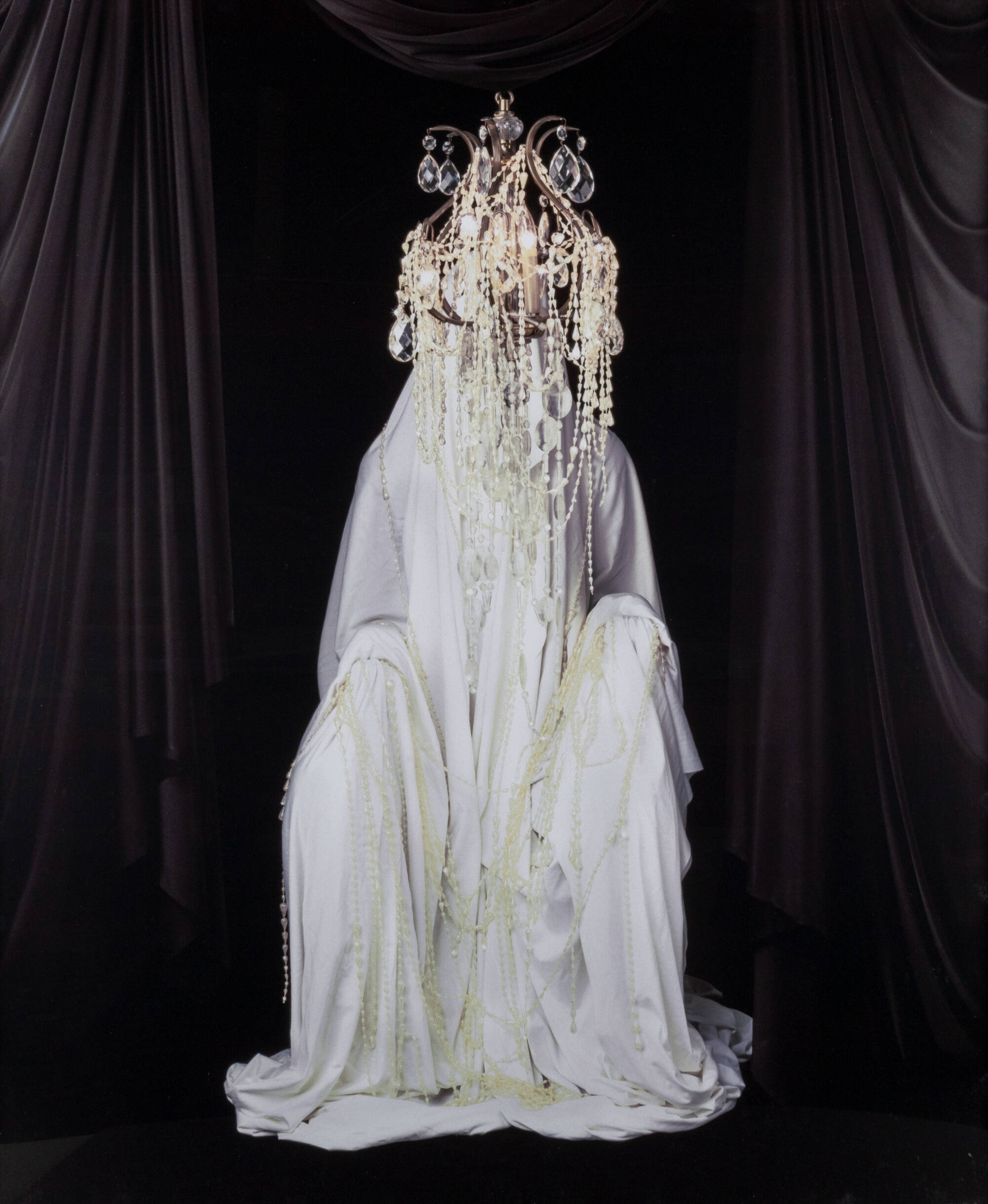
Patty Carroll, Chandelier, digital archival print, 2021.73.22.
Melissa Campbell, Reflection, photographic print, 2008, 2008.378.1.
Sarah Wong, Authentic Self, photographic print, 2010, 2019.22.1.