

Medium: Painting
The origin of painting reaches back to images created by prehistoric artists and spans all cultures. Some of the earliest known painted images are from Paleolithic caves, where mixtures of ochre, charcoal, and other natural pigments were used to make illustrations. Across all cultures, continents, and peoples, the tools, techniques, and styles of painting continue to evolve.
A painting is primarily composed of two elements: paint and a surface. Surfaces can range from cloth canvases to wooden boards, from walls to ceilings, and even found objects or paper. The type of medium selected to paint on often dictates the type of paint to use. Paint is any pigmented liquid or liquefiable compound that becomes a solid film on a surface once dried. The most common types of paint used in art making include oil, acrylic, and watercolor. Most paint starts with a pigment and a binder or solvent. Pigments are primarily finely ground organic or inorganic materials that help create the color of a paint. Binders and solvents are the liquid aspect of paint that determines how the paint will dry. Examples include oil, water, and egg yolk. Other additives and thinners can be added to change the texture and look of a paint.
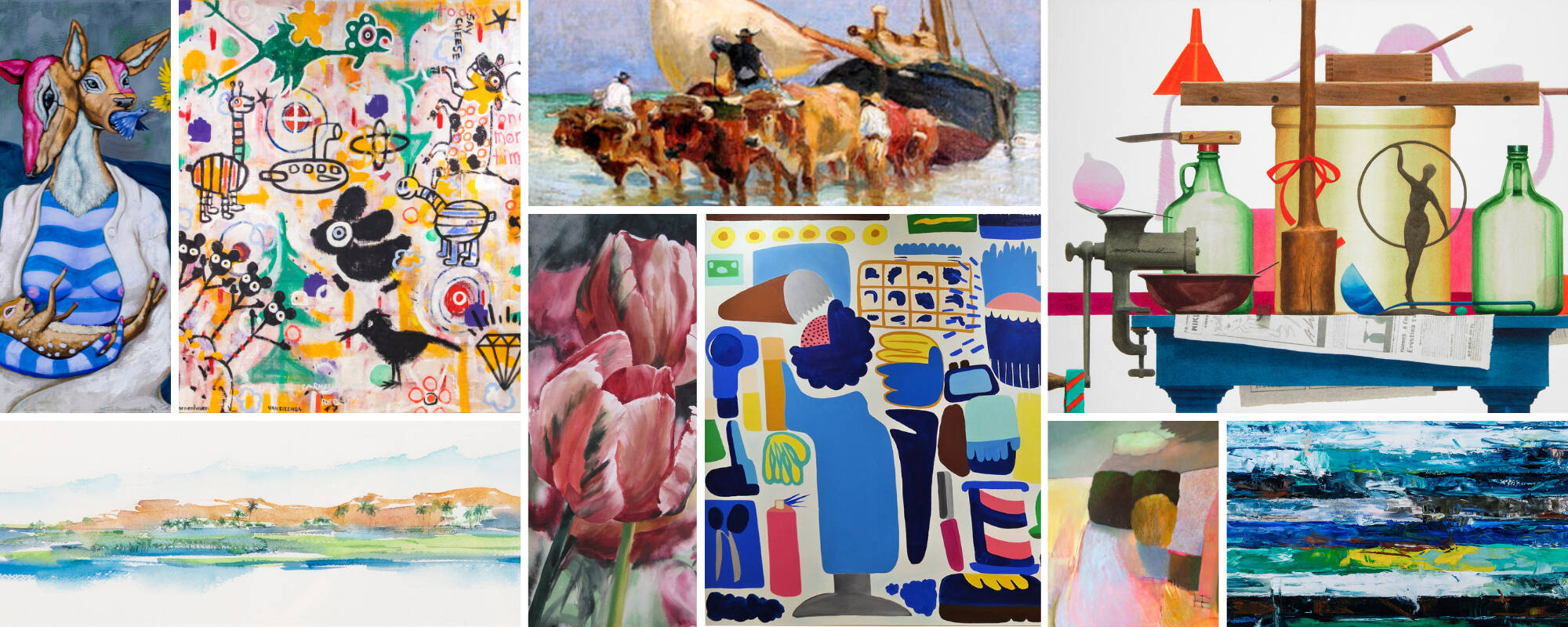
Oil
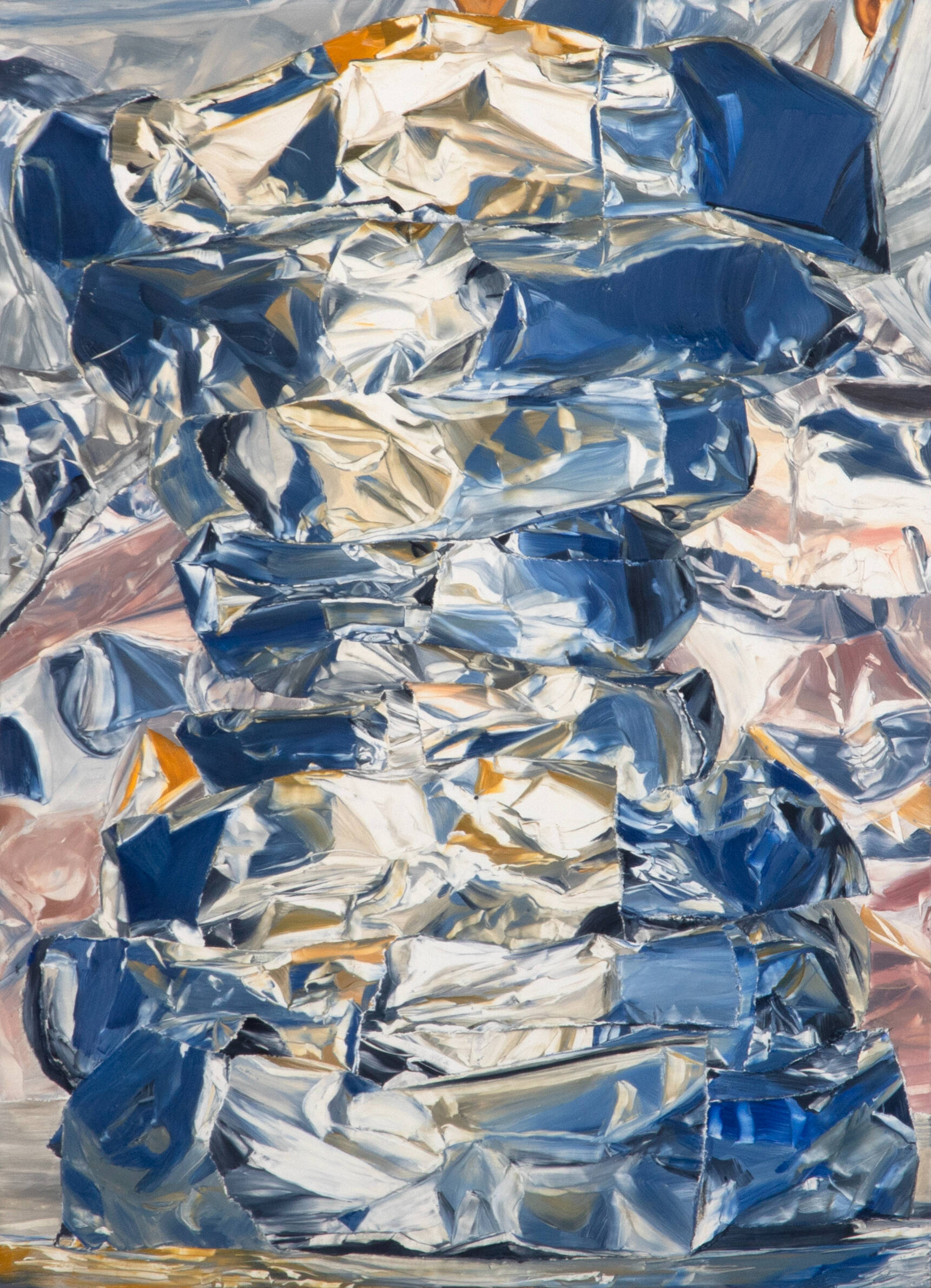
Acrylic
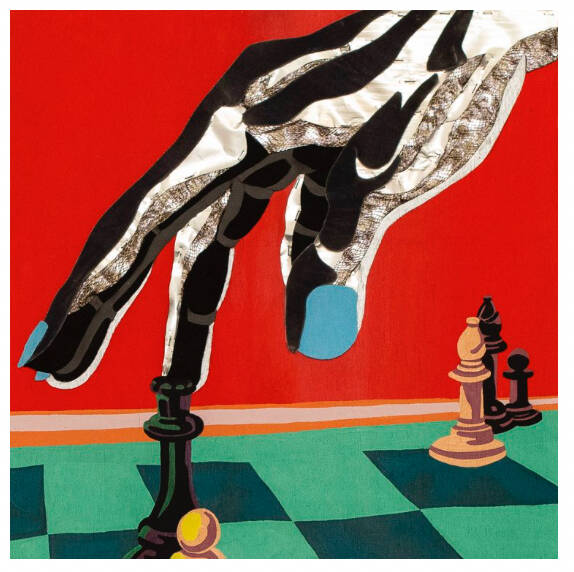
Watercolor
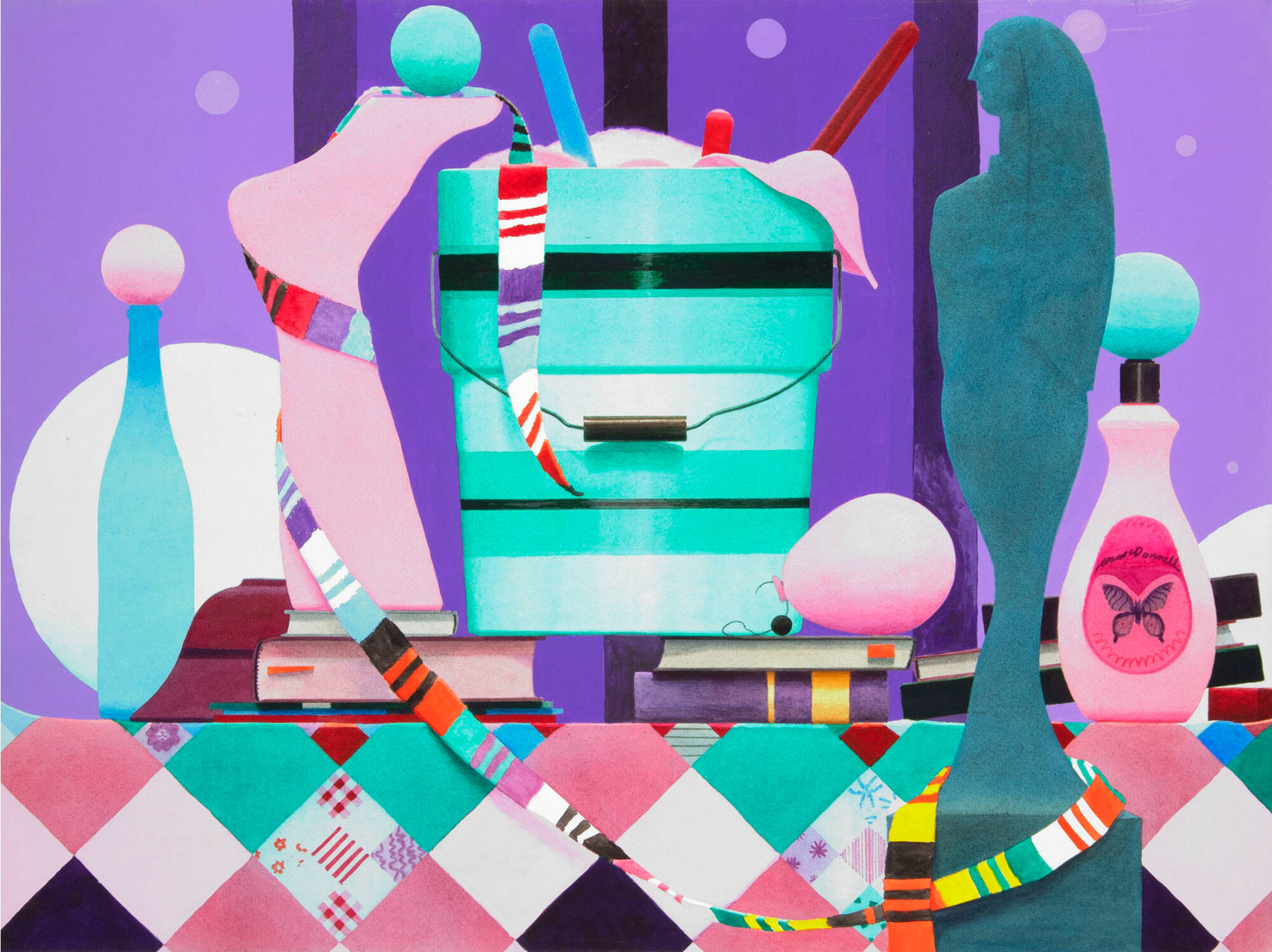
Header Images
Left
Jonathan Thunder, Deer Woman: Speak of Hope, acrylic on canvas, 2020, 2021.19.1.
David Warmenhoven, Reb Roberts, Carmella Loftis, James VanEizenga, Today One More Time, acrylic on canvas, 2020.26.3.
Rana Chalabi, Watercolor Landscape #1, watercolor, 2011, 2012.39.2.
Center
Mathias J. Alten, Hauling in the Boat, Valencia, oil on canvas, 1912, 2021.86.7.
Rein Vanderhill, Untitled, watercolor, 2014.113.27.
Rosie Lee, Barbershop Talk, acrylic on canvas, 2019, 2021.11.4.
Right
Mike McDonnell, Our Lady of Perpetual Responsibility, watercolor, 1983, 2013.2.48.
Sheryl Budnik, Testing the Waters, oil on canvas, 2017, 2017.55.4.
Stephen Duren, Untitled, oil on canvas, ca. 1990, 2007.004.1.