

Medium: Contemporary Photography
The end of the 19th century saw photographers producing more than just likenesses with the camera, and many, like photographer Alfred Stieglitz, wanted photography to become an accepted art form. At first, many critics believed photography could not be considered an art form because it was made by a machine rather than human hands and individual creativity. While photography had already been used as a form of reproduction for years, many saw it as a threat to “real art.”
As artists and critics debated photography as an art form, photographers were pushing the media into new frontiers. Stieglitz was a member of a New York-based group of artist photographers called The Photo-Secession, along with Edward Steichen, Alvin Langdon Coburn, Gertrude Käsebier, and Clarence H. White. Also described as Pictorialists, these photographers used darkroom manipulation techniques to alter images and give them a painting-like quality. Over time, Stieglitz and other members of the Pictorialists began to favor the intrinsic qualities of the photograph, like sharp focus and unmanipulated printing, over the painterly Pictorialist style. These images were referred to as ‘straight’ photographs. Slowly, straight photographs began to hang in art galleries and museums alongside paintings and sculptures, and became the dominant form of art photography.
For most of the early 20th century, art photography primarily consisted of black and white images, despite the continued development of color technologies. By the 1960s, color photography was heavily used both domestically and commercially for advertising and publications, but hadn’t yet been taken up by artists until photographers like William Eggleston began creating images using color transparency film. Eggleston elevated what could be viewed as mundane vernacular and family photos into composed works of art. Eggleston helped to create another major shift in the trajectory of art photography, one that moved away from objectivity and technique towards ambiguity and compelling visual narratives.
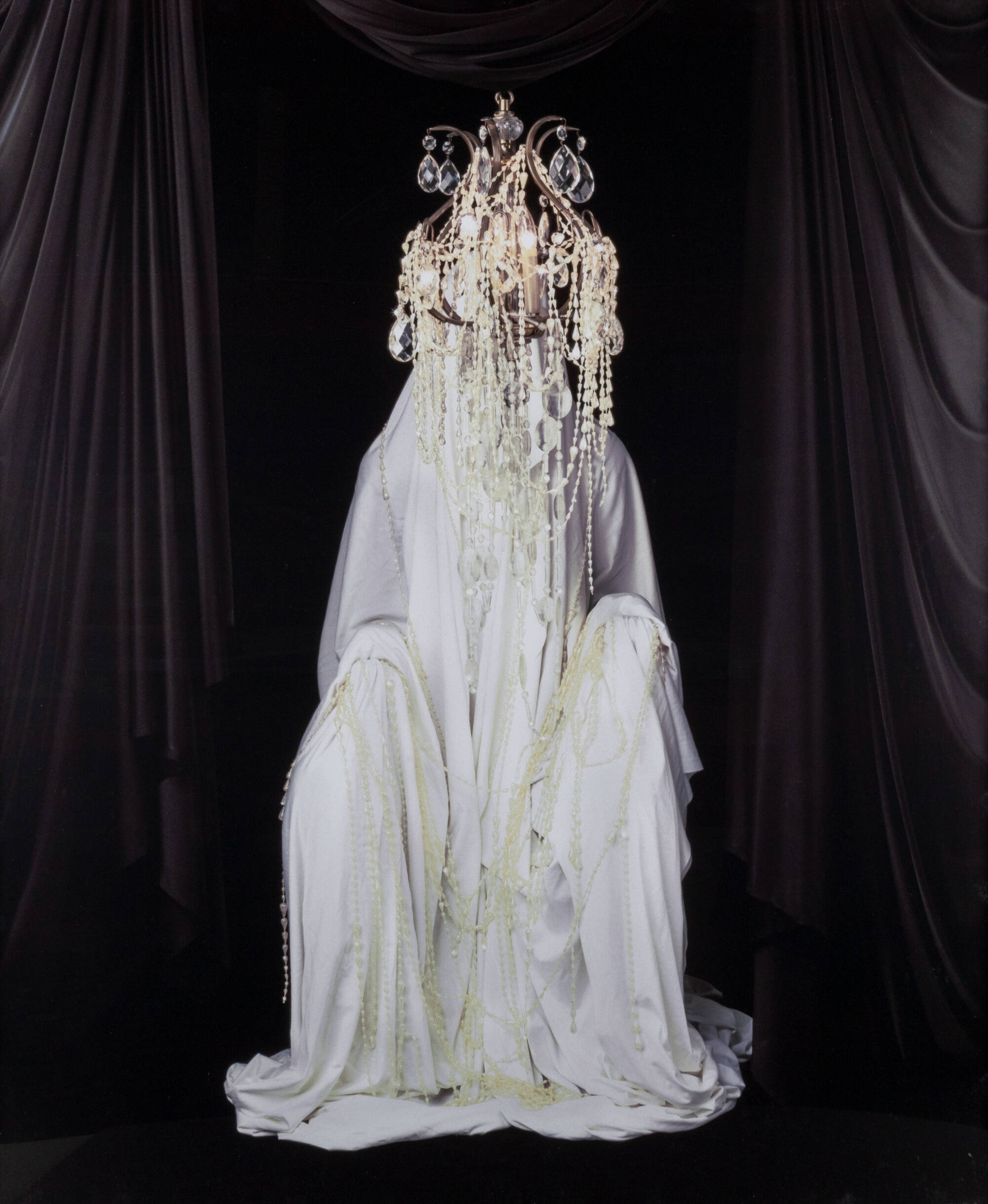
Patty Carroll, Chandelier, digital archival print, 2021.73.22.
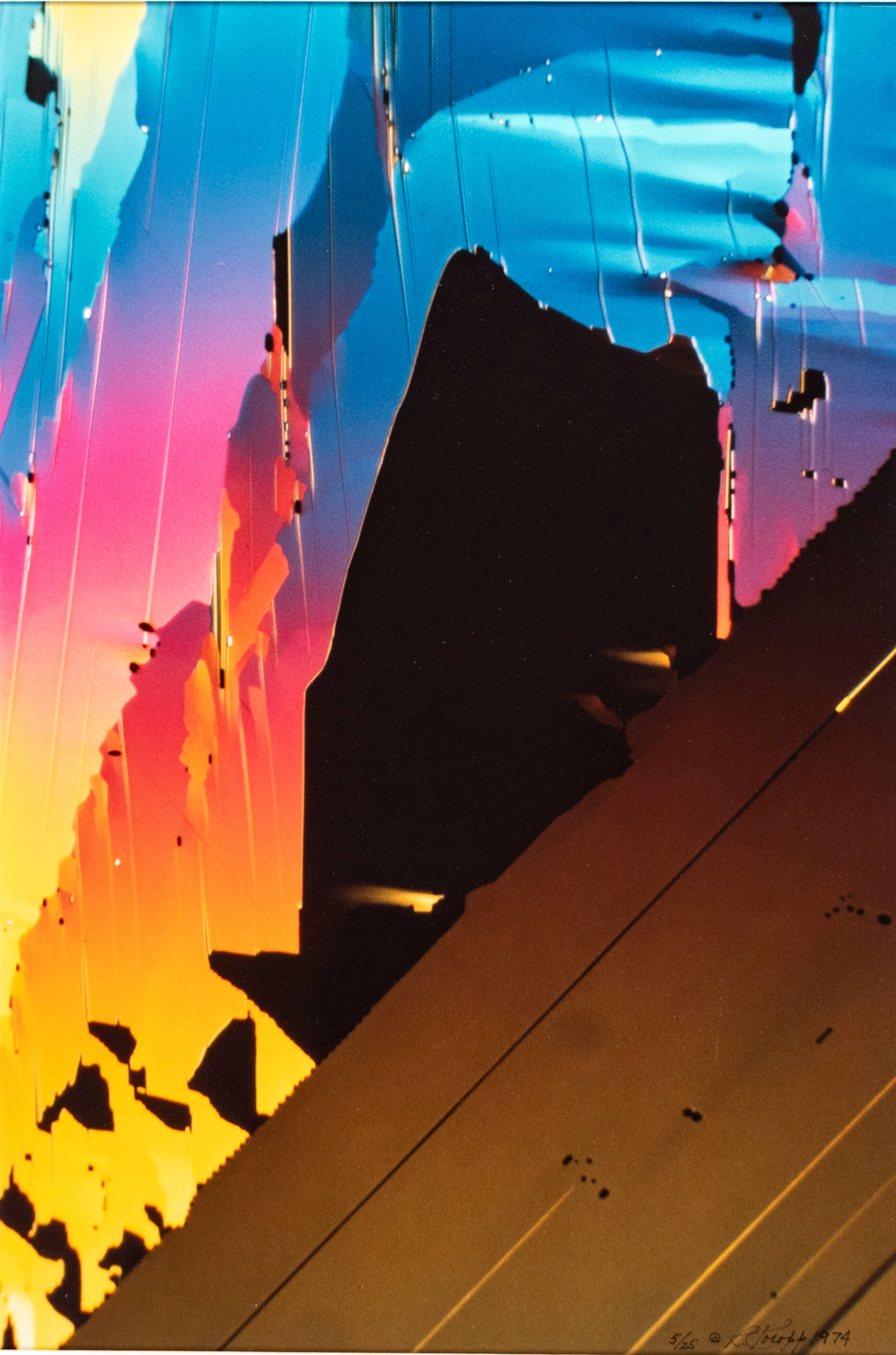
Robert Koropp, Middle Earth I, photograph, 1974, 2011.1.38.
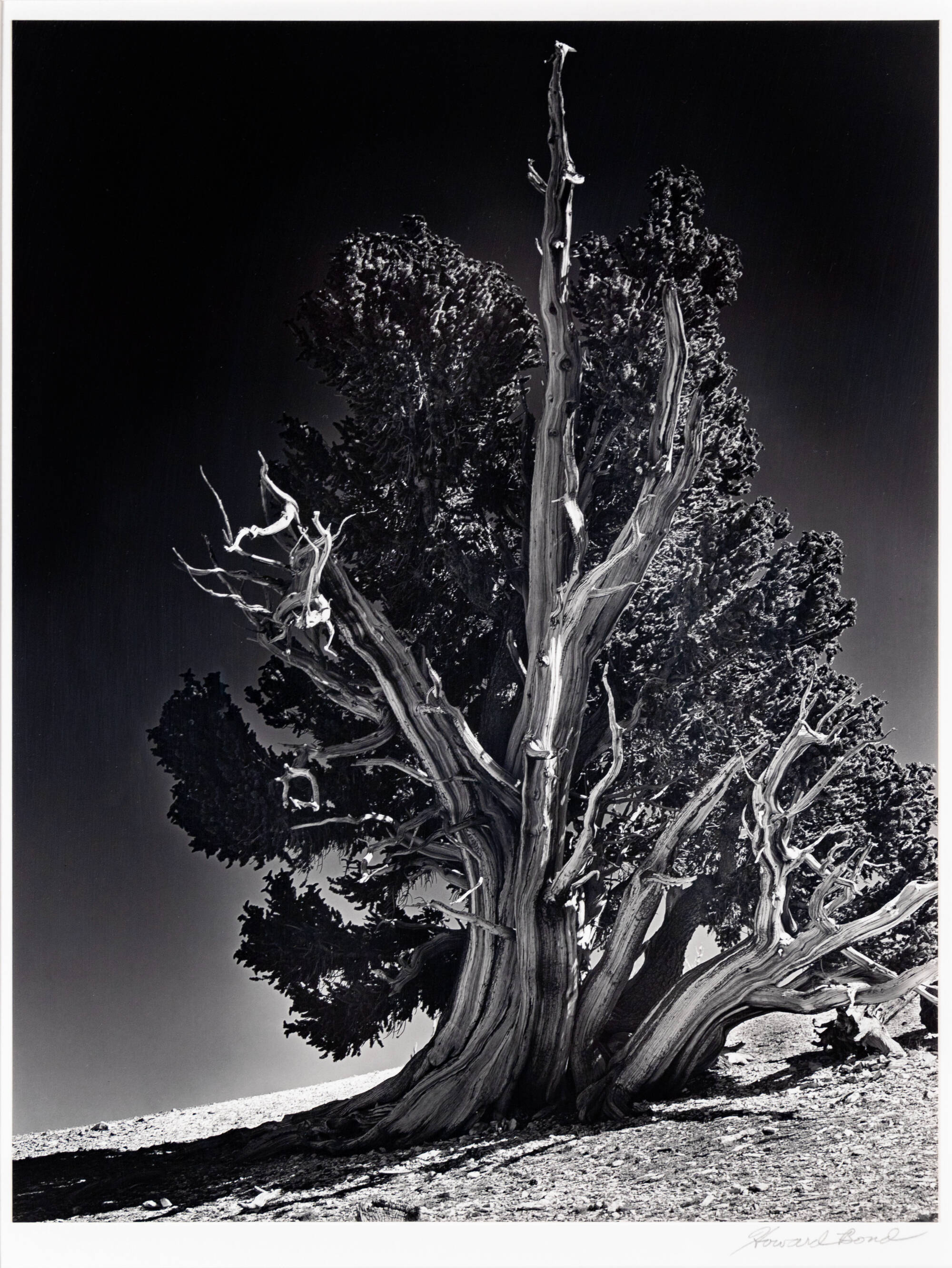
Howard Bond, Bristle Cone Pine #17, photograph, ca. 2000, 2003.021.1.
Landscapes: Real and Imagined
Much like en plein air painting, landscape photography finds the artist in the outdoors, surrounded by their subject. For most landscape photographers, their goal is to frame that one special moment within the wider world around them. The perfect landscape photograph gives the viewer just a glimpse of the greater world behind the lens. Some landscape photographers highlight the purity of nature, capturing that a moment that will never exist twice. While others stive to portray the evolution of the natural world, documenting the ever changing natural and urban landscape as well as the human impact on nature.

Howard Bond

Ruiyuan Chen

Sally Gall

David Lubbers

Caleb Cain Marcus

David Plowden
Documentary
Documentary photography captures a moment of reality to convey a meaningful message about what is happening around the world. These photographs provide a straightforward representation of people, places, objects, and events. Many different themes can be found within documentary photography, including social living conditions, health issues, environmental issues, sports, war, wildlife, and conservation. While all of these themes can be found throughout contemporary photography, documentary photographs bear witness to the various ways of life and events around the world, depicting the stories as real-time events.

Brita V. Brookes

Donna Ferrato

Douglas Gilbert

Walter Iooss

Alan MacWeeney

Peter Turnley

Dan Watts

Sarah Wong
Photographic Still Life
While paintings of perfectly arranged fruits in a bowl have been around for centuries, many contemporary photographers have taken the idea of the still-life image in a new direction. Playing with scale, color, juxtapositions, and visual relationships of an everyday object elevates the subject into something extraordinary. With the context and background stripped from the viewer, the object becomes conceptual. The still-life photograph becomes an outlet for the photographer to determine the significance of an object and foster the curiosity of the viewer.

Dick Dokas

Ralph Gibson

Robert Koropp

Joyce Tenneson
Contemporary Portraits
While still rooted within the early invention of the camera, contemporary portrait photography is no longer about studio portraits only available to those who could afford them. Contemporary portraits reach beyond conventional representations of individuals, family portraits, or images from magazines or publications, but instead brings in an aspect of story-telling, a complete narrative evident in one single image. Even if a portrait is void of any human faces, the portrait itself becomes more about the face of the concept, rather than a single person.

Patty Carroll

Claudia S. Liberatore

Darlene Kaczmarczyk

Patrick Millard
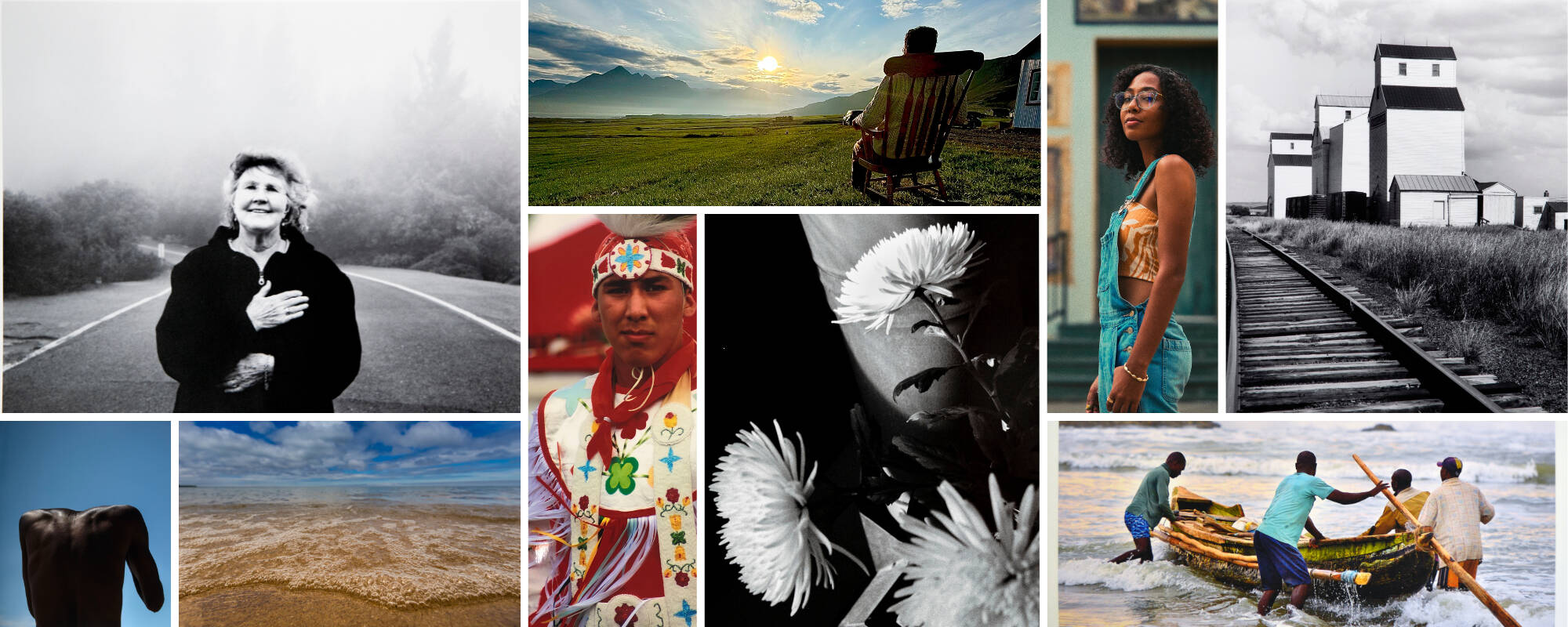
Header Images
Left
Donna Ferrato, Margo left her abusive husband with her daughters so they wouldn't grow up thinking abuse was normal, Marin County, CA, archival pigment print, 2011, 2020.47.25.
Natasha Leonie Moustache, Pou Viv ek Mort dans Sesel (To Live and Die in Seychelles), photograph, 2024.28.1.
Andrea Otto, Shoreline Suds, digital photograph, 2018, 2021.60.2.
Center
Connor Morale, Most Memorable Day: Iceland, photograph, 2024, 2025.7.8.
Brita V. Brookes, Pow Wow Dancer, photograph, ca. 2008, 2019.1.24a.
Ralph Gibson, Untitled, archival pigment print, 2013, 2020.40.27.
Right
Luis Fernandez, Sabrina, photograph, 2023, 2025.18.2.
David Plowden, Golden Valley, North Dakota, silver gelatin print, 1971, 2001.227.1.
Dan Watts, Going Fishing at Dawn, photograph, 2008, 2008.186.1b.