

Exhibit: Margin to Mainstream – Recognizing Women Artists
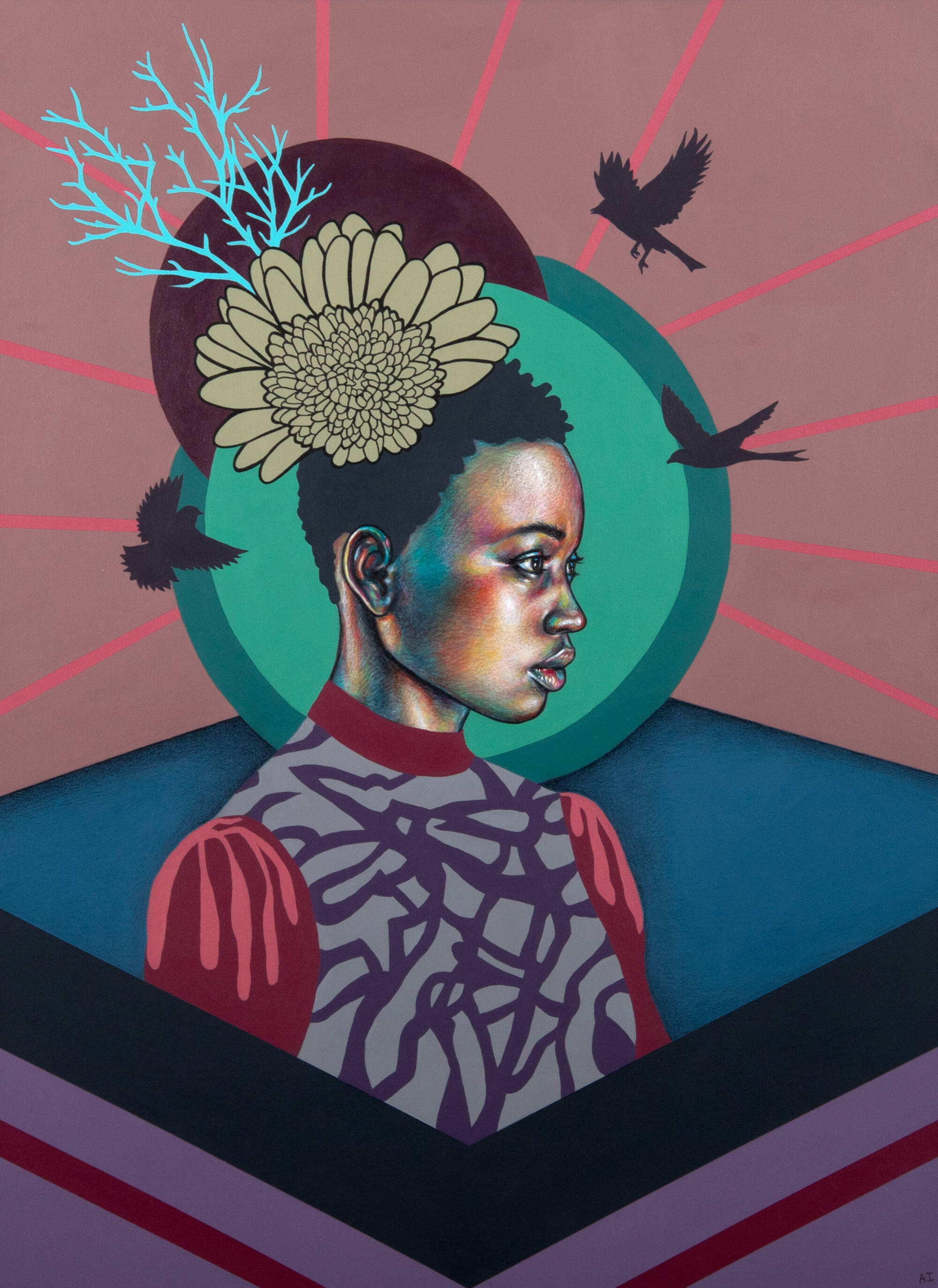
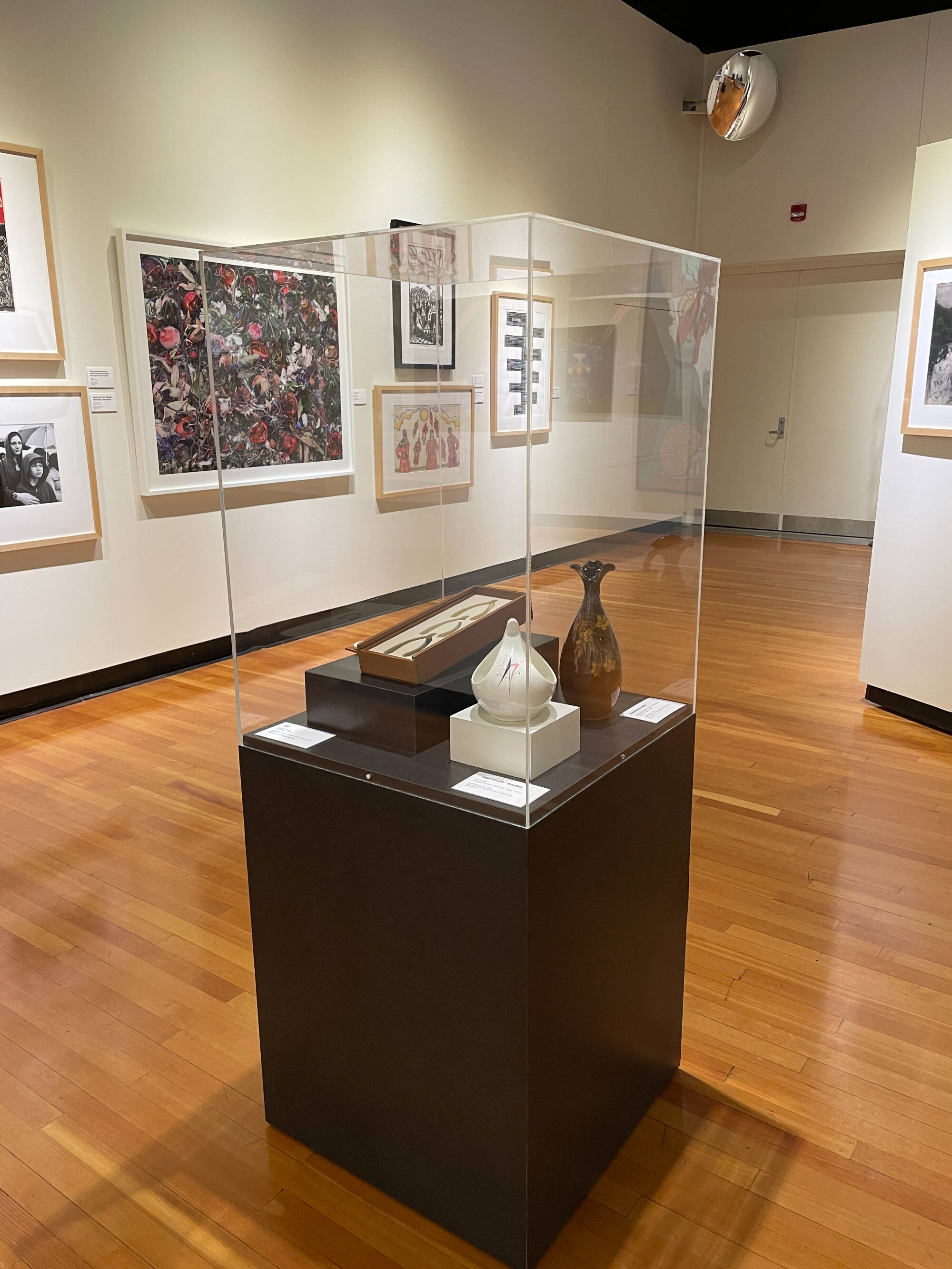
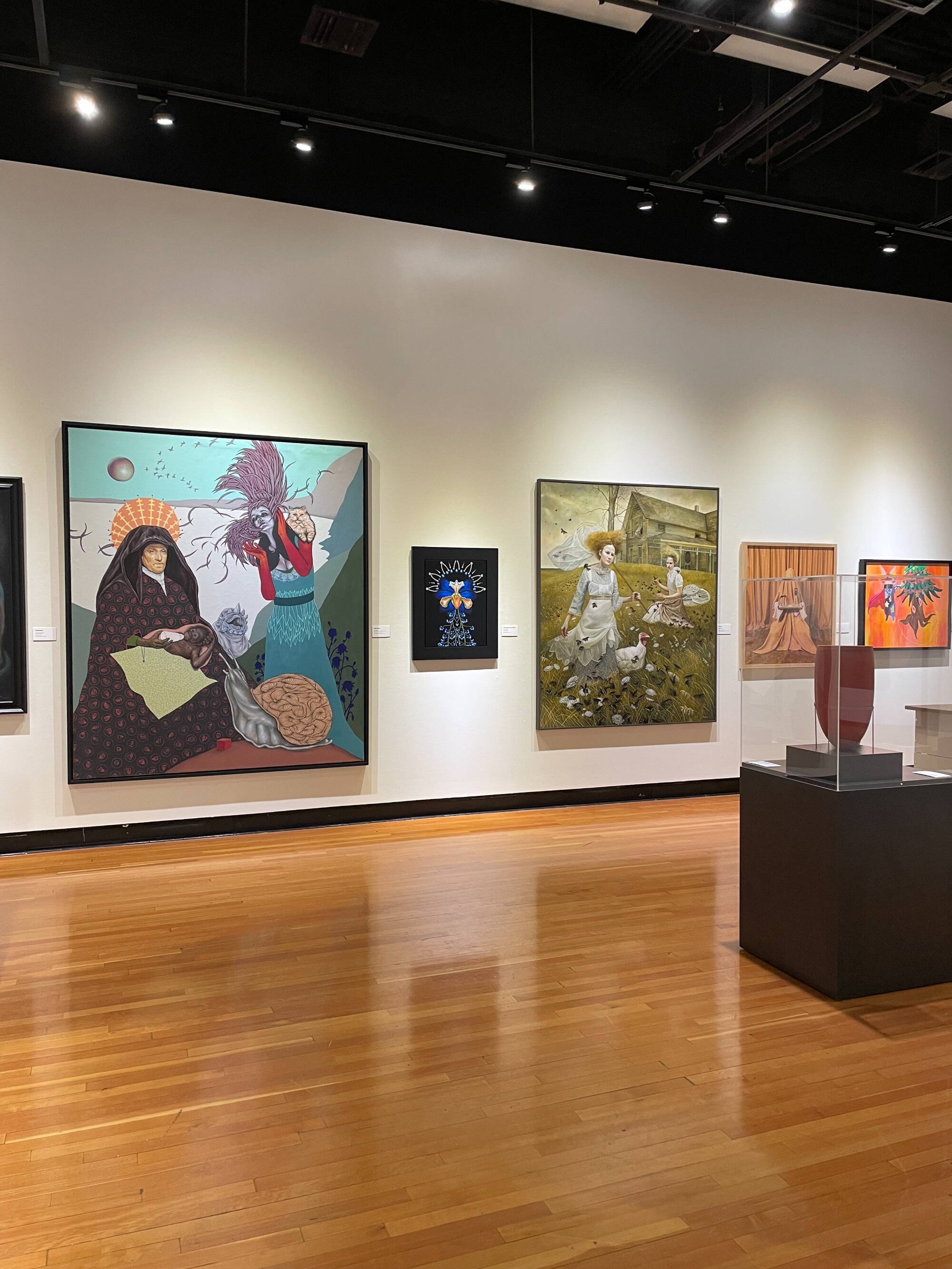
Aneka Ingold, Vesna, mixed media on panel, 2021, 2024.22.1.
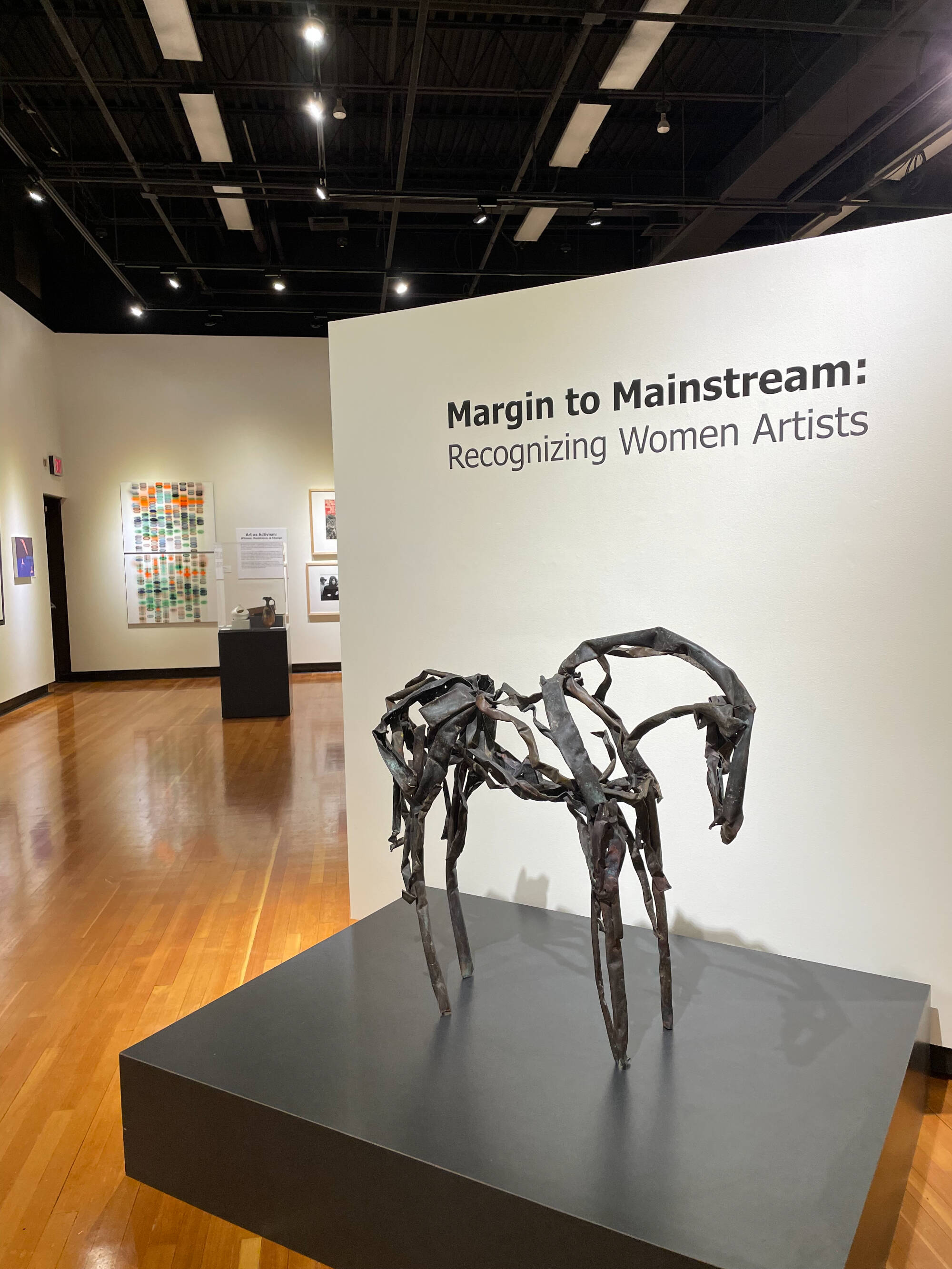
Margin to Mainstream
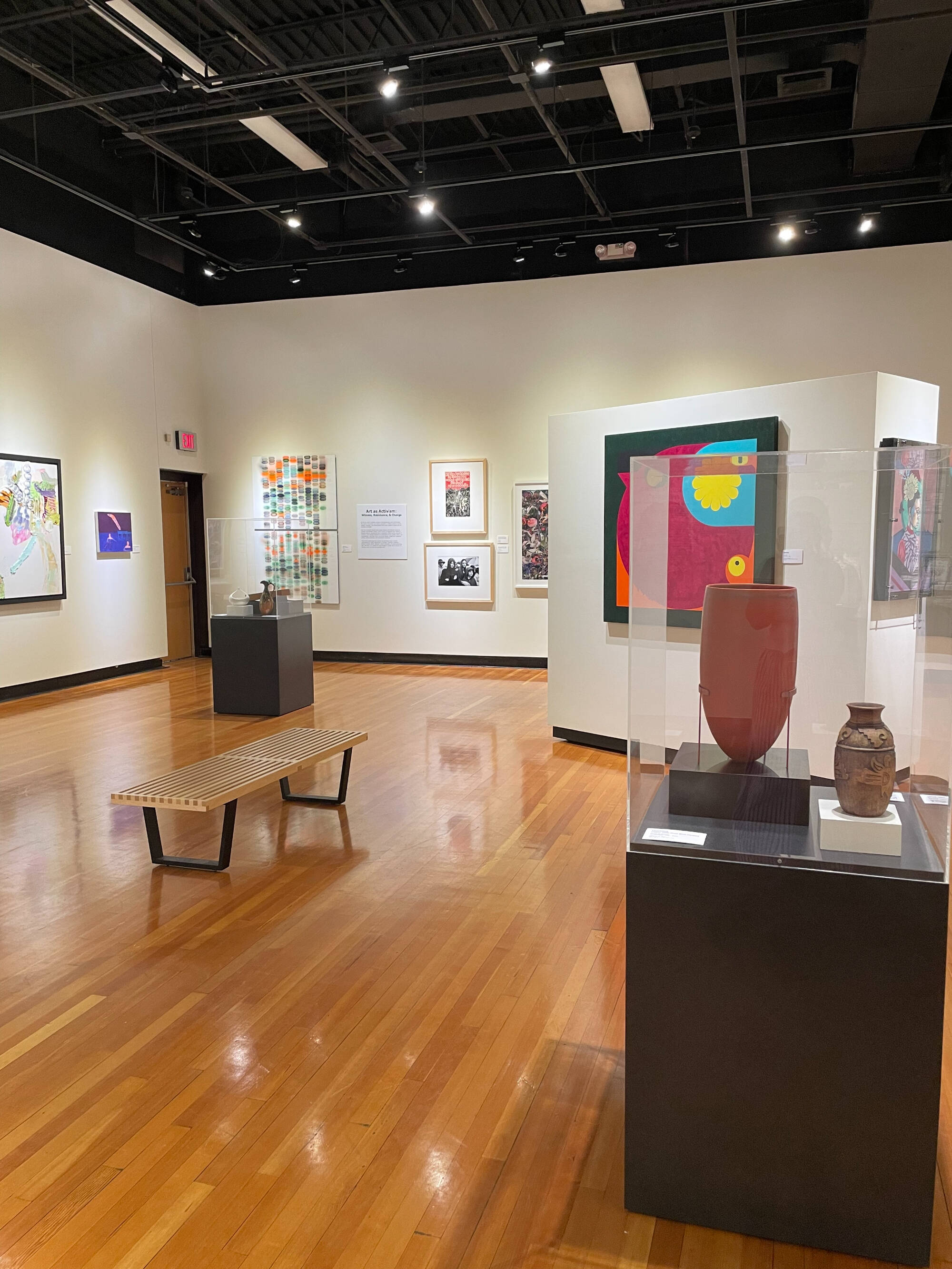
Margin to Mainstream: Recognizing Women Artists explores the shift of women artists within the art world, from marginalization to increasing recognition and influence. This exhibition brings together a range of artistic practices and generational perspectives, highlighting voices that were historically overlooked, underestimated, or excluded from dominant narratives.
At the beginning of the twenty-first century, women artists remained significantly underrepresented in many museum collections across the United States. While representation has increased in recent decades, women continue to account for only a small fraction of works held by many collecting institutions. These disparities reflect generations of unequal access to artistic training, exhibition opportunities, gallery representation, and institutional support.
Margin to Mainstream reflects on the structural barriers women artists have faced while celebrating their resilience, innovation, and lasting contributions. Rather than presenting a simple narrative of continual progress, the exhibition acknowledges that advances in recognition have often been uneven, incomplete, and shaped by ongoing questions of equity and visibility.
Together, the works invite viewers to reconsider how artistic value is defined and to recognize the essential role women artists continue to play in shaping our artistic culture and its future. As new scholarship, acquisitions, and curatorial practices continue to reshape museum collections, the history of art is increasingly understood as a dynamic and evolving narrative rather than a fixed canon.
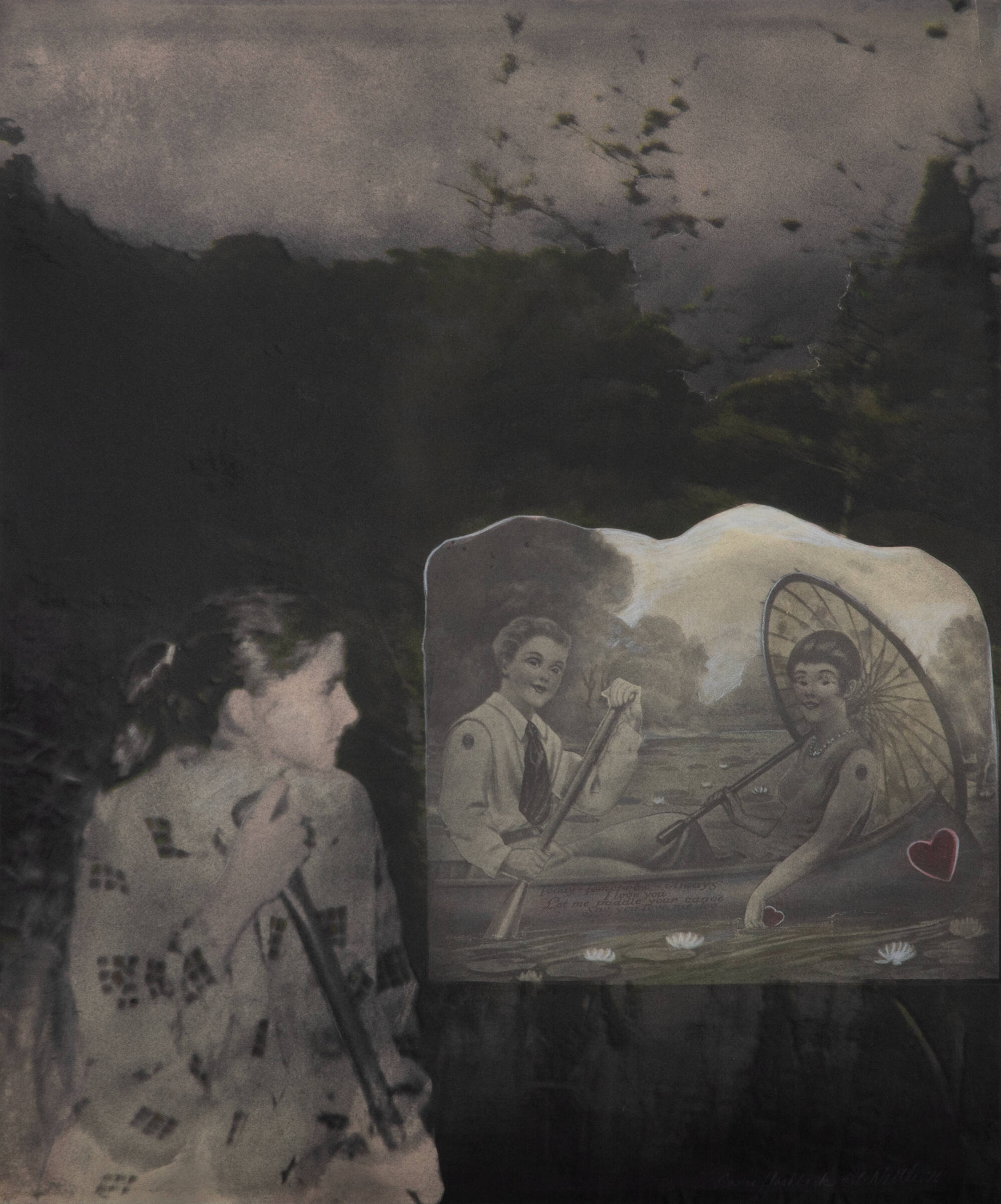
Bea Nettles, Canoe Flashback, Kwik Prin on vinyl, 1976, 2023.5.1.
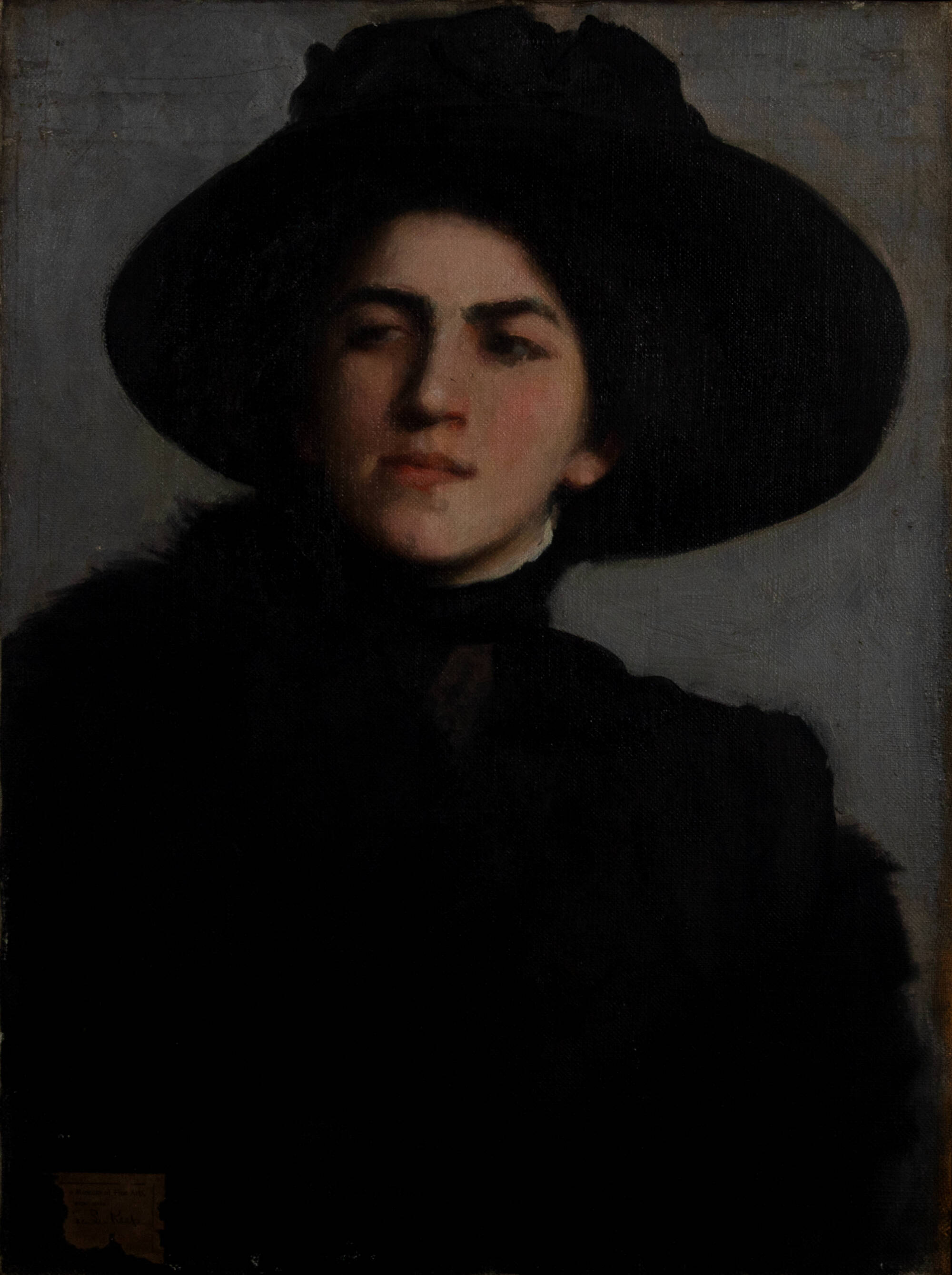
Alice Leavitt Keep, Untitled (Portrait of a Woman), oil on canvas, ca 1915, L11.2022.1335.
Breaking Barriers:
Women Artists Challenging the Canon
Women artists have long challenged the boundaries of what art could be, who could make it, and whose work would be recognized. The artists in this section pushed against established conventions—experimenting with materials, media, subject matter, and the role of the artist herself.
Their achievements remind us that breaking barriers is not always a single dramatic act. It can also mean insisting on a place within the cultural conversation, developing a distinctive voice, and creating new paths for those who follow.
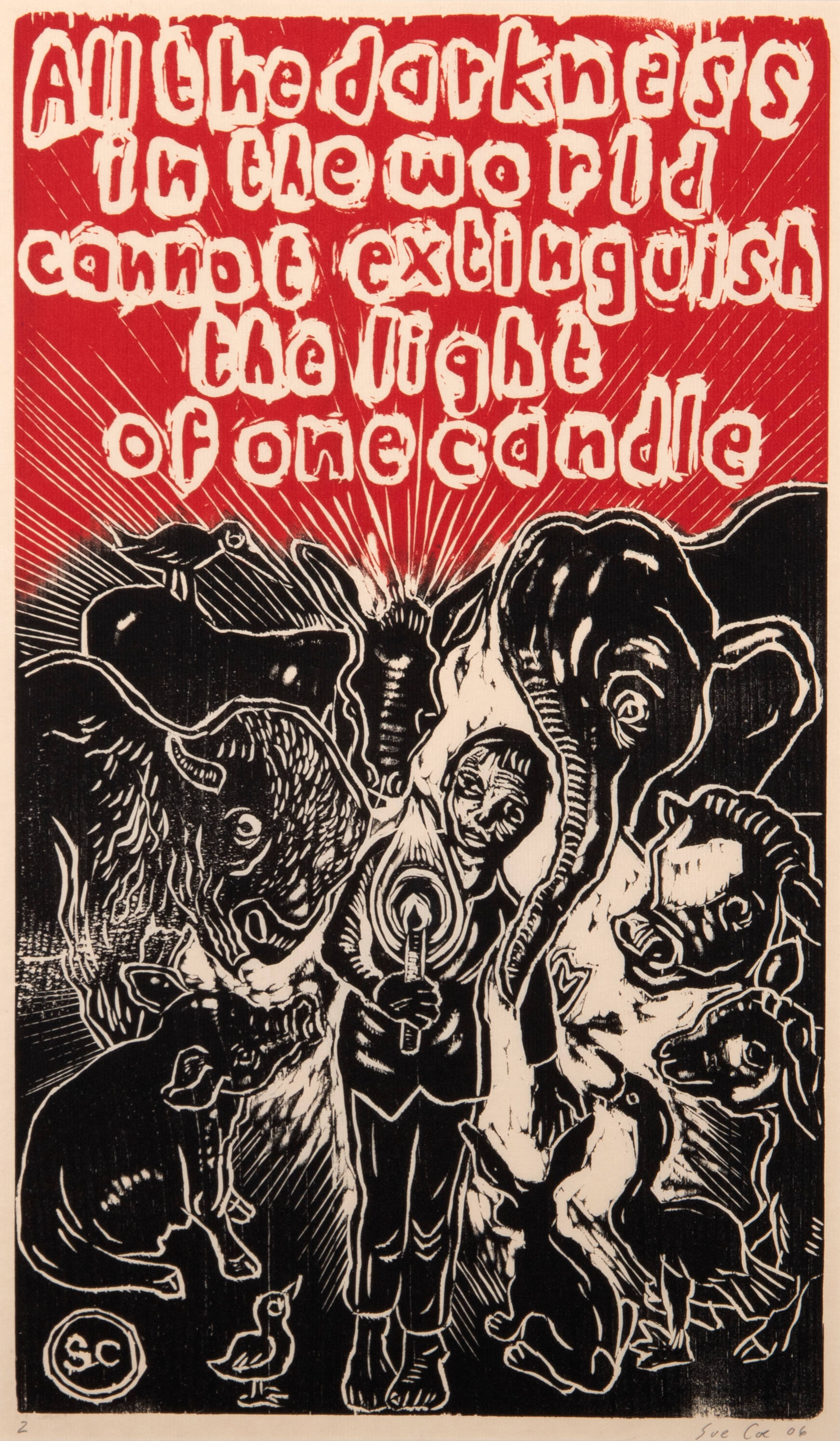
Sue Coe, All the Darkness in the World Cannot Extinguish the Light of One Candle, woodcut, 2006, 2006.0176.1.
Art as Activism:
Witness, Resistance, and Change
Art can be a form of protest, a record of lived experience, and a call to action. Artists in this exhibition demonstrate that activism can take many forms. It can be confrontational or subtle, documentary or symbolic, personal or collective. Whether through protest, testimony, cultural reclamation, or critical questioning, their work asks us to consider the responsibilities of artists—and of viewers—in shaping a more conscious and equitable world.
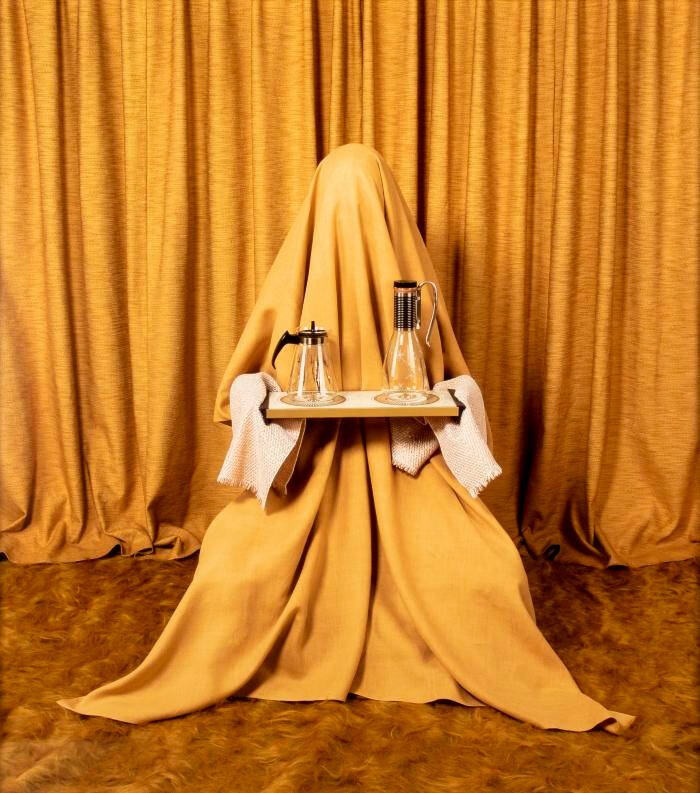
Patty Carroll, Serve, digital archival print, 2021.73.21.
Identity and Representation:
The Self, the Body, and the Gaze
How do we see ourselves, and how are we seen by others? For generations, women artists have challenged the ways female identity and the human body have been represented, questioning the expectations imposed by culture, history, and the media.
Together, these artists in the exhibition reject the idea that there is a single way to represent women's experiences. Instead, they offer identities that are complicated, contradictory, embodied, and continually evolving. To claim one's own image—or to challenge the ways it has been constructed by others—is an act of artistic and cultural agency.
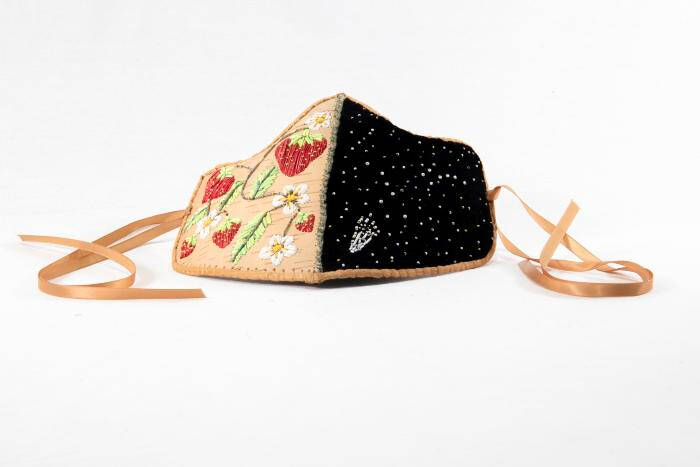
Kelly Church, Breathe in the Beauty of the Day and the Beauty of the Night, mixed media, 2021, 2021.22.1.
Place, Tradition, and Legacy:
Memory, Belonging, and Continuity
Art connects us to the places we inhabit, the traditions we inherit, and the memories we carry forward. The artists in this section explore how cultural knowledge and personal experience are rooted in landscape, material, community, and a sense of belonging.
Exhibited artists remind us that tradition is not static. It is carried forward through acts of interpretation, adaptation, and renewal. Legacy is likewise more than what we inherit—it is what we choose to preserve, transform, and pass on. Across cultures and generations, these works ask us to consider what connects us to a place, a people, or a history—and what we hope to leave behind.
The Artists
Donna Ferrato
Lora Fosberg
Rose Freymuth-Frazier
Pia Fries
Jane Hammond
Francois Gilot
Alynn Guerra
Andrea Kowch
Aneka Ingold
Alice Leavitt Keep
Jin Soo Kim
Vera Klement
Mahomi Kunikata
Tanya Marcuse
Ad Minoliti
Bea Nettles
Deborah A. Rockman
Molly Neptune Parker
Sharon Sandberg
Cindy Sherman
Lorna Simpson
Maria Tomasula
Eva Zeisel
Want to learn more? Check out these resources available at the GVSU Libraries!
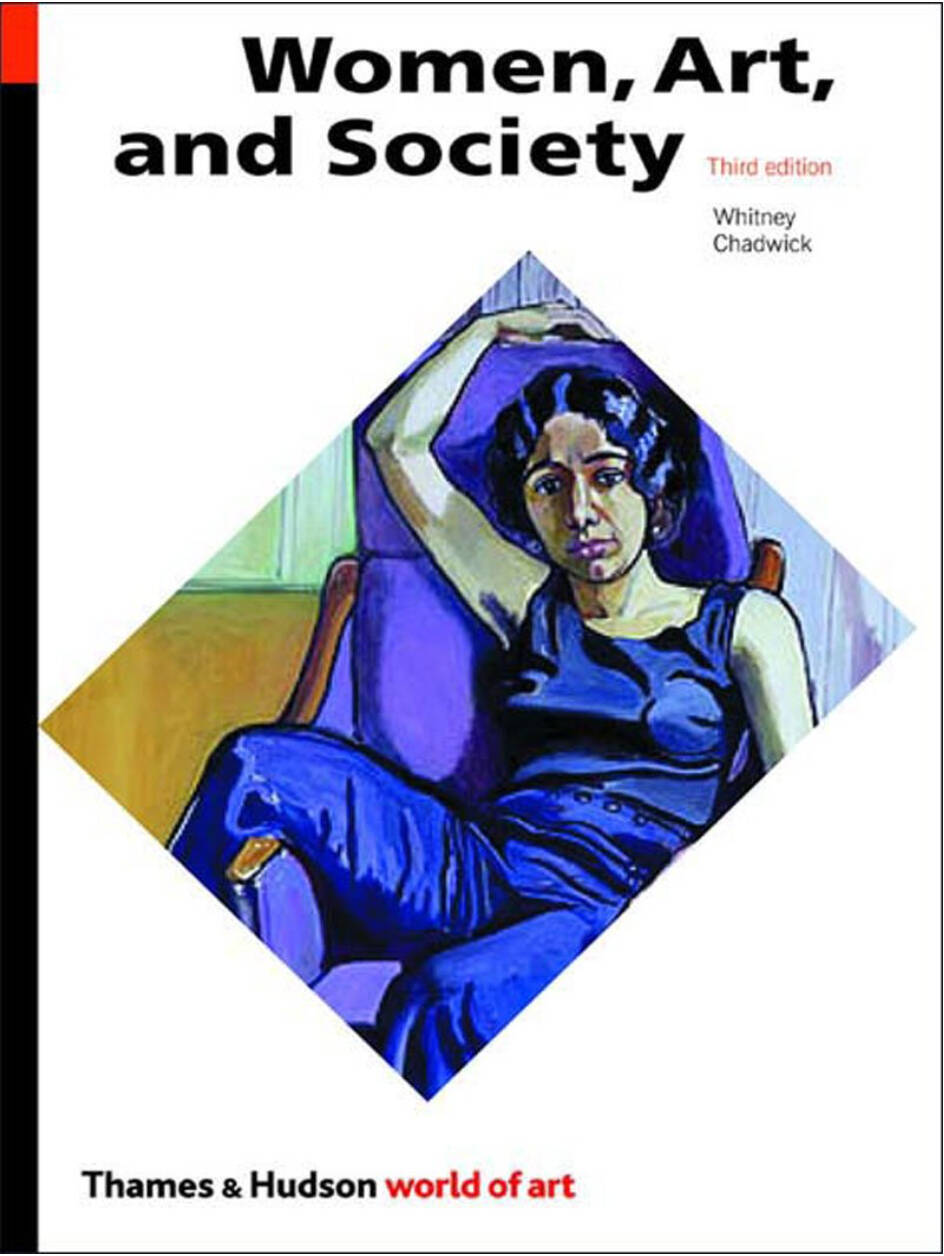
Book: Women, Art, and Society
By Whitney Chadwick, 2002
This acclaimed study challenges the assumption that great women artists are exceptions to the rule who "transcended" their sex to produce major works of art. While acknowledging the many women whose contributions to visual culture since the Middle Ages have often been neglected, Chadwick's survey amounts to much more than an alternative canon of women artists: it re-examines the works themselves and how they have been perceived as marginal, often in direct reference to gender. In her discussion of feminism and its influence on such a reappraisal, the author also addresses the closely related issues of ethnicity, class, and sexuality.
Check out more recommended reading for Margin to Mainstream!
Exhibition Resources
Alynn Guerra
Patty Carroll
Vera Klement
Empowering Female Artists
Women Artists
(Health Campus)
Women Artists
(Valley Campus)
Women of Abstract Art
Celebrating Women's History from Behind the Lens
For this exhibition, the GVSU Art Museum partnered with the Grand Rapids Art Museum, the Muskegon Museum of Art, Calvin University, and several Chicago-based collectors who loaned artwork from their private collections for the exhibition, Bob and Nancy Mollers, William Lieberman, and Anne Finkelman.