

Artist Profile: Vera Klement
Published January 1, 2017 by Nicole Webb
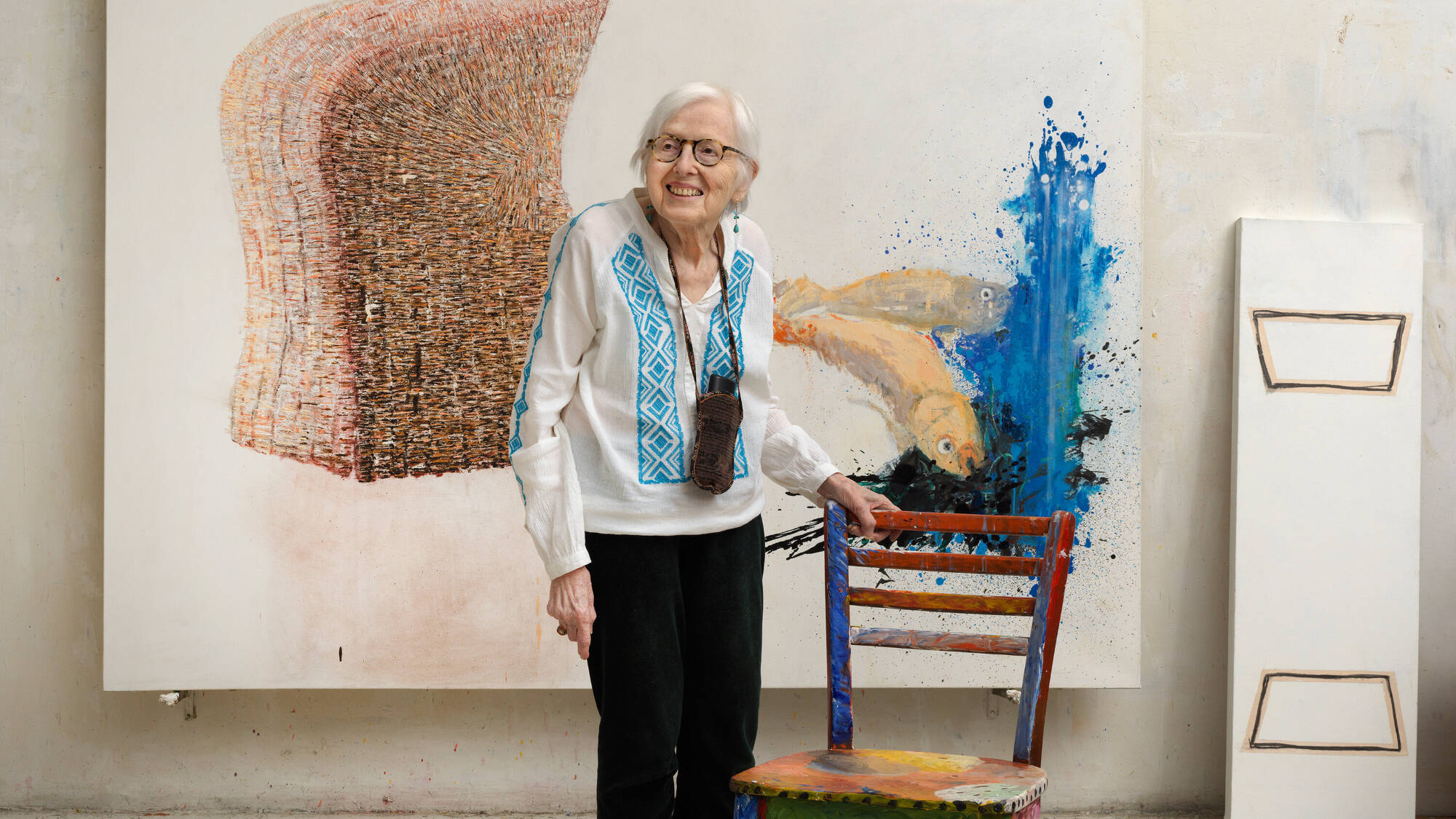
Vera Klement 1929 - 2023
“From the beginning, I experienced a sense of duality, the bright light and rhythmic pounding of the sea, and there, rising behind it, the dark forest that held in its silence the northern European legends of evil spirits: witches, erlkings, and poison toadstools. Light and dark — good and evil — life and death — that juxtaposition that eventually became the underpinning of my painting.” - Vera Klement
Vera Klementovna Schapiro (Vera Klement, 1929-2023) was born in the Free City of Danzig, a city-state in Germany (now Gdansk, Poland) in 1929. Klement grew up in Zoppot (now Sopot, Poland), and deeply loved her hometown. In 1933, the Nazi Party won the political majority in the region where Klement lived. In 1938, the Nazis seized Schapiro’s lumberyard, forcing Klement’s father to flee the city. The Gestapo then broke into their home, prompting Klement and family to flee to a cousin’s home and apply for exit visas.
The experience was extremely traumatic for young Klement, who was then around nine years old. Klement wrote about her experience in her memoir: “We heard screaming from the street below ... flames and smoke surged from the synagogue across the street, heating the windows of our cousins’ apartment. We stood back, in fear of being seen from below as our pink temple burned.”
The Schapiros later reunited with Klement’s father before boarding an ocean liner for Manhattan in the United States. By 1938, Klement and her family had settled into their new life in America. At the age of eleven, her father gave her a set of watercolors and began to teach her to paint. She attended a high school dedicated to the arts and, after graduating, earned a two-year certificate from the School of Art at The Cooper Union. Abstract Expressionism, considered to be the first truly American art movement, was exploding just as she graduated with her certificate. Aspects of this movement, such as Action Painting - a style of painting where paint is splashed, dripped, and smeared across the canvas, allowing randomness to become a part of the artwork - were incorporated in Klement’s lifelong practice. Klement later moved to Chicago, IL, with her then-husband and young son, and eventually began to teach at the University of Chicago, where she worked until her retirement.
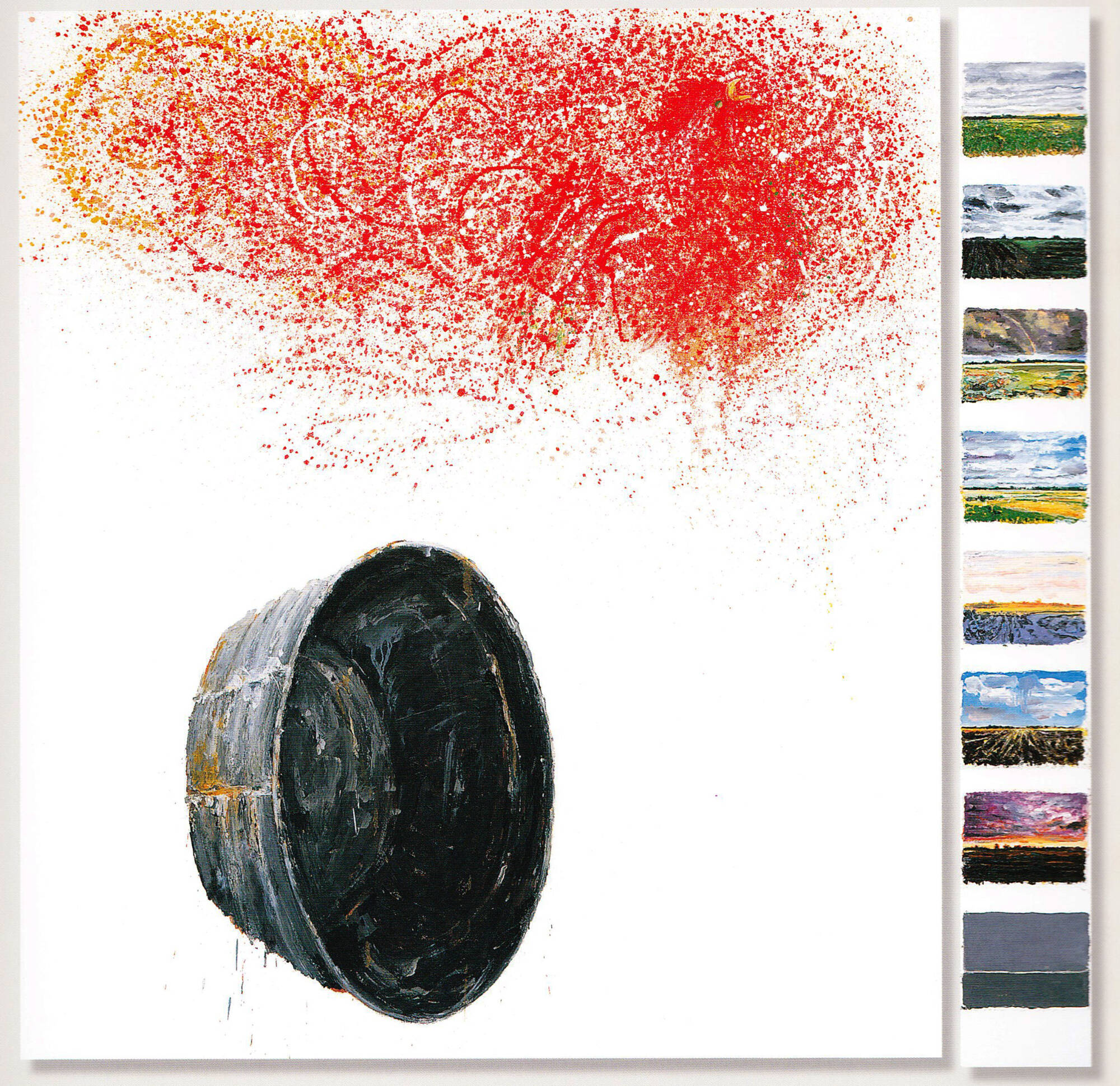
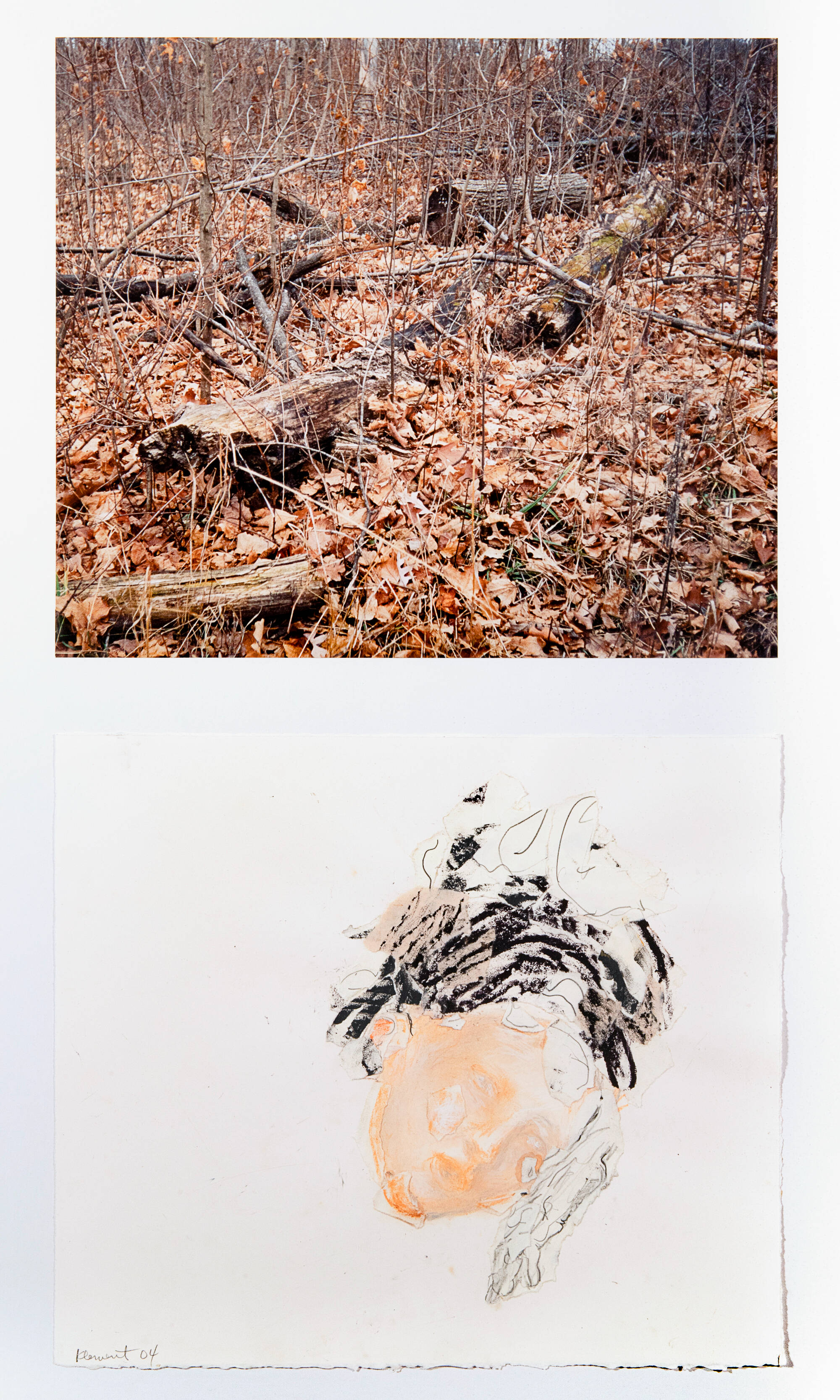
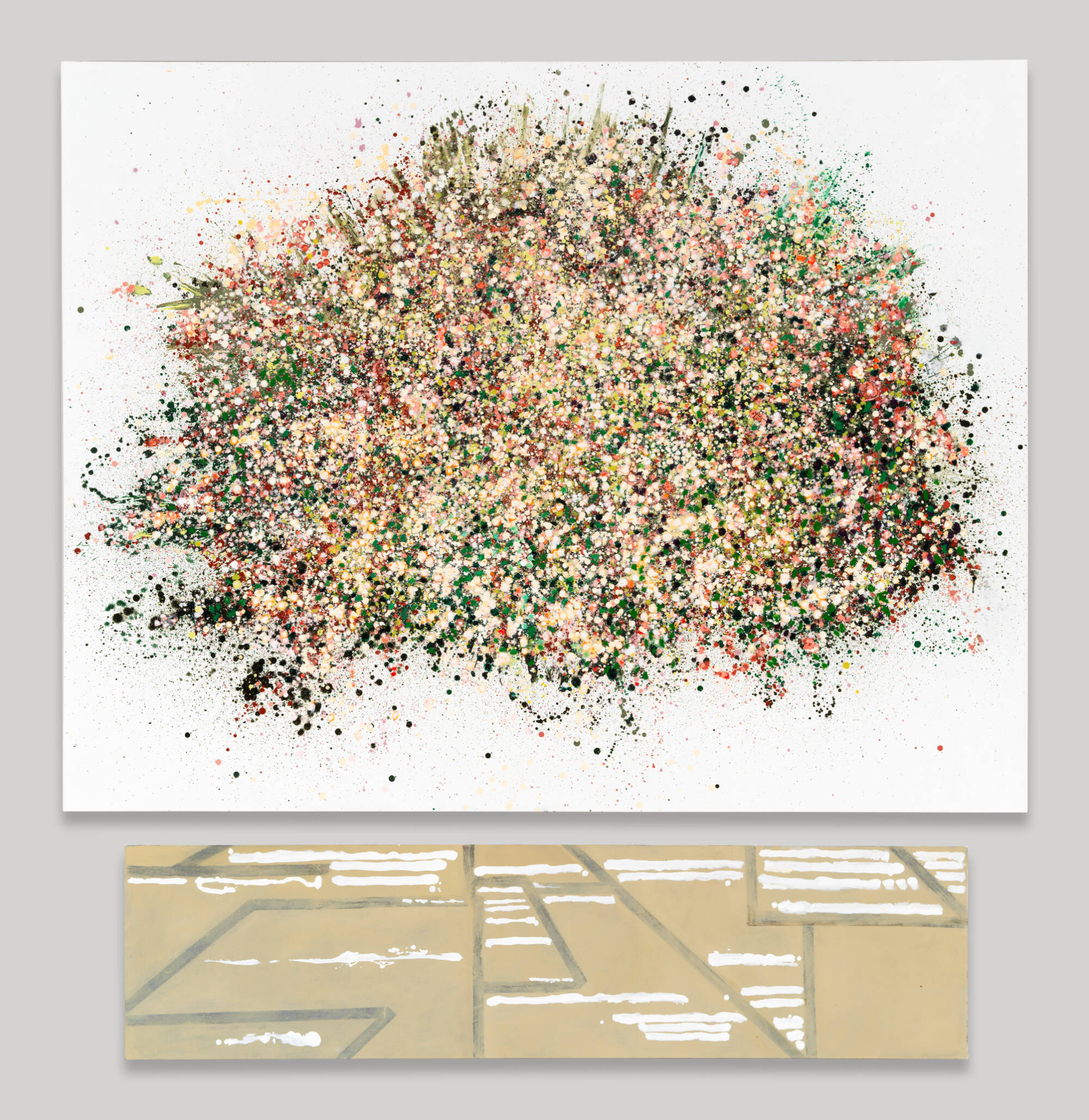
Klement’s artwork is usually large and often involves two canvases or sheets of paper. The subjects might not seem related, but to Klement they are. The subjects she paints often come out of a field of white, suggesting isolation. Her themes often explore loneliness or persecution, the Holocaust, the massacres of the indigenous peoples of North America, and an individual’s exile. Klement was also inspired by music and literature, including works by other Jewish artists and their responses to the Holocaust. After being forced to flee Nazi persecution at a young age, growing up with the knowledge of what happened during the Holocaust, Klement explored the ideas of identity and loss for the rest of her life.
Learning Resources

Learn more about Vera Klement
Vera Klement Exhibit Learning Guide
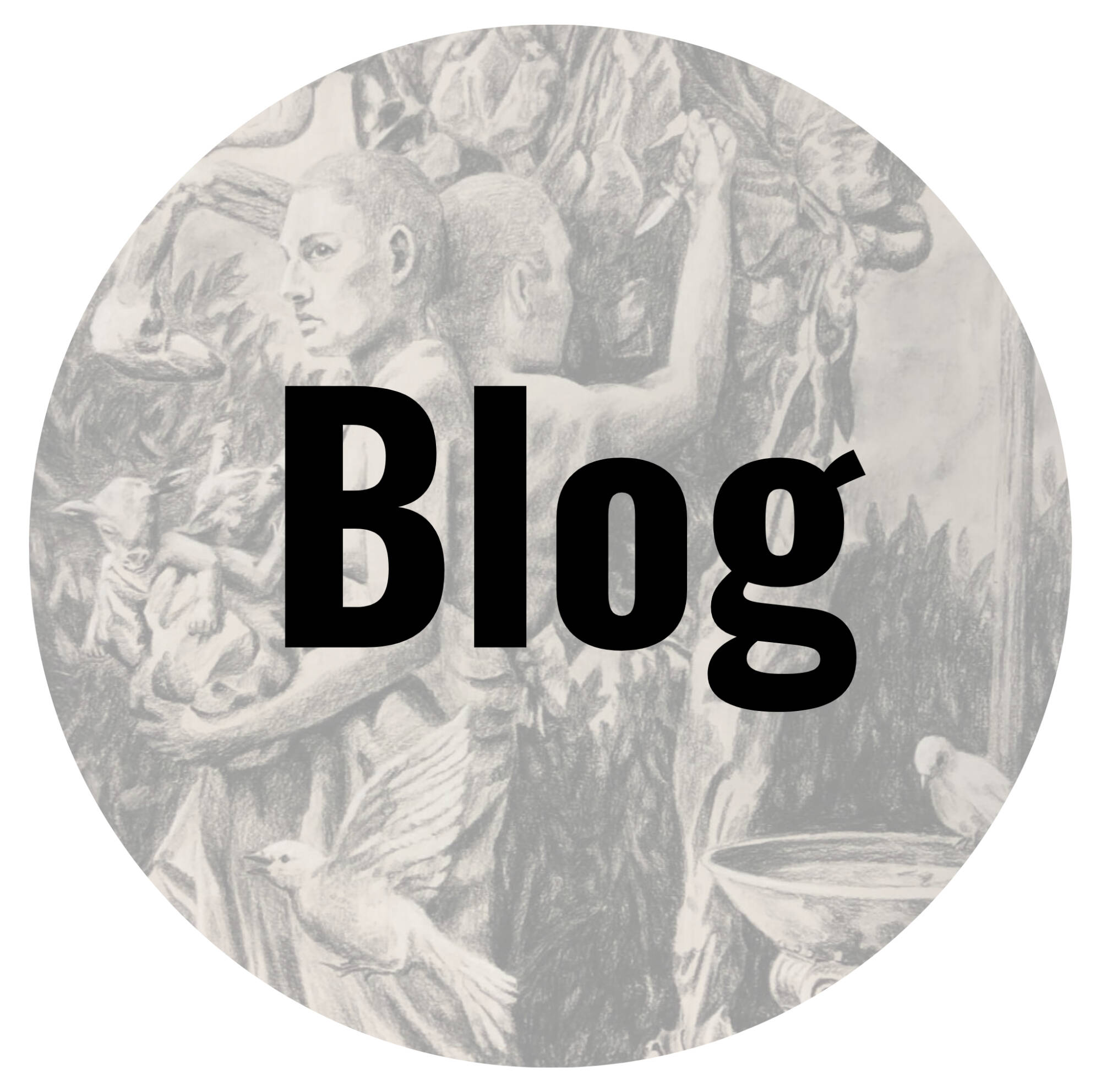
Contemporary Interpretations of Ancient Stories
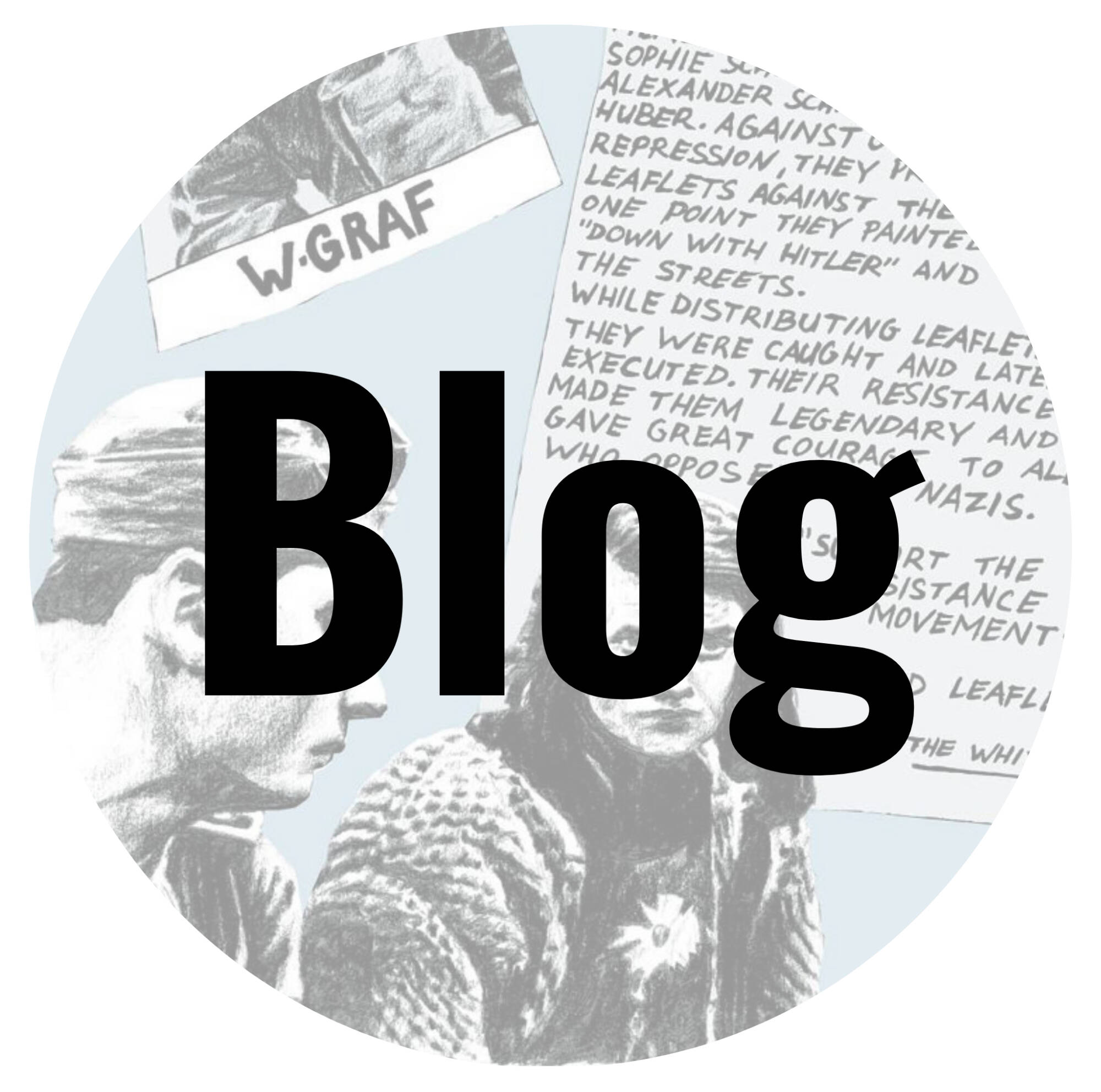
Holocaust Remembrance Day
Vera Klement, The East was Red with Cockrow, oil on canvas, 1999, 2012.98.1.
Vera Klement, War Monody: Fall Leaves, color photograph and drawing, 2004, 2016.96.4.
Vera Klement, Blossoming, oil on canvas, 2018, 2021.29.7.