

Empowering Female Artists
Published March 1, 2023 by Nicole Webb
In 1984, the Guerrilla Girls, a group of anonymous American female artists, created posters in response to the “International Survey of Painting and Sculpture,” an exhibition at the Museum of Modern Art in New York City. Of the 169 artists in the exhibit, less than 10% were women. The Guerrilla Girls did not believe that this unequal representation of female artists was a coincidence and set out to expose sexual discrimination in the world of art, referring to themselves as the “conscience of the art world."
Gender inequality in the arts is not a new topic. Female artists living just centuries ago were not allowed to have any influence in the world of art. Historically, male artists were paid more for their artwork, which allowed them more freedom of experimentation, while women were expected to concentrate on domestic tasks and motherhood. Women were not allowed in art guilds or academies, which excluded them from opportunities to show their work to those who could afford to purchase art.
Still today, as in many other professions, women are misrepresented in the arts. While the past can’t be changed, many museums and galleries are working to amend mindsets and make space for women within the galleries and collections, but there is much work to do. ArtReview’s 2018 Power 100 list of the “most influential people in the contemporary art world” included 40 women, an increase from just 32 women listed in 2016.
The GVSU Art Museum strives to bring recognition to the achievements of all women artists from all periods and nationalities, including local, national, international, and GVSU alum artists. For this 2023 celebration of National Women’s History Month, we’d like to celebrate a handful of the amazing female artists and the variety of mediums they represent within our collection.
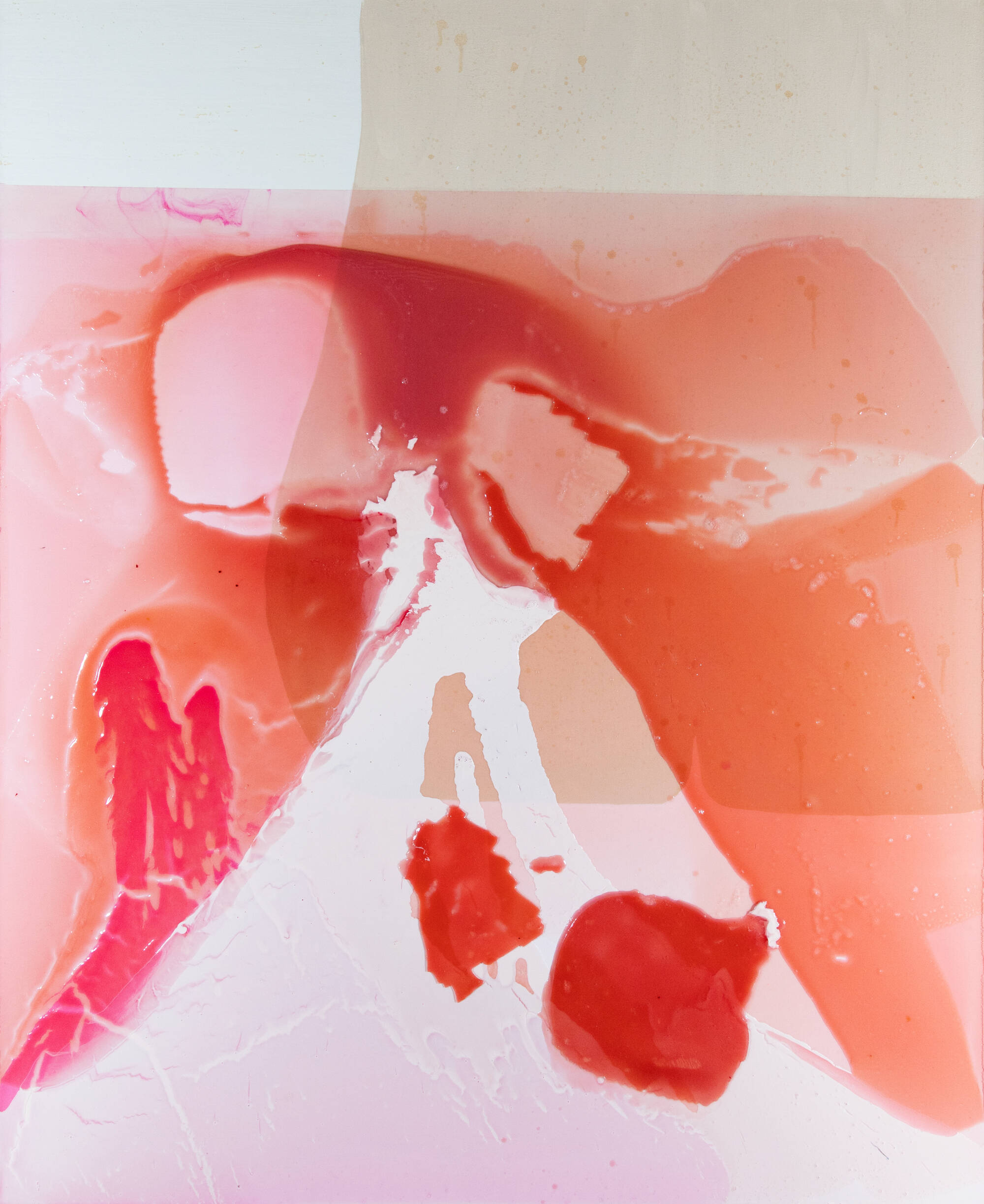
Daisy Mitchell
Through the use of glossy, seemingly still-wet layers of paint, artist Daisy Mitchell creates paintings that explore the concept of seduction through abstract forms. Mitchell plays with ideas of intimate touch through her use of lustrous and smooth resin poured onto a canvas. Her choices in color and techniques, such as the areas where paint splatters and breaks up, play even more with the senses. Mitchell was represented by the Zolla/Lieberman Gallery in Chicago, which is owned by GVSU alum William Lieberman (‘79). The gallery historically has emphasized showing women artists and other underrepresented groups.
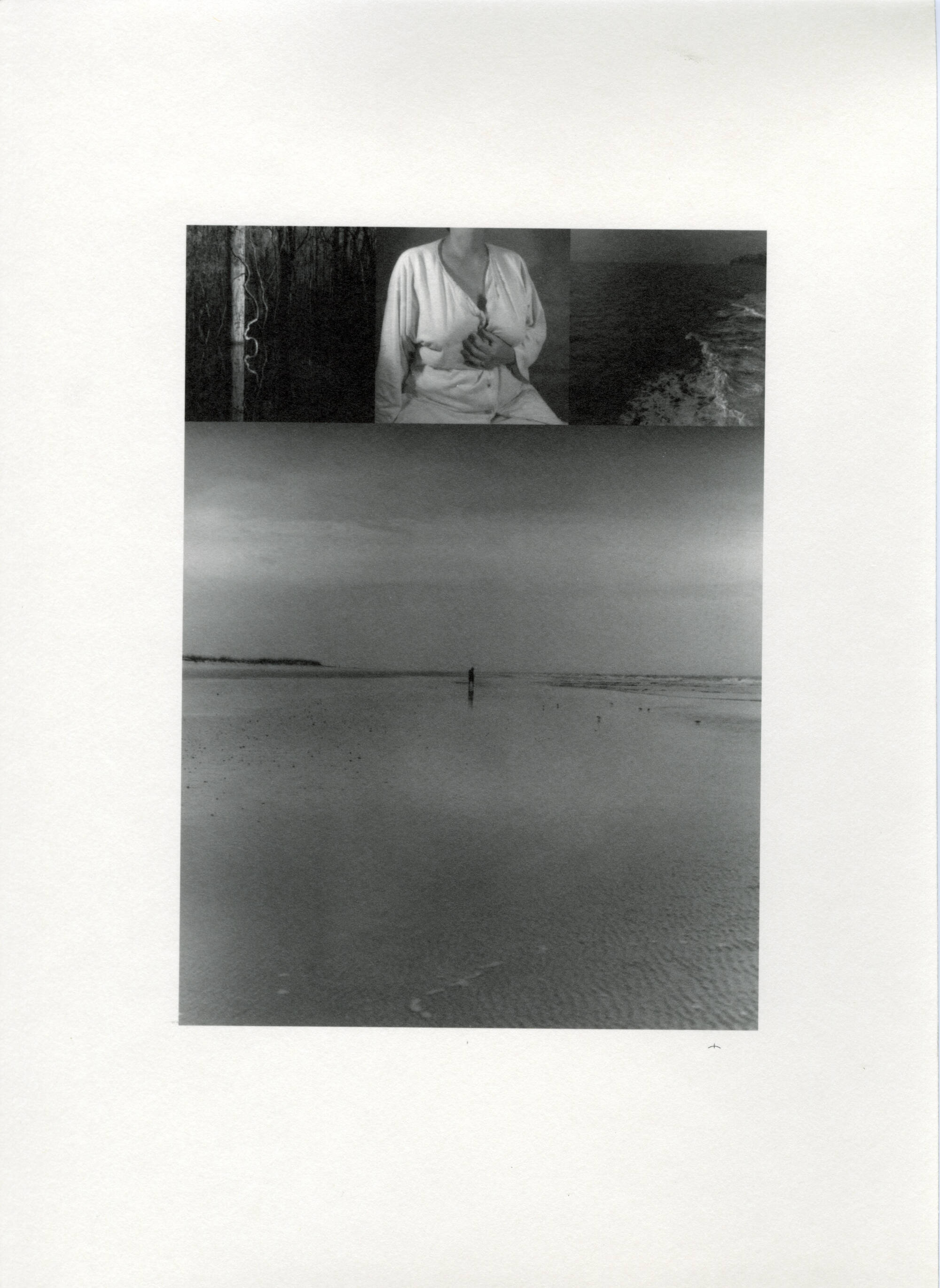
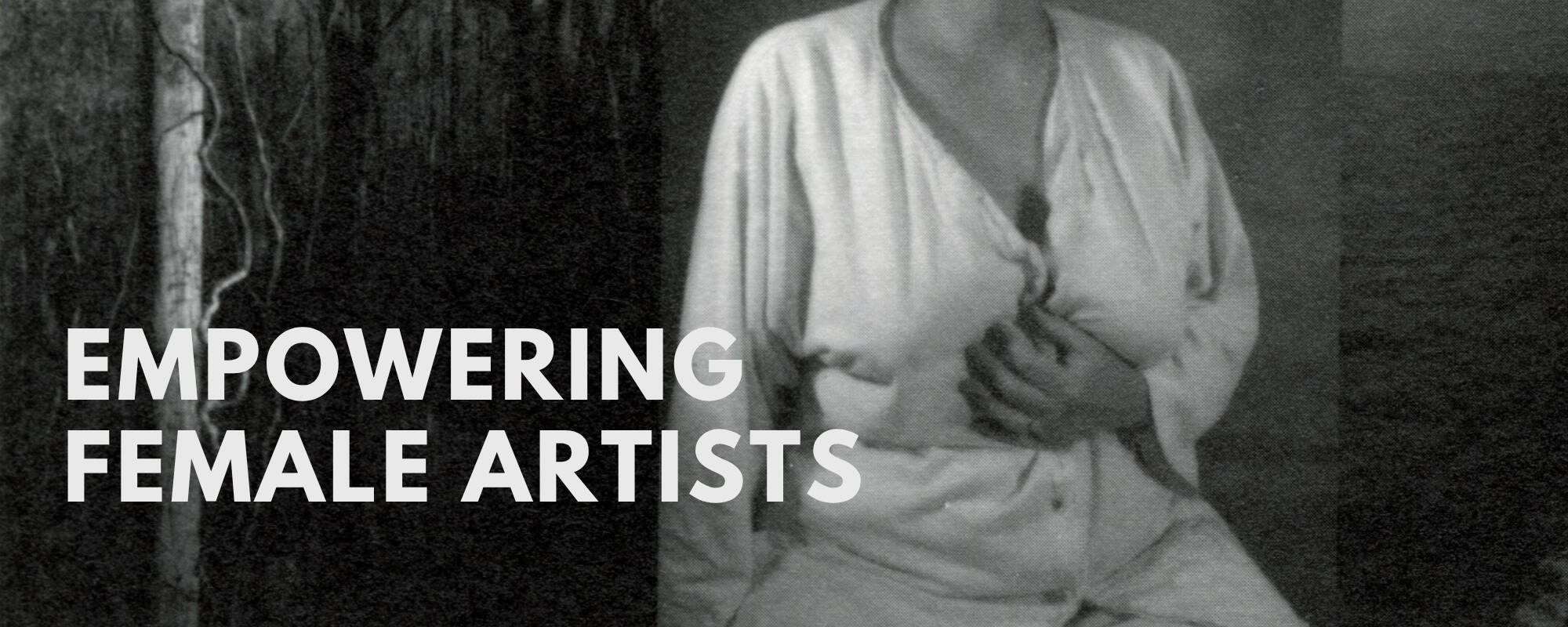
Bea Nettles
Bea Nettles has been creating semi-autobiographical works since 1970. She is known for experimenting with alternative photographic processes and using several printing techniques like photolithography and silkscreen. Her work tackles issues of family relationships, woven together with mythology and natural history. She often uses her own body to explore the ways in which personal identities can be juxtaposed with political and social realities.
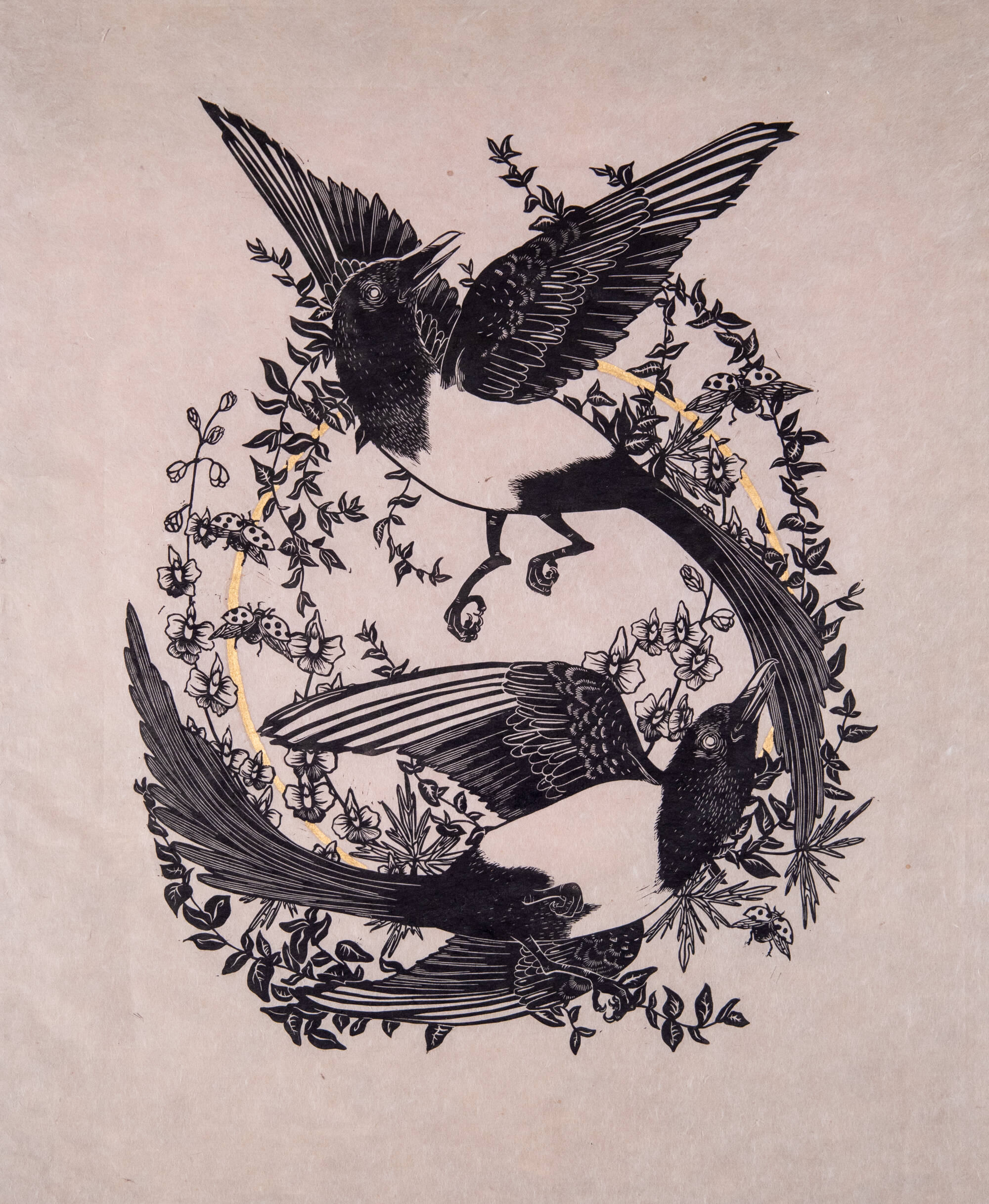
El Ronan
El Ronan’s artwork challenges the belief that scientific exploration can describe the details of the universe in all forms. Using detailed imagery of flora and fauna as references to totems and icons, she draws on themes of death, myth, and beauty, emphasizing the intersection of the known and the unknown.
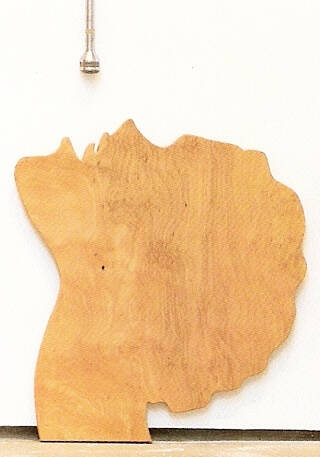
Erika Rothenberg
As a well-known satirical artist, Erika Rothenberg cleverly examines cultural and socio-economic issues with a slightly feminist bend. In Phone Sex, she exposes the duality of aggression and eagerness that underscores humanity's need for validation. The silhouette's identity is kept secret like a private joke as Rothenberg mixes traditional physical gender identifiers to create an ambiguous personification that can become anyone and everyone.
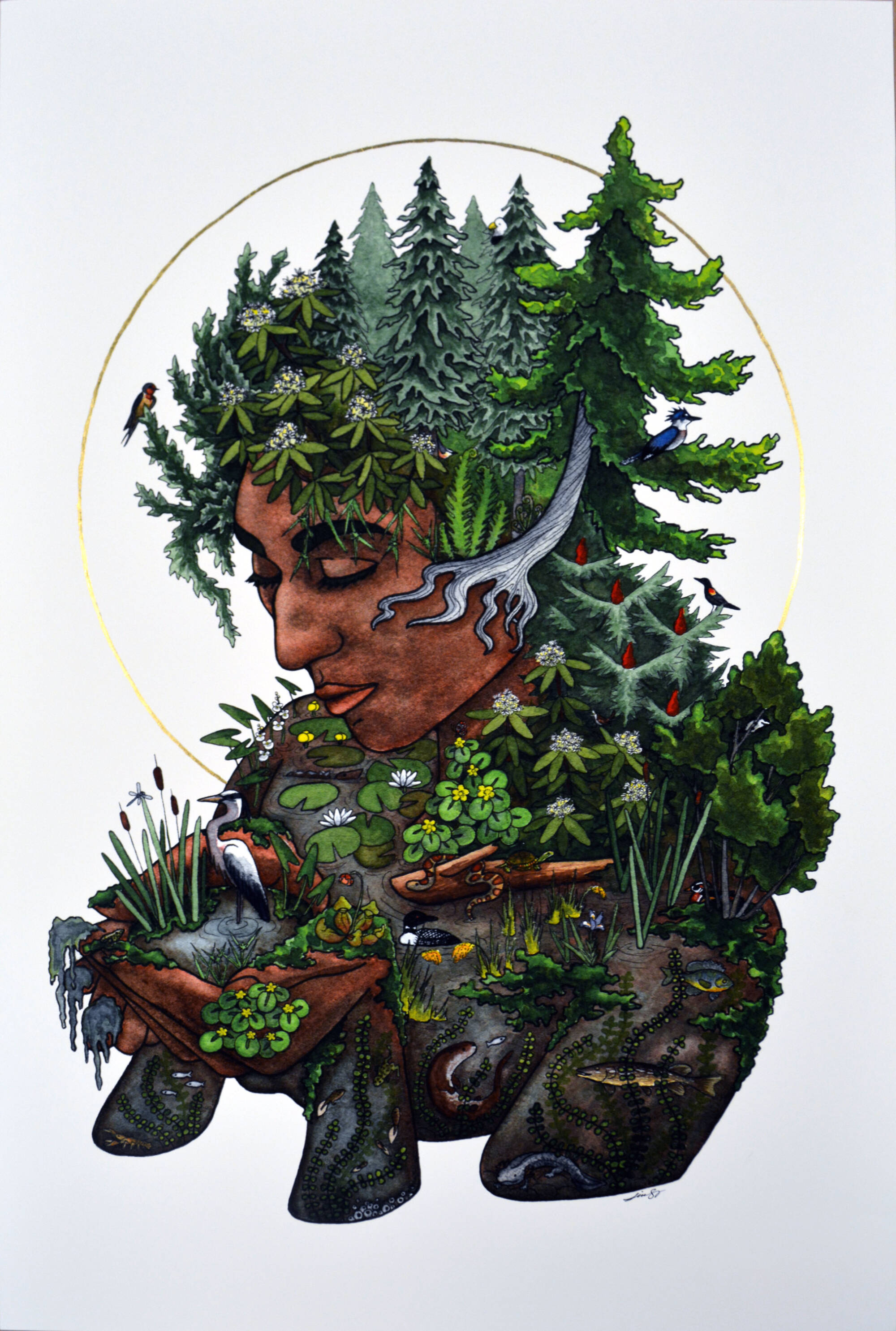
Linnea Songer
Linnea Songer's work is influenced by the wilderness surrounding her hometown in the Upper Peninsula of Michigan. The environment and natural forms are frequently utilized in her illustrations, paintings, and jewelry. Her images exalt nature to a high position, representing it as a powerful, life-giving force. Using the familiar figure of Mother Earth, she humanizes the natural world, provoking curiosity of the viewer to take a closer look at not only her artwork, but the natural world around us.
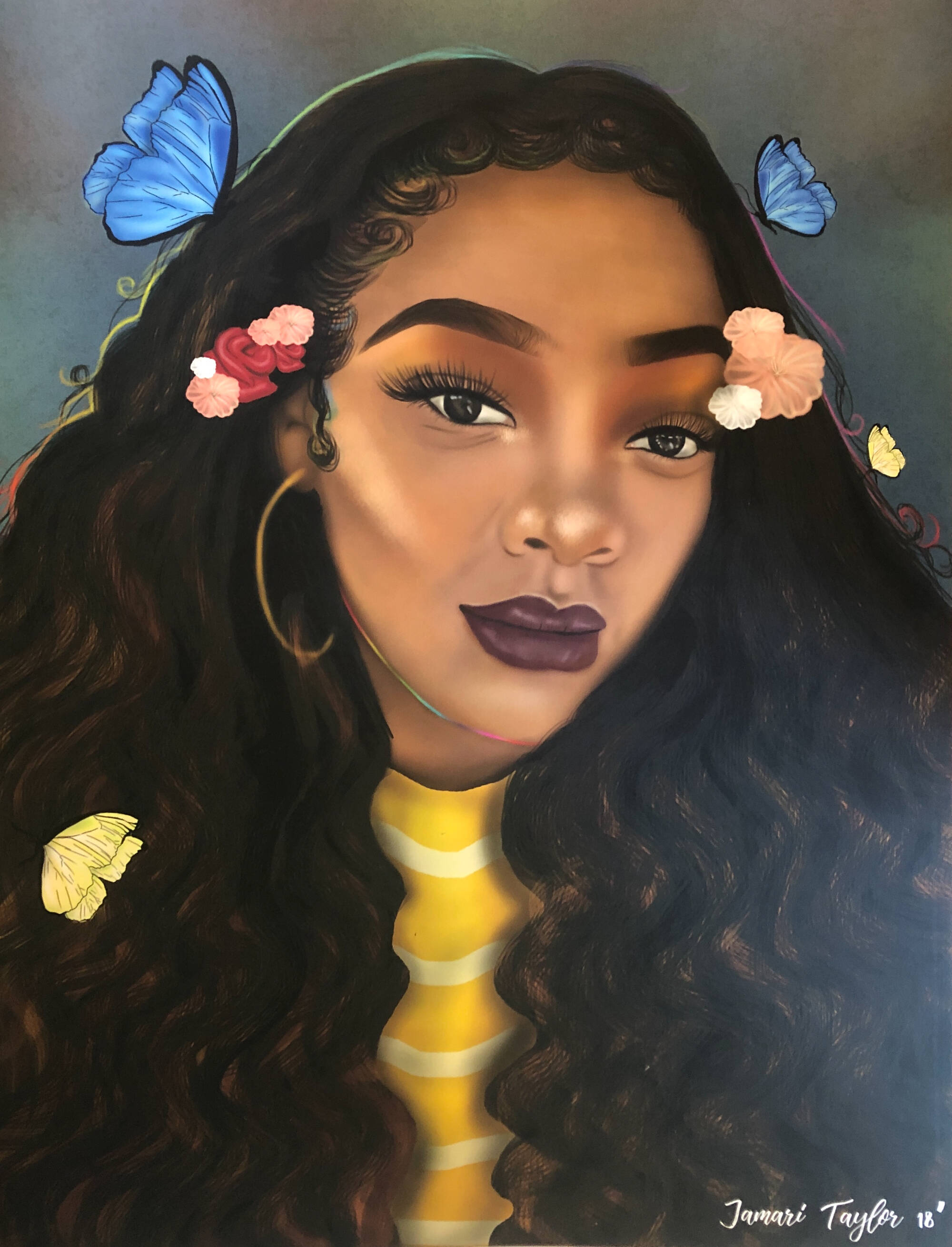
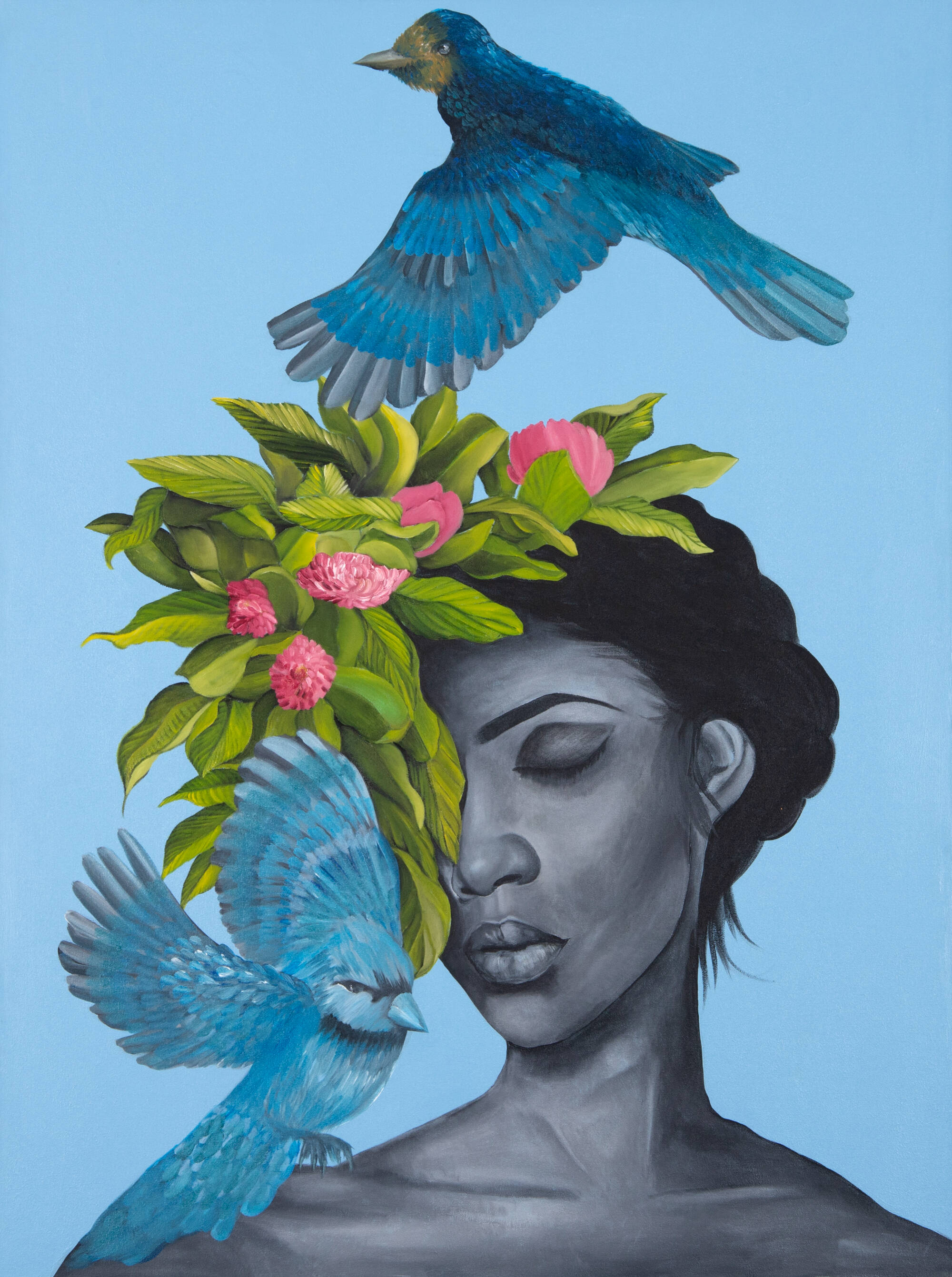
Jamari Taylor
Jamari Taylor is a portrait artist from Battle Creek, Michigan, a 2019 graduate of GVSU, and currently an art teacher for Kent County Juvenile Center in Grand Rapids. Taylor describes that “using charcoal, acrylics, and oils, she creates images that portray a sitter’s character, power, and strength.” After starting her art business Jaylei Art, Taylor created a foundation that she uses to uplift the community through art-based projects.
Learning Resources
Celebrating Women's History from Behind the Lens

Women of Abstract Art
Margin to Mainstream
Jamari Taylor, Hirundo Soul, acrylic on canvas, 2023.41.1
Daisy Mitchell, Lick, resin and pigment on canvas, 2001, 2010.43.2
Bea Nettles, Return Trips: Flood, silver print on Luminos Charcoal paper, 1999, 2023.5.3
El Ronan, Two for Mirth, linocut and gold leaf on hanji paper, 2019, 2019.67.2
Erika Rothenberg, Phone Sex, wood, metal and cable, 1991, 2009.6.2ab
Linnea Songer, The Wetland, pen, watercolor and foil, 2018, 2018.38.2
Jamari Taylor, Jaylei Art, digital art, 2018, 2019.59.1