

Credit Explained
What is Credit?
Credit is a contractual agreement where a borrower receives something of value (usually money) and agrees to repay the lender at a later date, typically with interest. It enables immediate purchasing power for goods, services, or loans, based on the trust that the debt will be repaid. Common forms include credit cards, mortgages, and personal loans.
In addition to that lending scenario, credit serves as an indicator of creditworthiness, or the credit history of an individual or a company. It's important to maintain good credit (a history of reliably repaying what you owe on loans) to get approved for loans like mortgages and get the best interest rates on them.
Using credit might seem easy. You buy a new pair of shoes, gas for a road trip, or pay for dinner by simply handing over a credit card and signing a receipt. Using credit allows you to pay for things you do not have enough cash to cover or it allows you to spread your payment over a couple of months. But you want to be sure the way you're using credit is better for you than it is for the credit provider.
Types of Credit
Installment Credit: When you borrow a lump sum of money at once that you’ll repay over time. (Car Loans, Student Loans, Mortgage)
Revolving Credit: Allows you to borrow money, up to a set limit. You only have to pay the minimum balance, if there is one, the rest can rollover to the next billing period. (Credit Cards, Personal Line of Credit)
Credit Report and Credit Score
A credit report is your financial transcript. This focuses on who you are, how much debt you have, payment history, and any public records associated with your name.
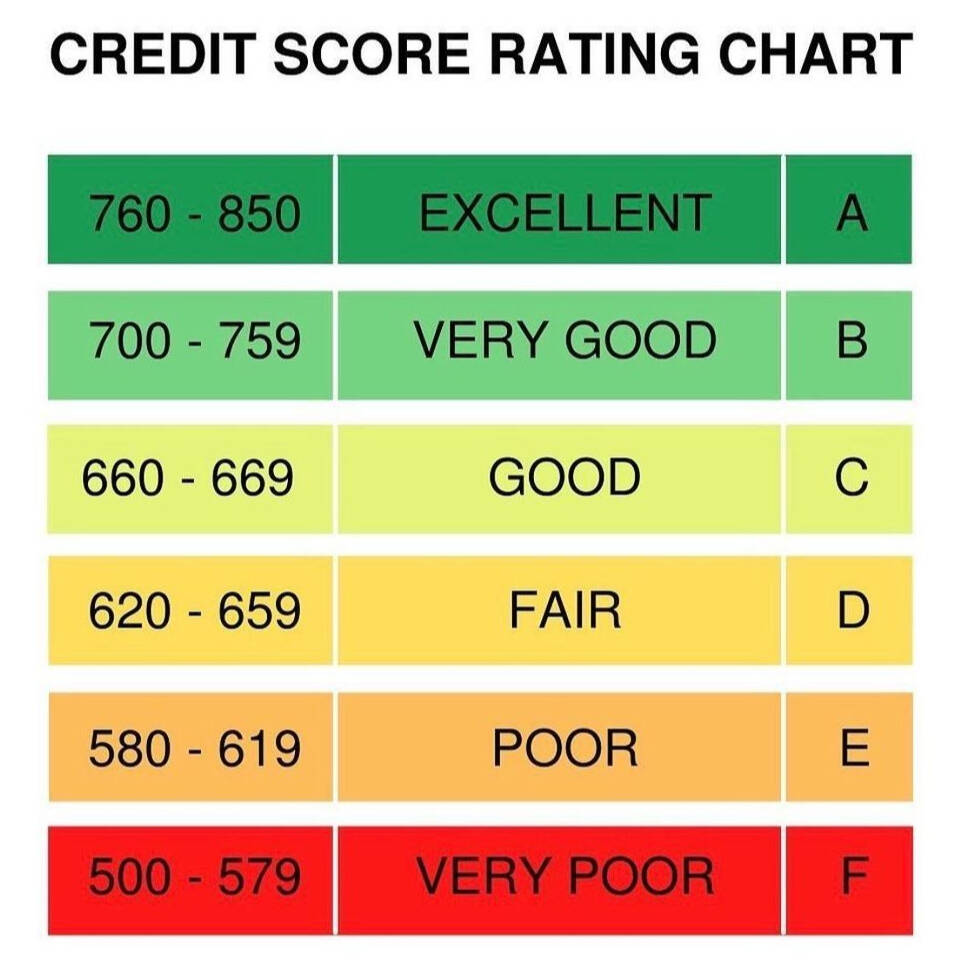
A credit score is your financial GPA. The score summarizes your credit history and lenders use your score to grant/deny you credit. It also is used to determine what terms you are offered and the rate you will pay on a loan. In a breakdown, it looks at your payment history, amounts owed, types of credit, length of history, and new credit.
Good vs. Bad Credit
Having a higher credit score allows you to get access to lower interest rates, pay less for borrowing money, and have better access to lenders. It can also help you qualify for better loan terms and higher credit limits.
On the other hand, having a low credit score leads to higher interest rates, higher overall borrowing costs, and fewer credit opportunities, sometimes resulting in denied applications or less favorable terms. This can affect mortgage interest rates, apartment approvals, and financial stability.
Building (Good) Credit History
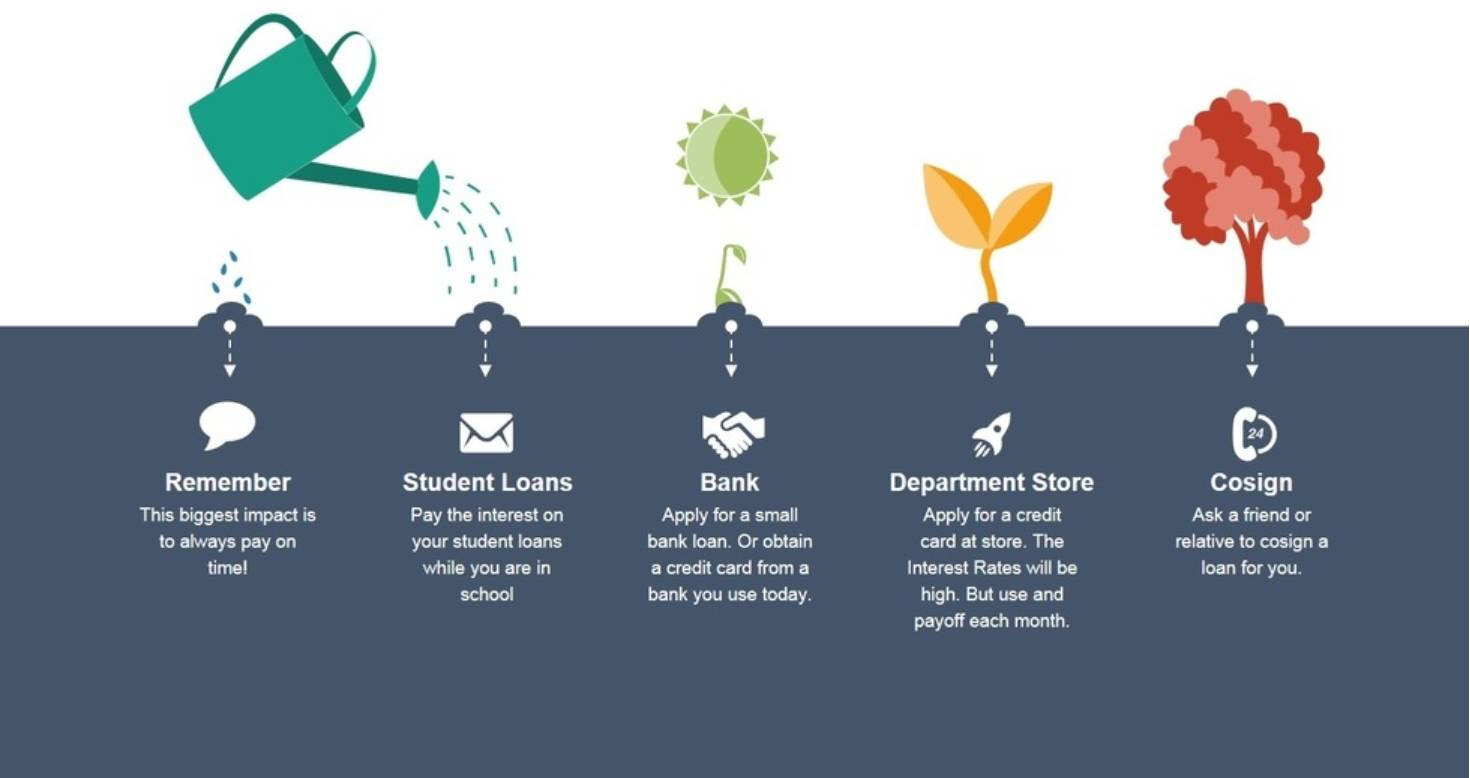
The only way to establish a credit history is to start buying on credit. It reveals your ability to pay for things that you buy or use.
Below are a few ways that you can start building good credit:
- Have bills in your name. If bills, such as utility and phone bills, are in your name you can build credit by simply paying them.
- Always pay bills on time. If you can, set up automatic payments so you won't risk forgetting about your payments.
- Keep credit card debt low. Use your card regularly, but don’t spend money you don’t have.
- Stay well under your credit limit. You’ll be scored favorably if you keep below 30% of your total credit limit.
Who cares about my credit?
Lots of lenders care about your credit score. Can we trust you? That is the questions that a lender will answer based on your credit. Credit is your "financial trustworthiness". Your credit record is the most important factor lenders consider when you apply to borrow money. Lenders will offer you better terms and lower interest rates if you have good credit ratings.
It matters when you are:
- Wanting to borrow a loan
- Apply for a credit card
- Rent or buy a home
- Get insurance premiums
- Purchase cars, large appliances or cell phones
Credit Bureaus
The three national credit bureaus are Experian, Equifax, and TransUnion. Think of the credit bureaus as the Registrar's Office.


They collect two types of information about you:
- First, they collect information about how you use credit and/or loans. The bureaus monitor how much you owe on car loans, mortgages, and credit cards. They also monitor the timeliness of your monthly payments.
- The second type of information is public information about you that might influence the way lenders evaluate your creditworthiness. Some of the things this can include are records of bankruptcies, foreclosures , and any court judgments. But credit bureaus will not gather any personal information that is not directly credit-related. So they will not monitor how much you spend on rent, or utilities, or anything you pay for in cash. Also, a credit report will not show age, sex, race, income, or checking/savings balances.

Helpful Videos for Credit