

At Grand Valley State University Housing and Residence Life, we do more than provide a place to live — we create intentional residential communities that support student success. Our team is dedicated to fostering environments where students feel safe, supported, and empowered to grow academically, socially, and personally.
We oversee a variety of living options designed to meet students where they are in their college journey, from first-year communities to upper-level housing. Through community development, student leadership opportunities, educational programming, and campus partnerships, we create spaces where meaningful connections are formed and lifelong skills are developed.
Our professional staff and student leaders are committed to cultivating belonging, promoting inclusion, and helping every Laker find their place on campus. From move-in to move-out, Housing and Residence Life plays a vital role in shaping the residential experience and supporting students every step of the way.
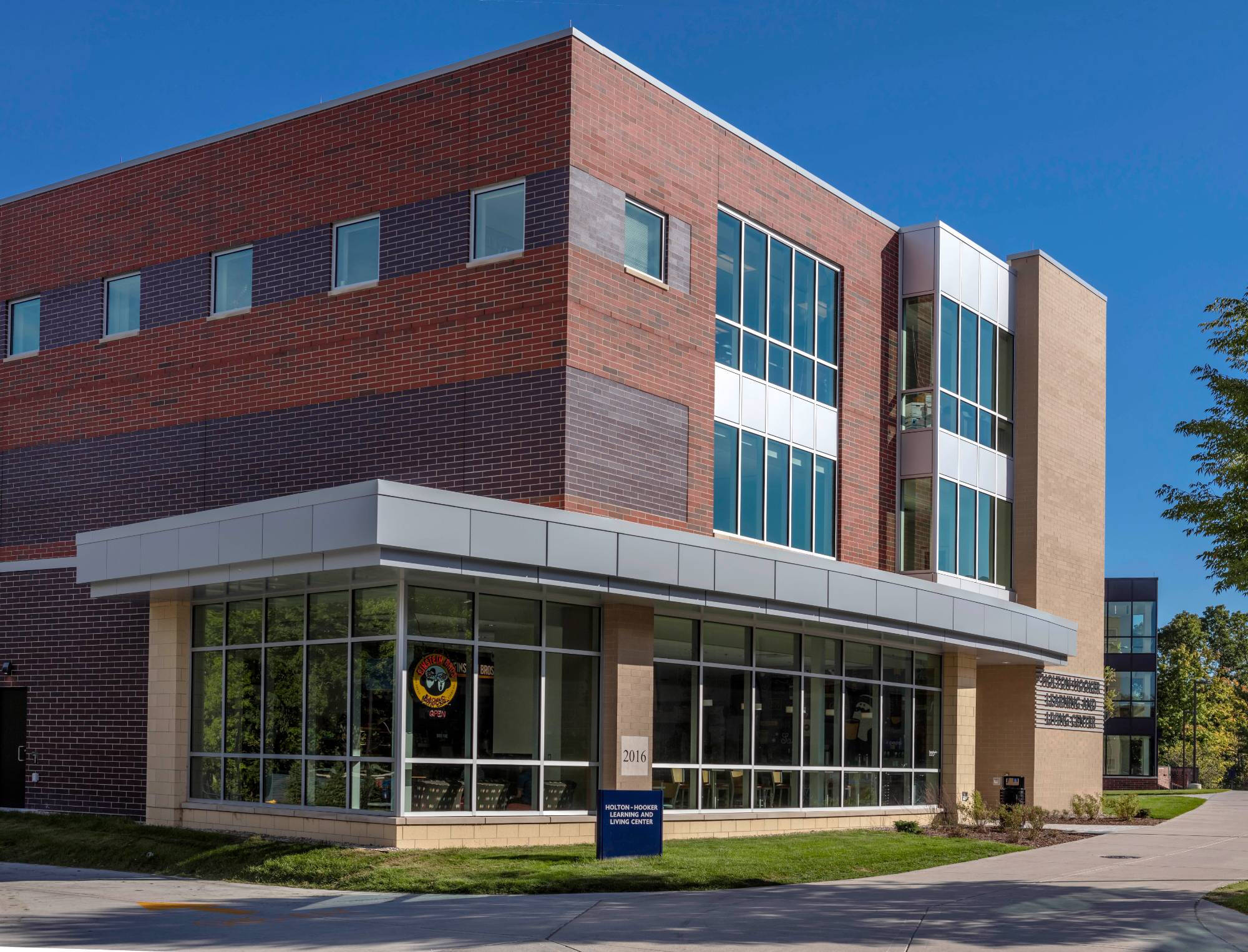
Meet the Team
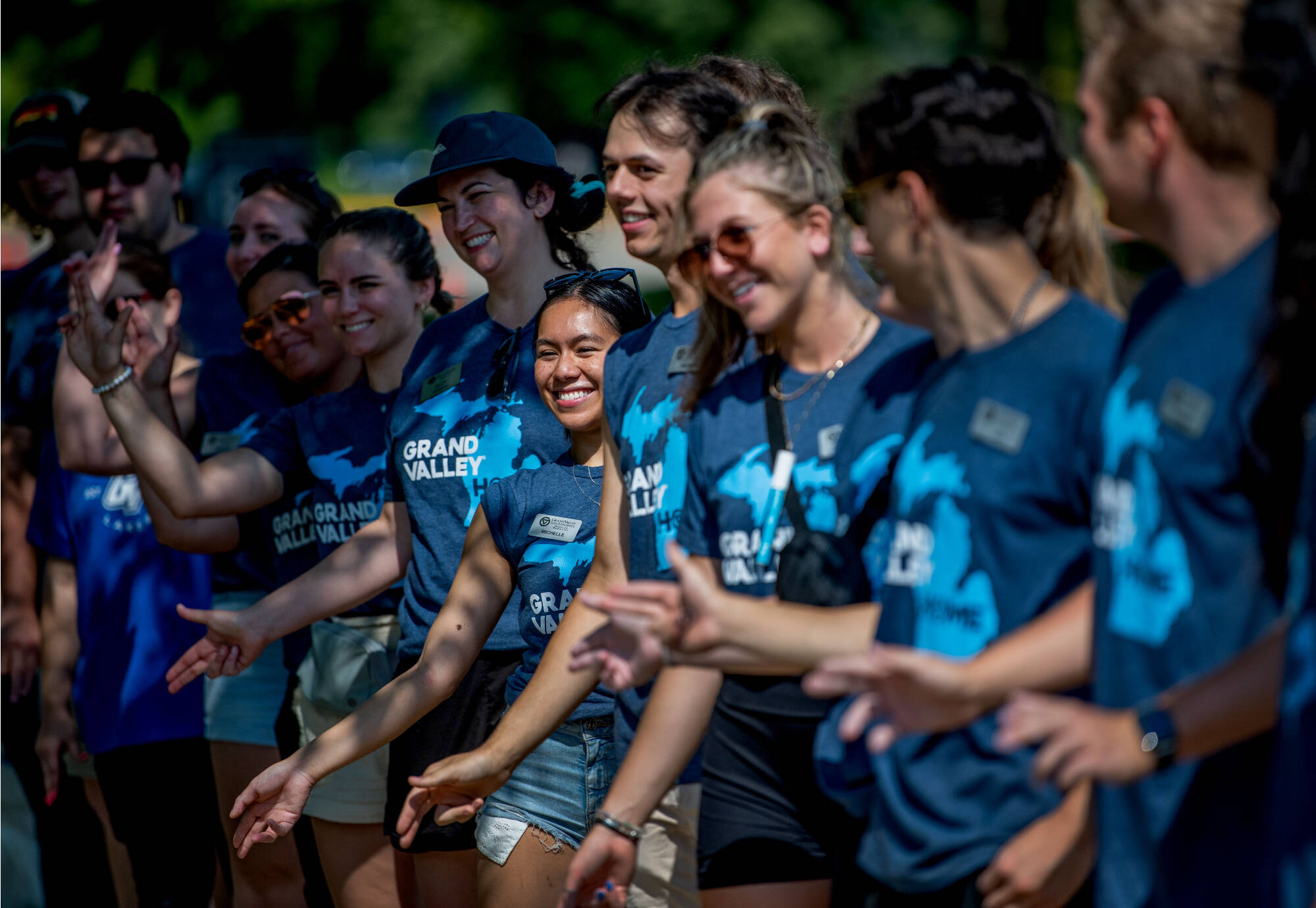
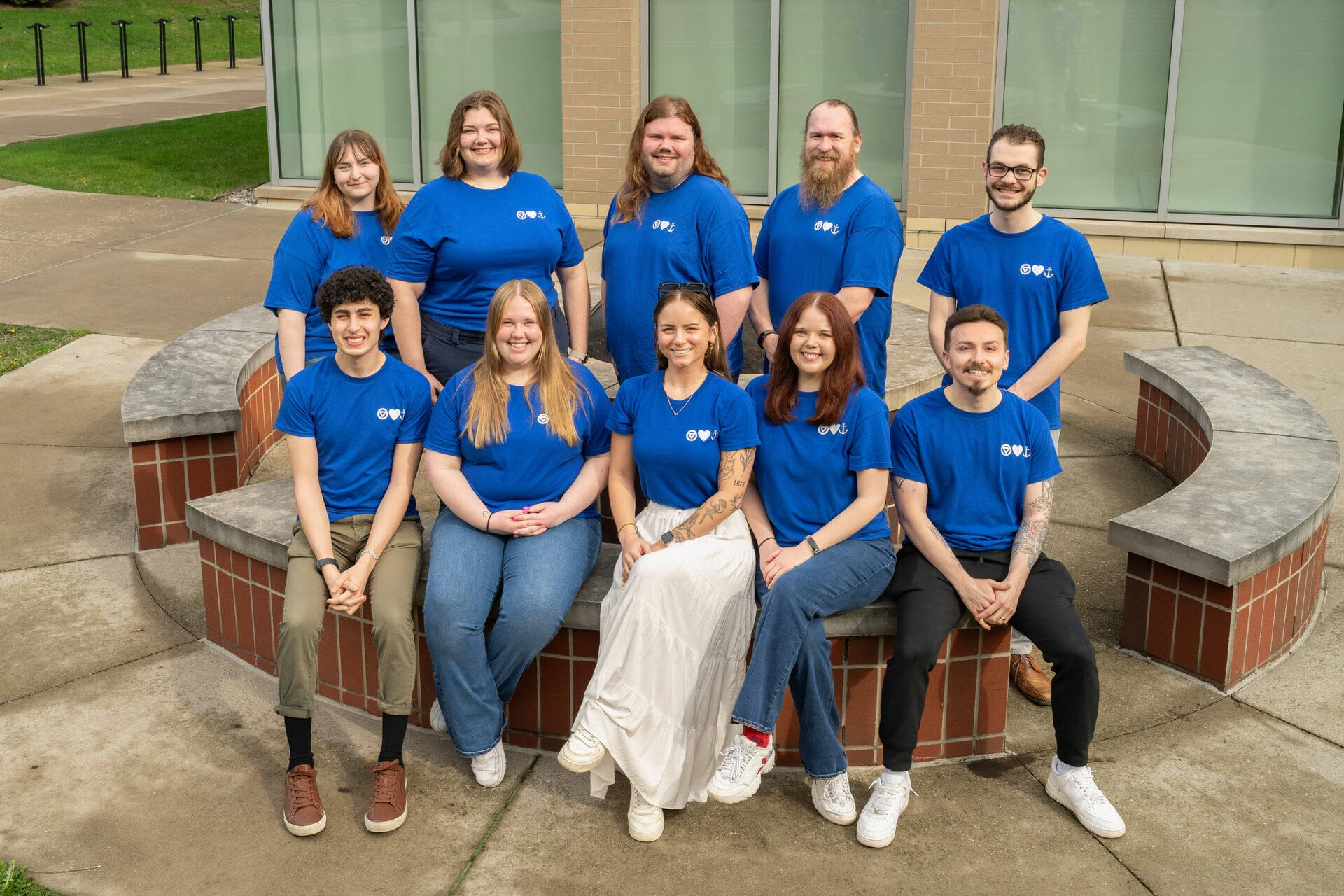
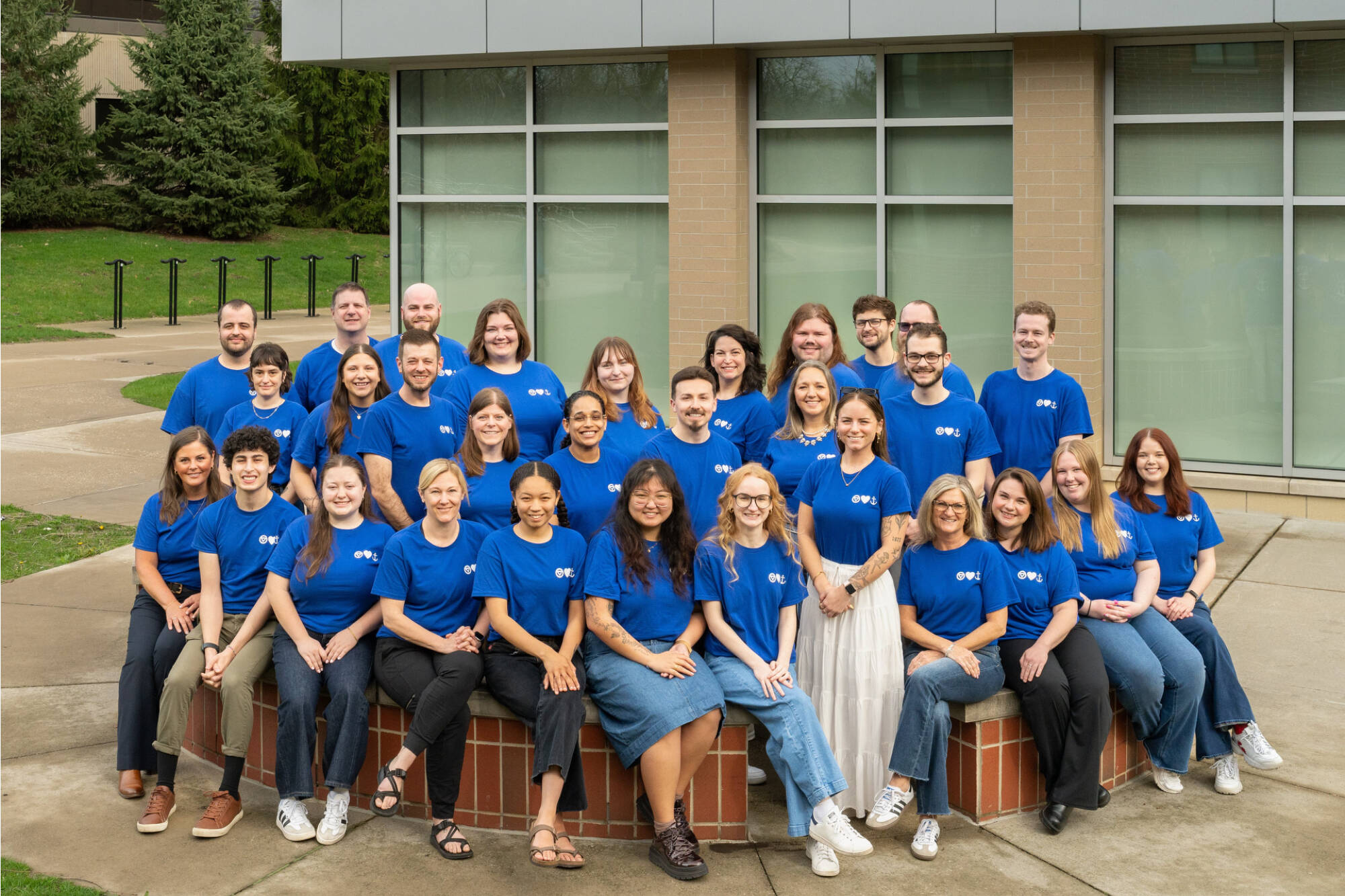
Resident Assistants
Trained Student Leaders
Community Directors
Professional Staff
Housing Office Staff
Full-Time Staff
Our Pillars
Wellness
Academic Success
Community Building
Belonging
Civic Engagement
Wellness means striving to create an environment where residential students take an active, conscious, and self-directed approach to making positive choices that contribute to their individual and collective wellness.
Academic Success means supporting students in reaching their academic and professional goals, by providing resources across campus and creating space for education outside of the classroom.
Community Building means fostering residential environments where students can enter safely, collaborate, and be open to dialogue.
Belonging means recognizing and valuing differences, avoiding exclusion or assumptions, and intentionally making room for every person’s voice and needs.
Civic Engagement means empowering students to address areas of concern, build stronger and healthier communities, and understand their personal obligations to others.
Interested in becoming a part of the community?
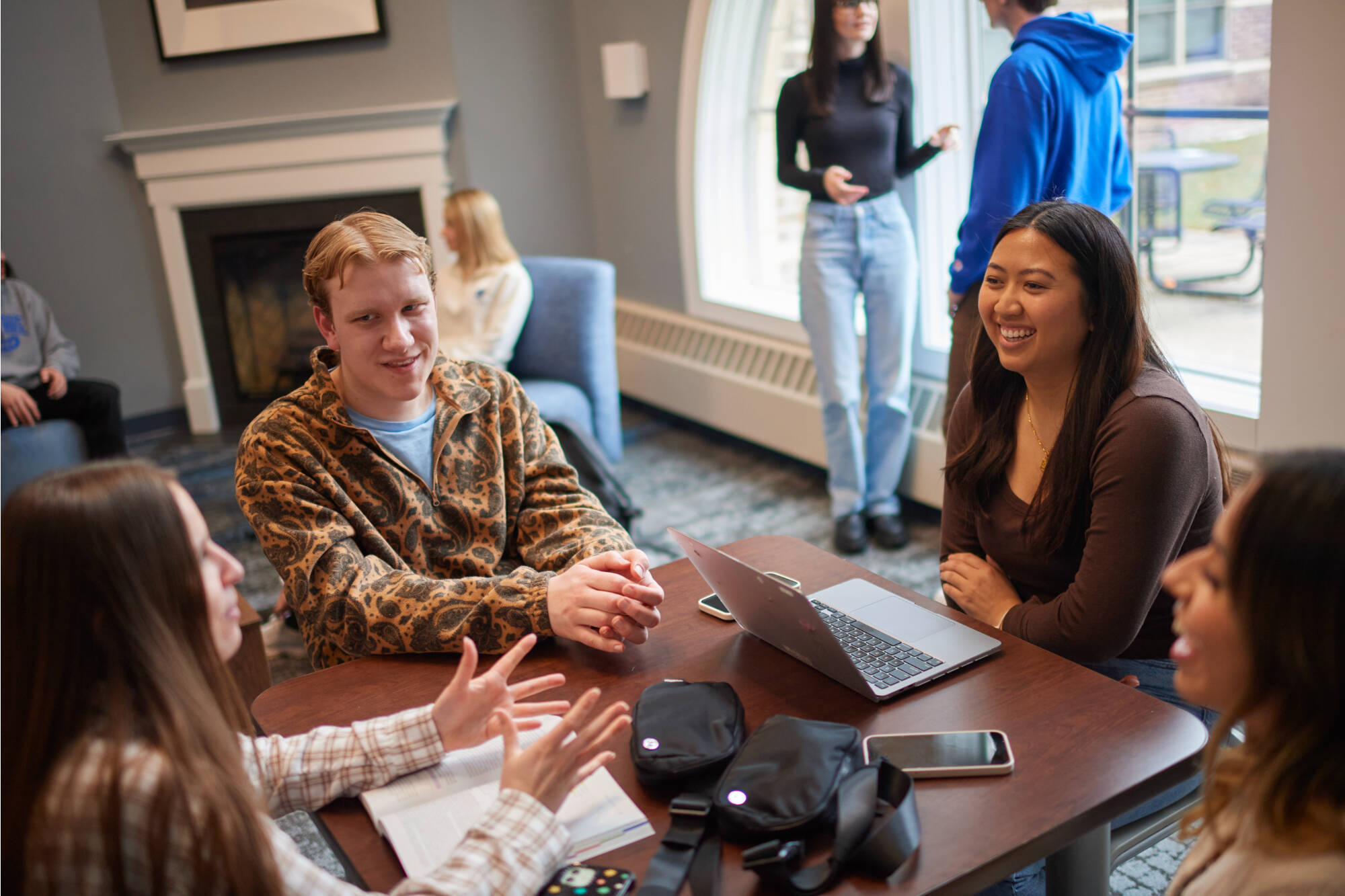
If you are interested in joining the GVSU campus community, you may want to check out our housing styles, application process, and follow us on social media to stay up to date! Please feel free to reach out to us if you have questions.