

Toolkit Video Library
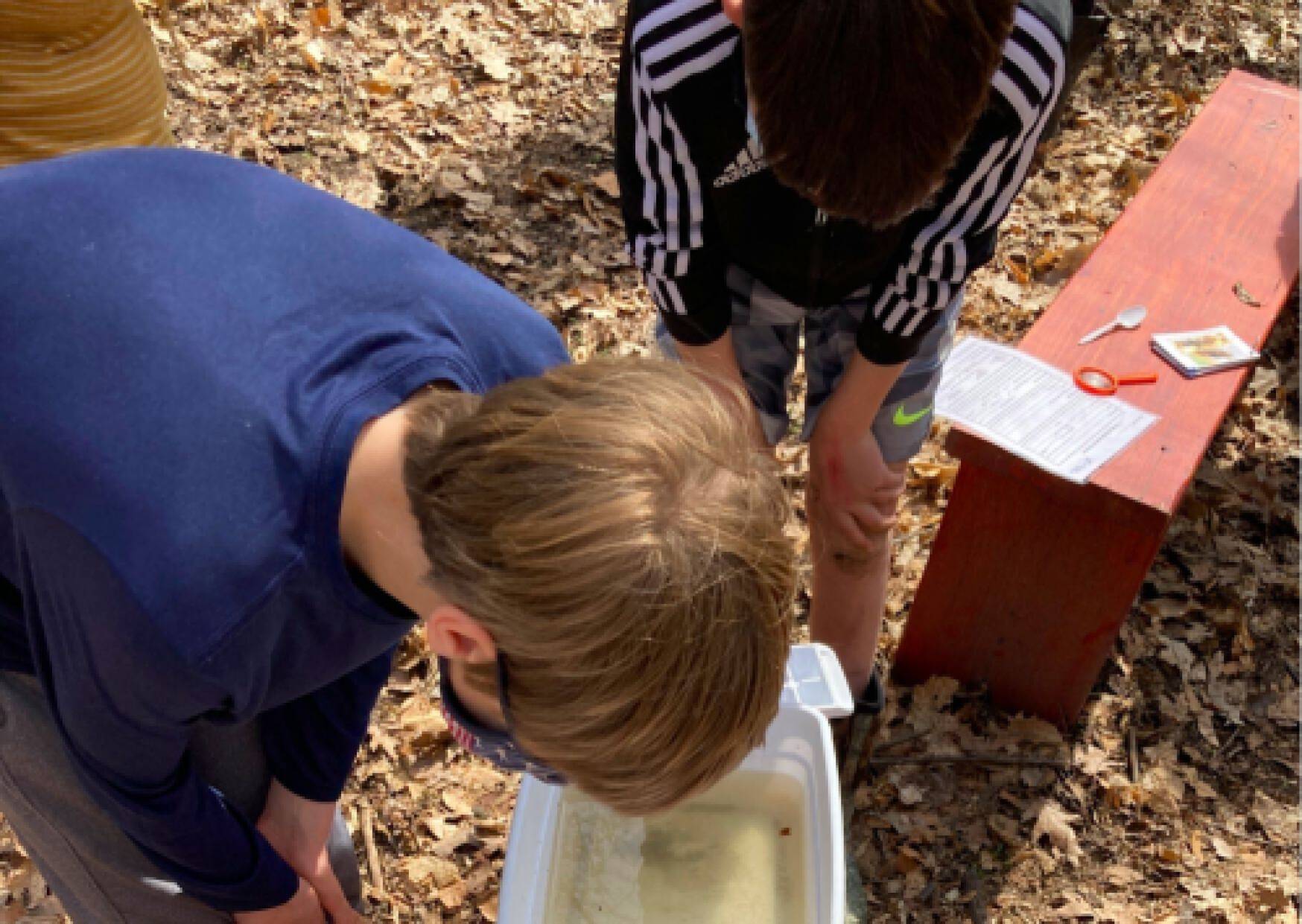
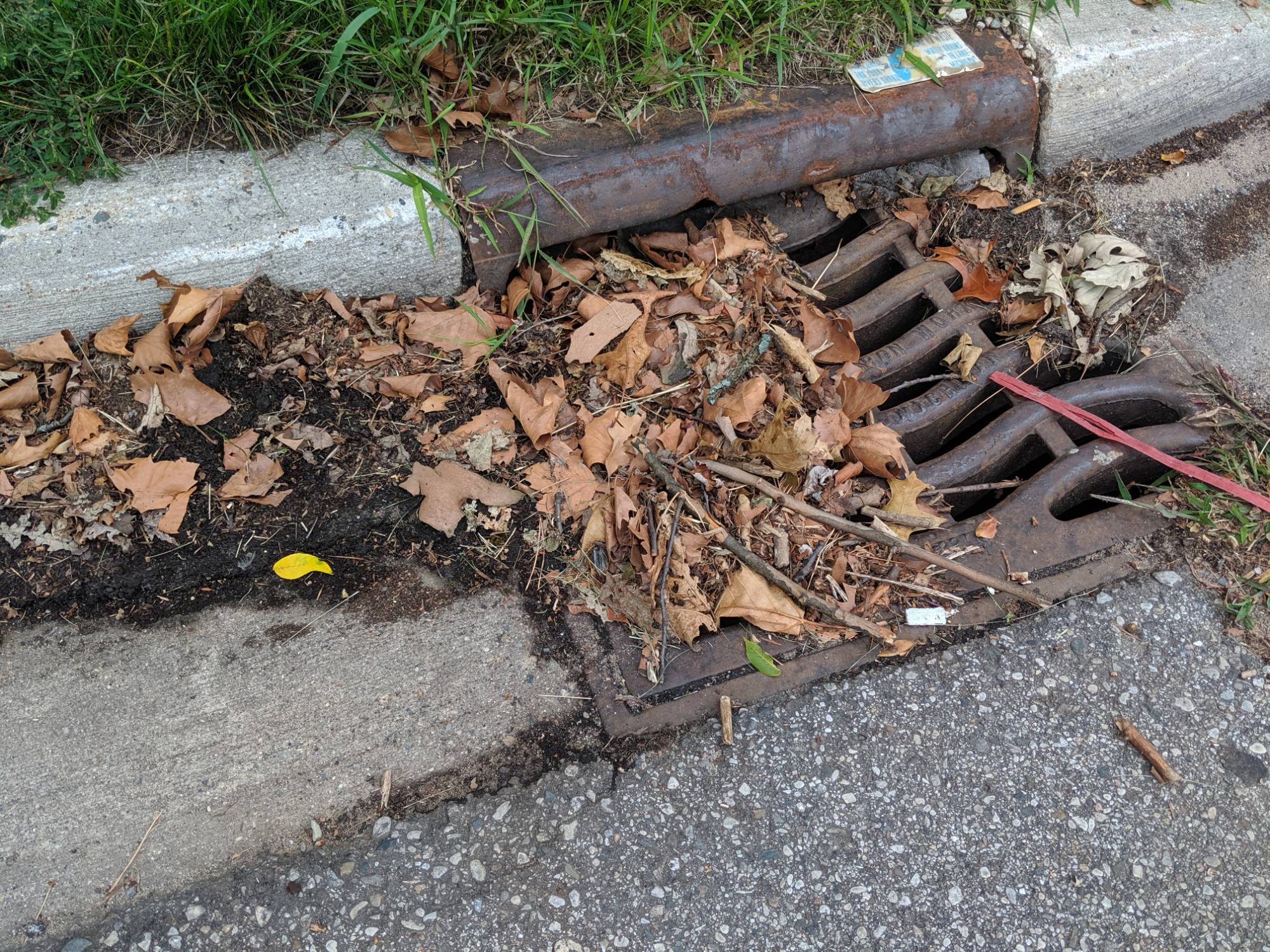
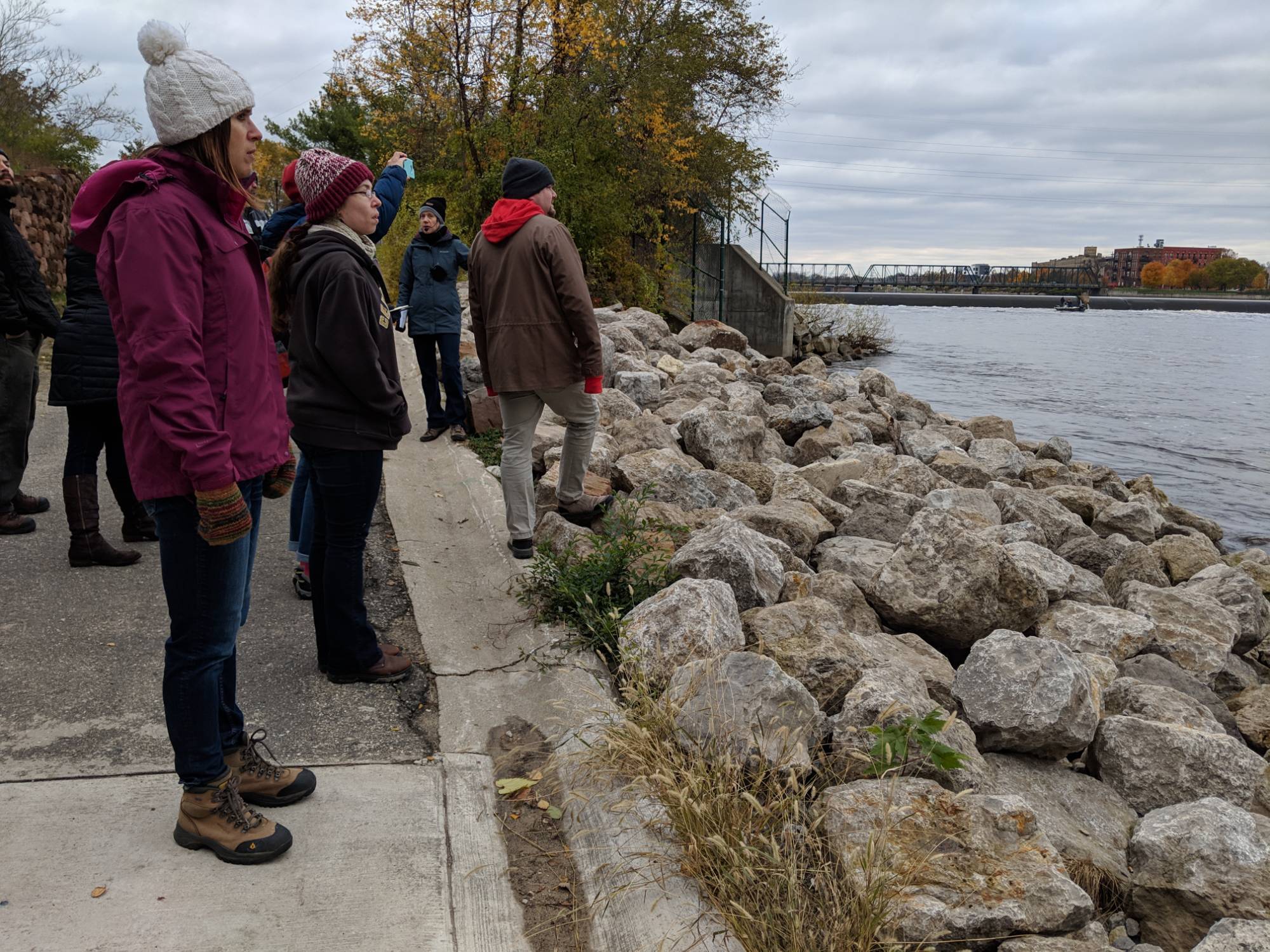
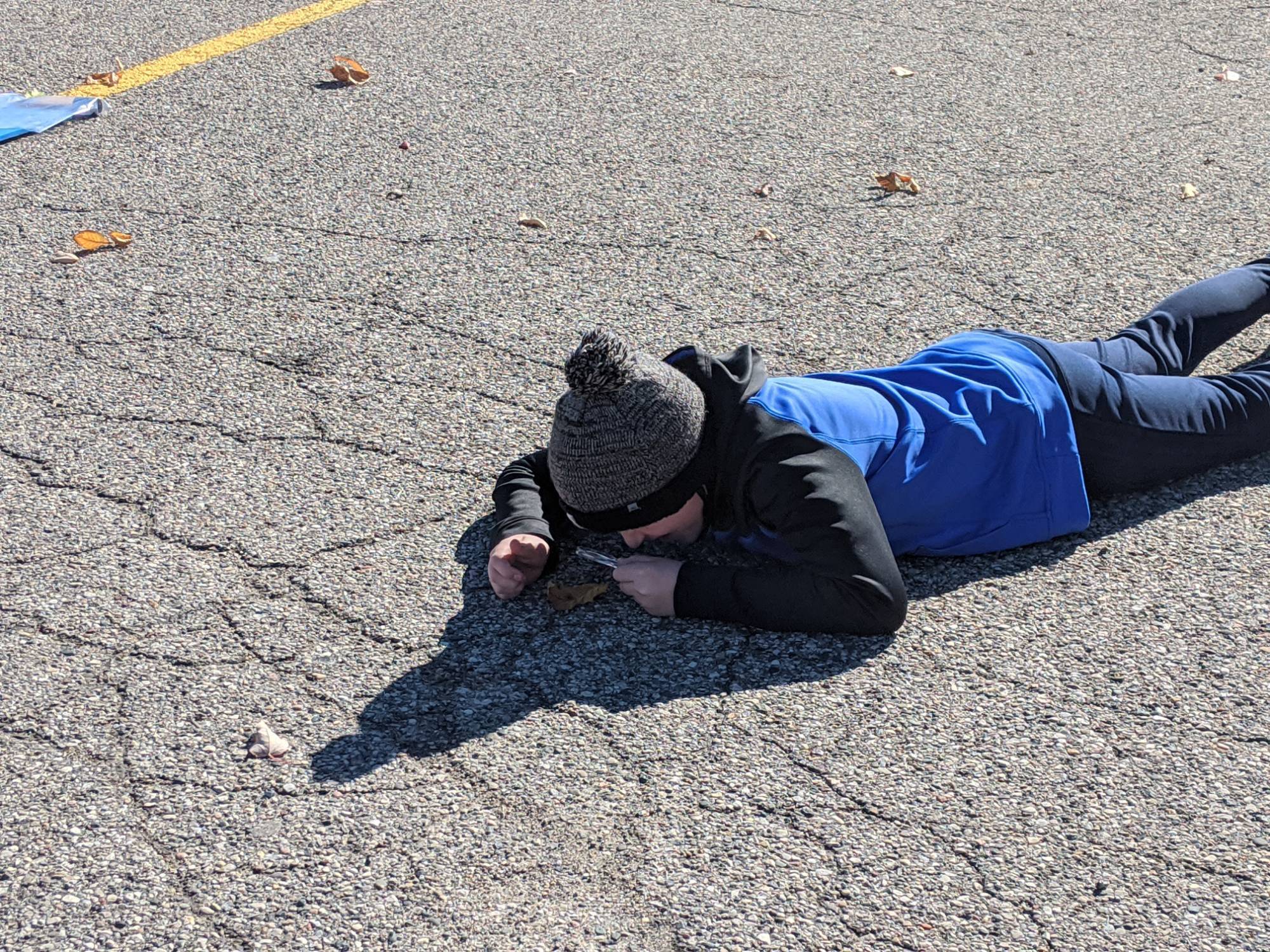
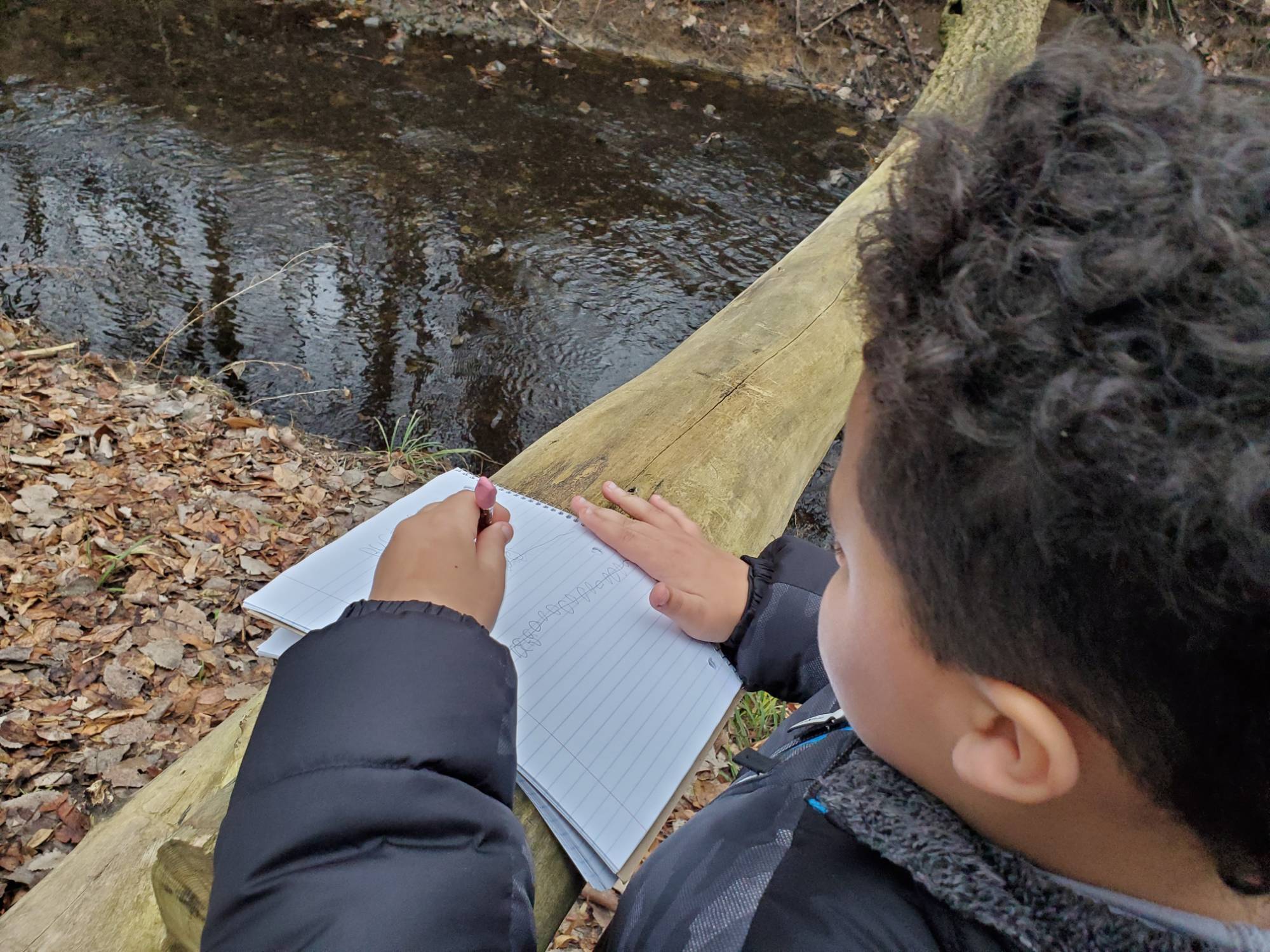
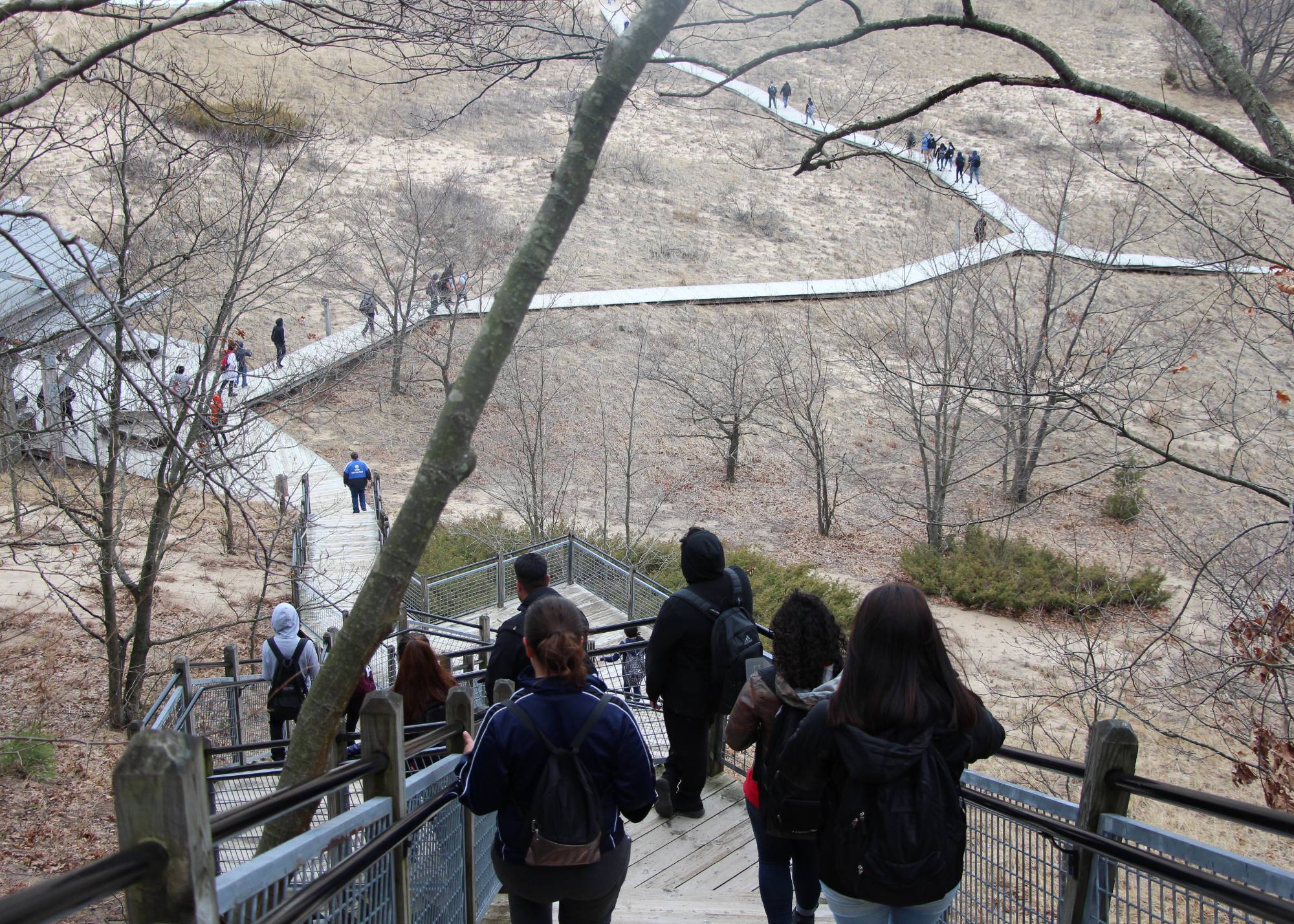
Interested in just checking out videos from the MWEE Toolkit? This video library contains all of the videos located in the toolkit, organized by the webpage they are located on in the toolkit. Jump to the videos you are interested in using the options below.
The Meaningful Watershed Education Experiences (MWEE) contains four essential elements that describe “what students do," creating a learner-centered framework. The Great Lakes Literacy Principles (GLLP) can be used to frame a MWEE. Visit the MWEE Toolkit Homepage to learn more!
What is a MWEE?

Great Lakes Literacy Principles
These videos were created in partnership with WGVU with NOAA support.
For the issue definition element of the MWEE, students plan and conduct background research and investigations. This work can be anchored with Great Lakes Literacy Principle 1 to connect students' lived experiences to what is happening in their watershed and the broader Great Lakes watershed. Hear from local teachers about how they boost student engagement and student voice throughout the process. Visit the Issues Definition page to learn more!
Issue Definition Overview
Great Lakes Literacy Principle 1
Classroom Connection
These videos were created in partnership with WGVU with NOAA support.
Supplemental videos from the Issue Definition page
Grand River Walk
Throughout a MWEE, students participate in multiple Outdoor Field Experiences to explore a driving question and interact with their local environment. This work can be anchored with Great Lakes Literacy Principle 5 to connect students' lived experiences to what is happening in their watershed and the broader Great Lakes watershed. Plan your outdoor field experiences in your watershed by considering what natural features, equipment, facilities, and/or programs would be needed for the location to be accessible for all your students. Visit the Outdoor Field Experiences page to learn more!
Outdoor Experiences Overview
Great Lakes Literacy Principle 5
Classroom Connection
These videos were created in partnership with WGVU with NOAA support.
Supplemental videos from the Outdoor Field Experiences page
RAIL Project
Stream Monitoring
Walking Audits
Explore Local Parks
Frequent reflection provides students with the foundation to develop claims and take environmental action. Using a student driven approach, promote student synthesis and conclusions with interdisciplinary opportunities in the classroom. Visit the Synthesis and Conclusions page to learn more!
Synthesis & Conclusions
Classroom Connections
These videos were created in partnership with WGVU with NOAA support.
Supplemental videos from the Synthesis and Conclusions page
Student Project: Wildlife Habitat
Student Project: Pollution Solutions
Student Project: Water Quality
See positive student outcomes through action projects that directly address the issues students identify within their school, neighborhood, or community with Environmental Action Projects. This work can be anchored with Great Lakes Literacy Principle 6 to connect students' lived experiences to what is happening in their watershed and the broader Great Lakes watershed. Visit the Environmental Action Projects page to learn more!
Environmental Action Projects
Great Lakes Literacy Principle 6
Classroom Connections
These videos were created in partnership with WGVU with NOAA support.
Supplemental videos from the Environmental Action Projects page
Student Project: Restoration
Student Project: Everyday Choices
Student Project: Community Outreach
Student Project: Civic Engagement
Groundswell has created a wealth of resources to support Meaningful Watershed Educational Experiences in your learning space and community. Visit the Curriculum Anchor page to learn more!
Videos from the Communities for Clean Water page
Watersheds 101
Excess Sediment
Managing Pathogens
Managing Nutrients
Videos from the River Rewilding page
Curriculum Overview
Macro ID
Hester Dendy Sampler
Grand Rapids History
Professional Learning
Videos from the Creating Meaningful Outdoor Experiences page
Unit Overview