

Curriculum Anchor
About
Groundswell has created a wealth of resources to support Meaningful Watershed Educational Experiences in your learning space and community.
Available resources:
- Explore watersheds and nonpoint source pollution with the Communities for Clean Water series.
- Connect to your place with a MWEE Guide specifically focused on the Great Lakes.
- Examine the Grand River Revitalization with a focus on social and economic impacts and water quality.
- Utilize additional classroom resources to explore your community.
About
Designed to build a solid understanding of watersheds and non-point source pollution, this lesson series covers the following topics: an introduction to watersheds and water pollution, managing excess sediment, managing pathogens, and managing excess nutrients.
Watersheds and Nonpoint Source Pollution Basics
Managing Excess Sediment
Managing Pathogens

Managing Excess Nutrients
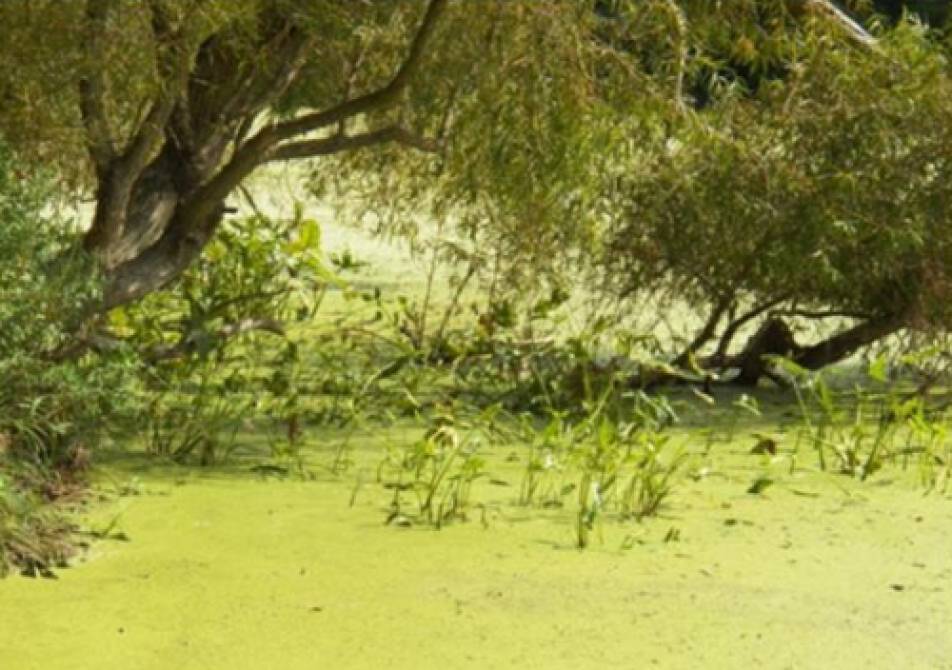
Lesson 1: Watersheds and Nonpoint Source Pollution introduces students to scientific models that help them conceptualize watersheds and their importance for managing nonpoint sources of pollution.
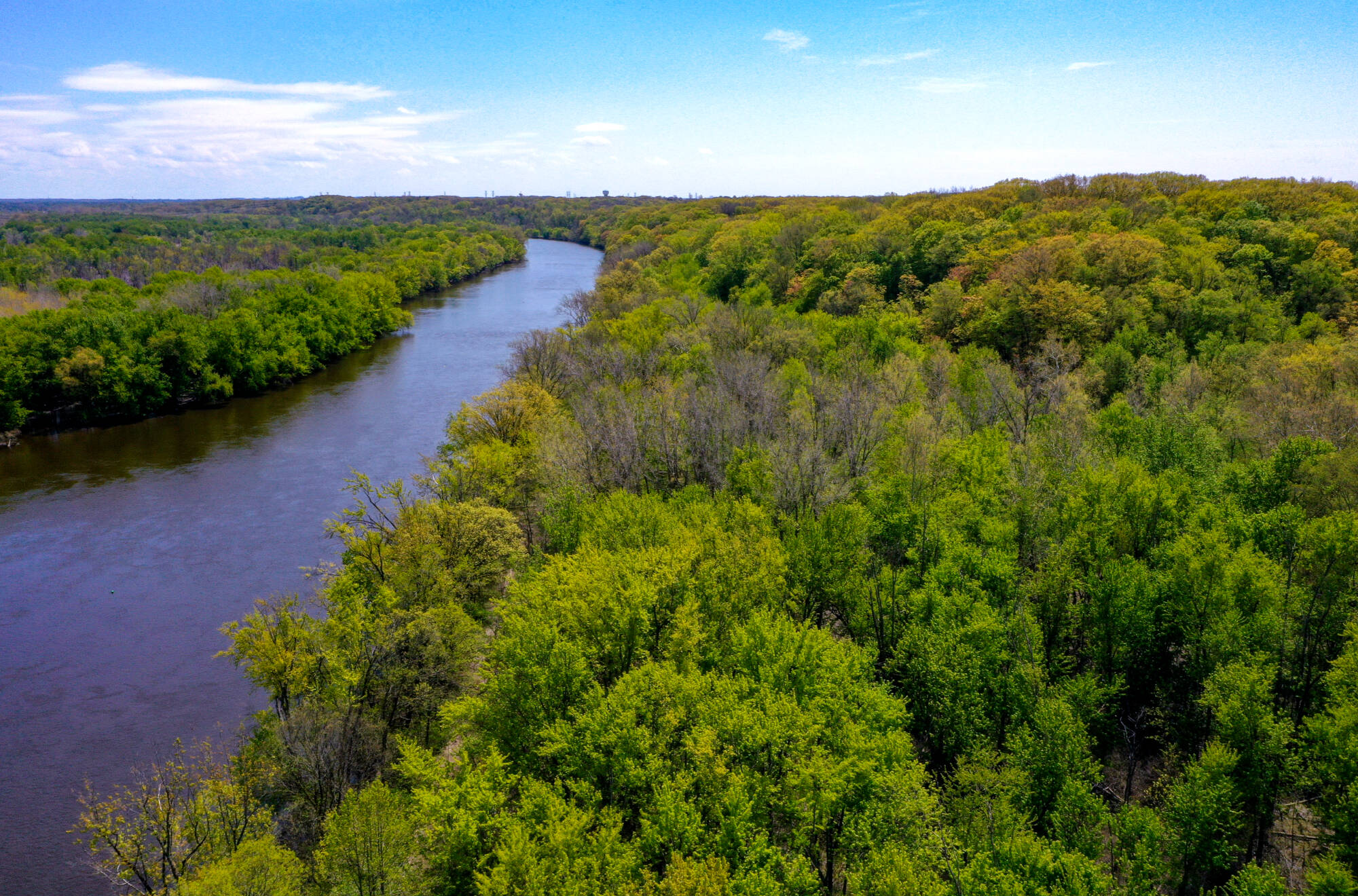
Lesson 2: Managing Excess Sediment facilitates student understanding of the role of sediment as a major type of nonpoint source pollution.
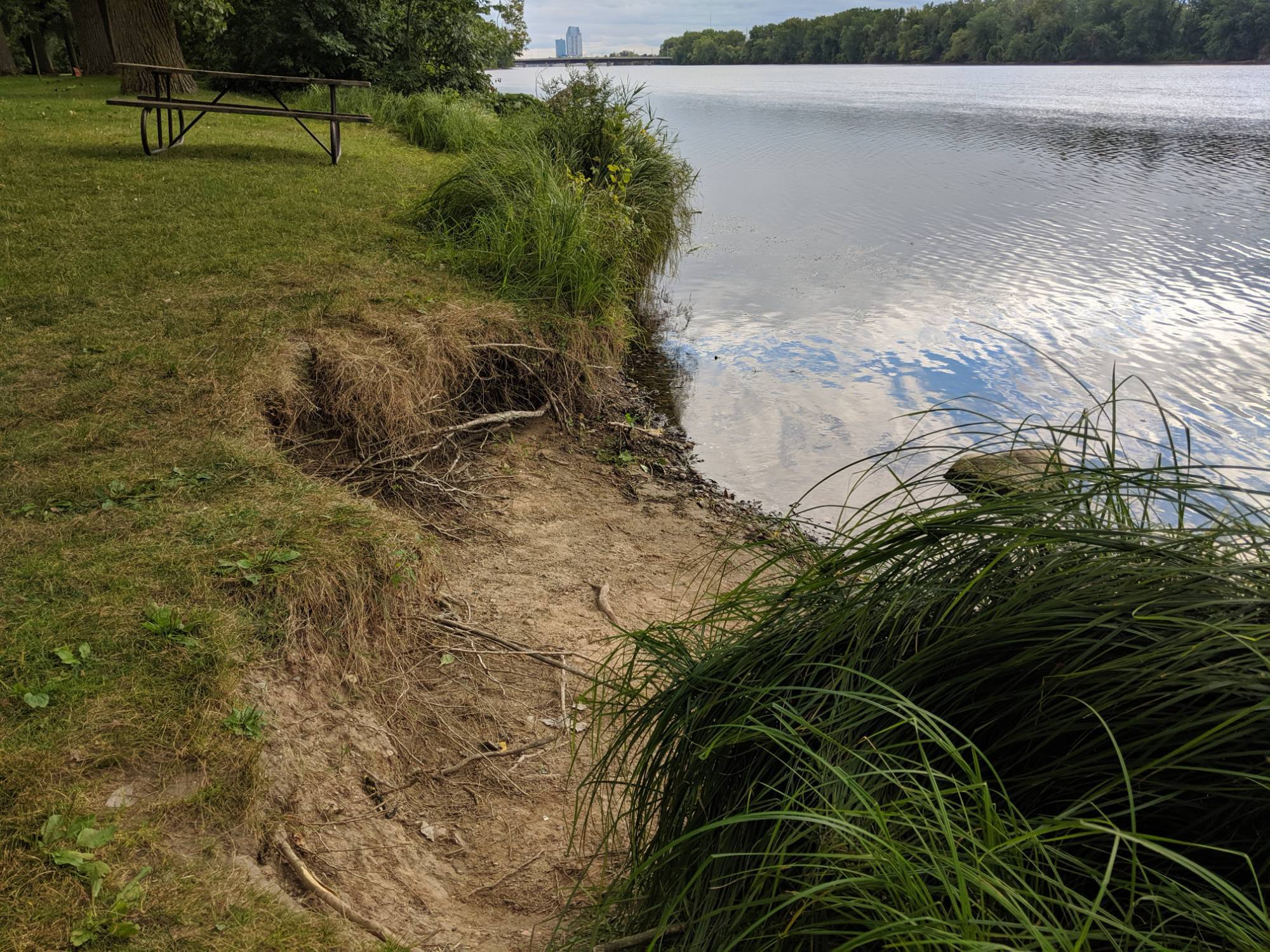
Lesson 3: Managing Pathogens builds student understanding of the role of pathogens as a major type of nonpoint source pollution.
Lesson 4: Managing Excess Nutrients facilitates student understanding of the role of excess nutrients as a major type of nonpoint source pollution.
Designed to provide students with a Meaningful Watershed Educational Experience (MWEE) centered on the Great Lakes Watershed, this unit guides students through the process of implementing a stewardship project within their community with an emphasis on their role in the Great Lakes Ecosystem.
Lessons were designed for students in fifth grade through high school. This unit addresses Michigan K-12 Science Standards and Michigan K-12 Social Studies Standards. Place-based examples of these standards will be supplemented with Great Lakes Literacy Principles and with an emphasis on the four primary focus areas of the Great Lakes Restoration Initiative (GLRI) Action Plan: cleaning up Great Lakes Areas of Concern, preventing and controlling invasive species, reducing nutrient runoff that contributes to harmful/nuisance algal blooms, and restoring habitat to protect native species.
Unit Highlights
Get started right away with the ready to go resources below!
Want to dive in deeper? Download the entire Creating Meaningful Outdoor Experiences Guide!
Are you looking for an activity to support students through a specific part of the MWEE process? Visit the Creating Meaningful Outdoor Experiences page!
Issue Selection
Generating Questions
Developing a Plan
Synthesis and Conclusions
Guide students through a decision-making process to identify the issue they would like to address with an action project.
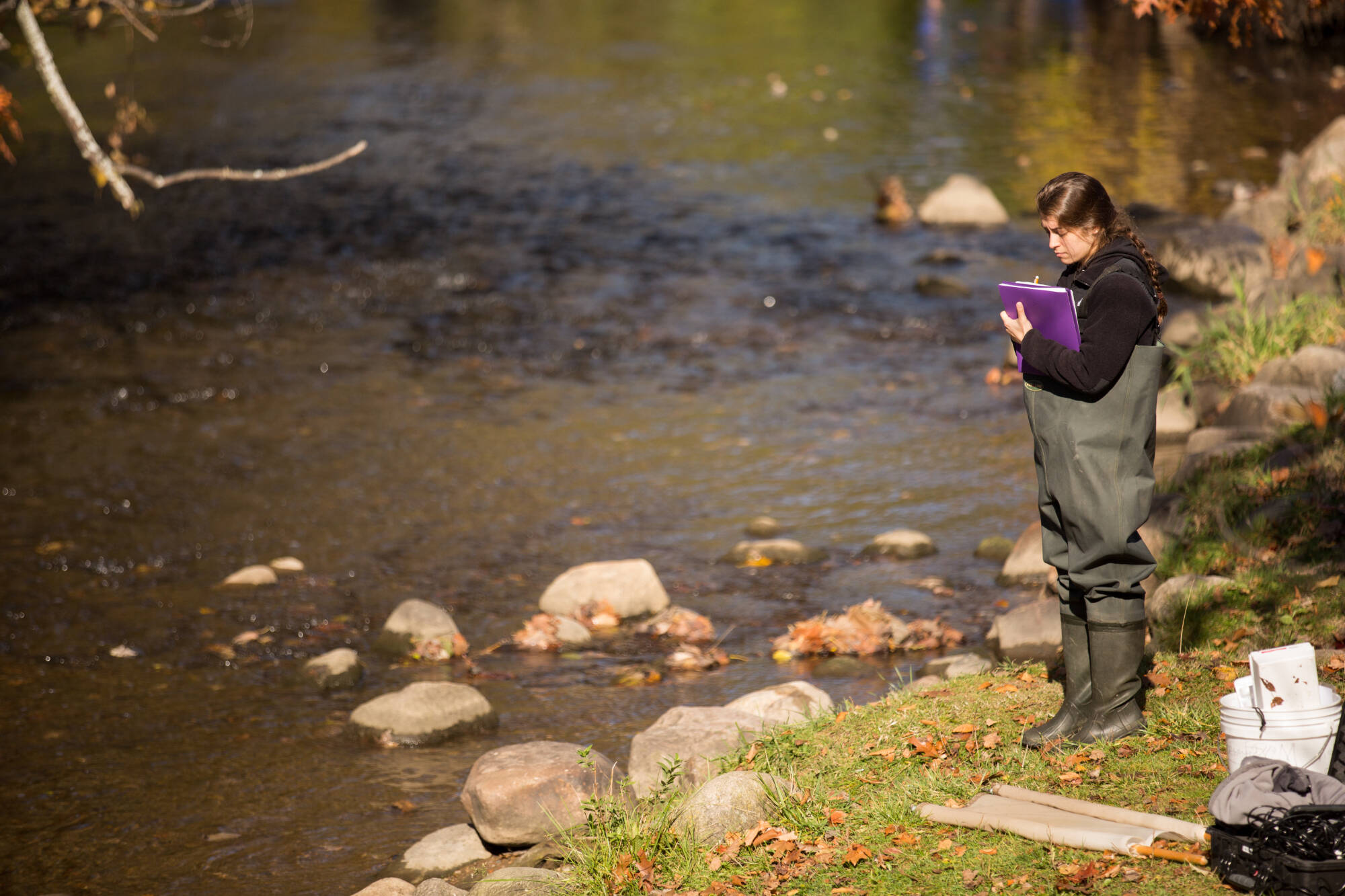
Walk students through the process of conducting background research and generating research questions around an issue.
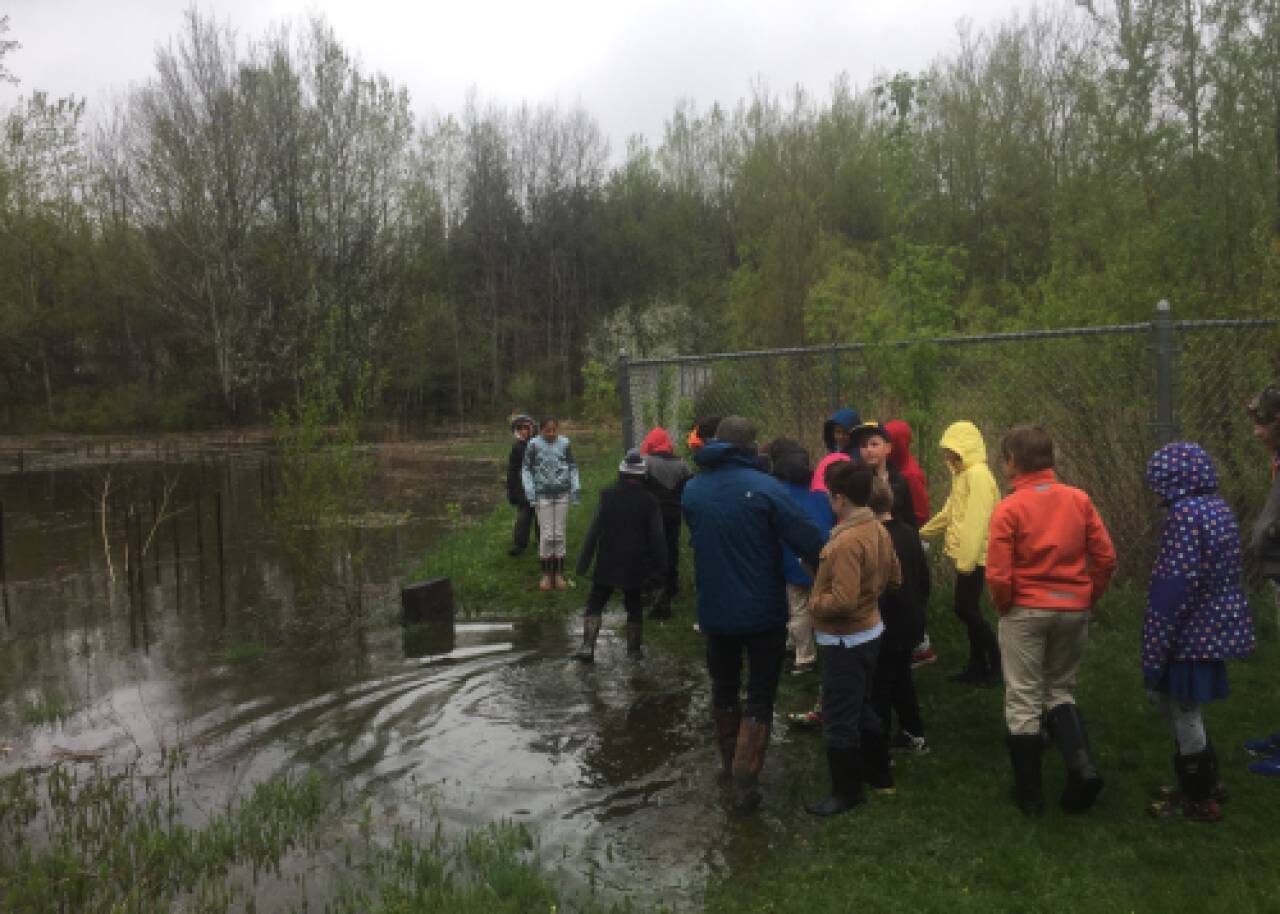
Incorporate and honor student ideas and input using a stewardship project framework.
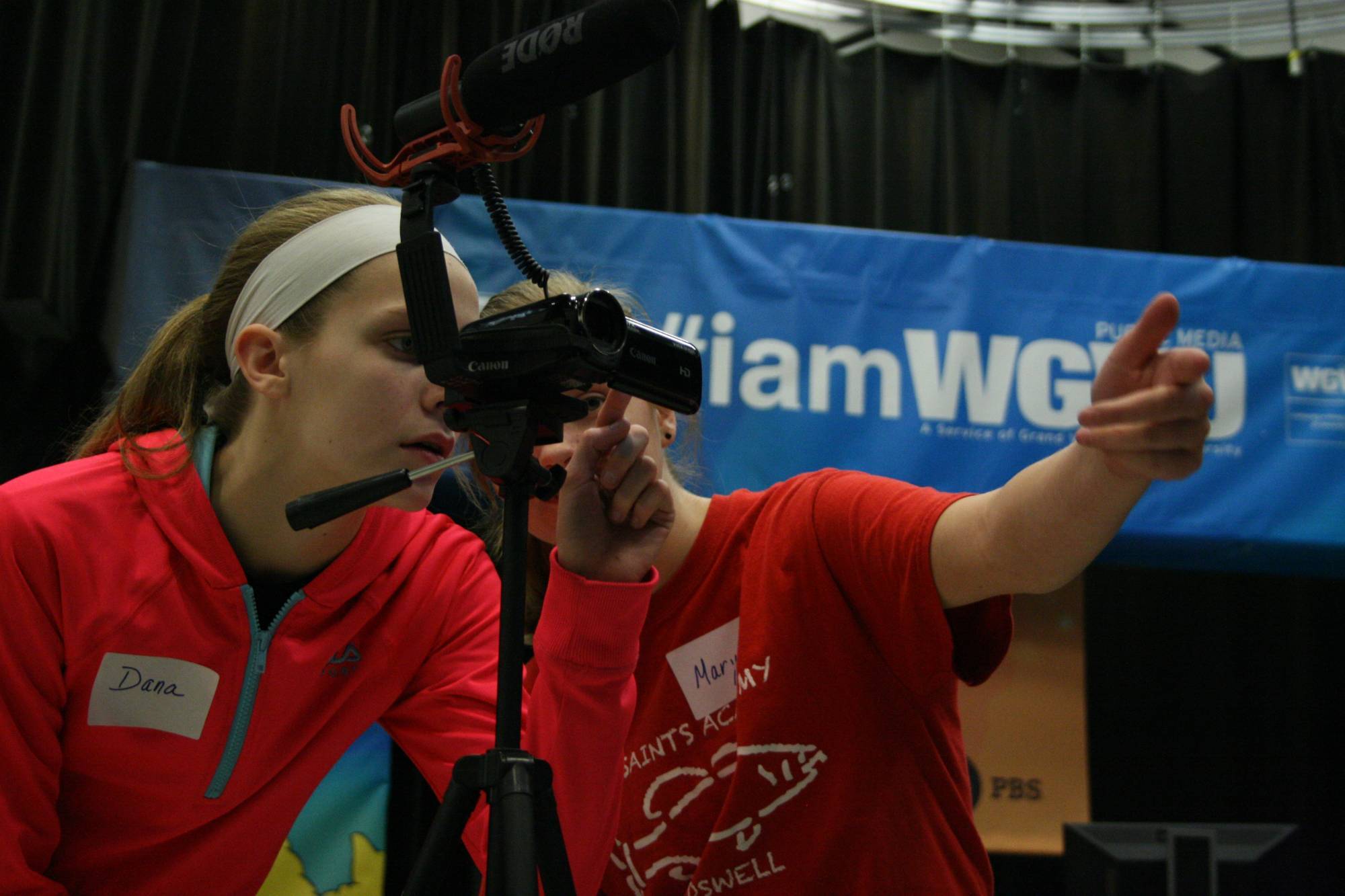
Students reflect on the experience of participating in an Environmental Action Project and then examine the range of influence of their project.
Dive Deeper
The above lessons guide students through the four stages of a Meaningful Watershed Educational Experience. The sequence of a MWEE, outlined by the NOAA Bay Watershed Education and Training (B-WET) Program, is:
This River Rewilding Collection contains a set of units that highlight the social and economic, historic, and biological impacts of rewilding the Grand River through the Grand River Revitalization Effort.
To explore each of the units individually, check out the unit descriptions below:
Unit 1: Grand River Restoration and Revitalization Project: Students explore the Grand River Revitalization & Restoration Project. They look at the economic opportunities associated with the Grand River and community access to the Grand River. They then learn about two species impacted by the restoration: the lake sturgeon and the sea lamprey.
Unit 2: Advanced Water Quality: This unit has three parts: stream habitat assessment, macroinvertebrate analysis, and macroinvertebrate design challenge.
Unit 3: Grand River Social and Economic Impacts: Students examine the social and economic role that the Grand River has played in the Grand Rapids community, beginning with the Paleo-Indians through today.
River Revitalization Overview
Social and Economic Impacts
Advanced Water Quality Assessment
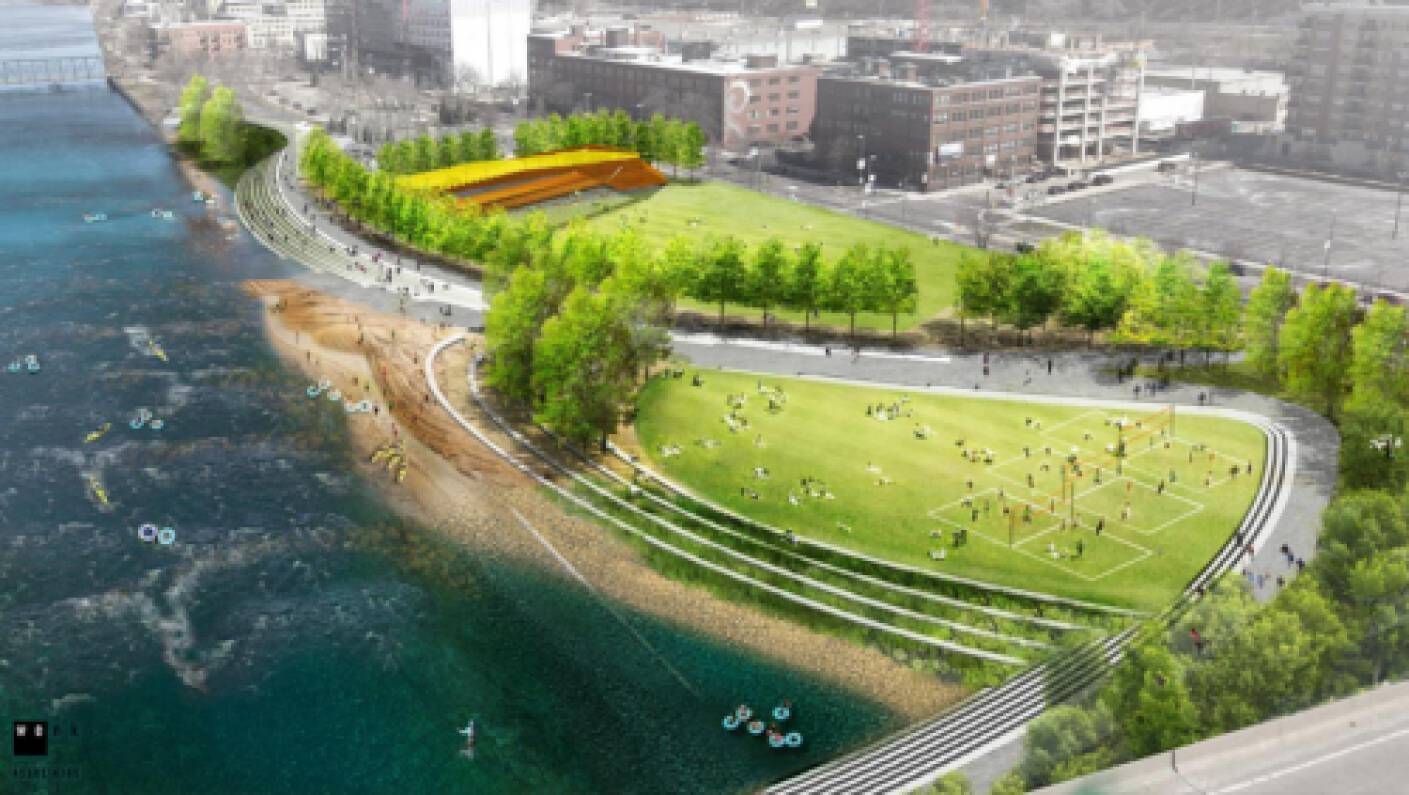
Students will explore the Grand River Revitalization & Restoration Project in this unit. They will look at the economic opportunities associated with the Grand River and community access to the Grand River.
They will then learn about two species impacted by the restoration:
- Lake Sturgeon (a desired species)
- Sea Lamprey (an invasive species)
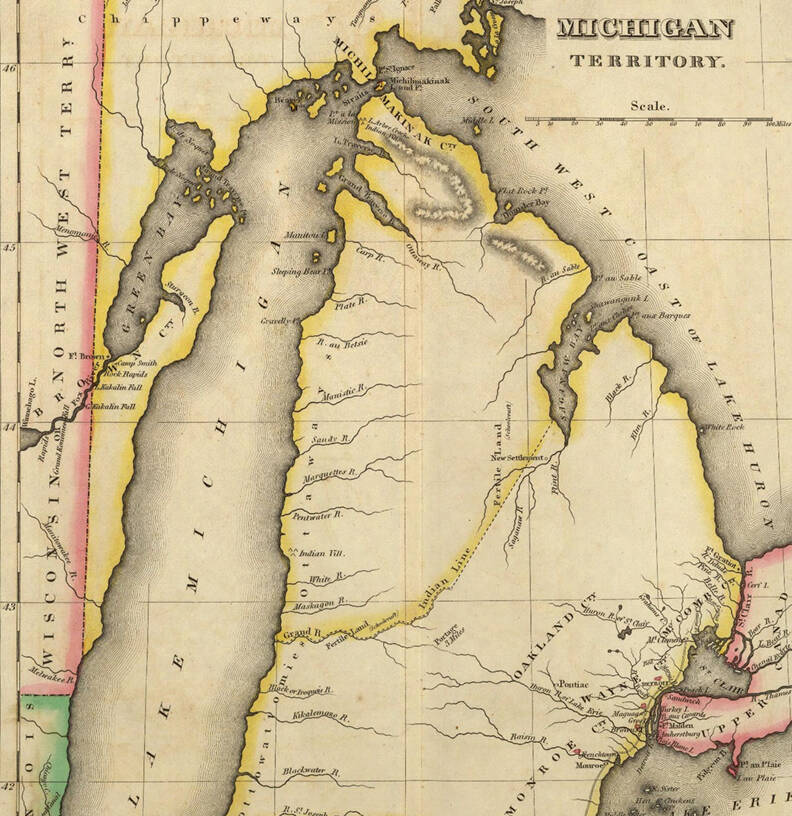
This unit examines the social and economic role that the Grand River has played in the Grand Rapids community. It begins with the Paleo-Indians and goes through today. Students will look at primary source readings, artifacts, and summaries of different periods. Students will examine the role of the river in society and the impacts of humans on the river, as well as explore how the change in population and uses of the river impact river quality.
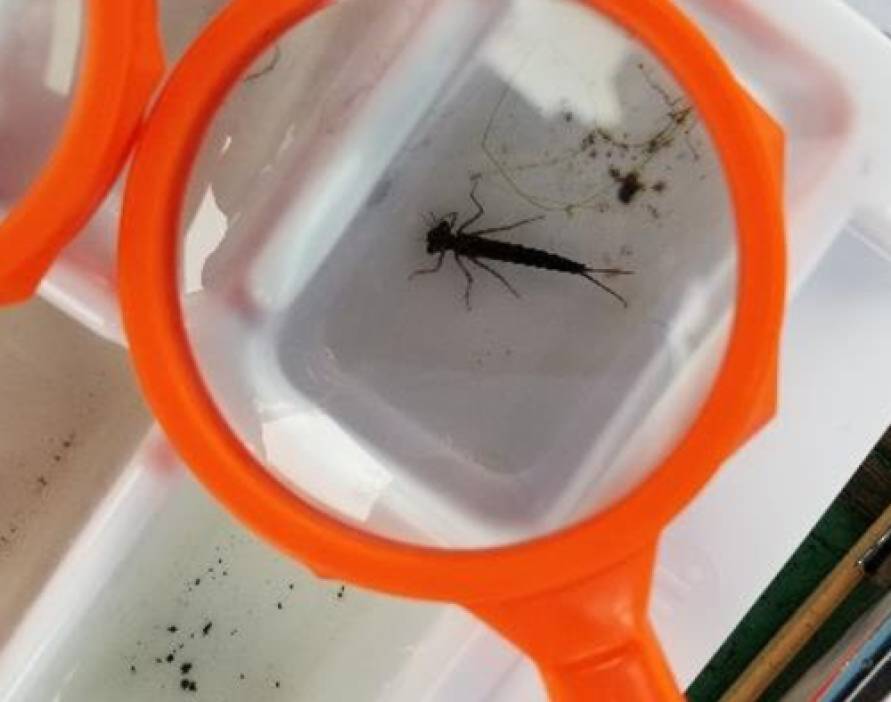
There are three parts to this unit: Stream Habitat Assessment, Macroinvertebrate Analysis, and a Macroinvertebrate Design Challenge
Students will have experience analyzing and interpreting streams' biotic and abiotic factors and designing and testing a macroinvertebrate sampler that mimics a stream habitat. This unit asks students to consider what actions could be taken to reduce human impacts and improve stream quality.
MEECS (Michigan Environmental Education Curriculum Support)
Engage students with Michigan specific lessons about the environment! MEECS is a state-specific environmental education curriculum support funded and managed by the Michigan Department of Environment, Great Lakes, and Energy. Lessons are inquiry-oriented and data-based. The units are designed to provide supplemental lessons for your science and social studies curricula for grades 3-12. MEECS lessons are available on PBS Learning Media, GoOpen Michigan, and Google Drive.
MEECS on Google Drive
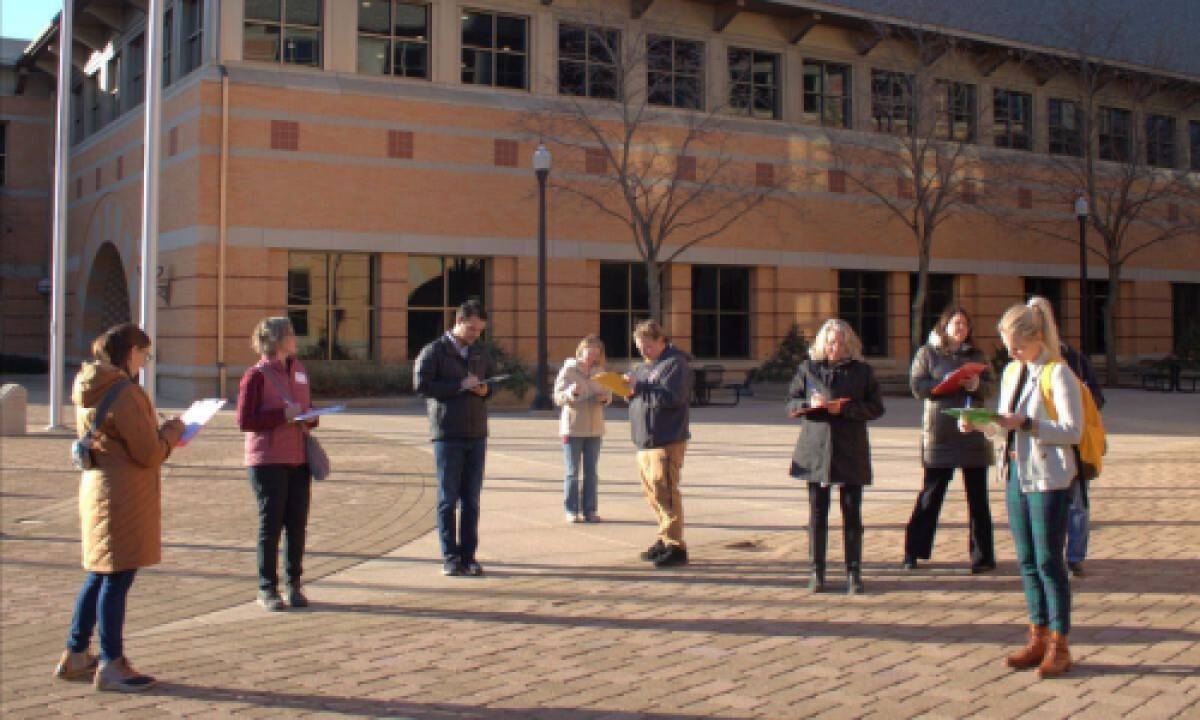
Explore MEECS on Google Drive
PBS Learning Media
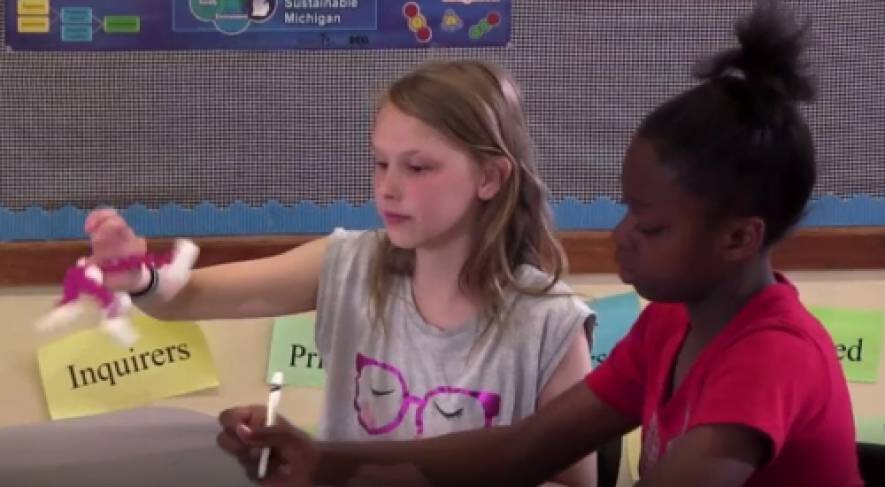
Explore MEECS on PBS Learning Media
MEECS on GoOpen
Explore MEECS on GoOpen Michigan.
The third edition of the following MEECS Units are available on Google Drive:
The second edition of the MEECS Units is available on PBS Learning Media. The video lessons on PBS Learning Media provide demonstrations of MEECS lessons being used with students and include resources for download.
The second and third editions of the MEECS Units are available on GoOpen Michigan.
NOAA's MWEE Guide
NOAA's An Educator's Guide to the Meaningful Watershed Educational Experience (MWEE) contains tools, worksheets, and information to support educators as they implement a MWEE in their learning space.
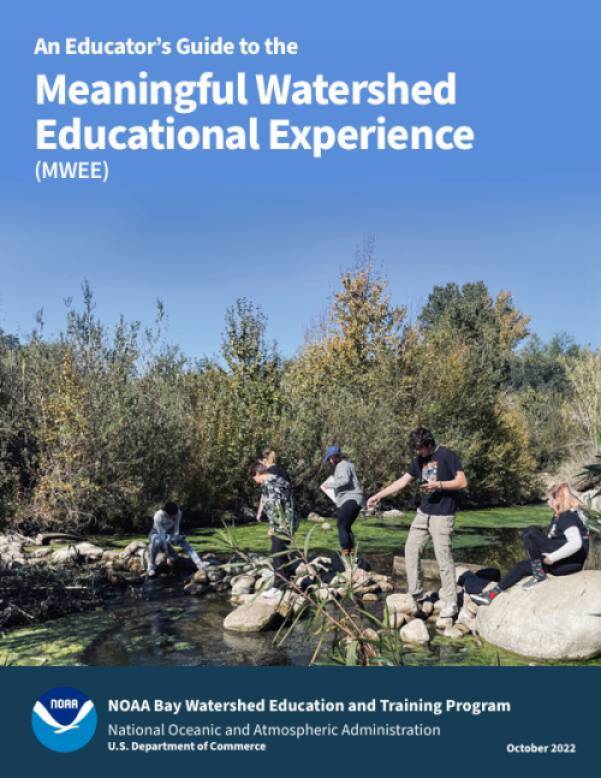
Download the NOAA MWEE Educator Guide