

Outdoor Field Experiences
About
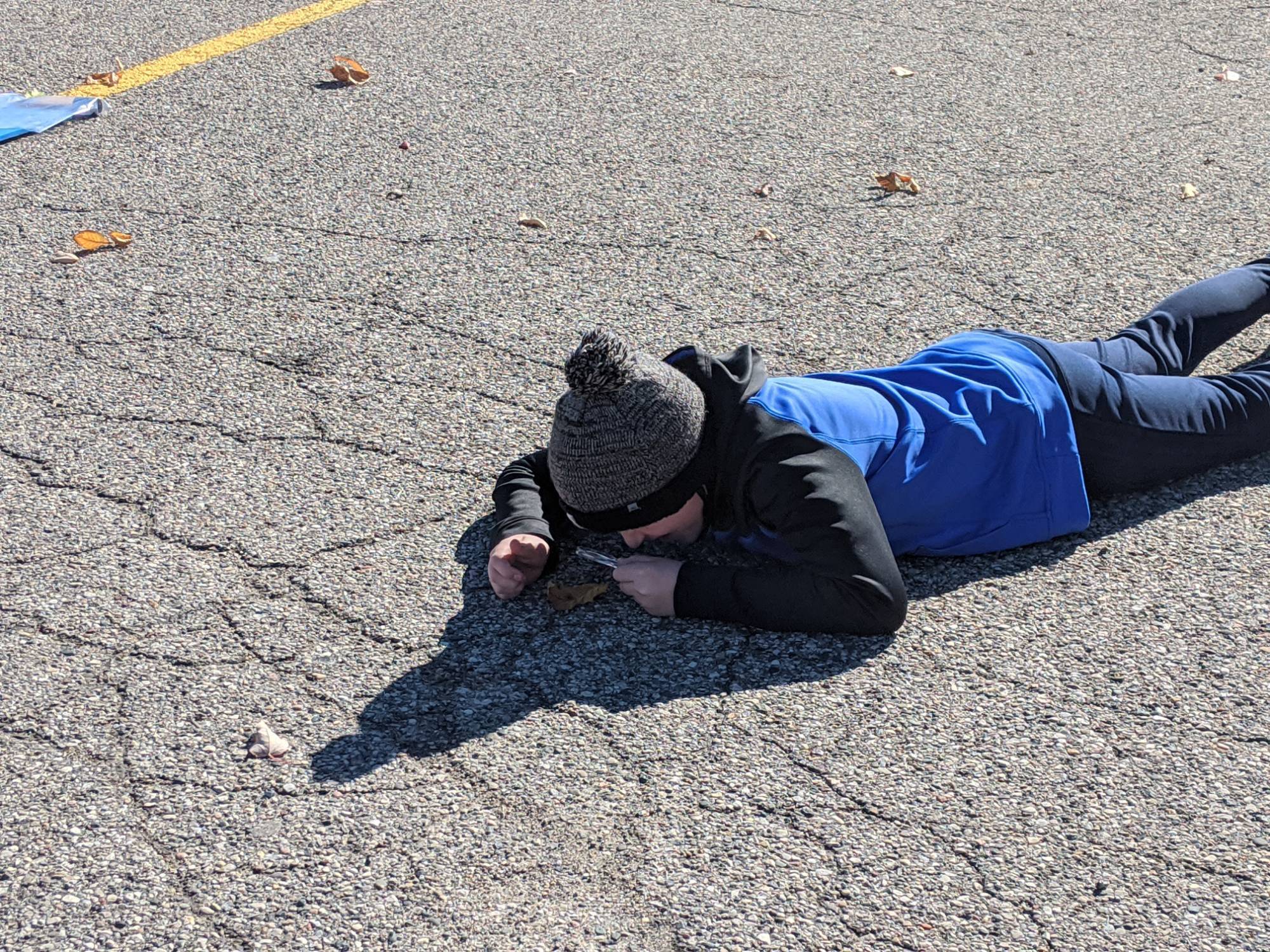
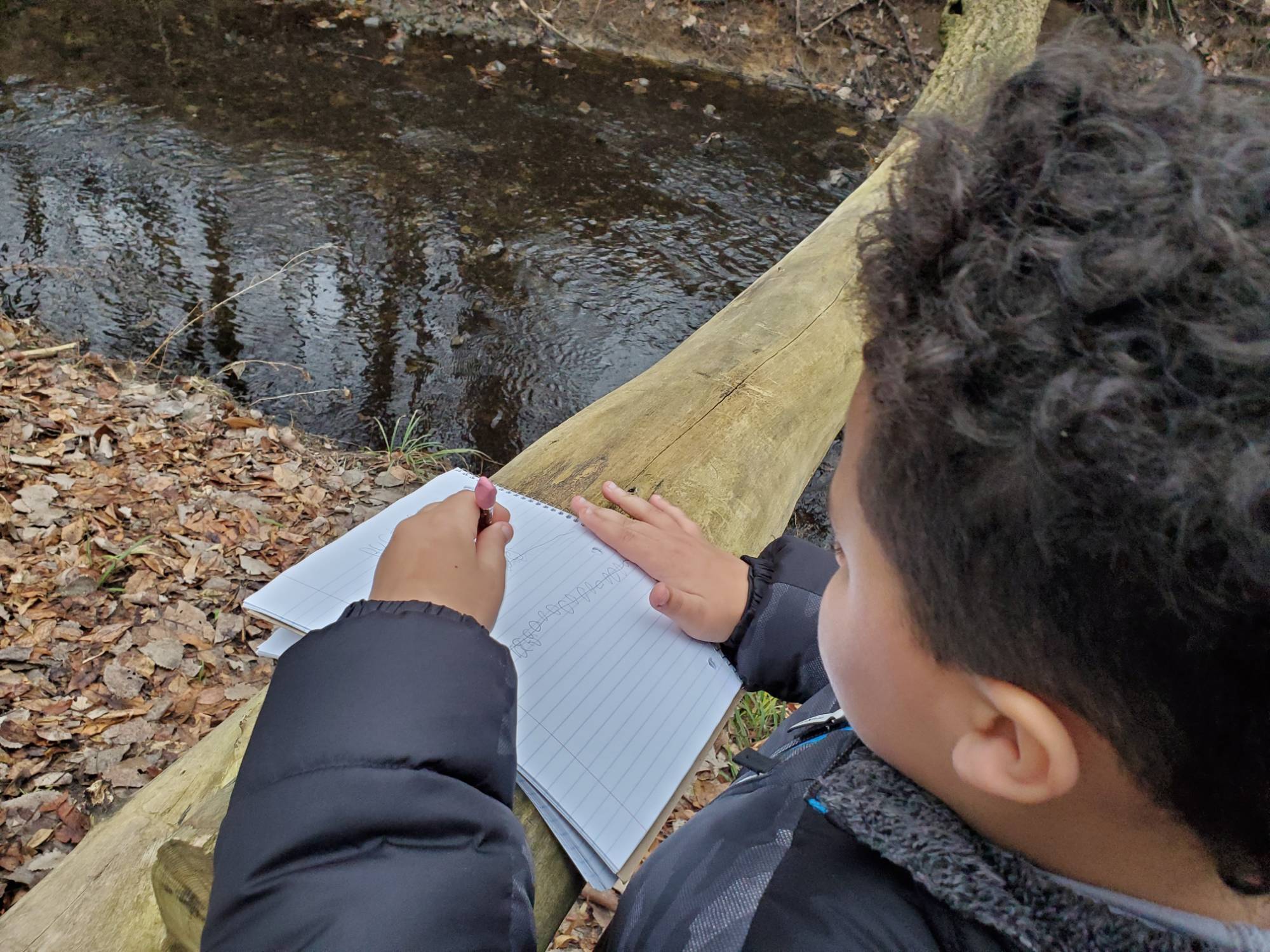
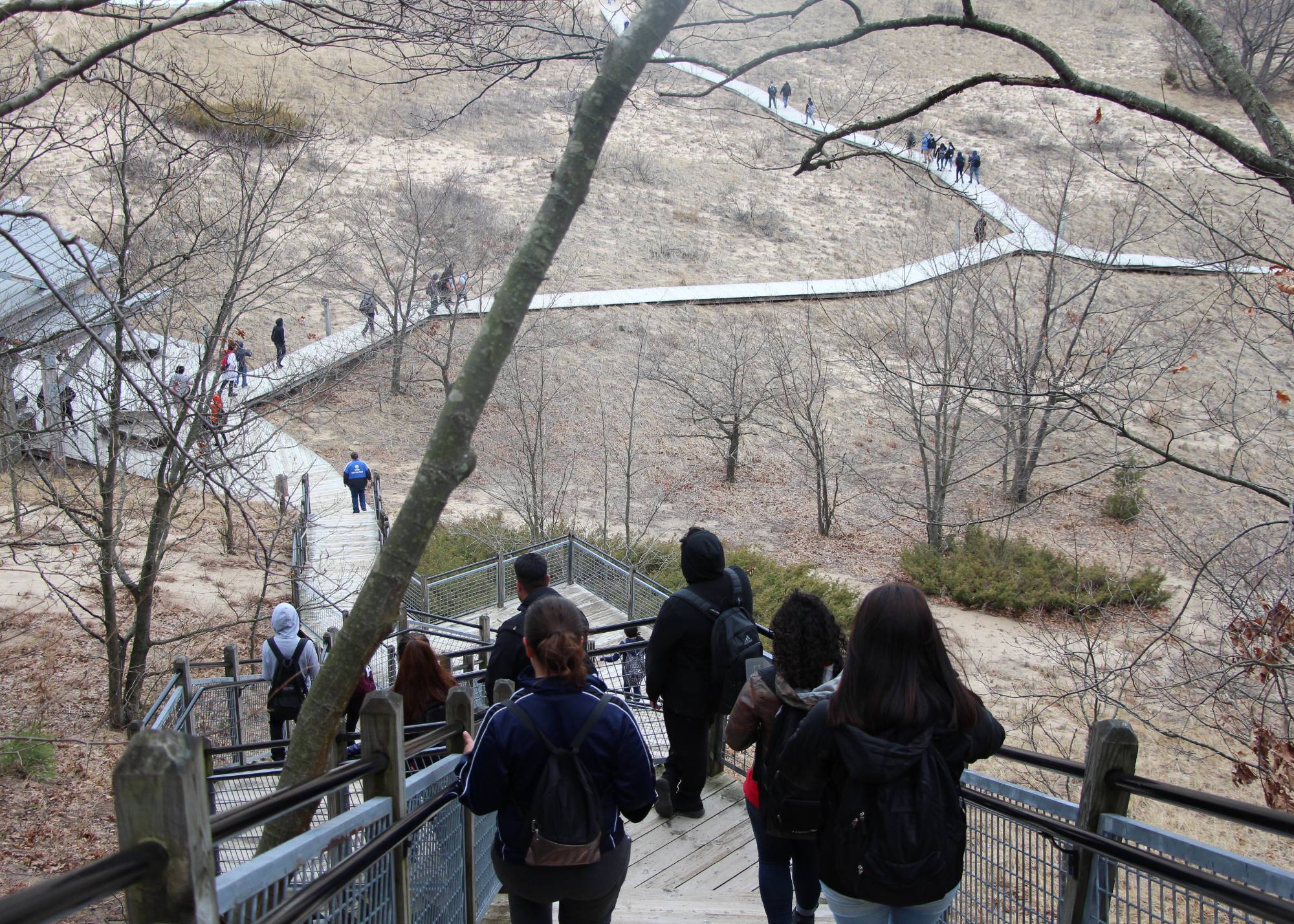
Students participate in multiple Outdoor Field Experiences during their Meaningful Watershed Educational Experience (MWEE) to explore the driving question and strengthen their connection to the natural world. Field experiences allow students to interact with their local environment and contribute to learning in ways that traditional classroom or laboratory settings may not.
More About Outdoor Field Experiences
To answer their supporting questions and inform environmental action during Outdoor Field Experiences, students can:
- use their senses, scientific equipment, and technology to make observations
- collect data or measurements
- conduct experiments
- become informed and engaged champions for our natural resources
Plan your Outdoor Field Experiences using the Incorporating Outdoor Field Experiences Planning Tool.
When thinking about Outdoor Field Experiences, consider what natural features, equipment, facilities, and/or programs would be needed to make the location accessible for all your students to investigate the driving and supporting questions. Also, consider how you, as the educator, would facilitate learning and what your learning objectives are for the field experience.

Supporting learning beyond the four walls of a classroom
What is an Outdoor Field Experience?
Throughout a MWEE, students participate in multiple Outdoor Field Experiences to explore a driving question and interact with their local environment. In the video, listen to local educators share the positive impacts these experiences have on their students.
Plan your Outdoor Field Experiences to support your MWEE with using the Incorporating Outdoor Field Experiences Planning Tool.
Classroom Connections
Are you looking for a place to start? Use Groundswell resources to help provide your students with outdoor field experiences to explore your driving question and strengthen their connection to the natural world.
Stream Monitoring
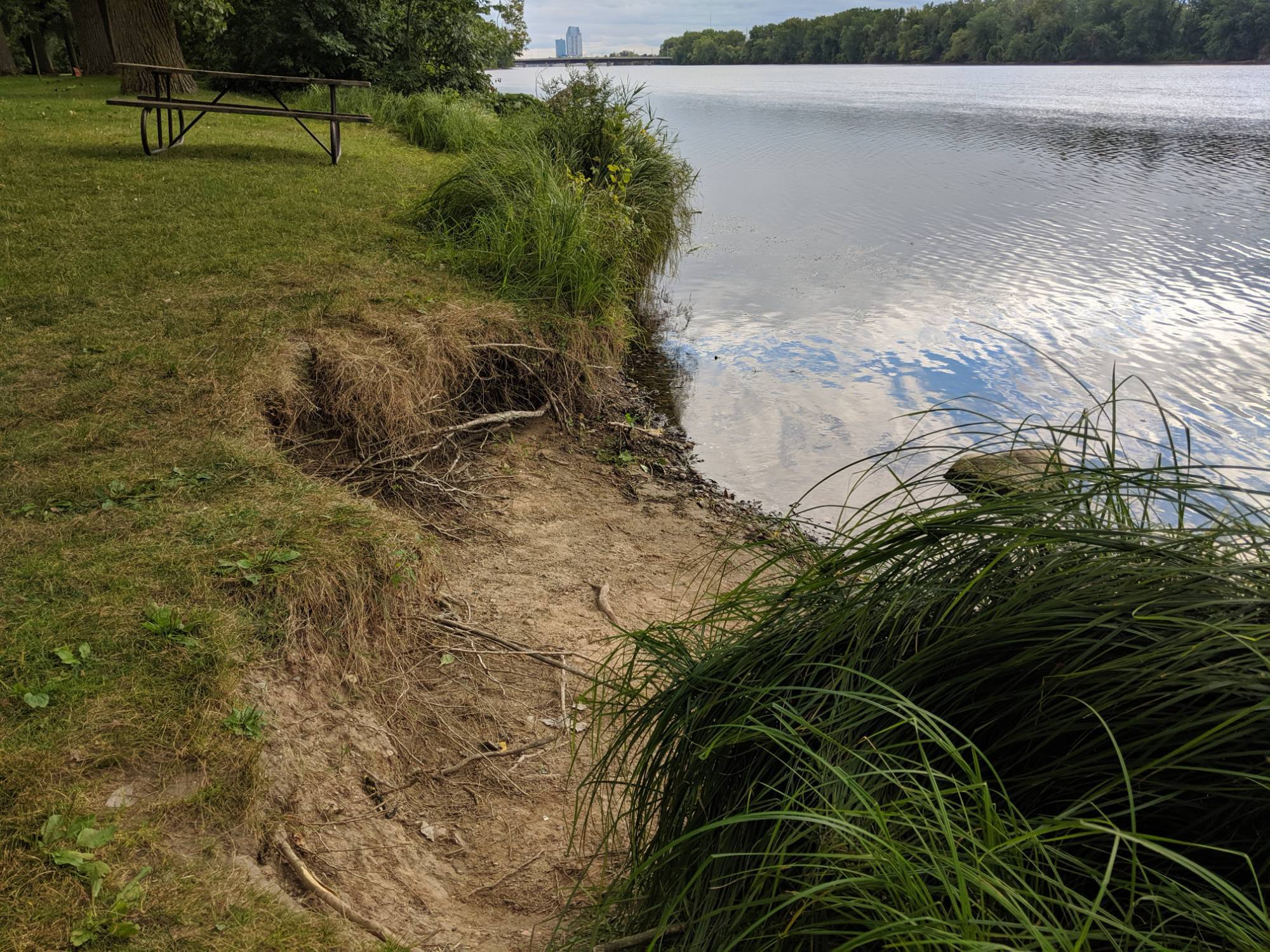
Signs of Erosion
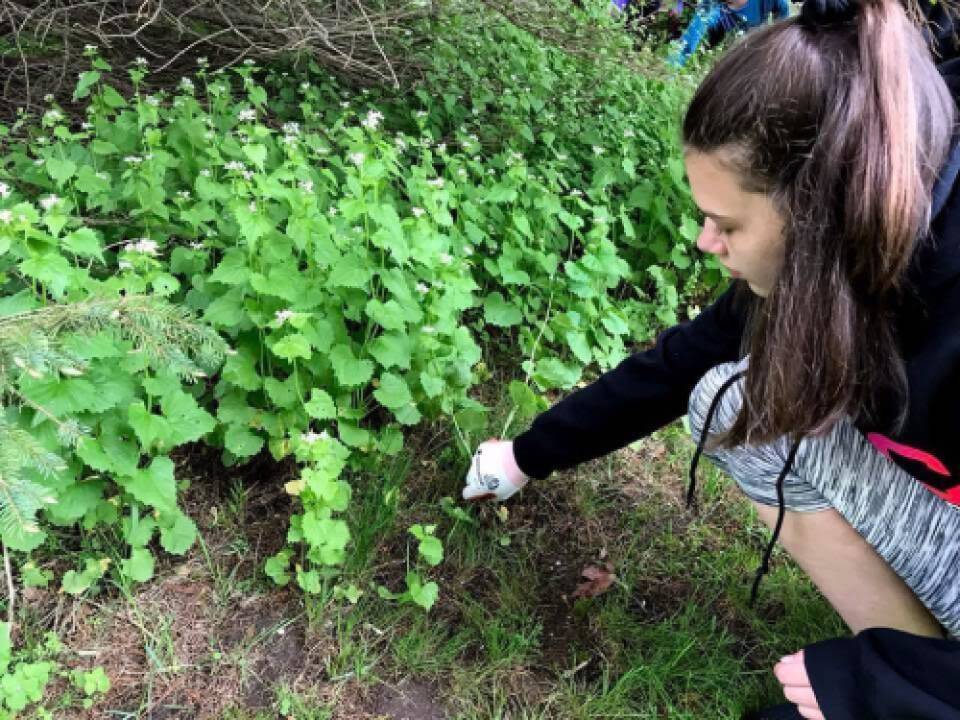
Invasive Plants
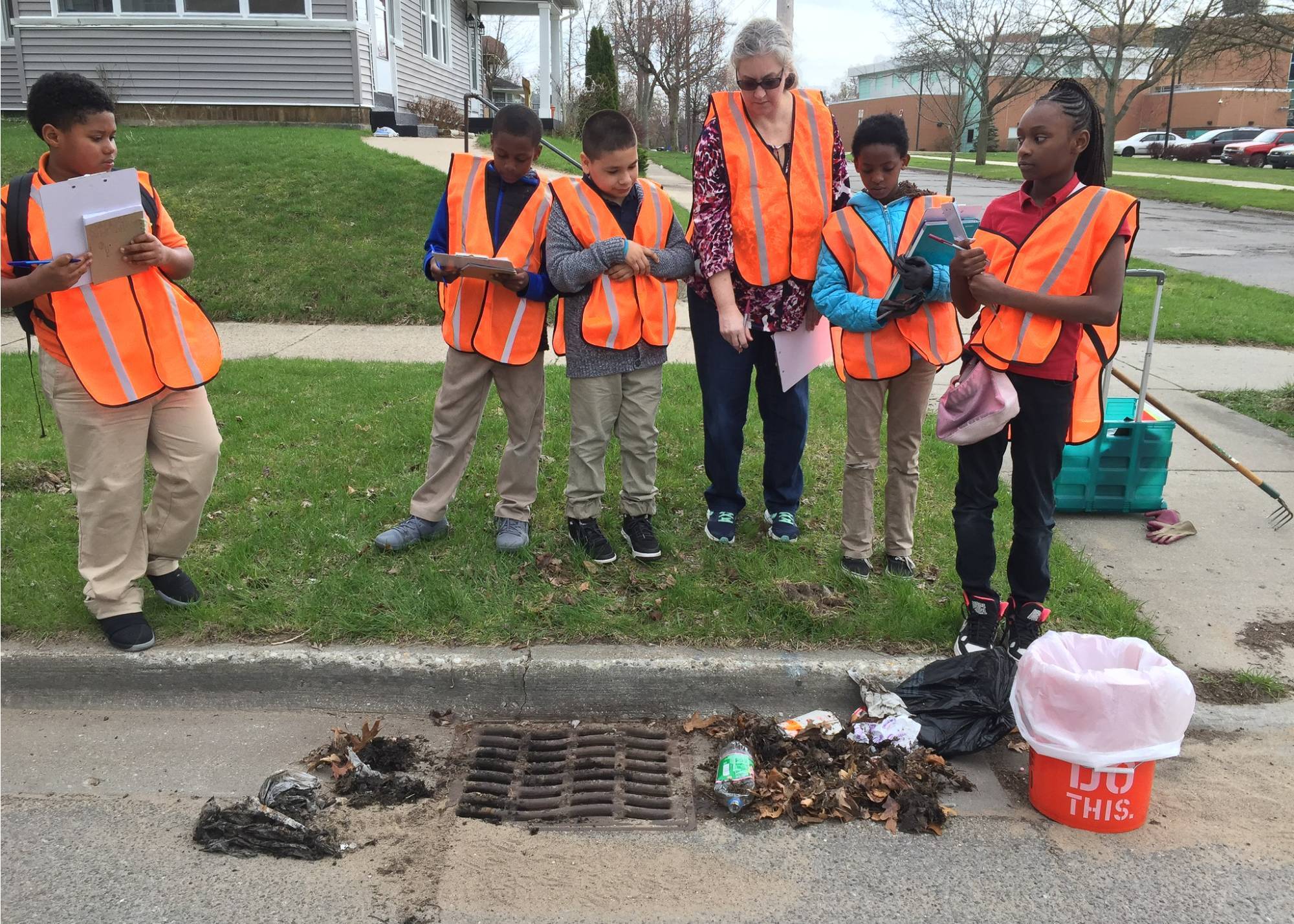
Stormwater
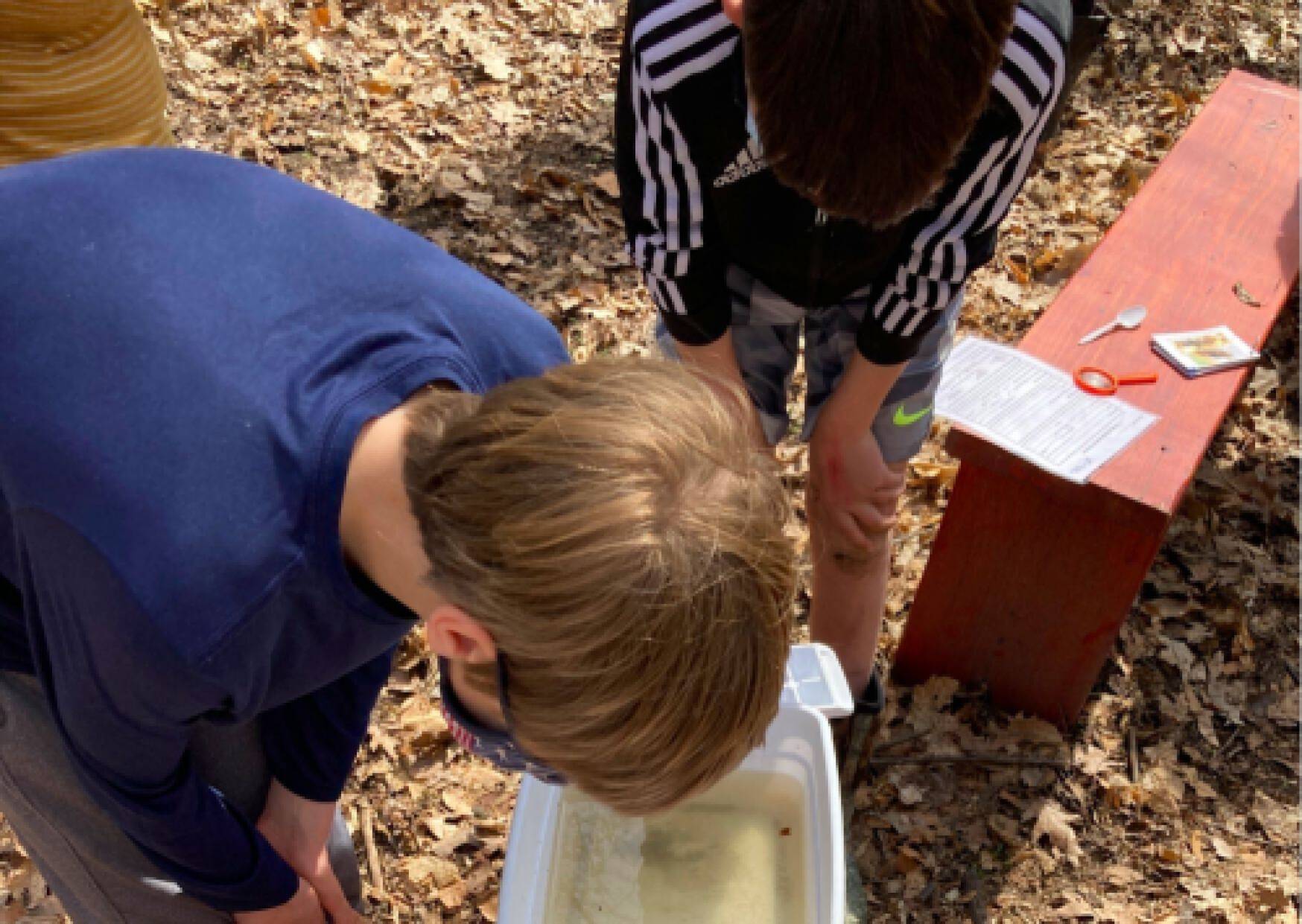
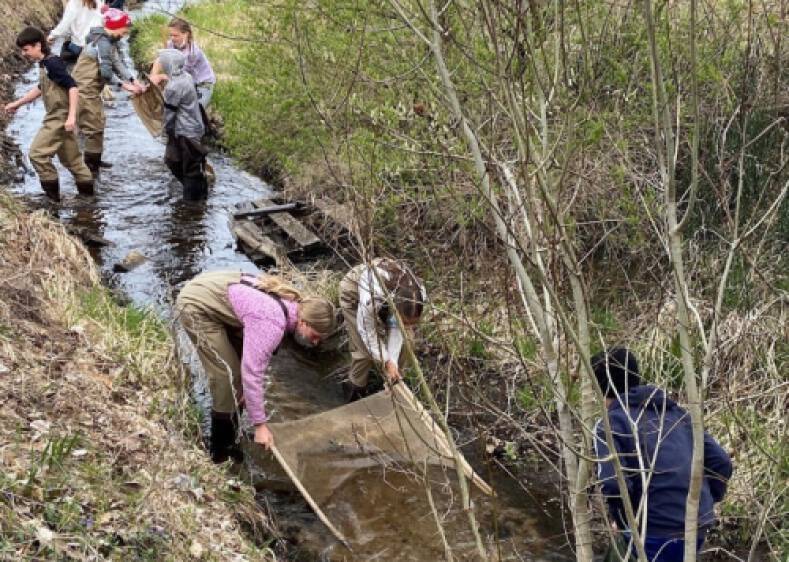
Guide students as they conduct a stream habitat assessment on a stream system in their local place. To build on this activity, explore the Advanced Water Quality Unit, which is designed to help students consider what actions can be taken to reduce human impacts on local streams and improve stream quality.
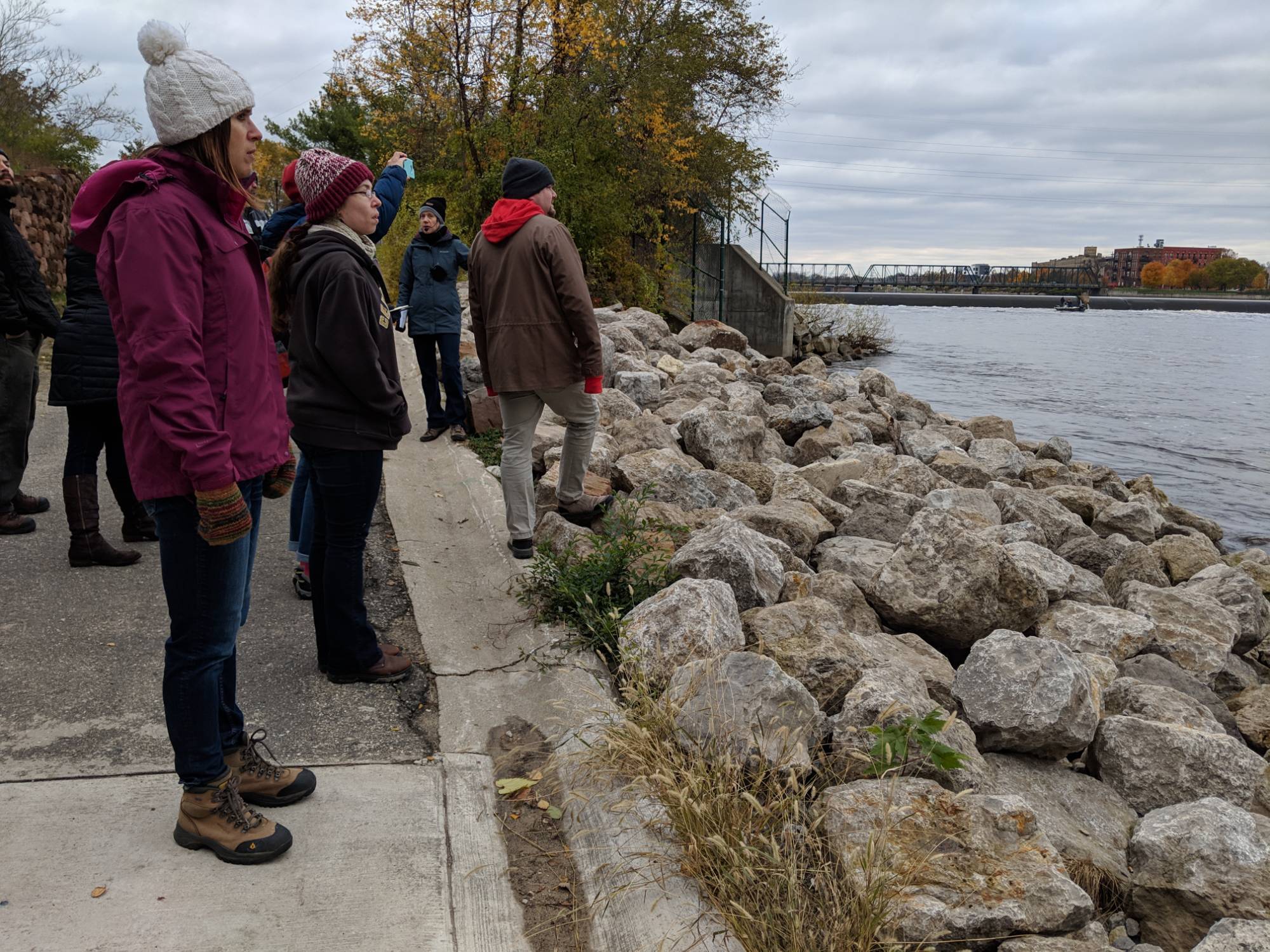
Lead students on an erosion investigation in their local place. To build on this activity, explore the full content of Lesson Plan 2: Managing Excess Sediment, which contains activities focused on excess sediment as a major type of nonpoint source pollution.
Take students outdoors to identify invasive plants. To build on this activity, explore the Creating Meaningful Outdoor Experiences Unit, which is designed to provide students with a MWEE centered on the Great Lakes Watershed.
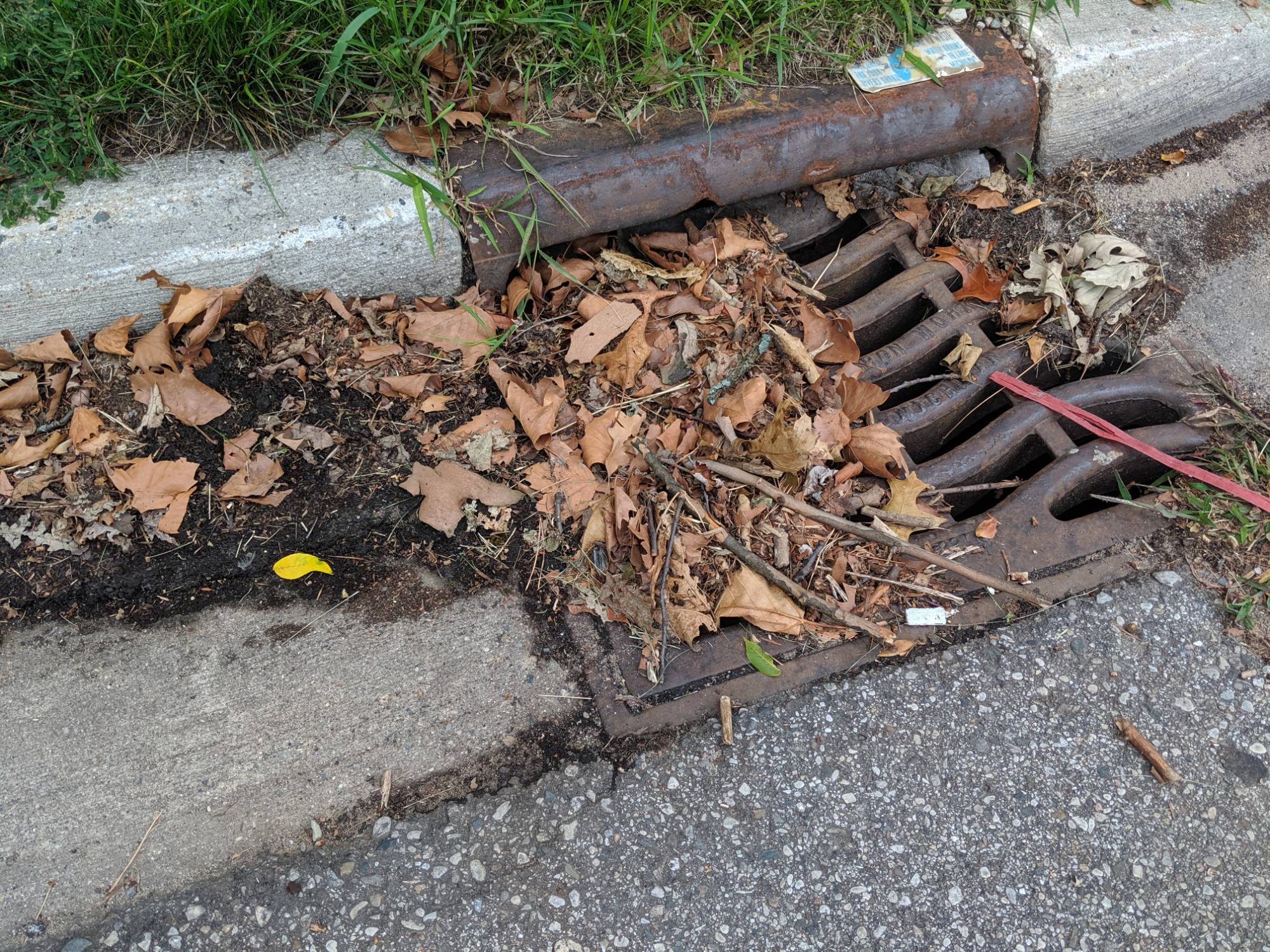
Students look for evidence of stormwater runoff as they note the features of their study site on a map. To build on this activity, explore the Creating Meaningful Outdoor Experiences Unit, which is designed to provide students with a MWEE centered on the Great Lakes Watershed.
Great Lakes Literacy Principle 5
Connecting the Great Lakes Literacy Principles
The Great Lakes region is a special place, and anchoring your MWEE using Great Lakes Literacy Principle 5 can help connect students' lived experiences to what is happening in their watershed and the broader Great Lakes watershed.
Great Lakes Literacy Principle 5: The Great Lakes support a broad diversity of life and ecosystems.
Classroom Connections
Gain inspiration from Groundswell schools and local partners as they explore the outdoors through meaningful field experiences to support environmental stewardship projects.
RAIL Project
Stream Monitoring
Walking Audits
Explore Local Parks
Sampling aquatic macroinvertebrates brings a hands-on inquiry-based activity into your classroom by letting your students gain insight into concepts and processes that occur within a stream ecosystem.
Watch as students build their understanding of our individual and collective impacts on the watershed through stream monitoring field experiences.
Students share how they monitored water quality weekly and took neighborhood walking audits to inform their stewardship work.
Discover local parks and gain ideas to bring learning alive by visiting a park near you.
Bringing your teaching outdoors
MWEEs in your classroom
There's nothing like teaching outdoors! Plan for your outdoor field experiences by considering what natural features, equipment, facilities, and/or programs would be needed for the location to be accessible for all your students, including students with a range of physical, cognitive, emotional, and social abilities.
Provide space for students to design their own inquiries and experiments to conduct during field experiences.
Encourage students to identify the equipment and resources needed to conduct field investigations and, when appropriate, design data collection protocols.
Discover other ways to build student success using Supporting Practices found in a selection from the NOAA MWEE Guide.
Outdoor Field Experiences Planning Pages
NOAA's Environmental Literacy Model (ELM) Outdoor Field Experiences planning pages can guide you through the process of connecting field experiences to your driving question. The planning pages also provide a framework for comparing different field sites and considering how they integrate into your MWEE.
Download planning pages for incorporating outdoor field experiences
1. SURVEY SITE AHEAD OF TIME
2. PREPARE STUDENTS FOR THE OUTDOORS
3. SET CLEAR EXPECTATIONS
4. HAVE MATERIALS READY TO GRAB AND GO
5. MAKE IT A ROUTINE
6. KEEP IT SIMPLE
7. MODEL THE BEHAVIOR YOU WANT TO SEE
8. KEEP THEIR ATTENTION
9. LOOK FOR OPPORTUNITIES
10. PLAN FOR ACCOUNTABILITY
Move beyond the classroom and engage students in learning through the outdoors and their local communities! Explore the specifics of these 10 tips and tricks and learn from experts in action!
The MWEE Audit Tool for Outdoor Field Experiences can be used to strengthen an existing MWEE or help plan a new MWEE to ensure that the essential element of outdoor field experiences is meaningfully included.