
Elevating Student Voices: Turning Belonging into Practice
This article originally appeared in START Connecting in May 2026.
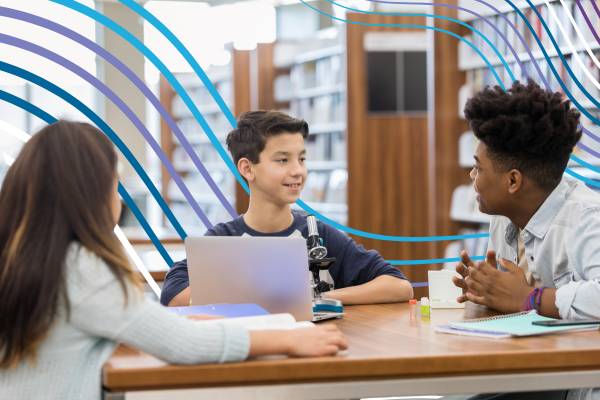
In recent years, belonging has become a key priority in our schools. When students feel invited, accepted, involved and valued, they develop a strong sense of belonging. They begin to believe, “who I am matters” in their school community. This movement toward belonging can’t stop at ideas or conversations. It requires intentional, everyday actions in how we teach, interact with, and support students.
The Importance of Student Voice
For many years, schools have made decisions about students with disabilities, often without including them in the process. As a result, students who are most impacted by these decisions have no opportunity to share their perspective. The disability community shares an important message, “Nothing about us, without us” (Autistic Self Advocacy Network). This reminds us that decisions should not be made without the people they impact. It is a call to action to include and listen to students with disabilities.
The TIES Center resource on the Dimensions of Belonging (Carter & Biggs, 2021) highlights the importance of student voice. One key idea from the Dimensions of Belonging is “heard.” This means students are listened to and understood. As they explain, “to be heard means that your perspective is sought, listened to, and respected.” It means we ask students for their ideas, listen carefully, and show that their voices matter through how we respond and the opportunities we provide.
Involving students with disabilities in decisions about them offers many benefits.
- Lived experiences offer important perspectives and insights. It helps shape school communities to see things differently and respond in more thoughtful ways. When students are part of the conversation, outcomes improve for everyone.
- Including student voices in school communities can lead to the development of self-determination skills, including self-advocacy. When students have opportunities to contribute their ideas, they practice skills that empower them for the future.
- Including students with disabilities in leadership roles offers visibility and representation. It is critical that all students see students with disabilities in leadership roles. And when students are given opportunities to create change together, that is when we often see the most meaningful impact.
Take a moment to reflect. Are all students, including students with disabilities, active participants in conversations and decision-making processes? Do students with disabilities have opportunities to take on leadership roles in their classrooms, clubs, and school communities? Do they have opportunities to have a voice in their day-to-day experiences, tools, and learning opportunities? Are we including them? Are we listening?
Elevating Student Voices: Actions for Change
As educators, we can make a difference by taking simple, intentional steps that make schools places of belonging. If you are supporting a student who is non-speaking and uses augmentative or alternative communication (AAC), these ideas still apply. It might also mean including the student’s family, friends, and others who know the student in the conversation.
- Co-construct supports and tools with students instead of deciding for them. This means sitting side by side with students and getting their input, their ideas, and their language so the supports and tools are meaningful and make sense to them. Students may also want to add their interests and passions into these systems.
- Use Peer Collaboration Conferences (PCCs) as part of your Peer to Peer Program to bring students with and without disabilities together. PCCs help students celebrate successes and work together toward positive change in school communities. PCCs create time for connection, learning, and conversations that build understanding and friendships. They also give all students a voice in their Peer to Peer program, including what is working well and what could be improved.
- Create leadership opportunities where students can share ideas, take initiative, and lead or co-lead with their peers. This might include serving as captains on Unified Teams, joining student leadership clubs, and organizing activities and discussions in clubs. Consider hosting a LINKS Leadership Summit, where focus students and peer partners come together throughout the school year to build connections and friendships through fun, engaging activities. This gives students meaningful opportunities to share their voices and shape their Peer to Peer programs.
- Include students in their IEPs in meaningful and active ways. Give them a voice in their goals and objectives so they can help guide what they are working toward. This helps students know their ideas matter and they have a say in their future. Dr. Shelley Moore shares ideas for designing strength-based and inclusive IEPs in her 5 Moore Minutes video series.
When we elevate student voices and create spaces and opportunities to learn from students with disabilities, we move from doing things for students to doing things with them. It shifts school communities from “a place I go” to “a place where I belong” and that is when mattering begins.
Written By: Lindsey Harr-Smith, M.A., CCC-SLP- Autism Education & Intervention Specialist and Stephanie Pulido, M.Ed., Program Evaluation and Resource Development Specialist
Resources
Carter, E. W., & Biggs, E. E. (2021). Creating communities of belonging for students with significant cognitive disabilities (Belonging Series). Minneapolis, MN: University of Minnesota, TIES Center.
Shelley Moore. Shifting to Strength-Based and Inclusive IEPeas. 5 Moore Minutes.
START Connecting (Feb, 2023). Transition: Empowering Students through Self-Determination
Autistic Self Advocacy Network. What We Believe
START Secondary Peer to Peer Program Playbook. LINKS Leadership Summit
START Secondary Peer to Peer Program Playbook. Peer Collaboration Conferences (PCCs)