Sport Can Set You Free
Published March 30, 2026 by Ian Fowler
Running was never my first love. I tried just about everything before it, but soccer was the one that stuck. Running began as simply a means to get better at the stuff I really cared about, but when things in my life got tough, running became an escape, and the brightest spot in my daily routine. Before running was ever highly competitive for me, it was fun, relieving. The same is the case for so many athletes that I have spoken with at this level, yet we often tend to forget our roots, and we allow our sport to add stress to our lives, rather than relieve what is already there. I write my own story today in hopes of reframing your mindset, and reminding you to approach sport with a sense of anticipated relief, rather than increased stress.
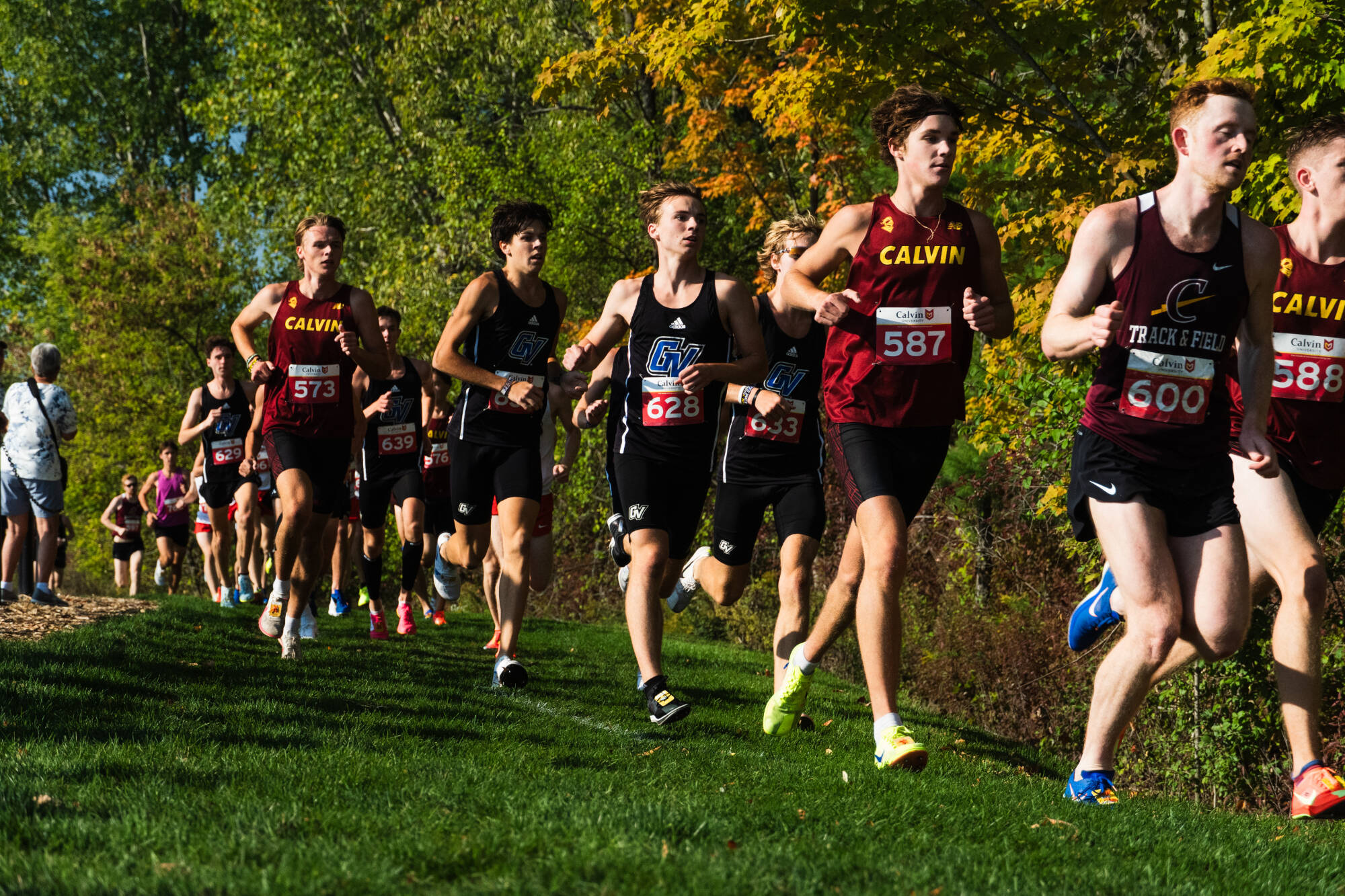
My time running began in middle school, joining cross country in the slow soccer season in order to get in better shape, but ultimately, to socialize. Although I found success early on, running was still boring to me, and done for reasons outside of improvement within the sport. That all changed heading into my freshman year. COVID-19 had taken a firm hold of my community, and the world wouldn’t let me forget the importance of staying home. That concept was tougher on me than they may have realized. First off, without practice, school, and hanging out with friends, I was filled with energy and ready to bounce off the walls of any room that had the misfortune of hosting me. More concerningly, my parents were going through their divorce at the same time, so “home” now meant two locations, yet no real feeling. Both houses were still full of love from my parents individually, but I was stuck grappling with the rapid rate of change that my life was seemingly stuck on. Nothing felt like what home was supposed to feel like, and with no formal way to deal with this, I felt like I needed a medium that allowed me to burn energy, let off my anger, maintain my fitness for soccer, and just get out of the house. Running became my sanctuary. A place where I could be alone with my thoughts, unburdened by the uncertainty of my “normal” life, and a place where I could be further liberated from change with every step I took. This hour of hard work became the best part of those days, and ultimately set me on a path to get where I am today, both metaphorically as a person, and physically here at GVSU, a place that promised to help me turn a hobby into something more.
But, as humans, sometimes we get lost when more becomes too much. Following my senior year I had high hopes, and higher expectations as to what I could accomplish, but after a lackluster cross country season I began to struggle mentally. Self-doubt seeped into a mind that was already laden with homesickness, academic stress, and transitional anxiety. I began to question myself, which led me to stress over every minute aspect of my training. My hobby had become a job, and the world was quick at reminding me of how dangerous that could be. I picked up what seemed to be a minor injury, but it persisted, and my anxiety reached a fever pitch. I rushed to get back, to make up the ground I believed had been lost, and in doing so I reinjured myself. In total I ended up being out for four months, and missed my entire first track season here at Grand Valley.
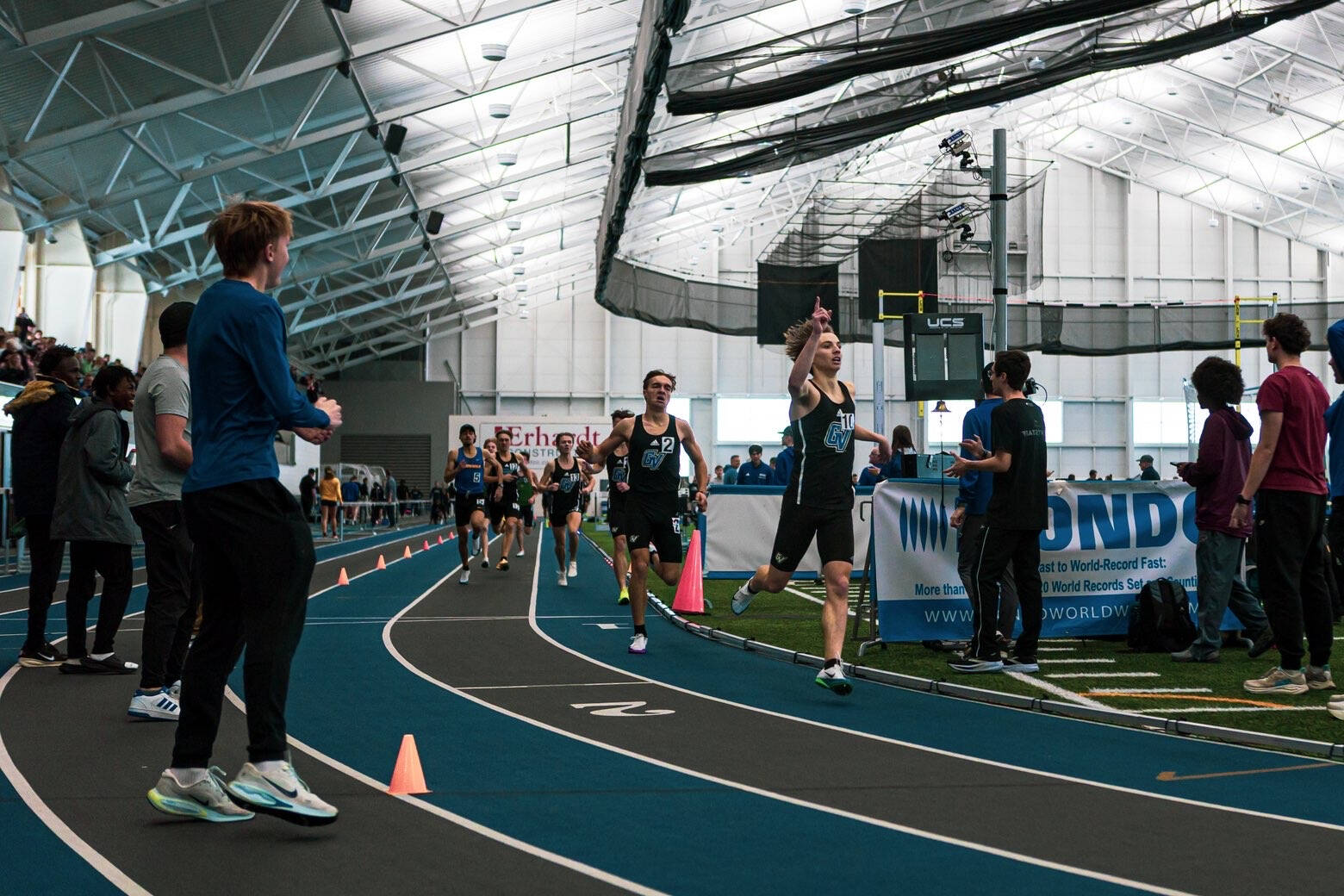
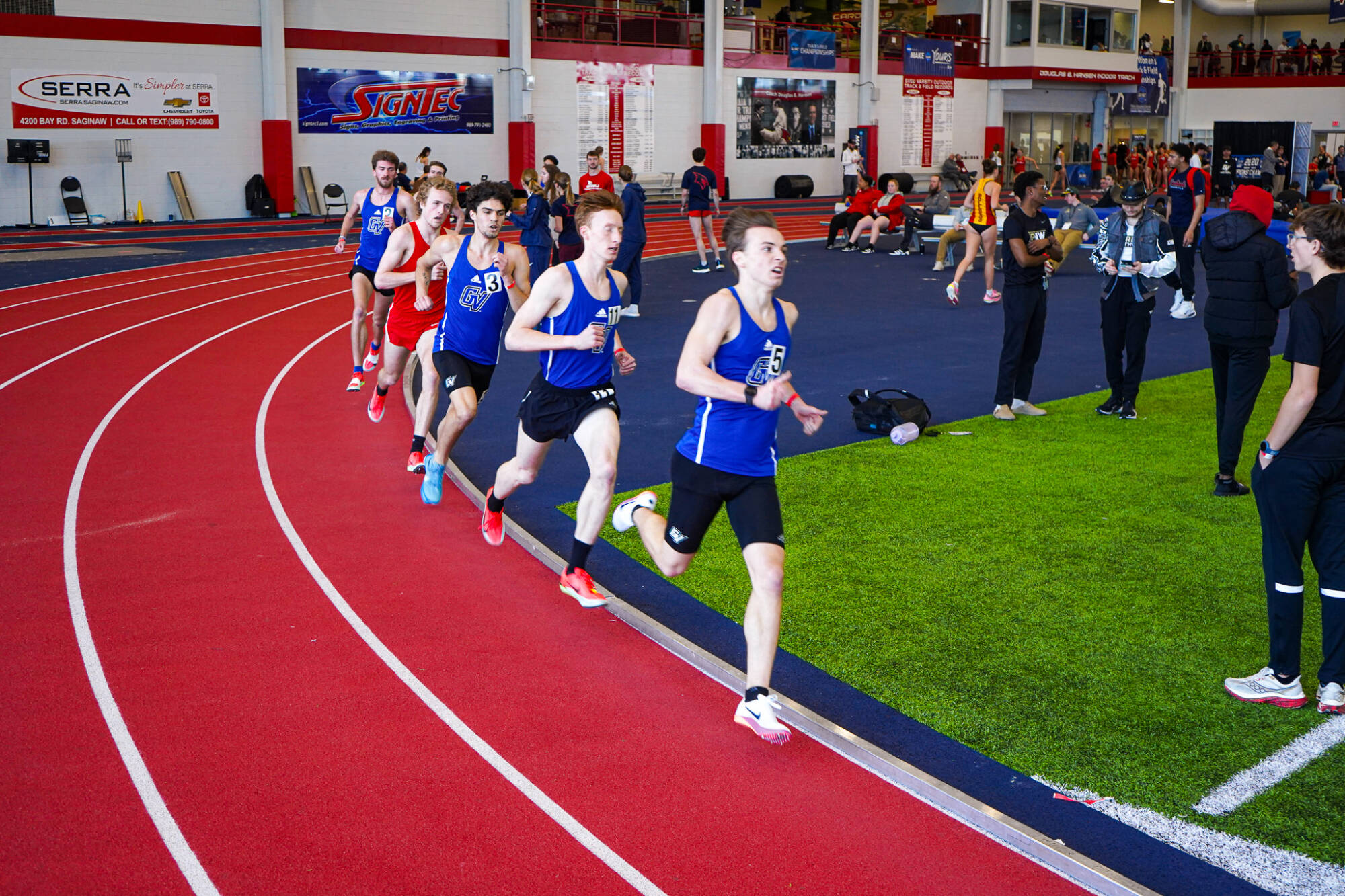
That outdoor season, I entered with a new mindset, one more akin to the fun and freedom of my past views. In a funny way, I had been set so far back physically that I had stopped comparing myself to my peers (as much), and I instead became refocused on finding the good in both training and in competition. I ran pretty terribly, but I had the most fun I had all year, and I was reminded through absence how much of a purpose running served in my life. Fast forward to this year, I still haven’t figured out cross country, but I have definitely gotten to a place I am proud of on the track, in large part due to my rediscovered love and appreciation for my sport.
Young adults have a way of making things up to be larger and more serious than they are in reality. Collegiate sports can be a trigger for many young people, as they can transform a fun activity into a job during the biggest changes of their young lives. It is important to remember that we are at our best physically when we are at our best mentally. An improved disposition leads to better training, better training leads to better results, better results lead to better training, and back and forth and back again, unending, dependent solely on our maintenance of a positive mindset. Running began as a sanctuary, but without ever realizing it, I let my escape turn into my prison. I encourage you all to reflect on your own relationship with your sport. Do you view it in the same positive light as you did in high school? Or before that? Stress serves to block that light, causing many athletes to lose track of what they once saw so clearly. There will always be hard days, but the more we can minimize these days of stress and replace them with ones built on optimism and relief, the more success we will find in our sports. More importantly, the less we let our sports wear us down, the more mental capacity we will have to be used on things like school, relationships, jobs, hobbies, and everything in between. Sports are serious, yet at the same time, they are not. Remember the love you had for your sport, the times where practice was the best part of your day, and relish in the weightless feeling that it used to give you and will give you again.