

From Fruit to Color: The History of Orange
Published October 1, 2026 by Nicole Webb
As the leaves begin to turn here in West Michigan, our walks outside will soon be filled with earth tones—shades of yellows, oranges, reds, and browns. From pumpkins and leaves to candy corn and giant sunflowers, orange is a dominant color of autumn. A color seemingly all around us in nature, where did the name for orange come from? Maybe not surprisingly, the fruit came before the color.
Before the 15th century, the color orange didn’t have a name in English. Instead, it was simply described as “yellow-red.” Portuguese merchants brought the first orange trees to Europe from Asia in the late 15th century. The fruit was known as naranga, a word that would eventually become naranja, the Spanish word for orange. Eventually, naranja was also used to describe things that were “the same color as an orange.”
In English, the word orange comes from the Old French orenge, which was influenced by the Old Spanish naranja. While the word appears in English writings as early as the 13th century, it referred to the fruit. It wasn’t until the 16th century that orange began to be used as the name of the color.
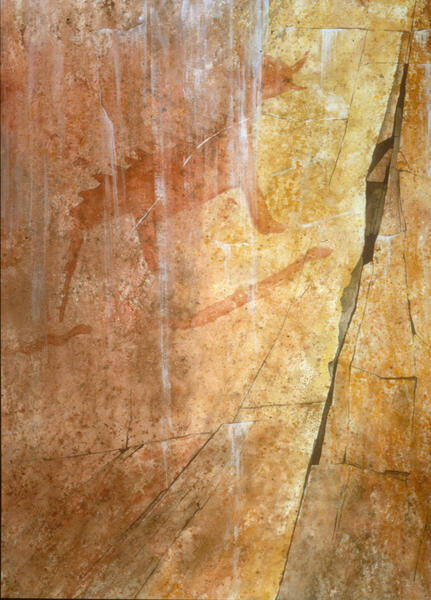
The color orange has a much longer history in art. Ancient Egyptians used the mineral realgar to create orange pigments for tomb paintings. Centuries later, medieval artists used the same pigment to add vibrant orange hues to illuminated manuscripts. Another mineral, orpiment, was also ground into a pigment and used by artists for centuries. Although it produced a bright, rich yellow-orange color, orpiment contains arsenic and is highly toxic, making it a dangerous material for artists to handle.
In 1797, French chemist Louis Vauquelin discovered the mineral crocoite, which eventually led to the development of the first synthetic orange pigment, chrome orange. As synthetic pigments became more widely available, artists gained access to brighter and more consistent shades of orange, and the color became increasingly popular in European painting.
In North America, Indigenous cultures had been creating orange pigments for generations by mixing red iron oxide, or red ochre, with yellow ochre. With the invention of the metal paint tube in the 19th century, American artists were eventually able to more easily access commercially produced pigments, including synthetic oranges developed in Europe.
Today, orange is everywhere—from the changing leaves outside our windows to the paintings hanging on museum walls. While we may think of it as a quintessentially autumnal color, its history stretches back thousands of years and across cultures. The next time you see a vibrant shade of orange, take a moment to consider the long history behind this seemingly simple color.
Explore the many shades of orange in the GVSU Art Museum Collection!
Want to learn more? Check out these resources available at the GVSU Libraries!
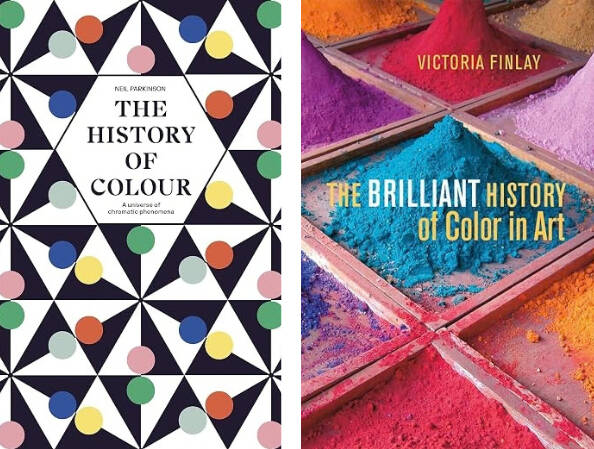
eBook: The History of Color: A Universe of Chromatic Phenomena
by Neil Parkinson, 2023
Color is fundamental to our experience and understanding of the world. It crosses continents and cultures, disciplines and decades. It is used to convey information and knowledge, to evoke mood, and to inspire emotion. This book explores the history of our understanding of color, from the ancient world to the present, from Aristotle to Albers.
Book: The Brilliant History of Color in Art
by Victoria Finlay
Journey from the Ice Age to the Digital Age with a surprising cast of characters on this worldwide tour of color in art. Discover the strange, intriguing, and humorous stories of your favorite colors, the science behind them, and how they forever changed the course of art and history.
Learning Resources

Green: The Color of Life and Death
Lorelle Otis Thomas, Misshepechieu (Lake Superior, Agwa Provincial Park), watercolor, 2001, 2001.282.1.
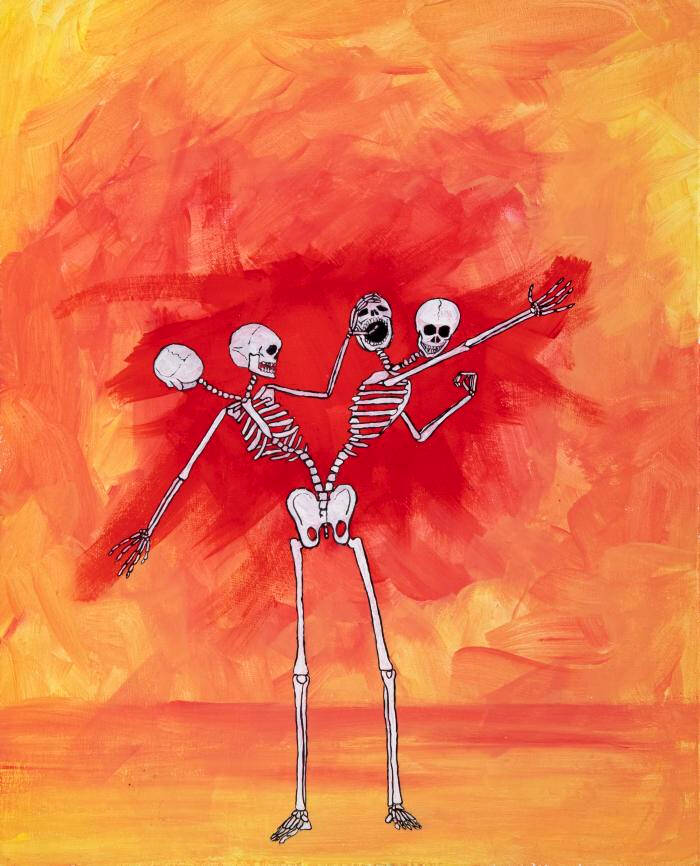
Joel Addis, Homo Hydranicus, acrylic on paper, 2005, 2005.389.1.
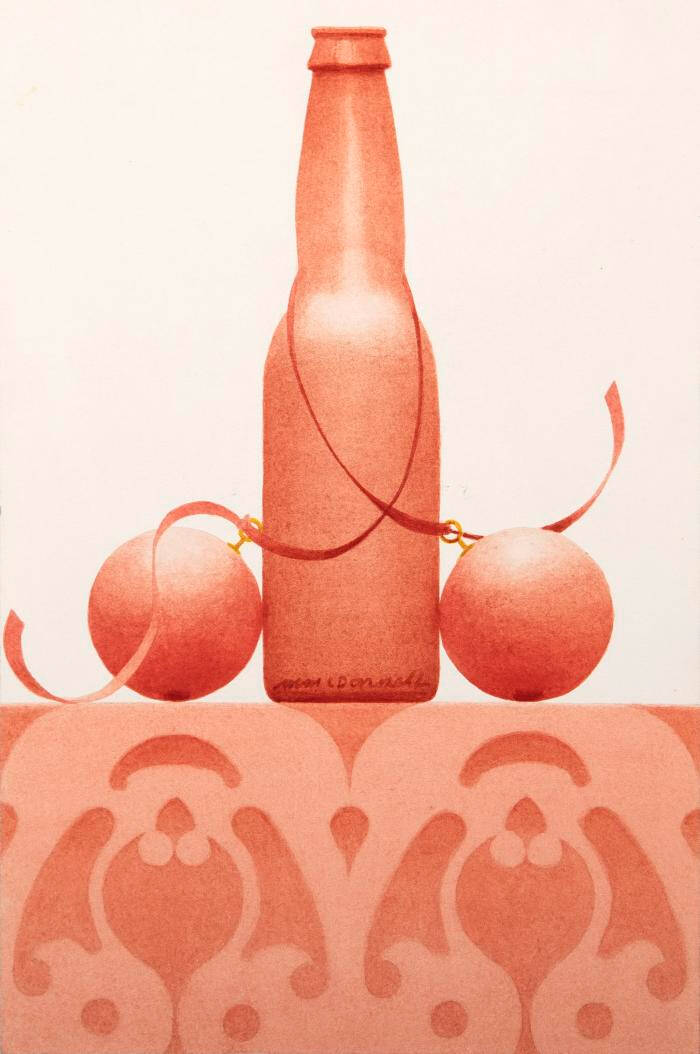
Mike McDonald, Untitled (Orange Study), watercolor on board, 2017.97.526.
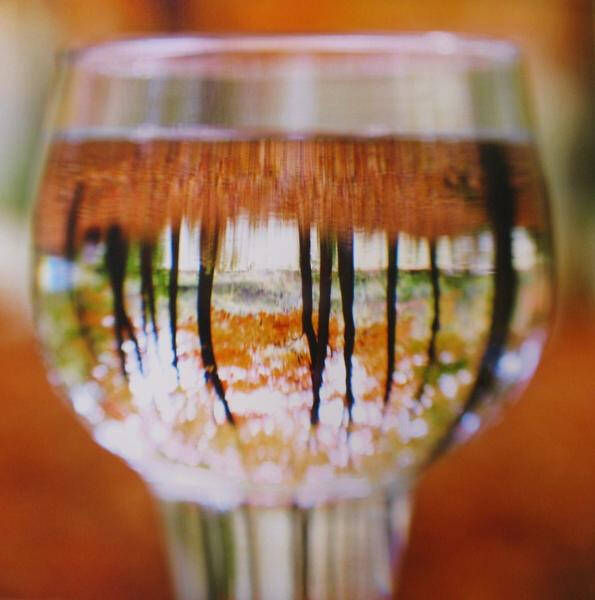
Amber Felicioni, Autumn, Fall 2011, photograph, 2011, 2011.129.1.
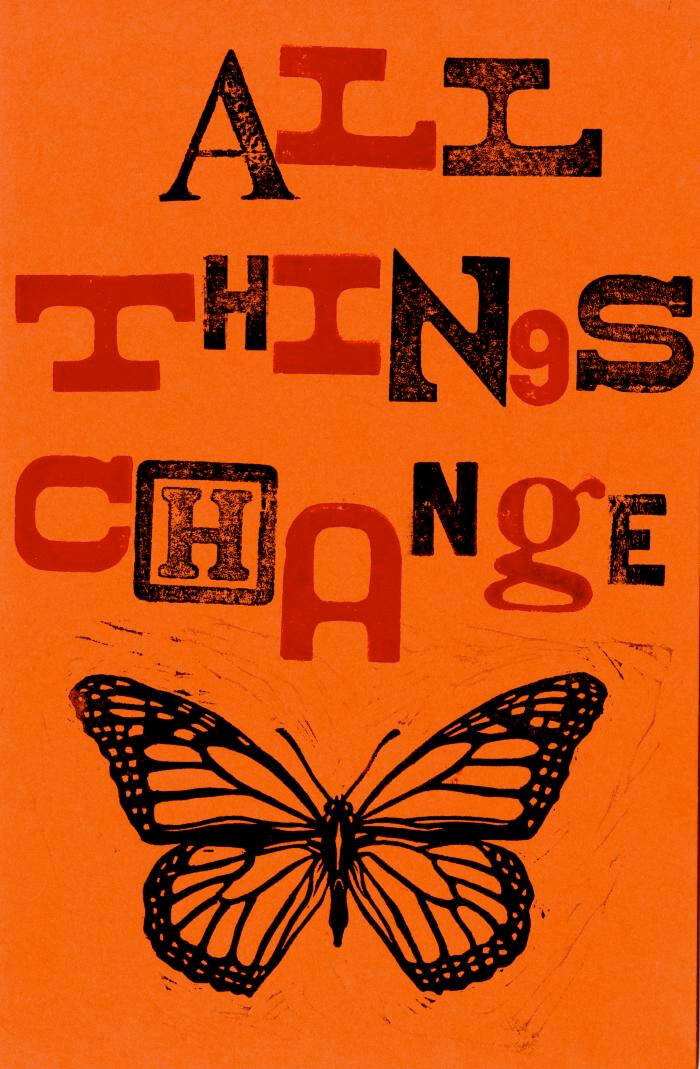
Brett Colley, All Things Change, relief print from linocut and antique block type, 2018, 2019.25.22.