

Eternally Relevant: Memento Mori in Art
Published October 1, 2026 by Nicole Webb
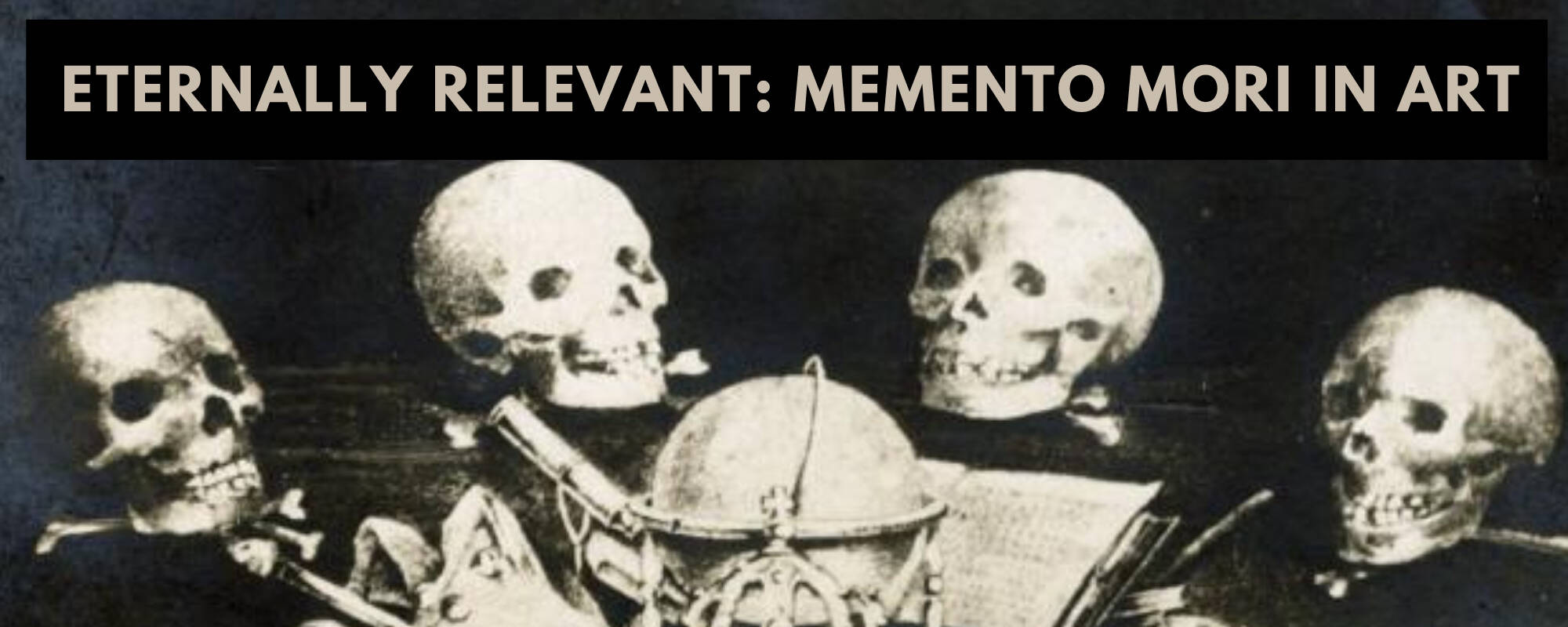
Artists have long been fascinated with the things we often try not to think about: death, decay, and our own mortality. Rather than simply frightening viewers, these images invite us to contemplate life, death, and our own mortality.
Macabre artwork can be captivating because it explores the beauty and complexity of life’s darker themes. From death and decay to spooky creatures and objects, macabre art challenges viewers to confront the uncanny in thought-provoking ways.
The term macabre was first used in the late Middle Ages in French allegories known as La Danse Macabre, or the Dance of Death. These allegories depict Death as a series of grim-reaper-like figures alongside people from every stage of life, wealth, and social status, all dancing around a grave. They were created as memento mori, or reminders to the living that life is fragile and death is inevitable.
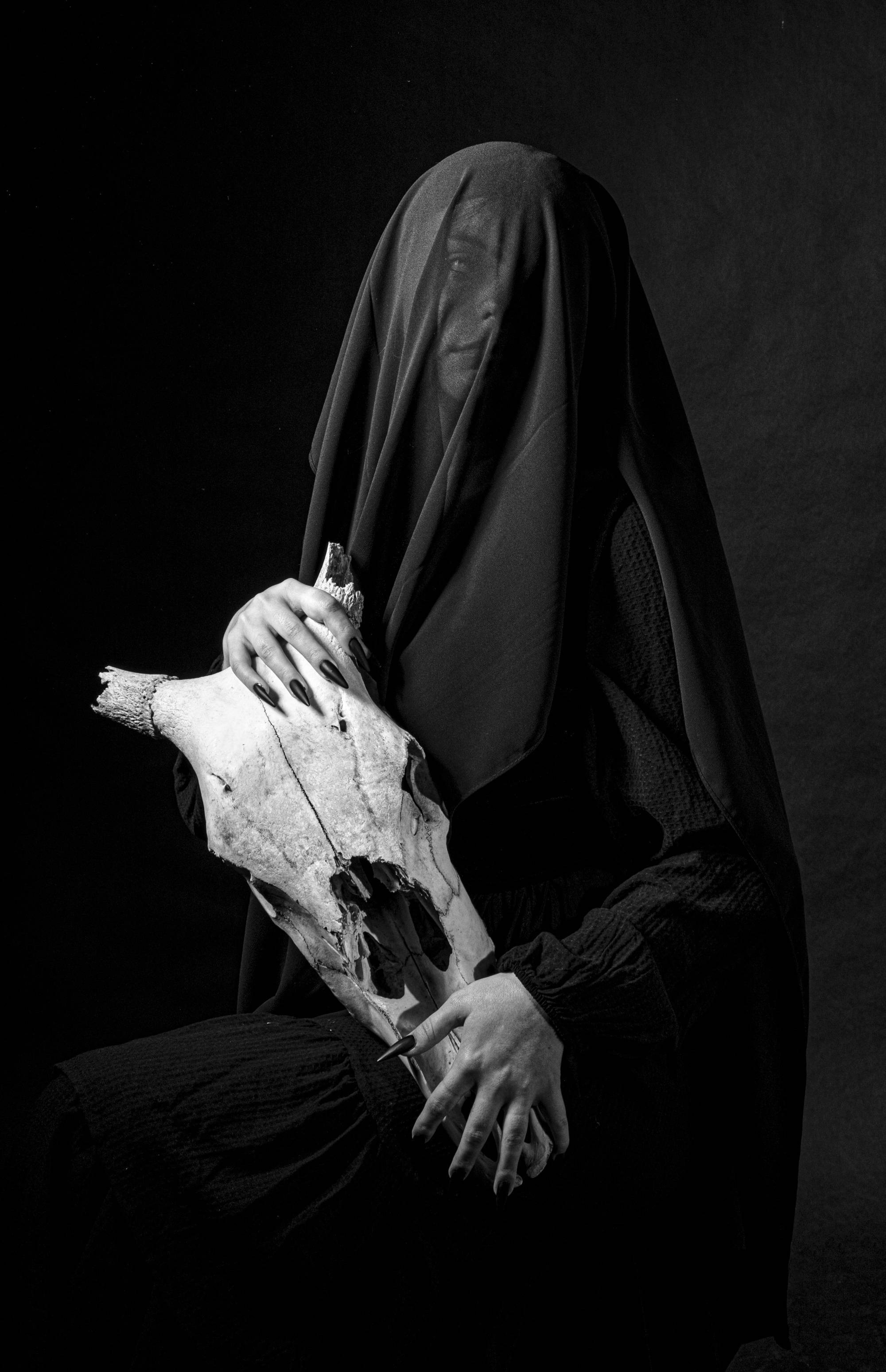
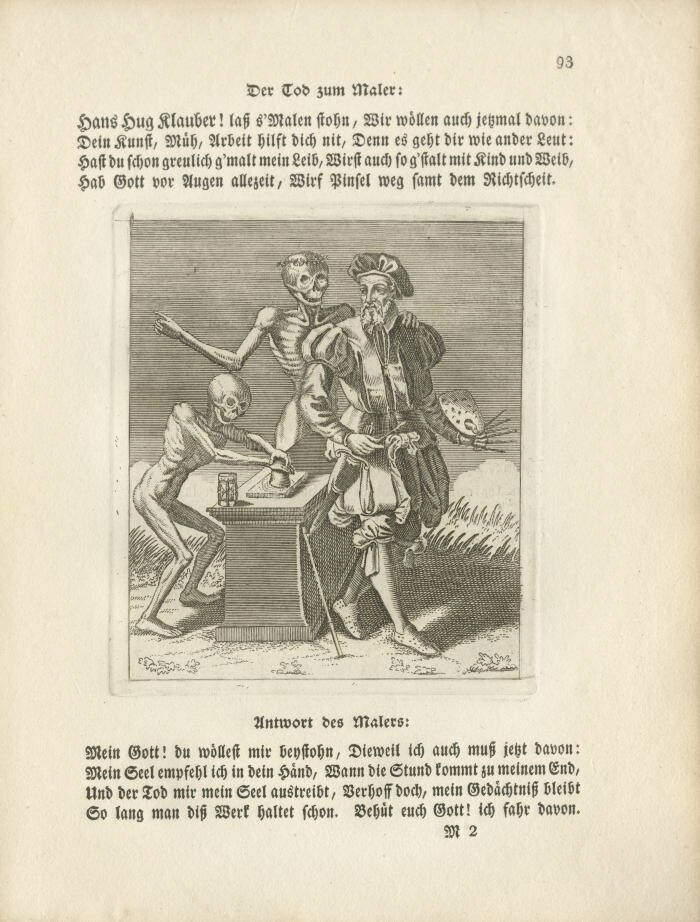
La Danse Macabre emerged during a particularly devastating period in European history. In 1347, the bubonic plague arrived in Europe and eventually killed an estimated one-third of the continent’s population. The Black Death changed the way people understood and experienced death, and artists grappled with the weight of the pandemic and how to portray the inevitability of mortality.
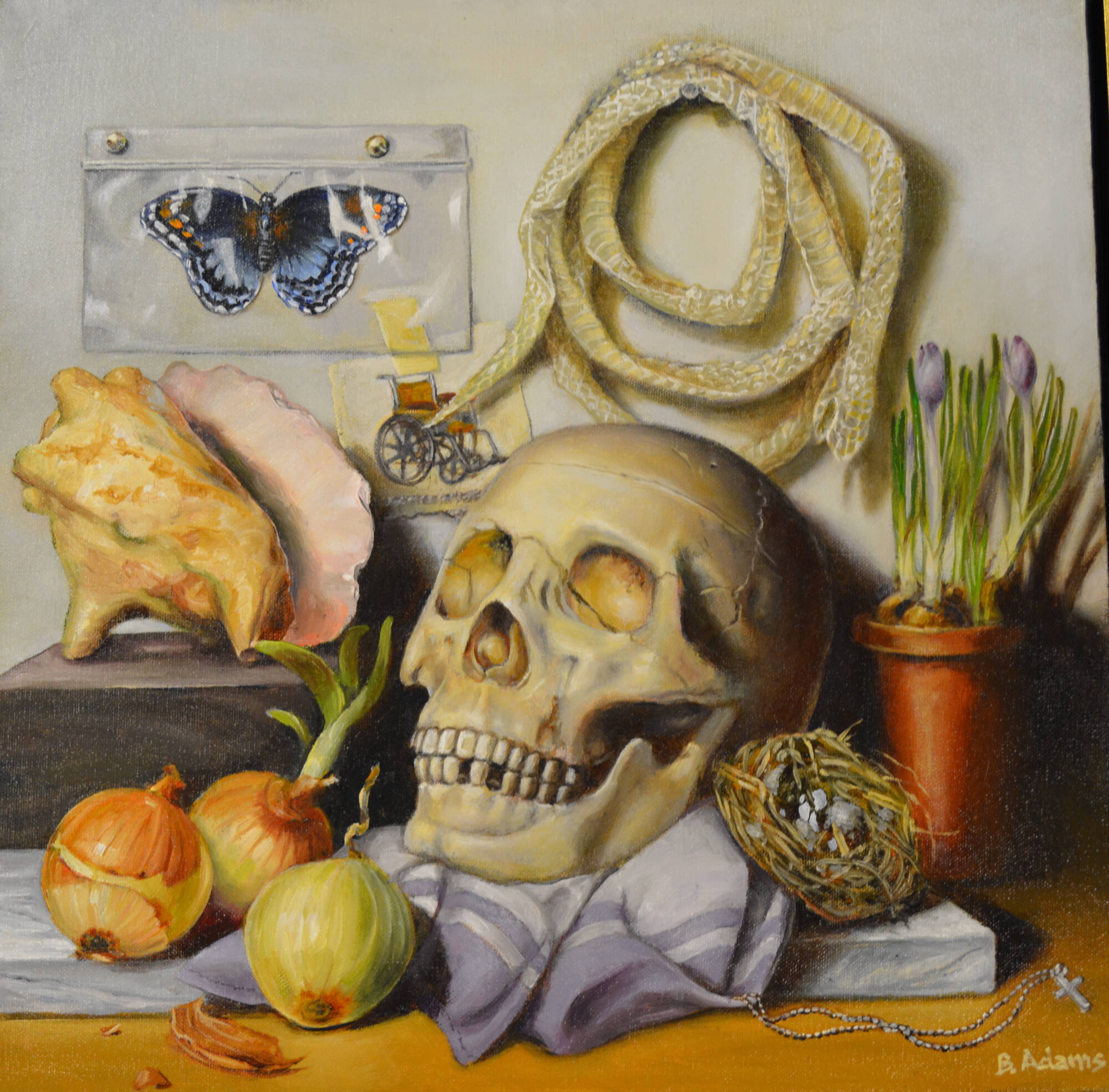
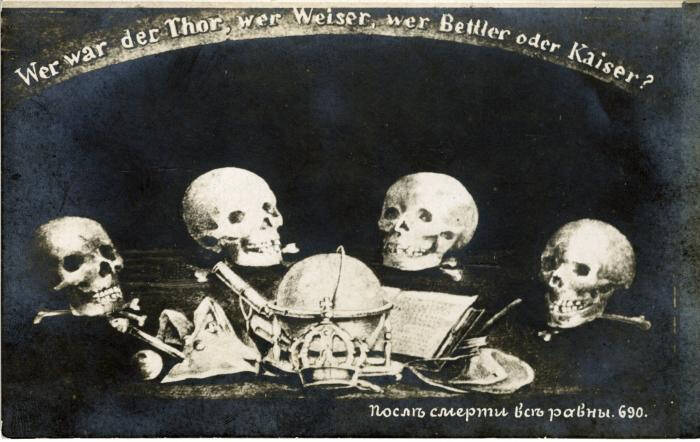
Though the Renaissance brought a renewed sense of light and life to art, artists for centuries continued to be fascinated by macabre themes. They became increasingly creative in their depictions of mortality, using seemingly ordinary objects such as burning candles, human skulls, rotting fruit, and partially decaying flowers. These objects, often found in vanitas paintings, were used to remind viewers of the fleeting nature of life and their own mortality.
Contemporary artists continue to draw on macabre themes, often blending ideas of mortality and death with mass media, consumerism, political violence, and the uncanny. Through painting, photography, installation, and performance, artists today create images and experiences that evoke unease, dread, and contemplation.
Want to learn more? Check out these resources available at the GVSU Libraries!
eBook: The Art of Darkness: A Treasury of the Morbid, Melancholic and Macabre
by S. Elizabeth, 2022
The visual arts offer refreshing and novel resources through which to understand the representation, power, ideology, and critique of law. This vibrantly interdisciplinary book brings the burgeoning field to a new maturity through extended close readings of major works by artists from Pieter Bruegel and Gustav Klimt to Gordon Bennett and Rafael Cauduro.
eBook: Danse Macabre: Temporalities of Law in the Visual Arts
by Desmond Manderson, 2019
The Art of Darkness is a visually rich sourcebook featuring eclectic artworks that have been inspired and informed by the morbid, melancholic, and macabre. Throughout history, artists have been obsessed with darkness – creating works that haunt and horrify, mesmerize and delight, and play on our innermost fears.
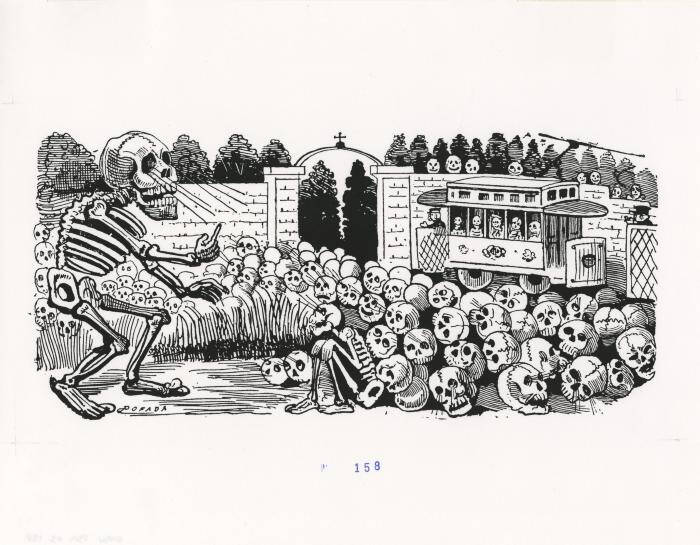
Christy Prater, Sideways to Solitude, digital photograph, 2024, 2025.14.1.
Artist Unknown, Untitled (Death with an Artist), engraving, 2021.33.1659h.
José Guadalupe Posada, Calavera Eléctrica, restrike print, 2004, 2018.63.10.
Beverly Adams, Oh That We Could Shed Our Skin and Begin Again, oil on linen, 2017, 2018.10.1.
Artist Unknown, Remember You Must Die- Who Was the Fool- After Death All Are Equal, photograph, ca 1915, L11.2022.1378.