

Artists Transforming a Nation
Published February 1, 2023 by Nicole Webb
Art has the powerful capacity to illustrate narratives and individuals’ perspectives. The expressive nature of art has led artists to use their art as a form of activism and awareness to become influential voices within our communities. When used in this way, art becomes a tool used to encourage social change and inform society about social issues.
The Civil Rights and Black Power eras from the 1950s and 60s regarded art as a tool for activism. Artists like Charles Henry Alston, David C. Driskell, and Jacob Lawrence painted scenes of racism in America, bringing to light social injustices. Congressman John Lewis, when asked about the role of artists and artwork, once said, “[these images] are a testament to the ability of a committed, determined people to transform a nation, even the most powerful nation on earth, and bring it more in line with the call for justice.” Through their work, artists captured, communicated, and illustrated a people’s movement. From photographs of the harsh realities of racism in America to mass-produced posters asking for systemic changes, these images played a pivotal role in shaping the understanding of the civil rights movement and inspiring citizens to action.
Many artists took this opportunity to tell their story, their community’s story, and that of the Black experience in America. Artist David Hammons said it was his “…moral obligation as a black artist to try to graphically document what I feel socially.” The artists active in these movements were driven by a need to strengthen their role within society and to tell their stories utilizing their own aesthetics.
Despite oppression that often goes unrecognized, Black artists continue to create art that reflects their experiences in America today. Through paintings, spoken word, drawings, and photography, Black artists use their art to redefine perceived norms around concepts of Blackness. The GVSU Art Gallery celebrates and supports Black stories and Black voices throughout our collection and seeks to provide a space for these stories.
Amos Paul Kennedy Jr.
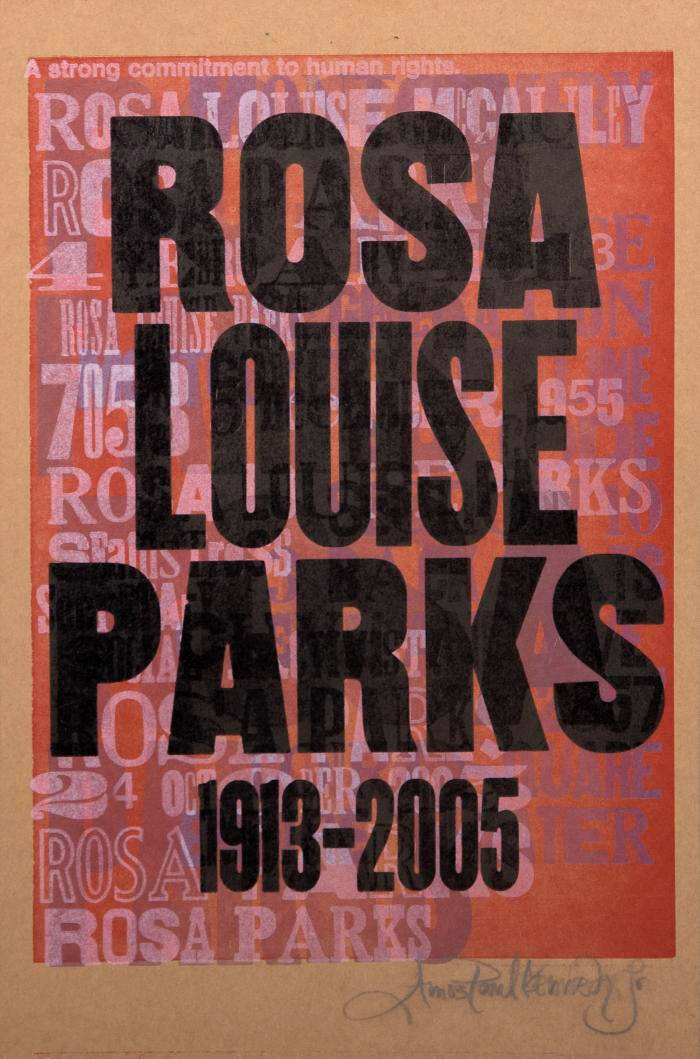
At the age of 40, Amos Paul Kennedy Jr. visited Colonial Williamsburg, a living history museum in Virginia, and was mesmerized by the 18th-century print shop demonstrations. He soon quit his career of over two decades to begin printmaking studies. Letterpress printing became Kennedy’s medium of choice because of its ability to create multiples. Multiples mean larger and further distribution of the messages and images he creates. Today, Kennedy creates colorful, layered, and typographically driven posters with strong social and political commentary.
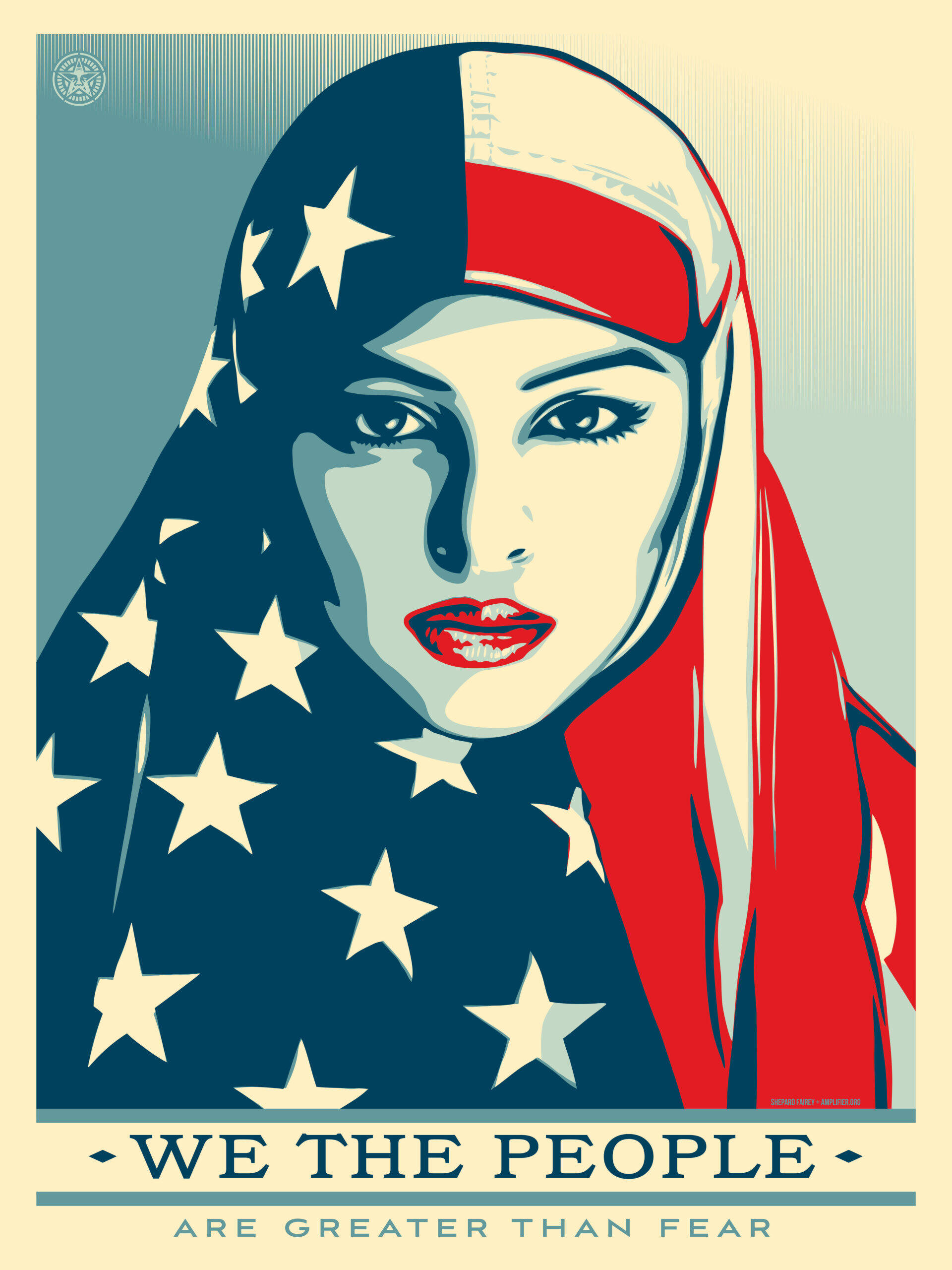
Amplifier
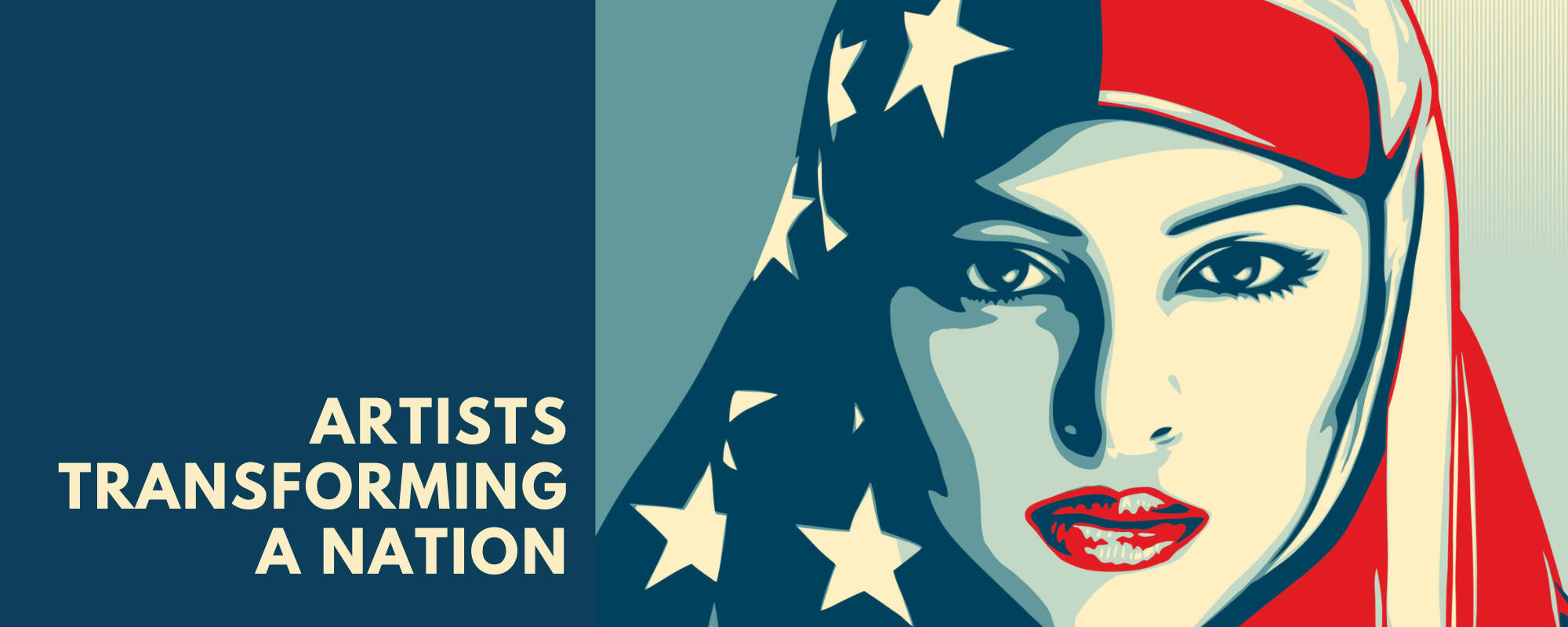
Amplifier, a nonprofit that works with artists to design art that amplifies contemporary issues and movements. Their “We the People” series is a “nonpartisan campaign dedicated to igniting a national dialogue about American identity and values through public art and story sharing.” Within 24 hours of posting the poster images to social media and their website, there were over 700,000 downloads in over 190 countries. 30,000 posters flooded the 2016 inauguration, filling Washington, D.C. with images and faces of hope that rejected the hate, fear, and open racism.
Learn more about the We the People Collection
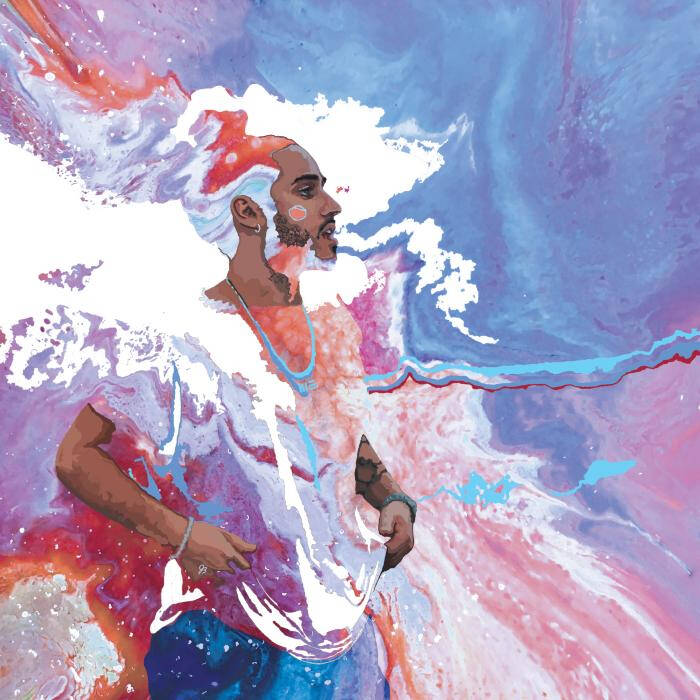
Jasmine Bruce
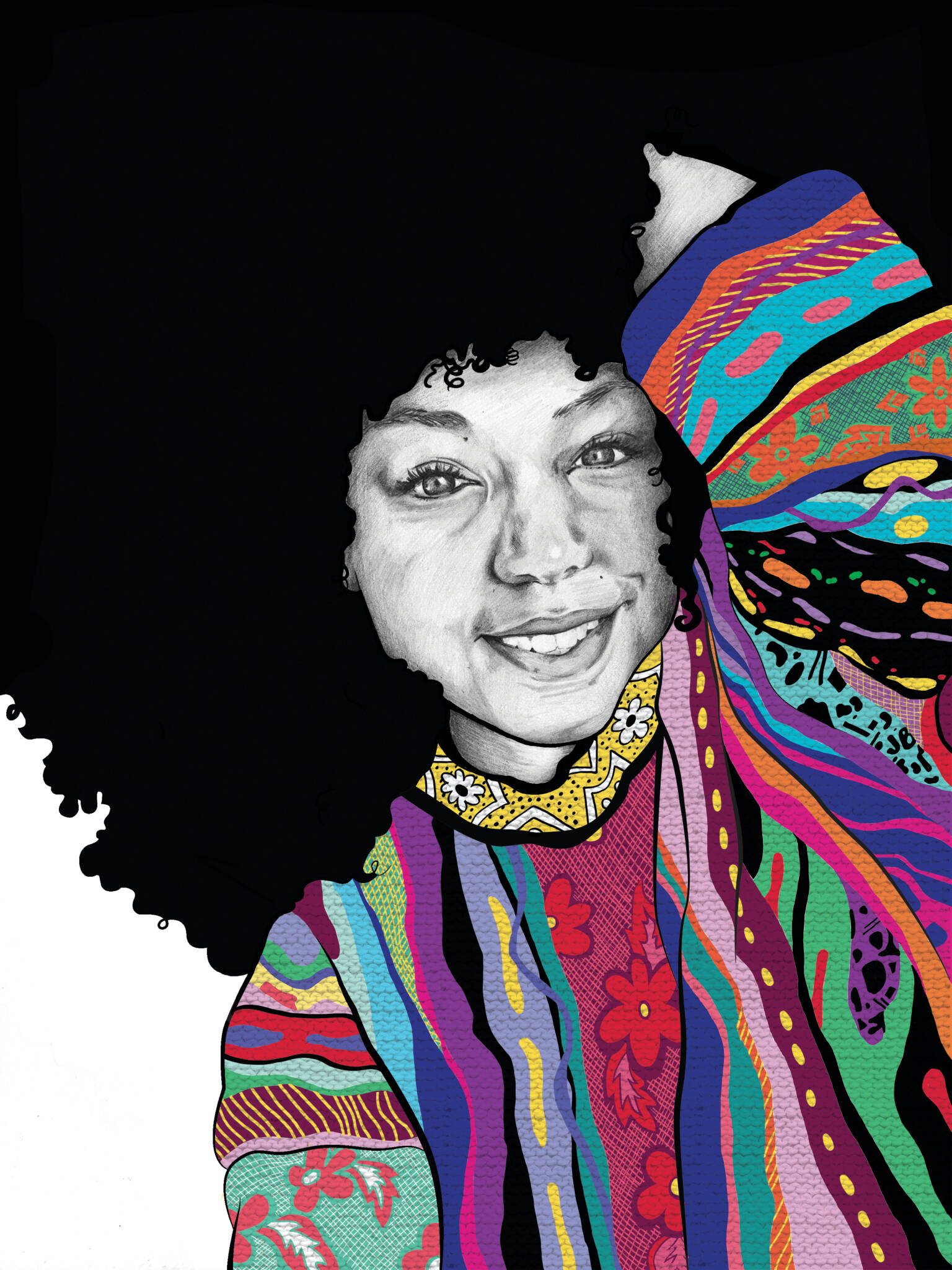
Jasmine Bruce is a local Grand Rapids visual artist whose work emphasizes the healing power of creating. Her versatile and powerful style tells the story of a universal trauma that plagues the entire human race. This trauma, ancestral and ancient, is a pain that carves deep into the veins beneath the skin and surfaces as blemishes of the Ism: racism, alcoholism, and narcissism. These isms surface as insecurities, anger, abuse, violence, and imbalance. Her work aims to draw out this pain, restoring balance and connection with the inner, outer, and divine self.
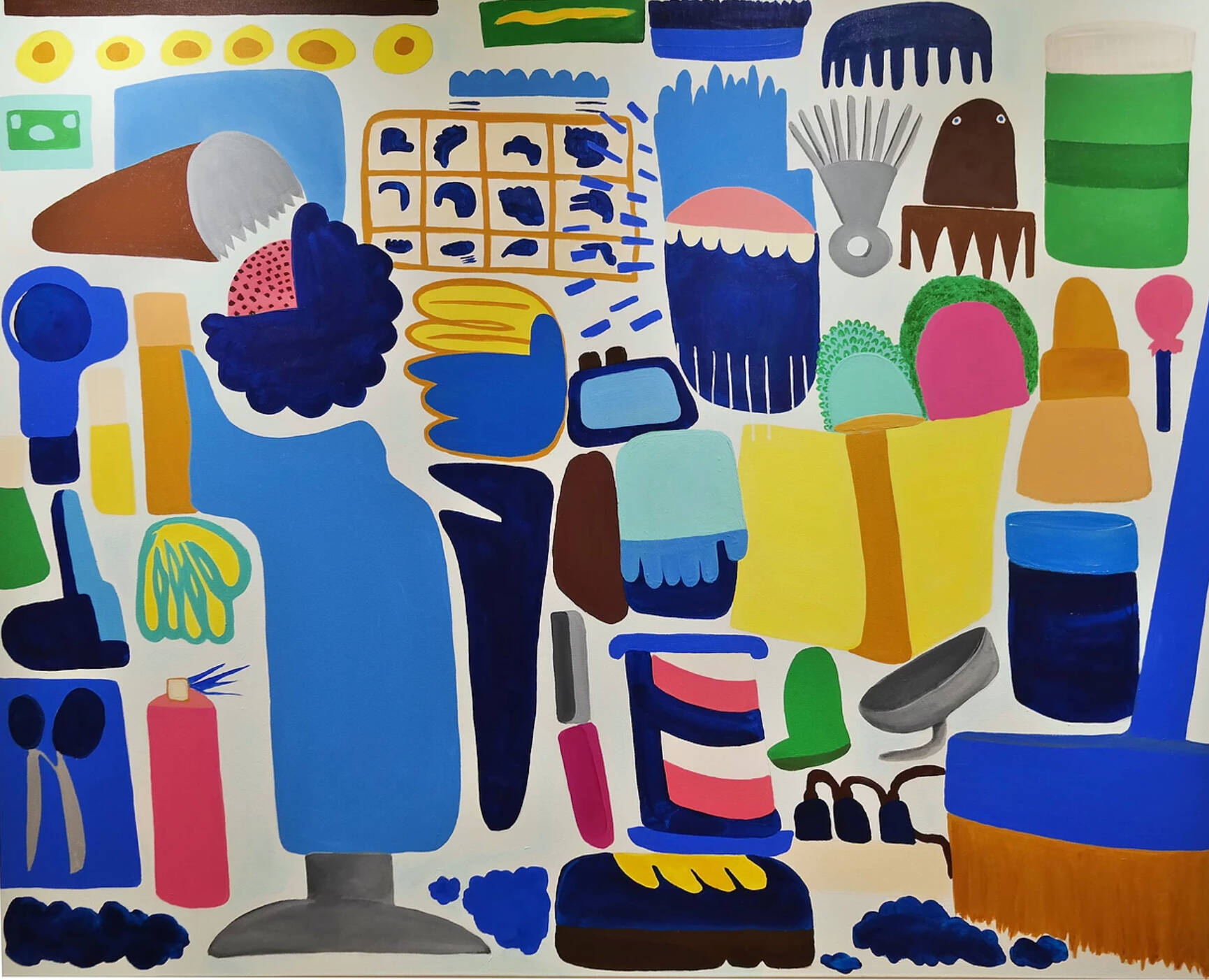
Rosie Lee
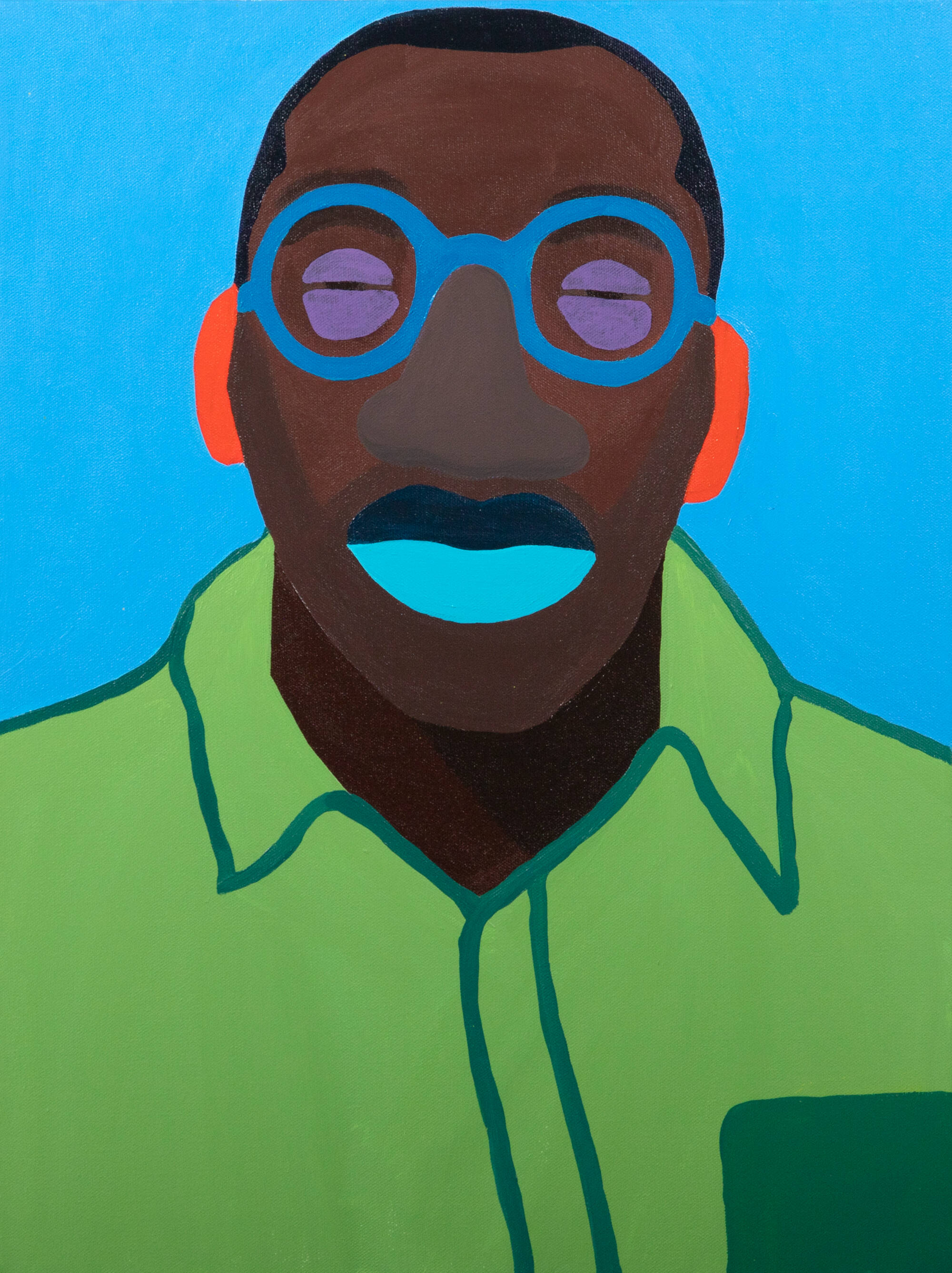
From the West African influence of the Geechee in South Carolina to the Creole flavor in the Ninth Ward of New Orleans, Louisiana, Rosie Lee’s artwork is inspired by and speaks to the diversity found amongst African Americans. His paintings highlight the history and culture of African American communities through vibrantly rendered architectural structures, iconography, and black figures in abstraction. Using playful iconography, Lee hopes to create recognizable physical spaces while using signs and symbols that categorize and identify African American Culture.
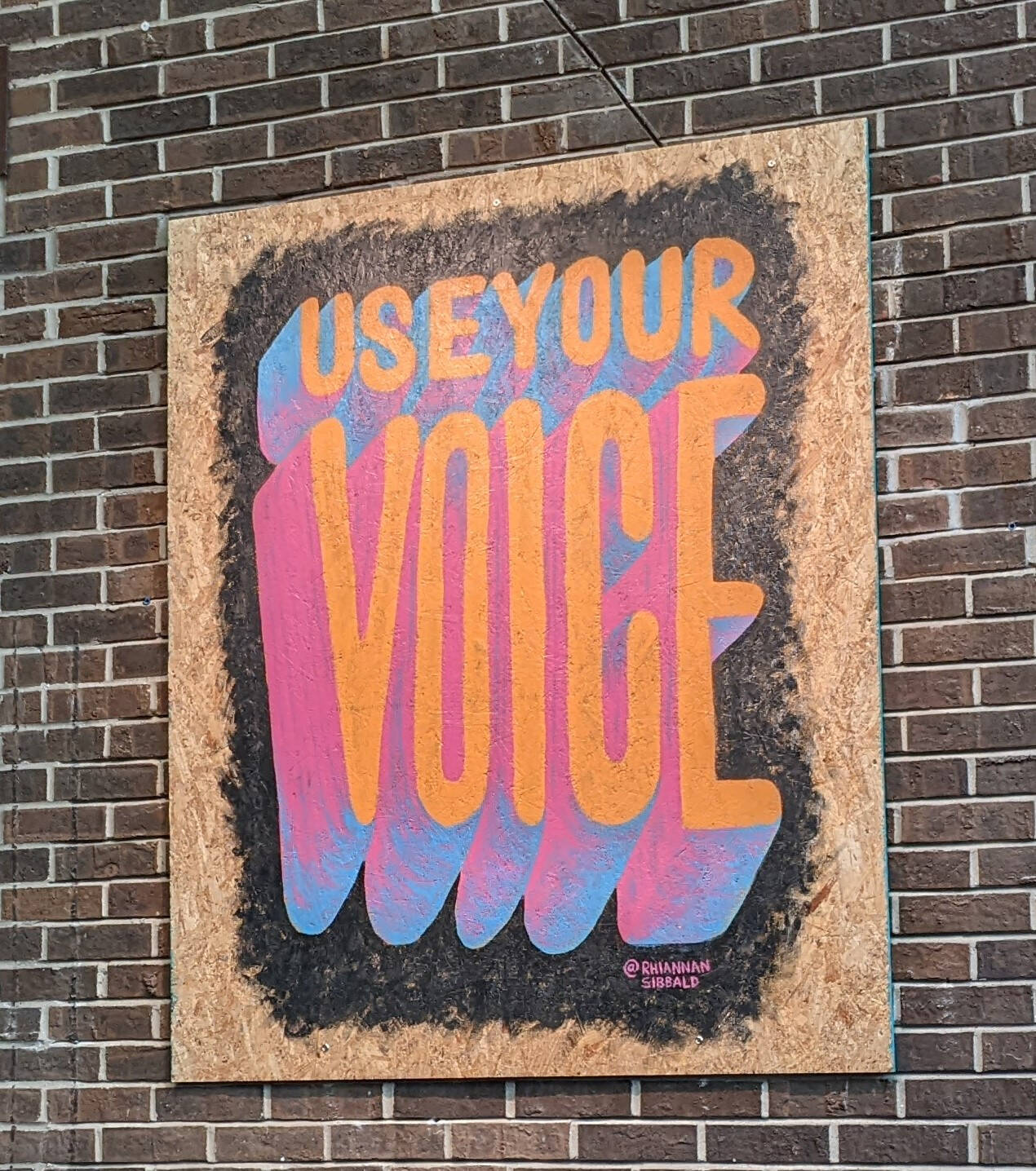
Windows G.R. Murals
On May 30th, 2020, a peaceful protest in support of Black Lives Matter was held in downtown Grand Rapids in response to the killing of George Floyd by Minneapolis police officers. After the protest, a riot caused damage to vehicles and buildings. In the following days, the Grand Rapids community worked together to clean up the damage, including many businesses that had to cover up broken windows with plywood. Seeing the plywood as blank canvases, graffiti artist Guillermo Sotelo reached out to Hannah Berry of Lions and Rabbits Center for the Arts, who brought together local business owners and property managers to support the pivotal community art project that became "Windows GR". An artist liaison group comprised of Jasmine Bruce ('18), Leandro Lara, Adrian Butler, Kendall Redmon, and Asia Horne ('13) of Free Alchemy Studio served as the catalyst that helped advocate for the amplification of local Black artists and artists of color to express themselves using the project as a platform. The art addresses systemic racism and injustice while cultivating messages of equality and freedom of speech directly from the creative perspectives of Grand Rapids artists. Since then, pieces from the project have been acquired by local institutions such as Grand Rapids African American Museum and Archives, Grand Rapids Public Museum, Aquinas College, and now proudly at Grand Valley State University.
Learning Resources
Art and Social Movements
Amplifier
Jasmine Bruce
Jasmine Bruce, Self Portrait, digital painting, 2018, 2018.55.3
Rosie Lee, Curtis, acrylic on canvas, 2018, 2023.20.2.
Amos Paul Kennedy Jr., Rosa Louise Parks 1913-2005, screen print, n.d., 2022.44.2
Shepard Fairey and Ridwan Adhami, We the People: Greater Than Fear, print, 2017, 2022.49.1b
Jasmine Brue, Don’t Interrupt the God Flow, mixed media, 2018, 2018.55.2.
Rosie Lee, Barbershop Talk, acrylic on canvas, 2019, 2021.11.4
Rhiannan Sibbald, Use Your Voice, latex on particle board, 2020. 2022.1.5.