

Division of Student Affairs Annual Report
July 2025 - June 2026
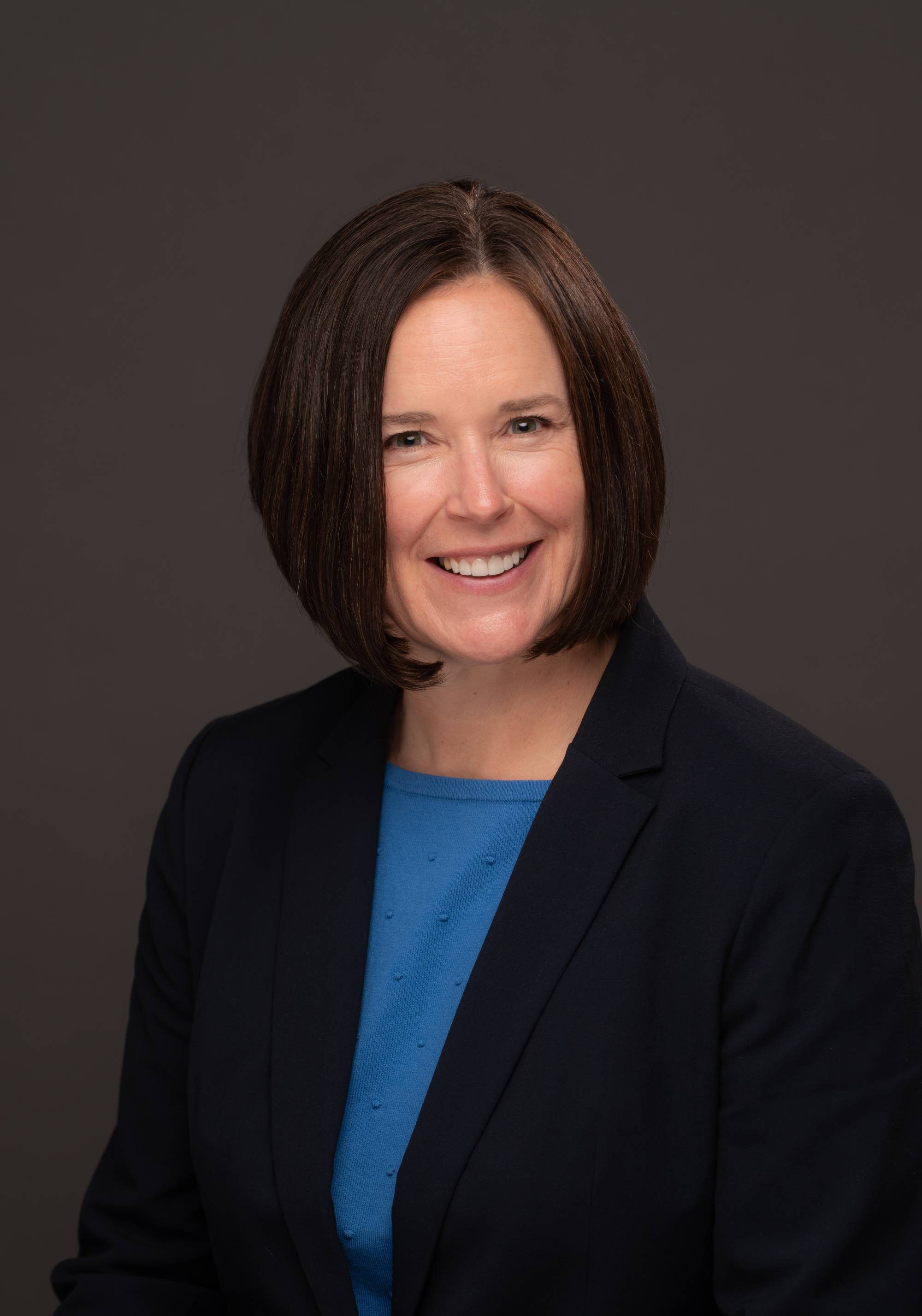
Vice President for Student Affairs, Jenny Hall-Jones, Ph.D.
"I am incredibly proud of the people who make up the Division of Student Affairs (DSA). Every day, our staff bring their talent, care, creativity, and commitment to this work, and it makes a difference. This year’s accomplishments are a reflection of what happens when people come together around a shared commitment to our students and to one another. Behind every initiative, program, conversation, and success is a member of our staff who chose to show up, step in, and make a difference. I am grateful for the countless ways the DSA team supports our students, our colleagues, the division, and GV. I see the heart they bring to this work, and it is an honor to be part of Grand Valley and celebrate all that we accomplish together."
— Vice President for Student Affairs, Jenny Hall-Jones, Ph.D.
Click on each department image below to download their 2025-2026 "snapshot".
Alcohol and Other Drugs Services
Center for Health and Well-being
Center for Women and Gender Equity
Dean of Students Office
Housing and Residence Life
Office of Conduct and Conflict Resolution
Office of Multicultural Affairs
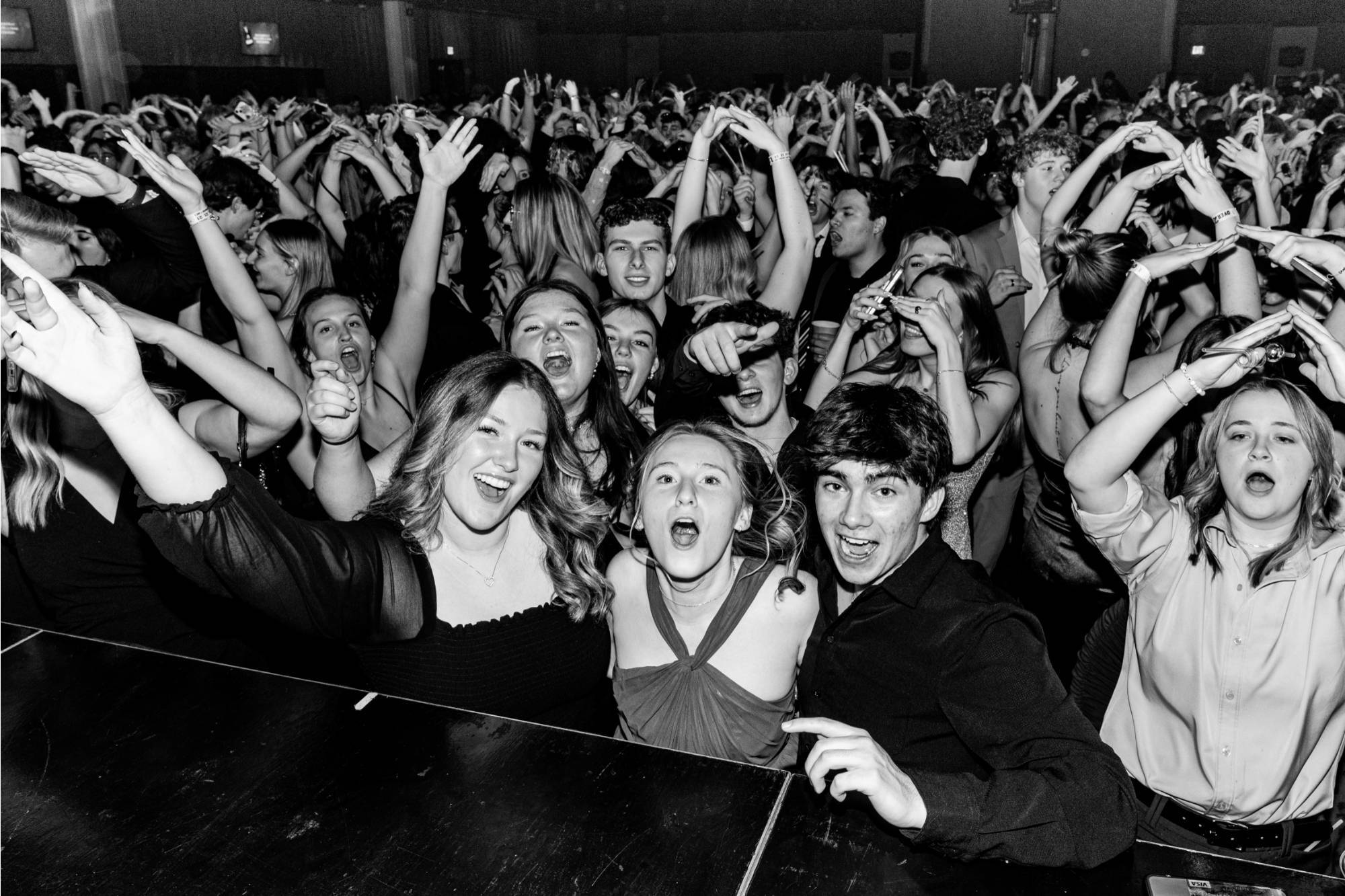
Office of Student Life
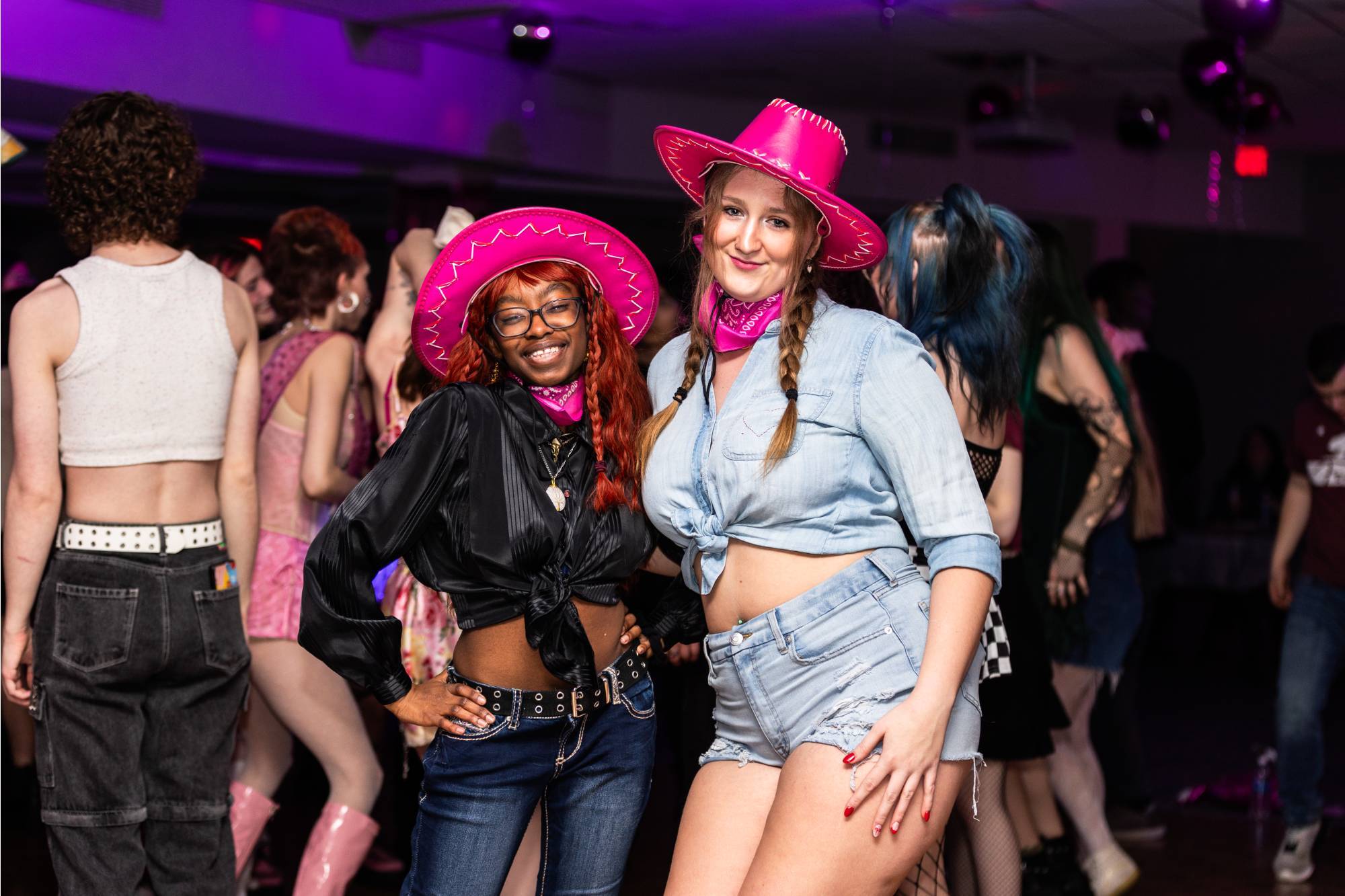
Rainbow Resource Center
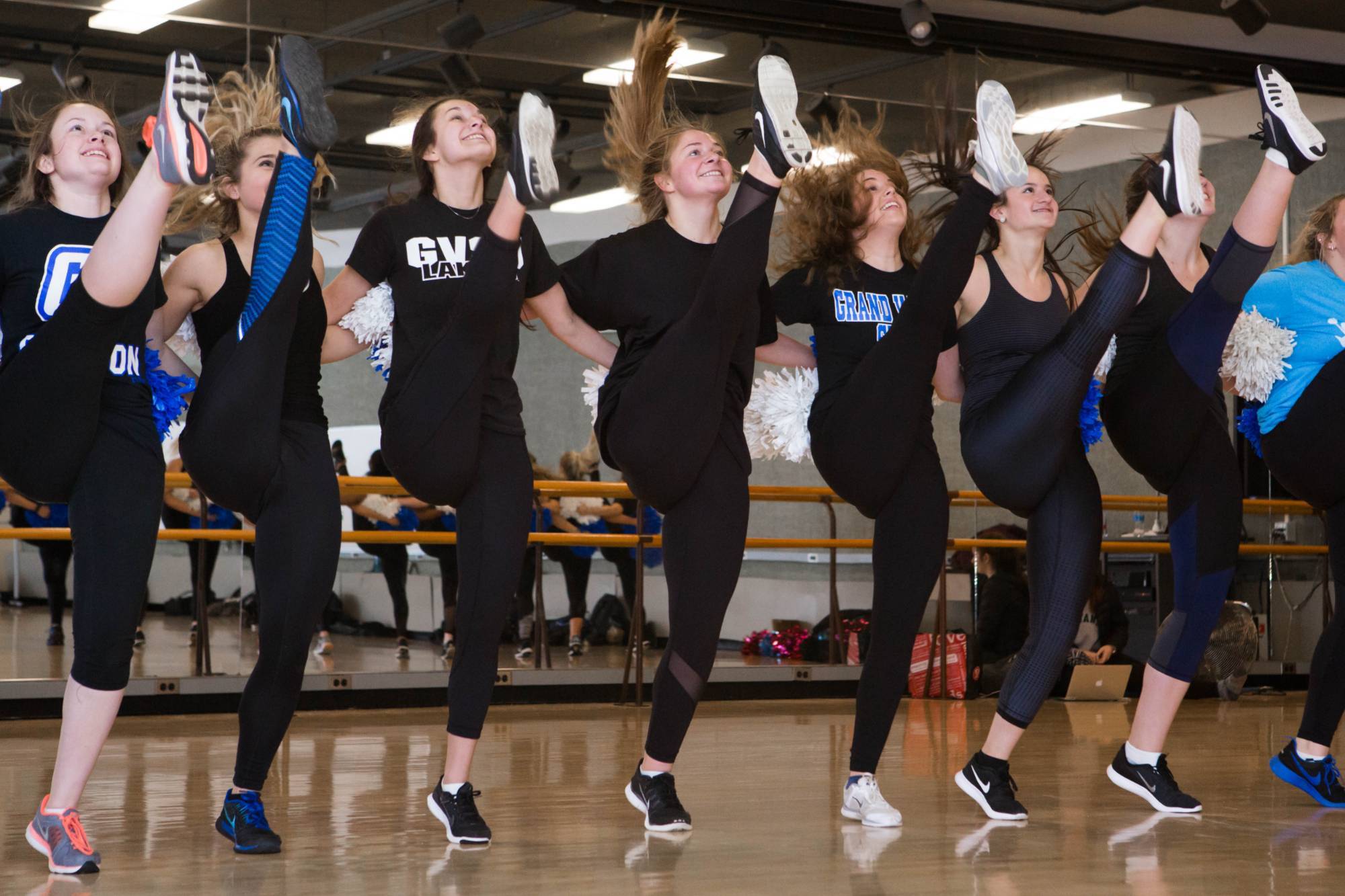
Recreation and Wellness
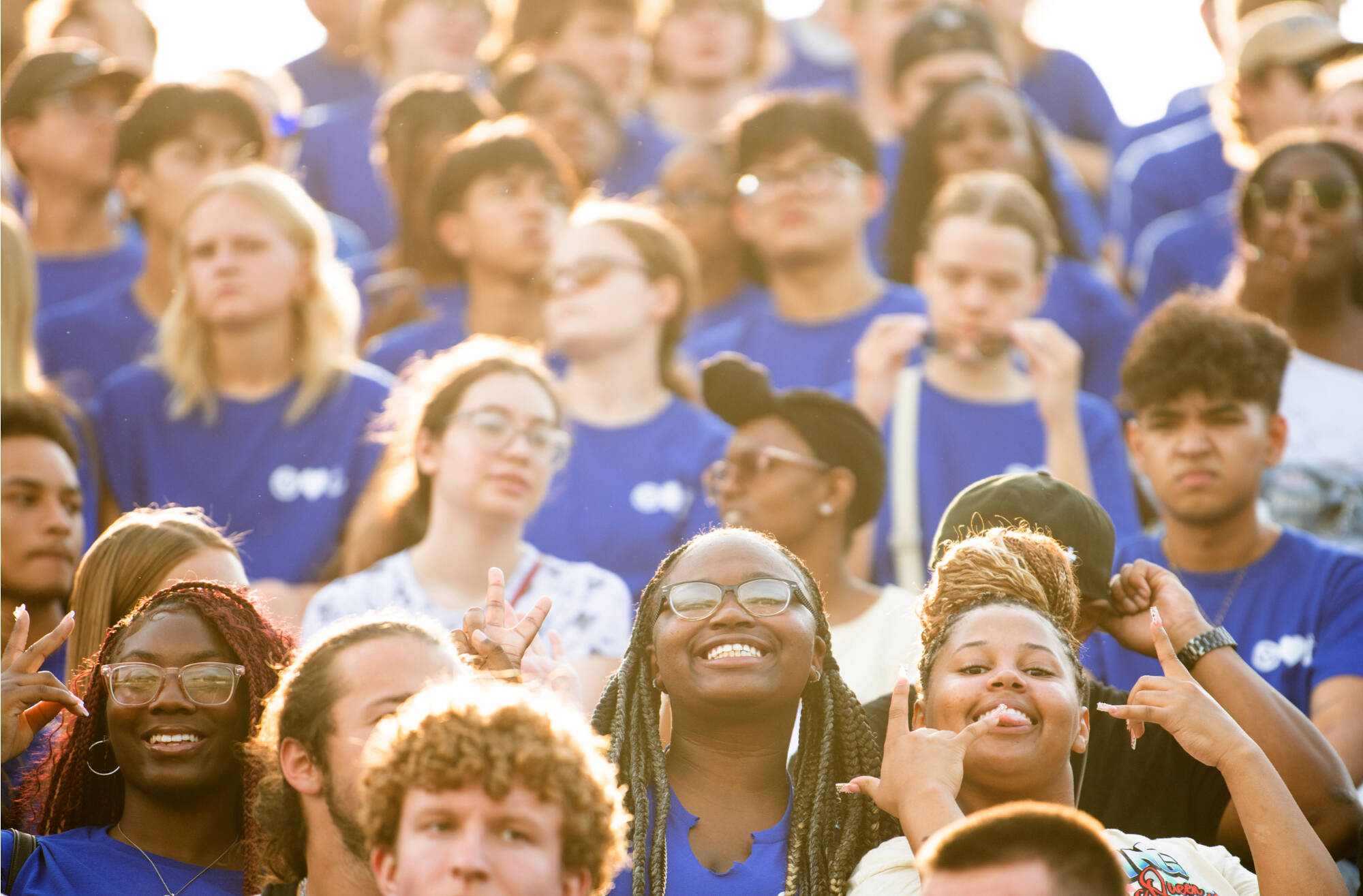
Student Accessibility Resources
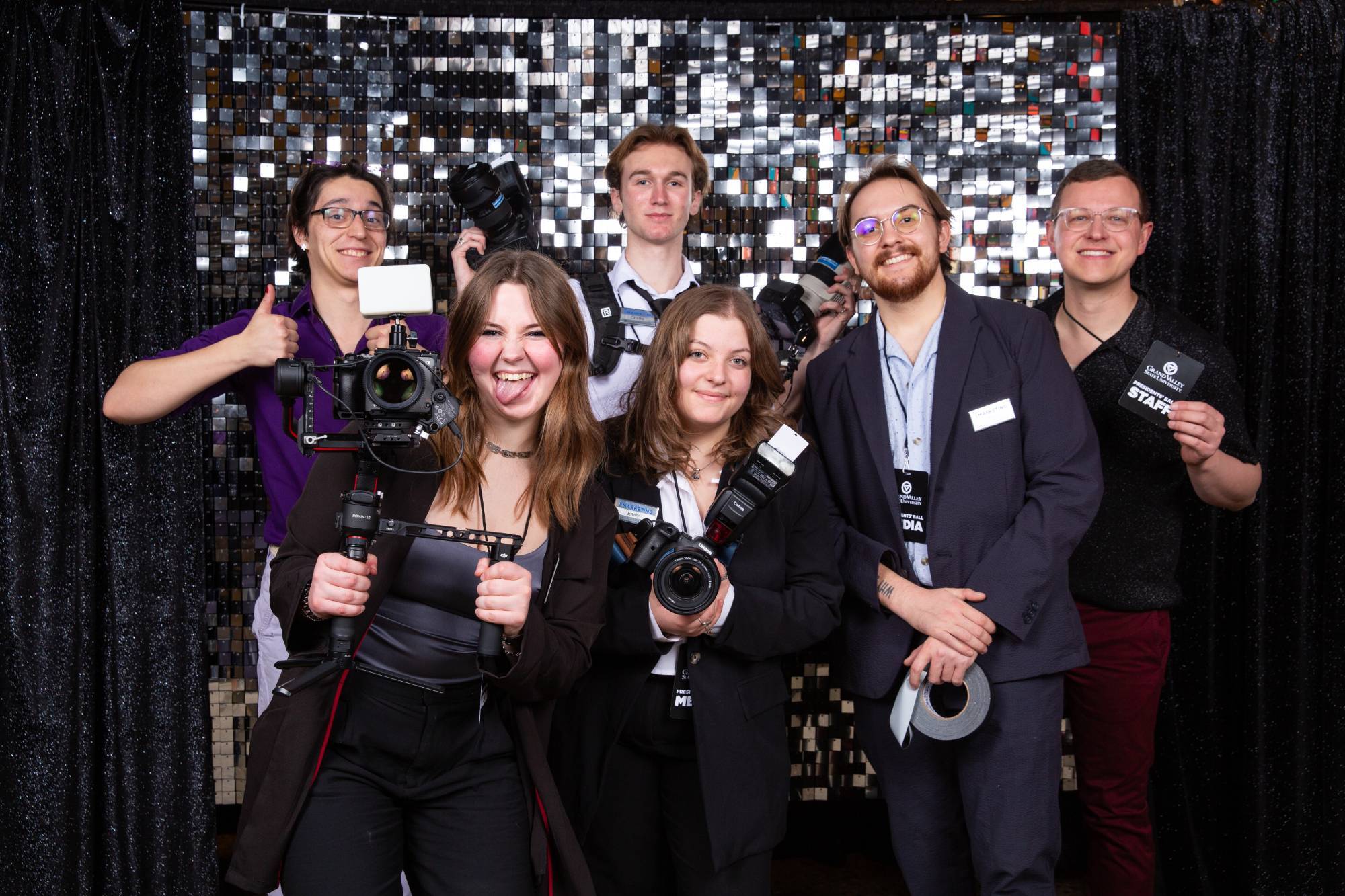
Student Affairs Marketing
Student Ombuds
University Carillonist
University Counseling Center
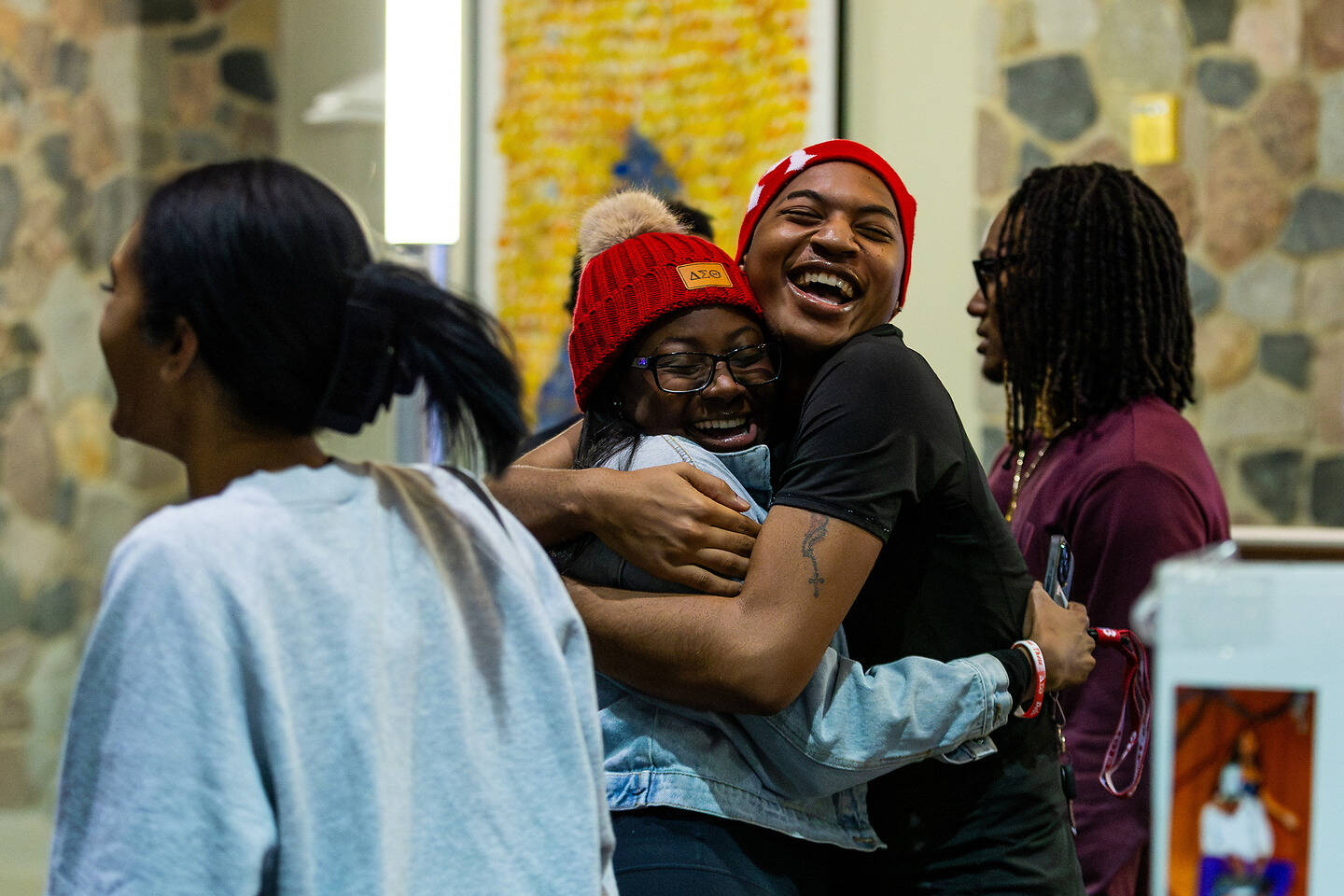
When students experience a sense of belonging, are supported in overcoming challenges, and receive holistic support, they are better positioned to learn, develop, and persist during their college experience. For some students, it begins with attending campus traditions and joining a student organization, and for others, it begins by meeting others who share their identities, experiences, or interests. During the 2025-2026 academic year, the GVSU Division of Student Affairs provided a variety of meaningful opportunities and engaged with thousands of students in exploring identity, finding community, and developing a stronger sense of belonging at GVSU.
The Office of Student Life’s (OSL) Campus Activities Board (CAB) alone hosted 110 events and engaged more than 14,900 students through their programs, and Housing and Residence Life (HRL) provided a residential experience to 5,935 students, engaging them through 600 programs and daily community-building, contributing to a 91.6% fall to winter retention rate.
OSL also created opportunities for students to connect, belong, engage, and lead through student organizations, fraternity and sorority life, civic engagement, and leadership experiences. 375 Registered Student Organizations were active in 2025-26, engaging 8,917 unique students. Fraternity and sorority members achieved an 88.6% retention rate, highlighting the positive role that meaningful community and involvement play in supporting student persistence and success. Student engagement was supported through the coordination of nearly 9,000 Kirkhof Center room reservations including 4,300 student organization reservations, providing the infrastructure that made campus involvement possible. Students also became connected with the local community through 37,986 hours of community engagement, generating an estimated $1.37 million in economic value while strengthening partnerships with nonprofit organizations and addressing community needs.
Impact of Student Involvement on Campus
Students involved in Registered Student Organizations reported significantly stronger feelings of belonging (90% vs. 58%), greater leadership development (89% vs. 75%), and a higher intention to return to GVSU (89% vs. 73%) than students who were not involved.
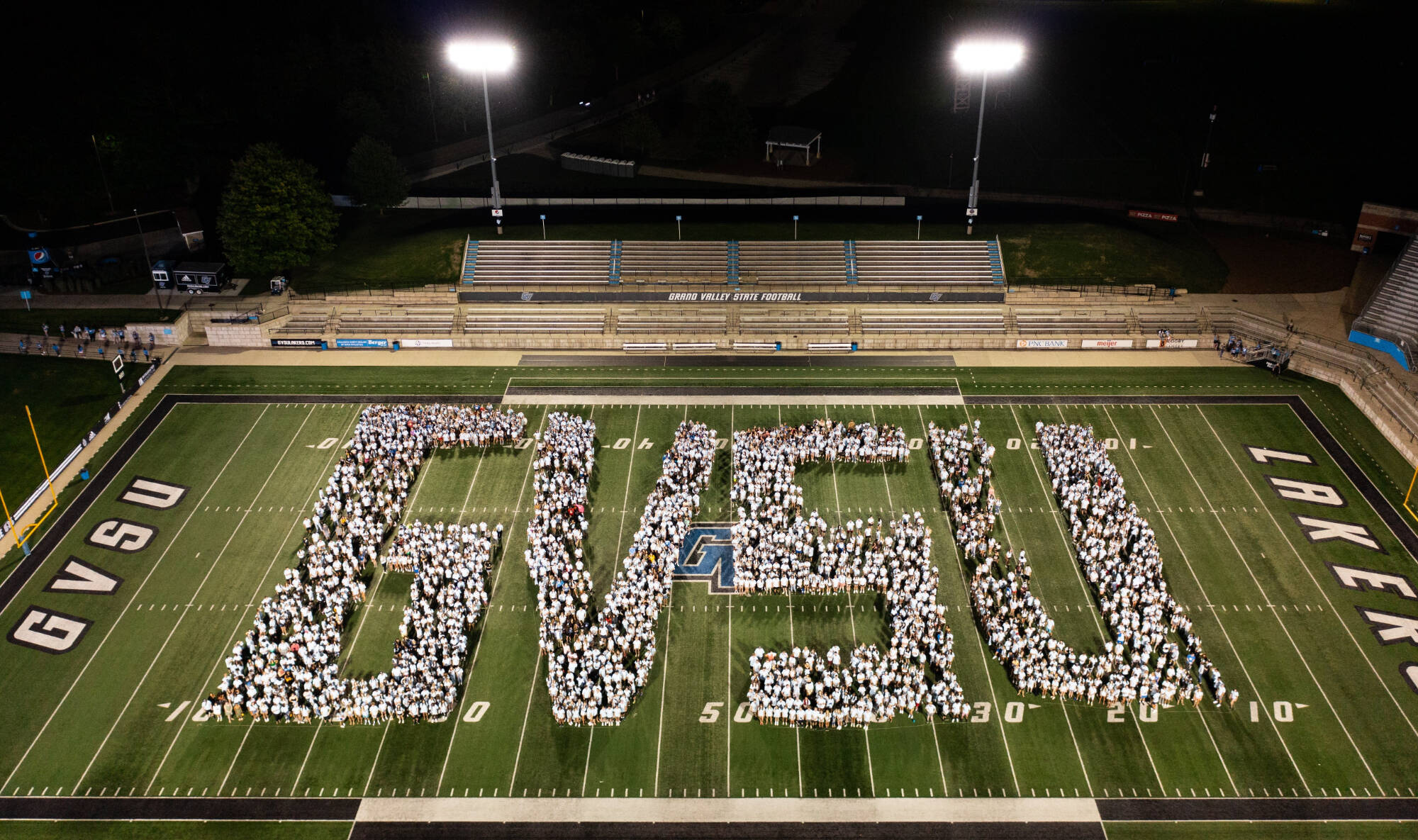
Collaboration was essential to the success of Student Affairs programming. Under the leadership of Student Affairs Marketing and Office of Student Life, 13 departments across campus collaborated to bring the reimagined inaugural Laker Kickoff to life. Driven by student feedback, evidence-based practice, and a reevaluation of use of funds, a shift from a traditional Convocation ceremony to an even more engaging, celebratory, and student-centered experience was executed in the fall of 2025. By incorporating interactive elements and prioritizing meaningful engagement, the new approach ensured that students felt welcomed, supported, and prepared for their university journey in a way that resonated with their needs and expectations. The event received positive feedback from both students and staff. Attendance, as compared to Convocation in prior years, was at an all-time high with ~4,000+ students attending the welcome program in the stadium. Anecdotal feedback from leadership, staff, and students described it as the most vibrant fall campus kickoff in years.
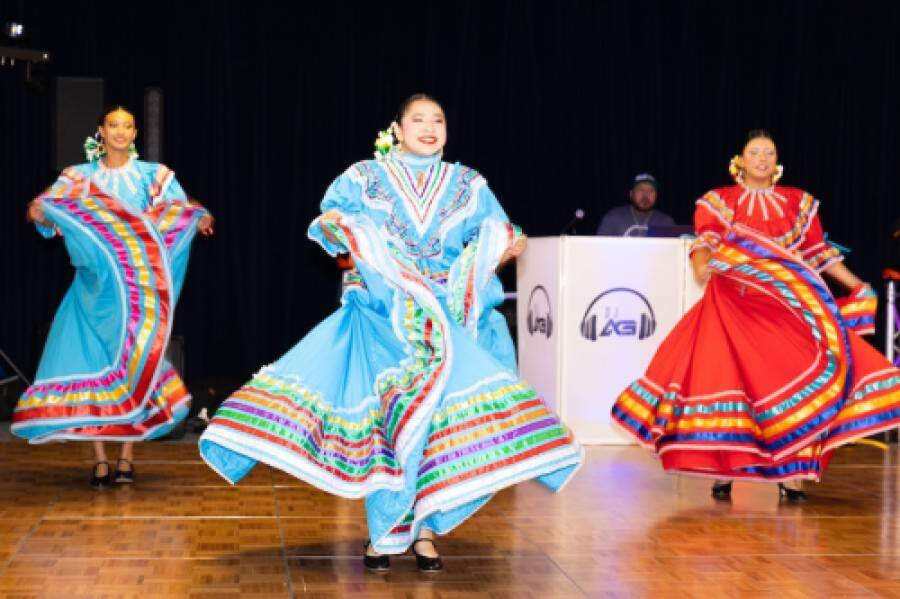
By forging new partnerships with academic departments, domestic violence agencies, community health organizations, and women of color-owned businesses, the Center for Women and Gender Equity (CWGE) programming engaged with over 1,500 Lakers and promoted intersectional understanding, gender equity, and self-advocacy. 90% of students who participated in CWGE programs reported an increased understanding of issues that impact women and other marginalized communities. A variety of impactful cultural celebrations and identity-based programming engaged with nearly 14,000 students throughout the year and strengthened community and cultural pride. The Office of Multicultural Affairs (OMA) hosted 10,382 attendees during 104 campus-wide programs throughout the year. One of OMA's most impactful programs, the Family Reunion, served as the kick-off for the Black Excellence program. Hosted in collaboration with the Black Faculty and Staff Association, the event provided students the opportunity to meet Black faculty and staff members at the university, making meaningful cultural connections. Later in the year, OMA's Spring Pow Wow saw a record-breaking 700 attendees!
Education and awareness remained one of the Rainbow Resource Center’s (RRC) strongest areas of impact, as the center welcomed 233 new student visitors during the academic year. The RRC expanded opportunities for learning and dialogue through Local Pride outreach, which engaged nearly 2,000 unique people. 23 LGBTQIA+ Foundations trainings and Open Door Discussions were hosted and offered expanded dialogue-based curriculum. The RRC maintained a 98% positive peer feedback from LGBTQIA+ Foundations participants, and throughout the 105 Open Door Discussion evaluations, 96.66% of respondents agreed or strongly agreed that they increased awareness of perspectives different from their own. Together, these efforts helped students, faculty, staff, and community members build shared language, deepen their understanding of LGBTQIA+ histories and identities, and connect learning to action.
From the very beginning, I was connected to a community that gave me a place to belong. Grand Valley was the best choice for me and gave me great opportunities to be involved.
Fraternity & Sorority Life reported a 204% growth in National Pan-Hellenic Council (NPHC) membership.
__________________
LakerLink, powered by Suitable, was in its first full academic year of use with great success. In alignment with targeted marketing and outreach efforts to incoming first-year students, the app indicated that 58% of first-year students utilized the platform.
Students learned of these opportunities, through 35 issues of the Laker Weekly student newsletter, informing students about the variety of events and campus resources available to them throughout the year. Additionally, these efforts were supported by and communicated through various channels provided by the division’s student-powered marketing and creative services teams including: graphic design, photo, video, and campus posting. Not only did these services positively impact student engagement, but they also provided nearly 40 student employees hands-on and highly specialized real-world experience, preparing them for their future careers.
These collective efforts impacted each student’s experience of campus life. From programming in the living centers, to student organizations, to identity-based communities and cultural programs, Student Affairs helped students make connections and develop a sense of belonging that supports success and persistence.
Community is only one part of belonging and a successful college experience. Students also need to feel supported and experience the University as accessible, affirming, and responsive. Equity, inclusion, and access were central to Student Affairs efforts during the 2025–26 academic year.
Safe, inclusive environments cultivated by Housing and Residence Life provided students opportunities to develop meaningful connections, build resilience, and access resources that supported their success both inside and outside the classroom. 364 community building programs, 75 academic success programs, 35 programs centered around student belonging, 88 focused on wellness, and 38 civic engagement programs impacted 12,238 students in their growth and transition to GVSU. Students registered with Student Accessibility Resources (SAR) who participated in the LINKS program discovered connection and support across campus. Through peer mentoring, weekly drop-in hours, and campus events, LINKS provided opportunities for students to build relationships, access campus resources, develop skills, and receive guidance navigating SAR processes. SAR offered Assistive Technology training sessions to students whose access depends on the use of technology to access required digital GVSU content. In assistive tech sessions, students received help setting up their personal devices to maximize access to academic materials, resulting in improved overall accessibility for living on campus.
The GVSU Campus Health Center advances equitable healthcare access
Nearly 47.5% of users are Pell-eligible and 21.1% are Black or African American, demonstrating the center's reach among students who may face greater barriers to accessing healthcare.
Advocacy remained embedded in the Rainbow Resource Center’s (RRC) daily work. The RRC helped students understand options, access affirming resources, and move through campus systems with greater clarity and support. Policy work and a focus on institutional change strengthened both external advocacy and internal infrastructure. Members of the Grand Valley community gathered on November 25, 2025 to celebrate the renaming of the LGBT Resource Center to the Milt Ford Legacy Collective: The Rainbow Resource Center. The new name continues to honor the late Milton E. Ford, who created the first LGBTQ scholarships at Grand Valley and played an integral role in establishing a dedicated space for the community on campus.The Center’s reimagined name, new Mission, Vision, and Values clarified its role as more than a traditional resource office, positioning the RRC as a collective space for belonging, education, care, advocacy, and justice-rooted leadership.
The Center for Health and Well-being also contributed to ensuring access for students. In its first year of self-operation, the Campus Health Center served 1,098 students demonstrating strong utilization, meaningful repeat use, and clear alignment with student access, equity, and well-being goals. Providing flexible access to healthcare, students utilized both in-person (69%) and virtual (31%) visits, improving access for those with transportation, scheduling, or location barriers.
Health Promotion efforts advanced the well-being of Grand Valley students through inclusive, coordinated sexual health and violence prevention programs, services, and education. Guided by evidence-informed, sex-positive, inclusive, and affirming practices, students were empowered to make informed decisions and foster a healthy campus culture. Signature initiatives included the fifth annual Sex Ed Week and comprehensive violence prevention education addressing topics such as the Red Zone, stalking, hazing, sexual assault, and domestic violence. Through collaboration with WIT Peer Educators and the Violence Prevention Task Force, outreach was expanded, engaging with 10,613 students and distributing 25,195 safer sex supplies.
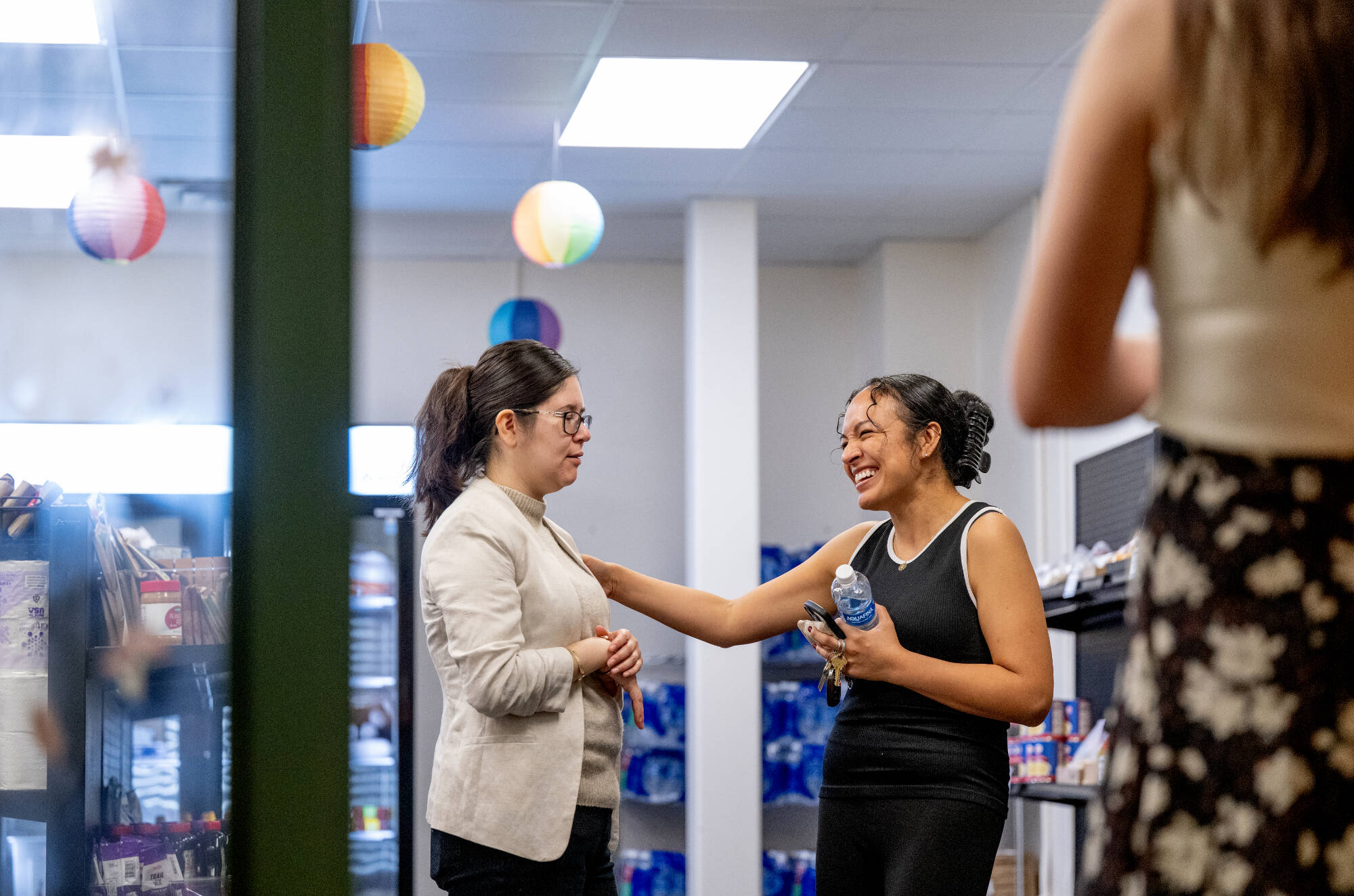
At the heart of the Center for Women and Gender Equity’s work is the Replenish Basic Needs program, which combats hunger and food insecurity — issues that disproportionately impact students of color, low-income students, and those with diverse gender identities. During the 2025–2026 academic year, Replenish served 1,054 unique students through 3,068 pantry visits, helping students remain healthy, focused, and on track to complete their education. Programs and efforts like these created visible, affirming, and community-centered spaces for students throughout the academic year.
I really like how the staff are very understanding and welcoming! I also like how there's more stuff than would be expected at a usual food pantry.
SAR reports that text to speech tools and note taking apps are the most common assistive technologies
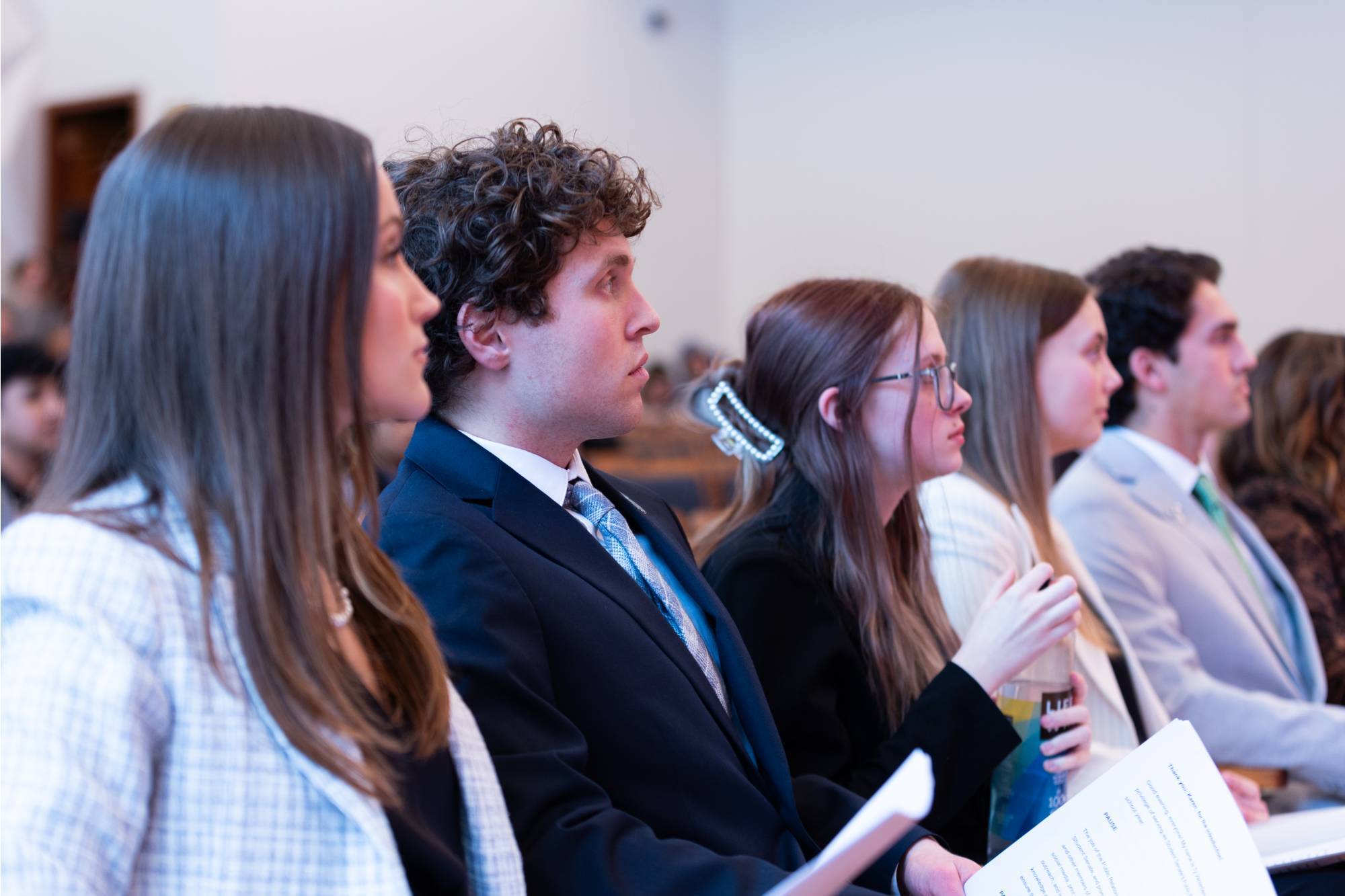
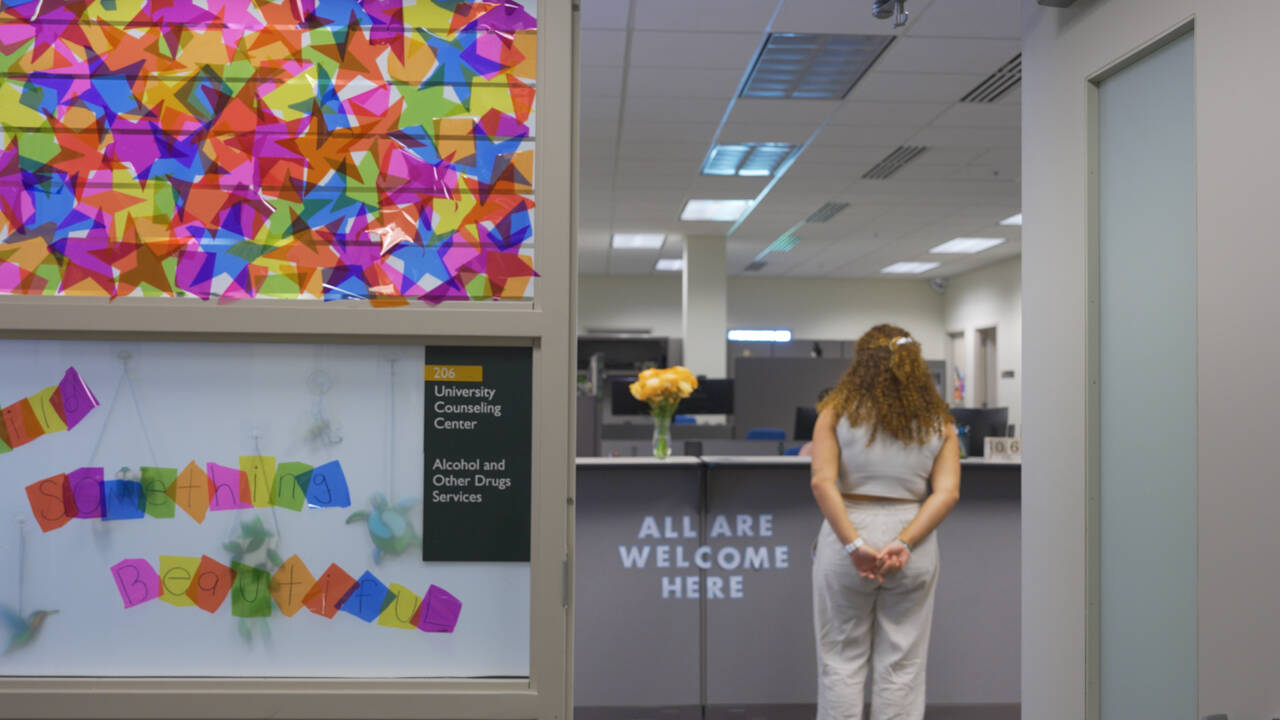
Collectively, division departments provided a holistic approach to student well-being, recognizing that students can thrive when they have opportunities to get involved on campus and are also offered support in navigating challenges. In addition to addressing health, safety, and basic needs, GVSU prioritized mental health, providing counseling services through the University Counseling Center (UCC). These services included self-help resources, group counseling, individual counseling, and community provider referrals. Counseling services have proven to be effective, as students attended an average of 5 sessions throughout the year and reported significantly reduced symptoms of distress by the end of treatment.
Mental health programs and events also created a community of care throughout the year. 42 mental health programs were executed by UCC peer educators and the Mental Health Ambassadors program trained 44 students during the school year. Reporting 269 new users in 2025-2026, the Togetherall peer support platform was available to all enrolled students via 24/7 support and has been found to be uniquely helpful at reaching students not seeking support, underserved populations, and at-risk individuals.
Additionally, the Alcohol and Other Drugs Services (AOD) office provided students with presentations, sober programming, and educational outreach. These efforts increased awareness of alcohol and other drug-related topics, promoted harm reduction strategies, and connected students with campus resources and supportive services.
AOD programs provided an approachable, low-barrier opportunity for students to ask questions about alcohol, cannabis, and other substances, while learning about available campus resources and support services. Through open dialogue and educational engagement, AOD initiatives connected with 322 students, increased awareness of harm reduction strategies, and helped normalize conversations about substance use, wellness, and informed decision-making. Recovery support is a core component of the AOD Office's continuum of care. Through a variety of peer-supported meetings, students have access to safe, inclusive spaces that promote connection, accountability, and sustained recovery. Following participation in an Alcohol Education Workshop or Marijuana Education Workshop, 80% of students reported an increased understanding of alcohol and marijuana use, while 73% indicated they intend to make changes to their substance use behaviors as a result of the workshop.
Students were empowered to pursue their well-being by building community, developing leadership skills, and by creating memorable experiences through Recreation and Wellness (RecWell) programming. Club Sport teams earned 4 National Championships, ESports finished 3rd overall in the GLIAC, Fitness & Wellness expanded their mentorship program, Intramural Sports hosted over 1,800 unique student participants, Outdoor Adventures doubled the utilization of their equipment rentals, and the Laker Dance Team won their 20th National Championship! RecWell also made progress in expanding student impact by strengthening collaborations with partners, including Campus View Apartments, Technogym, and the YMCA of Greater Grand Rapids.
Students reported statistically significant reductions in symptoms of depression, generalized anxiety, social anxiety, academic distress, hostility, alcohol use, and overall distress at the end of treatment with the University Counseling Center.
Contributing to students’ well-being, the Dean of Students Office (DSO) Care Team managed 1,713 Care referrals during the 2025-26 academic year. Both the DSO and the Student Ombuds noted mental health, academics, climate, family emergencies, medical issues, and finances as the top concerns addressed. The Office of Student Conduct & Conflict Resolution (OSCCR) saw a record caseload — a 10% increase compared to the prior year. The top five conduct violations included cheating, violations of local/state/federal law, endangerment, alcohol, and plagiarism. The increase in cases can be attributed to the efficiency of improved reporting systems and the education provided to campus partners which demonstrated the value of the student conduct process.
The Children's Enrichment Center (CEC) continued to build a strong, supportive learning community by investing in both children and the GVSU students who learn and work alongside them. During the 2025-26 academic year, the CEC supported 8 student parents, hosted more than 40 on-site observation students, employed 26 student staff members and 1 graduate assistant, with 3 student employees advancing into internal leadership roles. Through a continued partnership with GSRP, 17 children were provided with high-quality preschool at no cost to their families.
Club sports has truly transformed my college experience. It's not just about the games we play—it's about the friendships that turn into family, the leadership opportunities, and the sense of belonging that has shaped who I am at GVSU.
Throughout the 2025–2026 academic year, the division continued to provide opportunities for students to find community, access support, and prioritize their well-being while navigating college life at Grand Valley State University. As the Division looks ahead, continued collaboration, continued data-informed engagement, and cultivation of school pride and belonging will be at the forefront of ensuring that every Laker continues to have the opportunity to find community, overcome barriers, develop as a leader, and thrive at GVSU and beyond.
"It was great to be on campus for my first year at Grand Valley State University because it physically and mentally made me feel closer to campus and more connected with everybody else who went there.
- GV Residential Student
"I'm so glad I registered for this program! I was unsure of what to expect, and I'm super grateful to have learned more about the resources available to students as well as how to help them access those resources."
- Student Mental Health Ambassador
“I am incredibly grateful that GVSU has event(s) like these on campus. In attending this event I felt so connected to everyone there and I have never felt more involved in my community here on campus.”
- Office of Student Life/Campus Activities Board event attendee
"Extremely grateful to have had the opportunity to utilize such a beneficial and worthwhile accommodation. It certainly made a difference in my testing experience."
- GV student registered with Student Accessibility Resources
DID YOU KNOW?
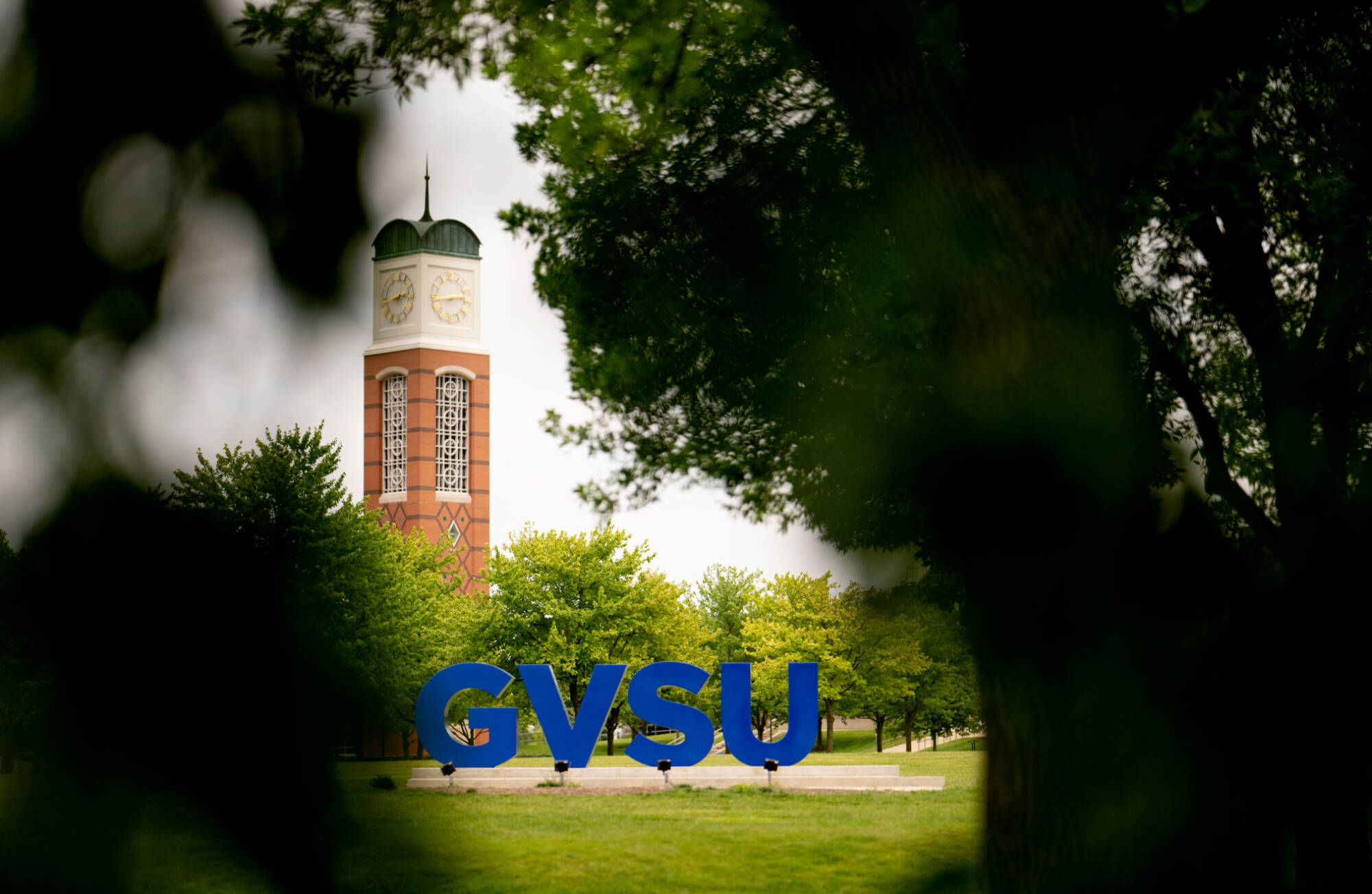
GVSU is one of only a few dozen US Universities with an active carillon performance tradition and one of only 3 institutions in the entire Western Hemisphere with multiple carillon towers.
Learn more about the GV carillons!