Due to forecasted weather conditions, the university has implemented REMOTE STATUS on Friday, December 19, 2025. Students, faculty, staff, see email for more information.


About the Kaufman Interfaith Leadership Scholars
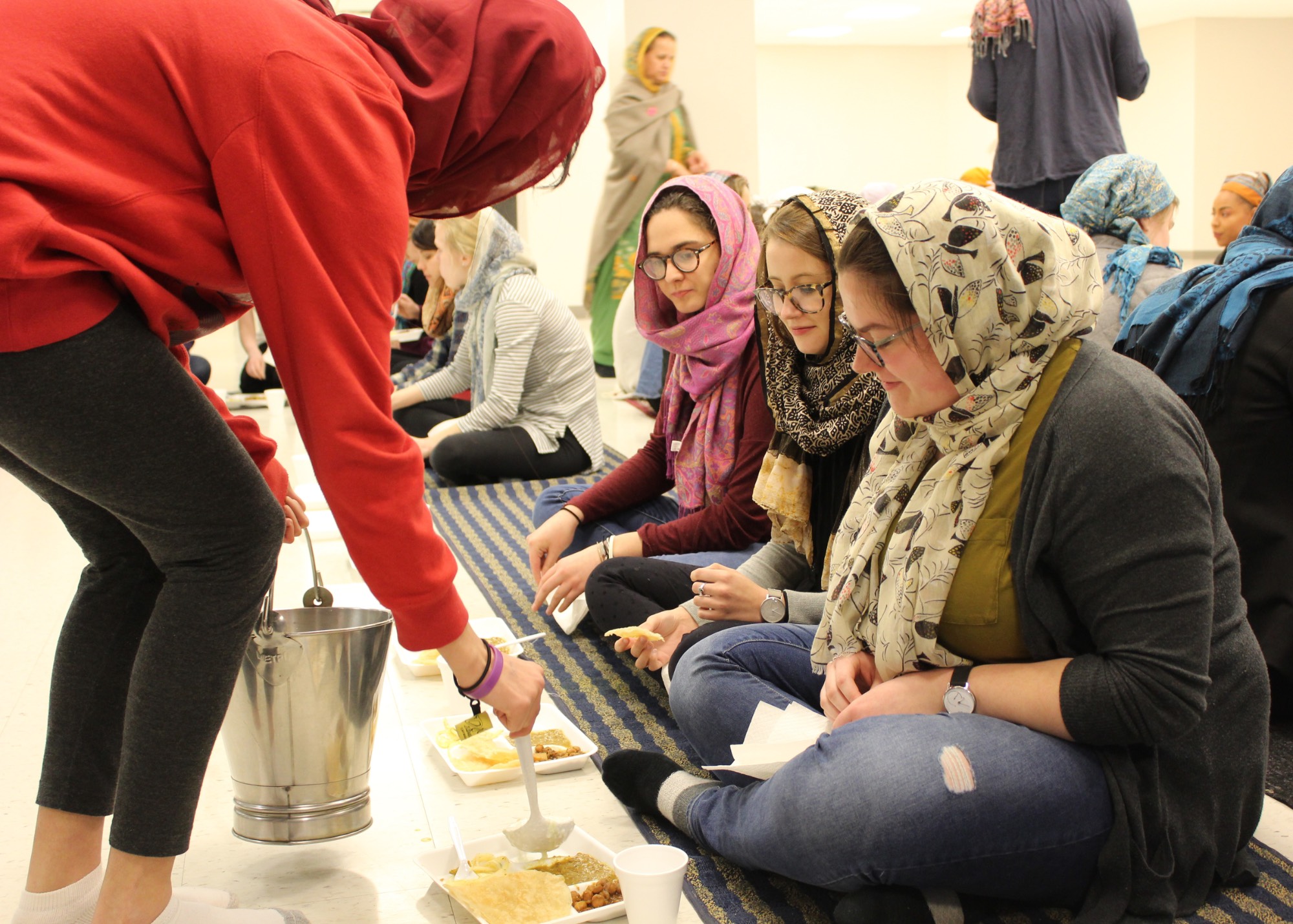
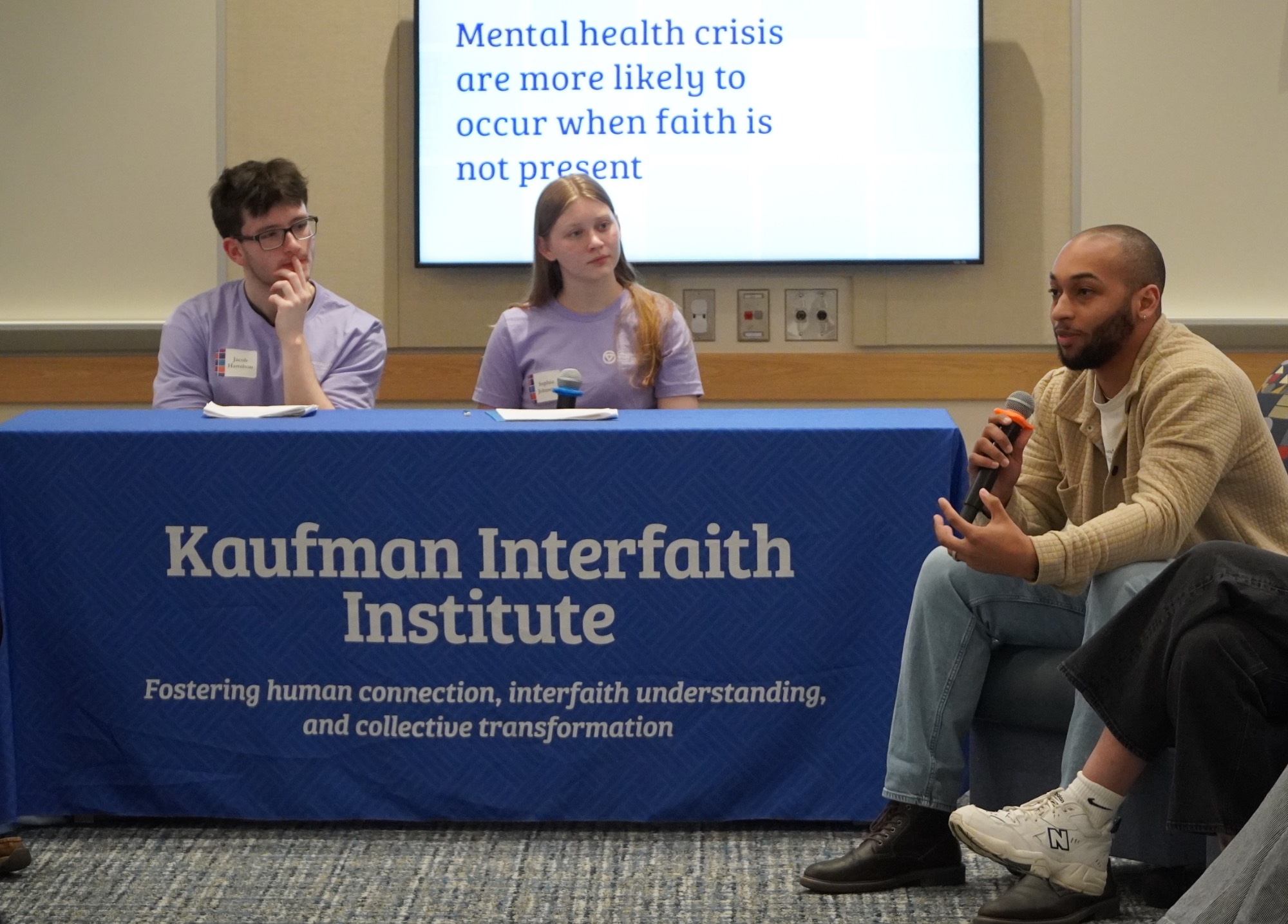
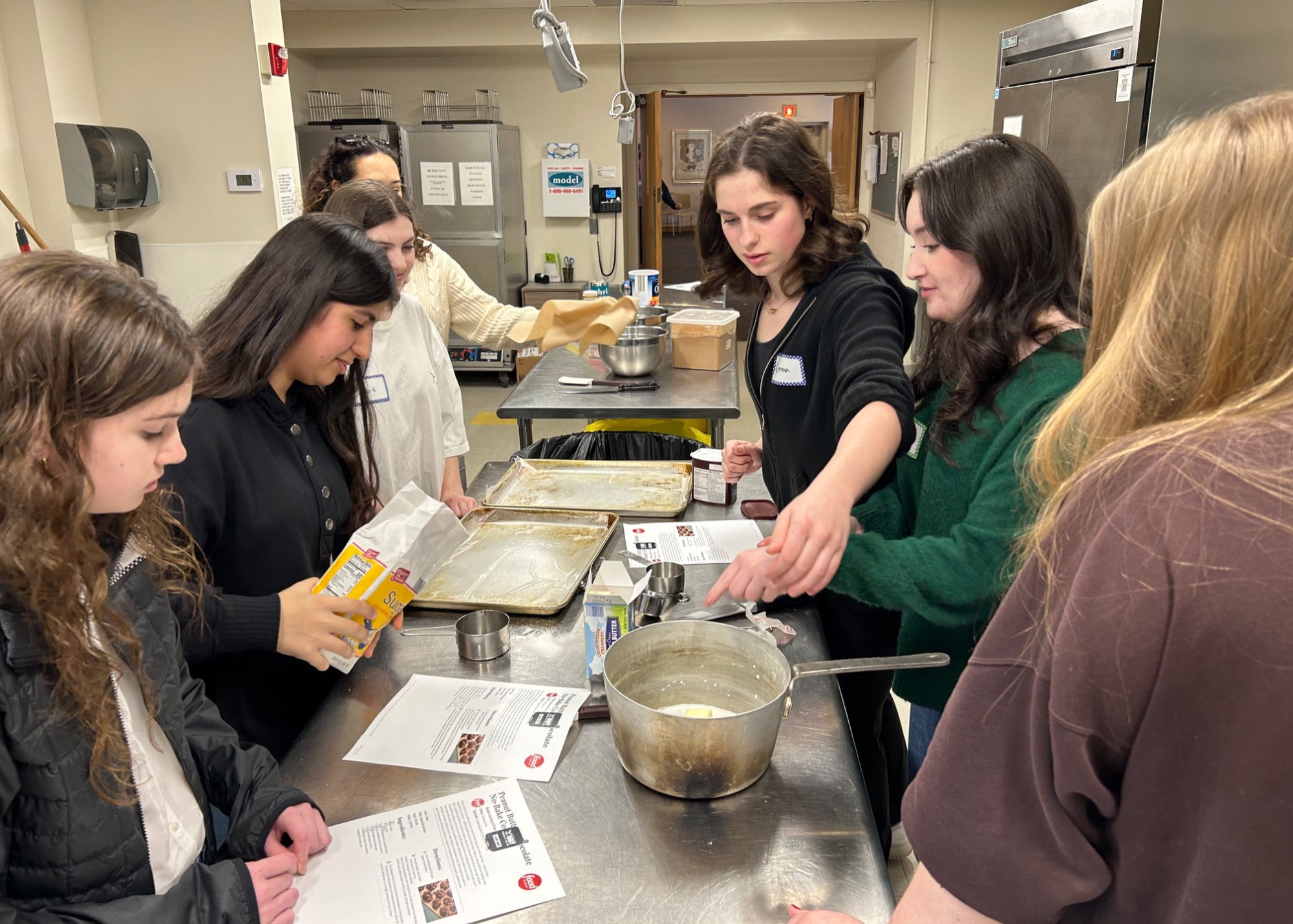
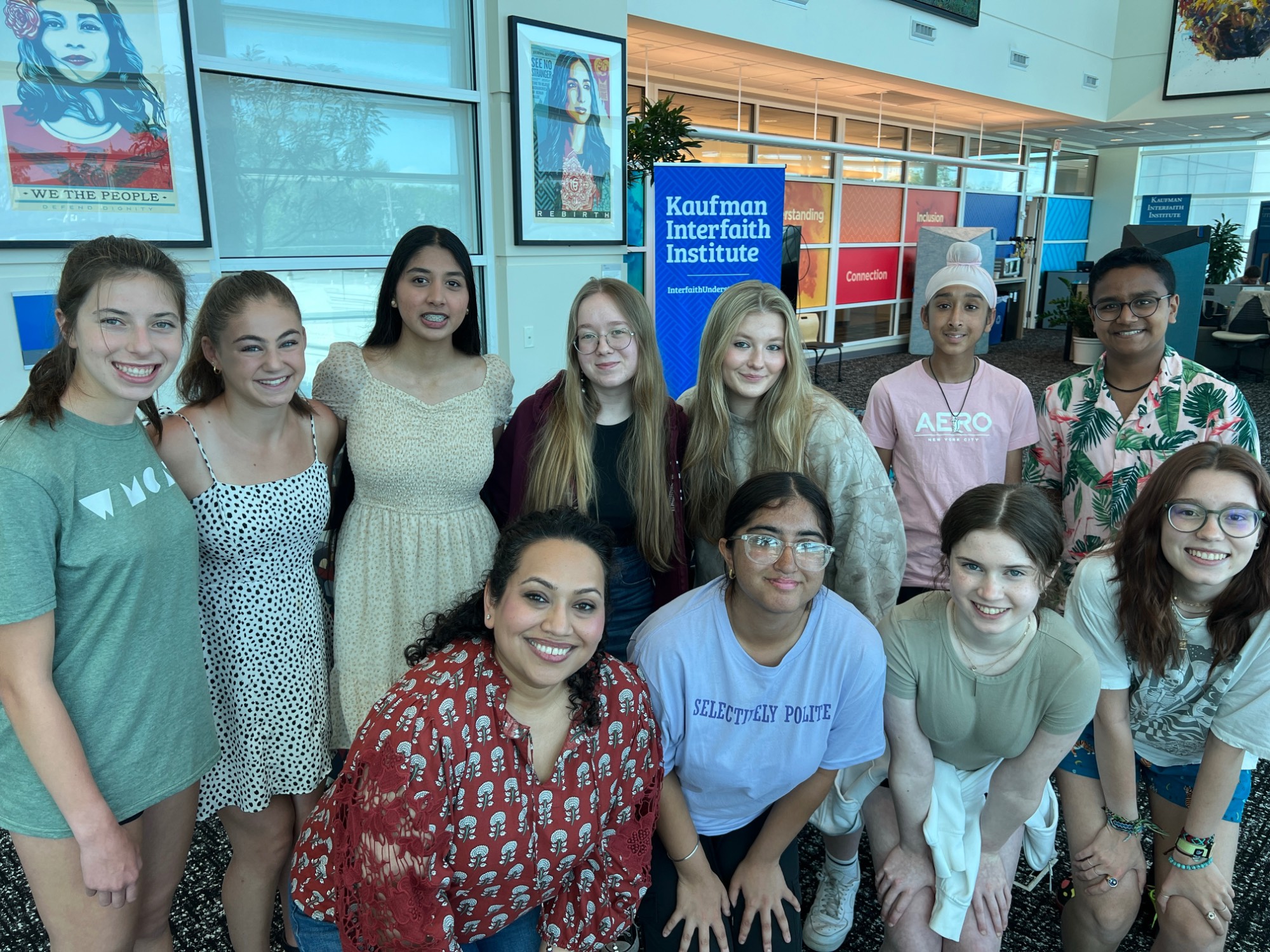
In the Interfaith Leadership Scholars program, teenagers from local middle-schools and high-schools in the Greater Grand Rapids area come together over the course of the academic year to develop their leadership skills, learn about interfaith cooperation, and work to create a more inclusive community.
After building a foundation of interfaith leadership skills during the first semester, students spend the second half the school year working on a community impact project specifically engaging faith communities or broaching questions of religious, secular, and spiritual belonging here in West Michigan. This community project is dreamed up and implemented entirely by the students with Kaufman staff advising and assisting.
Learn about previous Scholars Projects Apply for our 2025-2026 Cohort
2025-2026 Interfaith Leadership Scholars Cohort

This Year's Theme: The Story of Me, The Story of Us, The Story of Now
Each of us carries a story.
That story is shaped by family, community, culture, belief, and lived experience, by moments of pride, belonging, joy, pain, and wonder. These moments, often small but powerful, help shape our values and how we show up in the world. In learning how to tell that story to others, we build the foundation for real, meaningful connection rooted in deep understanding.
Joining this cohort begins with agreeing to a simple truth: your story matters. Your convictions and beliefs, your curiosity, your traditions, your communities of belonging, your doubts and your certainties—all of these aspects are the heart of the work of becoming an interfaith leader. We start by being energized by our differences, embracing them rather than retreating from them. We are not all the same—and that’s the point. We come from different faiths, cultures, and worldviews, and our diversity makes us stronger. This Interfaith Leadership Cohort is a place where your story doesn’t get erased—it gets honored. And through that, you learn to honor the stories of others.
You are already part of this story—because your values, your emotions, and your lived experience already matter. The question is: how will you bring them into the work?
Registration for this year's Interfaith Leadership Scholars Cohort has now closed.
Scholars Cohort FAQs
What do you mean by "interfaith"?
While 'multifaith' may be used to describe spaces where different traditions and perspectives coexist in their respective circles, the way we understand and employ the term 'interfaith' refers to the active engagement of difference between people of different religious, secular, or spiritual cultures and identities - the intentional interaction of our circles - with the goal of deeper understanding of and respect for another person's lived experiences.
Do I need to be religious to participate?
Not necessarily.
We are hoping for a diverse group of students from a wide variety of backgrounds in this cohort. This could be from explicitly religious communities or from entirely secular ones. The goal is to explore where our values, our beliefs, and our practices come from (whether from a religious source or not) in order to see how and why they show up in our day-to-day lives.
Is someone going to try to convince me to change my religion or dilute my beliefs or identity?
Absolutely not. Your truth is your truth, and you are the expert in your own experience.
The interfaith philosophy we follow at Kaufman encourages people to show up as their authentic selves and invites them to engage with one another through curiosity—not to change or dilute their own beliefs. That said, we will invite everyone in the group to think critically about their own identity and to enter into the world of someone else's beliefs, experiences, and feelings, which may even seem contrary to their own. The conversations may be challenging but are not intended to persuade anyone to abandon or water down a central part of their identity.
Will there be homework or preparation needed between meetings?
Yes, in order to make the most of our time together, we will invite students to complete brief reflections, readings, videos (etc.) prior to each cohort meeting. These are intended to help us jump into each meeting with both feet.
Will the space be safe for LGBTQ+ folks, secular people, or people with trauma related to religion?
We recognize that we cannot 100% guarantee anyone's emotional or spiritual safety in a space where we are discussing sometimes triggering topics relating to identity. However, these meetings will all be guided by trauma-informed practices facilitated by Kaufman staff in order to ensure all participants practice common decency and respect toward their fellow participants.
What we can guarantee is that this will be a space that requires both bravery and accountability. When mistakes are made, we will work together to call each other in (not out) to hear each other's pain and to acknowledge the impact of our words and actions.
What will I gain from being part of this cohort?
The hope is that this learning environment will help students grow alongside each other as they hear and hold one another’s stories, build meaningful relationships across difference, and develop skills to foster inclusive and compassionate communities on campus and beyond.
Tangible benefits include:
- Travel around the state to visit culturally and religiously significant sites and museums
- An opportunity to present at a regional interfaith conference for college students across the state of Michigan in February
- A great addition to a resumé!
What kind of time commitment will be required if I join?
The cohort will meet five times per semester on designated Sundays from 3-5pm. There will be a kick-off retreat on Saturday, September 13 from 9am-5pm; a regional college conference on February 7 where our Scholars have the option to present a breakout session; and two cross-state trips - a day trip on Tuesday, October 14, and a two-day trip from Friday to Sunday, March 13–15.
In the interest of connecting meaningfully with the other members of the cohort, you will be expected to attend all of the meetings, trips and events associated with the cohort's activities. Presence is powerful.
We do recognize that, in this time when we are quite siloed, gathering consistently in this way over the course of the year may seem a bit daunting. But the commitment to consistently show up is an essential characteristic of what makes an interfaith leader. You may show up running at 50% of your normal capacity; that's okay! That's human. What matters is taking the step and entering the room one way or another.
Please contact Zahabia with any questions or for more information.
How much am I going to be expected to share about my own identity?
A good bit.
This is an essential part of a cohort centered on interfaith relationship building and leadership development. At Kaufman, we wholeheartedly believe that we must first know and be able to articulate our own stories before we can begin to understand the stories of others.
Will transportation be provided and dietary/accessibility needs be accommodated?
Transportation for our trips and retreats will be provided by the Kaufman Interfaith Institute, however, students must find their own way to the GVSU Health Campus for pick up and drop off. Also, all meals during our trips will be provided, along with hotel accommodations in the case of our overnight trip to Detroit in March.
When filling out the Registration Form , please list any and all accessibility or dietary considerations we should know about. We will do everything in our power to make sure your needs are met!
What can I expect from a typical meeting?
These meetings are intended to be spaces of connection, reflection, and growth in the principles of interfaith leadership. They will be highly interactive and include discussion and creative activities. Kaufman Interfaith staff will facilitate each meeting, providing a general structure to guide the conversation with plenty of room for all voices to be heard.
What if I have to miss a meeting or event?
We know that life happens and we will do what we can to work with you if you have to miss a meeting. The bare minimum in terms of attendance is: 4 out of 5 cohort meetings per semester (8 total), the Kick Off Retreat in September, the MIMIL Conference in February, and at least one of the two out-of-town trips.
If you know in advance that you have a conflict with any of the Important Dates listed above, contact the program director, Zahabia Ahmed-Usmani , and she will talk through the options with you, including possibly waiting to partake in the cohort another time.