Our Vision
We seek to cultivate a vibrant and pluralistic culture in which persons of all religious, secular, and spiritual identities are cooperatively engaged in the grass-roots work of growing a community of belonging.
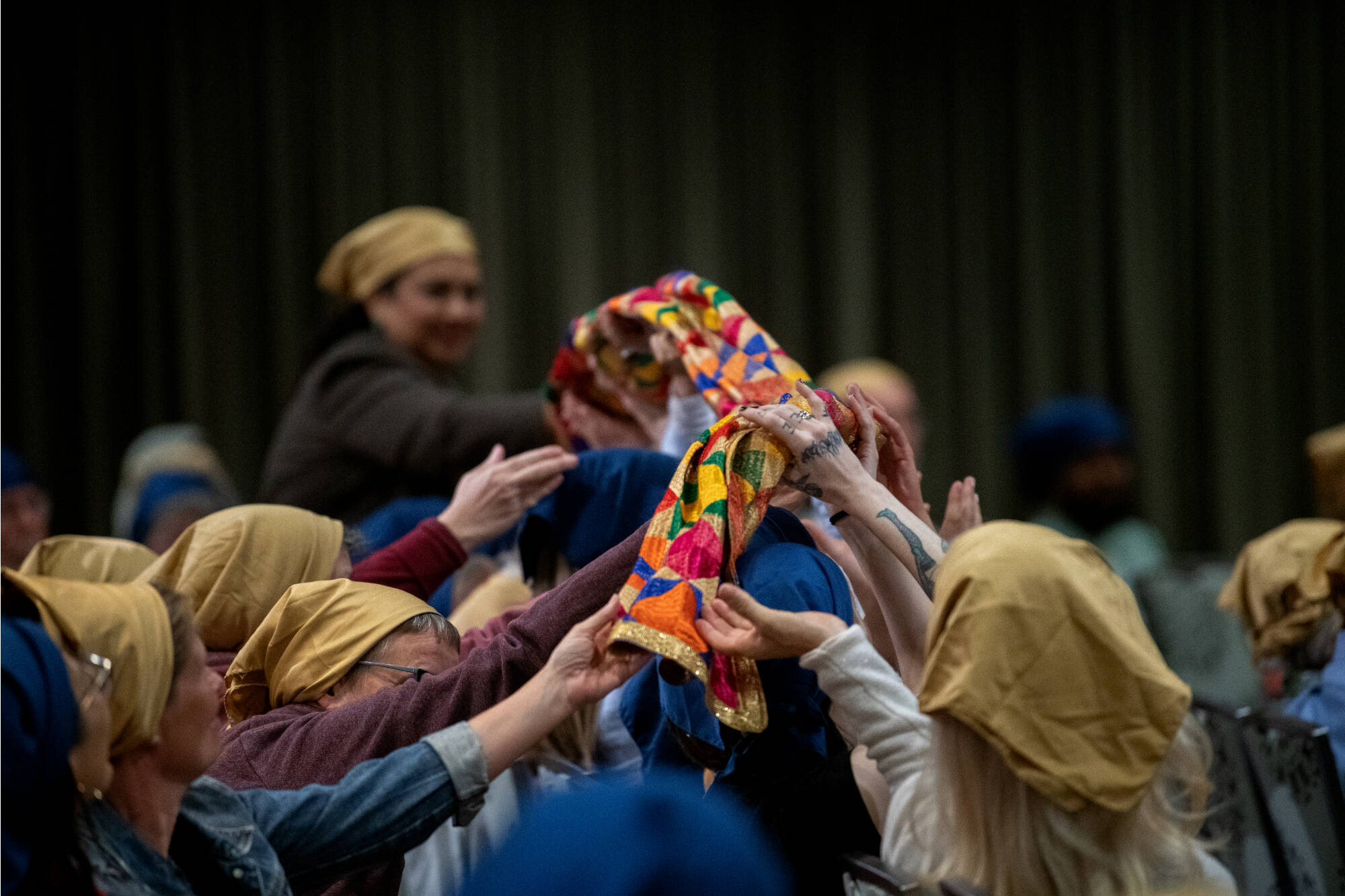
Human Connection
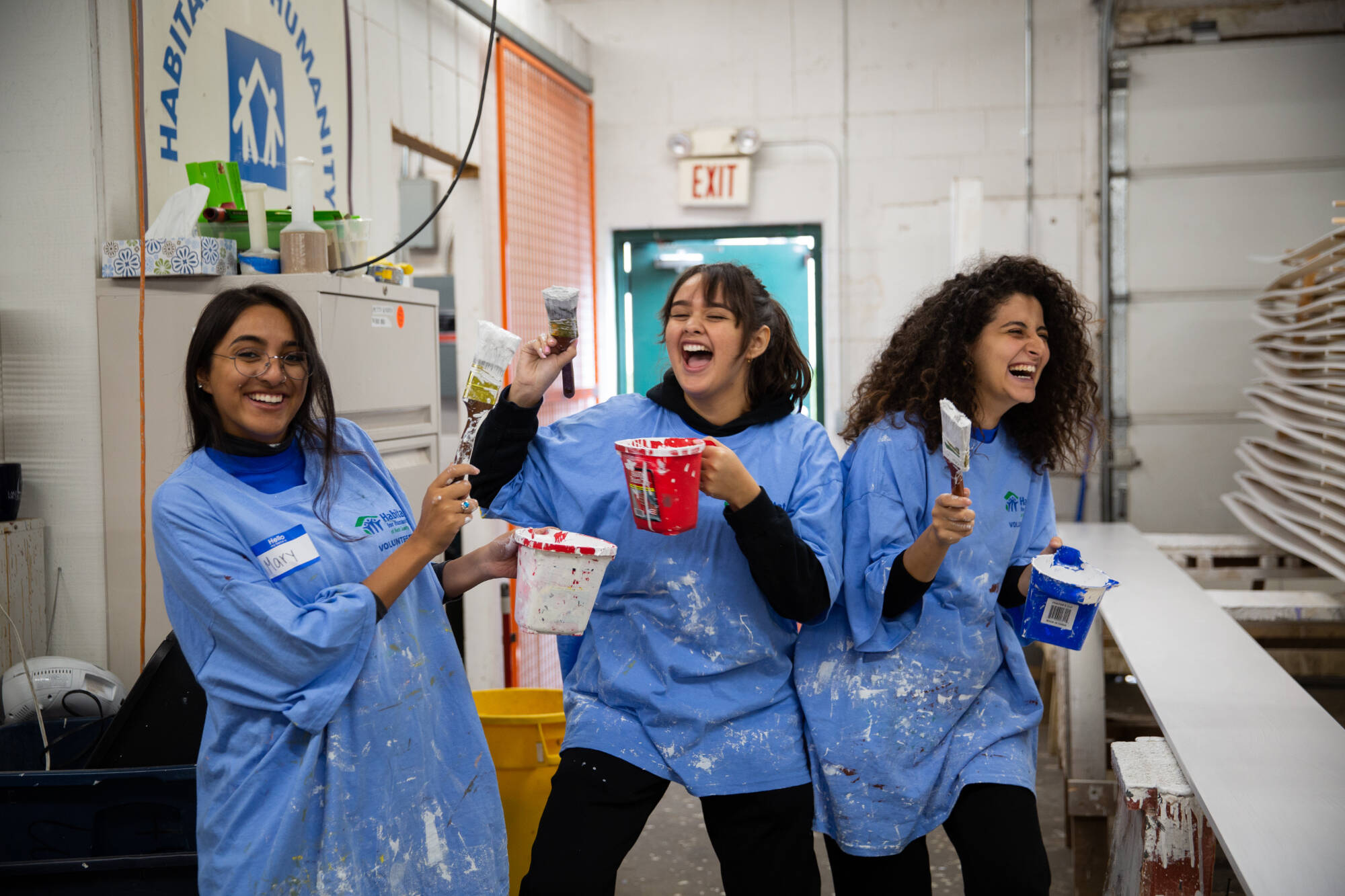
Building off of a core focus on relationships, we recognize that there is a connectedness that exists between peoples and between institutions within a given community. Our work, then, is to illuminate the reality that all of life is interconnected. As such, we see ourselves as a bridge-builder between organizations, congregations, and individuals in a world where it is all too easy to polarize and isolate.
Interfaith Understanding
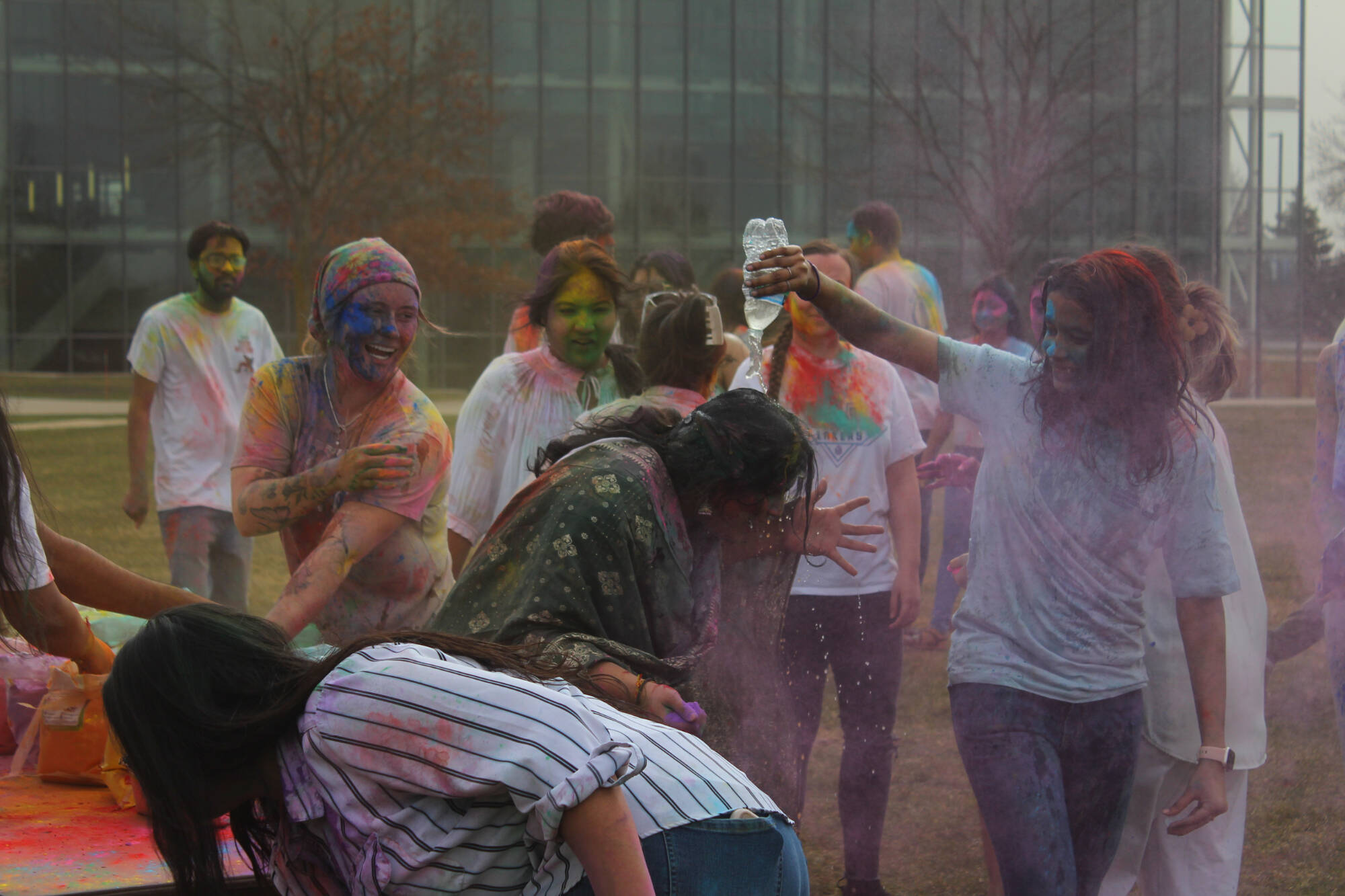
In understanding we practice both compassionate communication and empathetic listening. On one hand, it means we have to make our views or beliefs understandable to someone who does not share them. On the other hand, it means that we have to enter into the world of someone’ beliefs, experiences, and feelings, which may even seem contrary to our own. In understanding we have the opportunity to learn about one another, to learn what we each believe or hold to be true, and to learn how those views, principles, or ideas impact our everyday lives.
Collective Transformation
We view transformation through both a personal and a communal lens. On the one hand, we value the growth that can occur for individuals when they see themselves as being deeply connected to their neighbors. On the other hand, we see the necessity of changing institutions and structures within our community that stand in the way of justice and fail to advance the health and well-being of all. In both cases, we seek transformation by investing in spaces where storytelling and relationships lead to collective action.
At the center of everything we do is relationship building. The three points of our mission and our values grow out of a center of knowing and trusting one another, surrounded by critical hope.
With this compass as a heading, we are committed to training and empowering the next generation of interfaith leaders to advance that work of critical hope.
Relationship-building is at the center of our work. By connecting people and communities, hearts and minds are expanded and transformed. Trust is a necessary component of understanding and cooperation. We must know our neighbors and see where our lived experiences and stories intersect with theirs and where they differ. This ultimately enables us to lead with empathy as we seek to build a healthier community together.
“Relationships are built at the speed of trust, and social change happens at the speed of relationships.”- Rev. Jennifer Bailey, Faith Matters Network
As an extension of our connection within the human family, belonging requires us to ensure that everyone has not only a seat at the table but full participation in the conversation, in which what they have to share or offer is valued and respected. We are accountable for maintaining the shared ownership of space and work, striving to equitably elevate voices, perspectives, experiences, and ideas so that we can be honest in our labor of building a healthy community together.
"True belonging is the spiritual practice of believing in and belonging to yourself so deeply that you can share your most authentic self with the world and find sacredness in both being a part of something and standing alone in the wilderness. True belonging doesn’t require you to change who you are; it requires you to be who you are."- Brené Brown
Understanding doesn’t mean that I have to agree with or accept your perspective as true for me, nor does it assume my perspective or experience ought to be true for you. Rather it welcomes us into a place of respectful inquisitiveness. When we turn to face one another, when we listen and share with each other, with empathy, when we ask questions and we listen to each other’s answers, we become known. We become real to each other. We see each other as whole persons - as humans.
“Wonder is the wellspring for love.”
- Valarie Kaur, See No Stranger
Equity is a guiding principle at GVSU as well as at the Kaufman Interfaith Institute. It refers to the guarantee of fair treatment, access, opportunity, and advancement for everyone, especially those from historically underserved and underrepresented populations. This means handing over the megaphone so that all stories and voices can be heard. By identifying and eliminating barriers that prevent the full participation of marginalized groups, we can create a more just community born out of our collective imagination.
A pluralistic society is one in which belonging is fully realized. Whereas diversity is a reality in a globalized world, pluralism requires action and interaction that engages with that diversity cooperatively. We value pluralism because it honors diversity and difference while also illuminating that we share a common, interconnected life together. In light of this, we must work together to ensure each other’s health and well-being.
"If society is to be at all a rational process, some set of principles must motivate the general participation of all religious groups, despite their dissensions, in the oneness of the community. On the other hand, these common principles must not hinder the maintenance by each group of its own different identity."- John Courtney Murray
We recognize our responsibility to examine traditional power structures and to address unfair treatment of any persons within these structures. We seek to educate and empower all members of the community to think critically about systems of marginalization, privilege, and oppression. We see human connection as an imperative for decentralizing decision-making power so that persons of all religious, secular, and spiritual backgrounds have a stake in the work, a voice at the table, and an equitable share of resources.
We see our programs as co-learning spaces. In living into our value of collective transformation, even as convenors, we both personally and institutionally recognize that we too have room for growth. In this work of multi-faith and intercultural understanding, we will all make mistakes. We ought to be brave and humble in our willingness to continue the conversation while learning and holding ourselves accountable to others.
“Do the best you can until you know better. Then when you know better, do better.”- Maya Angelou
The term ‘critical’ has numerous implications, all of which are relevant to our project. The first is the sense of importance - critical as vital or essential. Secondly, critical implies a sense of urgency or immediacy. Lastly, to be critical means to be discerning or analytical. In theoretical contexts, critical thinking implies an explicit exploration of power, oppression, privilege, and the status quo.
Hope looks to a collective vision of a better future. It is what guides and sustains us in the incremental journey on the arc of history that bends towards justice. Hope is more than passive optimism or the naive expectation that change will happen overnight. Hope is an active pursuit of a reality not yet realized. Hope is the essential starting point and ever-present companion to justice-seeking work as it grapples with politics, emotions, relationships, lived-realities, and identities.
For those interested in learning more about the thought-provoking term of “critical hope,” we strongly suggest checking out Kari Grain’s book, Critical Hope: How to Grapple with Complexity, Lead with Purpose, and Cultivate Transformative Social Change.
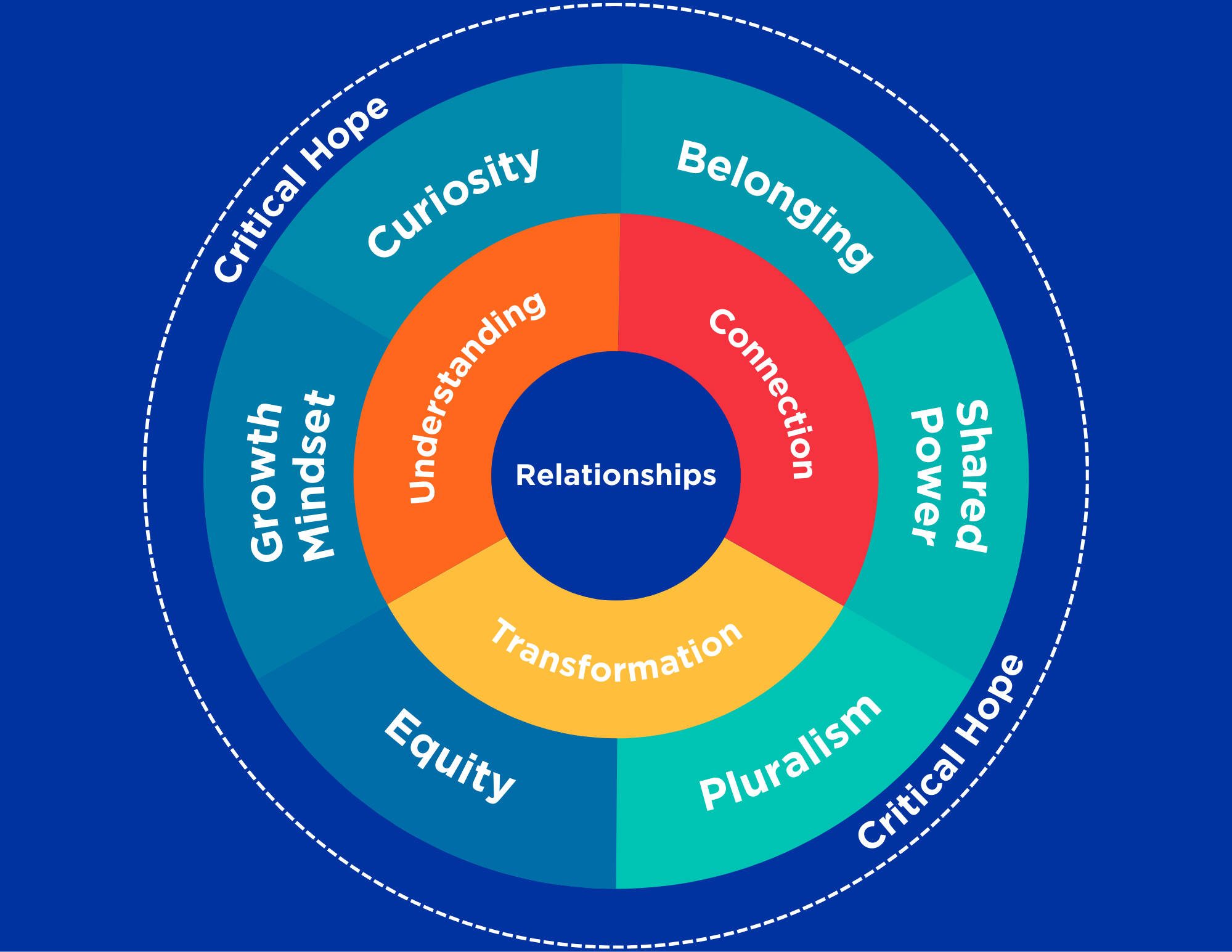
Our guiding compass depicts the six core values of the Institute radiating out from the three pillars of our mission. At the center of the compass is the word "Relationship," as it is the foundation of our work. The entire compass is encircled by the concept of "Critical Hope," a framework that sustains everything we do. You can read more about these values in the dropdown tabs.
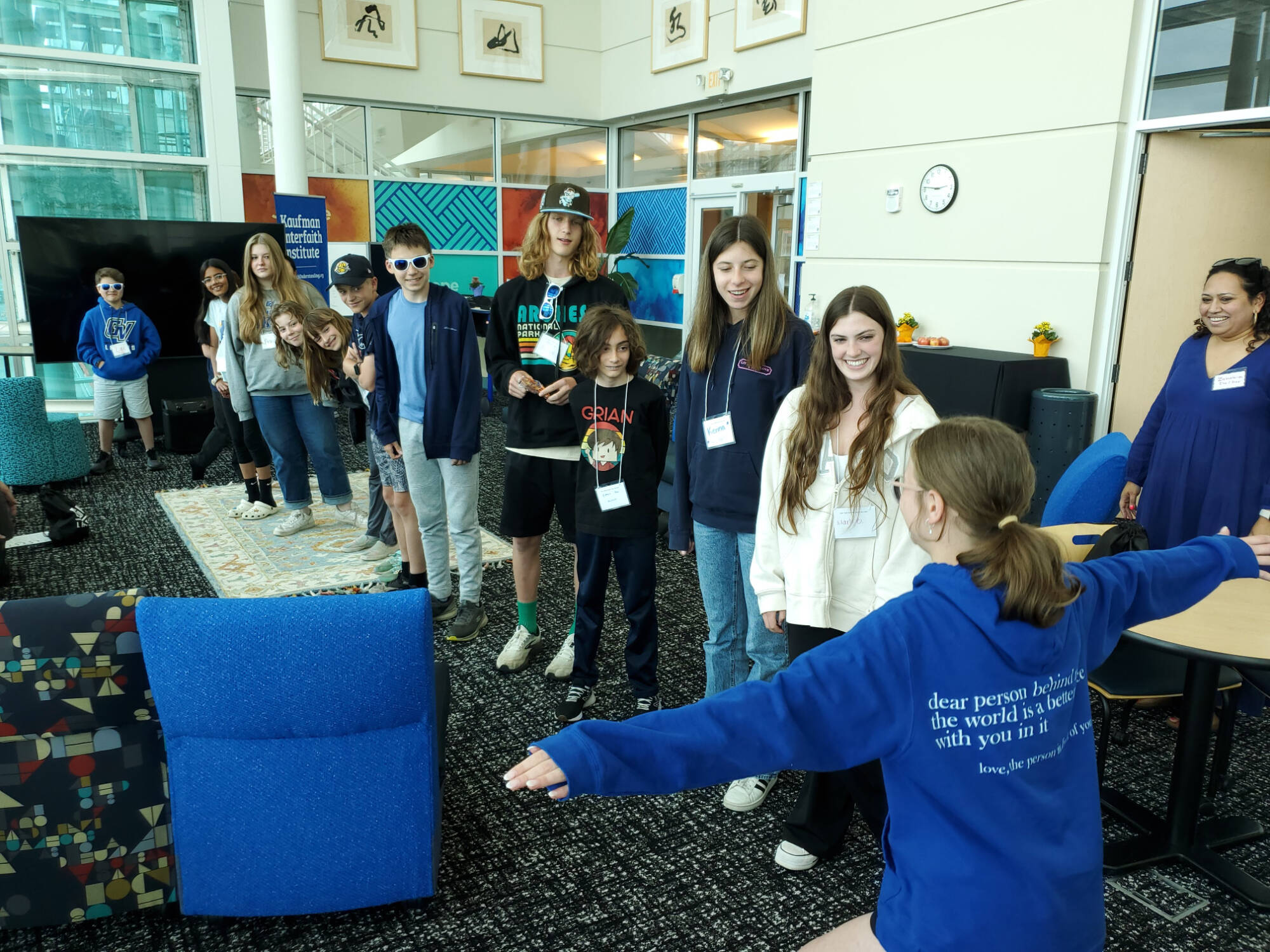
Building on Decades of Wisdom
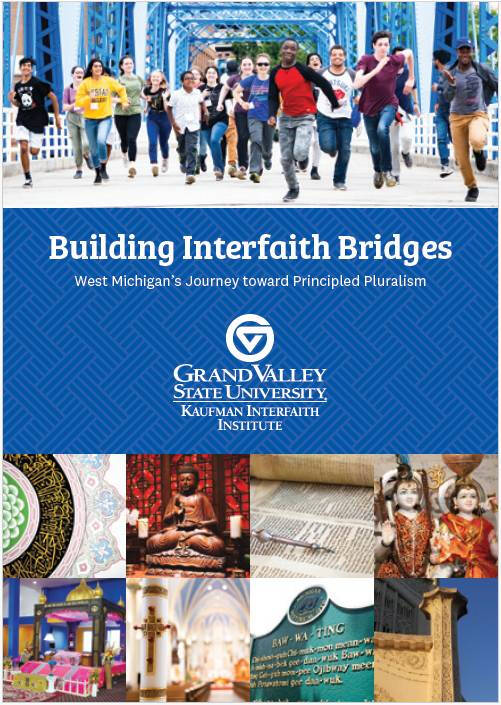
The 2023 Aspen Institute study, "Building Interfaith Bridges," identified several best practices that our founder, Sylvia Kaufman, and, by extension, the Kaufman Institute adopted to sustain interfaith work in West Michigan over the decades. These lessons continue to shape our work today:
+ Build on personal relationships and ensure the broad representation of faith groups.
+ Reach out to existing community resources and institutions.
+ Offer something to community organizations rather than asking for something.
+ Provide something for everyone with a wide variety of events and venues.
+ Create programming from the ground up rather than imposed from above.
+ Inspire a ripple effect of enthusiasm that extends beyond the immediate community.
+ Cultivate an atmosphere of friendly inquiry that makes participants feel comfortable and welcome.
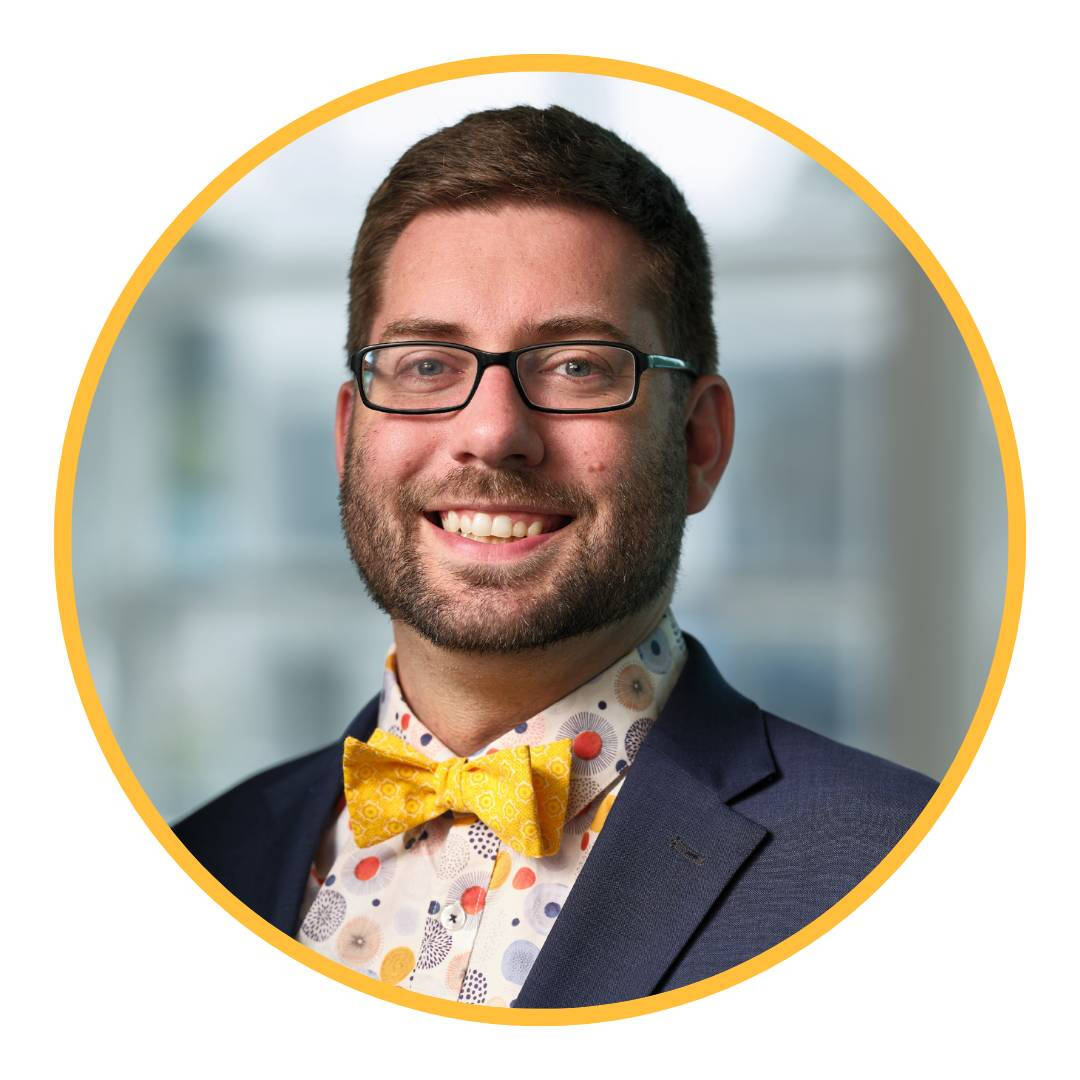
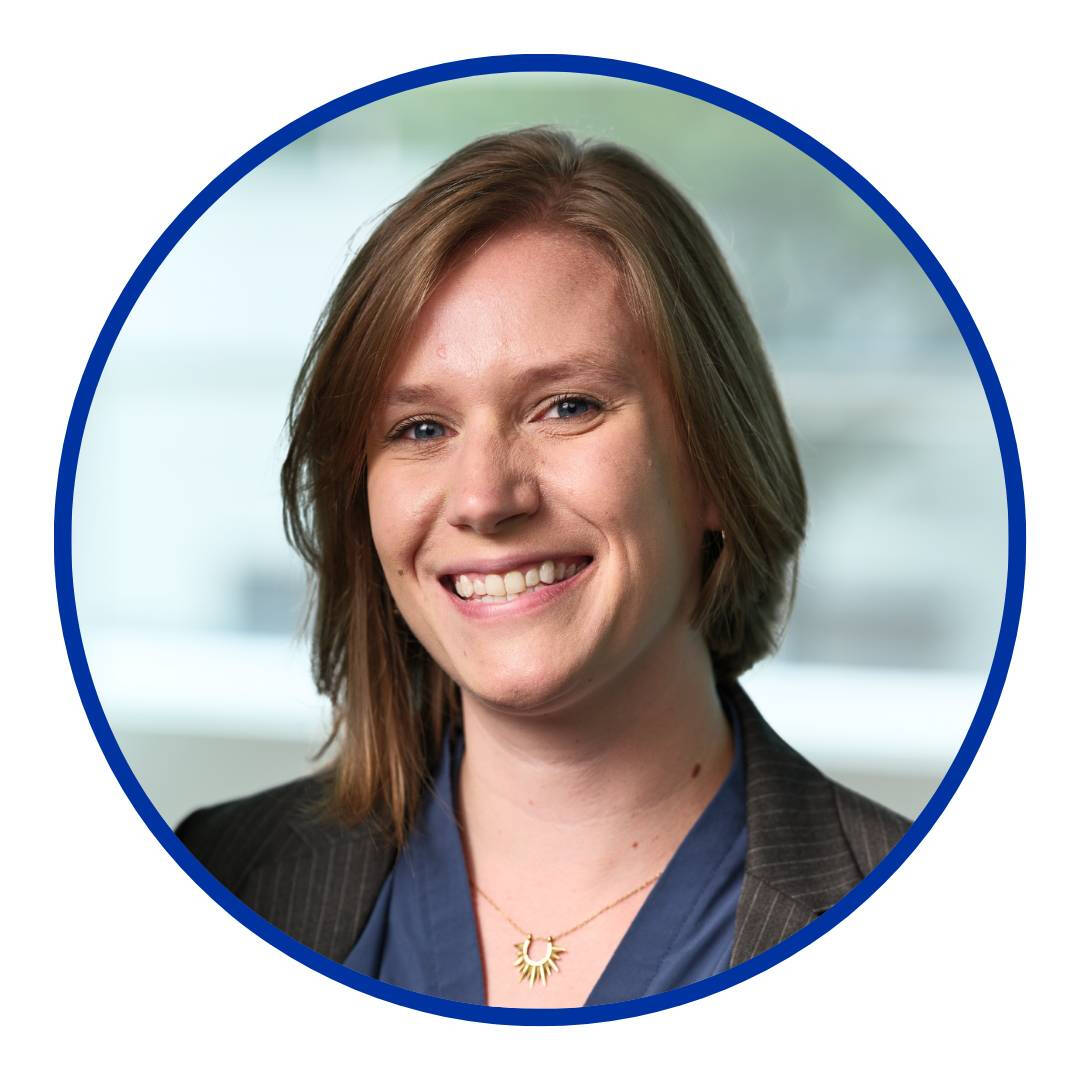
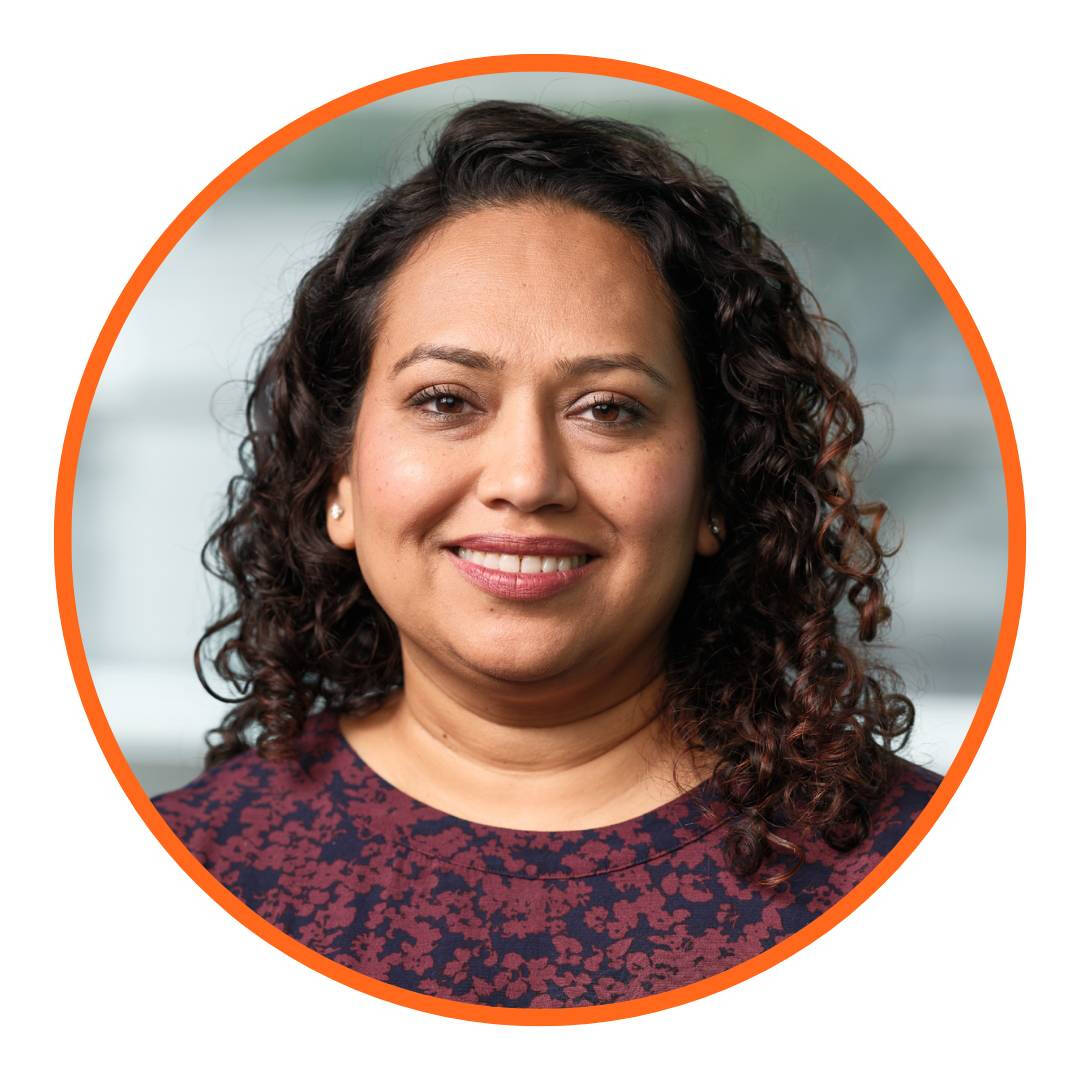
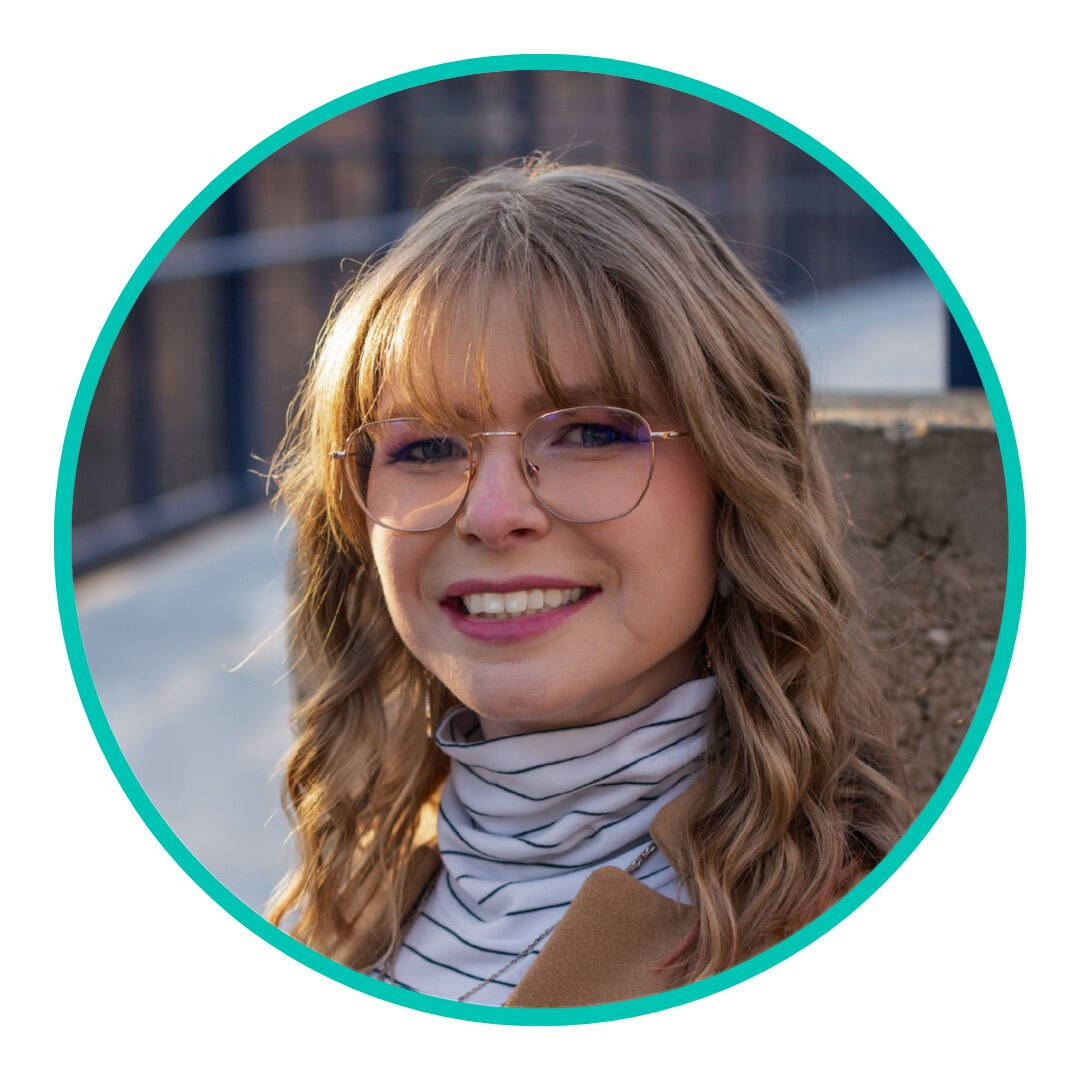
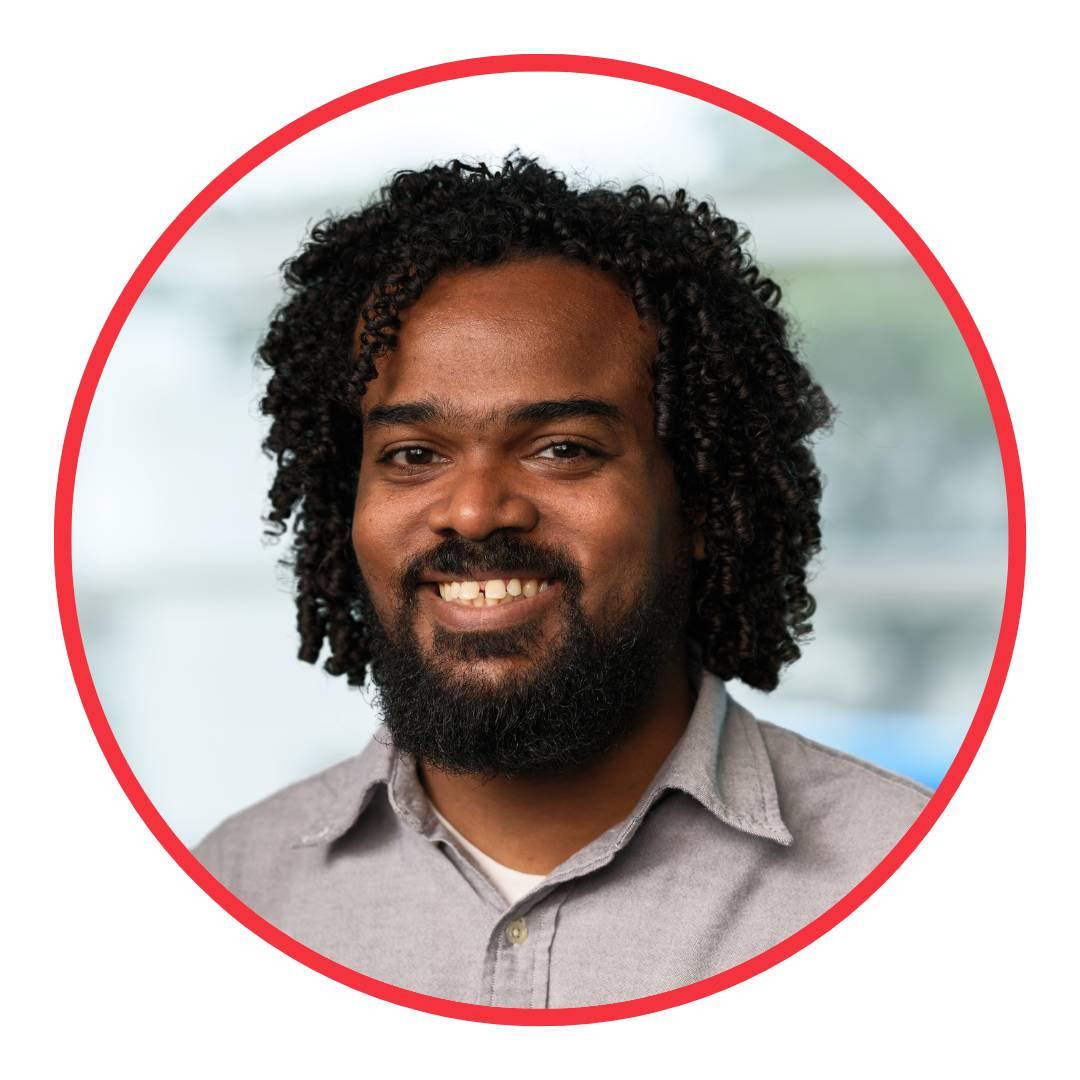
Kyle Kooyers
Director
Liz English
Campus Program Manager
Zahabia Ahmed-Usmani
Youth Program Manager
Rachel Robinson
Program Assistant
Elamin Gasim Ibrahim Gasim
Office Administrator
Phil Oosterhouse
Tech Specialist
Doug Kindschi
Sylvia and Richard Kaufman
Founding Director
Roman Williams
Senior Research Fellow