


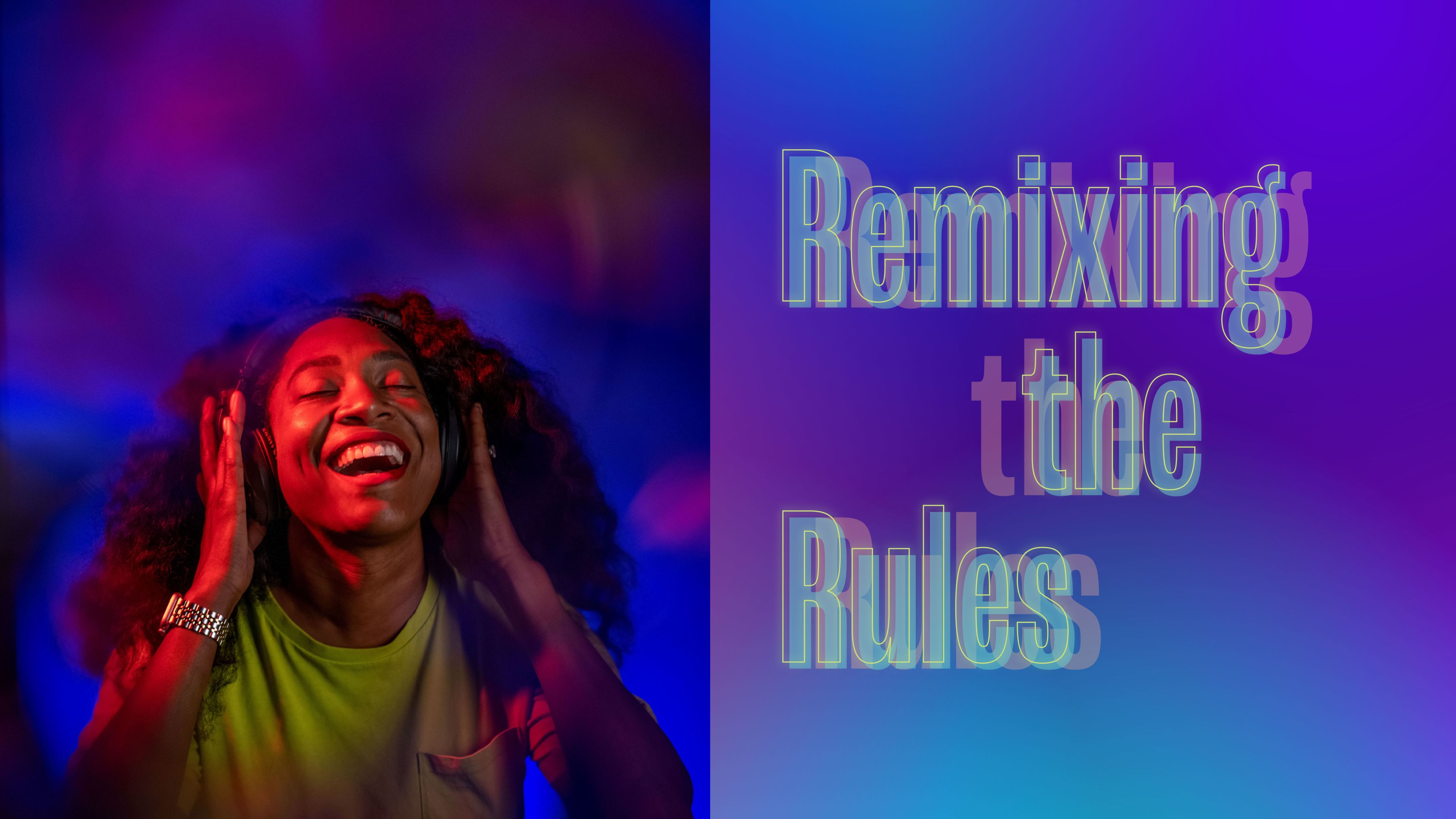

Dre Wallace blends music, tech into unique startup
STORY BY MICHELE COFFIL | PHOTOS BY KENDRA STANLEY-MILLS
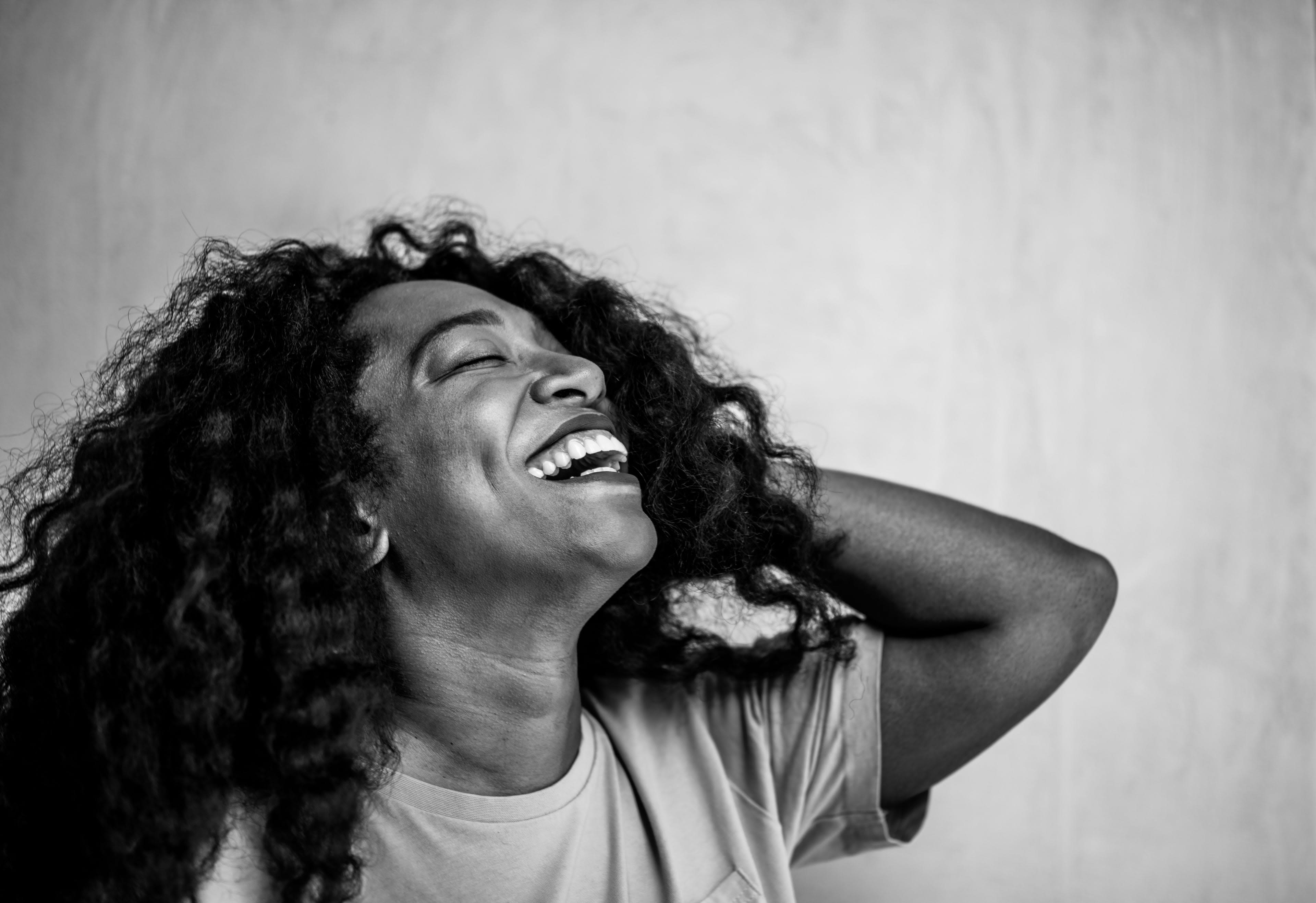
Andrea “Dre” Wallace ’03 learned to DJ at parties and clubs after buying a few “how-to” DVDs. That work landed her a spot on a national tour. It also served as a catalyst for a unique startup that connects concert promoters with touring musicians. As a co-founder of Opnr, Wallace is a sought-after speaker for entrepreneurial tech panels at SXSW and elsewhere, has secured venture capital funds from top accelerator programs, and, as she said, is kind of an introvert.


How did GVSU help you launch your career?
I wasn’t sure what I was going to do in the music industry, but I knew I needed a business degree more than I needed to learn how to play more music, so I enrolled in the Seidman College of Business. Because I did dual enrollment classes during high school, I entered GVSU with an associate degree. One month after graduating, I found a job at a digital agency as a project manager. I learned on the job how to be a web developer and started coding.
At that same time, your DJ career started.
For most of high school and at Grand Valley, I was doing a lot of music production work, making music and working with other artists. People were noticing and telling me, “You should play this stuff out.“
I taught myself how to DJ. From eBay, I bought DVDs, like “How to be a DJ,” and some used turntables and a mixer from Craigslist. I started playing at parties and it just kind of blew up. I was booked as an opener for a national tour. So, I’d be on a tour bus doing my regular job during the day and performing at night. It was like that for seven or eight years.
Then your career paths in tech and music began to merge.
Around 2010, Instagram and other social media platforms began to gain speed and artists couldn’t just perform and make music; they had to be marketing gurus and know analytics and their fan base.
That's how your first business, Fourtifeye, started and how Opnr was launched.
There was nothing else like Fourtifeye at the time. There were other data aggregation platforms, but none had been applied to music and none gave the artists control over their data.
I had a small team and was living in Detroit at the time. We did a startup accelerator program that was a partnership with Universal Music, Techtown Detroit and Motown Records. We made incredible contacts with people whom I still talk to today.
I moved back to Grand Rapids in 2020 at the start of the pandemic. In early summer 2021, I was connected with another founder in Detroit who was working on a similar platform, Fanic Music, focused on venues and promoters. They were close to moving away from that company because the venues weren't open. I ran into Ted Velie, who runs the Midwest House at SXSW, who told me we might have some synergies. So, over the course of many months with lawyers, that's how we decided to do business together.
It’s a happy marriage between this data piece that solves a problem for concert organizers to make their bookings easier and sell more tickets, and the artist's perspective of maintaining and growing their fan base.

How did GVSU help you launch your career?
I wasn’t sure what I was going to do in the music industry, but I knew I needed a business degree more than I needed to learn how to play more music, so I enrolled in the Seidman College of Business. Because I did dual enrollment classes during high school, I entered GVSU with an associate degree. One month after graduating, I found a job at a digital agency as a project manager. I learned on the job how to be a web developer and started coding.
At that same time, your DJ career started.
For most of high school and at Grand Valley, I was doing a lot of music production work, making music and working with other artists. People were noticing and telling me, “You should play this stuff out.“
I taught myself how to DJ. From eBay, I bought DVDs, like “How to be a DJ,” and some used turntables and a mixer from Craigslist. I started playing at parties and it just kind of blew up. I was booked as an opener for a national tour. So, I’d be on a tour bus doing my regular job during the day and performing at night. It was like that for seven or eight years.
Then your career paths in tech and music began to merge.
Around 2010, Instagram and other social media platforms began to gain speed and artists couldn’t just perform and make music; they had to be marketing gurus and know analytics and their fan base.
That's how your first business, Fourtifeye, started and how Opnr was launched.
There was nothing else like Fourtifeye at the time. There were other data aggregation platforms, but none had been applied to music and none gave the artists control over their data.
I had a small team and was living in Detroit at the time. We did a startup accelerator program that was a partnership with Universal Music, Techtown Detroit and Motown Records. We made incredible contacts with people whom I still talk to today.
I moved back to Grand Rapids in 2020 at the start of the pandemic. In early summer 2021, I was connected with another founder in Detroit who was working on a similar platform, Fanic Music, focused on venues and promoters. They were close to moving away from that company because the venues weren't open. I ran into Ted Velie, who runs the Midwest House at SXSW, who told me we might have some synergies. So, over the course of many months with lawyers, that's how we decided to do business together.
It’s a happy marriage between this data piece that solves a problem for concert organizers to make their bookings easier and sell more tickets, and the artist's perspective of maintaining and growing their fan base.
“Being an entrepreneur is like a dog walking itself; there is a leash, but you're not sure where to go.”
Andrea "Dre" Wallace '03


When you mentor a new entrepreneur, what advice do you share?
I’m the entrepreneur-in-residence here at Start Garden. I spend a lot of time meeting with (startup) founders. Mostly, they want to hear your story. Being an entrepreneur is like a dog walking itself; there is a leash, but you're not sure where to go. So, I’m in a lot of meetings, reading a lot of pitch decks and f inancial models, and trying to make it easier for those coming up.
I tell them to network. Shockingly, I’m kind of an introvert, but I’ve learned to make myself network over the years. I also talk about how important relationships are and not to burn any bridges. Over the past 10 years, some of those venues where I was an opening act are our biggest customers now.
How did you fund your businesses?
Accelerator programs give you a crash course in how to build your business. I became a pro at those programs. I completed the Spartan Innovations Conquer Accelerator in Grand Rapids, Techstars in Detroit and a Gener8or Music tech accelerator Start Garden in Detroit. I’ve been in so many pitch competitions, that's how I funded my business.
Is it hard for people of color to get into those spaces?
Entrepreneurship is hard for everyone. It’s also a reflection of society at large. If you are doing this very, very hard thing already, then, yes, it’s probably going to be harder for you if you’re a woman. It’s probably going to be harder for you if you’re Black.
Even location matters. When most people think of startups, they think of the West Coast and the East Coast. Investment in the Midwest tends to focus on safe, later-stage initiatives. To be a Black woman in the Midwest with a music tech company, things just get really interesting.
Why not move to New York or Los Angeles?
We’re sandwiched between Chicago and Detroit; both are very well-known for music. We can have a hand in building what our creative economy looks like here, and I think we should!
I always thought about how different Michigan would be if the Motown label had never left and moved to LA. I would argue that instead of mobility and advanced manufacturing being what people know Michigan for, maybe it could include the creative industry.
It still could be that, but it seems to need an anchor. For example, the Medical Mile in Grand Rapids started with Butterworth Hospital, then others started to build around it and scale out.
I’m hoping that Opnr can be that anchor. Not just for the music industry but for the creative economy, in general.


A bridge to connect musicians with local performance spaces and concert organizers with a musician's fanbase.


A bridge to connect musicians with local performance spaces and concert organizers with a musician's fanbase.