


FEATURE
POETRY
IN THE
VALLEY
GRAND VALLEY’S
ENDURING ROLE
IN WEST MICHIGAN’S
POETRY SCENE

FEATURE
POETRY
IN THE
VALLEY
GRAND VALLEY’S
ENDURING ROLE
IN WEST MICHIGAN’S
POETRY SCENE
STORY BY JULIANNA SCHRIER
PHOTOS COURTESY OF GVSU LEMMEN LIBRARY AND ARCHIVES
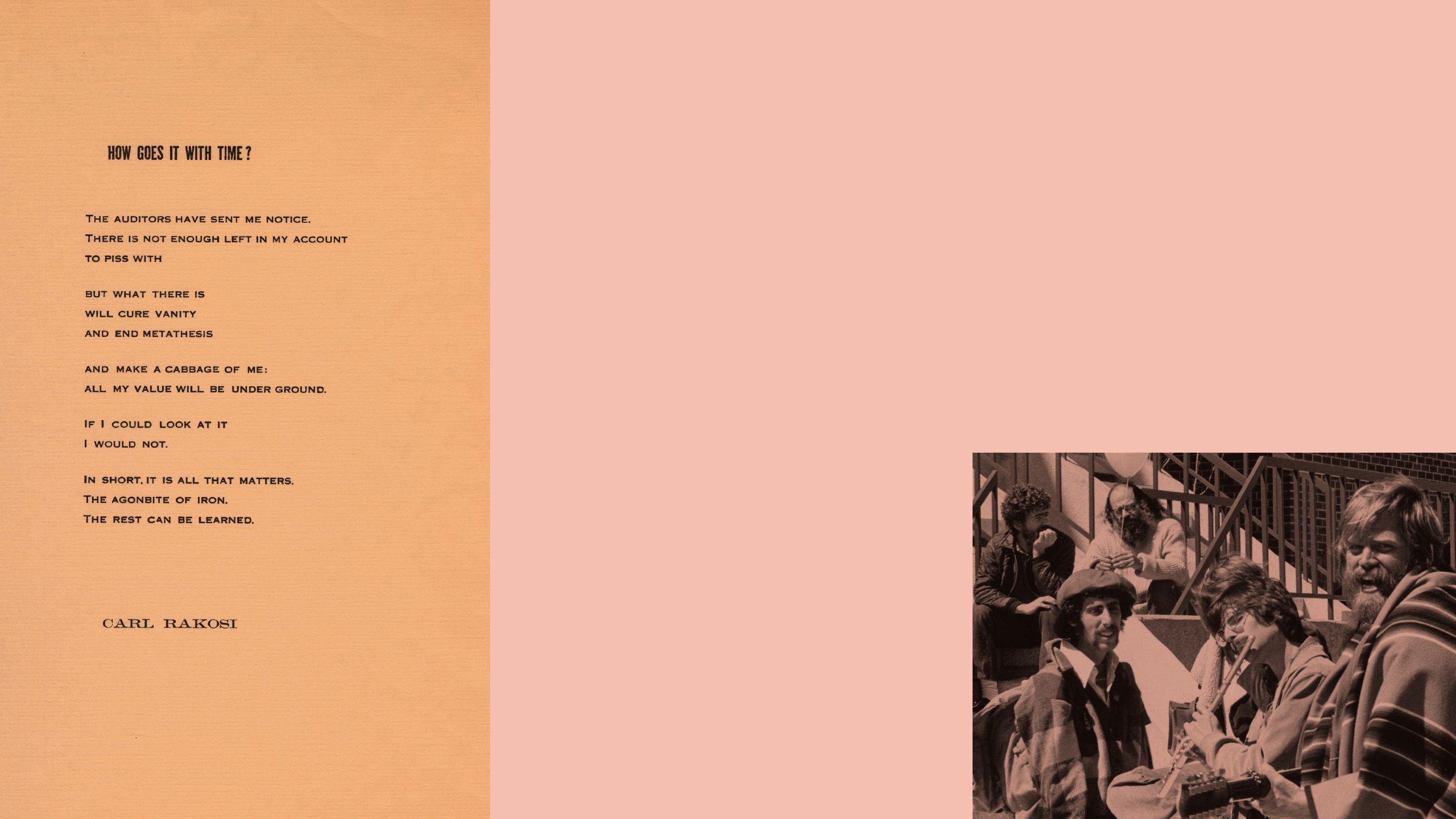
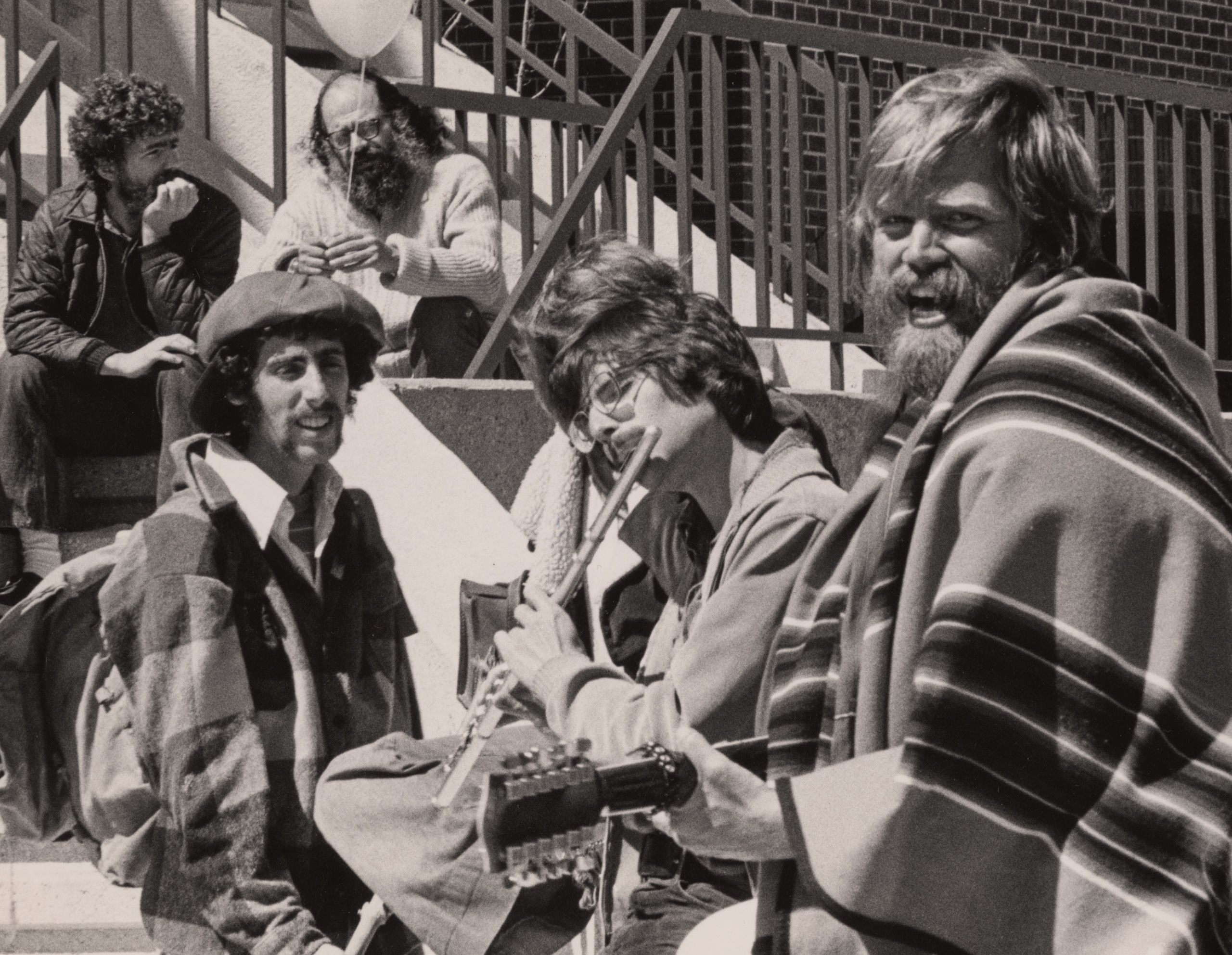
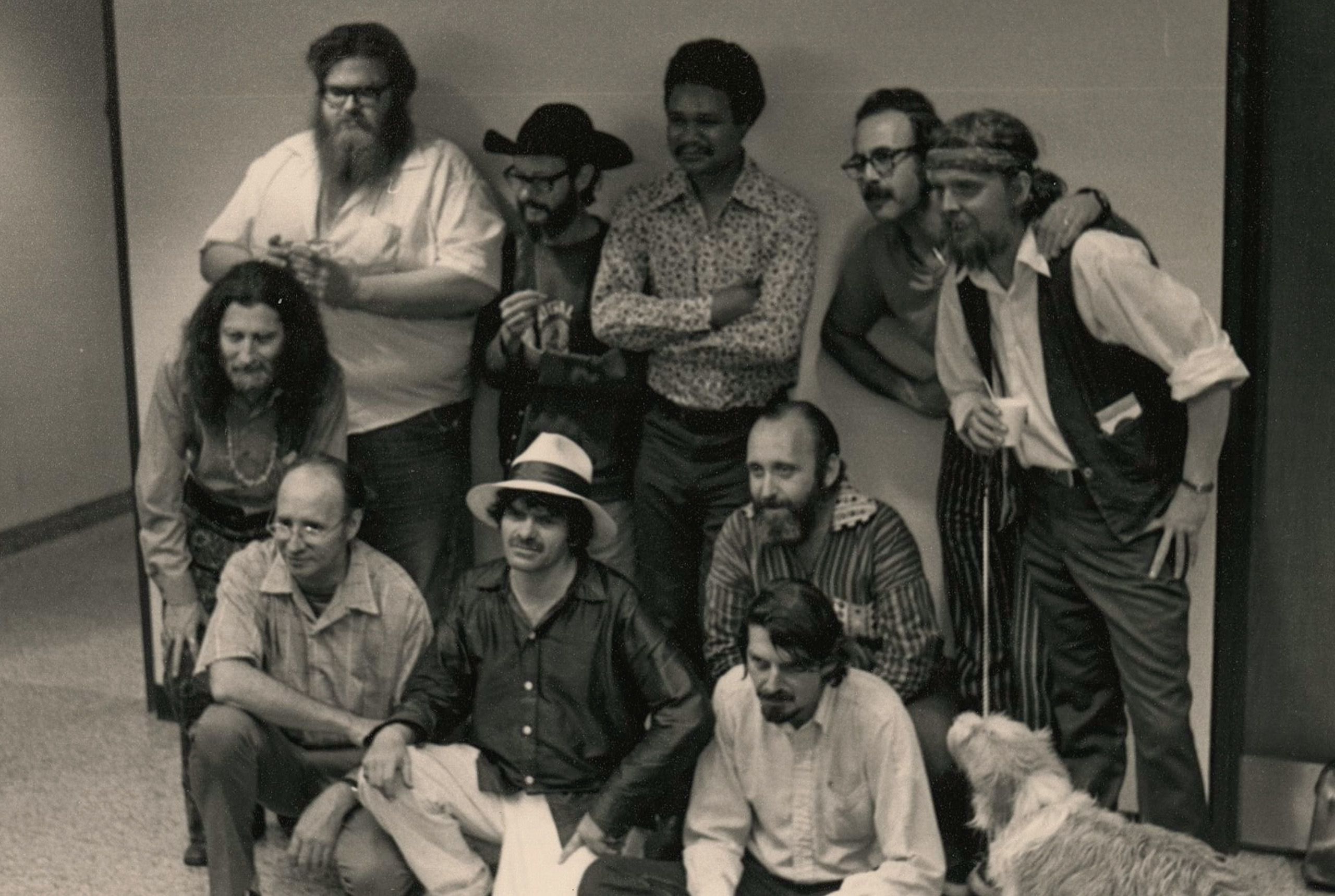
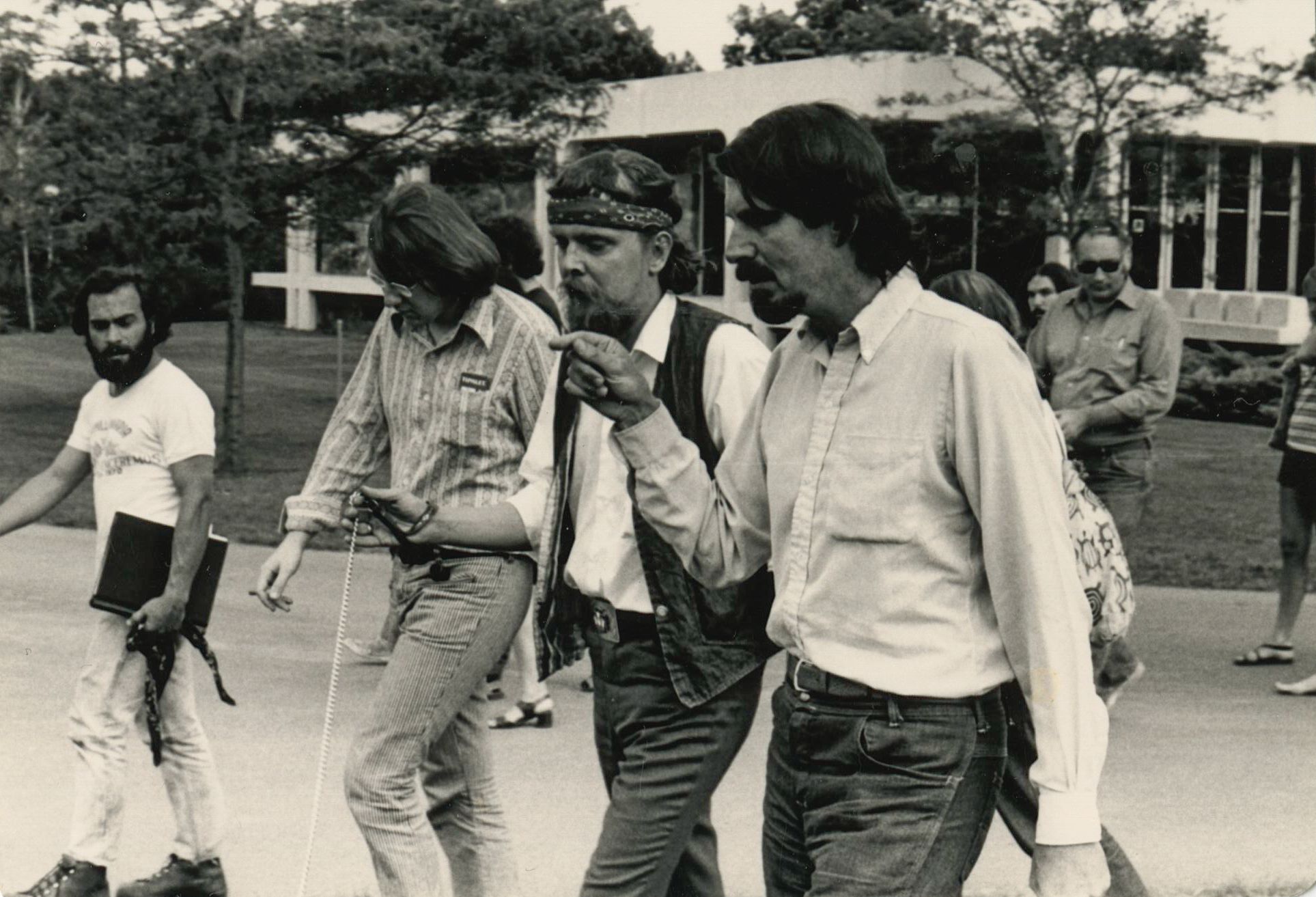
In the middle of an unusually cool summer in 1971, Grand Valley State College became the gathering place for the first National Poetry Festival. The successful event kicked off a lifelong connection between Grand Valley and the poetry community, bringing poets like Allen Ginsberg, Nikki Giovanni and Simon Ortiz to West Michigan.
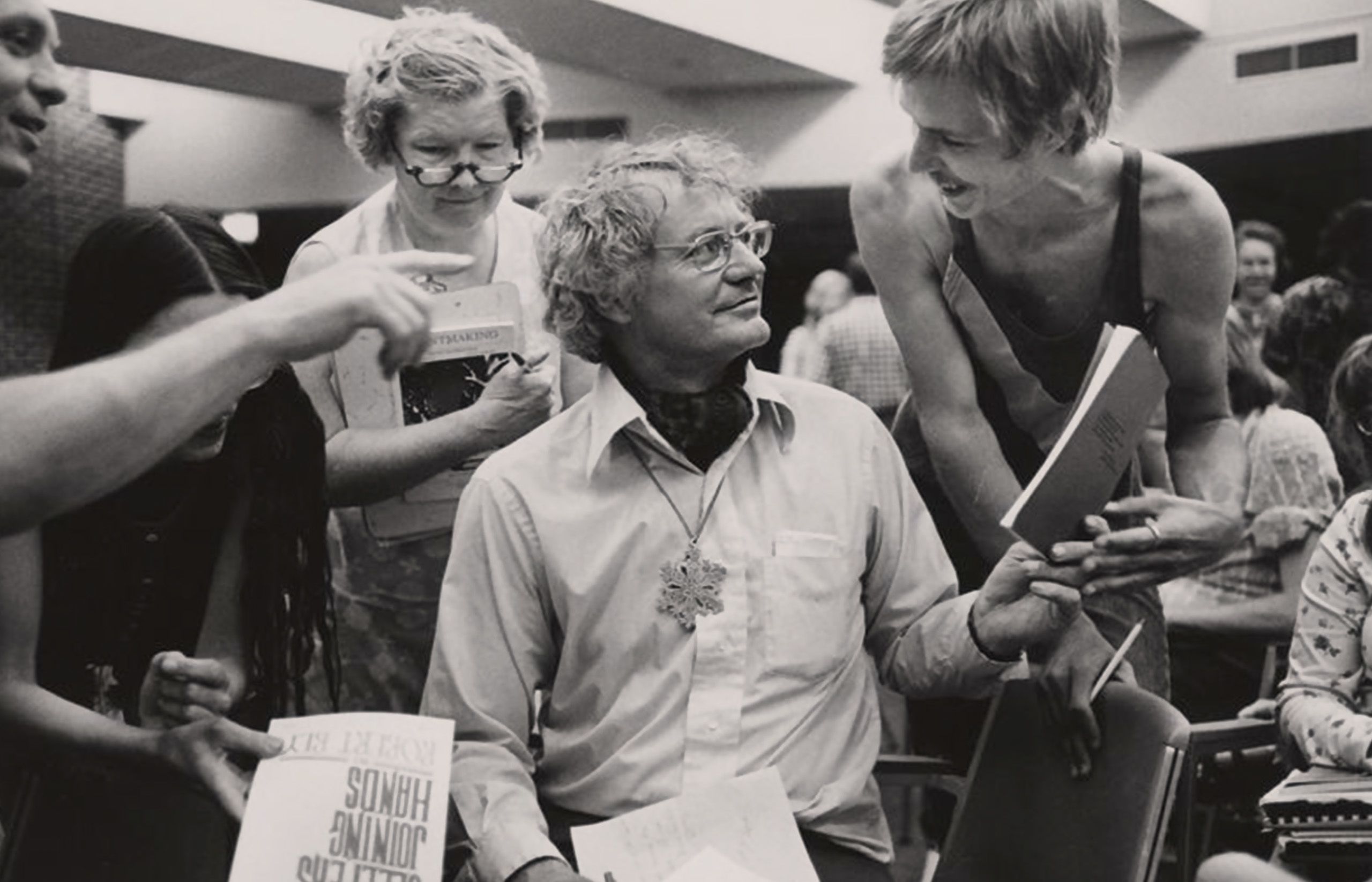
“We’re roughly in the middle of the country, so [we were] in a great position to get poets from the West and East coasts and in between,” said Robert Vas Dias in a 2024 interview. Vas Dias, Grand Valley’s poet-in-residence at the time, organized three poetry festivals between 1971 and 1975.
The festivals consisted of poetry workshops, formal readings and seminars, though informal conversations provided some of the most value for students in attendance, said Vas Dias.
“Students would show their poems and we’d talk about them. We’d talk about poetry generally. It was that kind of place and circumstance where nobody felt uptight about contacting people.
“You’d come up to somebody famous, like Allen Ginsberg, and he would always stop and talk to them,“ Vas Dias continued. “Most of the invited poets there were very generous with their time. That’s what the whole thing was about, you know? To make the experience meaningful to these people.”


LAUNCHING CAREERS AND COMPETITIONS
While there were only three National Poetry Festivals at Grand Valley, their impact can still be felt in West Michigan today.
“I know that there are people whose careers really took off there,” said Christine Stephens-Krieger ’88, current Grand Rapids poet laureate. “Like [Michigan poet] David Cope. He met Allen Ginsberg and they formed a lifelong friendship and poetry camaraderie that has fueled David’s career throughout his life.” Cope published a collection of his correspondence with Ginsberg in 2021.
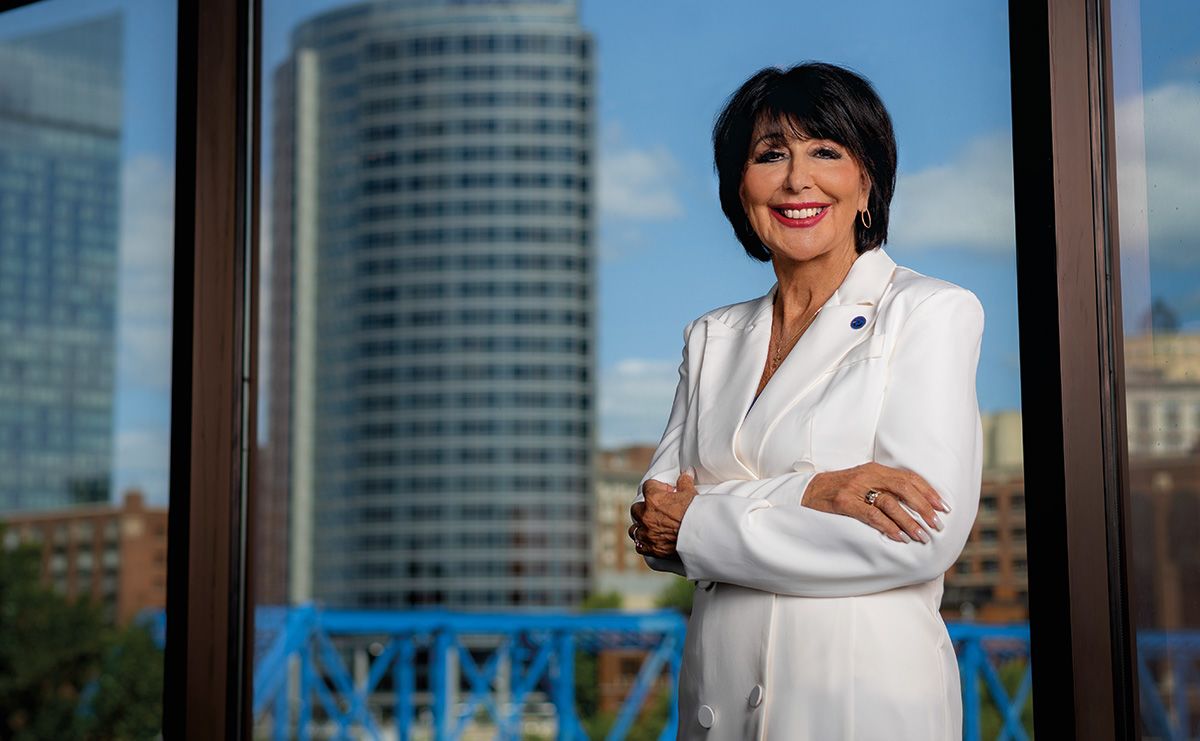
Stephens-Krieger, now halfway through her three-year term as poet laureate, has been active in the West Michigan poetry scene since the 1990s. She has served as coordinator for the Dyer-Ives Poetry Competition (and won the competition herself in 1994), taught poetry at GVSU and has organized countless poetry events. Currently, she is working on the Grand River Poetry Collective, which aims to elevate local poets and provide a collaborative platform for them to publish their work. Stephens-Krieger plans to publish a collection of her own works by the end of the year.

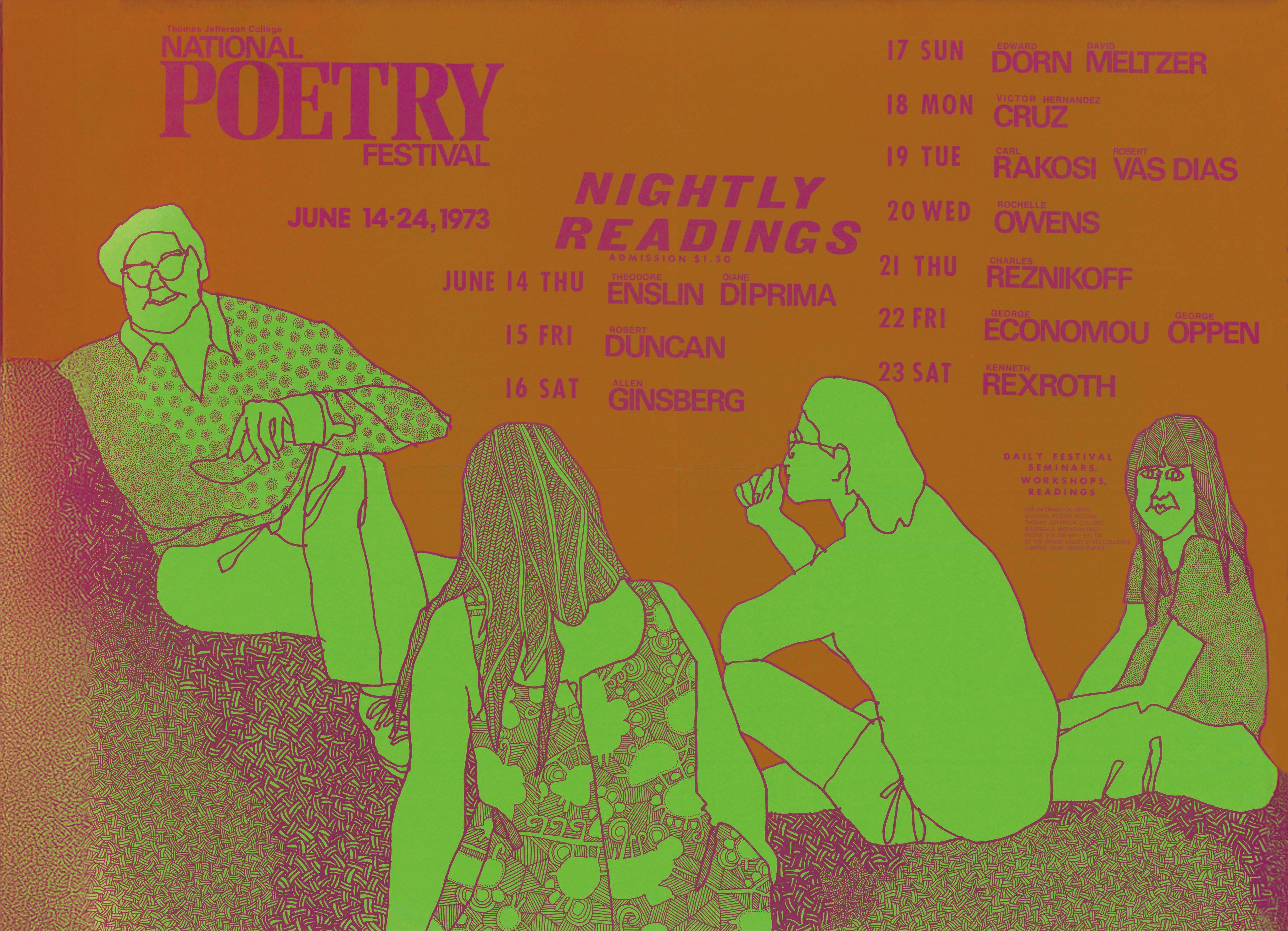
Poster for the 1973 festival.
Poster for the 1973 festival.
“Grand Rapids has a very long and storied history with poetry,” said Stephens-Krieger, outlining a century of organizations and donors that have funded the arts in the city. Much of the history can be found in "An Oral History of Grand Rapids Poetry," a project created by Stephens-Krieger and archived at the Grand Rapids Public Library.
There have been active poetry groups in Grand Rapids since the 1920s, she said, beginning with a women’s group called The Scribblers, followed by The Bards, one of the longest-running poetry clubs in the country. The Dyer-Ives Poetry Competition began in 1968, recognizing local poets and presenting awards to children and adults. In the 1980s, the Twilight Tribe came on the scene; its members were more politically motivated than previous groups.
“The Bards had this thing, where for roll call you’d stand up and read a poem you were working on and people would criticize it. The Twilight Tribe, their real focus was to appreciate and not to criticize. It was a place where people could share ideas that they wrote down poetically,” said Stephens-Krieger.



KEATS WROTE
POEMS IN
KEATS TIME...
AND
WE ARE
IN OUR TIME
TODD KANEKO,
ASSOCIATE PROFESSOR OF WRITING
GVSU ARTS CELEBRATION
Grand Valley’s Poetry Night, part of the GVSU Arts Celebration, has continued the tradition of bringing celebrated poets to Grand Rapids. The event was established in the early 2000s by Patricia Clark, GVSU professor emerita and former Grand Rapids poet laureate.
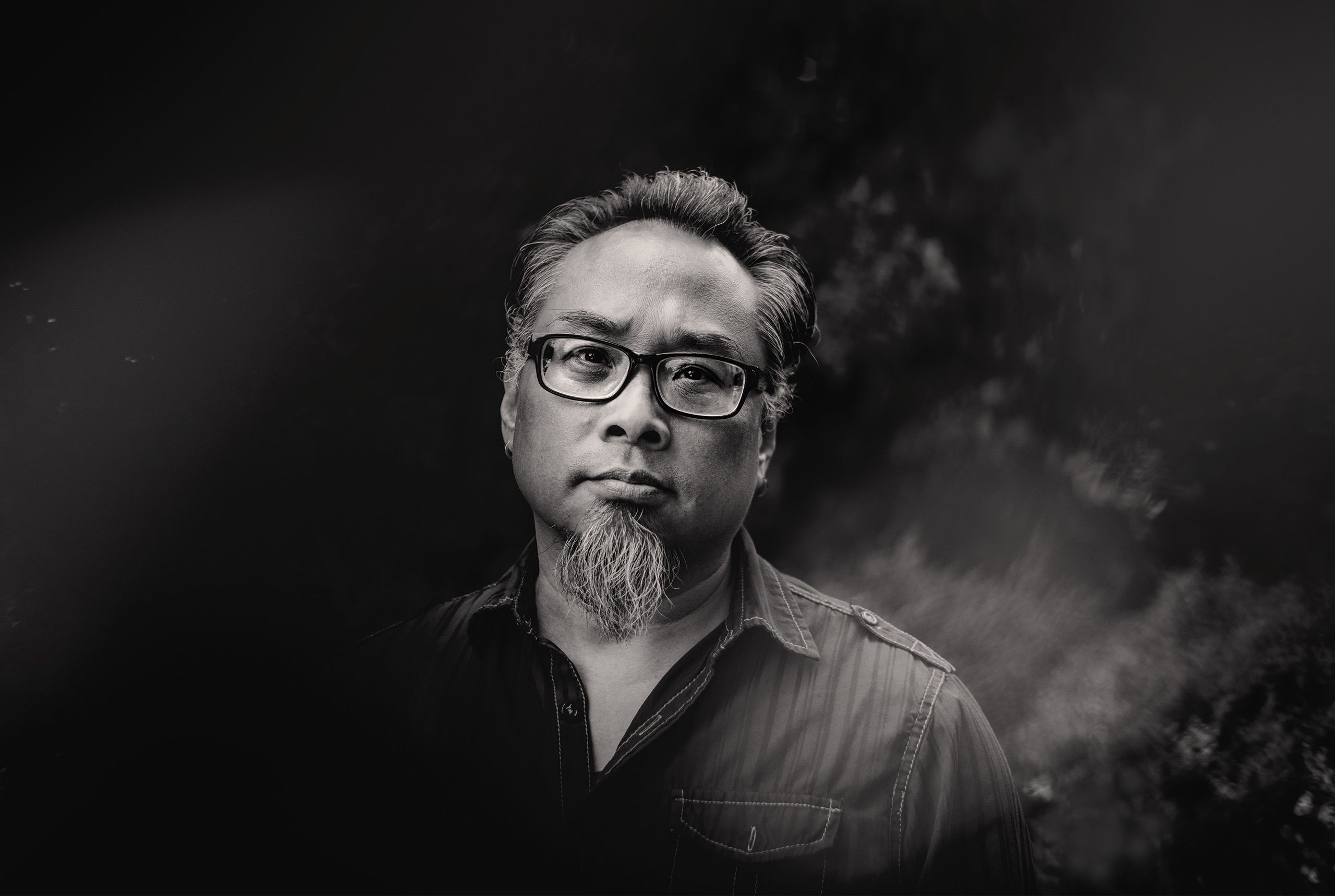
“It’s one of the biggest poetry events in West Michigan,” said W. Todd Kaneko, poet and associate professor of writing. “The mission is to give students and faculty in our campus community the chance to experience the work of these nationally acclaimed poets.”
Like at the National Poetry Festival, the draw of Poetry Night is the chance to meet the poets. “It’s one of the ways the university can give back to the greater Grand Rapids community by creating an event not just for the campus community but also the literary community within the city,” Kaneko said.
The Grand Valley Writers Series also allows students to spend time with active writers and get an idea if that’s a path they want to pursue, said Kaneko. “It’s important, if you want to be a fiction writer to meet a fiction writer; if you want to be a poet to meet someone who's writing poetry,” he said.

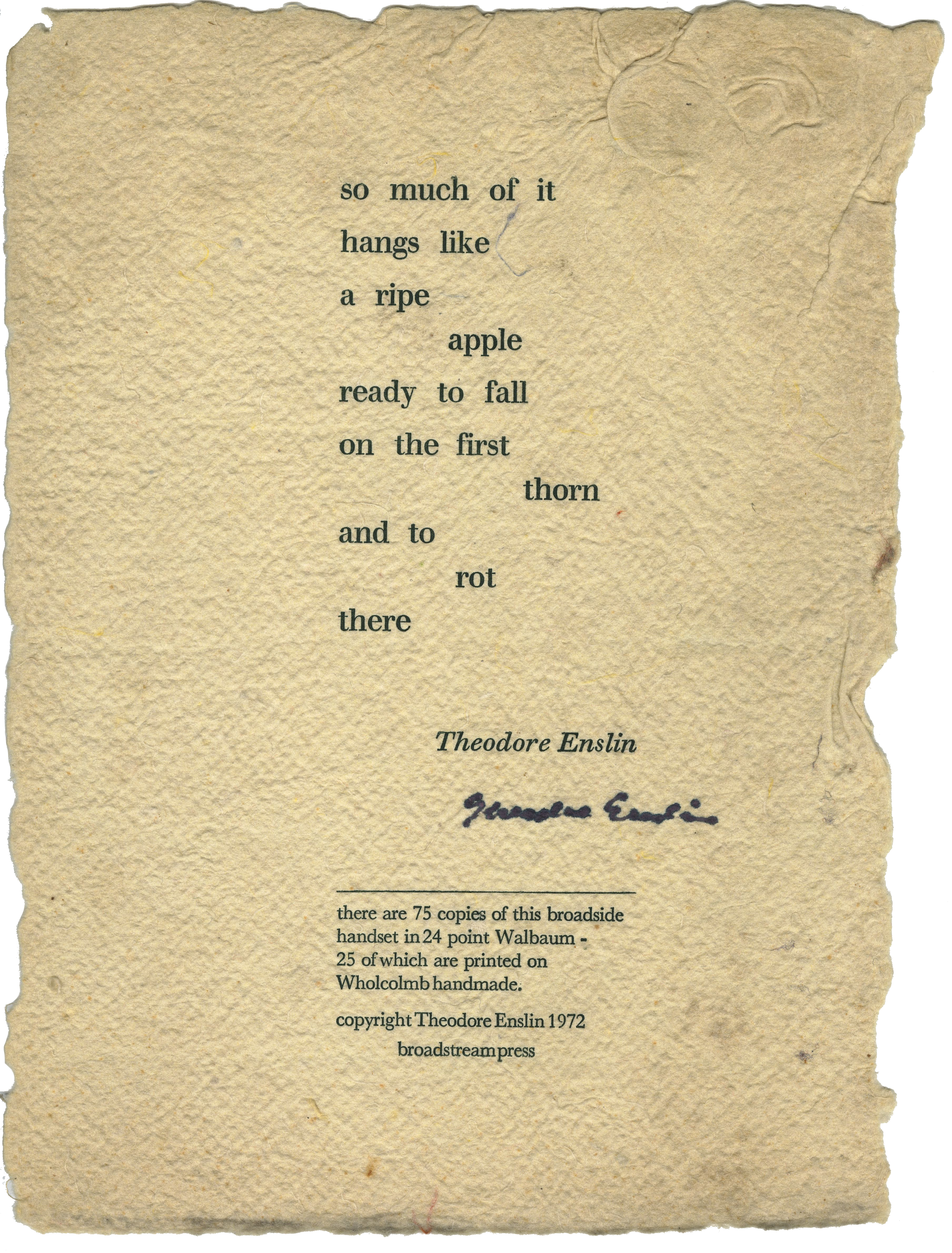
The more students are exposed to poetry, the more chances they have to understand it and maybe even start writing it themselves, Kaneko said. Poetry can be an intimidating subject, but talking to visiting writers and professors can make it more approachable.
“Shakespeare wrote poems in Shakespeare’s time. Keats wrote poems in Keats’ time, even Allen Ginsberg wrote poems in Allen Ginsberg’s time, and we are in our time,” said Kaneko. “I want students to understand that it’s OK to not really understand their poems because that was a long time ago.
“Look at poems of today and you’ll get it because you'll see poems about Black Lives Matter, you’ll see poems about Taylor Swift, you’ll see poems about going to a nightclub in Grand Rapids. And these are poems that are just as important and as vital.”
Active student organizations like Wordsmiths and In The Margins give students opportunities to share their writing with peers, keeping the poetry community alive and growing.
“As long as I have been here, there’s been a very strong commitment to poetry at Grand Valley, and not just in the Writing Department,” said Kaneko. “We have the good fortune to be at a university that understands the importance of the arts.”

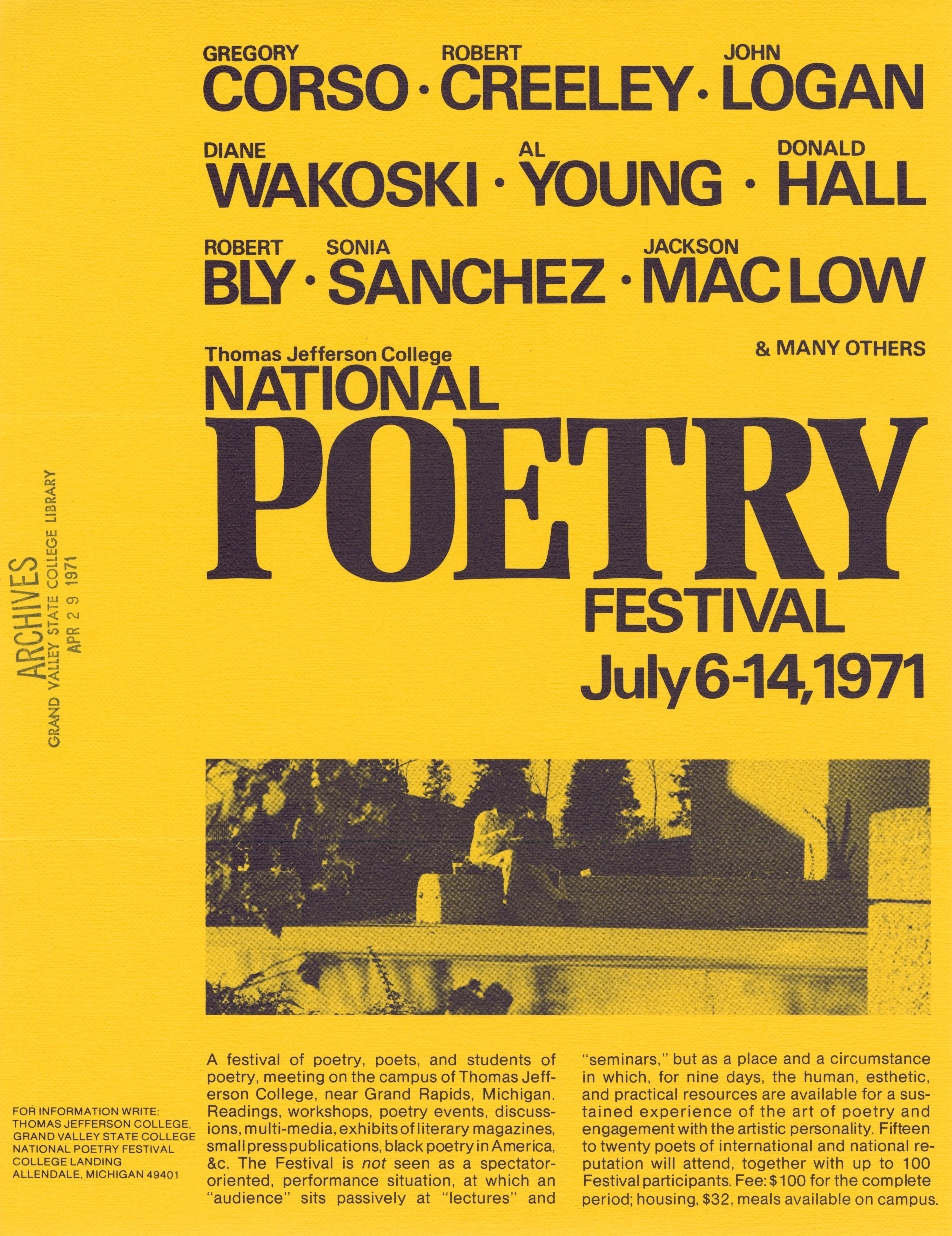
1971 National Poetry Festival poster.
1971 National Poetry Festival poster.
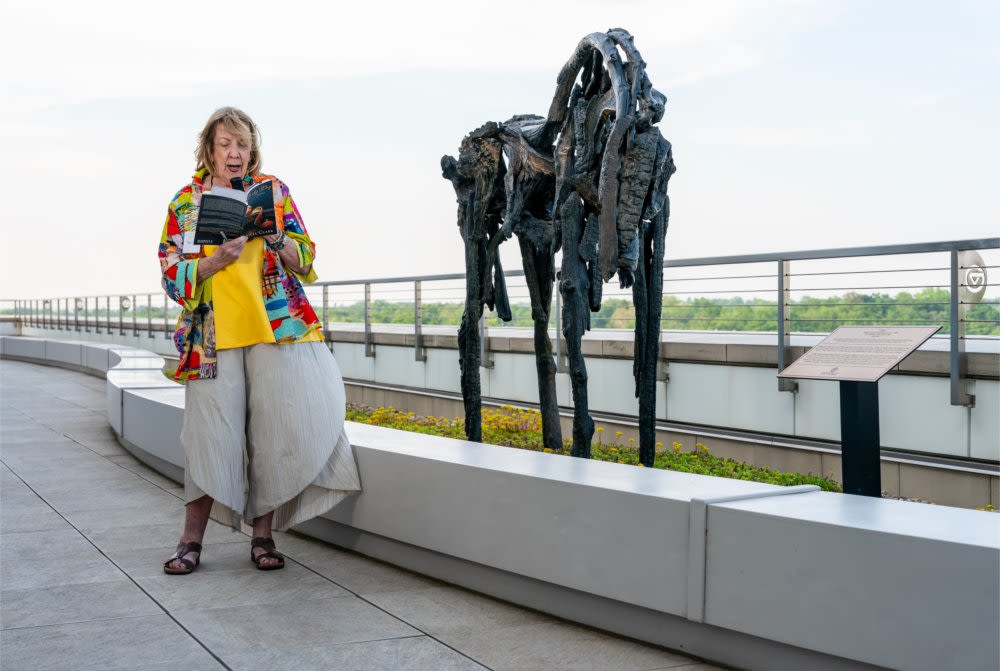
INSPIRED BY ART: Patricia Clark reads a poem next to the sculpture that inspired her
Professor emerita and former Grand Rapids Poet Laureate Patricia Clark read a poem called “Char,” inspired by a sculpture of the same name on the terrace of the DeVos Center for Interprofessional Health in downtown Grand Rapids in June. The life-size horse by renowned sculptor Deborah Butterfield is cast in bronze and shaped by charred pieces of wood taken from a wildfire.