

Behind the Scenes of 2024
Published December 1, 2024 by Nicole Webb
For the GVSU Art Museum, 2024 was another great success. It included 14 new exhibitions, new works of art placed in public spaces on multiple campuses, amazing events like learning about graffiti, hearing from art collectors visiting from New York City, and a name change from the GVSU Art Gallery to the GVSU Art Museum! It was a jam-packed year full of great artwork, amazing stories, and building relationships with artists and our community.
But what about behind the scenes? Did you know that on average, the Art Museum’s permanent collection grows by hundreds of works of art each year? In 2024, over 300 artworks became part of the permanent collection. While many of these (over 50 of them!) were part of exhibitions or already have been put on public display, others are in storage- waiting for their big debut as part of future projects.
For one last time in 2024, the GVSU Art Museum would like to take some time to share the stories of artists in our collection. While these works of art may be “behind the scenes” for now- they won’t remain that way for long.
Explore more artwork added to the GVSU Art Museum Collection in 2024
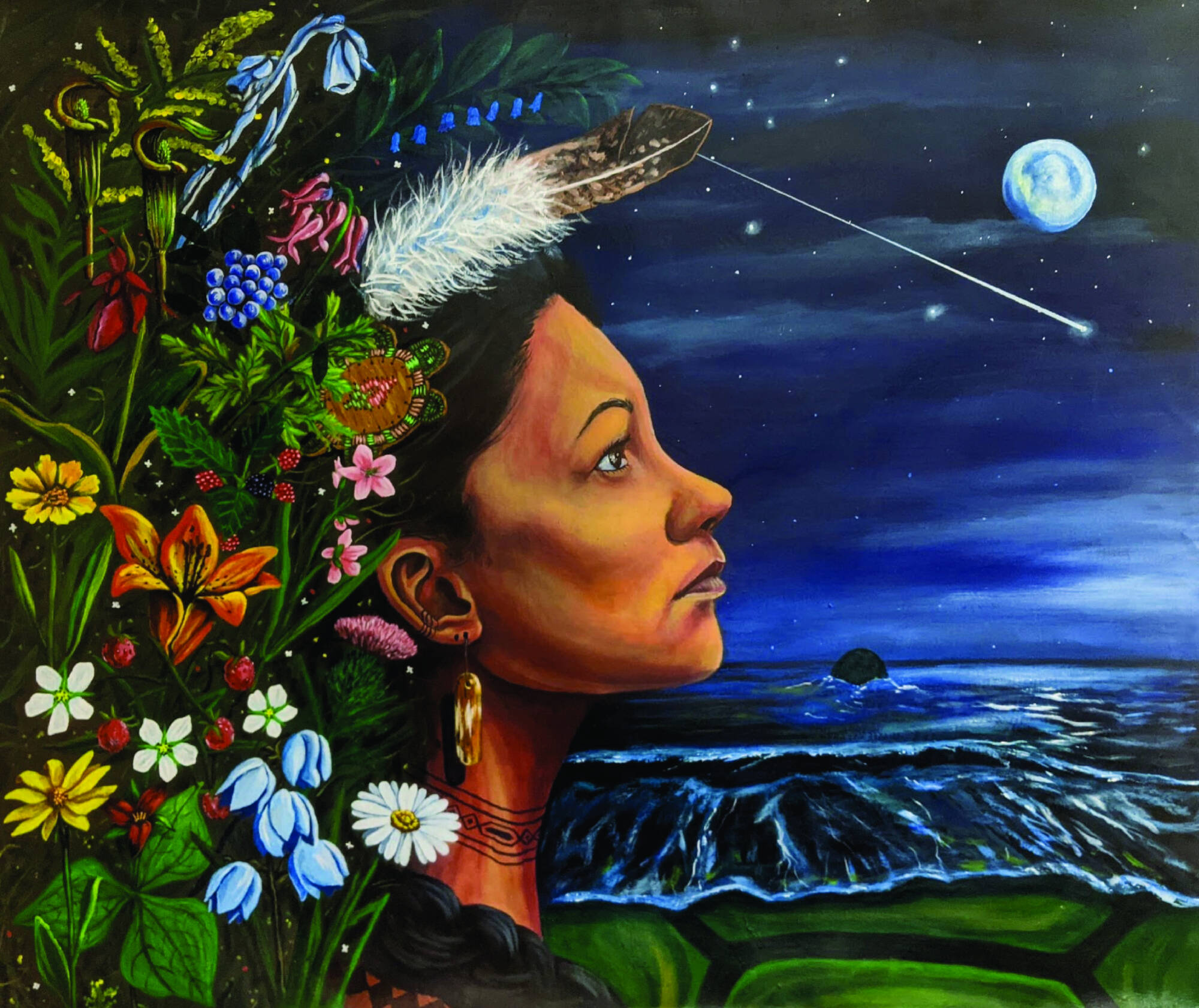
Alan Campo is an Anishinaabek artist from the Grand River Bands of Ottawa Indians and the Little Traverse Bay Band of Odawa who lives and works in Grand Rapids. He creates paintings of the stories, culture, and community he grew up with. His painting Ngushe Aki (Mother Earth) was created to tell a story of beginning, strength, and growth. Campo wants his images to provoke questions and inspire learning from their viewers. This image was featured on the cover of the 2024 Spring edition of Grand Valley Magazine.
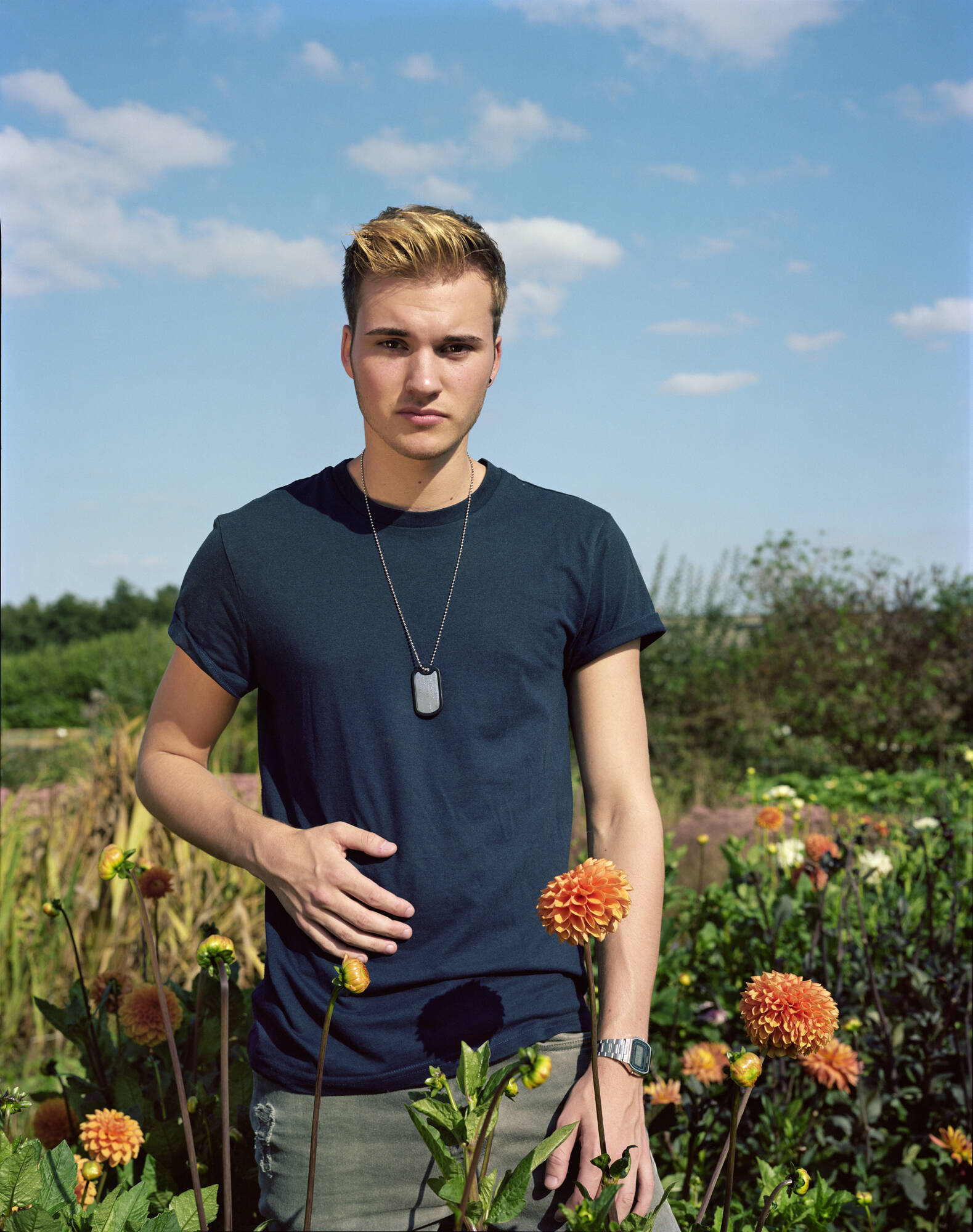
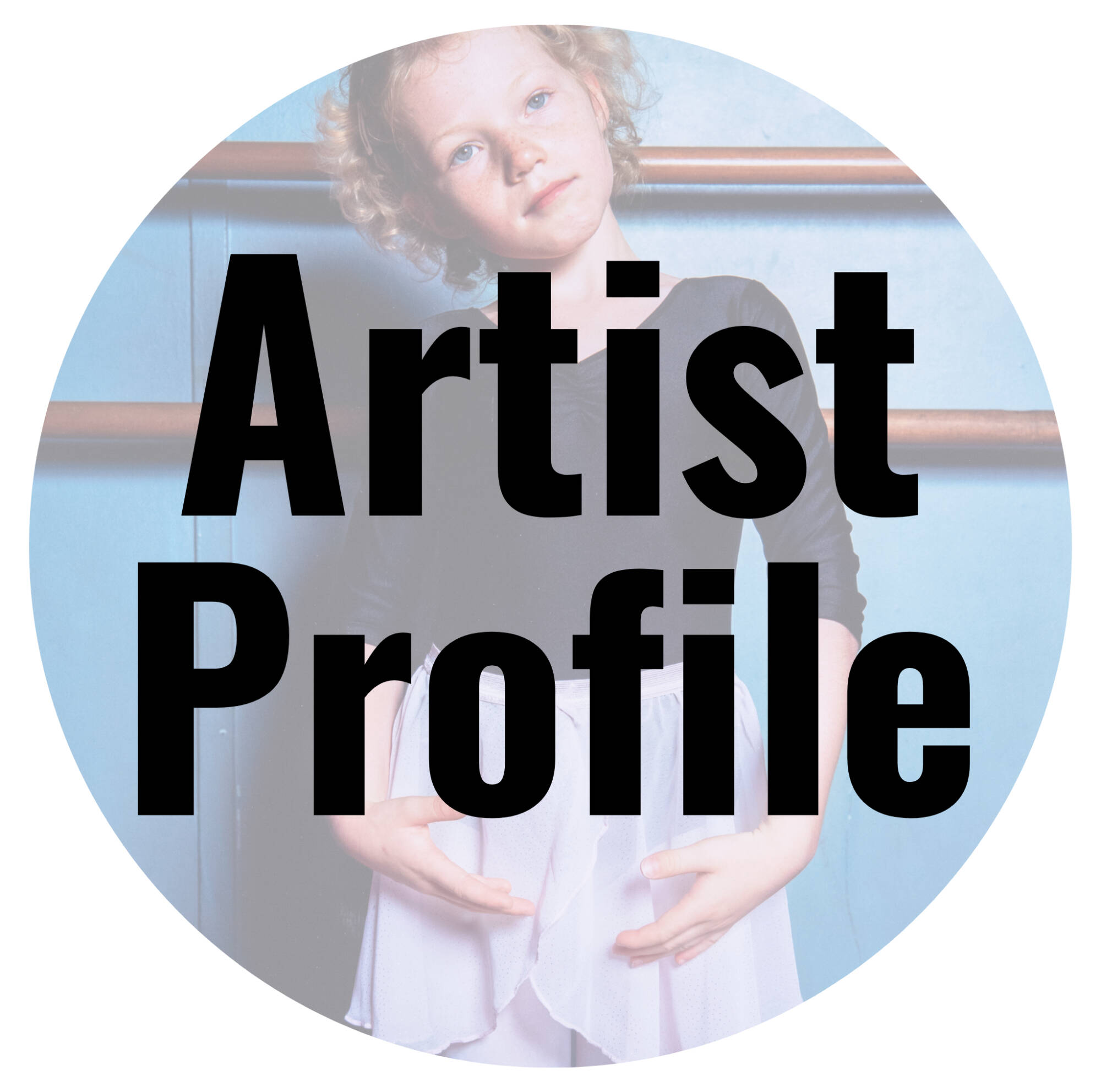
Starting in 2003, Dutch photographer Sarah Wong followed and photographed the lives of cross-gendered children. She was invited into their homes, schools, and daily life activities, proving they were regular children living the lives they had always wanted. These images were the first official photos of transgender children from the Netherlands. In 2018, fifteen years later, Wong began to re-photograph these children as they entered adulthood, a continuing key step towards destigmatizing transgender individuals.
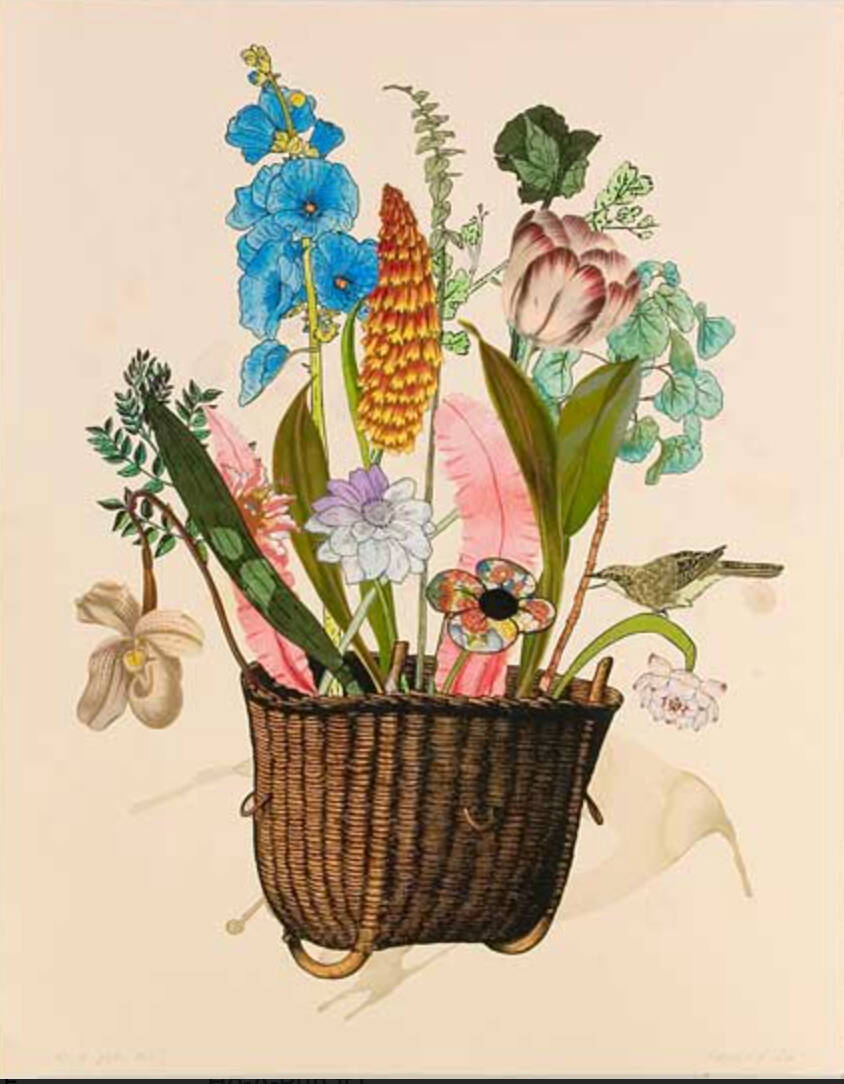
Like most of Jane Hammond’s artwork, at first glance, this floral collage may seem simple, just a collection of pretty flowers in a vase. In reality, each botanical exists slightly out of the realm of possibility as Hammond plays with scale, color, and patterns, combining flowers from all over the world and different seasons into a single bouquet. Yet these choices weren’t made at random. Hammond meticulously researches each element included to create historical, environmental, and allegorical relationships.
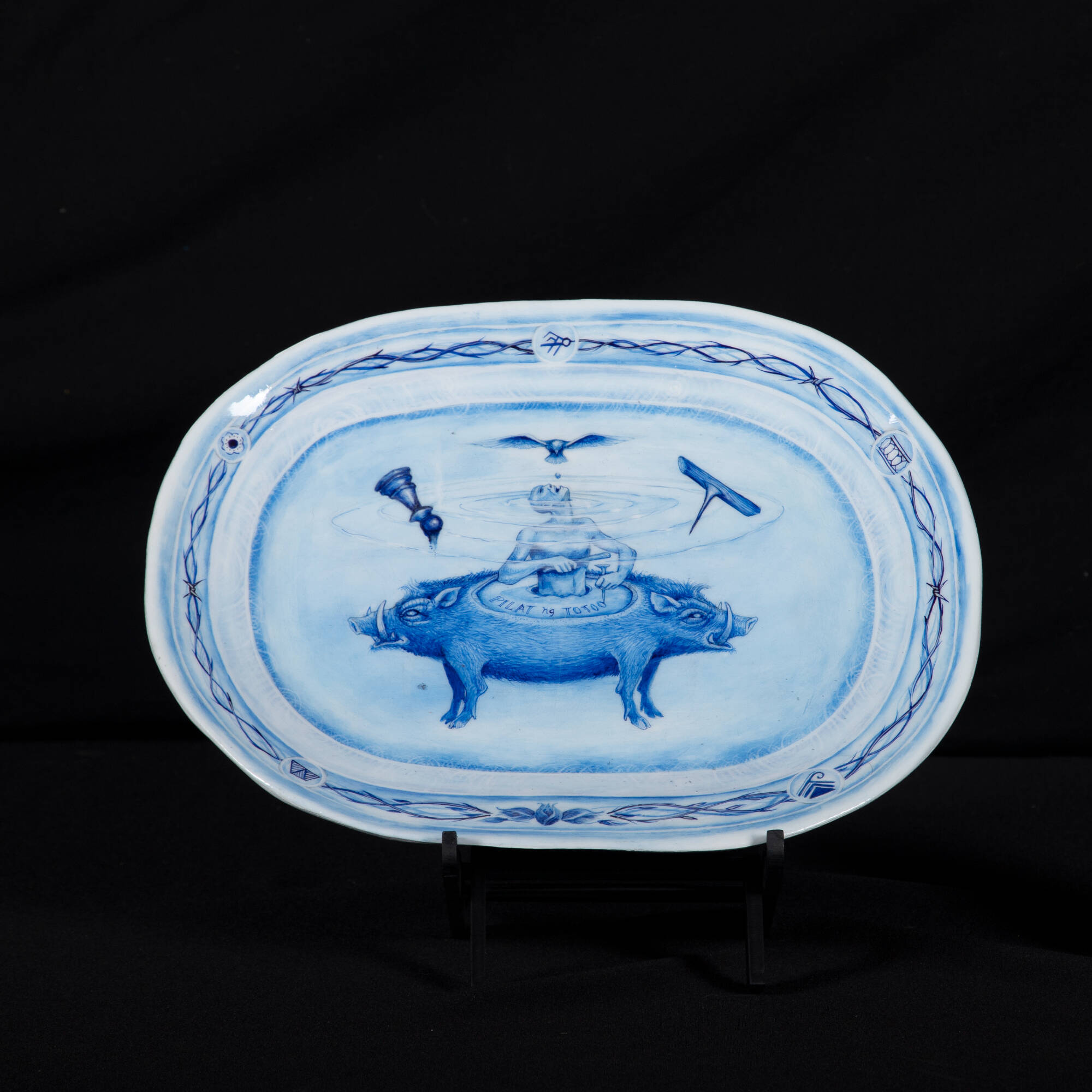
Recounting prison life through art, artist Gil Batle tells his own stories and memories from the over twenty years he spent incarcerated in the state of California. This work features a double-sided boar and the figure of a man holding a 'batok,' a traditional tattooing technique in the Philippines. The permanence of tattoos echoes the persistence of lived experience and how such experiences follow us for the rest of our lives.
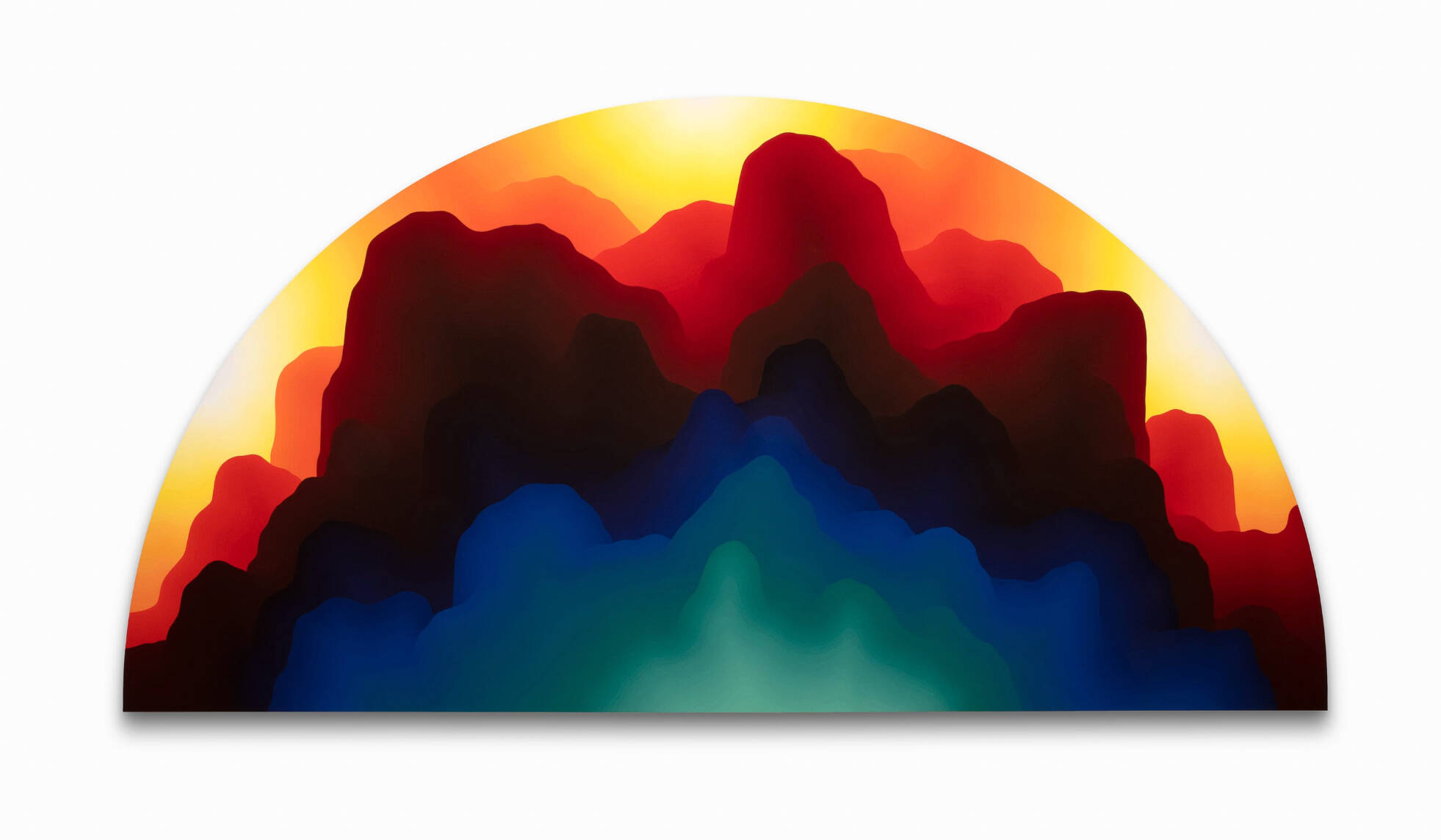
Sam Friedman’s paintings are rooted in the tradition of American Abstract Expressionism, exploring color, line, and the physical application of the paint to the canvas. Friedman’s process is methodical, creating his gradients by premixing his colors and laying down line after line by hand, embracing the imperfections that emerge. His goal is to create an image that can be meditative when viewed, taking the viewer away from the hustle around them and giving them a peaceful, enjoyable moment.
Learning Resources
Sarah Wong
Alan Campo, Ngushe Aki (Mother Earth), digital reproduction of original painting, 2021, 2024.2.1.
Sarah Wong, Authentic Self: Dees, photograph, 2018, 2024.21.1.
Jane Hammond, Ho-A-Puh #1, collage and acrylic on rag paper, 2006, 2024.18.1.
Gil Batle, Pilat Ng Totoo (Scars of Truth), hand-painted acrylic on self-hardening clay, 2024, 2024.23.1.
Sam Friedman, Untitled, acrylic on canvas, 2023, 2024.43.1.