Featured Building: Raleigh J. Finkelstein Hall
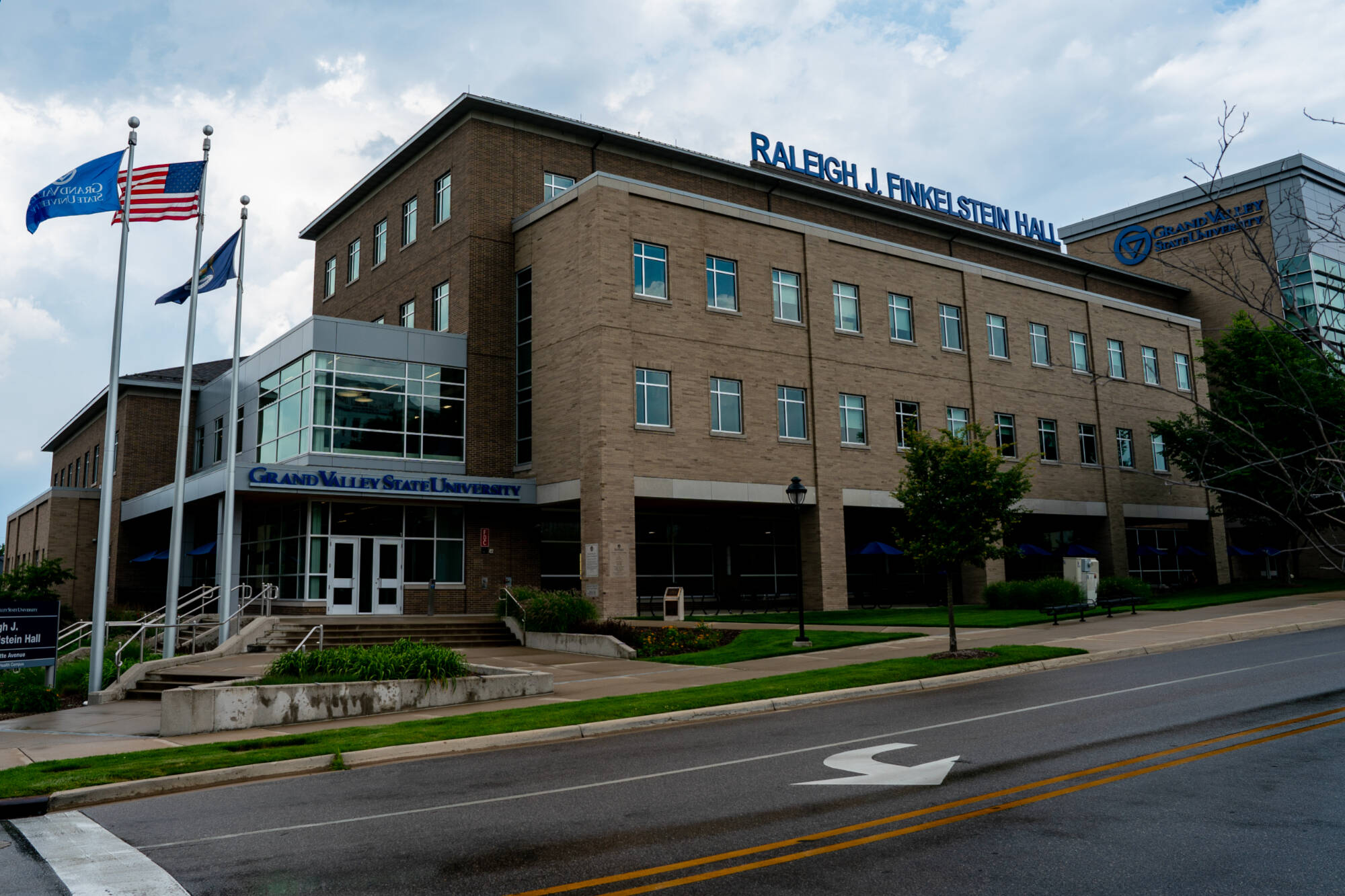
The Raleigh J. Finkelstein Hall (RFH) is located at 500 Lafayette, in the Belknap neighborhood of Grand Rapids, MI. RFH is a LEED certified, 84,000 square foot, 5-story building. It is home to Occupational Therapy, Recreational Therapy, Speech Pathology, Sonography, Radiology and Allied Health programs. In the Raleigh J. Finkelstein Hall, there are over 280 works of art. These pieces provide learning opportunities across many different fields of study with emphasis in this building given to the health sciences.
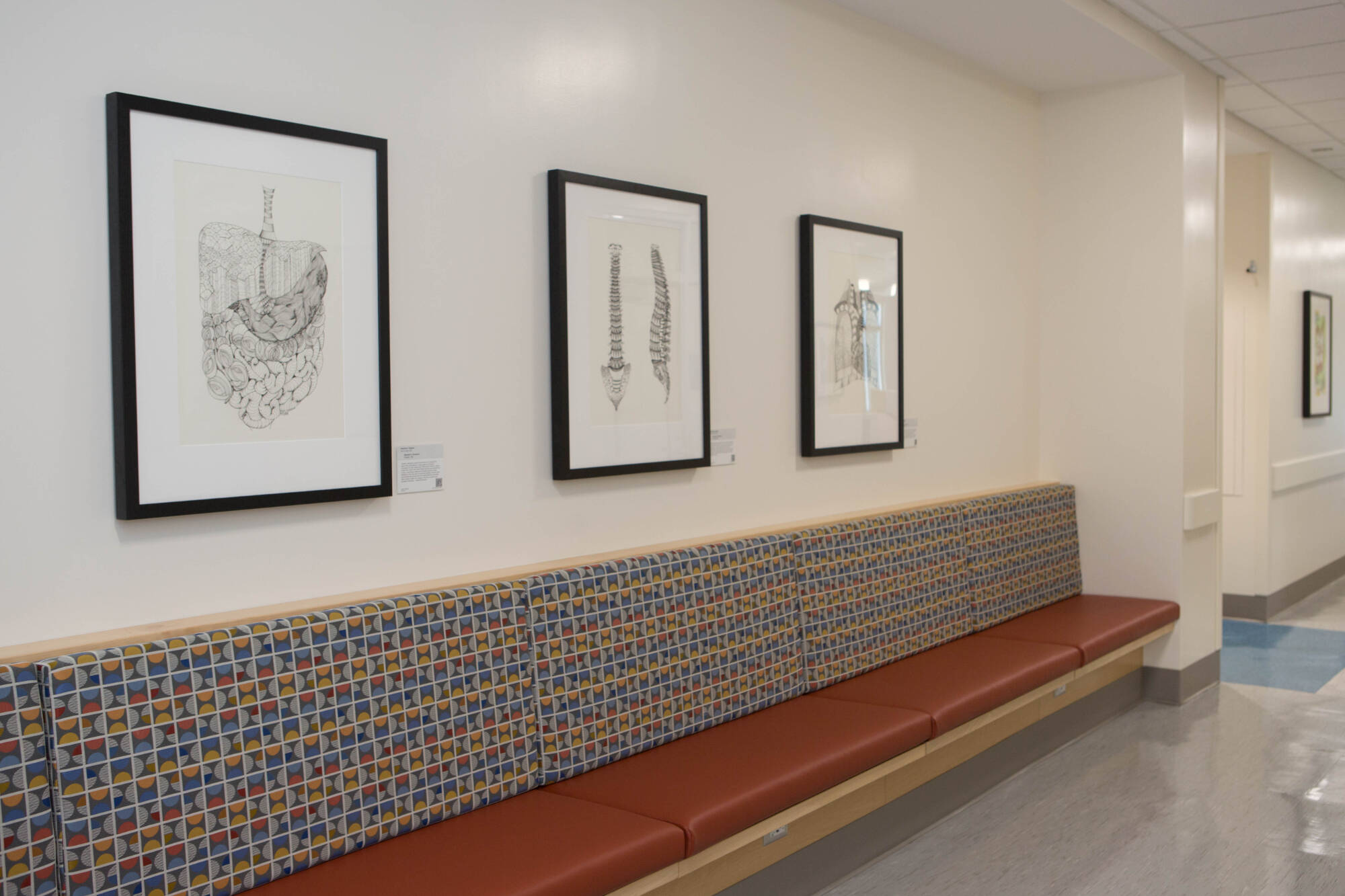
Building Project Art Committee
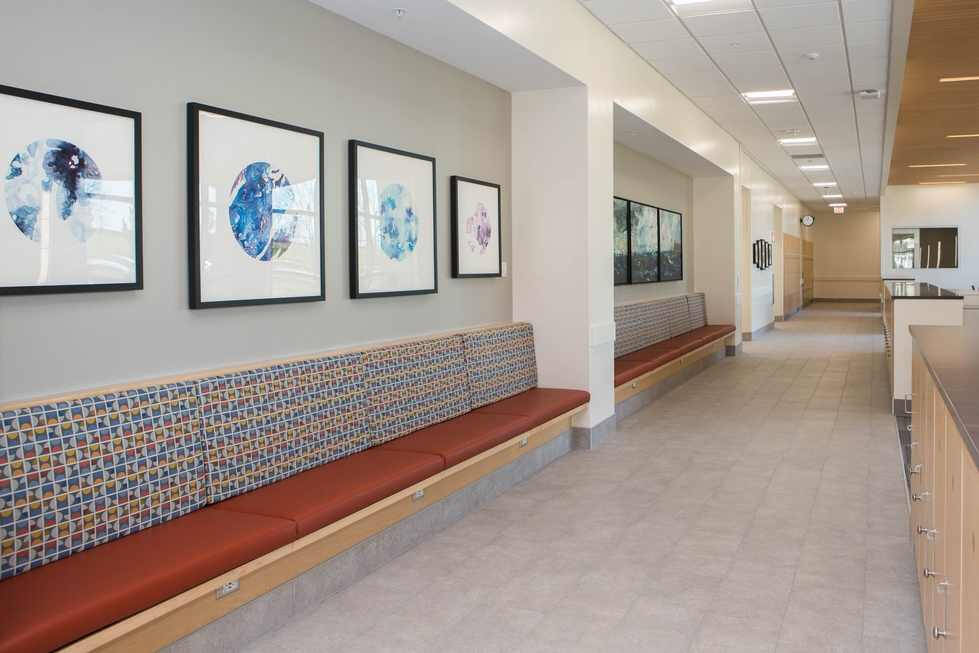
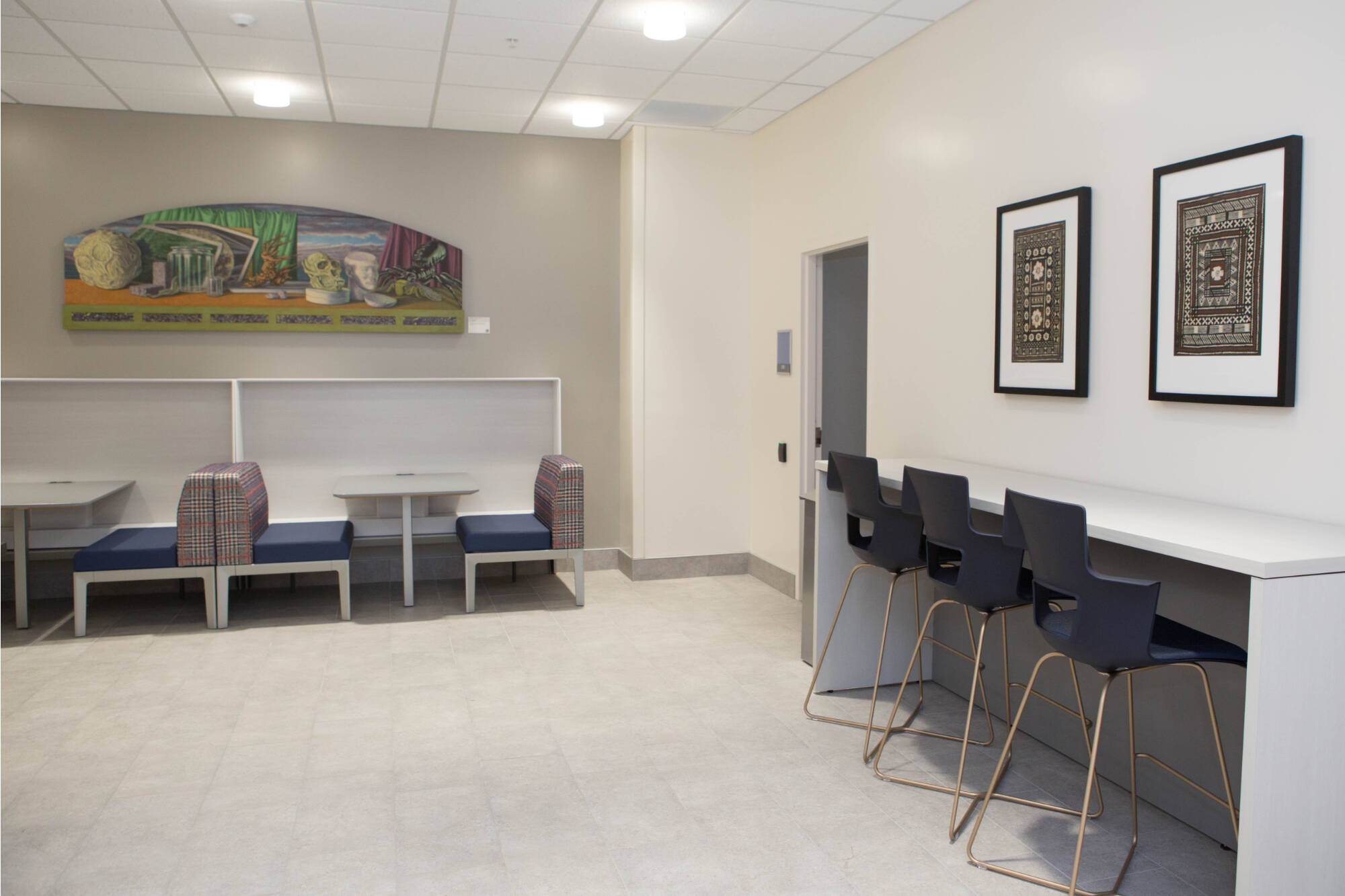
A goal of the Finkelstein Art Advisory Committee and the GVSU Art Museum was to install works of art that can be utilized by faculty in their curricula in order to help develop observation skills and evoke empathy; critical skills for a successful care providers. Additionally, the Art Museum and Art Advisory Committee identified works of art that depict various types of medical patients, works of art created by medical patients, and images created by practitioners. These pieces were installed in the building by the Art Museum, creating an environment that reflects our communities.
Explore the Artwork in Finkelstein Hall
First Floor
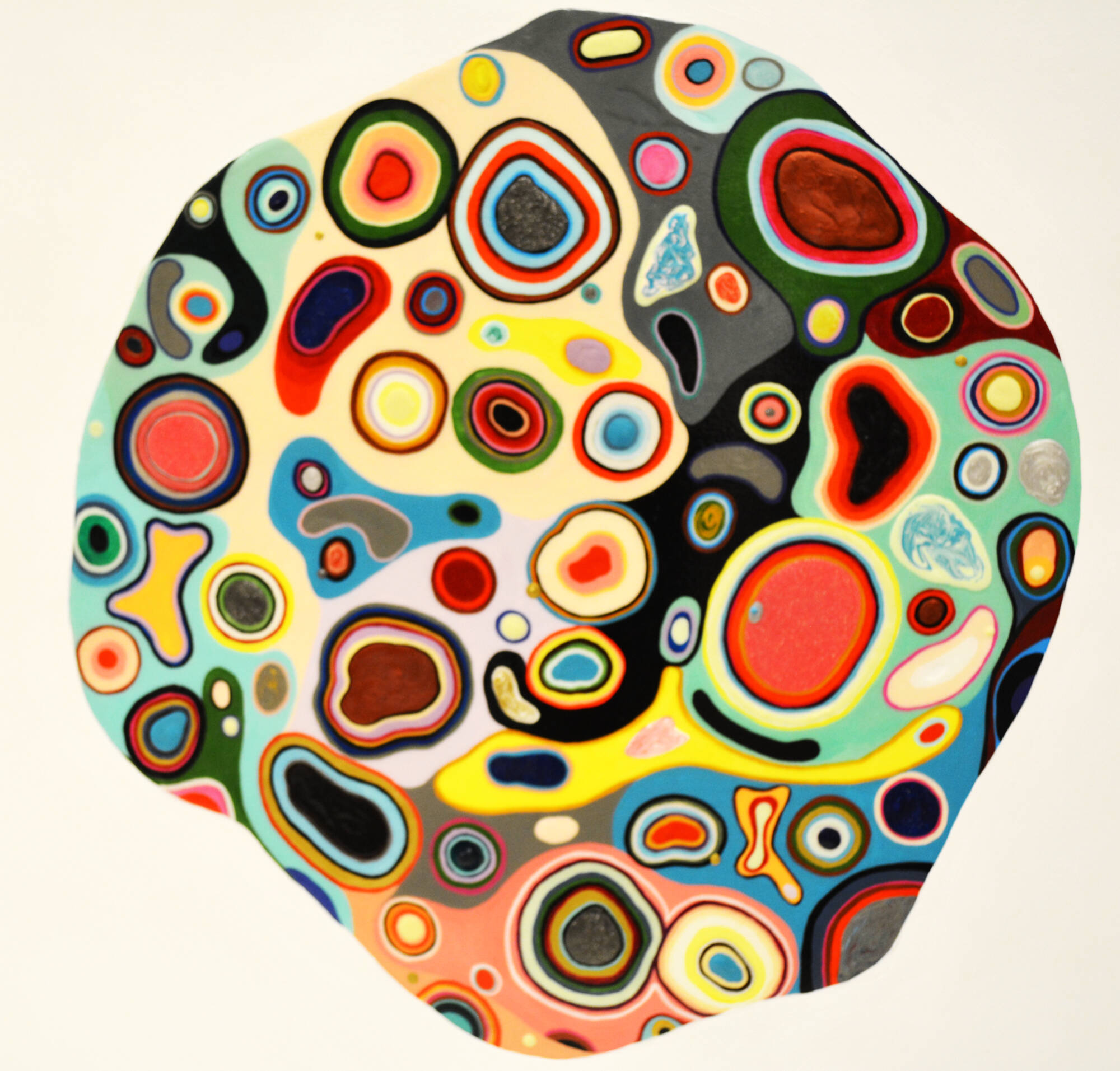
Kelly Allen, Bioforms 1, acrylic and latex on birch panel box, 2017, 2018.16.1.
Kelly Allen is a local Grand Rapids, MI artist with a master’s degree in fine art and a Master of Occupational Therapy degree. Her piece titled, Bioforms 1 is an exploration of microcosmic forces at the cellular level and how these forces affect the macrocosmic level of human groups and cultures. Fun fact: parts of the painting glow in the dark!
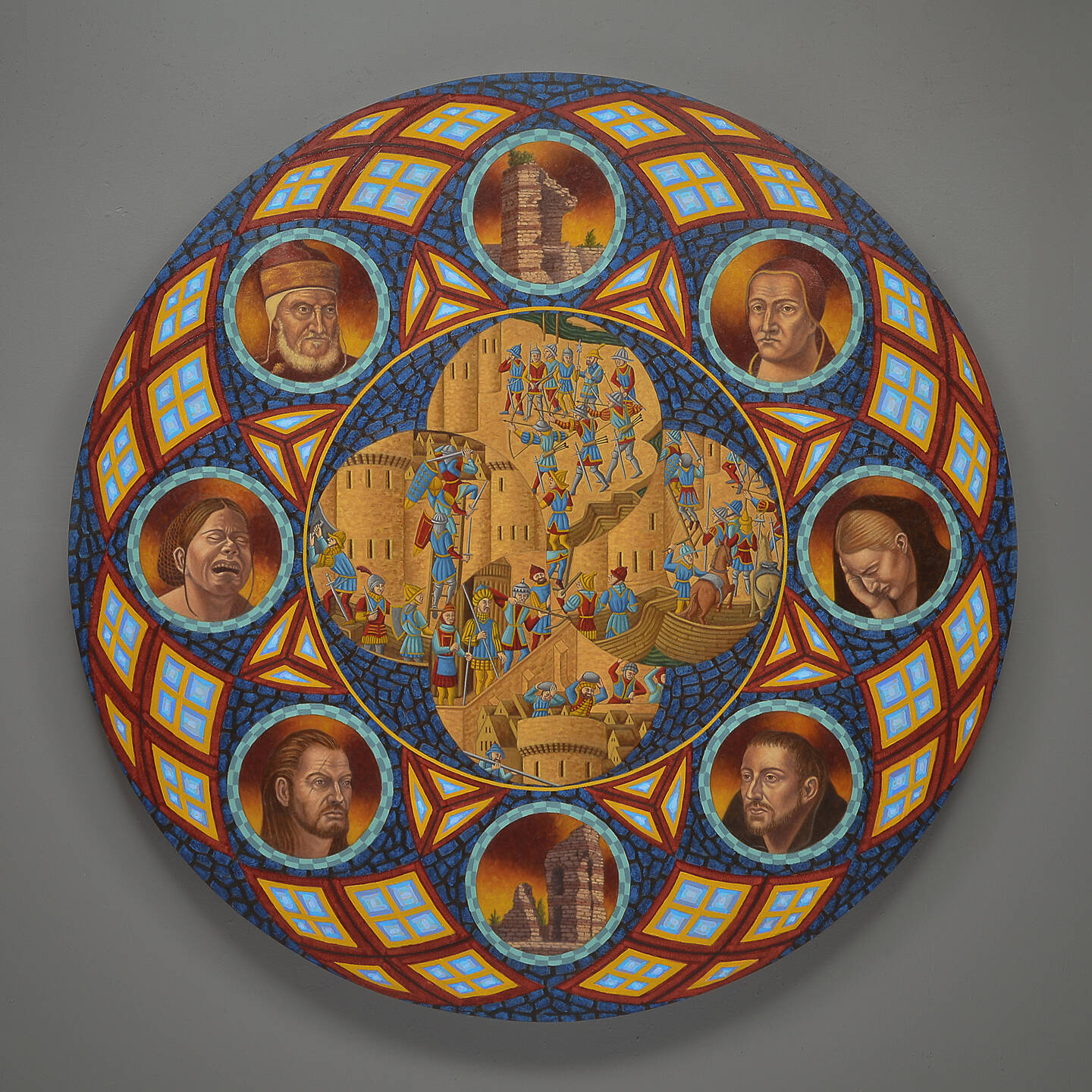
Jay Constantine, The Crusader's Misadventures, alkyd on panel, 2016, 2018.22.1.
At the far east wall of the lobby is a painting by Jay Constantine titled, The Crusader’s Misadventures. Constantine is a retired Professor of Painting at Kendall College of Art and Design. The concept for the piece references the Fourth Crusade initiated by Pope Innocent III. The painting depicts the sorrows of the crusade and gives a modern-day viewer the opportunity for reflection. The piece is painted in the style of trompe-l’oeil, a technique used to give a flat painting the appearance of being convex or bubbled out in shape.
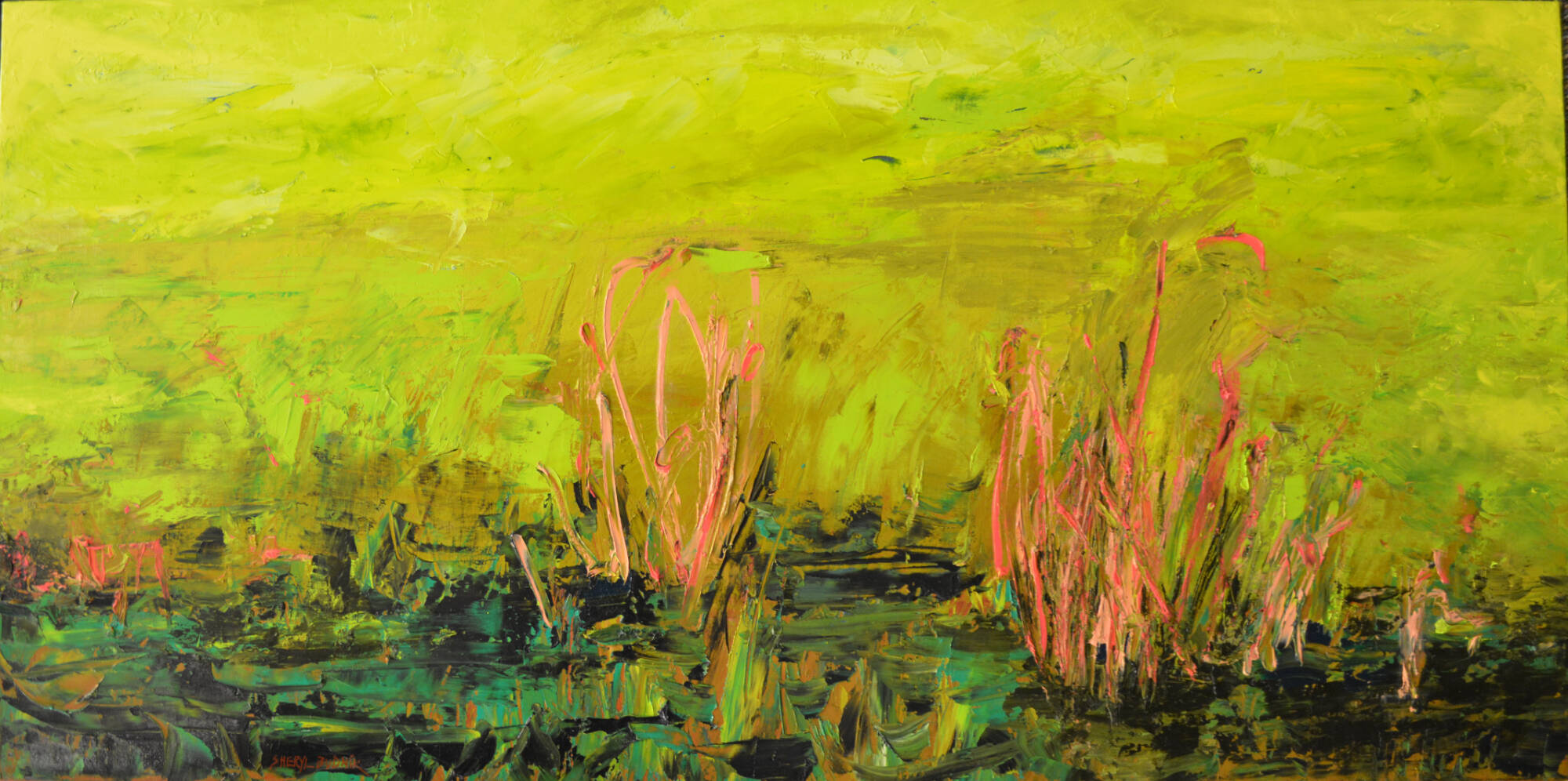
Sheryl Budnik, Pinks Up, oil on canvas, 2017, 2017.56.4.
This floor is street level with expansive views out into the surrounding neighborhood. Keeping in mind the interests of the Finkelstein Art Advisory Committee, many of the works exhibited on this level were produced by local artists including: Stephen Duren, Michael Pfleghaar, Sheryl Budnik, Reb Roberts, Elaine Dalcher and Rick Beerhorst.
Second Floor
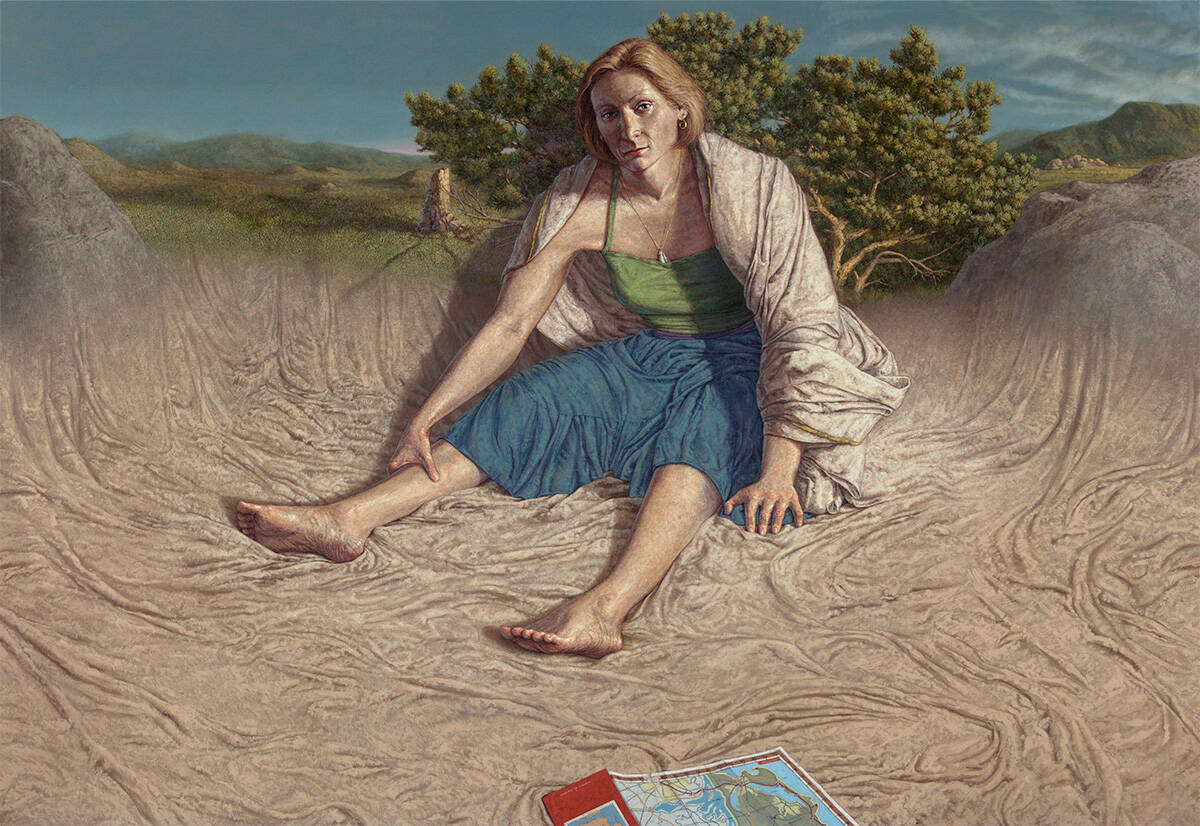
Ed Wong-Ligda, Jocelyn Arranging her Legs, oil on canvas, 2012, 2018.3.1.
Local artist and retried GV Professor, Ed Wong-Ligda painted this portrait of Jocelyn Dettloff-the annual fund director of Mary Free Bed Rehabillitation Hospital in Grand Rapids. Jocely is paralyzed from the chect down after a T-5 spinal injury that happened while sand sledding in Namibia, Africa. Wong-Ligda states"...A very active woman, Jocelyn still plays tennis, has skydived and driven a car on a racetrack since her injury. This painting is, in a way, an expression of my great wonder and admiration for Jocelyn."
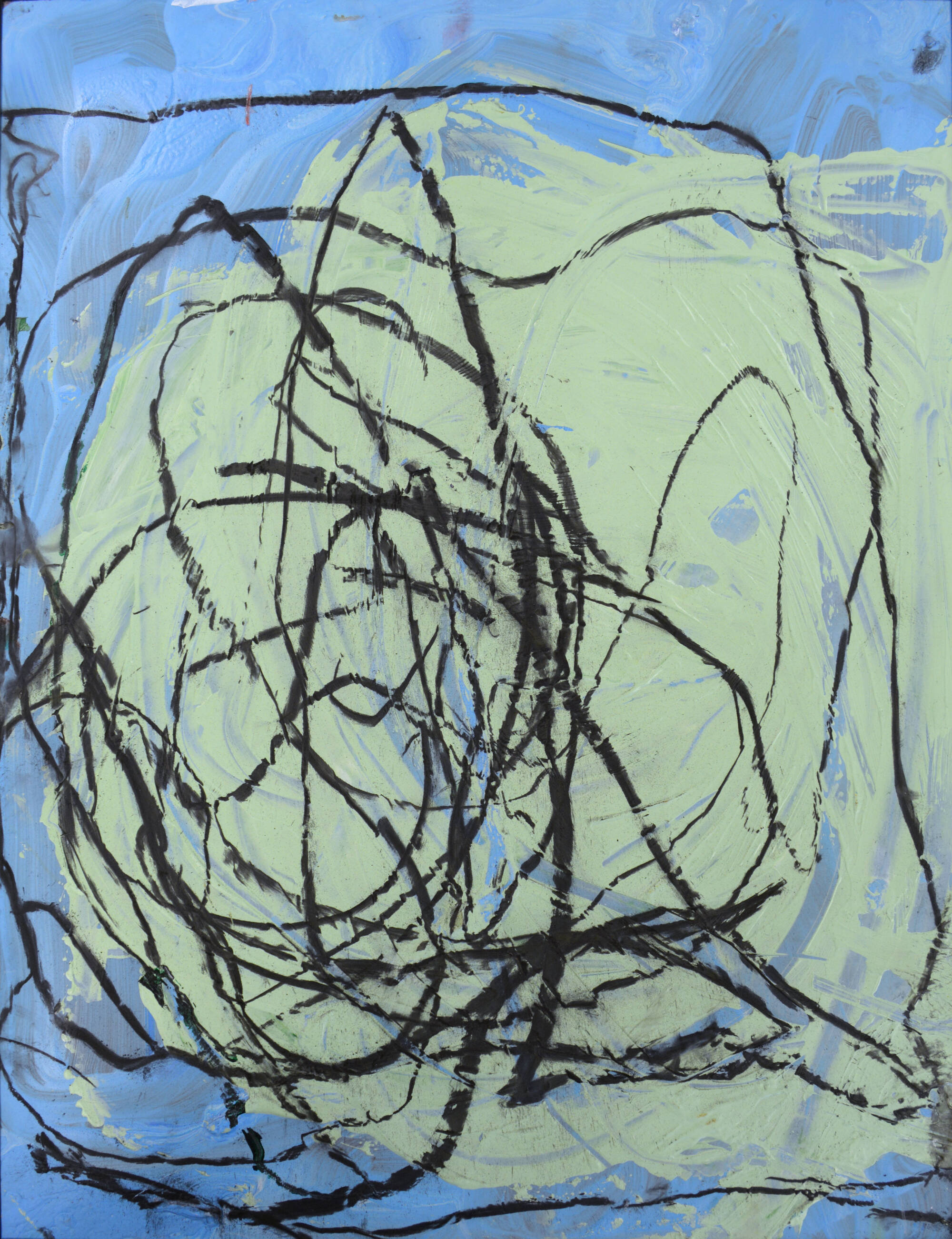
Joe C., Untitled with Charcoal, charcoal and pastel, 2017.76.4.
Spectrum Health patient Joe C., created this painting during their Expressive Arts Program located in the Spectrum Health Neurology Rehabilitation facilities in Grand Rapids, Michigan. This program provides residents and patients a way to relieve anxiety- aiding their physical, mental, and emotional health recovery. Under the direction of a professional artist, patients and residents utilize creative practices to promote an individual's ability to think creatively, use judgement, and make decisions; using problem solving, concentration, visual perception, and fine motor skills. This painting was purchased during their annual art exhibit that features hundreds of pieces created by the patients and resident artists who are all living with the impacts of severe traumatic brain injury. Proceeds go back to the artists and the studio program.
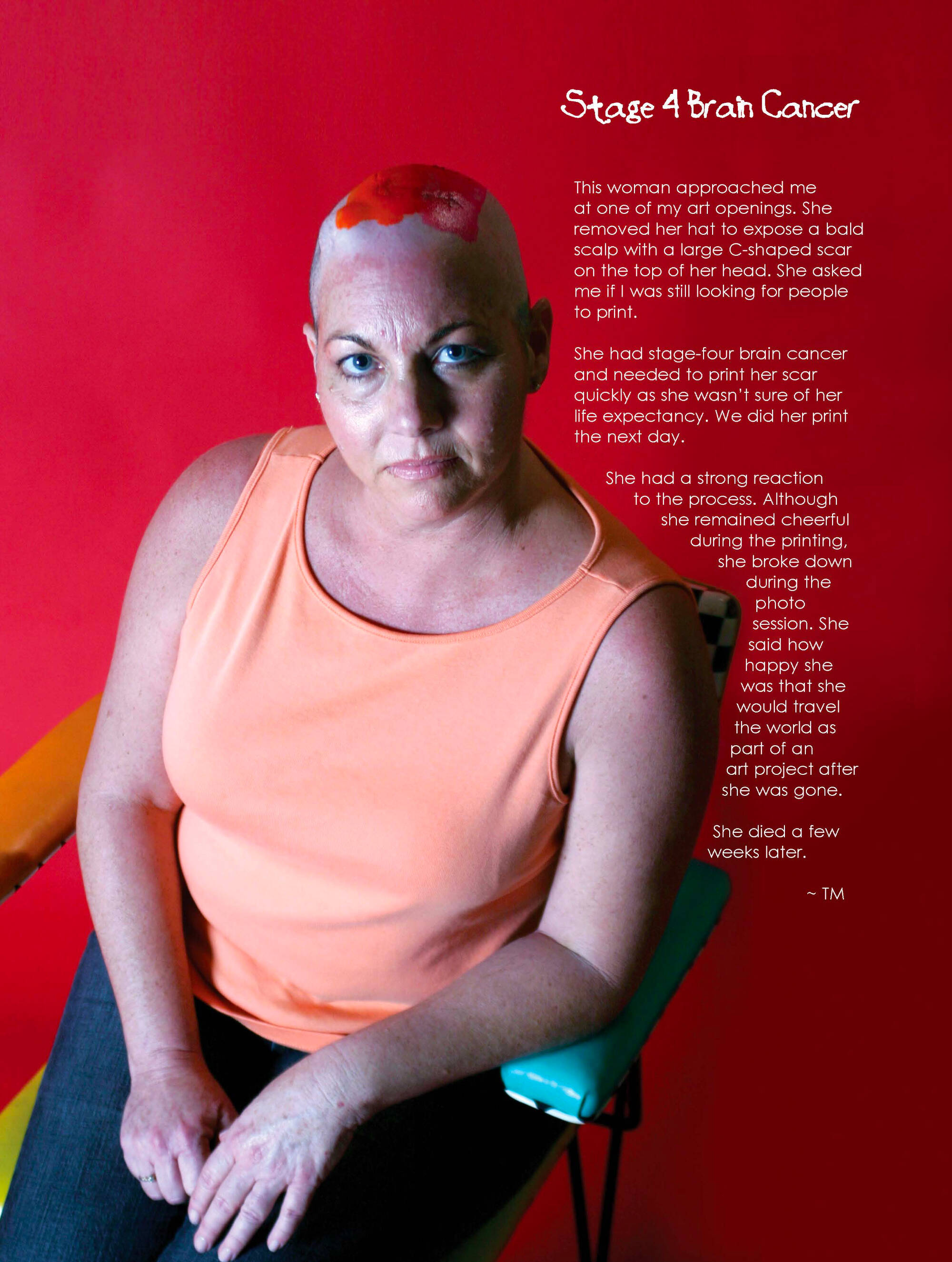
Ted Meyer, Stage 4 Brain Cancer, print, 2018.14.3b.
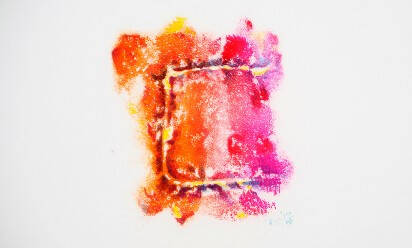
Ted Meyer, Stage 4 Brain Cancer, mono-print with gouache, 2013-2018, 2018.14.3a.
Ted Meyer is a nationally recognized artist, curator, and patient advocate who helps patients, students, and medical professionals see the positive in the worst life can offer. Ted’s 16-year project “Scarred for Life: Mono-prints of Human Scars” chronicles the trauma and courage of people who have lived through accidents and health crises. Meyer seeks to improve patient/physician communications and speaks about living as an artist with illness. Ted’s rare niche mixes art, medicine, and stories of healing and survival, drawing from his experience as a lifelong patient of Gaucher Disease (an enzyme deficiency that affects bones and joints). Telling stories about his own art and the stories behind his scar art collection, he offers insight into living with pain, illness, and disfigurement. Meyer also curates exhibitions of artwork by patients whose subject matter coincides with medical school curriculum.
Third Floor
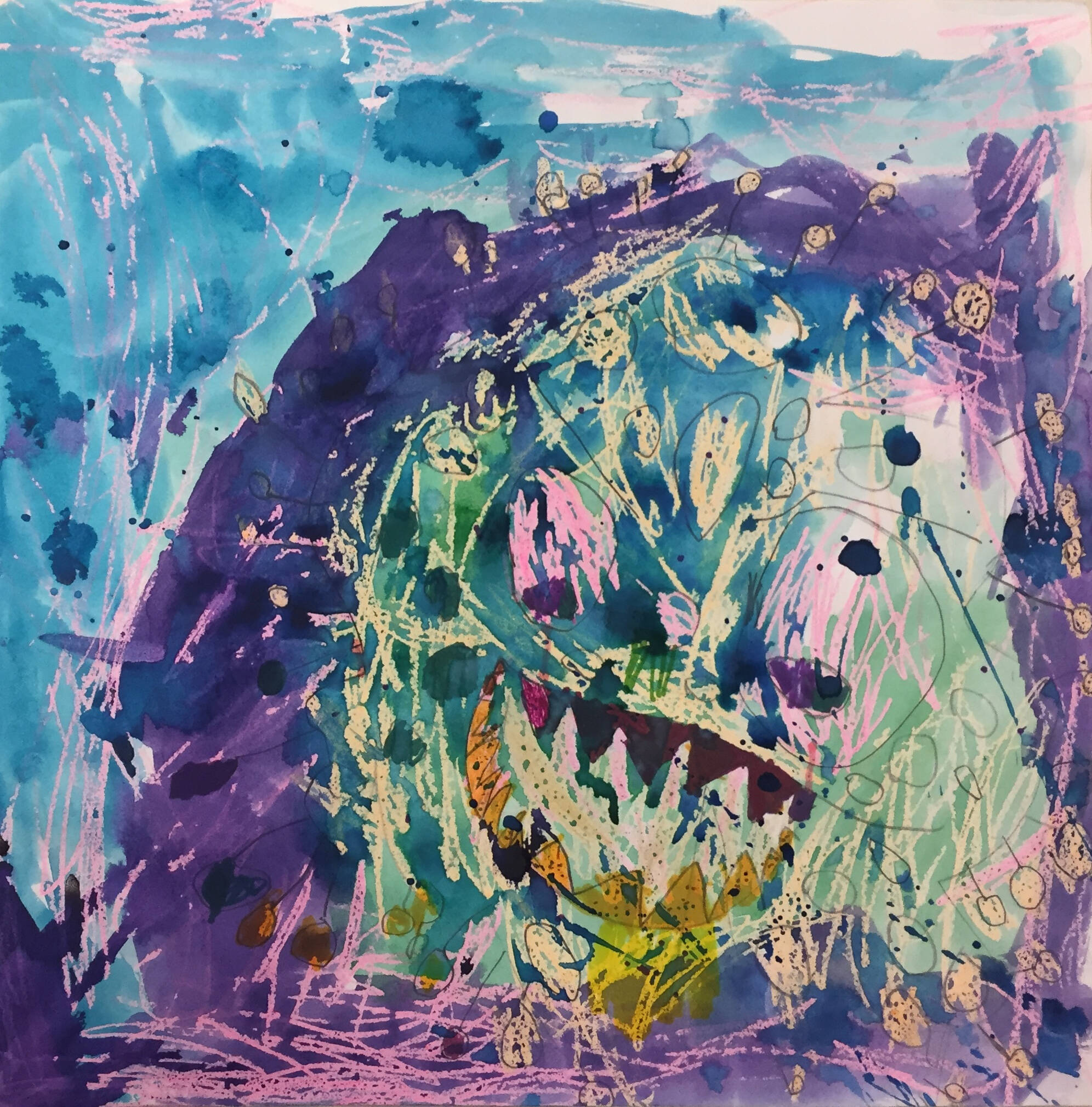
Persephone L., My Scary Germ, crayon and watercolor, 2017, 2018.6.8.
This work of art was created by a kindergarten student at the Coit Creative Arts Academy in Grand Rapids, Michigan. The academy offers an art-based curriculum that integrates creative expression, movement, and music with academic excellence. The school is located in the heart of the city in the historic Belknap neighborhood. This painting was created after the art teacher asked her students what they thought germs looked like.
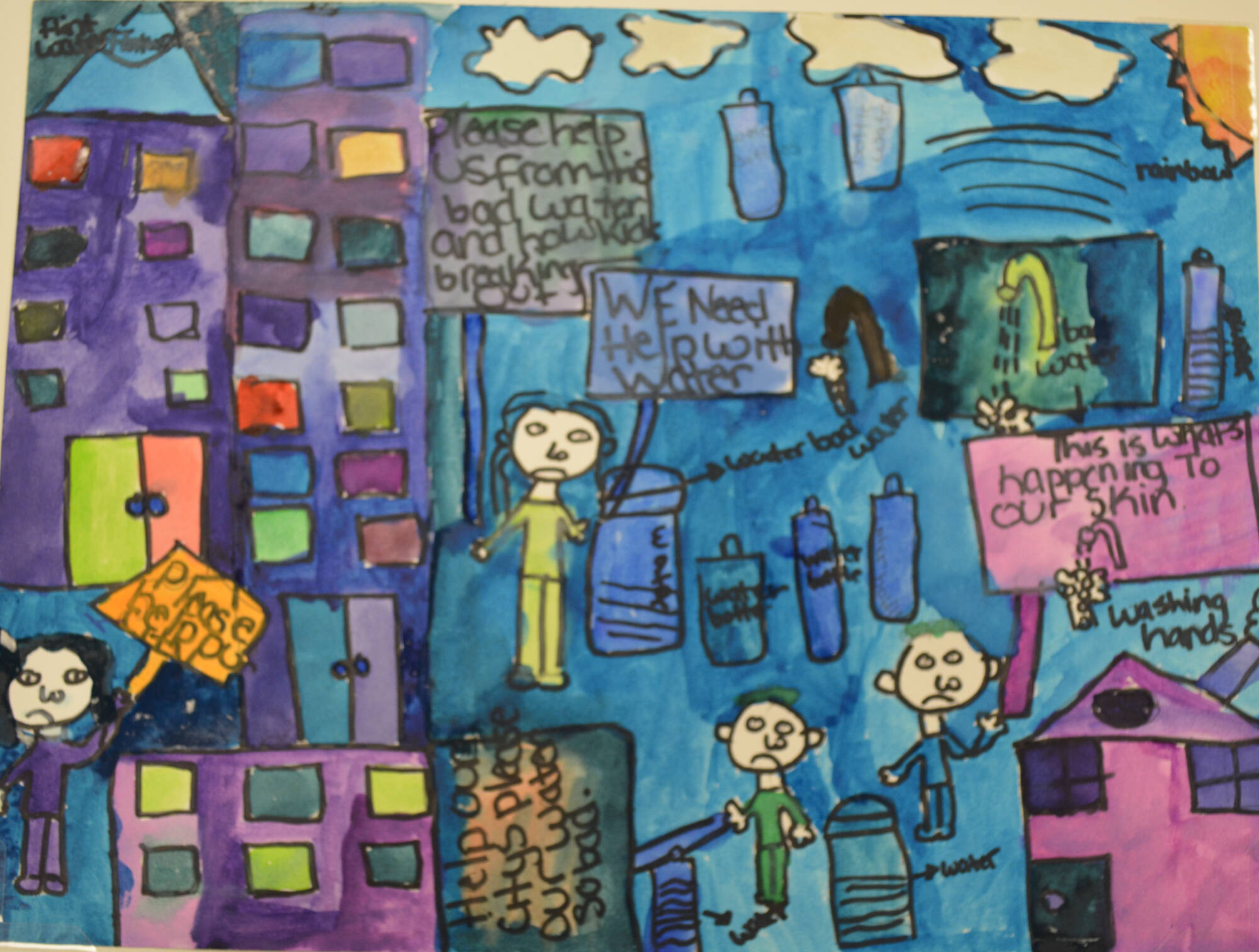
Ramya H., Young Flint Speaks: Please Help Our City, paint and marker, 2016, 2018.11.4.
This artwork was created by a 6th grader at Linden Charter School in Flint, Michigan. During the 2016 winter semester, GVSU graduate student Stephanie Smedley worked with middle school students in Flint, Michigan, to document the experience of the city’s ongoing contaminated water supply disaster through art. The end product is a bold and telling artistic statement direct from the health and environmental battlefront in Flint, from those impacted the most.
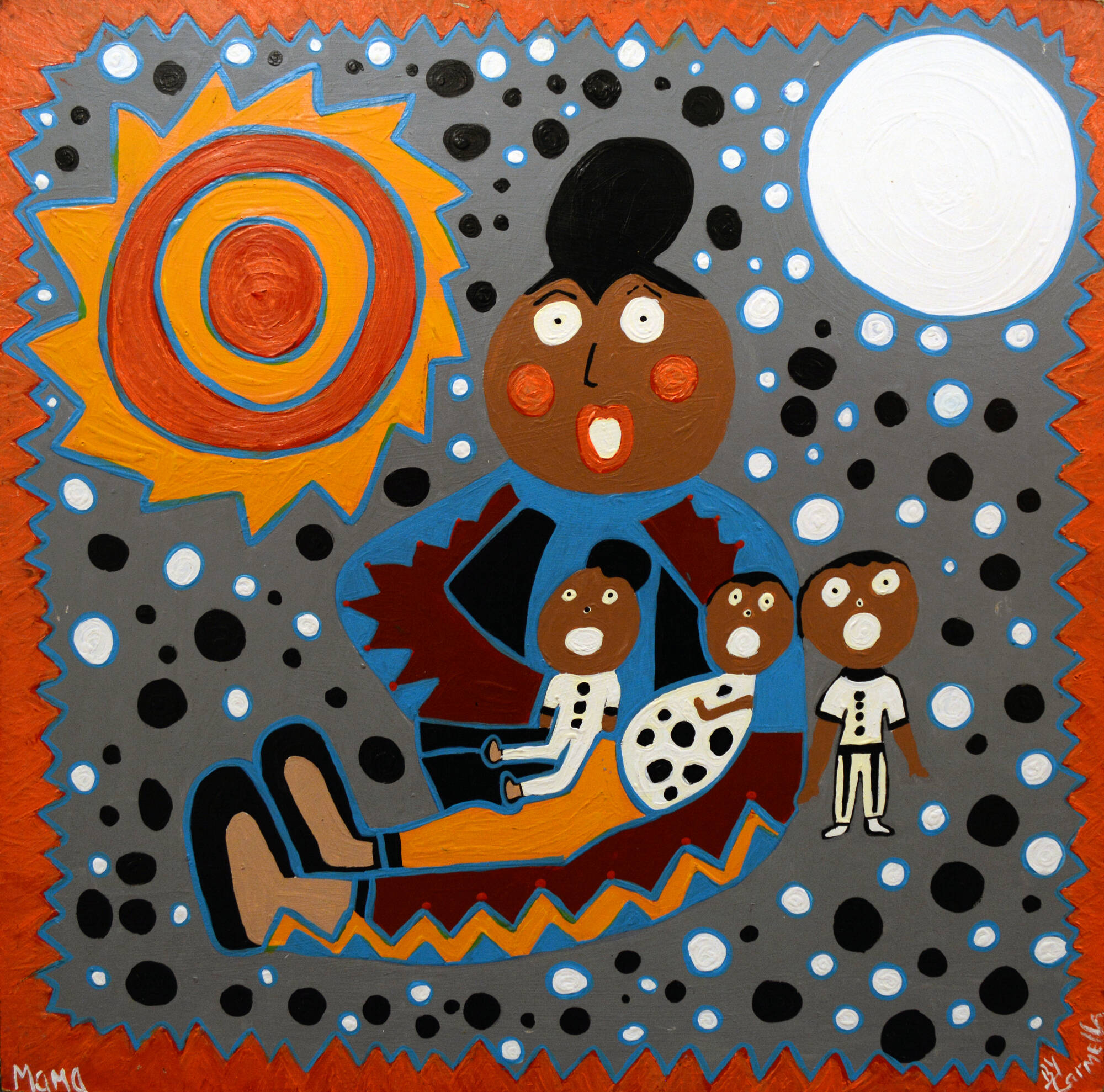
Carmella Loftis, Mama, acrylic on canvas, 2017.68.4.
Local Grand Rapids, MI artist Carmella Loftis began painting in 2000 when her husband, fellow artist Reb Roberts, gifted her a paint set, brushes and plywood boards with instructions to, “paint some pictures.” Of the first time she picked up a brush, Lofti’s says, “I felt inspired to try, to not be afraid and just do it. I love the connection you make with yourself while painting."
Fourth Floor
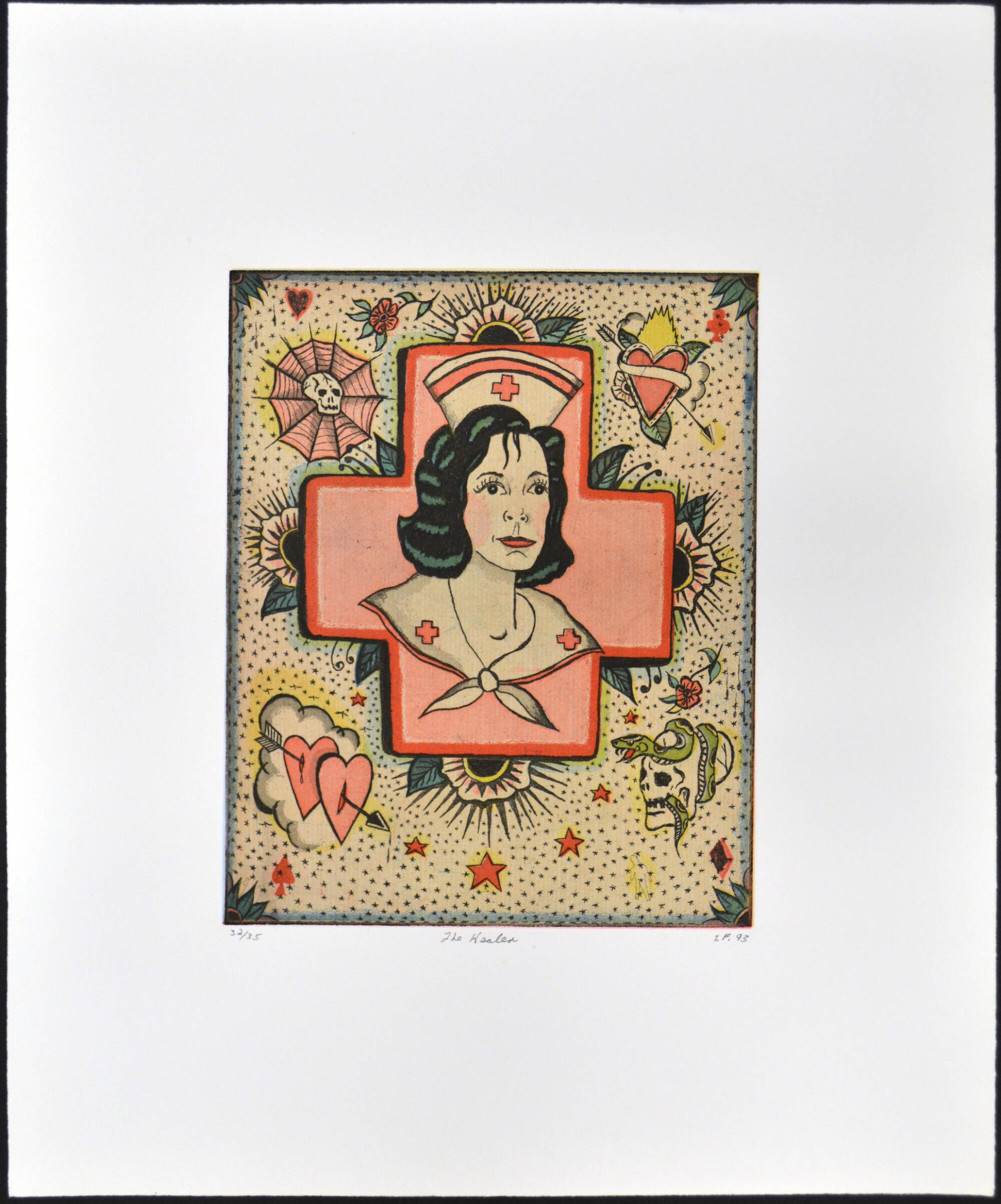
Tony Fitzpatrick, The Healer, etching with chine collé on paper, 2017.12.50 .
Tony Fitzpatrick was a Chicago IL, based artist best known for multimedia collages, printmaking, paintings, and drawings, often in the style of traditional Americana tattoo designs. "The Healer" is an etching of a nurse with other retro images surrounding her-giving a cool, nostalgic vibe to the nursing profession.
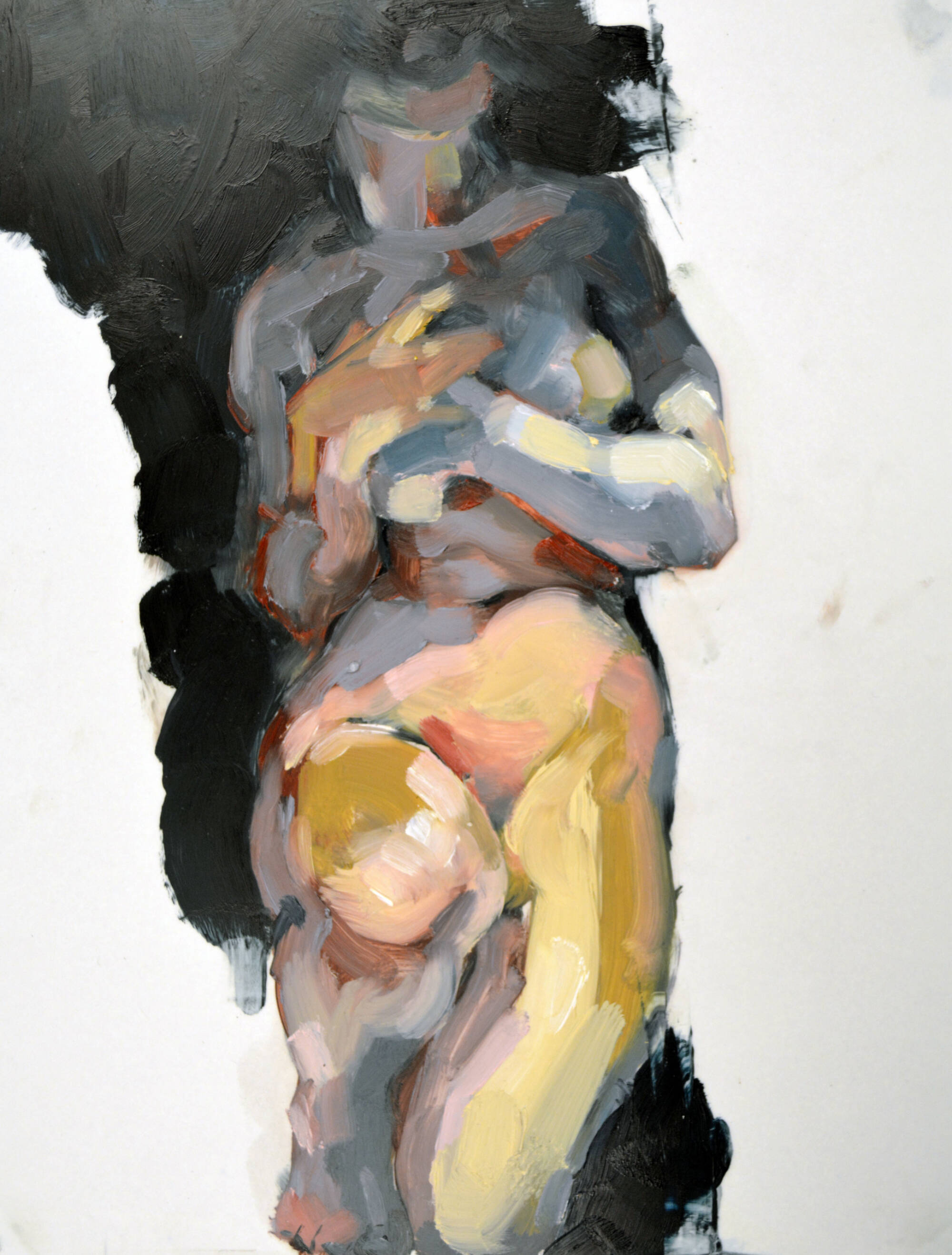
Emerson Schreiner, Glimpse #20, oil paint on paper, 2017, 2018.17.5.
Artist Emerson Schreiner states, "This painting is an exploration of ideas that have interested me for years: youth, death, pop culture, and a search for transcendent experience. As always, my work is a reflection of both my fears and my desires, and is my attempt to make the world a more empathetic and beautiful place."
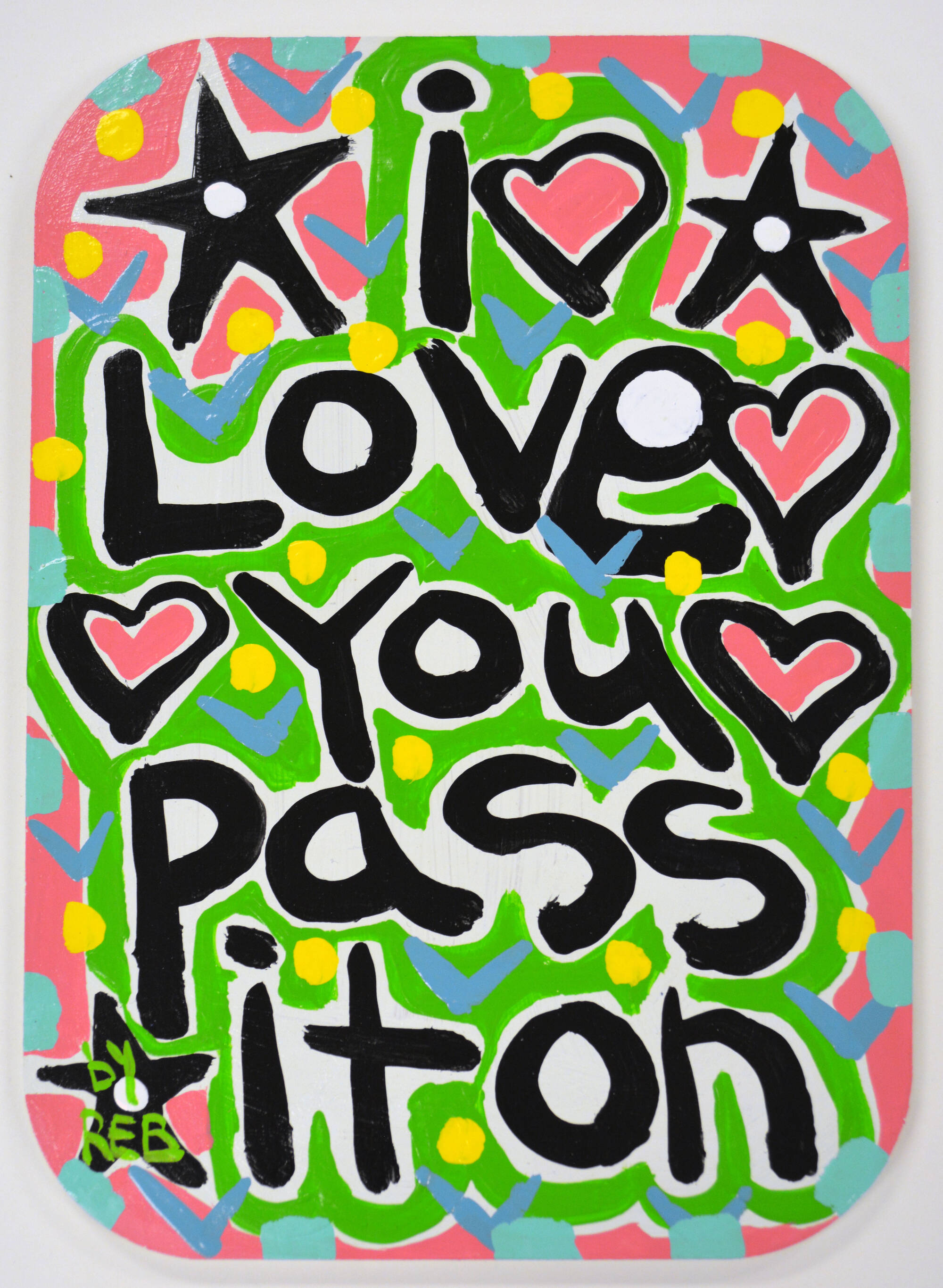
Reb Roberts, I Love You, acrylic on board, 2017.68.12.
In 1999, Reb Roberts and his wife, Carmella Loftis opened an art gallery on south Division in Grand Rapids, MI, called The Sanctuary Folk Art Gallery, which worked closely with the Heartside Ministries art program nurturing creativity and artistic expression of low-income and homeless people. They have both done extensive work in promoting the arts in Grand Rapids. On his work Reb Roberts says, "Art can be a part of a sustainable urban environment... With some true collaboration, neighborhoods and artists can work to incorporate original ideas into an art filled city...art is the next truly urban frontier."
Lower Level
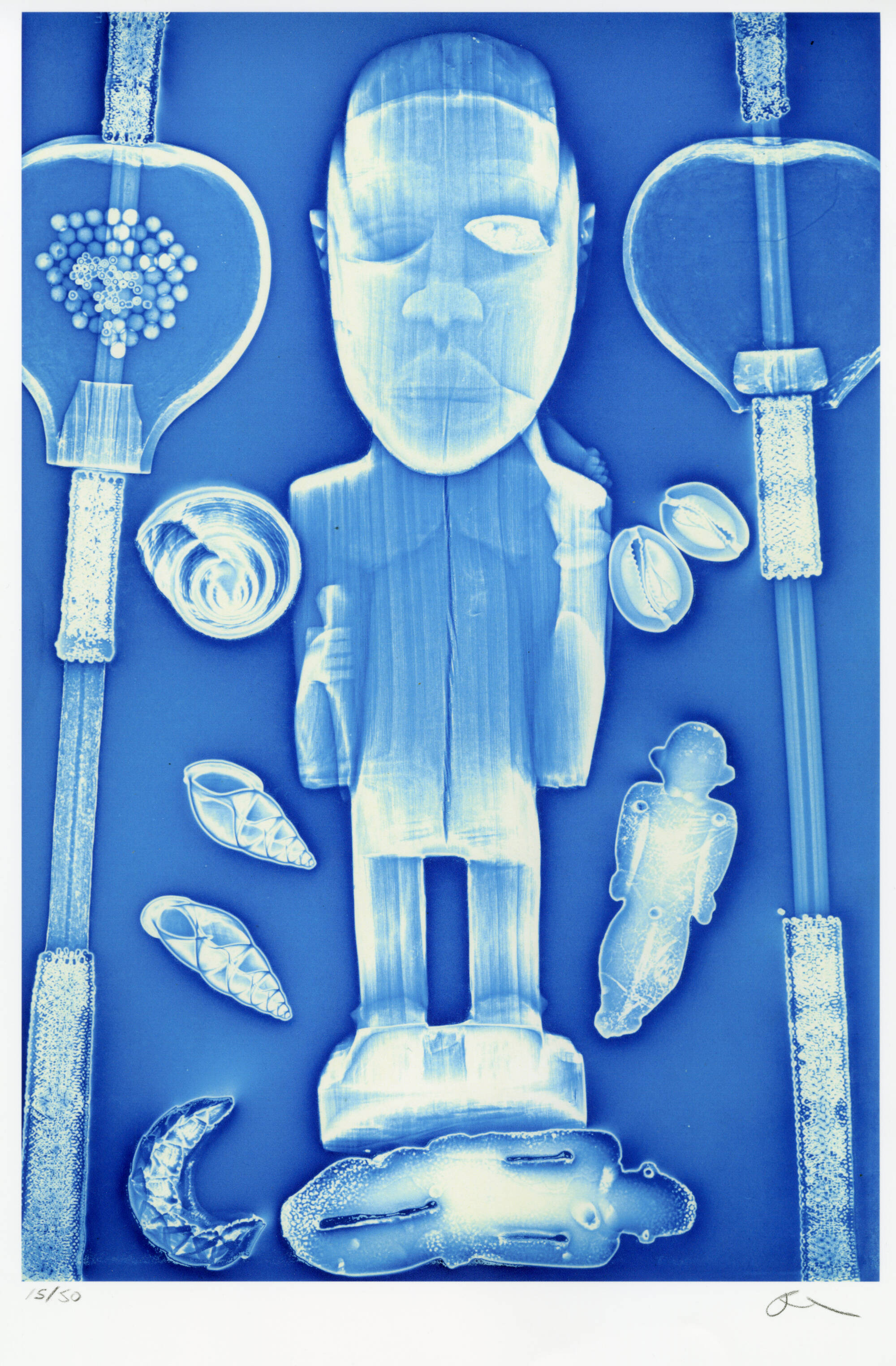
Sheila Pinkel, African Sculpture, Xerorodiographs, 1978-1982, 2017.61.1.
This work of art provides a conceptual interpretation of sonography and radiology for GV students studying those programs in this building. This particular image was created through Xerorodiographs, a technology commercially known as mammography. It is a type of x-ray imaging that utilizes a special coated plate allowing a picture to develop without the use of liquid chemicals.
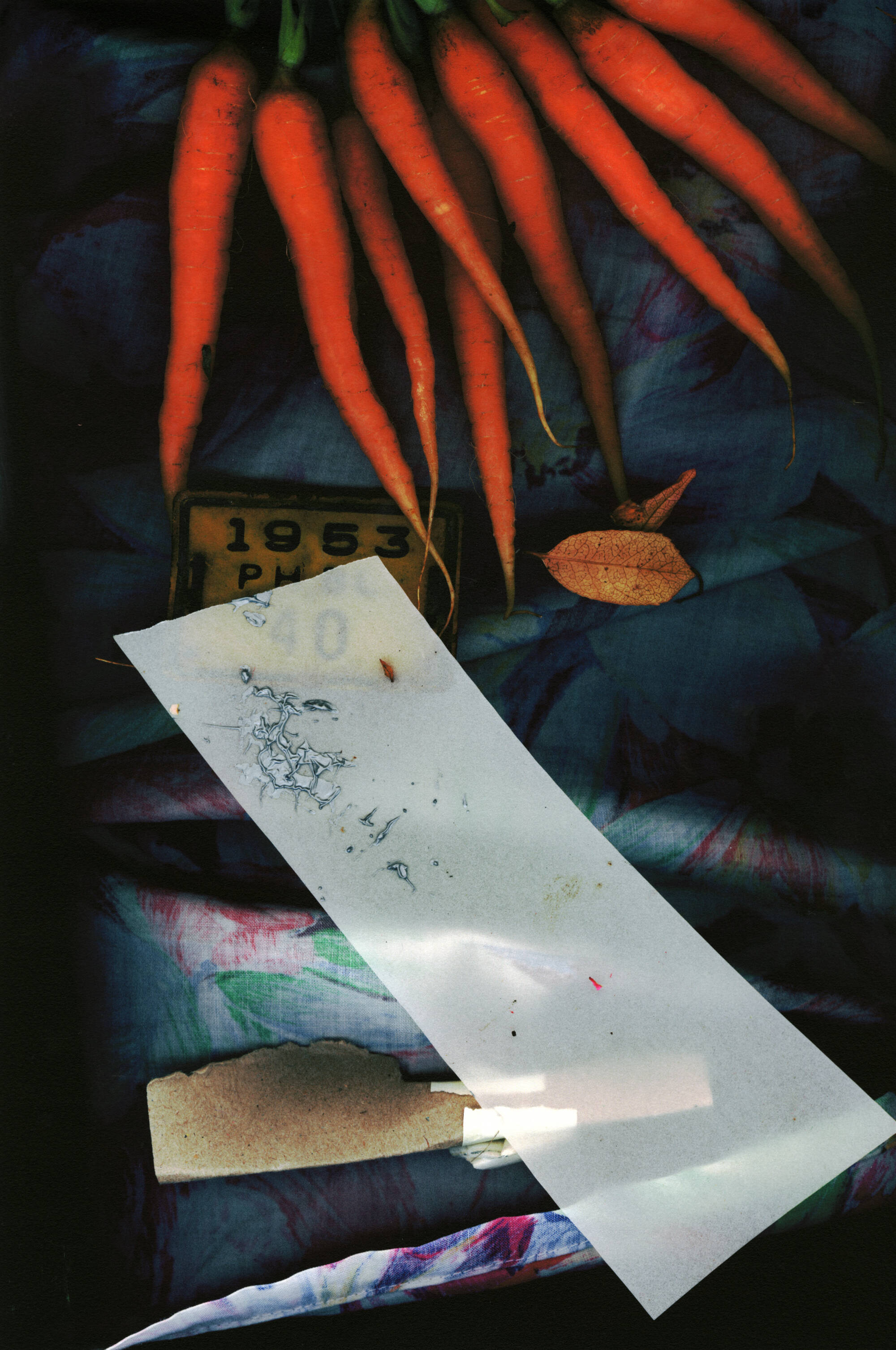
Darryl Curran, Carrotid Scan, scanogram on archival pigment print, 1995, 2017.71.3.
This image created by artist Darryl Curran and titled "Carrotid Scan" assumes to be a riff off a carotid ultrasound. Specially it is a test used to determine narrowed arteries. Adding the extra "r" in carotid references the scanned carrots placed in the top of the image. The was produced by a technique called scanography, commonly known as scanner photography and not to be confuse with sonography.
Virtual Tours of Finkelstein
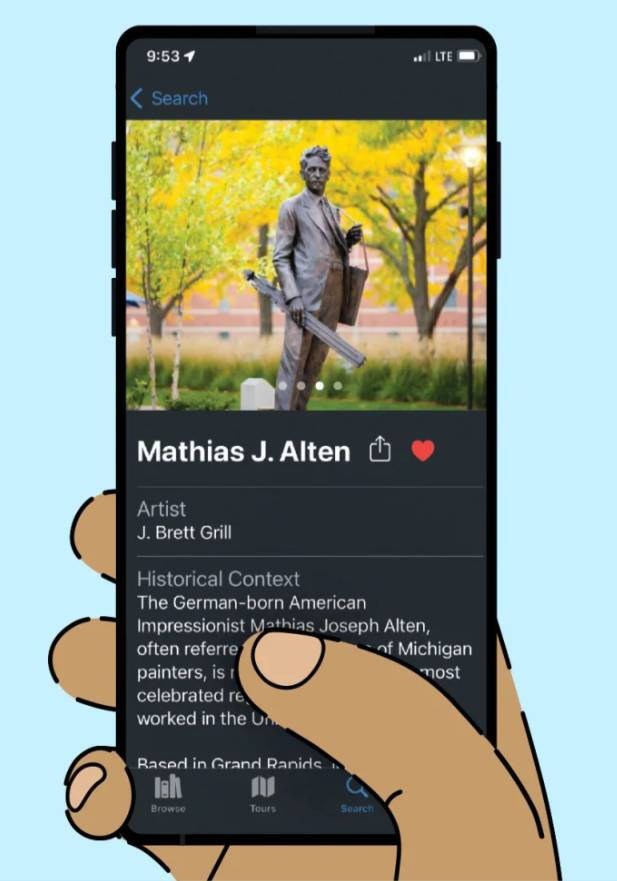
Take a Tour Through Finkelstein with the Art @ GVSU App
The Art at GVSU app is your gateway to the vast and diverse art collection at Grand Valley State University. Whether you're a student, faculty member, or visitor, this app will enrich your understanding and appreciation of the art that surrounds you.
Explore more artwork in Finkelstein by taking a curated art tour in the app!