

Environmental Valuation Concepts
What is Green Infrastructure?
Green Infrastructure is an interconnected network of green spaces and other environmental assets that conserves the functions of the natural ecosystem and provides associated benefits to people (Benedict and McMahon 2002). In West Michigan, green infrastructure includes, but is not limited to, the following:
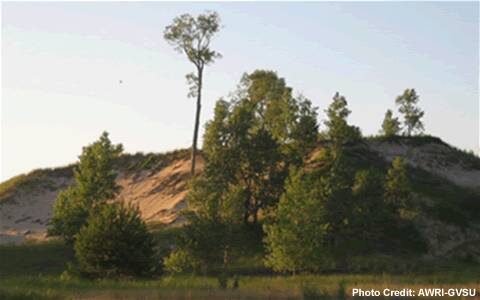
Great Lake Sand Dunes and Beaches
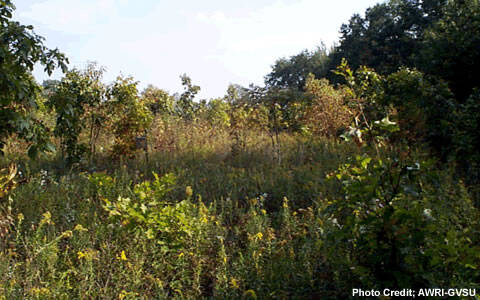
Grass, Shrub and Prairie Lands
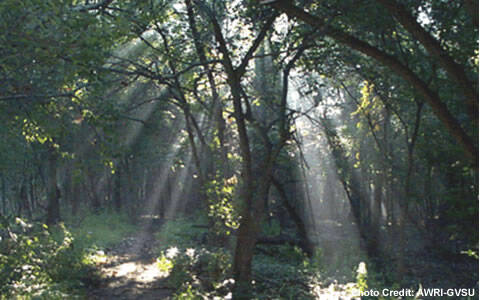
Forest Lands
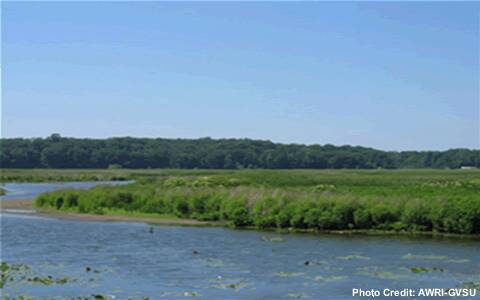
Wetlands
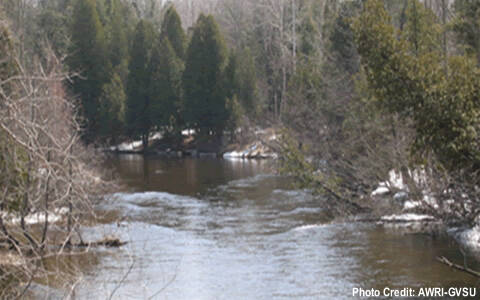
Lakes, Rivers, and Streams
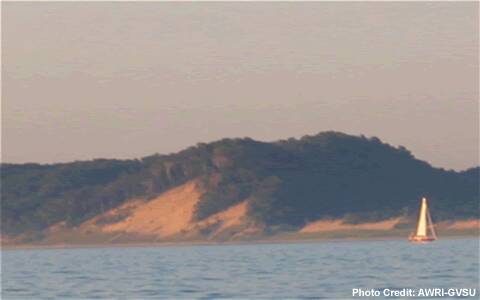
Shorelines and Riparian Habitat
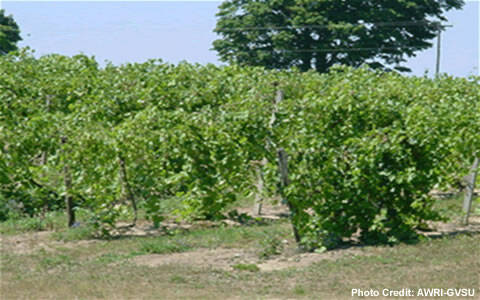
Row Crops, Orchards and other Specialty Crops

Trails and Greenways
What are Ecosystem Services?
Ecosystem Services are the direct and indirect benefits that people obtain from ecological systems (Millennium Ecosystem Assessment 2003). Benefits may vary between different systems and many are essential to human existence: e.g., food, water supply and disease regulation help maintain our physical health, and non-material ecosystem services help maintain our psychological well-being.
What is Economic Valuation?
Economic Valuation is the assignment of direct and indirect costs and benefits from a human point of view (Tietenberg 2006).
Green Infrastructure, Ecosystem Services and Economic Valuation are interconnected. This diagram looks at these linkages for one West Michigan land use.
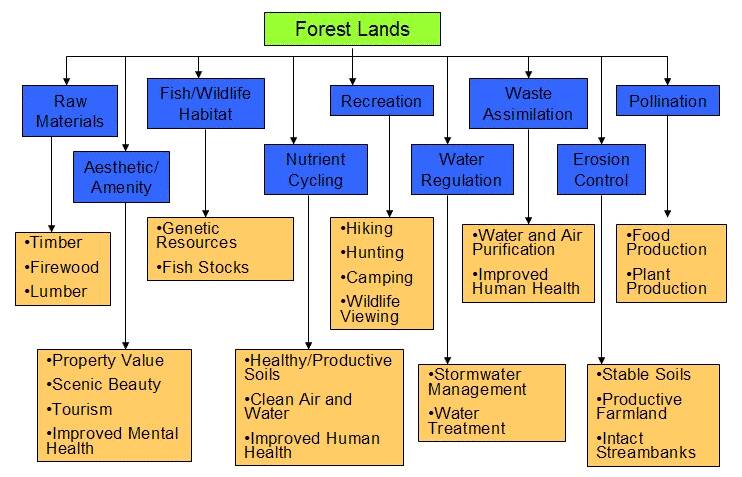
Ecosystem services (blue) and economic value providing benefits to humans (orange) stemming from forest lands.