


Social Work Continuing Education in Michigan
Grand Valley State University offers continuing education opportunities for Michigan social workers and other human services professionals through its School of Social Work and Professional and Continuing Education. Programs may include live workshops and self-paced online courses covering professional ethics, trauma-informed practice, implicit bias, human trafficking, and other topics relevant to professional practice. Eligible participants may earn continuing education hours for approved offerings. Review individual program details to confirm CE hours, delivery format, and registration requirements.

What Michigan Requires for Social Work License Renewal
Michigan social work license renewal requirements depend on the license category and applicable state regulations. Renewal may involve a specified number of continuing education hours, including required topics such as ethics, pain and symptom management, implicit bias, and human trafficking.The table below provides a general overview of common requirements and relevant GVSU learning opportunities. Social work professionals should confirm their individual requirements with the Michigan licensing authority and verify that a particular course qualifies before registering.
|
Michigan Requirement |
Hours (minimum of 22.5 hours much be live: in person or live online) |
Example of a GVSU course that satisfies it |
|---|---|---|
|
Ethics |
5 hours per cycle |
|
|
Pain and Symptom Management |
2 hours per cycle |
Acupuncture and Other Traditional Chinese Medicinal Practices for Effective Pain Management |
|
Implicit Bias |
3 hours per cycle |
Dismantling Implicit Bias Through Reflective Practices and Reflexivity |
|
Human Trafficking |
2 hours per cycle |
|
|
Remaining Hours |
General social work content |
Any live workshop or self-paced course below |
Upcoming Live Workshops
Explore upcoming live continuing education workshops offered through GVSU. Each program listing identifies its scheduled date, delivery format, and applicable continuing education hours. Participants must meet the attendance and completion requirements for the individual program to receive CE credit.

Holding the Healers: Vicarious Trauma, Burnout & Ethical Practice
November 6, 2026, 9 am–12:00 pm, 3 CE hours, Virtual via Zoom
This training will equip child welfare workers with foundational knowledge and practical skills for recognizing and responding to clients who may present with domestic violence.
The Disturbance is Better Explained: a Trauma-informed, Alternative Definition and Treatment of Depression and Anxiety
November 13, 2026, 1 pm–4:00 pm, 3 CE hours, In-person
Nearly all human characteristics, behaviors, and patterns can be understood through the lens of adaptation. We and our ancestors are constantly and consistently adapting to our environments to improve survival. But how can we explain common struggles like depression, shame, and addiction? What survival role do they play? This address will explore these questions and the role of adversity and trauma. We will examine our diagnostic processes for mental health disorders with the goal of improving our ability to assess and intervene with the clients and communities we serve.
Trauma, Grief, Loss
Dec. 4, 2026, 9 am–12:15 pm, Grand Rapids, 3 CE hours, In person, DHHS
This training will equip child welfare workers with foundational knowledge and practical tools for understanding trauma,grief, and loss. Participants will explore common responses to difficult life experiences, examine the impact these experiences canhave on individuals and families, and learn supportive, trauma-informed strategies for engagement and care. The training willemphasize empathy, cultural sensitivity, and effective communication to strengthen professional practice across a variety of servicesettings.
Check Your Lens: Implicit Bias in Social Work Practice
December 11, 2026, 9am–12:00pm, 3 CE hours, Virtual via Zoom
This interactive training examines how implicit bias can influence social work practice, professional judgment, communication, and service delivery. Participants will explore the relationship between unconscious attitudes, stereotypes, culture, privilege, power, and disparities across systems while reflecting on their own identities and assumptions. Using social work cultural competence standards as a framework, the training emphasizes self-awareness, professional learning, culturally responsive communication, and leadership. Participants will leave with practical individual, organizational, and advocacy strategies for recognizing and reducing the impact of bias and strengthening equitable, culturally responsive social work practice.
Leading with Empathy - Supervising with Compassion During Times of Collective Fatigue
January 8, 2027, 9am–4:00pm, 6 CE hours, Virtual via Zoom
This interactive workshop helps social work supervisors understand the impact of fatigue on leadership, communication and team well-being. Participants will gain practical strategies rooted in trauma-informed supervision and emotional intelligence and develop a personalized 90-day Empathy Action Plan.
Recognizing the Signs of Domestic Violence
January 15, 2027, 9am–12:15pm, 3 CE hours, Virtual via Zoom
This training will equip child welfare workers with foundational knowledge and practical skills for recognizing and responding to clients who may present with domestic violence. Participants will learn to identify common warning signs, understand the impact of abuse on individuals and families, and apply appropriate, trauma-informed response strategies when concerns arise. The training will emphasize safety, empathy, and effective support practices to help professionals respond confidently and compassionately in a variety of service settings.
This course is offered free of charge to all MDHHS child welfare and family preservation workers and supervisors, and MDHHS-contracted private agencies child welfare and family preservation workers and supervisors on a first come, first served basis. Use coupon code DHHS01152027.
Attachment-Focused Family Therapy
January 22, 2027, 9am–4:00pm, 6 CE hours, In-person
This session is designed to bridge research and practice: it grounds attendees in neuroscience and theory of attachment, while offering concrete, field-tested strategies they can apply immediately in clinical, educational or caregiving settings.
Pause Before You Presume: Using Compassion Resilience to Reduce Implicit Bias in Pain Management
January 29, 2027, 9am–3:00pm, 5 CE hours, Virtual via Zoom
Social workers are often called to support individuals, families, and communities experiencing pain, trauma, grief, and crisis. Yet the cumulative effects of workplace stress, compassion fatigue, and cognitive overload can unintentionally influence professional judgment and increase reliance on implicit bias.
Self-Paced Online Courses
Explore self-paced online continuing education courses designed for professionals seeking flexible learning opportunities. Registration instructions, course access, completion requirements, CE hours, and certificate procedures are provided for each offering.Participants must successfully complete all applicable course requirements to receive eligible CE hours.
10 Steps to a Trauma-Informed, Resilience-Focused School
Self-Paced Online, 12 CE hours or 12 SCECH hours
In this foundation-setting course, participants will be walked, step-by-step, through the 10 steps to create a trauma-informed, resilience-focused school.
Navigating Social Work Ethics: Practice and Technology in the Age of a Pandemic and Beyond
Self-Paced Online, 5 CE hours
As a result of the COVID-19 pandemic, social workers were challenged to adapt quickly and utilize various forms of technology in their efforts to maintain safety and ensure social work services were not disrupted. Using an ethical lens, this course explores how the pandemic affected social work practice and considers how social workers can become involved in future developments of technology, ensuring ethical practice is maintained. This course reviews the NASW Code of Ethics, specifically the standards that relate to a social worker's use of technology and examines best practice when using technology through a series of case scenarios. Multiple decision-making frameworks are presented. In addition, teletherapy is discussed and various podcasts and training clips are used.
This workshop meets the Michigan LARA Licensure requirement for Ethics.
Acupuncture and Other Traditional Chinese Medicinal Practices for Effective Pain Management
Self-Paced Online, 2 CE hours
This workshop meets the Michigan LARA Licensure requirement for Pain Management.
This asynchronous course provides an overview of Traditional Chinese Medicine's philosophy in addressing ailments of the body, mind, and spirit along with several hands-on strategies to treat pain.
Dismantling Implicit Bias Through Reflective Practices and Reflexivity
Self-Paced Online, 4 CE hours
This asynchronous course invites participants to engage in a personal exploration of implicit bias. The asynchronous online training analyzes implicit bias in a five-segment series that defines explicit and implicit bias. The training examines how implicit bias affects social development and human interactions through an analysis of the systemic and ideological mechanisms, including health care systems, that perpetuate bias. The training concludes with practices and strategies that seek to dismantle the effects of implicit bias through recognition, reflection, and reflexivity.
This course meets the Michigan LARA Licensure requirement for Implicit Bias, and counts for 4.0 Social Work Continuing Education Credits (CEs) or 4.0 State Continuing Education Clock Hours (SCECHs for Educators).
Nutrition and Mental Health: Essential Knowledge for Successful Outcomes
Self-Paced Online, 4 CE hours
In this self-paced, asynchronous course, you'll learn from licensed clinical social worker and certified nutrition recovery coach Ashley Carter Youngblood about the importance of nutrition for optimizing mental health. The backbone of this course is the concept of bio-individuality in nutrition, which is an applied science that rejects a one-size-fits all approach, and acknowledges that all individuals are biologically and genetically unique. Nutrition, like family therapy, is more than the sum of its parts, and you'll learn information that can be shared with your clients to support their mental health. "At the end of the day your body is the smartest doctor in the room - it will tell you what works and what doesn't - by what happens to your weight and how you feel."- Dr. Mark Hyman.
Adolescent Human Trafficking: An Introduction and Overview
Self-Paced Online, 2 CE hours
In this course, we will define Human Trafficking, and cover many types, to give participants a general overview of what trafficking is and what to look for to spot trafficking out in the world. This course begins with an overview, then digs deeper into child-related human trafficking.
This workshop meets the Michigan LARA Licensure requirement for Human Trafficking.
Children of Trauma and Resilience
Self-Paced Online, 5 CE hours
This asynchronous course begins with a strong focus on resilience and explores how core values and beliefs direct how professionals work with children. Participants learn about the experience of trauma as one that impacts a person's body and are shown a demonstration of trauma's impact on the brain. This course offers insight into recognizing when a child is experiencing too much stress and provides a practical resilience recipe for any adult who supports children. This course also offers you with two summaries of the foundational trauma and resilience content. One provides you with "7 Truths" for all individuals to have information about trauma and resilience and the other is specifically for any adult who cares for children (parents, caregivers, teachers, coaches, etc.)
Children of Trauma and Resilience is offered in partnership with Starr Commonwealth, a global leader in trauma-informed care. Starr's mission is to lead with courage to create positive experiences so that all children, families, and communities flourish.
Working with Sexual Offenders: A Panel Discussion and Treatment Overview
Self-Paced Online, 2 CE hours
Most social workers will work with someone who has committed a sex offense during their career, yet this population is usually not covered during formal education. This self-paced workshop is led by a social work student with a panel of experts from the Michigan Department of Corrections and Berghuis Psychological Services. The panel will discuss best practices, myths, and barriers to success when working with individuals who have committed sex offenses. The panel discussion has been segmented into smaller clips, divided by additional resources including: risk assessment tools, therapeutic models, history of legislative acts that have shaped the criminal justice response to this population, and the sex offender registry. Unlike our other self-paced courses, this course requires a combination of reading, videos, and slides.
10 Steps to Trauma-Informed, Resilience-Focused Early Childhood Care
Self-Paced Online, 12 CE hours
10 Steps to Create Trauma-Informed Resilient Early Childhood Care is a trauma certification program for early childhood specialists.
How Registration and Documentation Work
Choose a course from the schedule and follow the registration instructions provided on the course page.
For live workshops, two days before your training session, you will receive relevant participation details, which may include course materials, virtual meeting instructions, or campus location and parking information. For self-paced courses, you will receive immediate access.
Attend the required training activities and meet any participation or completion requirements established for the course.
Following successful completion and processing, eligible participants can access their course completion documentation through the designated registration system.
In-person courses are held on GVSU's downtown Grand Rapids campus. Parking is free with the pass we send you. Need a replacement certificate? It will always be available in your account at upskilling.gvsu.edu.
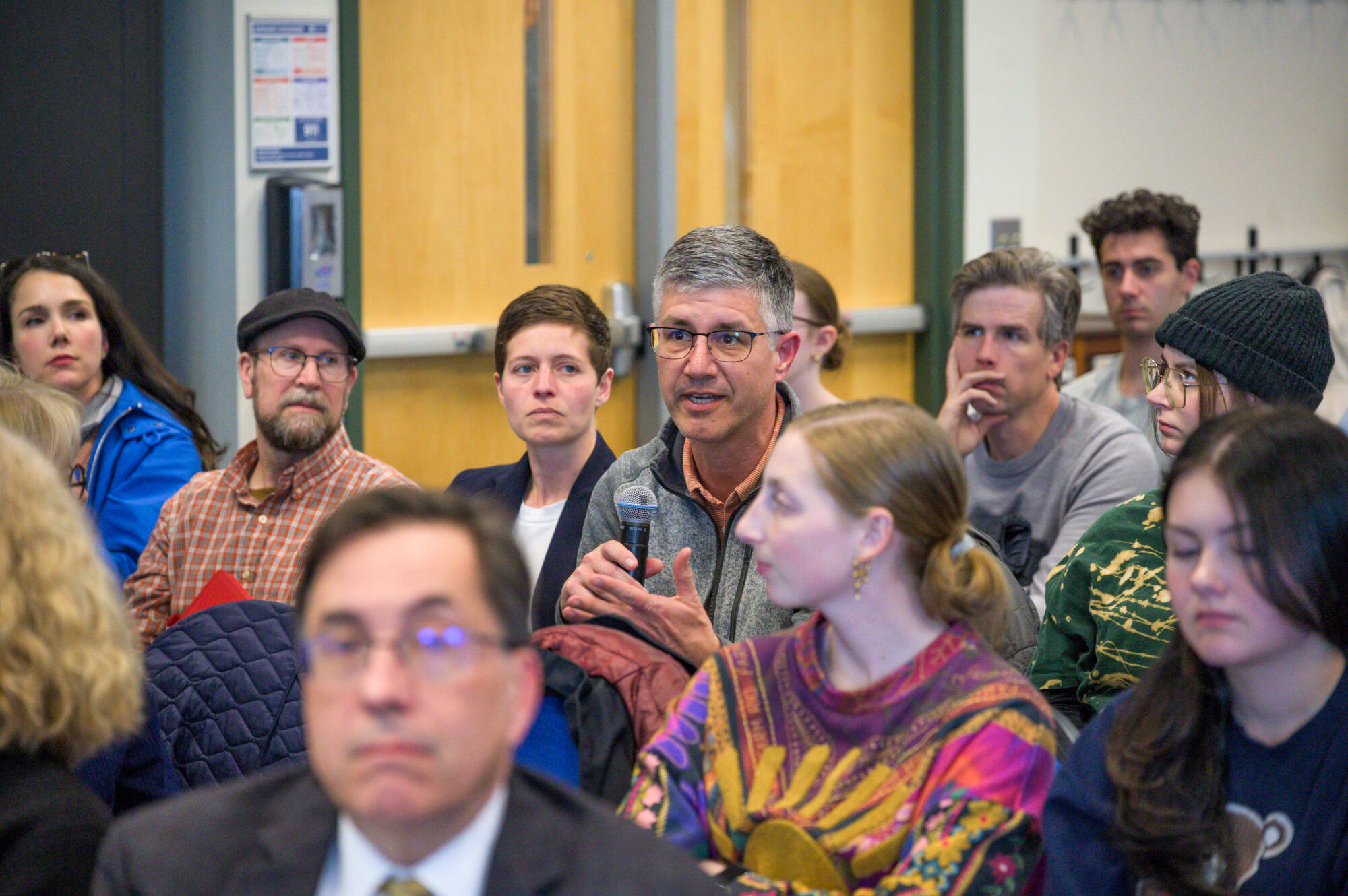
CE for Your Agency or Team
GVSU Professional and Continuing Education works with the School of Social Work and community organizations to explore continuing education opportunities for professional teams. Depending on program requirements, available resources, and applicable approval processes, options may include group participation, private workshops, and collaborative professional development activities.Organizations interested in developing or sponsoring a continuing education program are encouraged to contact our team to discuss available options and approval requirements.
Cancellations, Refunds, and Attendance
Live Workshops
For virtual programs, cancel at least 48 business hours before a live session to qualify. For In person programs, you must cancel by 8 am at least 5 business days prior to the start of the session. Requests inside that window aren't eligible, unless GVSU cancels the session. Then everyone gets a full refund.
Self-Paced Courses
Cancel within 30 days of purchase for a refund, as long as you haven't opened the course content. Courses not accessed within 365 days are deactivated.
Attendance
You must attend or view the entire program to receive CE hours. For live-virtual sessions, stay on camera and responsive; unresponsive participants aren't credited.
Accommodations and Weather
Contact us before the program for accommodations. If GVSU closes for weather, the program is cancelled, rescheduled, or moved online.
Your Social Work CE Team

Nicole Pierson
Program Development. Daily course operations, registration, instructor needs, and learner services. Contact for program and registration questions.

Katie Scheuerle
Social Work Continuing Education Coordinator. Content development and partnerships within the university and community. Contact for CE approval requests and instructor inquiries.
Common Questions
Yes. All programs are approved for Michigan social work continuing education clock hours through the GVSU School of Social Work.
No. You must attend or view the entire program to receive hours.
Some live workshops are free for MDHHS and MDHHS-contracted child welfare and family preservation workers. It's noted on the workshop when it applies.
With in three days, a certificate will be available in your account at upskilling.gvsu.edu.
Not Sure Which Course Meets Your Requirement?
Need help exploring GVSU's social work continuing education offerings? Our team can provide information about available courses, CE hours, registration, and completion documentation. For confirmation of individual license renewal requirements, please consult the Michigan licensing authority.