Sacred Excursions
7th Graders in West Michigan Experiencing Religious Diversity First-Hand

I have been teaching World History for 11 years. My classroom lessons pale in comparison to what my students experienced with Sacred Excursions. Learning from people who live and breathe those religions, while in their sacred spaces, provides a richer learning experience for everyone in attendance.
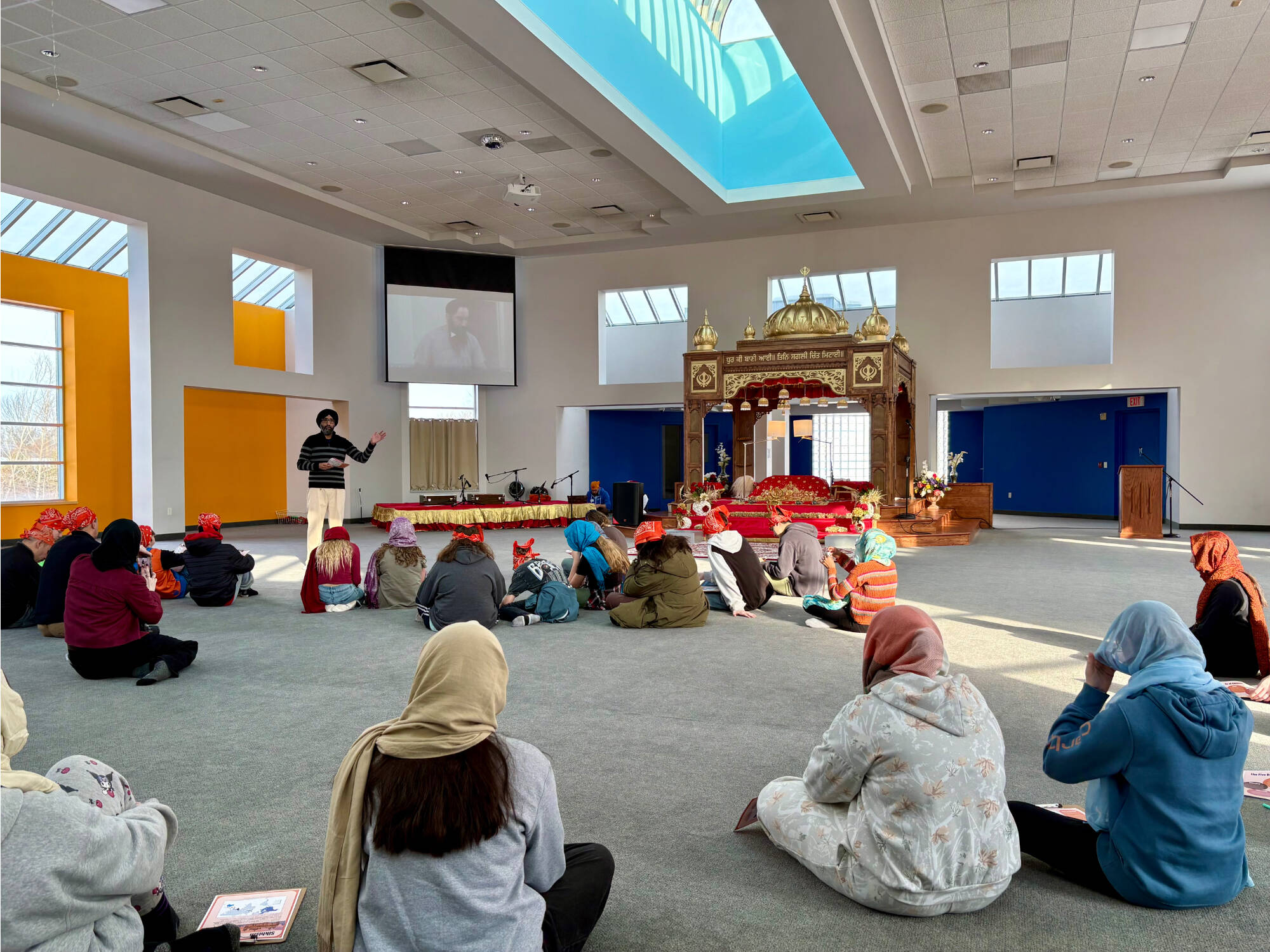
Sacred Excursions is an immersive educational program that allows 7th grade world history students to learn about religions directly from the people who practice them. Through two field trips over the course of the school year, students engage with sacred spaces, religious communities, and cultural traditions in ways that bring classroom learning to life.
The program includes one field trip each semester, providing opportunities for students to visit up to three different sacred sites during the year. Collectively, students from each participating school may be exposed to six major world religions. All participating sacred sites receive training from the Kaufman Interfaith Institute to ensure that presentations and learning experiences align with state-mandated social studies and world history standards.
Fall Field Trip: Building Foundations
The Sacred Excursions experience begins at the Kaufman Interfaith Institute at Grand Valley State University, where students gain foundational knowledge about the role of religion in world history. They participate in interactive activities focused on cultural humility, learn how to use their site-specific curriculum workbooks, and develop skills for respectfully engaging with diverse faith communities.
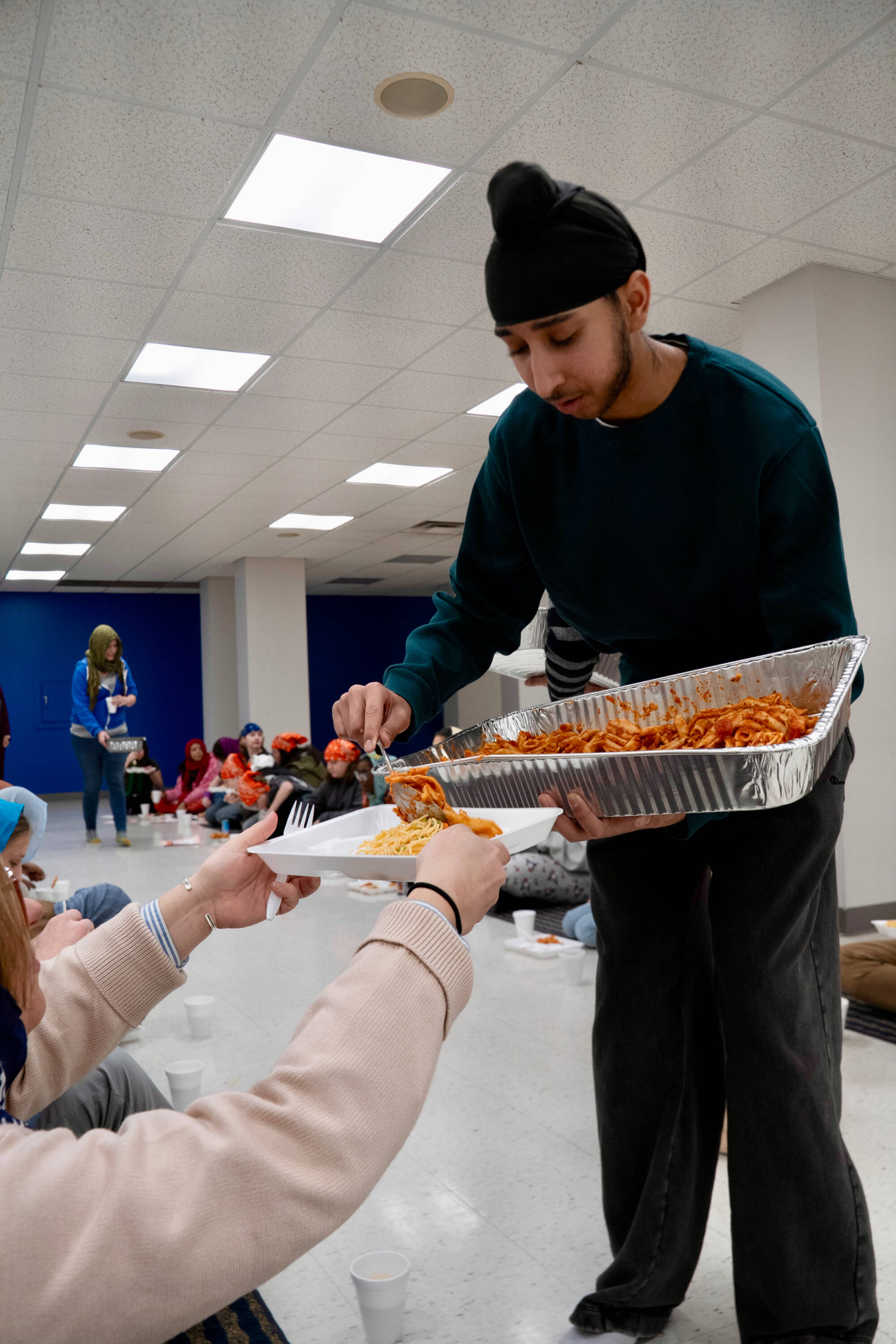
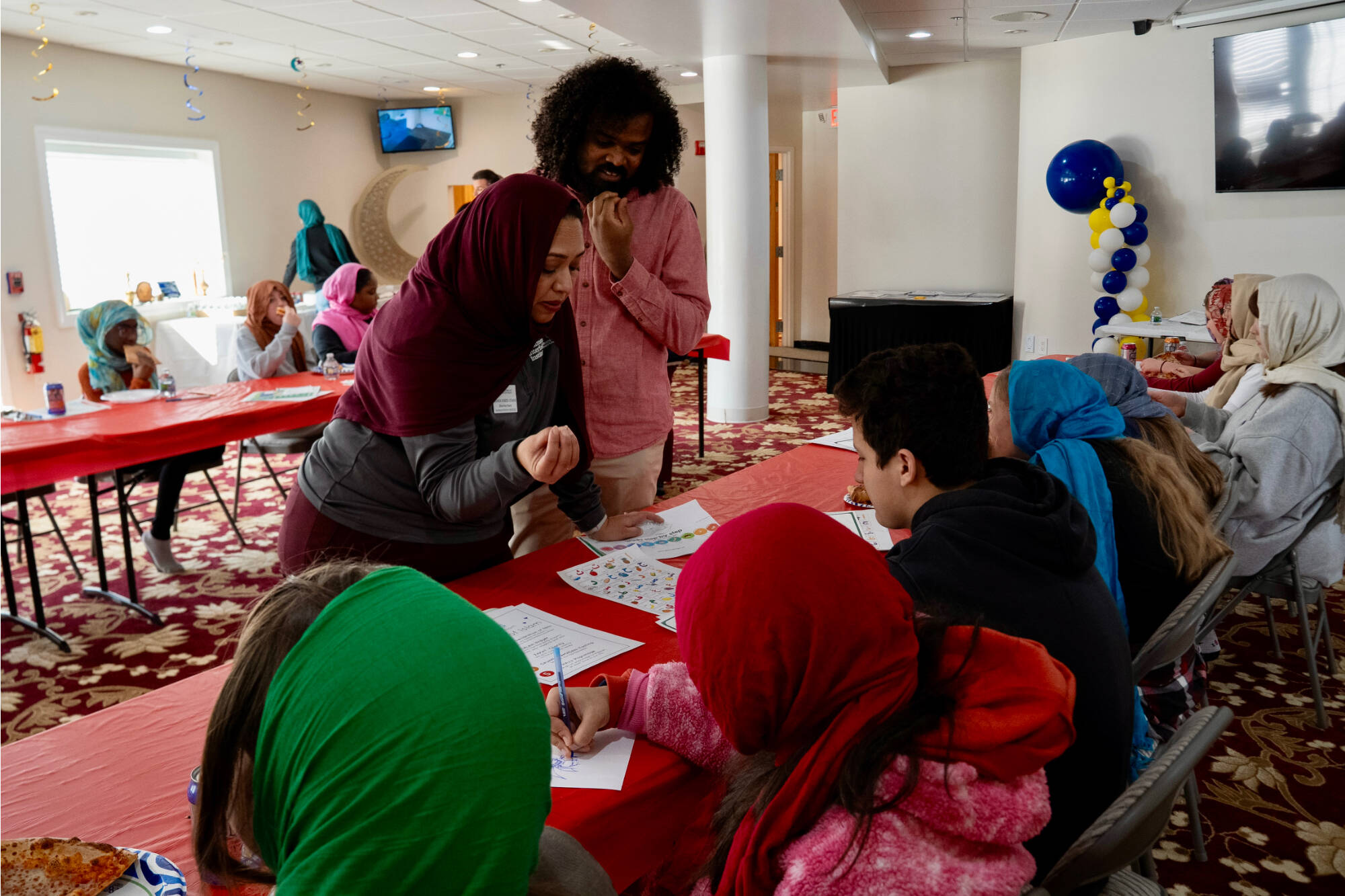
Following these introductory sessions, students are divided into three groups and travel to different sacred sites. During each visit, students share an authentic meal representative of the tradition, learn about the core beliefs and practices of the faith, and hear firsthand about the lived experiences of community members who practice that religion.
Spring Field Trip: Deepening Understanding
The second field trip takes place in the Spring semester. Students travel directly from their schools to one sacred site for a morning visit and then to a different sacred site in the afternoon. This structure allows each student to experience three distinct sacred sites throughout the school year.
Because students are divided among different sites, the school community as a whole gains exposure to six religious traditions. Students then share their learning with one another through peer-to-peer instruction, reinforcing their understanding and strengthening their confidence in discussing world religions.
Creating Meaningful Connections
Perhaps the most powerful outcome of Sacred Excursions is the personal connection students develop with people from different faith traditions. Many participants report that after visiting a sacred site, they feel like they “know someone” from that tradition.
Research in social psychology supports the value of these experiences. Intergroup Contact Theory suggests that, under the right conditions, meaningful interactions between people from different social groups can reduce prejudice, foster understanding, and build stronger communities. By creating opportunities for authentic encounters across religious differences, Sacred Excursions helps students develop empathy, curiosity, and the skills needed to thrive in an increasingly diverse world.
Visiting sacred spaces across our city with Kaufman Interfaith Institute was an extraordinary reminder that meaningful learning has no age limit. Each site's community opened its doors with remarkable generosity and hospitality, inviting both students, teachers, and observers alike to learn through an experience grounded in cultural humility, deep respect, and a genuine desire to better understand the beliefs and practices of our neighbors. The sacred site coordinators and leaders' willingness to welcome those who may not share their faith or traditions was both humbling and beautiful. Certainly a powerful example of how understanding can strengthen a community. I have no doubt that the students who shared this experience will carry their learning with them for a lifetime.
Thank You to Our 2025-26 Community Partners
The Islamic Cultural Center Behar
The Sikh Society of West Michigan