

Interfaith Leadership Cohort - Reflections on Detroit
Published April 20, 2026
The Kaufman Institute's 25/26 Interfaith Leadership Cohorts explored "the power of public narrative" through an immersive weekend-long learning excursion to Detroit. On this trip, our Cohort students visited cultural centers, toured houses of worship, and took in the vibe of the Motor City. Below are some of these young leaders’ reflections on the sites we visited during our weekend trip.
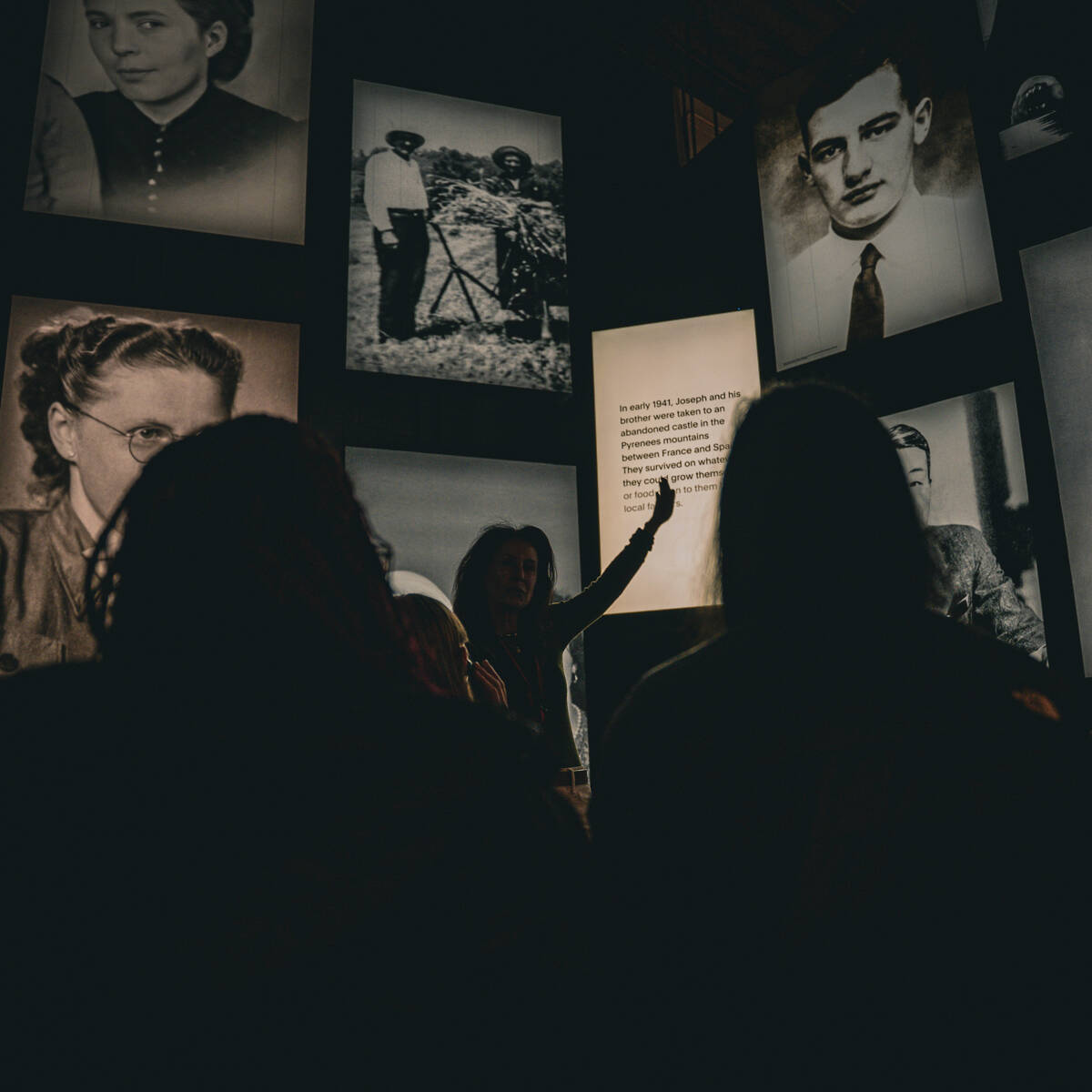
The Zekelman Holocaust Center
At the Holocaust Museum, we heard from someone whose father survived WWII as a Jewish man. Listening to his story was eye-opening, not just because of the history, but because of how familiar some of those warning signs still feel today.
As a Hispanic woman, I know the quiet fear many in my community carry. This experience didn’t leave me feeling hopeless; it left me feeling responsible. The museum isn’t a place you walk out of with more fear; it’s a place you walk out of with a stronger desire to not be a bystander.
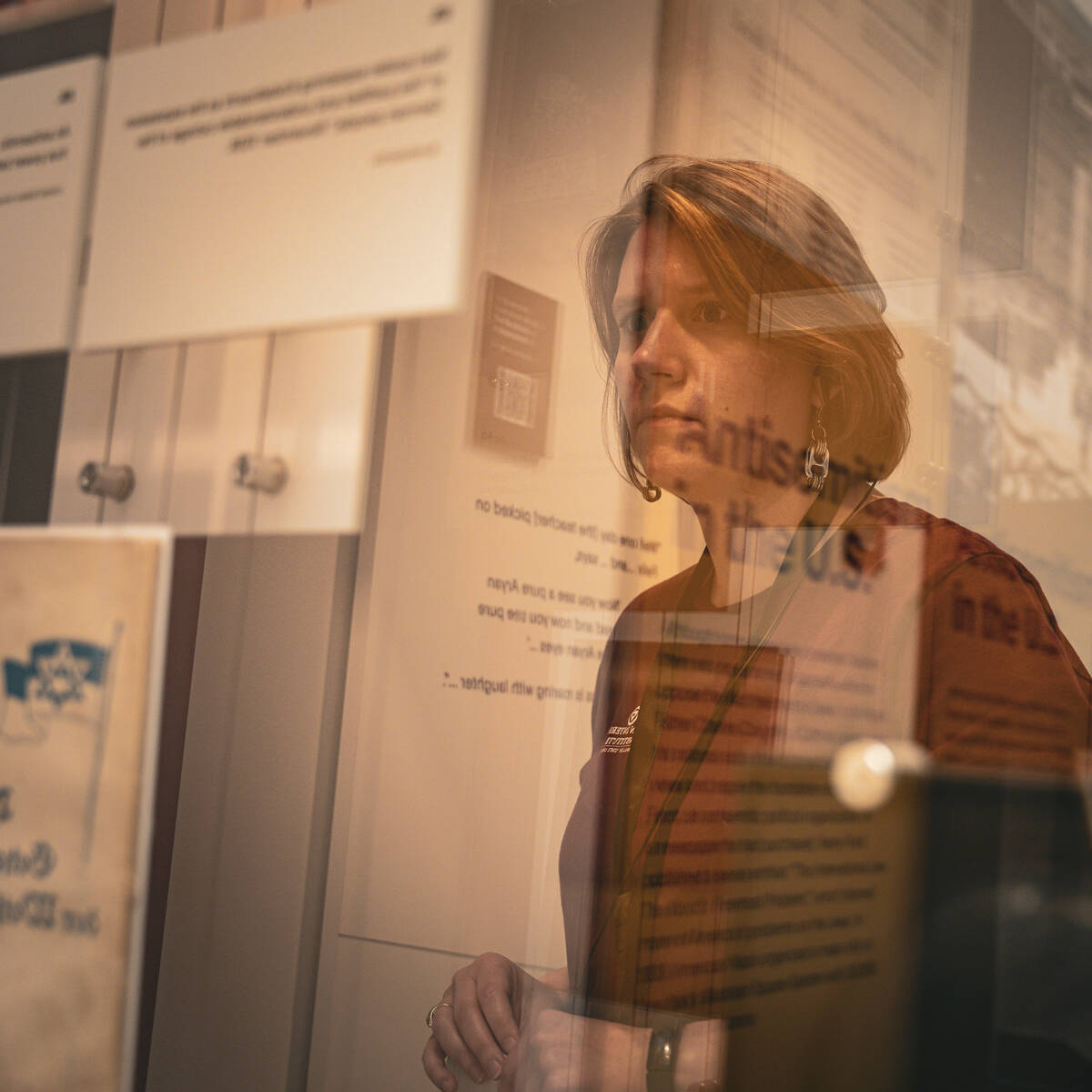
Real change doesn’t happen inside the museum. It happens after you leave, in the small and big choices you make when you see harm, injustice, or hate in front of you.
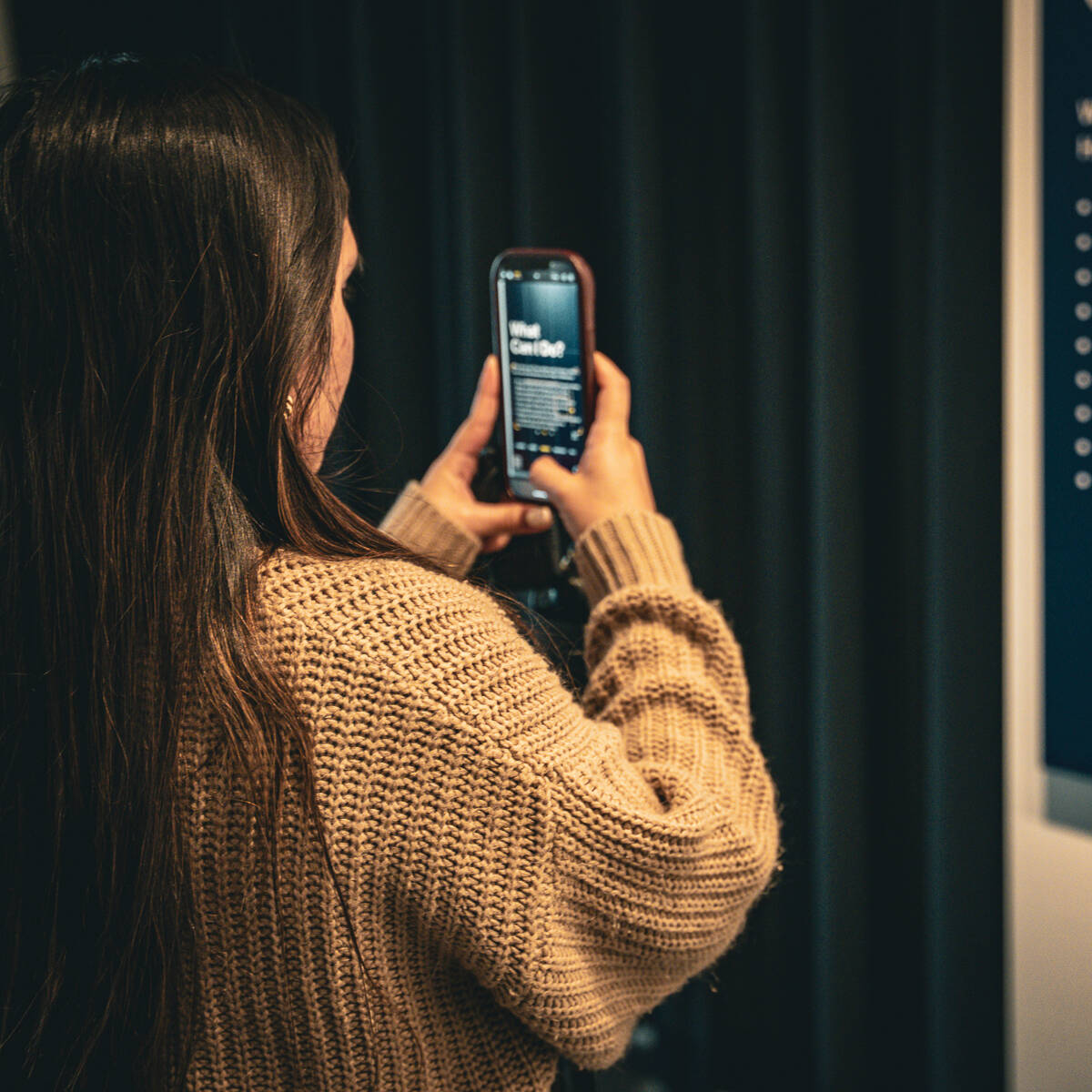
One of the most powerful things I learned was that the places where people chose to work together for good were the places where the most Jewish lives were saved. That reminder gave me hope.
History shows us what happens when people stay silent, but it also shows us what’s possible when people choose to act.
Mayra Perez, GVSU Cohort Participant
An Afternoon at Garden Bowl
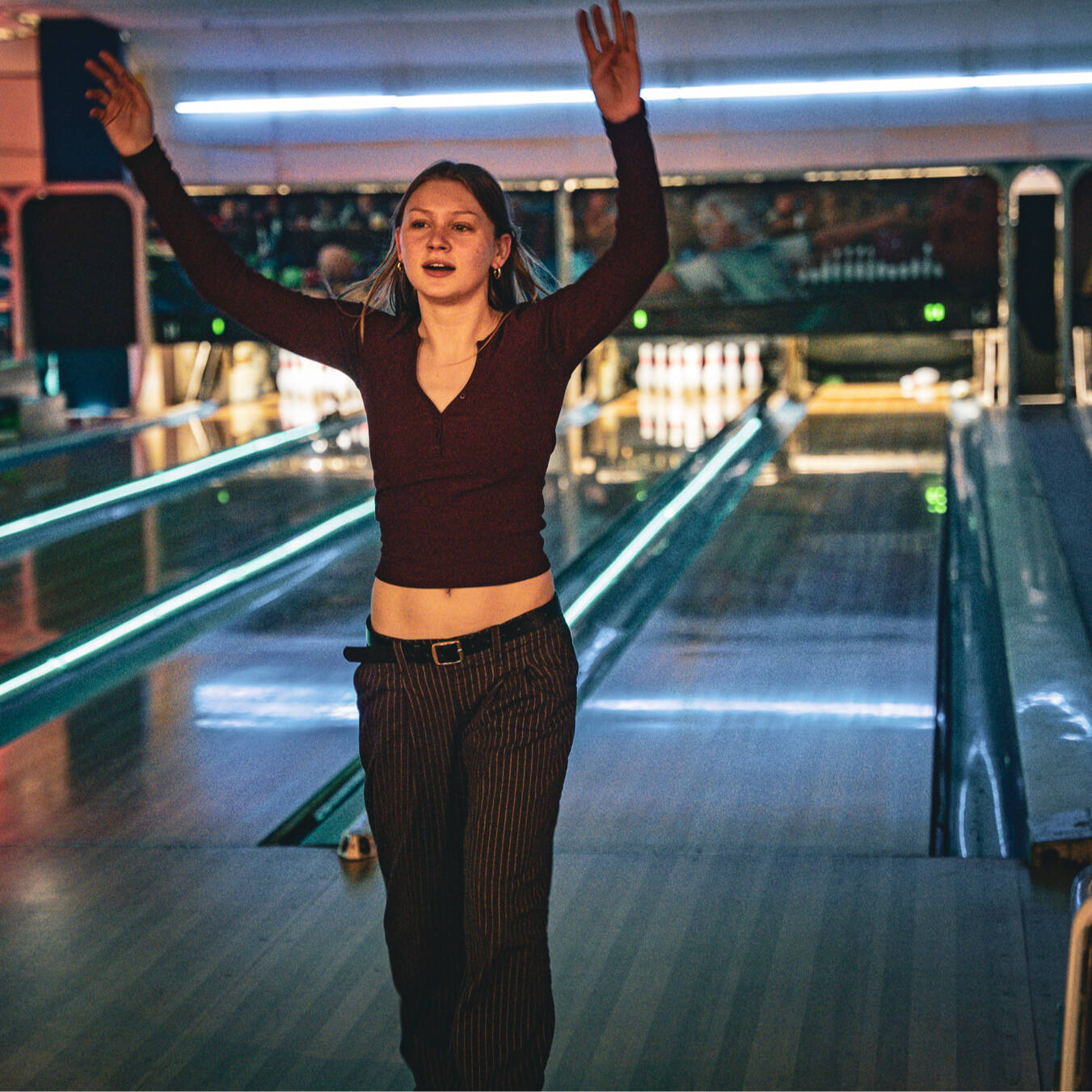
Our first day of the trip was a laden one, as our first stop was the Zekelman Holocaust Center. Later that same day, carrying along heavy but educated hearts, we had a wonderful refresher at Garden Bowl after processing the tour we had taken earlier. When I first checked the trip schedule and saw that we had bowling as one of our stops, I didn't think much of it, but Garden Bowl proved me wrong.
Garden Bowl has been open since 1913, making it the oldest still-operating bowling alley in the U.S. I had never expected there to be so much history at that unique bowling alley, but it is truly a cultural staple in Detroit. There was food, camaraderie, and parties of people taking up lanes to bowl together. It was a genuine community, something beautiful to witness. It was a privilege to be part of that community in Garden Bowl for a day.
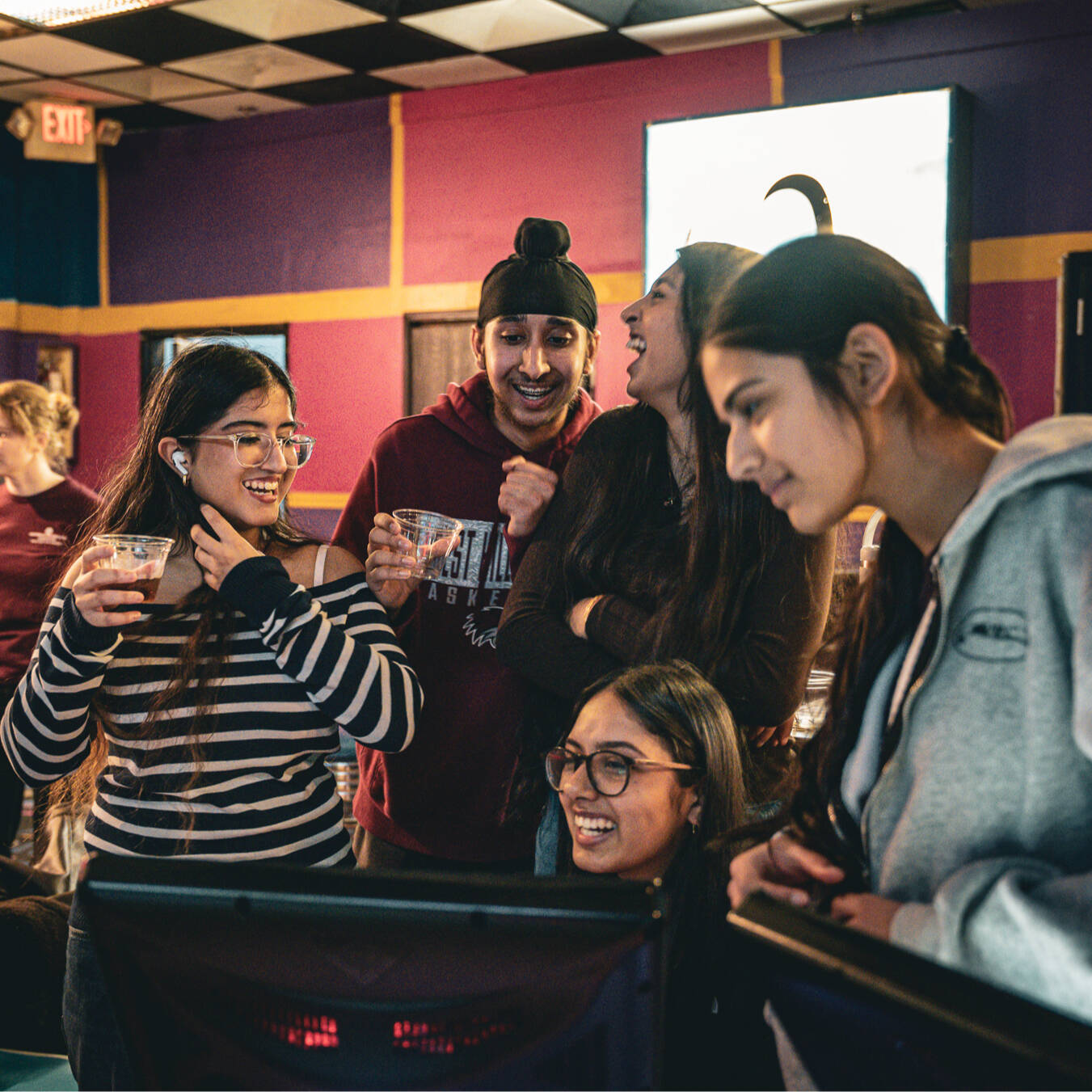
For a trip centered on visiting the many sacred sights in the Detroit area, it was also interesting to branch out and experience Detroit's culture; I would certainly have felt like we were missing out if we hadn't gone to Garden Bowl.
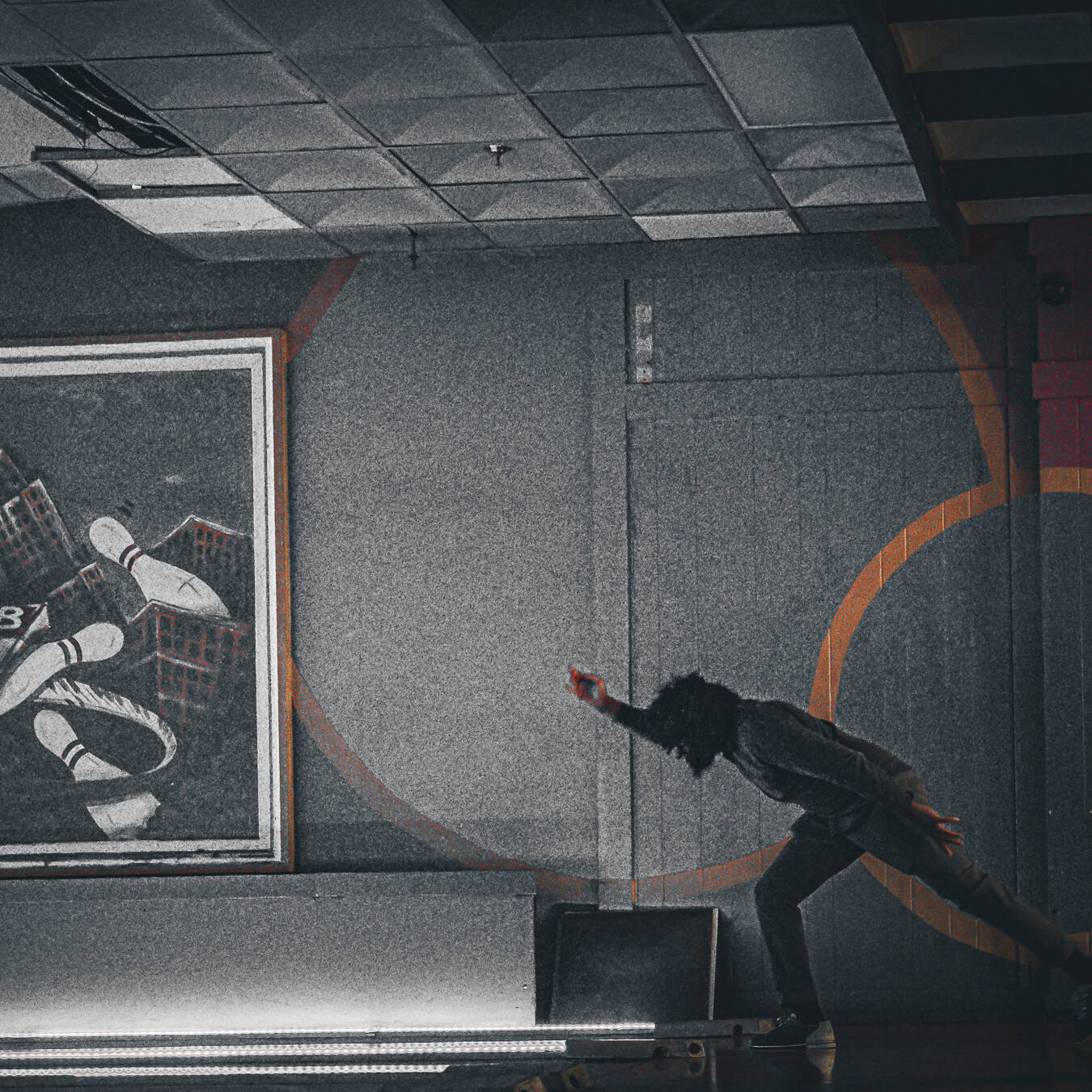
The best word to describe this experience, or at least the one I had, is sonder: the profound, often overwhelming realization that every random passerby is living a life as vivid and complex as your own, which can feel both sad and illuminating.
So thanks again, Garden Bowl, for opening my eyes and giving me a chance to experience Detroit's memorable culture.
Sophia Johnson, Youth Cohort Participant
The Arab American National Museum
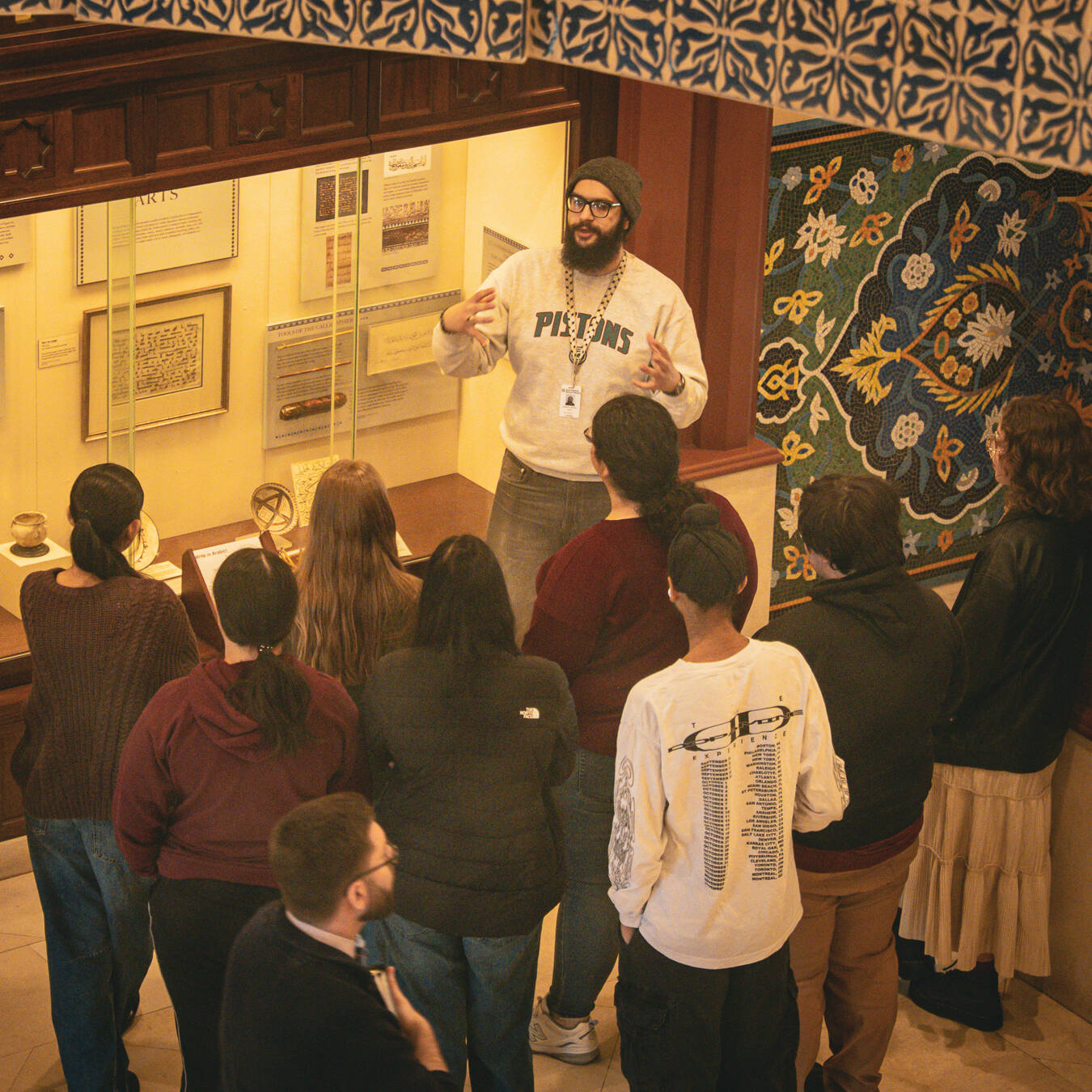
On our trip to Detroit, we got to visit the Arab American Museum. I am so grateful to have experienced this museum and learned so much throughout my time there. Getting to have a guided tour really made the experience more personalized. At the end of our tour, the tour guide Moussa took the time to answer any and all questions. I really appreciate how he emphasized that this was a place for curiosity and even asked us if there was anything we were too afraid to say. His authenticity and wisdom allowed me to get a deeper look inside all of the exhibits that I was seeing.
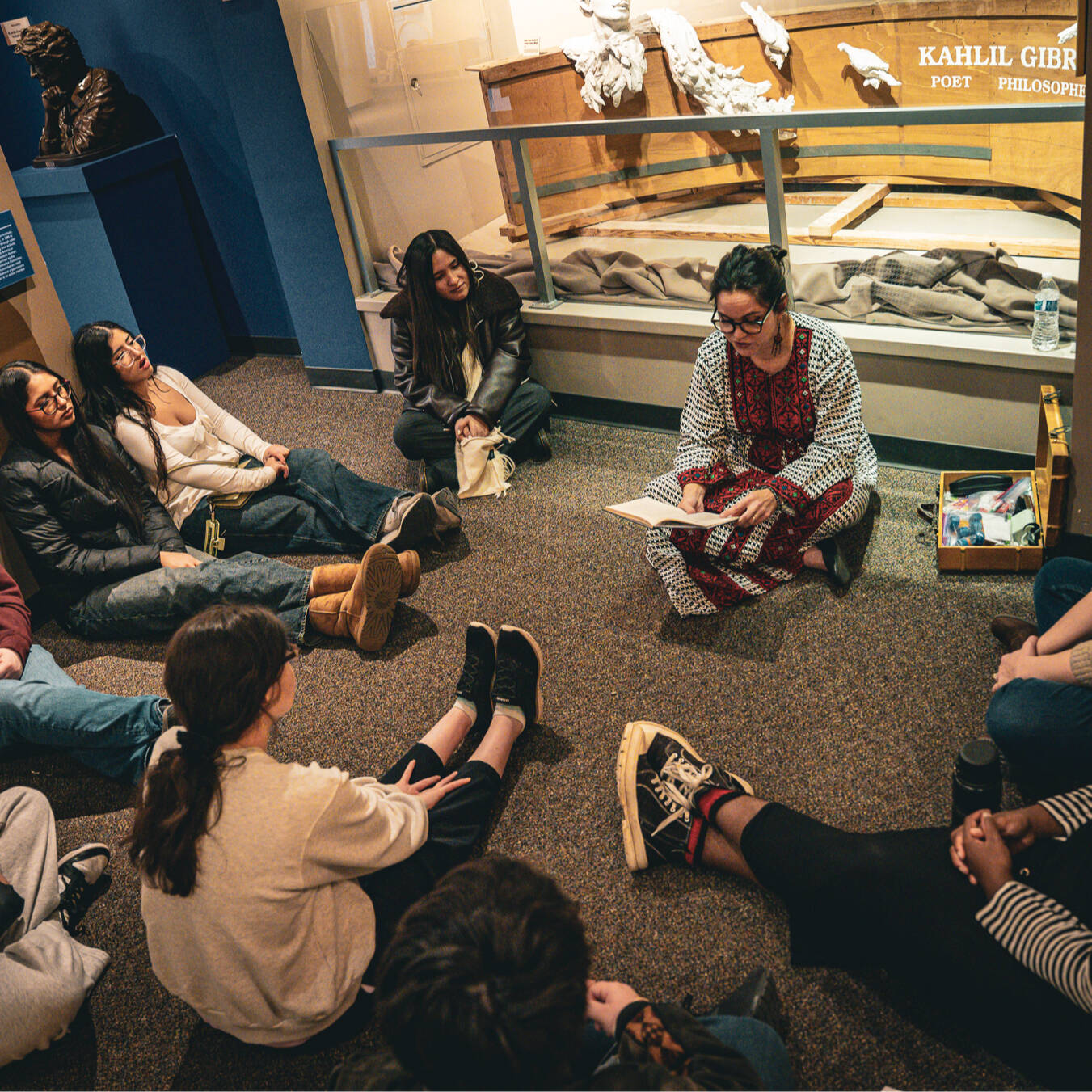
In life, it is so easy to put people in boxes and think that everyone in an identity group has the same experience. Getting to hear individual’s stories reminded me to look at someone as a human being before anything else.
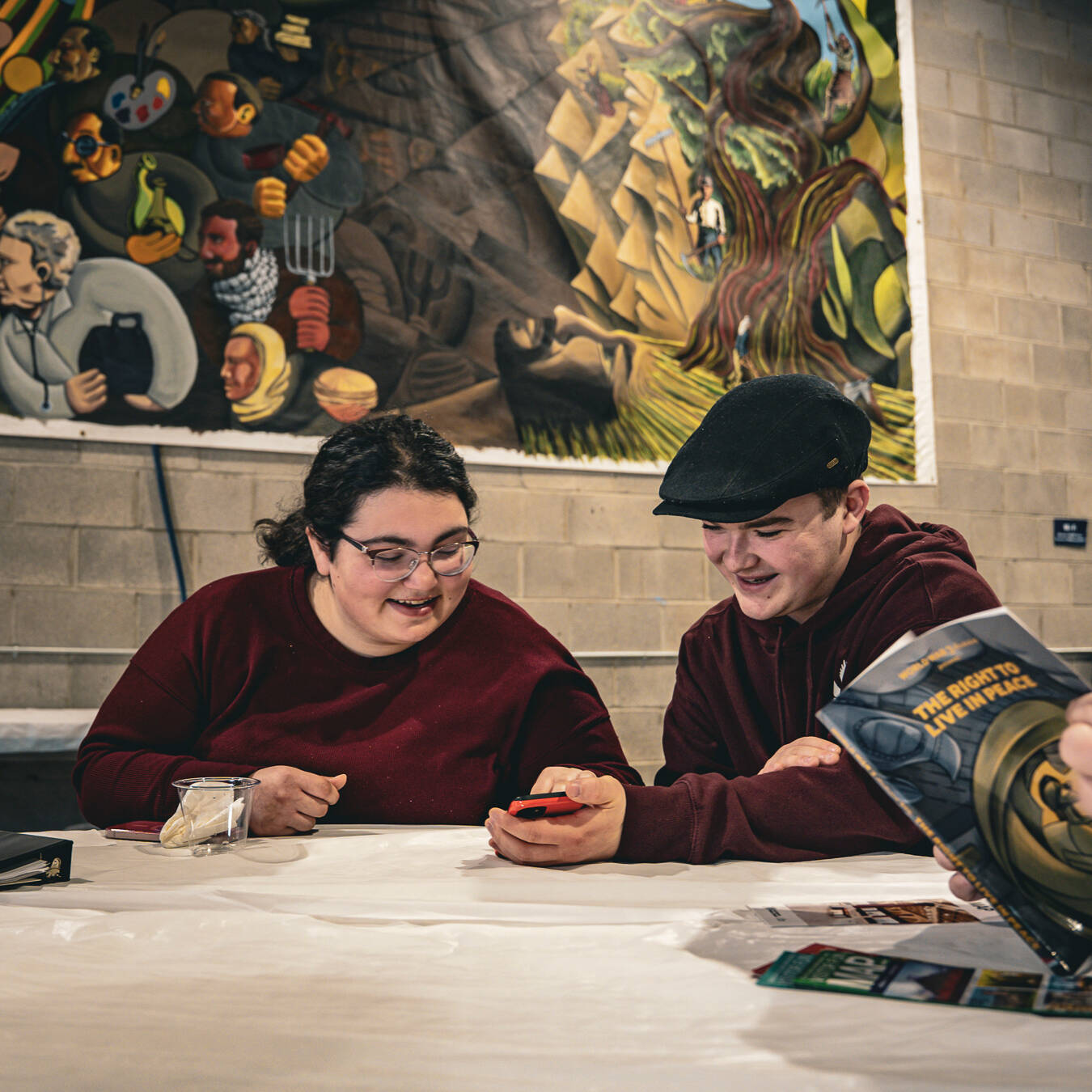
Throughout the tour, we got to hear the stories of many Arab Americans. One of the main themes of both of our cohorts this year is storytelling and the stories that we got to hear were a great representation of why this is such a powerful tool. Each story that was told elicited its own reaction. Some made me laugh while others allowed me to think and even change my previous beliefs on topics.
Molly Schless, GVSU Cohort Participant
Islamic Center of America
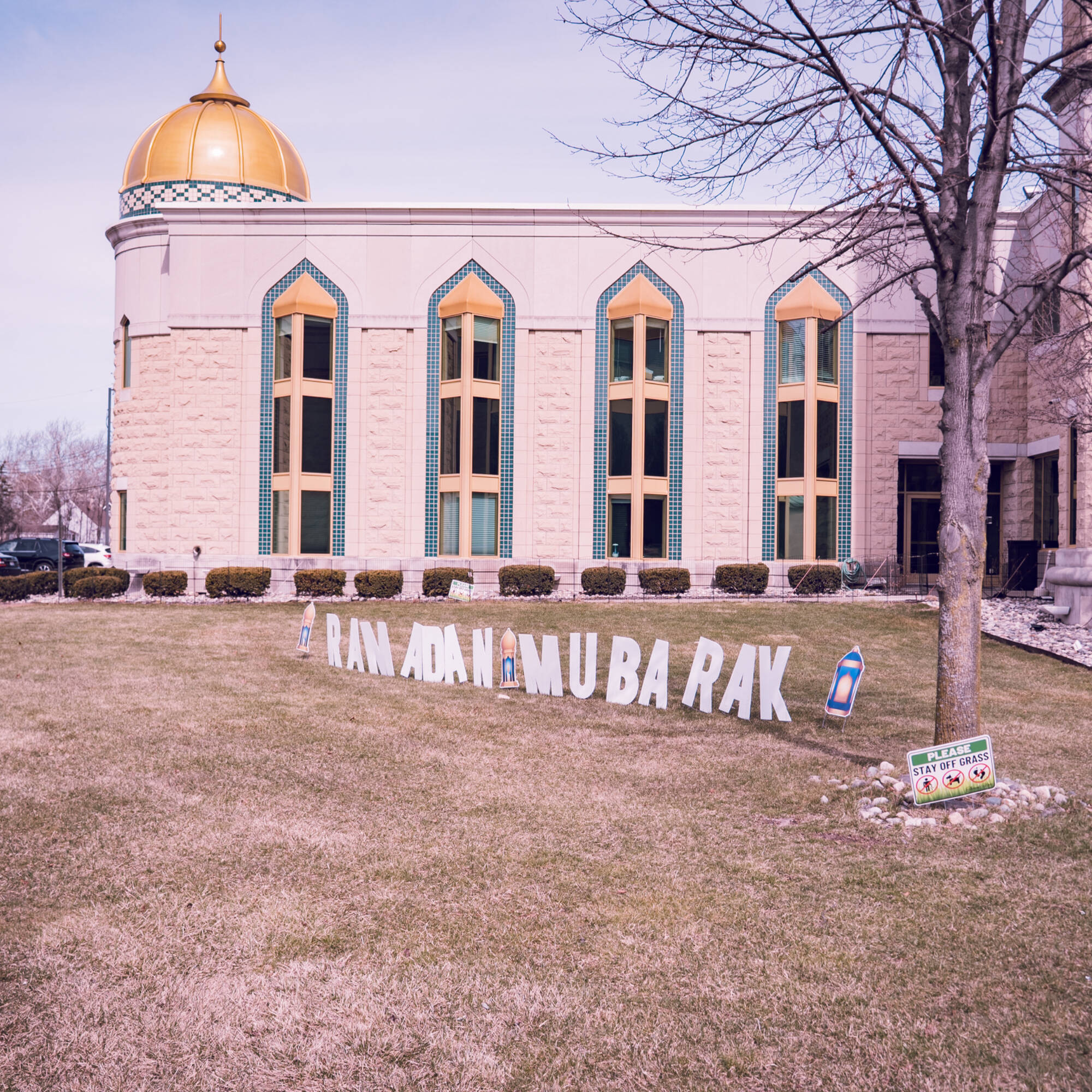
On our second day in Detroit we learned about different religious beliefs, and toured the Arab American Museum. At the Islamic Center of America we learned about the beliefs and the culture of Islam from Dr. Walid Harb in the Shia perspective.
During the last 10 nights of Ramadan, as a Sunni Muslim learning and viewing Islam from a different perspective was a great experience.
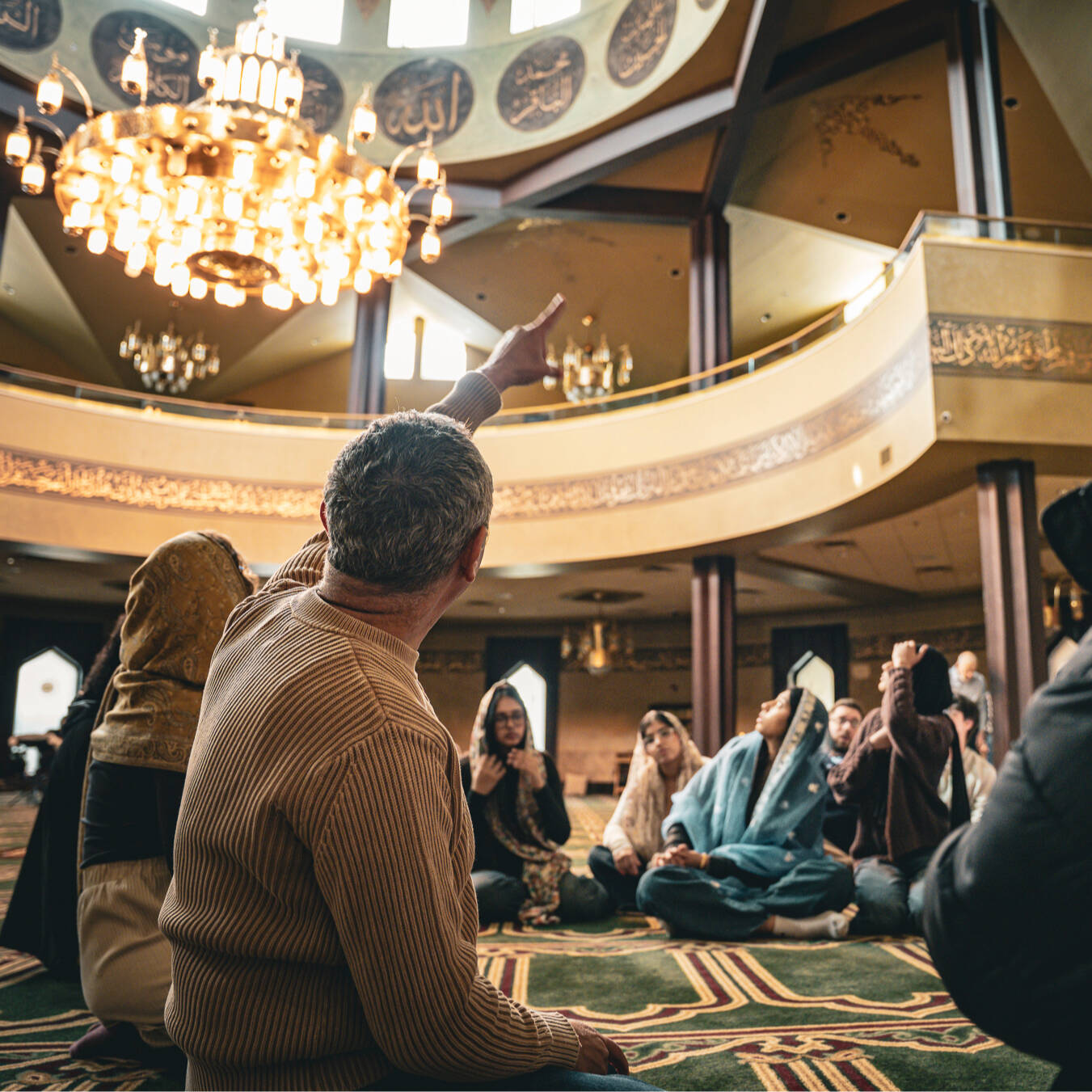
Learning about their views, practices, and traditions which were adjacent to my own helped me to think more deeply about my own beliefs.
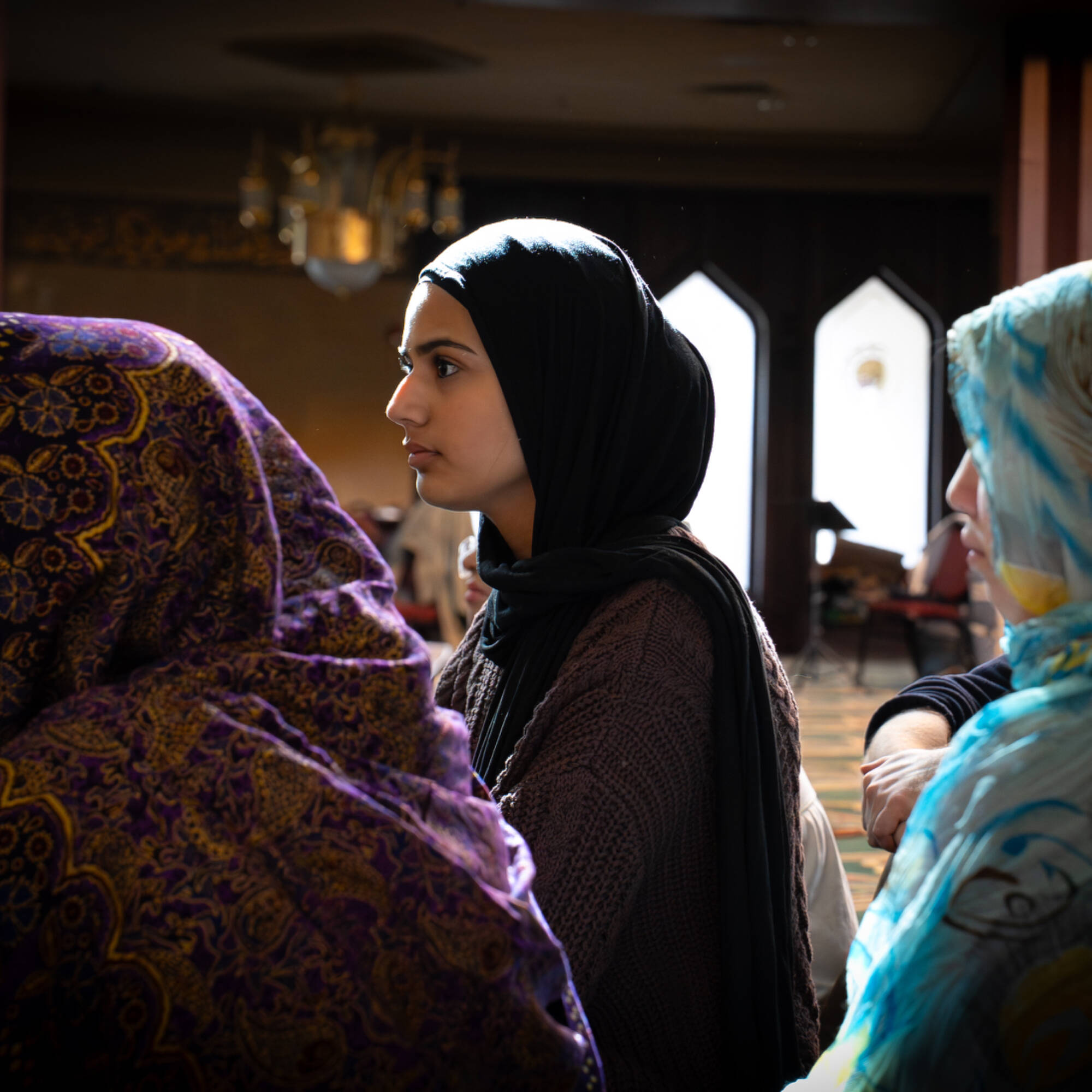
Something that stuck with me while listening to Dr. Harb speak was the idea of one Ummah. The Ummah is the greater Muslim global community. In a time when there are so many attempts to divide us, the way Dr. Harb described the Ummah inspired me to remember that we are all one global Muslim community under the judgement of Allah. The small differences in interpretations or practices don’t matter as long as we remain focused on collectively working together and our intentions to worship Allah with a clear heart.
Zayna Usmani, Youth Cohort Participant
International Society for Krishna Consciousness
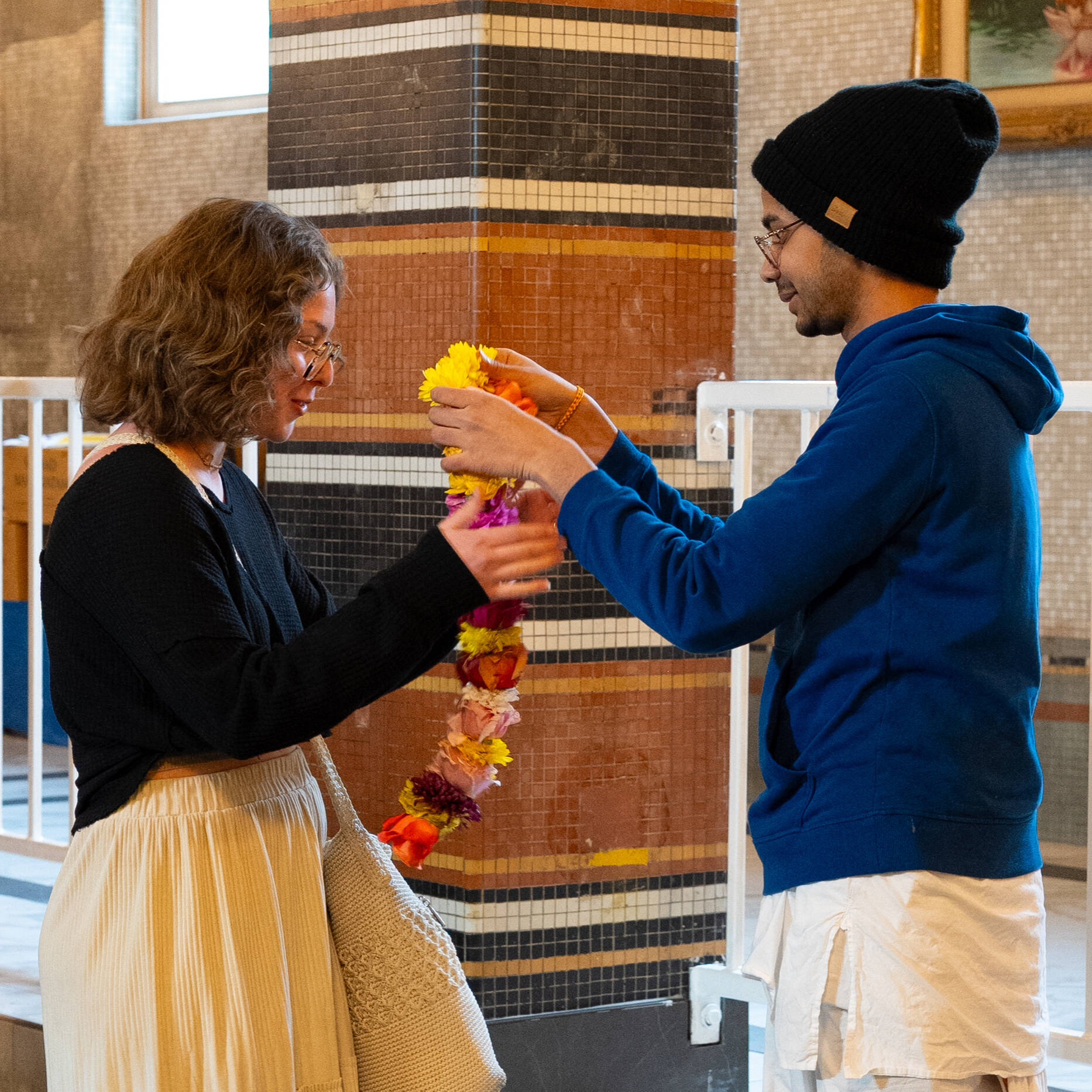
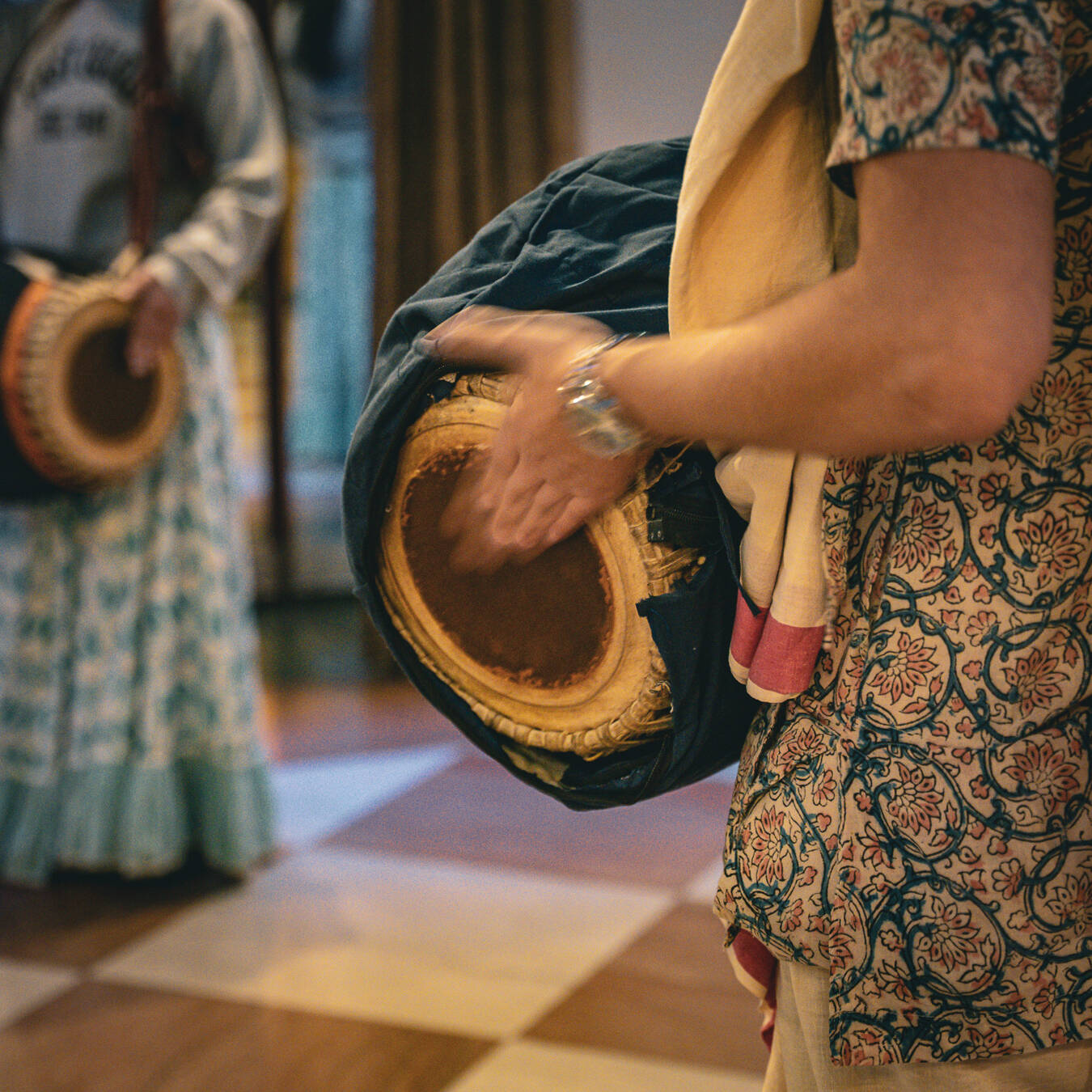
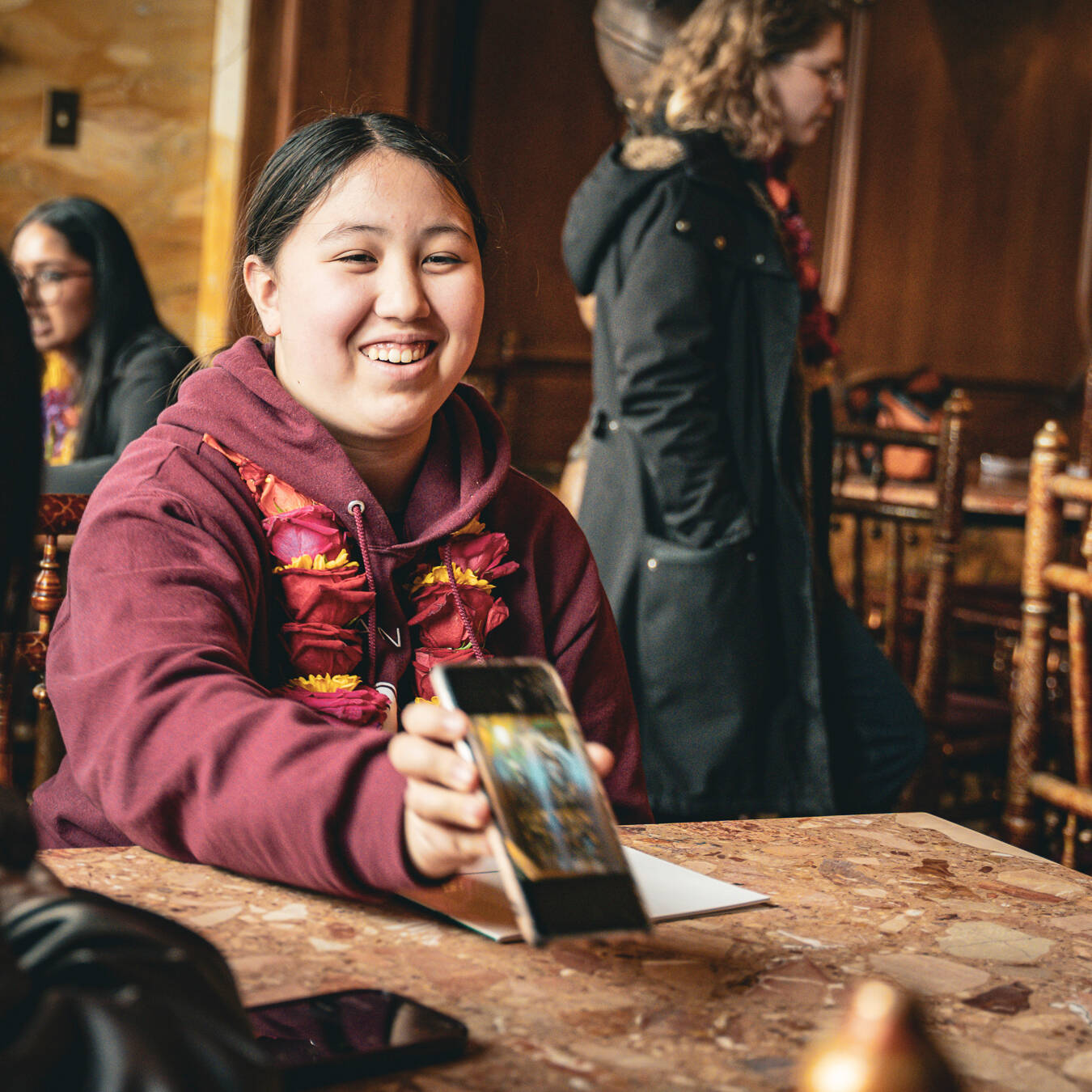
At the ISKCON temple, I learned about a worldview identity I had never heard of before. At first I found myself struggling to keep up until the Q&A. At the Q&A there was a group of people who gave us a safe space to ask any questions we had about ISKCON. All of the answers were all deep and cleared out most of questions I had without even having to ask them.
As a Christian I grew up in an environment that was heavy in the idea of conversion so to see another religion combat this idea that I'd rarely questioned before was eye opening. It opened my eyes to a new perspective and changed one of my core beliefs for the better.
I think the biggest thing I learned was that no matter what you believe you need to respect others and what they believe. You shouldn't focus on believing everyone else is wrong you should think about why they believe what they do and what you can learn from them.
Mya Willson, Youth Cohort Participant
The Detroit Institute of Arts
On Sunday, we visited The Detroit Institute of Arts, getting the chance to view history through the lens of art. Admittedly, the time we had to explore was not near enough to get the full experience of the museum, but there were several key spots me and a couple of others made sure to make our way to. As an Interfaith group, of course we made our way to the exhibits displaying religious artwork and artifacts.
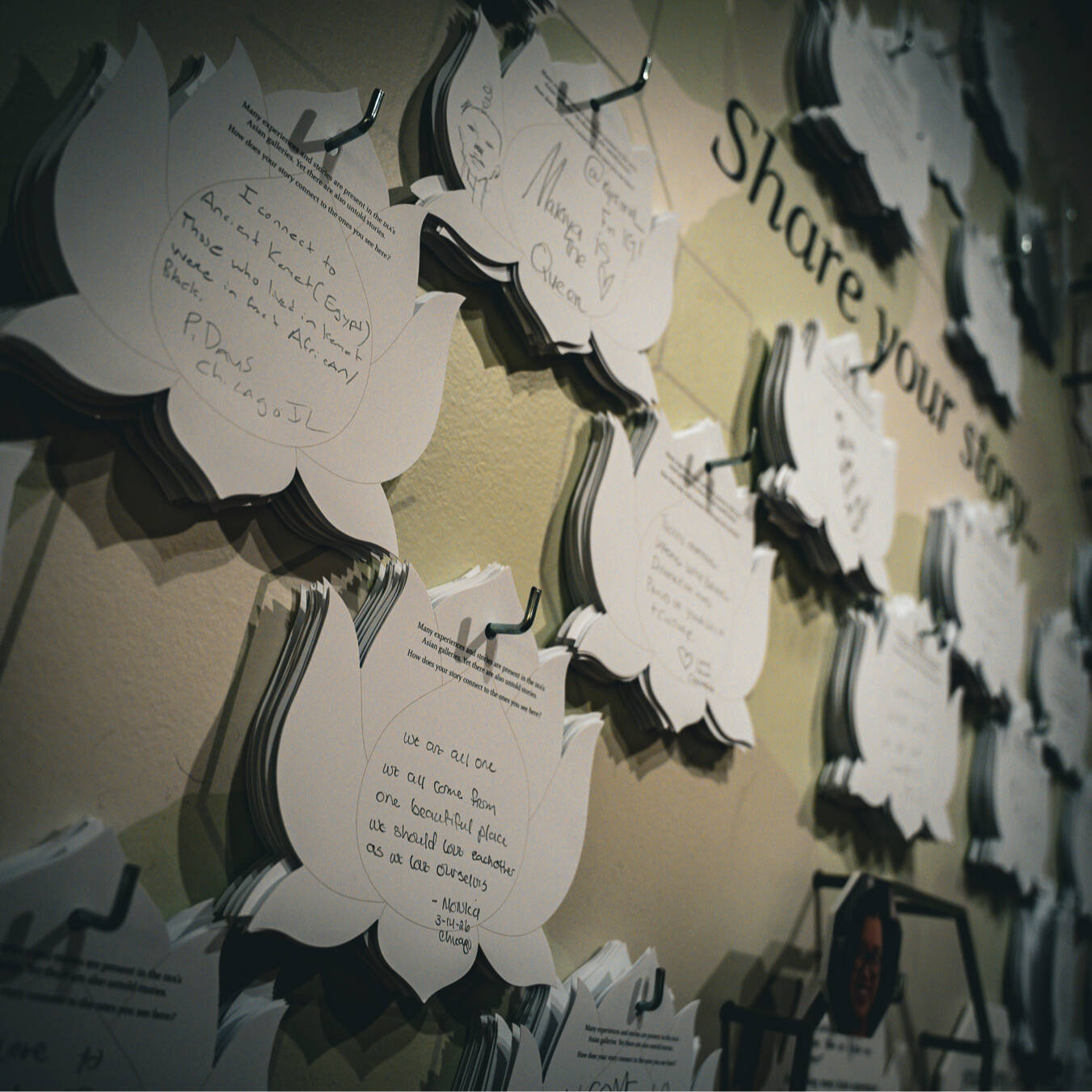
It was a spiritual experience in and of itself to be able to view these artifacts, nearly as old as the old prophets themselves.
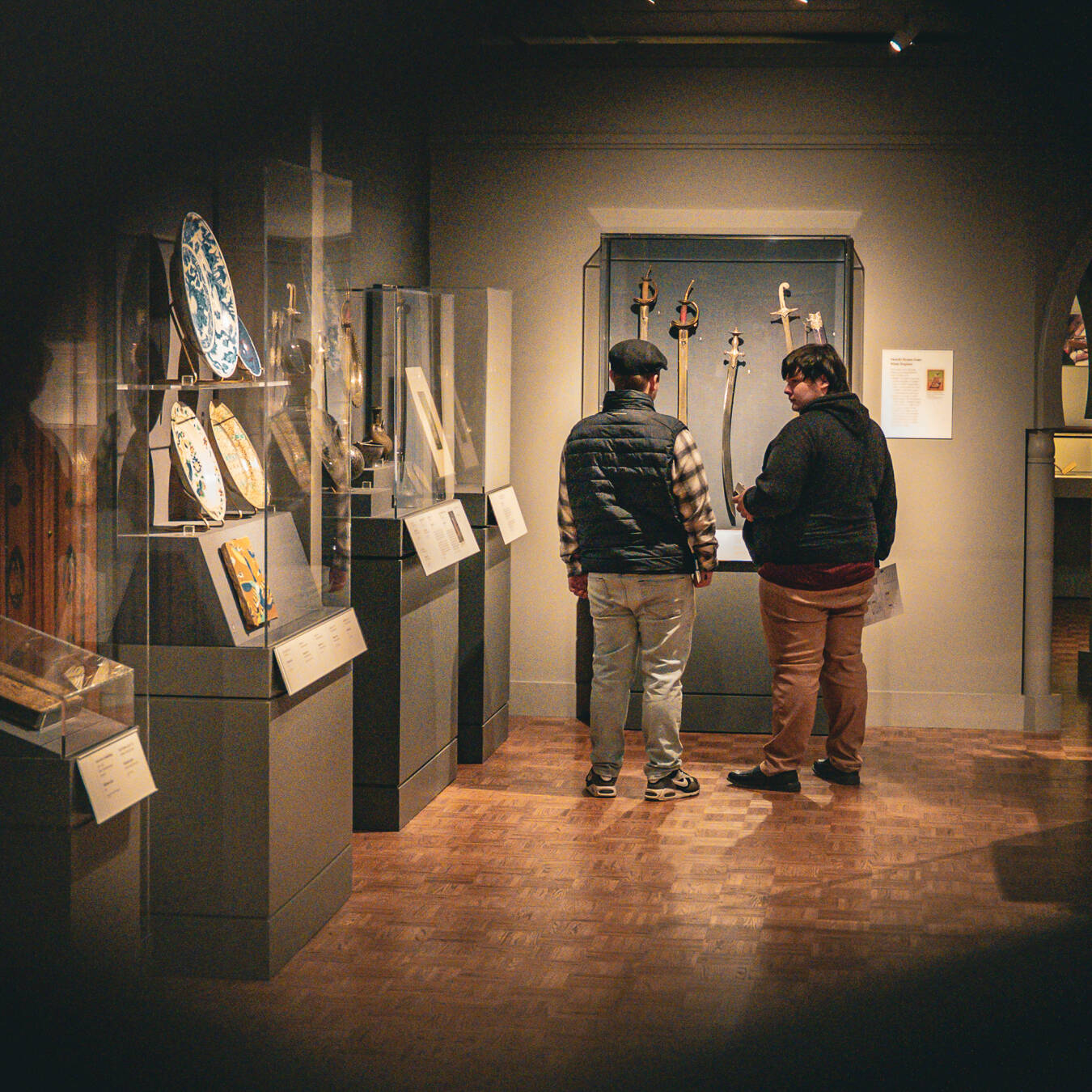
We then went to see the cultural artifacts from around the ancient world, including artifacts from ancient Babylon, Greece, Rome, Sumeria, among other ancient civilizations. Moving throughout history across the world, we were able to view art from Native Americans across history, the Enlightenment Era art from Europe, and art from all across the African Continent.
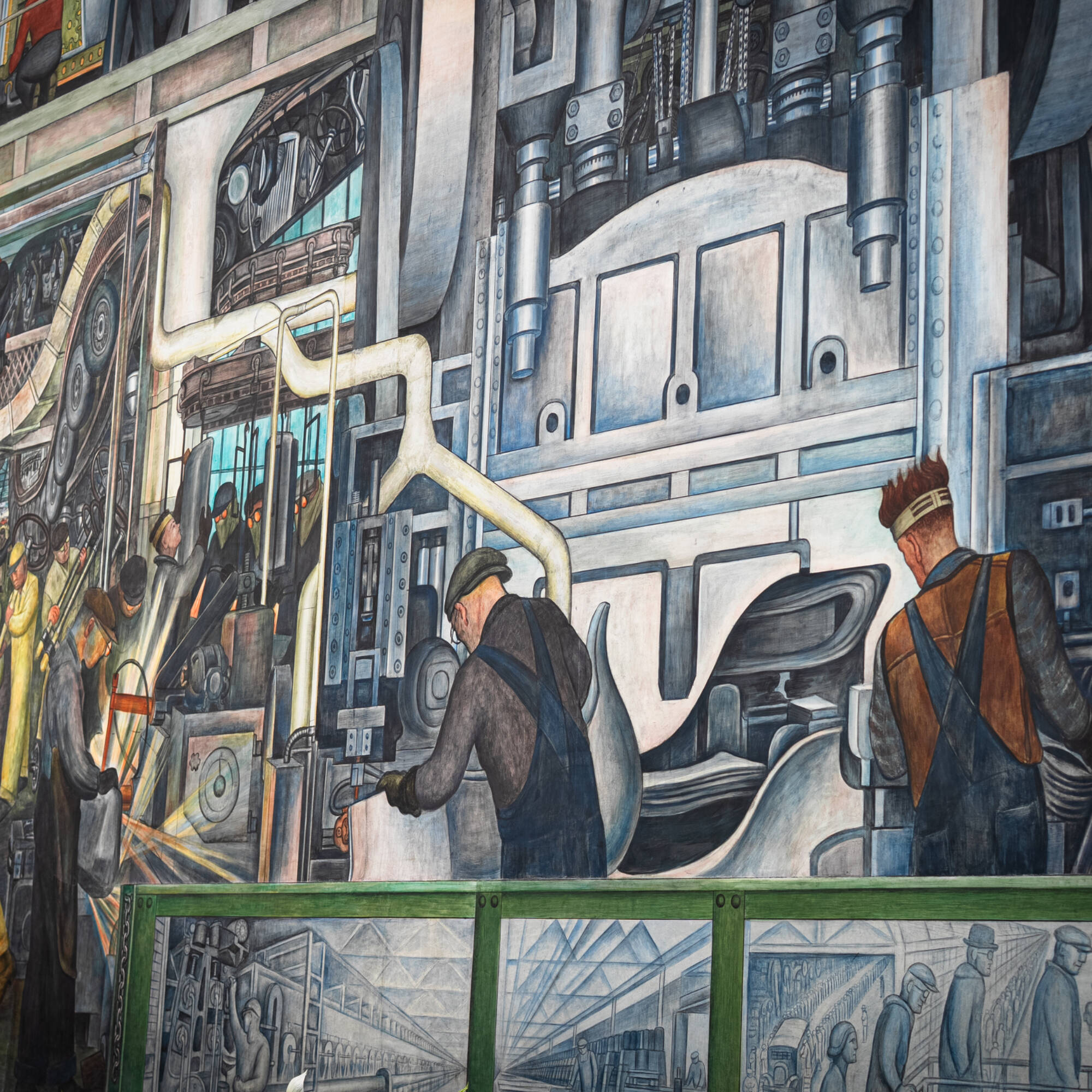
Undoubtedly, however, the crown jewel of the museum for me was the Diego Rivera mural. Rather ironically commissioned by the Ford family, considering Rivera’s socialist politics, the mural paints a massive picture of industry in the United States, having been painted at the industrial peak of the United States, just as the Ford and GM factories began to sweep across the rust belt. It was also painted during the emergence of labor power, around the time of the Sit-Down strike, which started in Flint and spread to Detroit and beyond. Rivera made sure to allude to his politics here as well, painting the workers of the factory melting into the machines the further down the production line you go, representing the alienation of labor, where the workers lose their individuality and humanity in the production process. I could genuinely find a new detail every single time I view this mural, a true marker of a great piece of art.
Jace Perroud, GVSU Cohort Participant
Mata Tripta Ji Gurdwara Sahib
Our time at the Mata Tripta Ji Gurdwara Sahib still lives on my right wrist, the gift of a kara carrying a constant reminder to do good deeds.
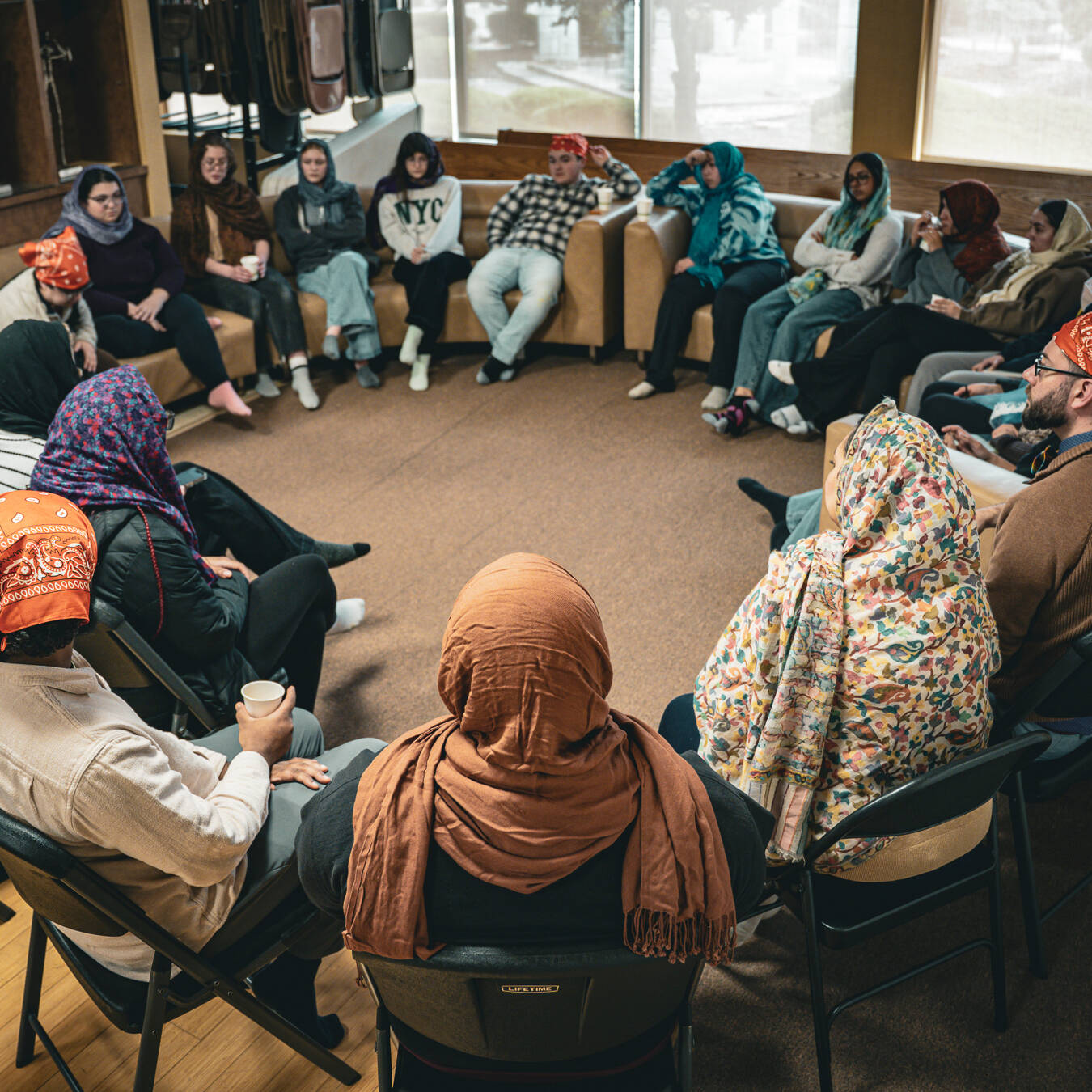
We entered with our hair covered, our shoes removed, and our hands washed. We listened to worship and sermon with folded legs on colored carpet. It was beautiful to watch young and old come together in the community in this way. The langar showed the community's selflessness and drive to serve. We were given a tray and a cup which were constantly kept full of deliciously prepared food and water. We sat cross-legged on the floor in rows facing each other, getting to talk as we enjoyed our meal.
We went to a room to learn about the Sikh religion. I learned that they are a very new religion—only 500 years old—when Hinduism is 5,000. They feed 6 million meals around the world every day for free through their langars. “If you don’t see God in all, you don’t see God at all.” They wear the turban to reclaim power after being denied the ability to do so for so long, and to be recognizable in public, as they are to help anyone who needs it.
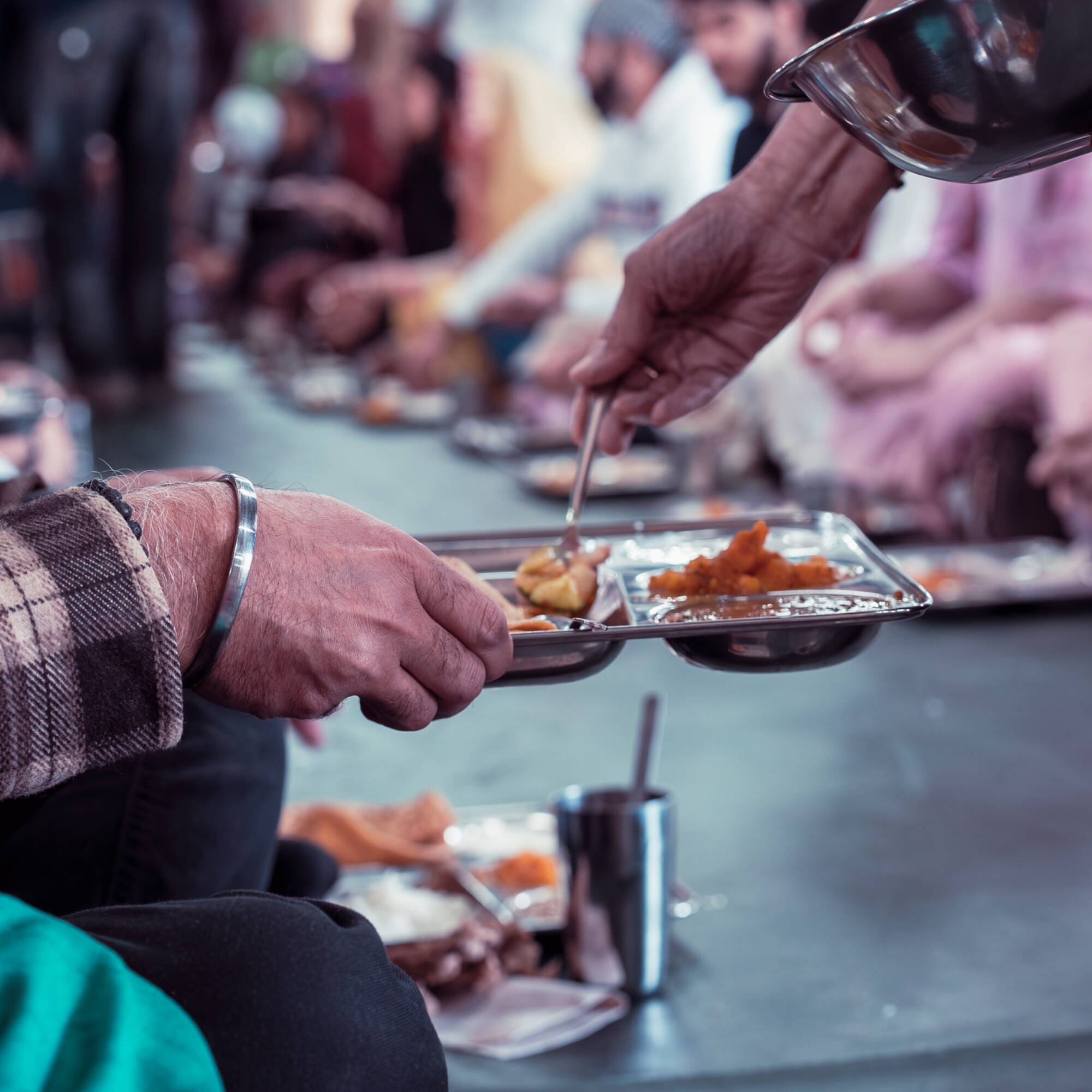
It was such a lovely, moving experience to see their love for God and humanity. I felt that was a common theme amongst all of the religious sites we visited. We really have more in common than we do differences.
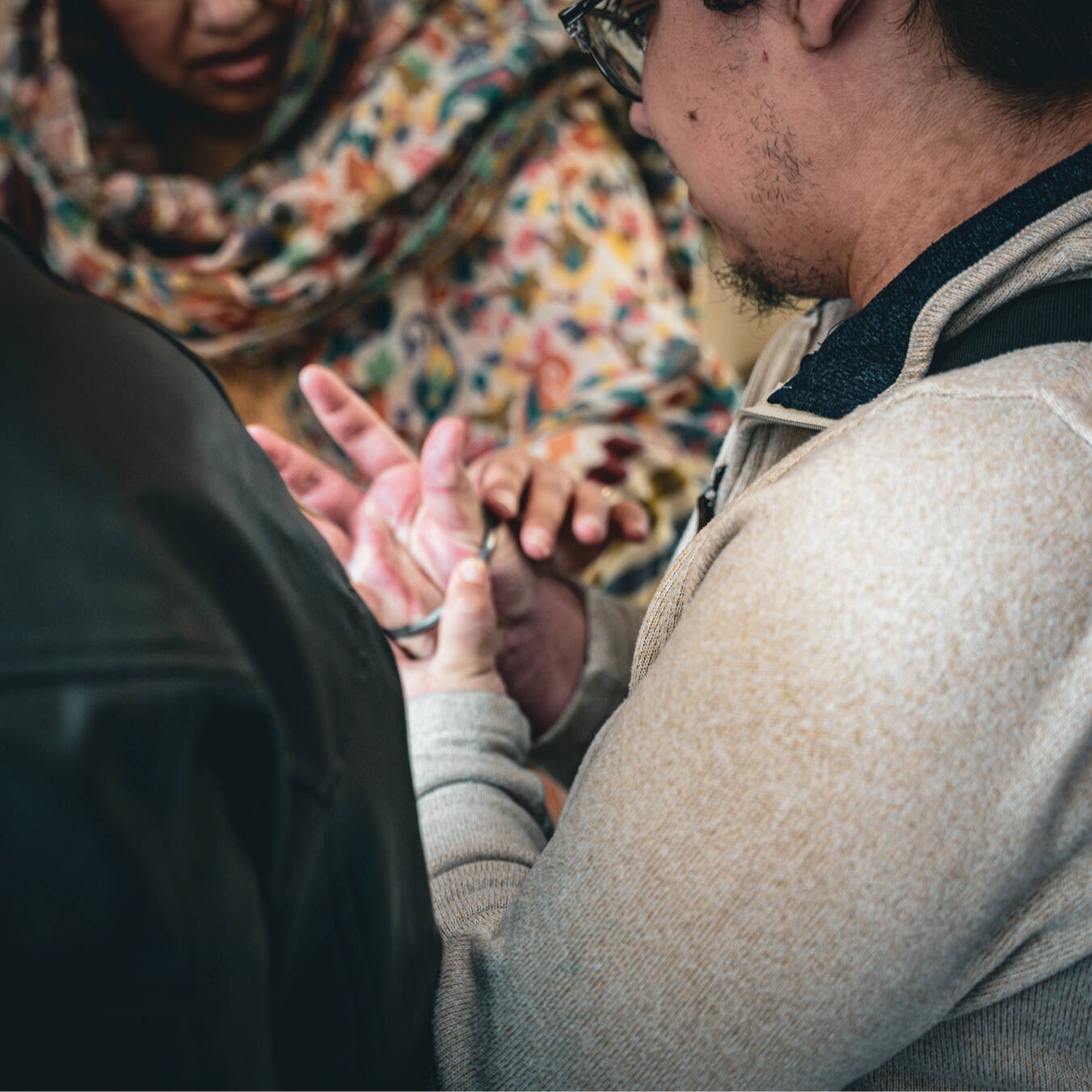
We ended by being gifted a properly fitting kara—a metal bracelet worn on the dominant hand to act as a constant reminder to use one's hands for good and virtuous deeds. I have not taken mine off a month later.
Tyler Peery, GVSU Cohort Participant
The Kaufman Staff is incredibly grateful for the profound hospitality of all of our hosts, and for our unbelievably incredible students whose vulnerability and curiosity made this weekend so powerful. We look forward to future trips!