Our History
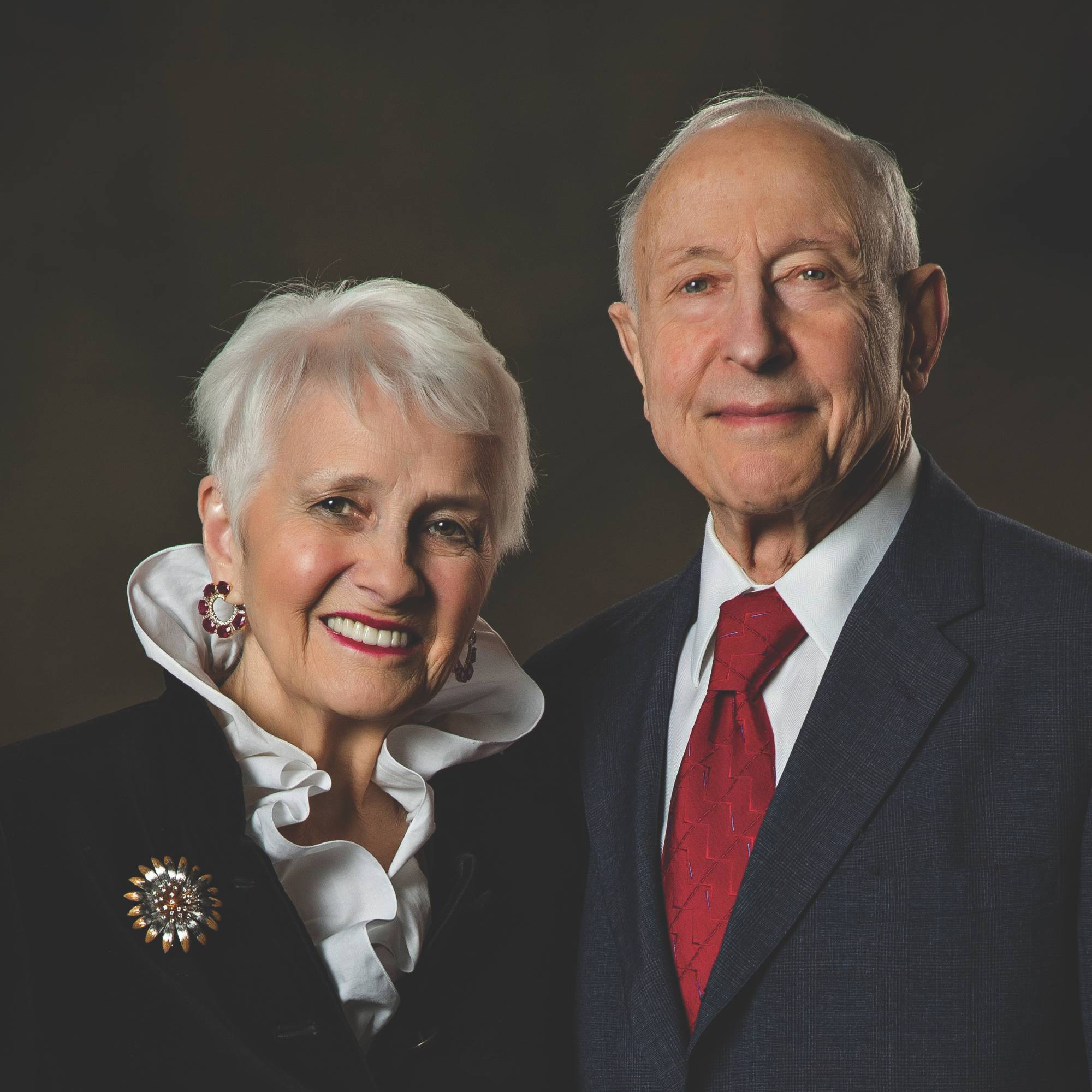
"We've come so far, and yet there's so much still possible. It's gratifying to know that this important work will be carried on through Grand Valley and the Interfaith Institute." -Sylvia Kaufman
The Sylvia and Richard Kaufman Interfaith Institute is part of a rich history of interfaith dialogue in West Michigan. In 1989, respected community leader Sylvia Kaufman initiated a Jewish-Christian dialogue as part of the centennial celebration of the Jewish community’s presence in Muskegon, Michigan.
Since that time, hundreds of leading scholars, clergy, citizens, and students from the Jewish, Christian, and Muslim faiths have convened every three years for a conference now known as the Jewish/Christian/Muslim Triennial Interfaith Dialogue. This led eventually to the establishment of the Sylvia and Richard Kaufman Interfaith Institute at Grand Valley State University in 2007.
Sylvia Kaufman’s vision led to collaboration with other colleges and seminaries leading to their sponsorship of an annual interfaith conference. Since the establishment of the institute, the programming has been expanded to include many events throughout the year, collaboration with other organizations, small group connections, as well as active on-campus programming. International efforts have been supported by grants and include an interfaith approach to science and religion. The institute is now a part of the university’s Division of Inclusion and Equity working with other social justice units on campus. The community outreach established at the beginning continues to be the major focus for the institute.

Click for a video on the Kaufman family and the founding of the institute.
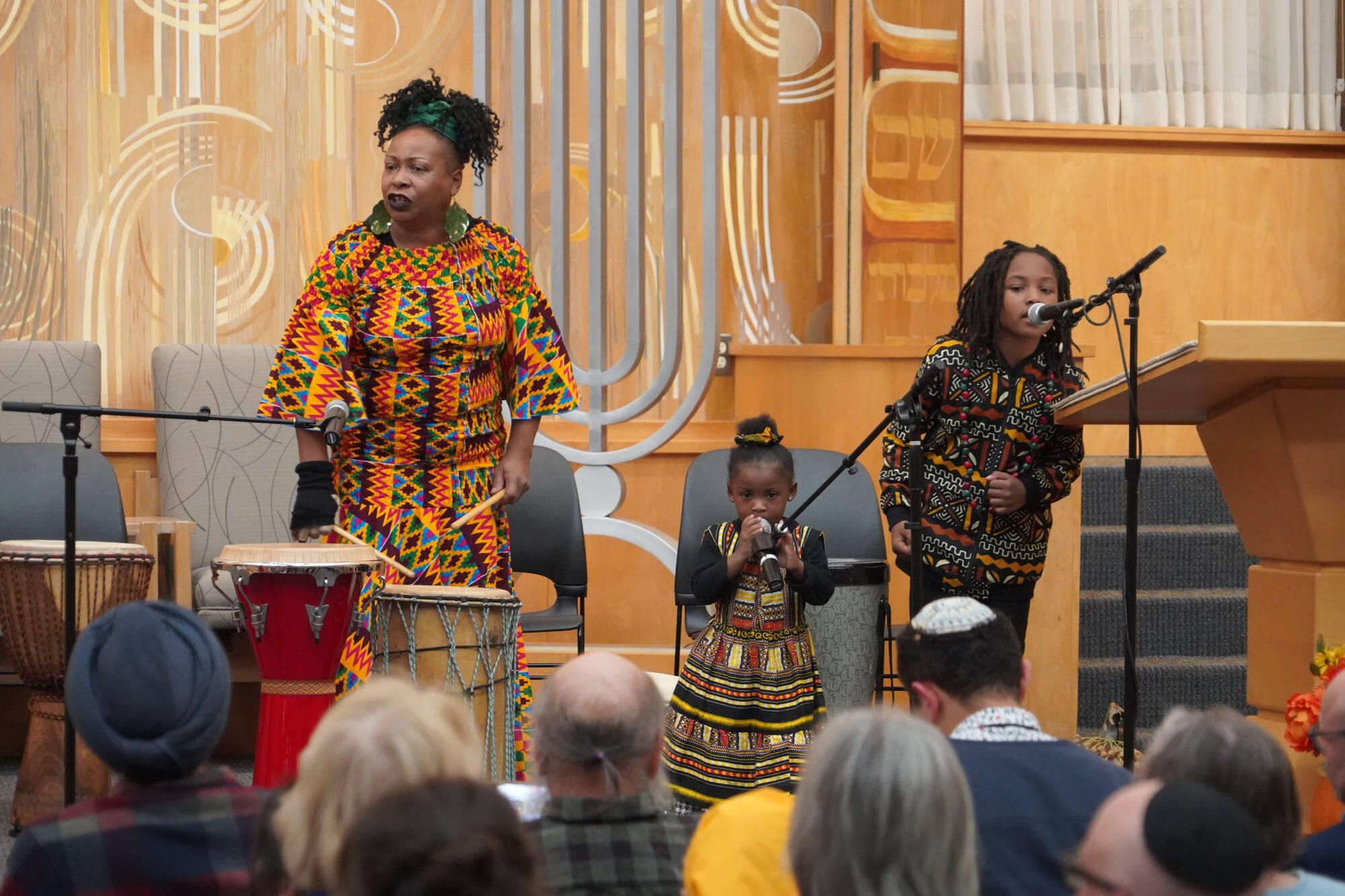
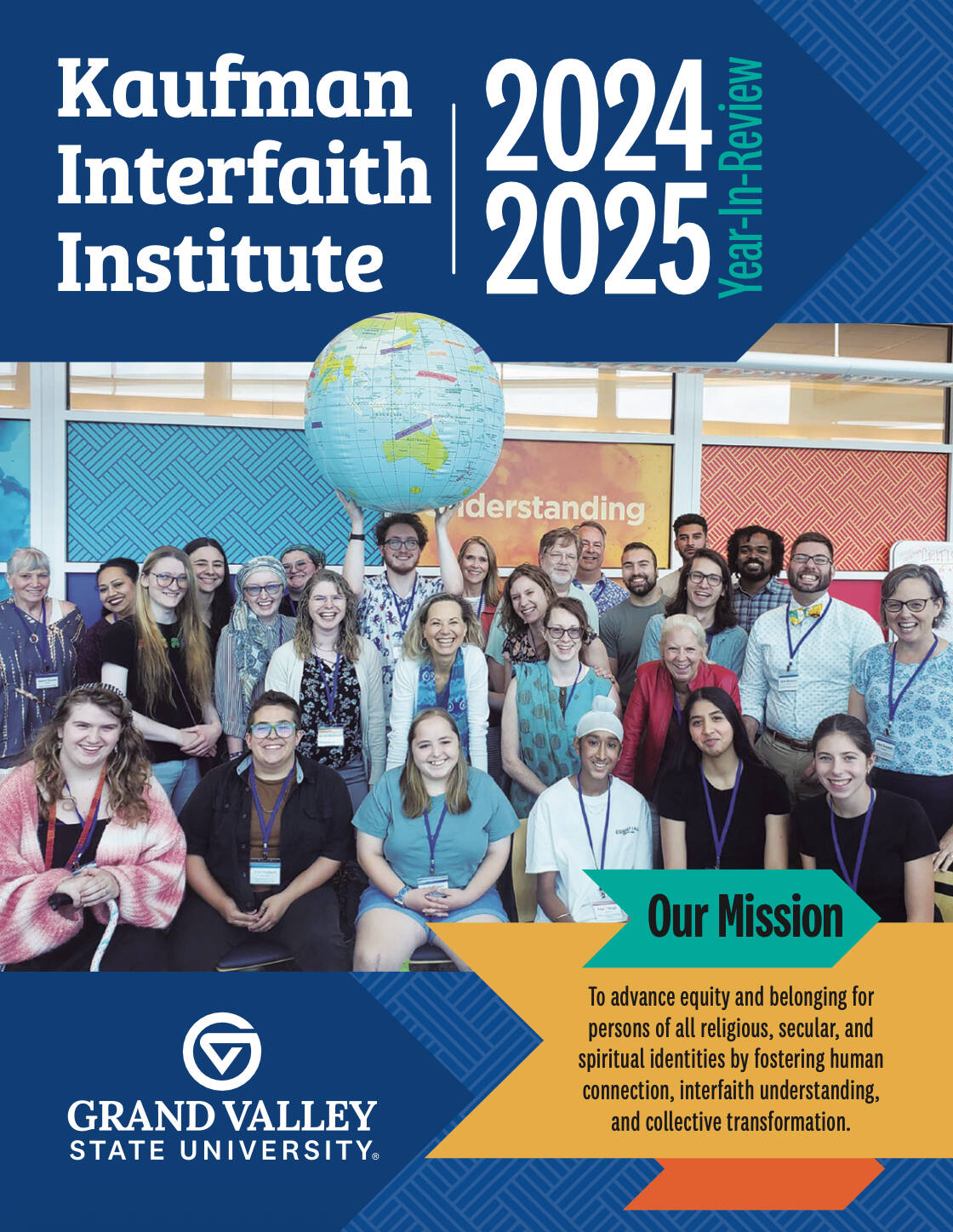
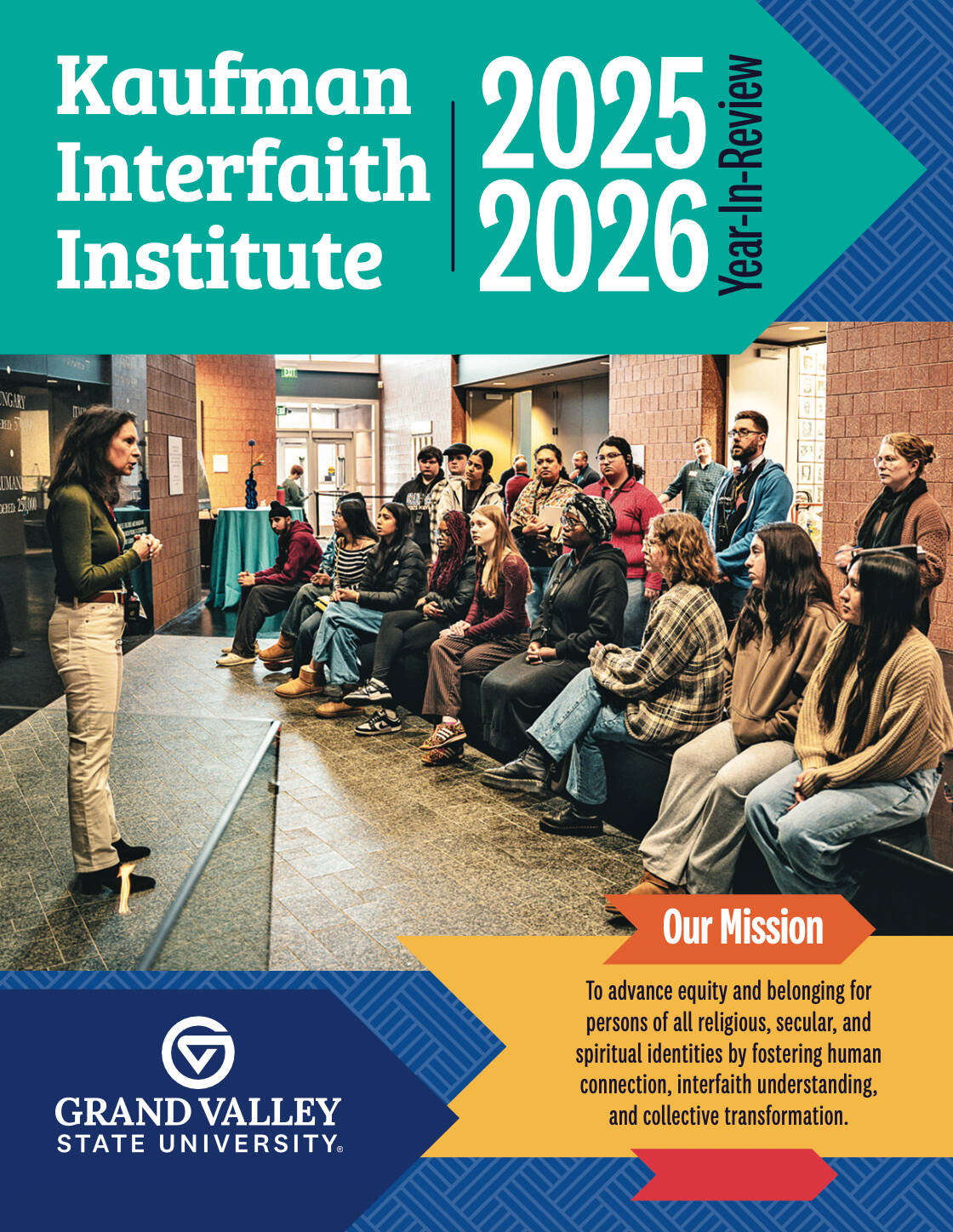
Today, the Kaufman Interfaith Institute at Grand Valley State University offers a broad range of programming (over 200 initiatives each year) that advances equity and belonging for persons of all religious, secular, and spiritual identities by fostering human connection, interfaith understanding, and collective transformation on campus and in the wider West Michigan community.
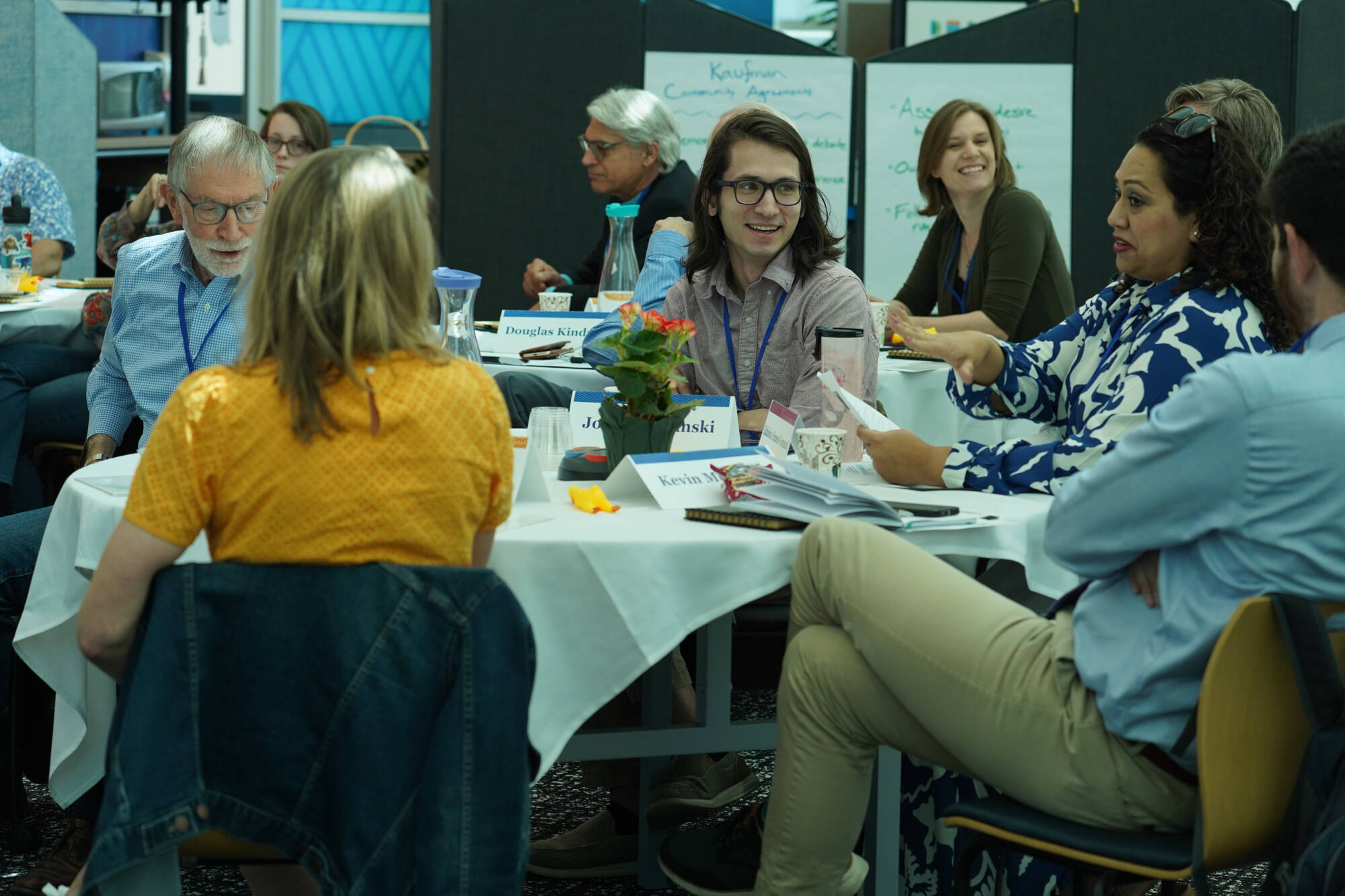
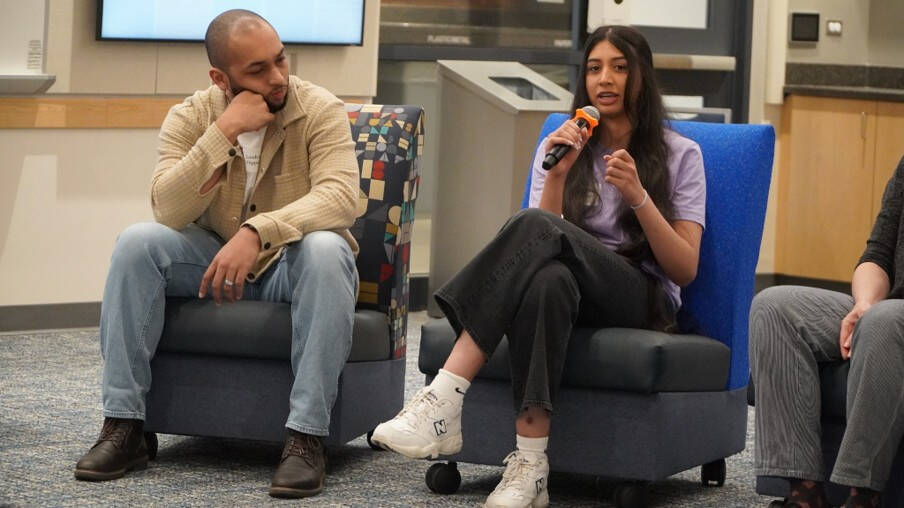
The spirit of the Kaufman Institute is represented by the cooperative programs hosted throughout the community to inspire, inform, and promote belonging. These events bring together diverse voices and worldview traditions to elevate individual experiences and stories, with the goal of promoting interfaith cooperation and pluralism.
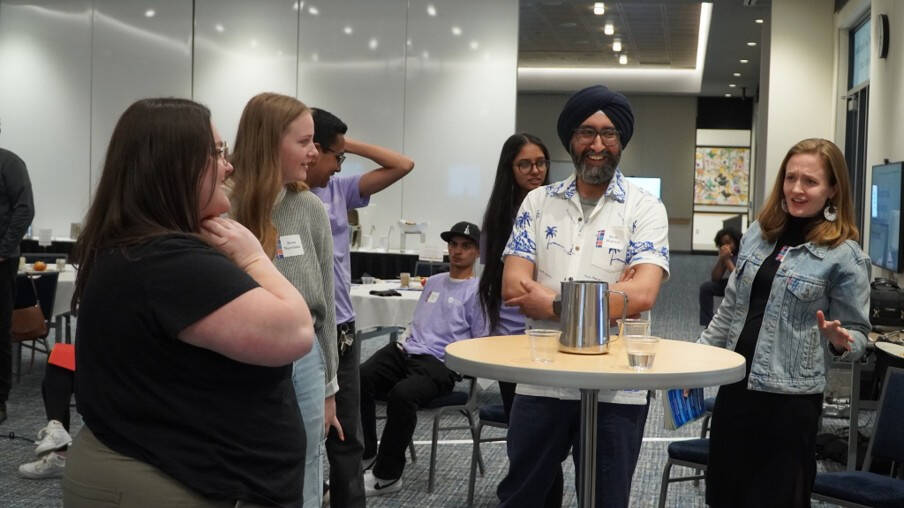
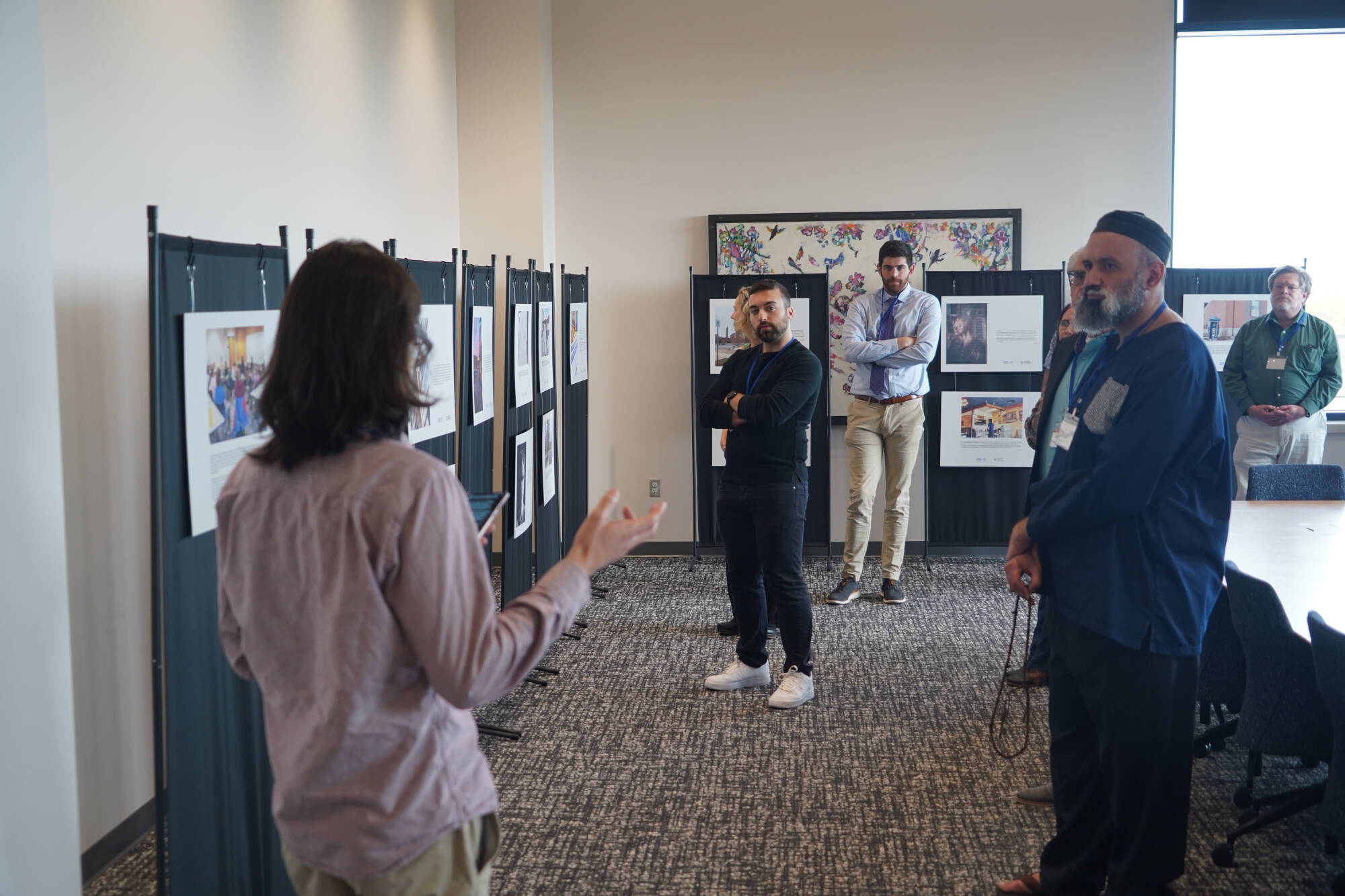
Whether it is working with others in the community to convene a healthy discussion about polarizing issues or organizing celebrations that welcome all and encourage learning through differences, the institute grounds its mission in relationship-building.
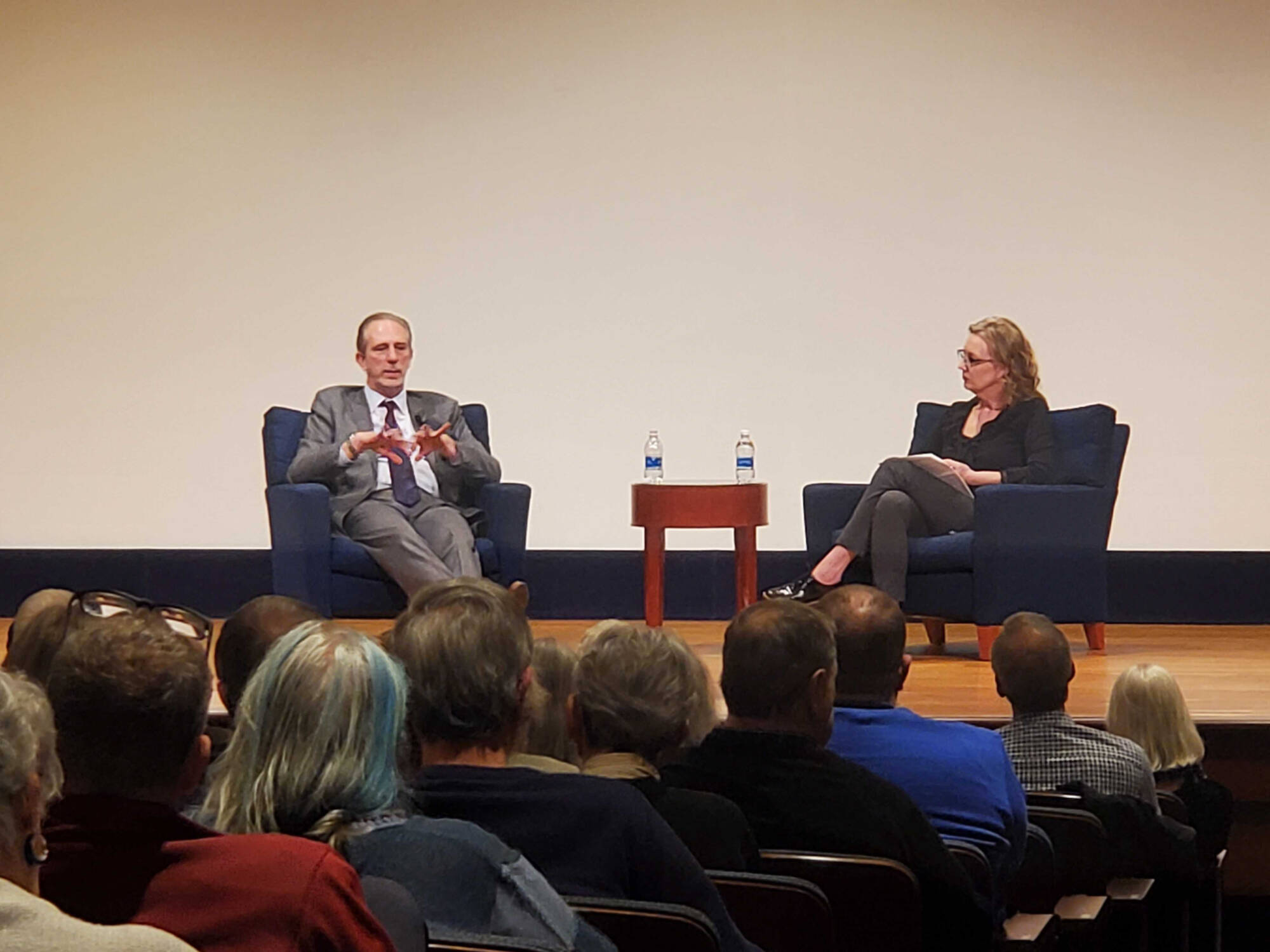

Explore More History