

Faculty Profiles
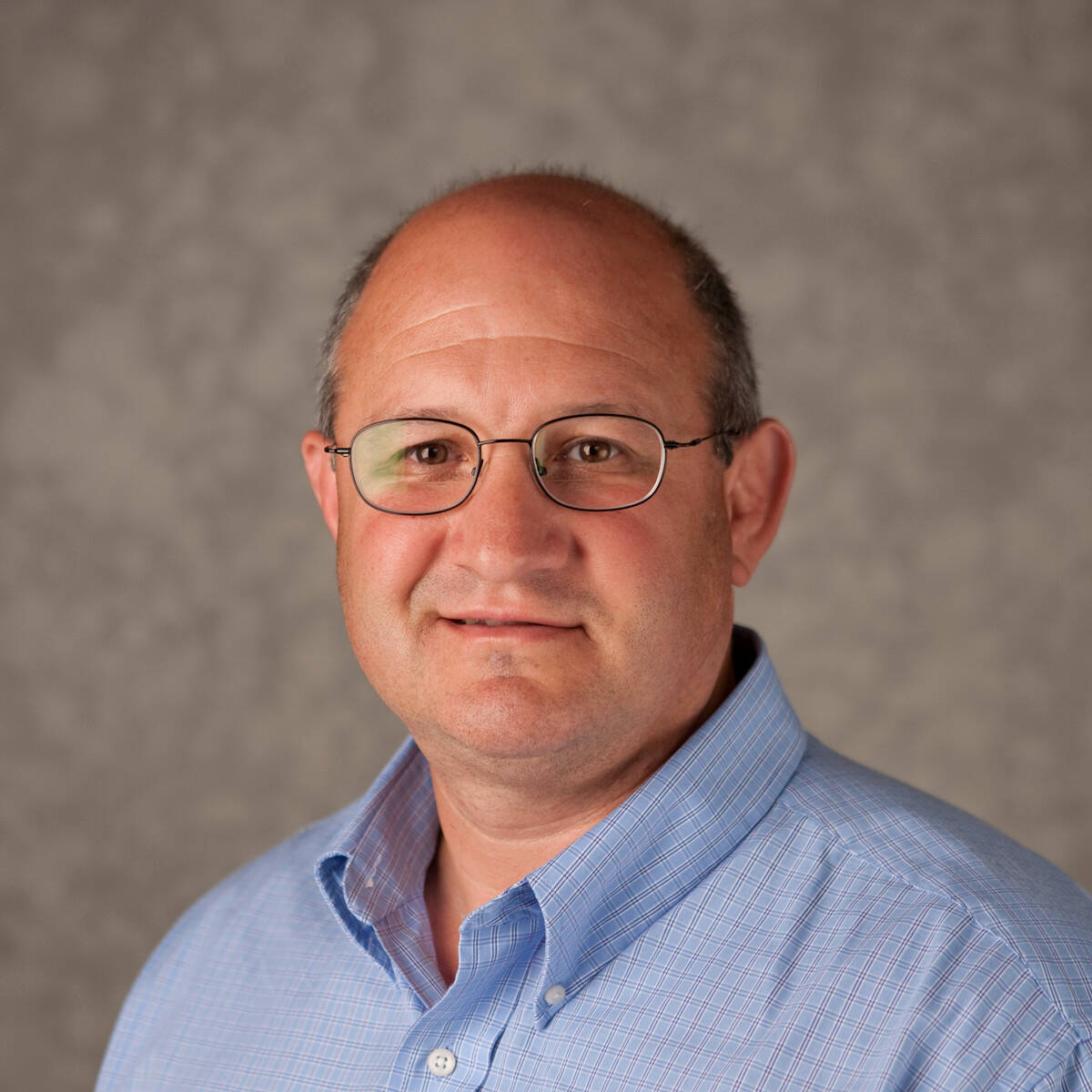

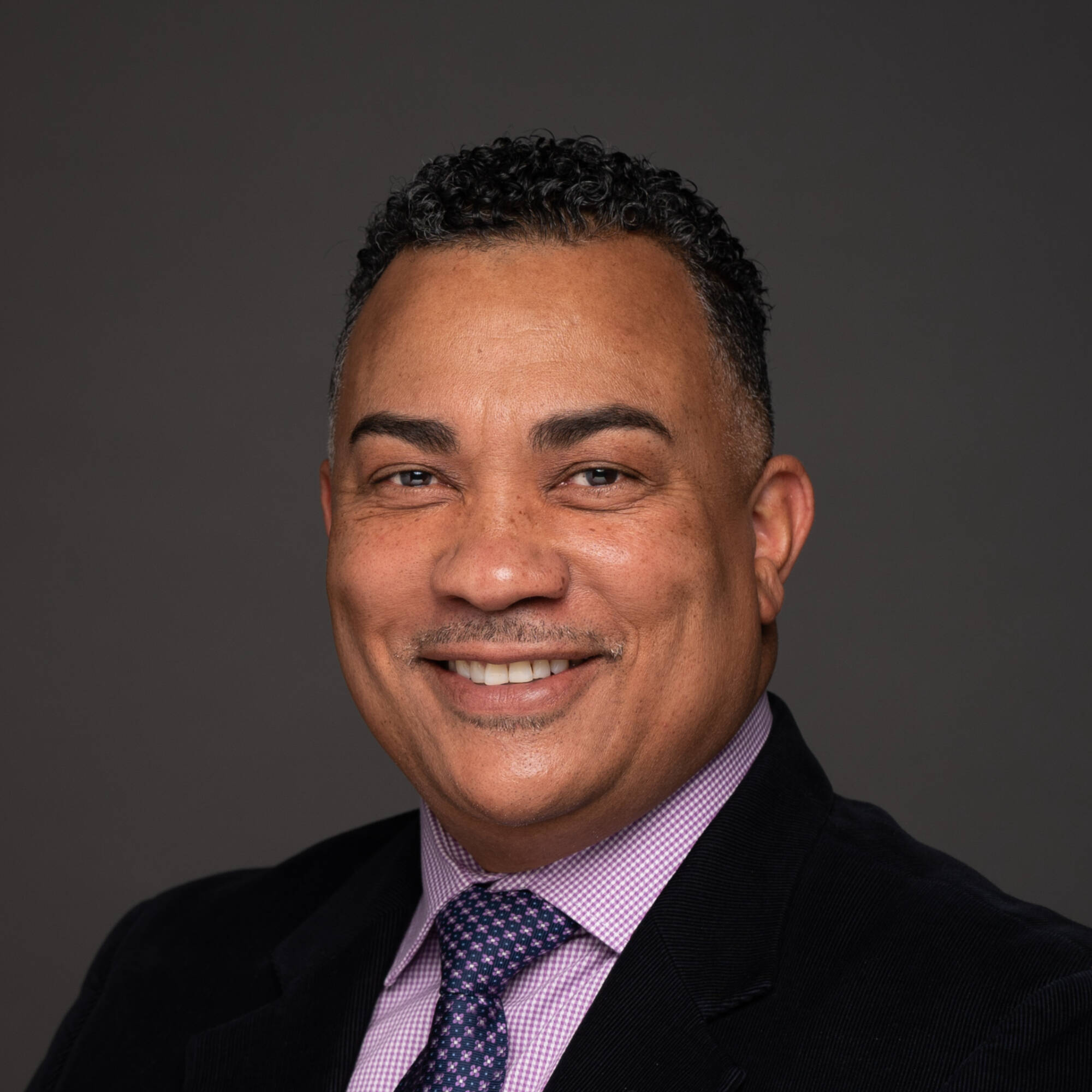
Steeve Buckridge
Professor
About
Dr. Steeve Buckridge joined the Grand Valley State University faculty in 1998. From 2011 to 2018 he served as Inaugural Director of Area and Global Studies, and he currently teaches courses in African and Caribbean History. He is also a faculty member in the African and African American Studies program and Honors Associate faculty in the Frederick Meijer Honors College. His areas of interests are Pre-Colonial and Colonial Africa, British Caribbean and Slavery, Gender and Sexuality, Clothing as Material Culture, Costume and Fashion Studies. His research interests take him to various countries in Africa where he has been studying African customs in dress, textiles, and weaving techniques. He has published and presented numerous papers on dress practices among Caribbean enslaved people.
His scholarship and research are interdisciplinary in nature and reveals the dynamics of race, class, and gender. His book, The Language of Dress: Resistance and Accommodation in Jamaica 1760-1890 was published by the University of the West Indies Press in 2004 and examines African enslaved and freedwomen and their use of fashion and style of dress as a symbol of resistance to slavery and accommodation to white culture in pre-and post-emancipation society. Dr. Buckridge investigates forms and styles of clothing endorsed by colonial ideology and the types of modifications undertaken by enslaved people, especially black women. His latest book, African Lace-bark in the Caribbean: The Construction of Race, Class and Gender released by Bloomsbury Press in 2016 highlights a virtually forgotten textile and examines the role of African women in the production of lace-bark (a form of natural lace), and its centrality to Jamaica’s history and culture. The book is the first to reveal the hidden lives of the black women who created the complex chain from living plant to clothing, giving agency to those overlooked by botanists and historians. This book was featured in the Commonwealth Canopy exhibition at Buckingham Palace hosted by HM Queen Elizabeth II on November 15, 2016. Lace-bark (from lagetto tree bark) is indigenous to Cuba, Jamaica and Hispaniola. Future projects include, an analysis of Victorian dress in 19th century Jamaica; and Ritual cloth and dress as medium between the living and the dead.
Dr. Buckridge has taught in South Africa and was a Visiting Professor at the University of Cape Coast, Ghana. He has received several research grants and fellowships over the years. He is a recipient of the Ford Foundation Fellowship and was based at the University of the West Indies as a Ford fellow 2002-2003. In January 2014, he was a Visiting Scholar in residence at Yale Center for British Art. He is a recent recipient of the Fulbright Scholars Award, and will be based at the University of Namibia in 2022. His current research investigates the impact of the Namibian genocide on Herero women and the relation between dress and the traumatized body.
Fields
- African History
- Caribbean History and Material Culture
- Costume and Dress
- Gender & Sexuality
Degrees
- Ph.D., Ohio State University, 1998
- M.A. University of Miami, 1993
- B.A. Barry University, 1990

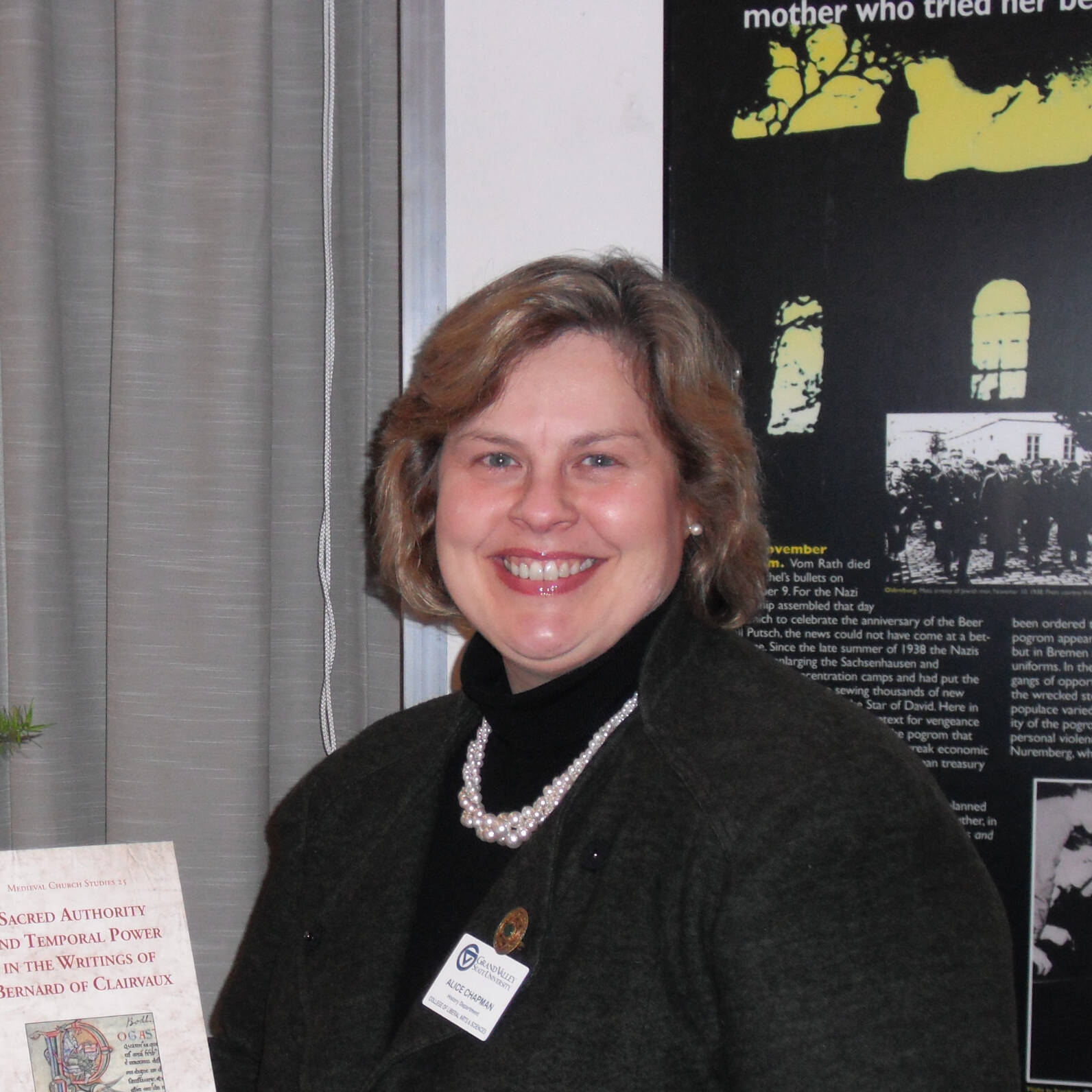
Alice Chapman
Professor
About
Alice Chapman joined the Department of History at Grand Valley State University in 2008. Chapman is now Professor of Medieval History and she teaches a variety of European history courses both in the department and the Meijer Honors College. She is the author of Sacred Authority and Temporal Power in the Writings of Bernard of Clairvaux (Brepols 2013), and she has published articles focusing on the role of the papacy in disputes between ecclesiastical and royal power including, “Disentangling Potestas in the Works of Bernard of Clairvaux,” and “Ideal and Reality: Images of a Bishop in Bernard of Clairvaux’s Advice to Eugenius III (r. 1145-53). She is also working on a larger project focused on the role of Bernard’s texts in the disputes between papacy and temporal power in relation to the development of the two swords theory in the later Middle Ages.
Book
Sacred Authority and Temporal Power in the Writings of Bernard of Clarivaux, Medieval Church Series, 25. Turnhout: Brepols Publishers (October 2013)
Articles
"Ideal and Reality: Images of a Bishop in Bernard of Clairvaux's Advice to Eugenius III (1145-53).” In Envisioning the Bishop Images and the Episcopacy in the Middle Ages Edited by Evan Gatti and Sigrid Danielson. Medieval Church Series 29. Turnhout Brepols Publishers (2014) 331-346.
“Disentangling Potestas in the Works of St Bernard of Clairvaux.” Revista Portuguesa De Filosofia 60 no. 3 (2004): 587–600.
“Authority and Power in the Writings of St Bernard of Clairvaux.” Cîteaux Commentarii Cistercienses 54 no. 3–4 (2003): 209–223.
Fields
- Medieval History
- Intellectual History
- Church & State
Degrees
- Ph.D., University of Cambridge, 2006
- M.A.R., Yale University, 1996
- B.A., Utah State University, 1991
Grace Coolidge
Professor
About
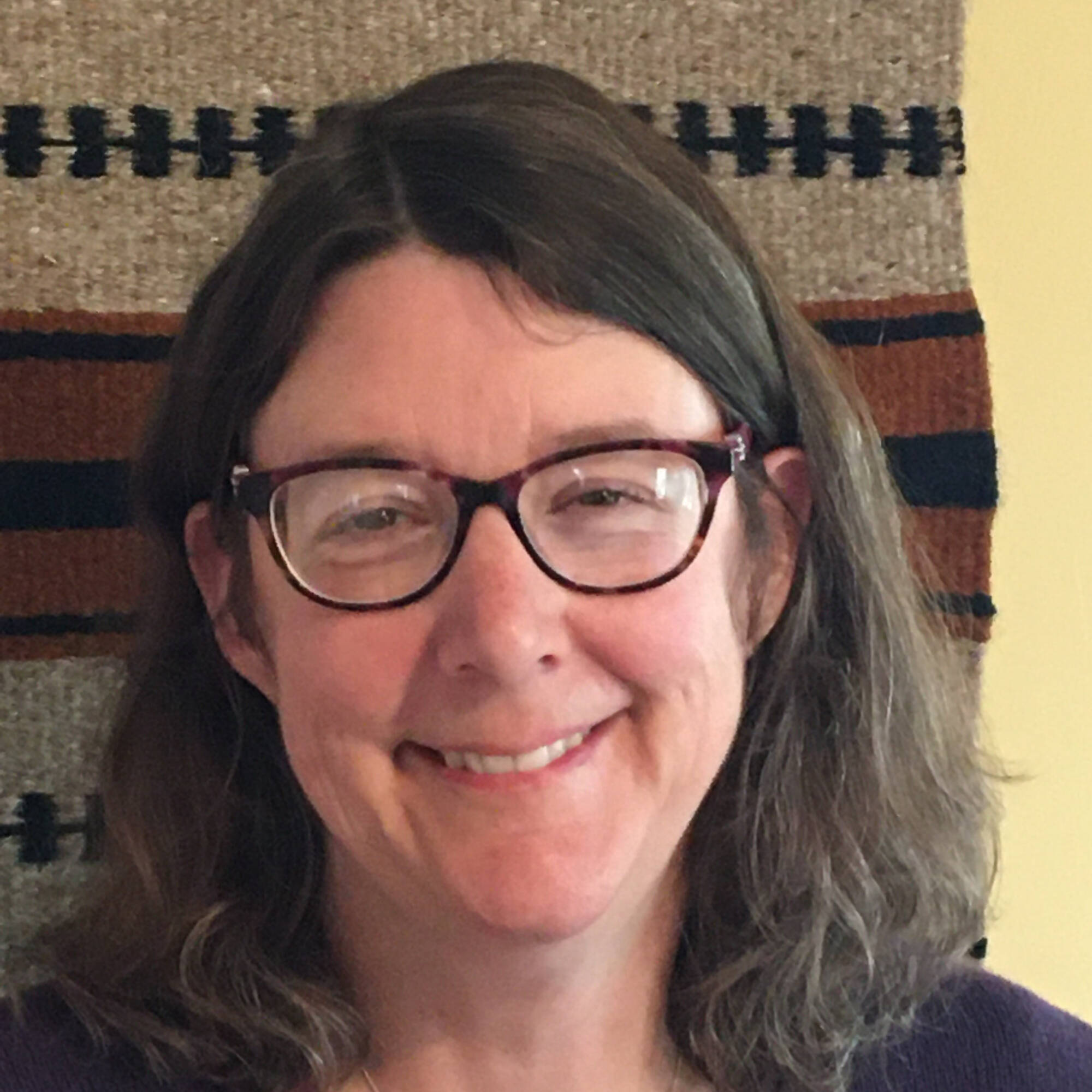
Professor Coolidge studies women, gender, and the family in early modern Spain. She is the author of Guardianship, Gender, and the Nobility in Early Modern Spain (Routledge, 2011) and Sex, Gender, and Illegitimacy in the Castilian Noble Family, 1400-1600 (University of Nebraska Press, 2022). She has also edited a volume titled The Formation of the Child in Early Modern Spain (Routledge, 2014), and is the author of several articles. Her current research focuses on maternity, diversity, and disability in the Castilian noble household.
Professor Coolidge’s book Sex, Gender, and Illegitimacy in the Castilian Noble Family (University of Nebraska Press, 2022) won Honorable Mention for the 2022 Book Award from the Society for the Study of Early Modern Women and Gender.
Prof. Coolidge teaches Renaissance/Reformation Europe (HST 364), History of the Witch Hunts (HST 376), European Women’s History (HST 371), The Scientific Revolution (HST 201), and European Civilizations (HST 102) as well as classes in the Honors College.
Professor Coolidge has also giving a talk to the Meadows Museum in Dallas, TX on October 25, 2023.
Fields
- Early Modern Europe & Spain
- Gender & Sexuality
- European Civilization
Degrees
- Ph.D., Indiana University, 2001
Jason Crouthamel
Professor
About
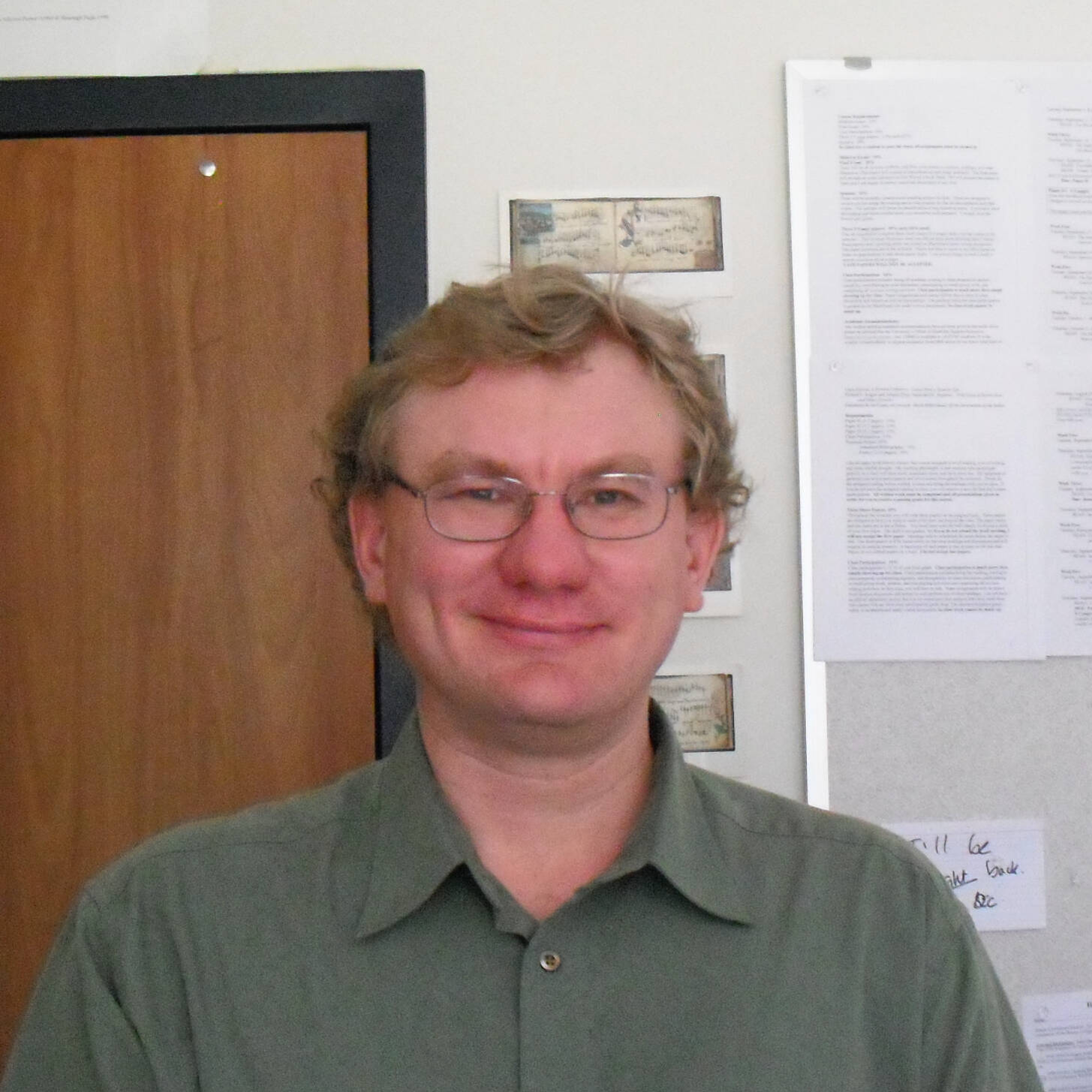
Professor Crouthamel's research focus is on the history of memory, trauma, masculinity and religious experience, and aviation history in Germany during the two world wars.
He has published several books, including Trauma, Religion and Spirituality in Germany during the First World War (Bloomsbury, 2021); An Intimate History of the Front: Masculinity, Sexuality and German Soldiers in the First World War (Palgrave Macmillan, 2014); and The Great War and German Memory: Society, Politics and Psychological Trauma, 1914-1945 (Liverpool University Press, 2009).
He is currently working on a new book monograph titled A Psychological History of Flying Machines: Aviation, Trauma and Emotions in Germany during the First World War.
He has also co-edited several collected volumes, including: with Sarah Parry Myers and Jorden Pitt, A History of the Aviator: Gender, Trauma and Emotions in Military Aviation (University of Toronto Press, forthcoming 2027); with Julia B. Köhne and Peter Leese, Languages of Trauma: History, Memory and Media (University of Toronto Press, 2021), with Michael Geheran, Tim Grady and Julia B. Köhne, Beyond Inclusion and Exclusion: Jews in Central Europe and the First World War (Berghahn Books, 2018), and with Peter Leese) Psychological Trauma and the Legacies of the First World War and Traumatic Memories of the Second World War and After (Palgrave Macmillan, 2016).
Prof. Crouthamel has also published articles and book chapters on trauma, memory, gender history and other topics – please see link to CV.
Course topics taught by Prof. Crouthamel include 20th century Europe (HST 386), Modern Germany (HST 387), the History of Nazi Germany (HST 200), the Holocaust (HST 400), History of Warfare (HST 377), European Civilizations (HST 102), and other courses. He is also available for independent study and senior thesis courses on modern European history, gender and war, history of memory, history of Nazi Germany and the Holocaust and other related topics.
Fields
- Modern Europe & Germany
- Memory, Trauma
- Gender
- Religion
Degrees
- Ph.D., Indiana University, 2001
Matthew Daley
Professor

About
I am a historian of the modern United States, with a particular emphasis on the Gilded Age to Great Depression (1865-1940) in the fields of urban, Michigan, Great Lakes, industrial/historical archaeology, and public history.
As a teacher I have a particular interest in experiential, place and game-based learning emphasizing student research and collaboration with community partners.
Outside of the department I teach within the Archaeology Minor.
As a public historian my experience includes exhibit design, historic preservation, digital design, and organizational administration. As the former University Archivist for the University of Detroit Mercy, archival administration and methods also form a key component of my work. I am also engaged within community history through service on local, regional, and international boards for historical organizations.
My research engages public policy and community history in Michigan, the Great Lakes, and the Midwest more generally. Detroit and Grand Rapids, particularly on the subject of housing and infrastructure, are the focus of my work as an urban historian. The impact of industrial firms in the creation of affordable housing, company towns, and role played by race, class, and labor on these areas are of particular interest.
Fields
- Michigan History
- Great Lakes History
- Urban History
- Public History
Degrees
- Ph.D., History, Bowling Green State University, 2004
- M.A., History, Wayne State University, 2000
- B.A. History, University of Detroit Mercy, 1997
David Eaton
Associate Professor
About
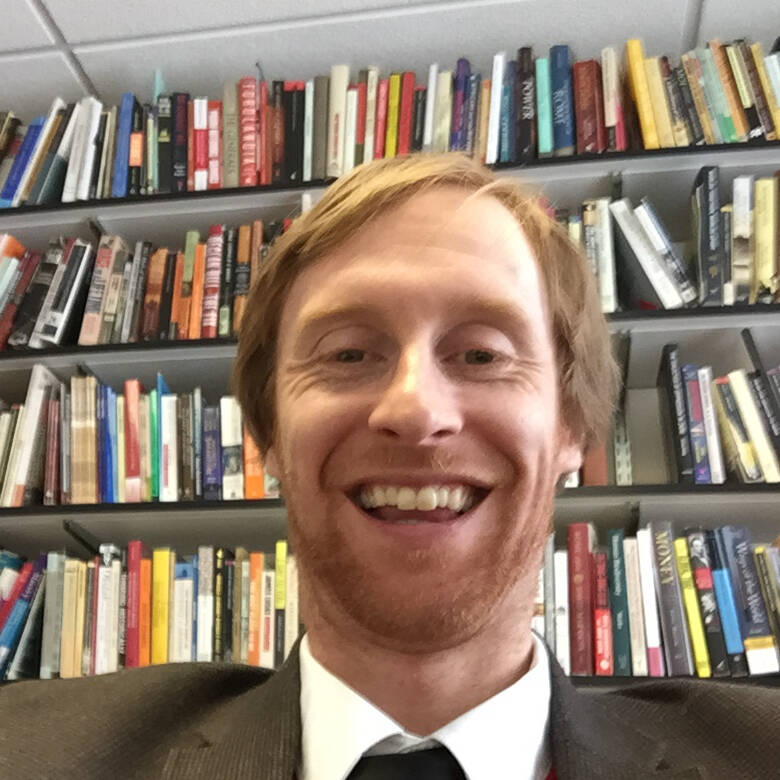
Dave Eaton is an Associate Professor of World and African history at Grand Valley State University. He received his PhD from Dalhousie University in 2008, and co-hosts “On Top of the World: A World History Podcast.” His doctoral research focused on the history of cattle raiding along the Kenya-Uganda border, and he has published articles in several journals including Nomadic Peoples, World History Connected, and African Affairs.
Fields
- World & African History
Degrees
- Ph.D., Dalhousie University, 2008
Abigail Gautreau
Associate Professor
About
About
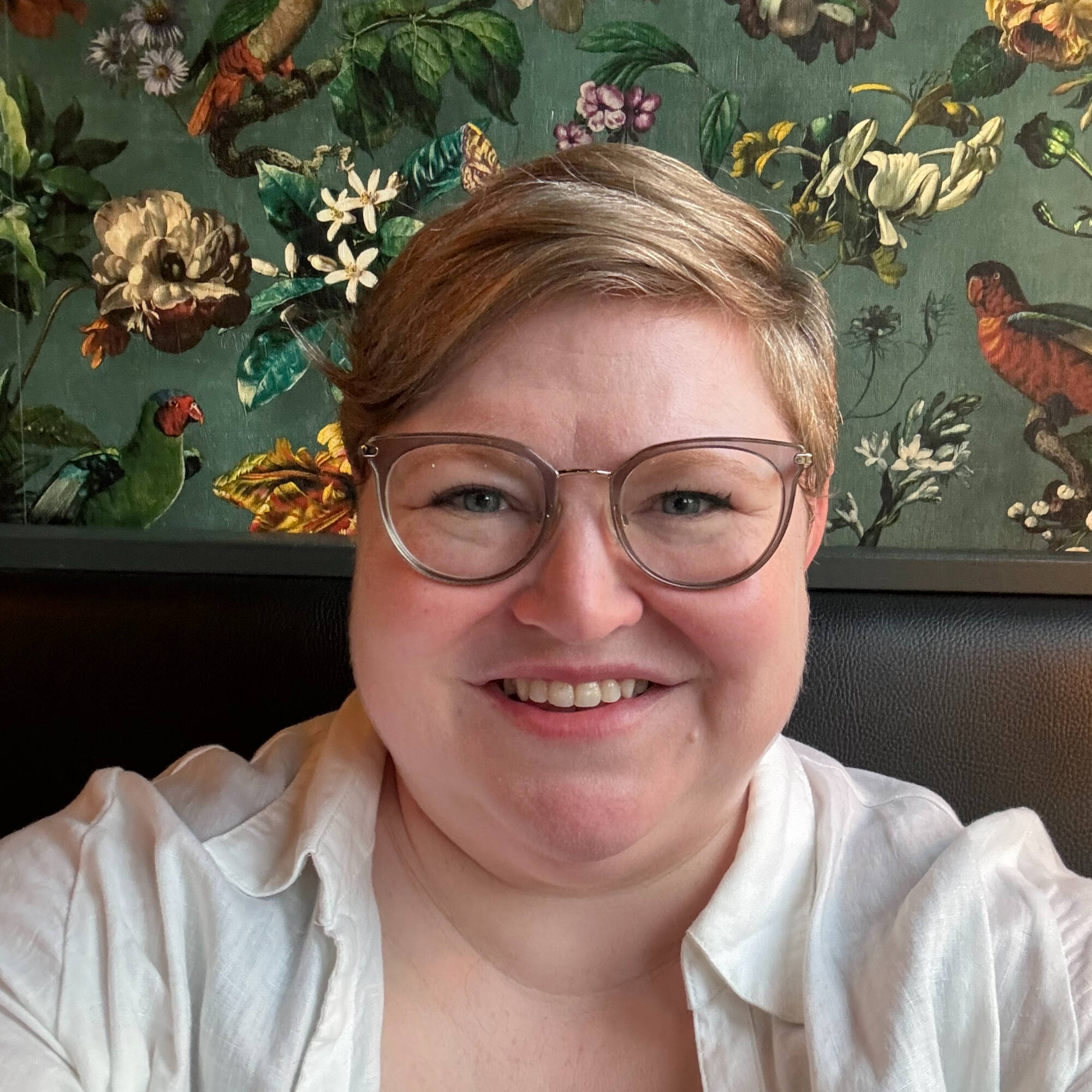
I am a public historian, which means that rather than specializing in a time period or geographic area, my training and interest are in a particular methodology/way of doing history. Public history takes a “big tent” approach to definitions, and public historians can include anyone from museum workers to archivists to interpreters at National Parks and many others. My practice focuses on historic preservation and community-driven project work. The National Council on Public History has a great explainer if you want to learn more about public history!
In addition to teaching Public History and Museum Studies, I teach a lot of “how to be a historian” classes like The Historian’s Craft and Senior Seminar, as well as surveys. I enjoy helping students develop their research and writing skills through hands-on projects, and I also enjoy incorporating game-based learning wherever I can.
When I’m not working, I enjoy board and video games, reading fiction, horseback riding, and (of course!) visiting historic sites and museums.
Fields
- Public History & Historic Preservation
- Oral History
- Digital History
- The Black Freedom Struggle
- South Africa
Degrees
- Ph.D. in Public History, Middle Tennessee State University (2015)
- M.St. in History, University of Oxford (2008)
- B.A. in History, Randolph-Macon Woman's College (2006)
Michael Huner
Associate Professor
About
Stuff I've published, good to read:
The Book:
Chapters and Articles: "
“How Pedro Quiñonez Lost His Soul: Suicide, Routine Violence, and State Formation in Nineteenth-century Paraguay,” Journal of Social History, Fall 2019 (electronic publication)doi:10.1093/jsh/shz044
“Cantando la república: la movilización escrita del habla popular en las trincheras del Paraguay, 1867-1868,” Paginas de guarda, Buenos Aires, n. 4 (November 2007), 115-34.
“Saving Republics: General Martin Thomas McMahon, the Paraguayan War, and the Fate of the Americas,” Irish Migration Studies in Latin America, 7:3 (March 2010).
“El suicidio y el estado bajo los López,” Actas de la III Jornadas Internacionales sobre la Historía del Paraguay, (Asunción: 2014), 107-115.
Courses I teach:
- HST 495: Global Borderlands
- HST 331: Modern Latin America
- HST 374: Revolutions in the Americas
- HST 230: Latin America in World History
- HST 200: Writing History
- HST 101: Introduction to World Civilizations
- LAS 210: Introduction to Latin American Studies
Some papers I've given:
"Desertores militares paraguayos de la época de la Guerra Grande: de súbditos pasajeros a bandoleros," LA GUERRA GRANDE A LA LUZ DE LAS POLÍTICAS PÚBLICAS: INVESTIGADORES, ARTISTAS Y GESTORES CULTURALES (Invited), Asuncion, Paraguay, August 2016
“How Pedro Quiñonez Lost His Soul: Suicide, Routine Violence, and State (Un-Re) Formation in Nineteenth-Century Paraguay,” Reframing Latin America’s Nineteenth Century. Conference at Yale University (Invited), February 2015.
“Farce and Power in Republican Paraguay: López-era Congresses and Elections and the 2012 Parliamentary Coup,” Conference on Latin American History, American Historical Association Annual Meeting, January 2014.
Languages I know:
Spanish, Guarani, Portuguese, a little French, and a lot of English.
Fields
- Modern Latin America
- World History
- 19th & 20th Century
- State Formation
Degrees
- 2011: Ph.D., Latin American History, University of North Carolina at Chapel Hill
- Dissertation: “Sacred Cause, Divine Republic: A History of Nationhood, Religion, and War in Nineteenth-Century Paraguay, 1850-70.”
- 2004: M.A., Latin American History, University of North Carolina at Chapel Hill
- 2000: B.A., History with Honors, Valparaiso University
Yue Liang
Assistant Professor
About
About
Yue Liang studies hydraulic technologies, public health, disaster diplomacy, and disaster memory in modern China. She teaches courses on the history of science, technology, and medicine; global environmental history; and films of historical disasters. She has published articles in Twentieth-Century China and The British Journal for the History of Science. Most recently, she is preparing her first book on the 1954 Yangtze River Flood. Her future research interests include multispecies history, with a particular focus on mosquito fish.
Fields
- Environmental (Disaster) History
- Science, Technology, & Medicine
- Modern East Asia
Degrees
- Ph.D., State University of New York at Binghamton, 2024.
Chad Lingwood
Professor
About
Professor Lingwood teaches courses on Islamic civilization, Islamic imperial history, and modern Iran. His approach to classroom instruction emphasizes student analysis of primary source materials, which, in turn, facilitates interactive lectures and student-driven discussions. Professor Lingwood's research explores the intersection of politics and religion, specifically Islamic mysticism (Sufism), in late-medieval and early-modern Iran, especially as it is reflected in classical Persian literature. His most recent publications include:
Book-length monograph:
Politics, Poetry, and Sufism in Medieval Iran: New Perspectives on Jami's Salaman va Absal. Leiden: Brill, 2014.
Peer-reviewed journal articles:
“Kamāl al-Dīn Banā‘ī’s Bahrām va Bihrūz: A Persian Romance qua Mirror for Princes in Light of Aq Qoyunlu History,” Middle Eastern Literatures 24, no. 3 (2023): 209-27.
“A Parvānchī Turned Poet Dilettante: History and the Persian Ghazals of Āq Qoyūnlū Statesman Najm al-Dīn Mas‘ūd Sāvajī (d. ca. 898/1493),” International Journal of Persian Literature 5, (2020): 63-84.
"'The Qibla of Jami is None Other Than Tabriz': 'Abd al-Rahman Jami and Naqshbandi Sufism at the Aq Qoyunlu Royal Court," Journal of Persianate Studies 4, no. 2 (2011): 233-45.
"Jami's Salaman va Absal: Political Statements and Mystical Advice Addressed to the Aq Qoyunlu Court of Sultan Ya'qub (d. 896/1490)," Iranian Studies 44, no. 2 (2011): 175-91.
Peer-reviewed article in edited volume:
"Trading Pearls for Beads: Jami's Qasidas in Praise of Sultan Ya'qub and Their Significance to Aq Quyunlu History," in Jami in Regional Contexts: The Reception of 'Abd al-Rahman Jami's Works in the Islamicate World, ca. 9th/15th–14th/20th Century, ed. Thibaut d'Hubert and Alexandre Papas. Leiden: Brill, 2018.
Fields
- Middle East
- Islamic Civilization
- Iran
- Persian Literature
Degrees
- Ph.D., University of Toronto, 2009
Paul Murphy
Professor
About
Professor Murphy teaches courses in U.S. history, with an emphasis in American intellectual, cultural, and political history. He studies early twentieth-century American social and political thought. His most recent book, The Dividing of the American Mind: Humanism and Intellectual Life in the Early Twentieth Century (University of Pennsylvania Press, 2027) examines efforts by humanist thinkers (conservative New Humanists and liberal religious humanists) to articulate a set of values that would unify Americans in a secular age. He has written The New Era: American Thought and Culture in the 1920s (Rowman & Littlefield, 2012), a volume in Rowman & Littlefield's "American Thought & Culture" series edited by Howard Brick and Lewis Perry, and The Rebuke of History: The Southern Agrarians and American Conservative Thought (University of North Carolina, 2001). He is currently working on a study of the reception of historicism in America and the role of James Harvey Robinson in the emergence of the field of intellectual history. His essay “The Last Progressive Historian: Warren Susman and American Cultural History” appeared in Modern Intellectual History in November 2017. Professor Murphy is a founding member and past president of the Society for U.S. Intellectual History (S-USIH).
Fields
- 20th Century,
- Intellectual & Cultural History
Degrees
- Ph.D., Indiana University, 1996
- M.A., Indiana University, 1991
- B.A., Hanover College, 1988
Nora Salas
Associate Professor
About
Nora Salas teaches courses in U.S. History, especially those focused on Women’s history and Latinx history. She emphasizes active learning and student research in her courses. Her initial academic research examined the intersections of political thought, class, region, and gender on the Chicano Movement in Michigan. Currently Professor Salas is working on a comparative study of Mexican and Cuban immigrants residing in Michigan before 1920. This project examines the racialization of these groups in smaller cities and rural areas outside of Wayne County. In addition to her role as an Associate Professor, Dr. Salas has been the Director of the Kutsche Office of Local History since 2021.
Selected Publications:
Salas, Nora. “Pablo’s Problem’: Michigan Chicano Movement Anti-Colonialism and the Farm Bureau’s Peasant Menace, 1962-1972.” Michigan Historical Review 45, no. 2 (Fall 2019): 1-38.
Salas, Nora. “We are a Distinct People,” Defending Difference in Schools through the Chicano Movement in Michigan, 1966-1980.” In The Chicano Movement: Perspectives from the Twenty-First Century, edited by Mario T. Garcia. New York: Routledge, 2014.
Fields
- Latino/Latina
- U.S. Women
- Social Movements
- 20th Century U.S.
- Agriculture
- Anti-Colonialism
Degrees
- Ph.D., M.S.W., Michigan State University
- B.A., University of Michigan
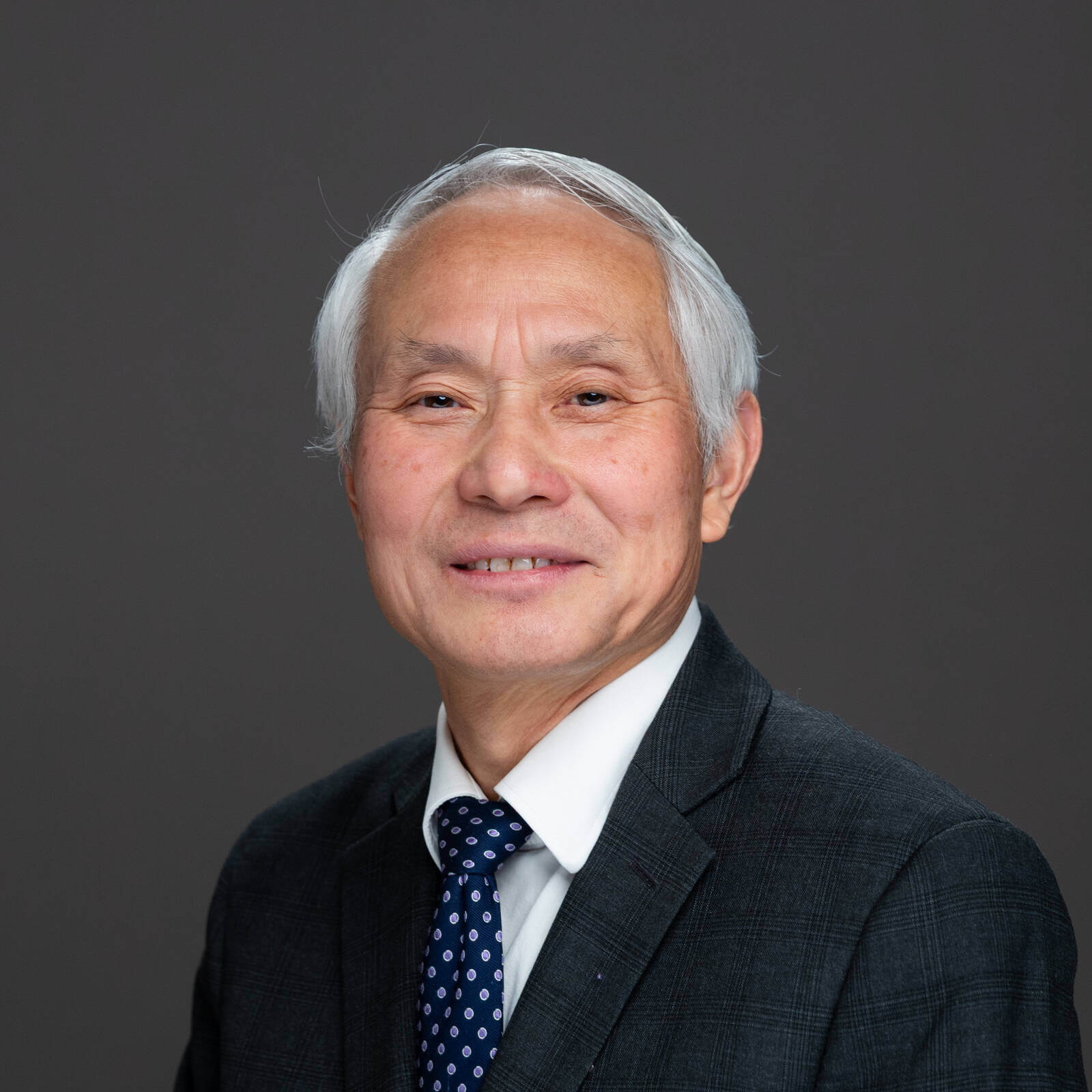
Carolyn Shapiro-Shapin
Professor
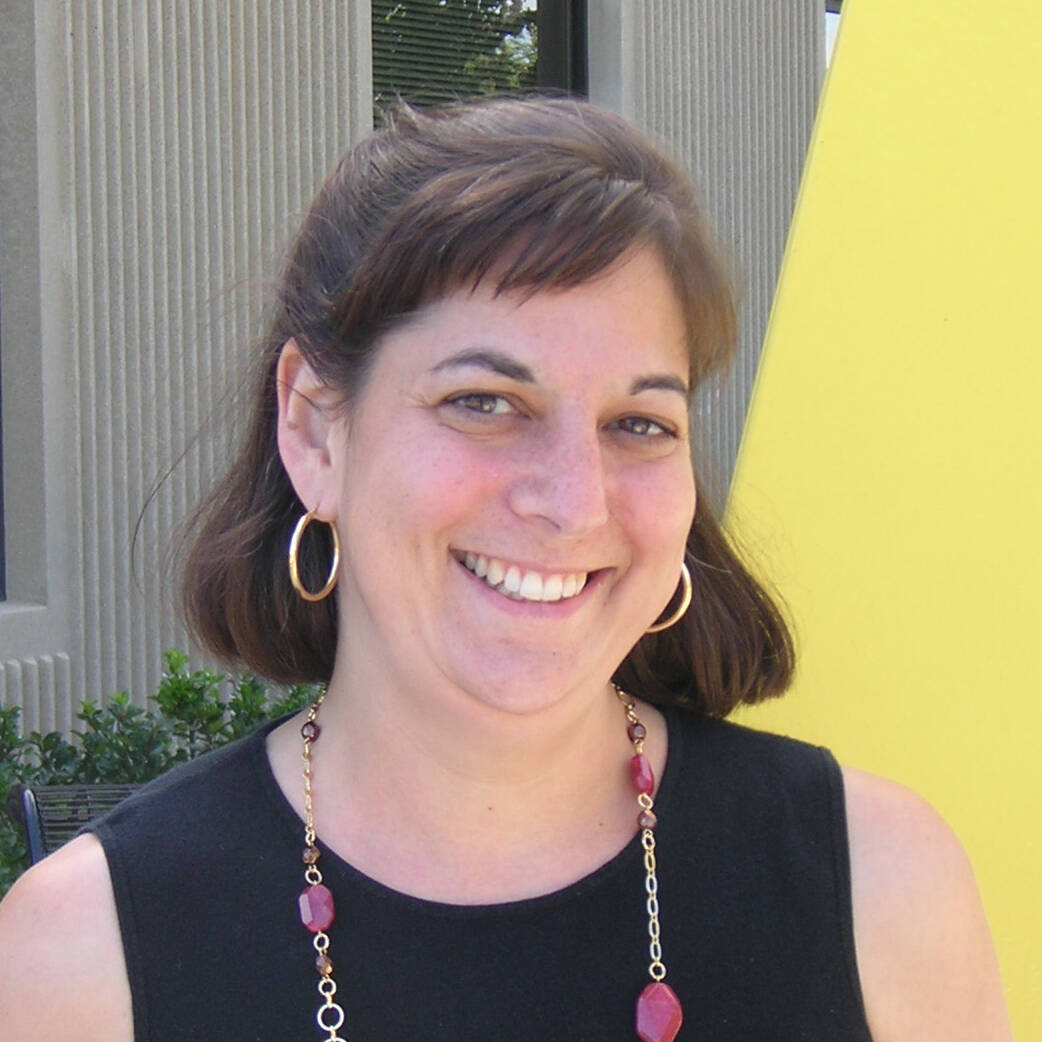
About
Awards:
2014 Outstanding Faculty Award, Oliver Wilson Freshman Academy Program
2009 Recipient of the Inspirational Historian of the Year Award
2007 Best Practices for US History Course, College Board Advanced Placement® Best Practices Study, 2006-2007.
Research Interests:
My current research focuses on the development and standardization of water analysis techniques in Europe and the Americas during the nineteenth and twentieth centuries.
Publications:
"Venetian Gondolas on the Illinois River: Water Analysis and the Cultivation of Progressivism in the River Cities, 1865-1910." Water History/Springer 11, no. 3 (2019): 153-184.
""In the Course of Routine Analysis": Re-envisioning Research in State Departments of Health, 1920-1940." Journal of the History of Medicine and Allied Sciences 70, no. 3 (2015): 333-364.
"Pearl Kendrick, Grace Eldering, and the Pertussis Vaccine," Emerging Infectious Diseases,16:8 (2010): 1273-1278.
""A Whole Community Working Together": Pearl Kendrick, Grace Eldering and the Grand Rapids Pertussis Trials, 1932-1939," Michigan Historical Review, 33:1 (Spring 2007): 59-85.
“Building Cognitive Assemblies: An Exercise in Course Design.” The National Teaching and Learning Forum 17, no. 5 (2008): 5-6.
"Filtering the City's Image: Progressivism, Local Control, and the St. Louis Water Supply, 1890-1906," Journal of the History of Medicine and Allied Sciences, 54 (July 1999): 387-412.
"'A Really Excellent Scientific Contribution': Scientific Creativity, Scientific Professionalism, and the Chicago Drainage Case, 1900-1906," Bulletin of the History of Medicine, 71 (Fall 1997): 385-411.
""Napoleon and the Nineteenth-Century Concept of Force"." Journal of Strategic Studies, 11, no. December 1988 (1988): 120-130.
Fields
- History of Medicine & Health
- History of Science
- American History
Degrees
- Ph.D., Yale University, 1993 History of Medicine and Science
- M.A., Yale University, 1989 History
- B.A., Adelphi University, 1987 History
Tamara Shreiner
Associate Professor
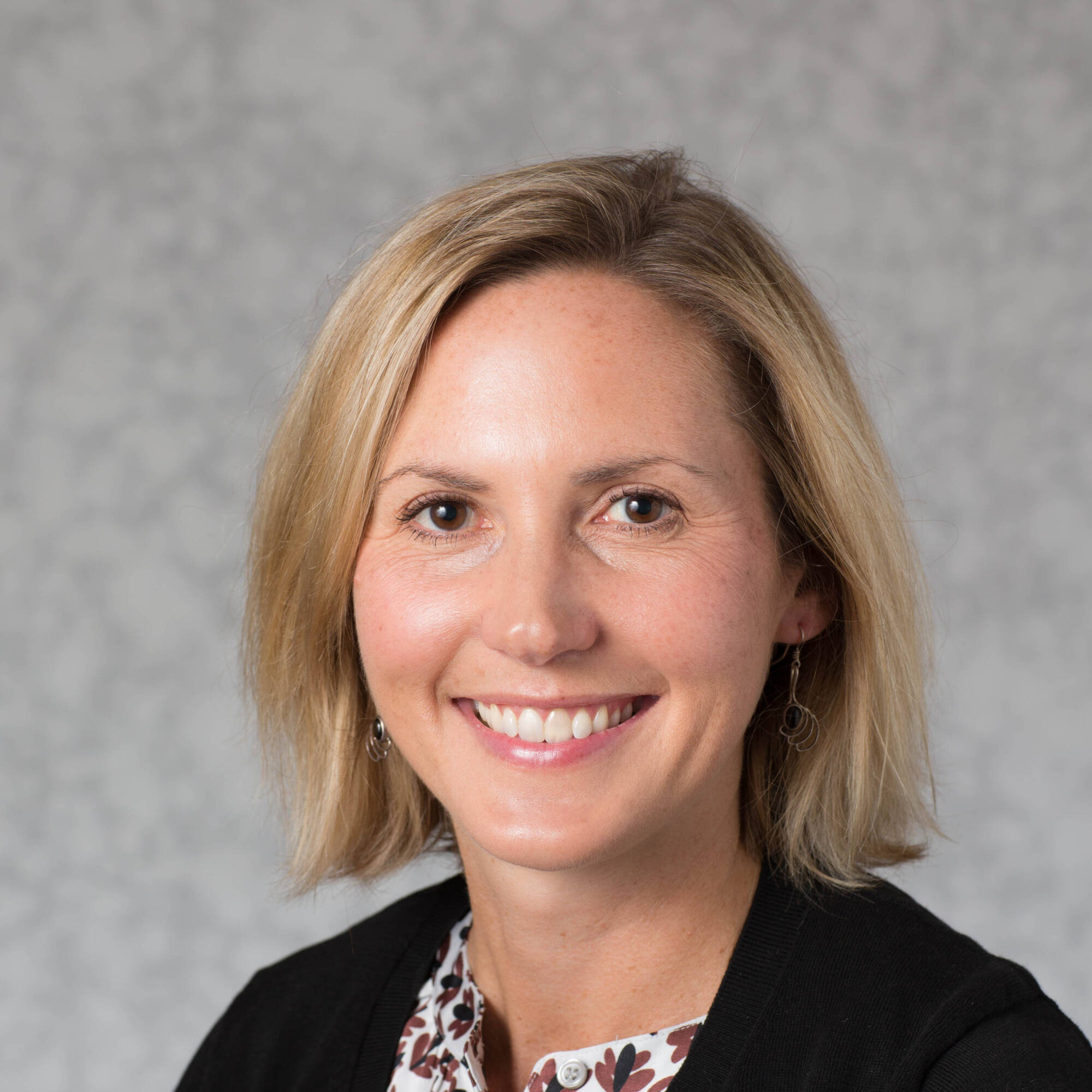
About
Research Interests:
My research focuses on disciplinary literacy in history with an emphasis on data literacy. I study how historians, social studies teachers, and students analyze and reason with data visualizations such as maps, graphs, and timelines, and how such reasoning supports historical thinking and civic engagement.
Selected Publications:
Shreiner, T. L. (2024). Teaching Data Literacy in Social Studies: Principles and Practices to Support Historical Thinking and Civic Engagement. Teachers College Press.
Shreiner, T. L. (2023). Teaching Data Literacy for Civic Competence: The Social Studies Teacher's Crucial Role. Social Education, 87(4), 262-269.
Shreiner, T. L. (2023). Uncovering the Discipline-Specific Value of Data Visualizations in World Historical Writing. World History Connected, 20(1). https://doi.org/10.13021/whc.v20i1.3523
Shreiner, T. L., & Guzdial, M. (2022). The information won't just sink in: Helping teachers provide technology‐assisted data literacy instruction in social studies. British Journal of Educational Technology, 53(5), 1134-1158. https://doi.org/10.1111/bjet.13255
Shreiner, T.L. & Dykes, B.M. (2021) Visualizing the teaching of data visualizations in social studies: A study of teachers’ data literacy practices, beliefs, and knowledge, Theory & Research in Social Education, 49:2, 262-306, DOI: 10.1080/00933104.2020.1850382
Shreiner, T. L. (2020). Building a data-literate citizenry: How U.S. state standards address data and data visualizations in social studies. Information and Learning Sciences, 121(11/12), 909-931. https://doi.org/https://doi.org/10.1108/ILS-03-2020-0054
Shreiner, T.L. & Zwart, D. (2020). It’s just different: Identifying features of disciplinary literacy unique to world history. The History Teacher, 53(3).
Shreiner, T. L. (2020). Turning on the historian’s macroscope: A call to foreground the teaching and learning of data visualizations in world history education. World History Connected, 17(1). Retrieved from https://worldhistoryconnected.press.uillinois.edu/17.1/shreiner.html
Shreiner, T.L. (2019). Students’ use of data visualizations in historical reasoning: A think-aloud investigation with elementary, middle, and high school students. The Journal of Social Studies Research, 43(4), 389-404.
Shreiner, T. L. (2018). Data literacy for social studies: Examining the role of data visualizations in K-12 textbooks. Theory & Research in Social Education, 46(2), 194-231.
cember 1988 (1988): 120-130.
Fields
- Social Studies Education
- Meseum Education
Degrees
- Ph.D., M.A., University of Michigan
- Graduate Certificate in Museum Studies, University of Michigan
- B.S., Eastern Michigan University
Scott Stabler
Professor

About
Research Interests:
My research interests center broadly on mid-nineteenth-century American history, particularly the Civil War and Reconstruction eras. I am currently working on a biography of Oliver Otis Howard. In addition, I am collaborating with a colleague and two former Grand Valley State University students on a student-friendly biography of Harriet Beecher Stowe. Several of my publications, listed below, have also been co-authored with GVSU students.
Selected Publications:
“Reconstruction’s Accomplishment: Black Education and the Rise of the Civil Rights Movement” with Justin Sheldon and Timothy J. McKeeby in Teaching Emancipation and Reconstruction, 1861–1876, edited by Matthew R. Campbell (New York: Peter Lang Publishers, 2025), 153-171, https://www.peterlang.com/document/1478150#
“The Odd Couple: William T. Sherman, O.O. Howard, Loyalty, Soldiery, and the Freedpeople” with Eleanor Gleason cover article in The Journal of America’s Military Past, 46: 1 (Winter 2021), 5-24.
“Slave to Soldier: United States Colored Troops in the West During the Civil War,” with Martin J. Hershock, in Critical Race Studies Across Disciplines: Resisting Racism through Scholactivism, Jonathan Langston Chism, Stacie
Craft DeFreitas, Vida Robertson, and David Ryden, editors (New York: Lexington Books, 2021), 51-75.
“‘Standing on the Banks’: African American Troops in the Vicksburg Campaign” with Martin J. Hershock in Vicksburg Besieged, edited by Steven E. Woodworth and Charles D. Grear, published by Southern Illinois University Press (June 2020), 27-48.
“Two Paths to Peace: Oliver Otis Howard, Negotiator to Cochise and Joseph,” Cover article for Military History of the West v. 47 (Fall 2018), pp.1-23.
“’The World’s Greatest Minstrel Show Under the Stars’: Blackface Minstrels, Community
Identity, and the Lowell Showboat, 1932-1977,” with Matthew Lawrence Daley for the Michigan Historical Review 44: 2 (Fall 2018), pp. 1-35.
“’No More Auction Block for Me’: The Fight for Freedom by the United States Colored Troops at the Battle of Nashville” with Danette Turner in the Tennessee Campaign of 1864: Spring Hill, Franklin, and Nashville, Steven E. Woodworth and Charles D. Grear, eds., published by Southern Illinois University Press (January 2016).
“Atlantic Slavery: Lost in Trans-lation” with Mary Owusu for the African Journal of Teacher Education 3: 2 (Summer 2013), pp. 2-22. http://gir.uoguelph.ca/index.php/ajote/article/view/2180
“Nuanced History: Westward Expansion in the Context of the Civil War and After” with Abilyn Janke, comprehensive contextual multipart lesson plan for the Journal of the West 51: 3 (Summer 2012) pp. 66-81.
Fields
- Social Studies Education
- Civil War
- U.S. West
Degrees
- Ph.D., Arizona State University, 2005
- M.A., University of Houston, 1999
- B.A., Baylor University, 1989

Ian Van Dyke
Associate Professor
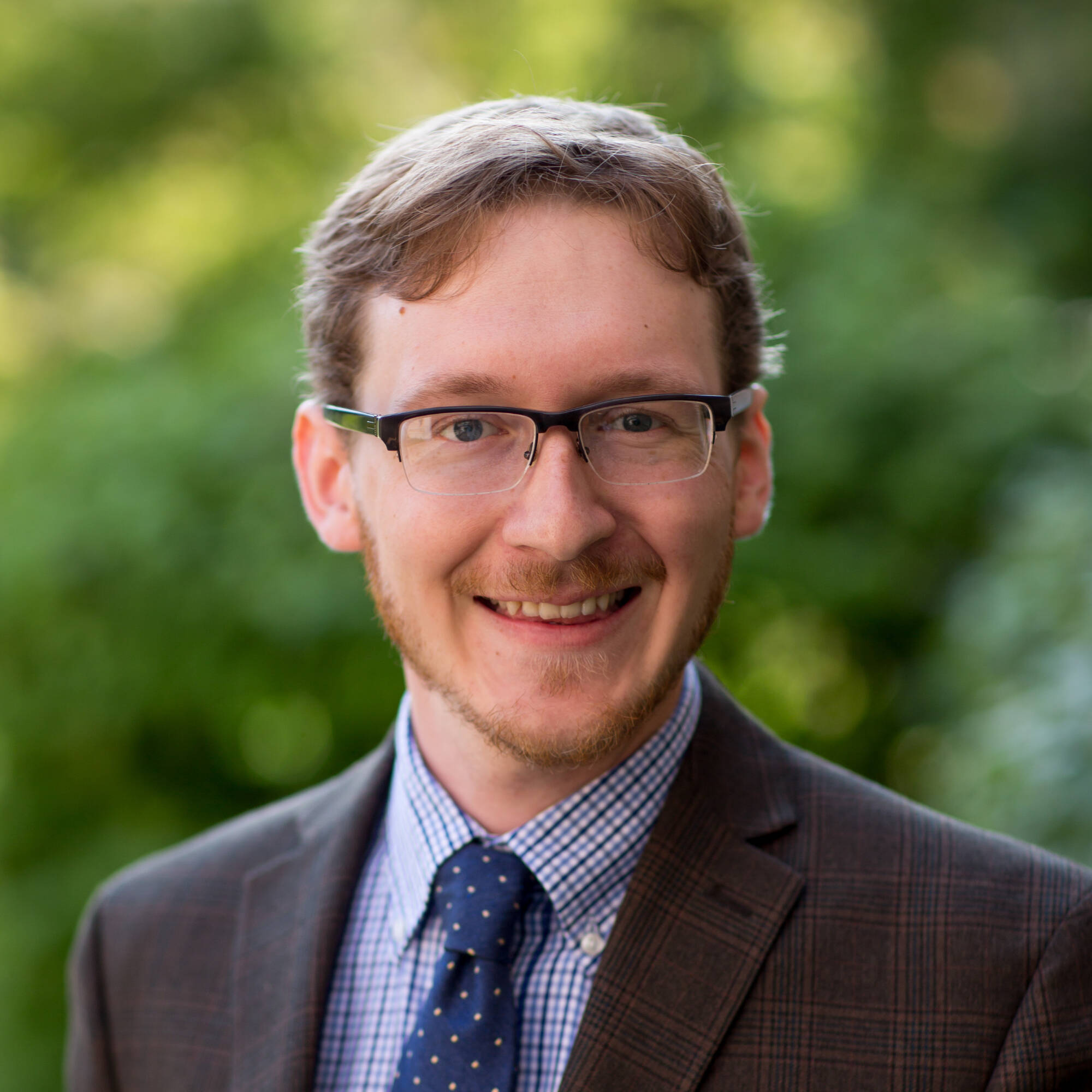
About
Ian Van Dyke is a historian of religion and politics in the twentieth century. His research focuses on evangelical Christian missionaries working in the Global South whose radical critiques of capitalism, militarism, and Cold War imperialism ran counter to the politics of the American religious right. His co-edited volume, The Routledge History of Evangelical Christianity in America, was published in 2026. Since joining the GVSU History Department as a visiting faculty member in 2022, Van Dyke has taught courses on U.S. and global history, the history of religion, and the history of U.S. foreign affairs. He also advises the Grand Valley Journal of History.
Fields
- 20th Century History of Religion & Politics
Degrees
- Ph.D., University of Notre Dame
- M.A., Ohio University
- B.A., Gannon University
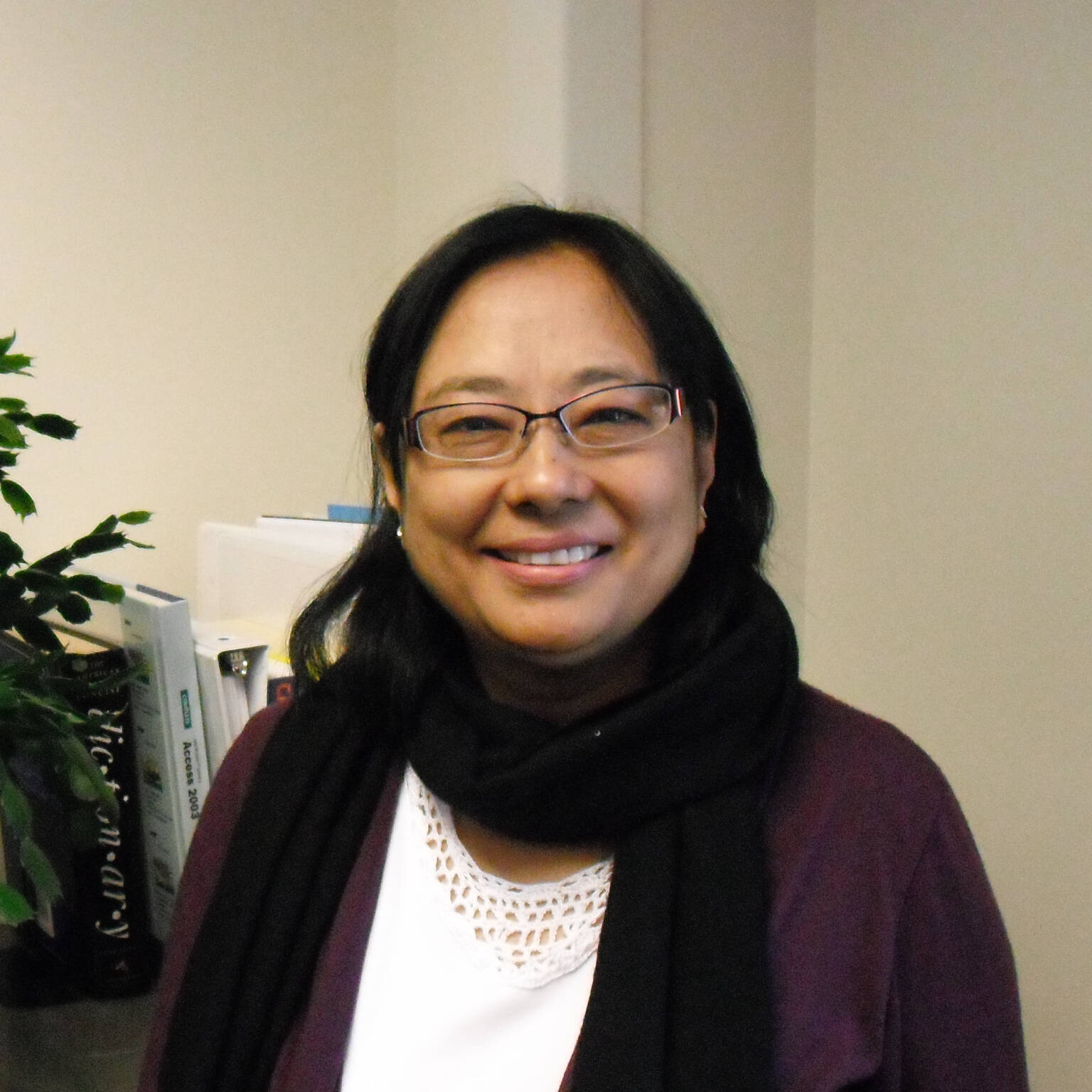
Michael White
Assistant Professor
About
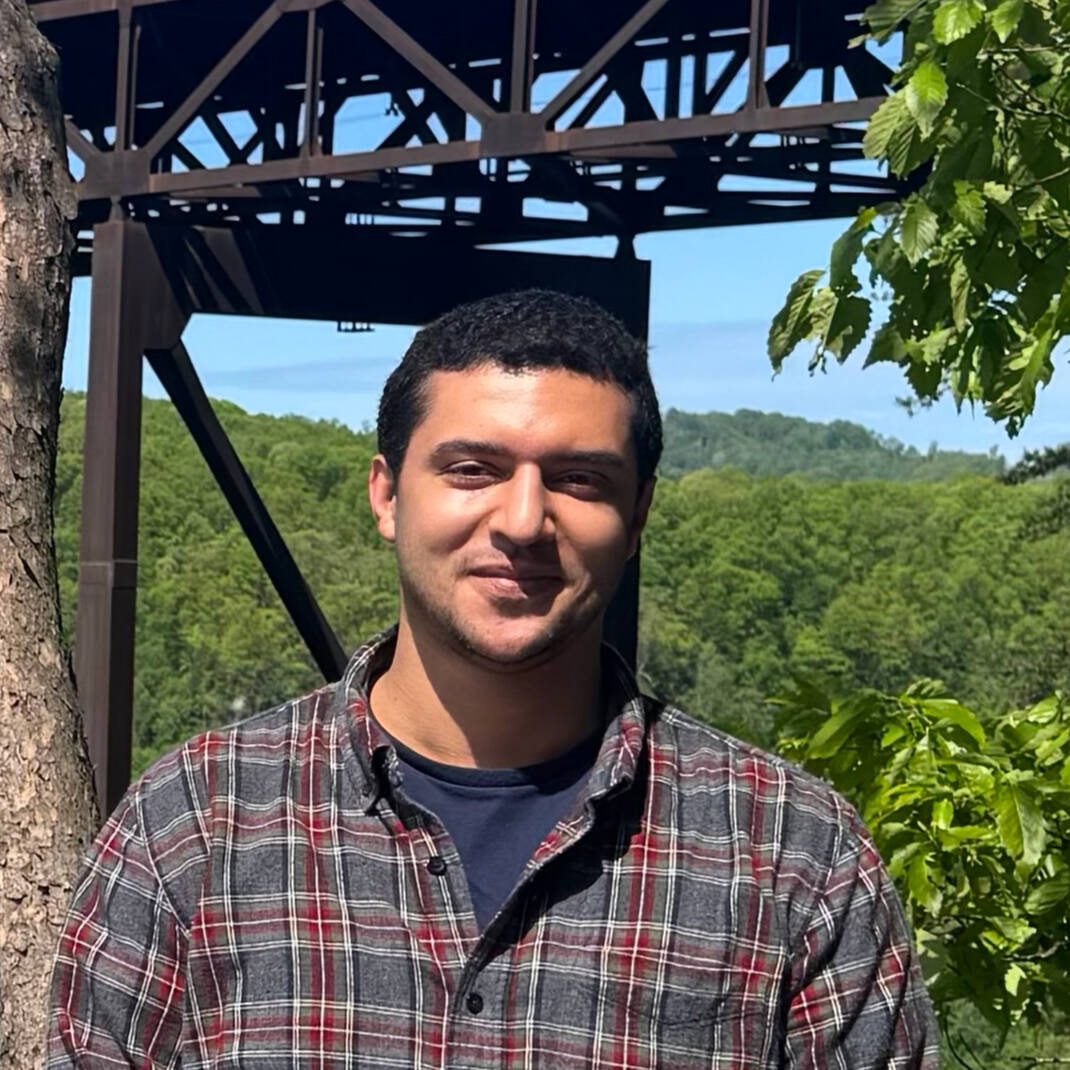
I am Michael White and I am an assistant professor of African American history at Grand Valley State University. My research interests include twentieth-century African American history, urban history, and healthcare experiences. I earned my doctorate in history at Carnegie Mellon University and my master’s in history at the University of Maine.
Fields
- 20th Century African-American History
- Urban History
- Healthcare Experiences
Degrees
- Ph.D. in History, Carnegie Mellon University
Annie Whitlock
Associate Professor
About
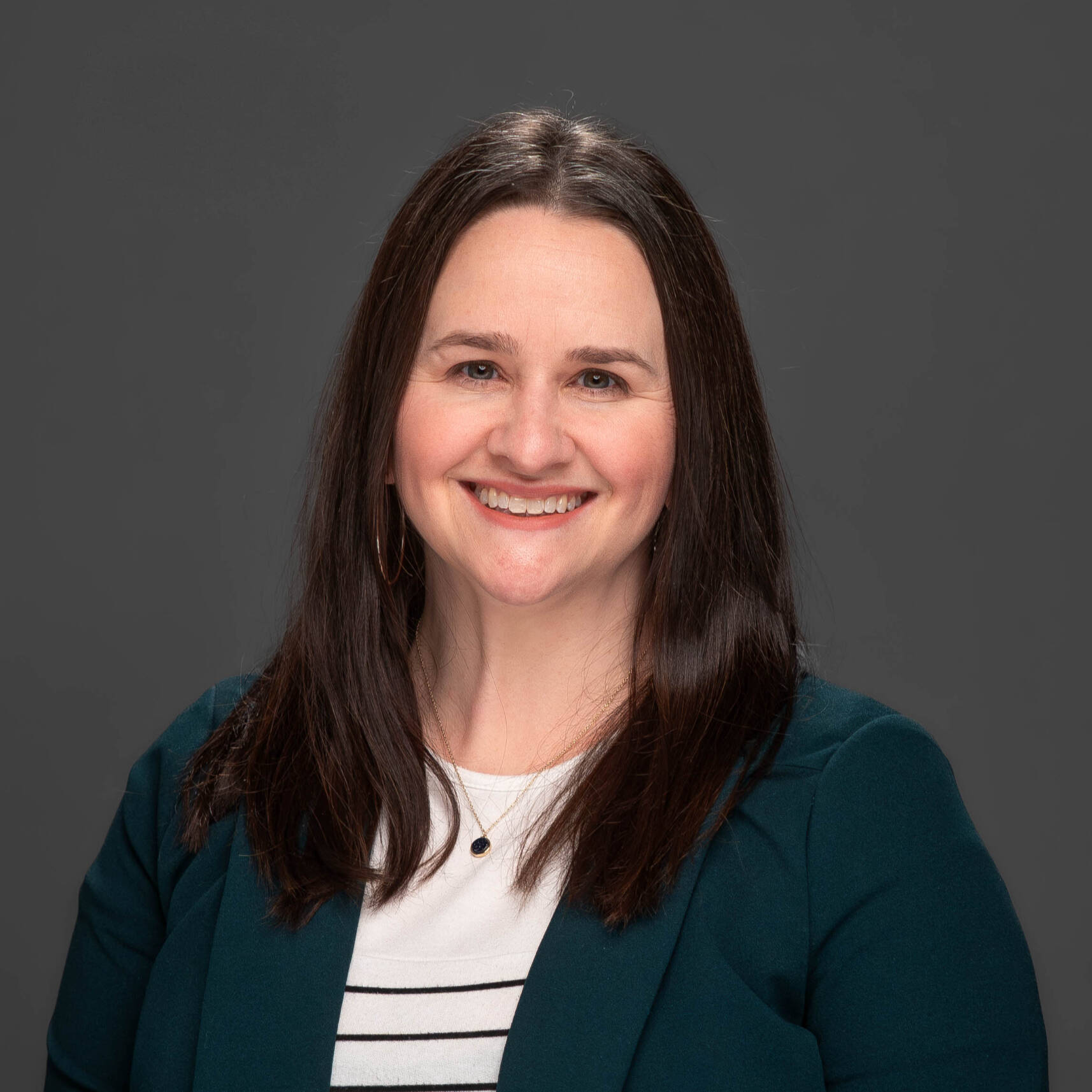
Annie Whitlock is an Associate Professor of History/Social Studies and the Director of the PCKET (Pedagogical Content Knowledge for Elementary Teaching) program, where she most often teaches SST 308, SST 309, and PCK 495. Dr. Whitlock has published over 40 research articles centered on teaching elementary social studies through place-based inquiry, civic engagement, and curriculum integration and is also the author of Place-Based Social Studies Education: Learning from Flint, Michigan and Inquiry by the Book: Teaching Historical Fiction with the Inquiry Design Model. Dr. Whitlock is currently the Vice-President of the National Council for the Social Studies and in the past has served as the President of the Michigan Council for the Social Studies. In 2026, she was awarded the College Educator of the Year Award from MCSS. She also serves as a trustee on her local school board.
Fields
- Social Studies Education
Degrees
- Ph.D. in Curriculum, Instruction, and Teacher Education, Michigan State University, 2013
- M.Ed. in Reading/Reading Specialist, Grand Valley State University, 2008
- B.S. in Elementary Education, Central Michigan University, 2003
David Zwart
Associate Professor
About
Teaching Fields:
Social Studies Strategies, Social Studies Capstone, American History, Field Supervision
Research Interests:
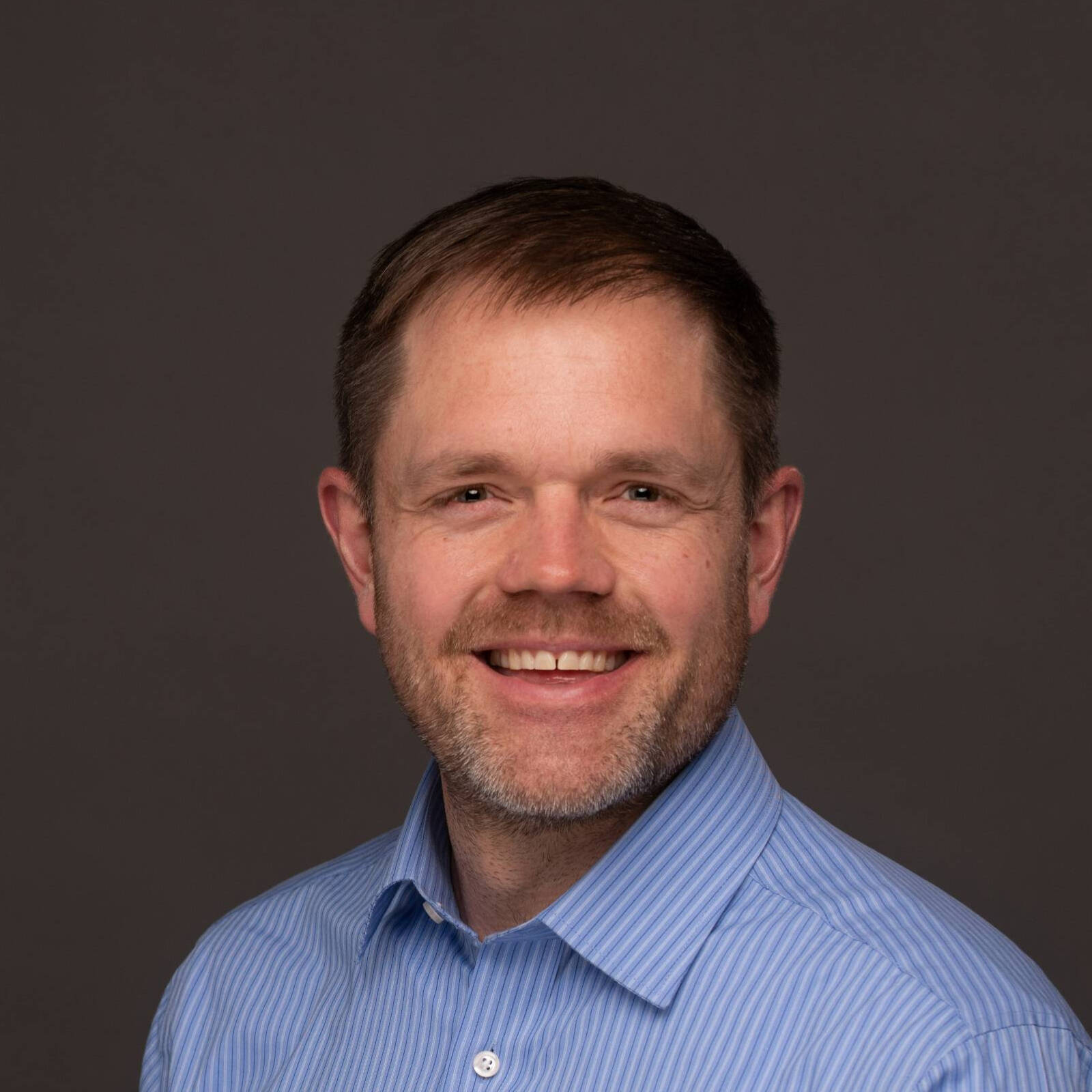
I am most interested in researching and writing about the intersection of religion, ethnicity, and commemoration. I have done this by examining how Dutch Americans in the twentieth century constructed an ethno-religious identity through commemorations of institutions and enclaves. I have also researched other European immigration cultures in the Midwest.I am also interested in pre-service teacher preparation in the field of history and social studies education, particularly examining historical thinking.
Selected Publications:
“Submerged but Teeming: German-American Identity in the Rural Midwest in the Mid-Twentieth Century.” Middle West Review 12, no. 1 (2025).
“Sliding into Oblivion? Michigan's History and Social Studies Teaching Preparation Programs since 2010” with Wilson Warren. Teaching History: A Journal of Methods 50, no. 1 (2025).
"Pedagogical Humility: Learning from Social Studies Majors’ Intellectual Autobiographies." The Great Lakes Social Studies Journal 4, no. 2 (2024).
“It’s Just Different: Identifying Features of Disciplinary Literacy Unique to World History,” with Tamara Shreiner. The History Teacher, 53, no. 3 (May 2020).
“Telling Heartland Histories: Rural Iowa Protestant Congregations in the Mid-Twentieth Century” The Annals of Iowa 77, no. 4 (Fall 2018), 384-415.
Fields
- Social Studies Education
- Migration History
- Dutch-American History
Degrees
- Ph.D., History, Western Michigan University, 2012
- M.A., History, California State University, Fresno, 2004
- B.A., History and Education, Dordt College, 1999