


Newsletters








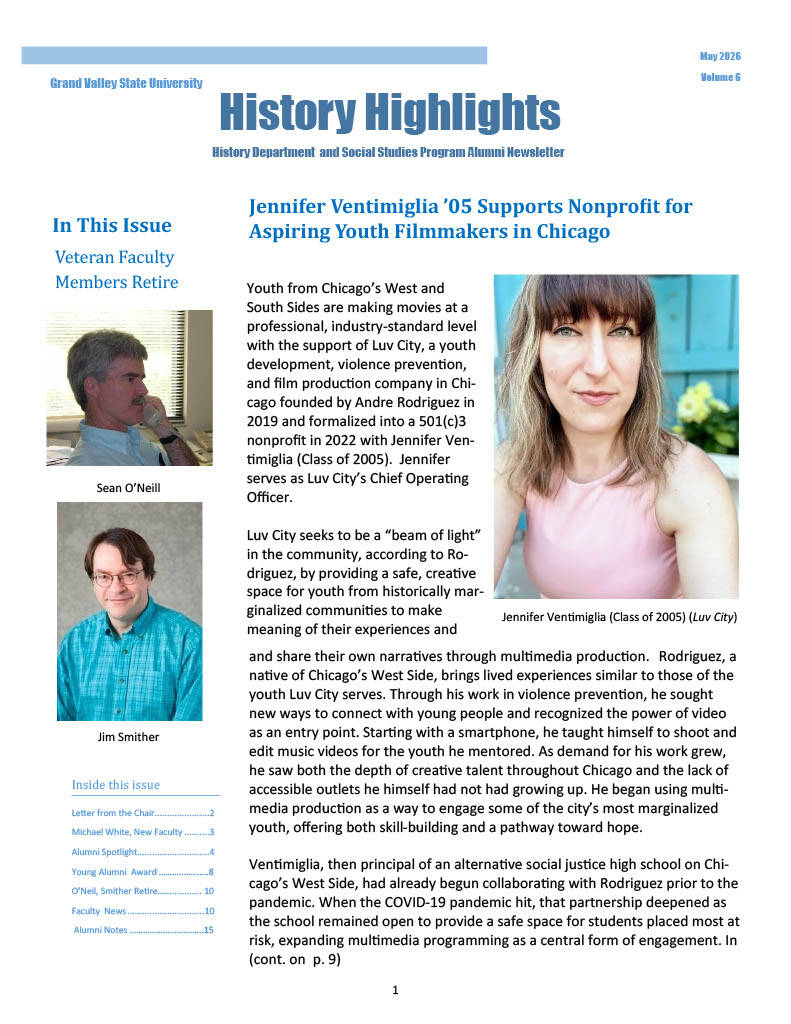

Both proved formative figures in the department. Professor Smither arrived from the PhD program at the University Chicago in 1990. I was still in middle school at the time. He came with a teaching and research specialty in early modern European history. He evolved into the department’s go-to military historian, teaching courses on the subject, but also building from scratch the Veteran’s History Project, a combined research-curatorial effort that collects oral histories from US military veterans who served in foreign wars. The VHP is now mainstay of the department’s public-facing outreach efforts and an immense oral-history archive for use for future researchers. Professor Smither will continue to curate it in retirement. It should not go without mention that Jim also served as department chair between 2001-2007. He also inspired countless students onto professional careers in history and other fields. He just published a book based on his VHP work (The End of the Rope: The Ripcord Campaign and American Disengagement in Vietnam). He always stops by the administrative office with a dose of good news to share. And in this final semester, he continues to teach European history surveys.
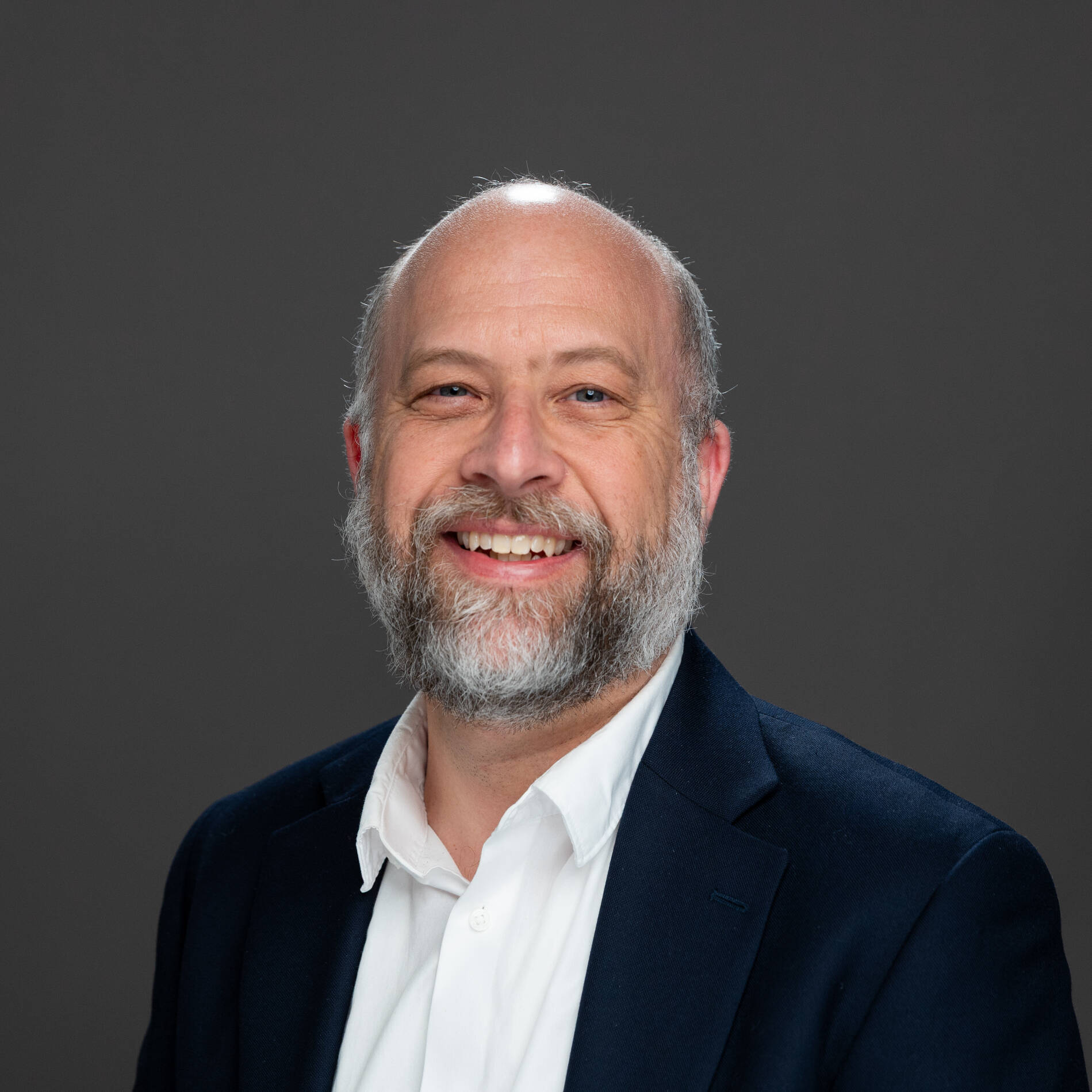
Professor O’Neill arrived to GVSU in 1991 from the PhD program at the University of California-Berkeley and put decades of care and labor into teaching future social studies teachers how to teach. The GVSU History Department today boasts the best social studies education program in the state because of the groundwork that Professor O’Neill plowed. He oversaw hundreds of student teachers in the field. He was a foundational contributor to the Michigan Council for History Education.
He made Grand Valley’s hosting of the regional History Day Conference into a signature annual event for the department every March. For over three plus decades, thousands of high school and middle school students participated in the contests, filling Grand Valley classrooms and conference rooms with the raucous, chaotic energy of historical thinking taking initial flight. Courses in colonial America, the American Revolution, and Native American history filled out his teaching repertoire. He consistently supported all department activities. His kind smile was the first I encountered upon arriving on campus in August 2012.
Another cohort of history and social studies students graduate in May. They join the ranks of alumni who consistently tell us in surveys that their voyages of learning and thinking with the History Department were profound and special. We continue from here the under-valued labor of fostering among students the tools and ethic to build careers and lives of meaning, only to be done now without the likes of Jim and Sean. They earned their rest. La lucha sigue….
By Michael Huner, Chair, Department of History
We end another academic year in the GVSU History Department contemplating more than just another nine months gone by, with lectures given, discussions had, students encouraged, papers graded, and projects overseen. More than just another cycle of department meetings, university politics, promotion decisions, and celebratory acts populate our reflections. Rather we consider, again, the enormity of entire careers devoted to studying the past, to recovering the past, to sharing our discoveries with students, and inspiring them to be intellectuals in the classroom as well. The 2025-26 academic year marks the final one for both Dr. Sean O’Neill and Dr. James Smither. They retire in May after over seventy combined years of teaching for the GVSU History Department. Not seeing them pace the halls of the Mackinac D-wing will be, in a word, strange.

What are the most interesting historical places to visit in Detroit?
I am always partial toward historical sites that are still intact and preserved. One prominent and lesser known attraction is the Ford Piquette Avenue Plant located at 461 Piquette Avenue in Detroit. This is the first of Henry Ford’s factories to launch his full-scale production of the famous Model T. Ford closed the plant only when he needed to grow his company’s assembly line operation by constructing his factory at River Rouge. The Piquette Plant has been restored by a small but devoted team with offices in the plant itself who can be contacted for guided tours or general admission hours.
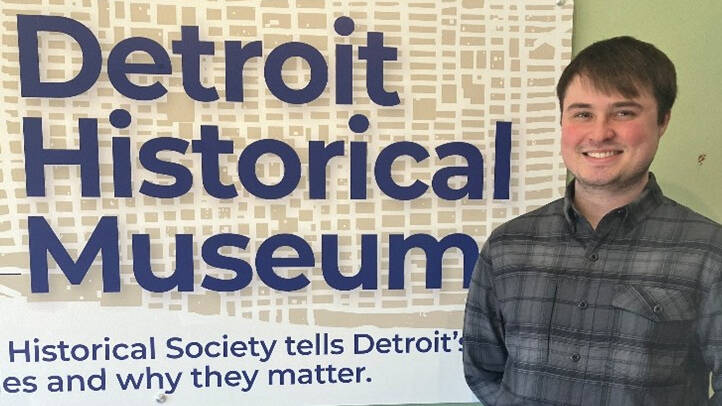
Charles Calcaterra graduated with a major in History and minor in International Relations in 2021. He is now the Group Tours and Program Sales Coordinator at the Detroit Historical Society. He earned a master’s degree in History and a Graduate Certificate in Historic Preservation from Eastern Michigan University in 2024.
How do you get kids interested in Detroit history and the history of the Great Lakes?
One of the quintessential goals of historical interpretation is to make the vast information contained within your exhibits both digestible and relevant to the audiences you lead. At the Dossin Great Lakes Museum, for example, our Detroit Public Schools third-grade students may only have a cursory knowledge of the Great Lakes, watercraft and travel, and the resources that encouraged centuries of people to settle across our two-peninsula state. It is best to approach the topic of natural resources from the lived perspectives of the city’s youth before me. Most of the students have never before seen a lumber mill, quarry, or real animal furs or pelts. I have found it far more productive, and even exciting, for such students when I make comparisons through cross-generational video games like Minecraft—a game I too played occasionally across my youth. By asking “what can you make out of wood?” or “what can make out of iron ore?” through the lens of Minecraft, the students before me—every time and without fail—excitedly chant out answers that are on track to what an adult would answer! What is made out of wood? Responses like row boats, furniture, simple farm equipment, and houses often surge to the forefront. With this simple call and response, I am now able to make Michigan’s lumber industry relevant to third graders by the dwellings they live in and furniture they use every day. What about more complex materials like iron ore? Well, one can make iron ingots, iron armor, iron swords and weapons, or iron farming and mining tools—all items that European settlers valued highly, traded with Native Americans for furs, and that we still use today, although altered through the production of steel. By employing a rerouted perspective into how children perceive the things around them through their lived experiences and hobbies, even the natural resources of the Great Lakes region become common knowledge to young students!
Should incoming college students pursue degrees in history?
In short, yes, I believe that all students of history should pursue their scholarly or educational interests in the field so long as they diversify their technical skills for the job market that lay ahead. Placing all one’s poker chips into the gamble of following your research through to a Ph.D. dissertation is a lofty, yet attainable goal, but one that should not be the only plan. I often make the analogy that my research methods and writing skills are my primary blade as a “weapon of knowledge.” However, my later training in public history mediums, oral history techniques, and historical interpretation through museums are what turned my knowledge into a universal and broadly employable “Swiss Army Knife” across other historical fields. History majors must keep contingency planning in mind as they approach their graduation and prepare for a competitive job market. As historians, we have the incredible ability to think critically, research, analyze broad arrays of research, and synthesize source material for others to read and learn. It is our job as history graduates to ensure that employers know the scholarly rigor we achieved in our studies as we enter the competitive world of employment!
What were your career goals when graduating from college? How did the Covid pandemic affect them?
After graduating from GVSU, many liberal arts students, including myself, were still feeling COVID’s wrath upon higher academia as well as the job market across academic and public history. While attending GVSU, I was determined to—or, at least, assumed I would—continue my studies in a graduate program. When graduation day finally came, however, no colleges or universities were admitting new history master’s degree students for the fall. With a preliminary knowledge of museum studies and best practices from Professor Abigail Gautreau, I turned to public history hoping to find an opening in the job market that would employ my research skills. As I departed GVSU, Professor Paul Murphy informed us graduates of the few remaining history internship opportunities accepting recent graduates across west Michigan. I jumped at every museum internship he listed and soon accepted a non-paid internship position at the USS Silversides Submarine Museum in Muskegon. It was with the phenomenal staff at the USS Silversides that my love and passion for public history became what I wanted to do for a living, owed largely to my primary mentors at the museum, their former archivist Amber Dowdy (History Major, Class of 2019) and former curator Don Kitchen. My internship at the Silversides lasted several months. With them, I developed skills in archiving 2D and 3D artifacts and documents in PastPerfect, exhibit creation and refurbishing, label writing and editing, and special event coordination.
Have you been able to use your knowledge of the Holocaust or military history in your current position? Are you still studying these topics?
In short, yes and no. I lobbied for and piloted our DHS Veterans Day Program 2025 in November which focused on Detroit’s industrial and manpower contributions to both World Wars, including an Oral History Workshop for local high school students. The presentation material for this event employed some of my research abilities, although to a limited extent when compared to the critical and complex minutia of academic history. Otherwise, I have sidelined my research into the Holocaust and German military, hopefully for a day and time when such research may elevate my employment prospects elsewhere. More importantly, I was able to synthesize many of the questions and interview formats I reviewed when working for Professor Jim Smither on the GVSU Veterans History Project for use by local students during my program’s Oral History Workshop.
I had also undergone further oral history training in the History Preservation program at EMU, so between the two experiences, I was able to create an easily accessible questionnaire that students could use for their own research. I find Professor Smither’s general format for conducting oral history interviews with veterans more productive and open ended for interviewees. Above all, Professor Smither taught me that a healthy and productive interview with a military veteran comes from knowing as much of the macro- and microhistory surrounding a veteran’s service as possible before conducting the interview. As was reinforced by my training at EMU, knowing how the story starts, progresses, and ends regarding any particular conflict allows the interviewer to slot the interviewee’s story seamlessly into the narrative created during their recorded conversation. Curating a more focused, relevant set of questions and asking open-ended questions that welcome and respect the interviewee’s input helps gain their trust in your knowledge as both the interviewer and a credible historian.
What do you most enjoy about your current job at the Detroit Historical Society?
At least on paper, my position’s responsibilities are far removed from the field of program creation and active touring. However, thanks to the enthusiastic support and flexibility of the DHS Education Team, I am able to tour groups as well as produce and lead programs that are relevant to my research experience—like our annual Veterans Day Program and Oral History Workshop—while maintaining the core responsibilities of my position. When called upon for touring assistance, I am also able to tour groups at the Dossin Great Lakes Museum or for specific military-history-focused tours at the Detroit Historical Museum as our team’s content expert. I am incredibly thankful for my team and their ongoing support in accommodating the interests and capabilities of a “recovering” research historian.
What are your favorite military history books?
Willy Peter Reese, A Stranger to Myself: The Inhumanity of War: Russia, 1941-1944, translated by Michael Hofmann, edited by Stefan Schmitz ( 2005). I often credit this translated diary as “my thesis in a primary source.”
Rachel Woodward, Military Geographies (2004) provides a lens into how militaries use and interpret space and place to control their surrounding operational environments—playing yet another pivotal role in my thesis.
Christopher R. Browning, Ordinary Men: Reserve Police Battalion 101 and the Final Solution in Poland (1998). No scholar of Holocaust history could deny recommending this crowning analysis of German units’ social-psychological complicity in genocide.
What did you do next?
Despite my newfound love for museums and public history, I was still highly motivated to follow my research through to a master’s degree. With the precarious start to the 2021-22 academic year underway, some universities—likely feeling the financial burden of restricted student admissions—began admitting greater numbers of students, including master’s students. I immediately launched myself, yet again, into the mania of college applications. My hopes were answered when I accepted admission into the MA program in the History and Historic Preservation departments at Eastern Michigan University, with financial support from the Opperman Fellowship in History, for the Winter 2022 semester.
What did you study for your thesis?
Between Winter 2022 and Fall 2024, I continued my graduate research into the German military’s complicity in the Holocaust during the Second World War while simultaneously enhancing my public history skills and best practices through EMU’s nation-leading Historic Preservation (formerly Museum Studies and now Preservation Studies) Department, mentored by Professor Nancy Bryk. My thesis, “In a Hell of Our Own Creation” on ProQuest, uses the lens of military geography to analyze German servicemen’s responses to their surrounding environments along the Eastern Front, explaining why frontline divisions killed indiscriminately and destroyed the landscape while rearguard personnel justified roundups, executions, and the abuse of Red Army prisoners of war. I argue that surrounding environmental contexts—which fostered soldiers’ fear, desperation, and reaffirmed hatred of Eastern Europeans—bolstered the German military’s complicity in the Holocaust.
When did you start working at the Detroit Historical Society?
Much like higher academia in 2021, it took some time for museums across Michigan and Ohio to even consider reviewing the applications they received for vacant positions. The Detroit Historical Society (DHS) was the only institution that took its applicants seriously. I applied for their base, part-time Visitor Experience Associate (VEA) position in the hopes of wedging my foot in the door. I started in May of 2024. As a VEA, I completed an array of frontline visitor services and retail work, special events assistance, and trained to become a docent on the Education team. I excelled and was even held back from docent training since the retail team needed my services to maintain their record profits going into the 2024 holiday season. Despite several offers of a promotion to VEA Supervisor by the head of the Department, David Wilson, I preferred to remain a rank-and-file VEA in the hopes that another position might open up at the DHS that better suited my public history or research skills. My gamble paid off in the Spring of 2025 when I became our Group Tours and Program Sales Coordinator on the Education Team—all within a year of joining our DHS staff.
What are your top historical video games?
In terms of military history games, I am partial toward Enlisted (by Gajin and Darkflow studios) due to its focus on squad-based infantry combat gameplay appropriately balanced with ground and air vehicle combat. The historical accuracy of uniforms and firearms in Enlisted also tickles my fancy as a military historian! Of course, not all games are completely historically accurate, but Enlisted is certainly historically authentic, giving players a true sense of the combined arms warfare and scale at which major battles in Europe and the Pacific were fought.
In broader terms of historical video games, I have poured far too many hours into playing Red Dead Redemption II (by Rockstar Games) since it is the most authentic video game depicting life as a cowboy, or an outlaw, in the last few years of America’s wild frontier at dawn of the twentieth century. The game takes plenty of “Hollywood liberty” when it comes to various storytelling aspects but manages to expertly construct a world that feels appropriately lived in and realistic to 1898-99 when the game’s story is set. On top of that, the game has an amazing story, characters, and an online exploration mode that sours this title to the top of my list.
As historians, we have the incredible ability to think critically, research, analyze broad arrays of research, and synthesize source material for others to read and learn
Looking back, what stands out about studying history at GVSU?
While studying at EMU, my writing was routinely praised in meetings with Professor Bryk for its high degree of analytical rigor, detail, and polish. All of these qualities can be attributed to my studies within the GVSU History Department. While, in many ways, the research methods and writing techniques courses offered through GVSU History merely reflect the standards and best practices of scholarly history, the faculty’s critical devotion to scrutinizing and bolstering student research is unparalleled. In terms of honing my research methods, Professor Dave Eaton, Professor. Sean O’Neill, and Professor Murphy drilled historiography into my head alongside an interest and appreciation for voices and perspectives that are less represented in the historical record. As for writing techniques, Professor Smither, Professor Patrick Shan, and Professor Steve Tripp helped me better synthesize my prose without minimizing the historical reach or depth of my writing. Lastly, I cannot thank Professor Jason Crouthamel enough for setting me down the path of German and Holocaust history. His active engagement invigorated me to advance my interests in contemporary military, German, and Holocaust studies into my graduate research at EMU.
What interesting historical facts about Detroit have you learned that most people do not know?
Belle Isle is the only location along the entire Canadian-American border at which visitors can view the Canadian coastline across the Detroit River by facing directly South. Indeed, Canadian shores are located entirely South of Belle Isle!
During the Second World War, the McCord Radiator Plant in Detroit produced 91% of all M1 steel pot helmets worn my American Servicemen during the entire war. Thus, nine out of every ten helmets used during the war—as well as reused or reissued after 1945—were produced in Detroit.
On the seal at the center of Detroit’s flag, the two Latin mottos “Speramus Meliora” and “Resurget Cineribus” translate to “We hope for better things” and ”It will rise from the ashes,” both written by French Priest Gabriel Richard after the Great Fire of 1805 which razed most of Detroit when it was part of Michigan Territory.
Gloria Masterton-Hunter '17 Wins Young Alumni Award
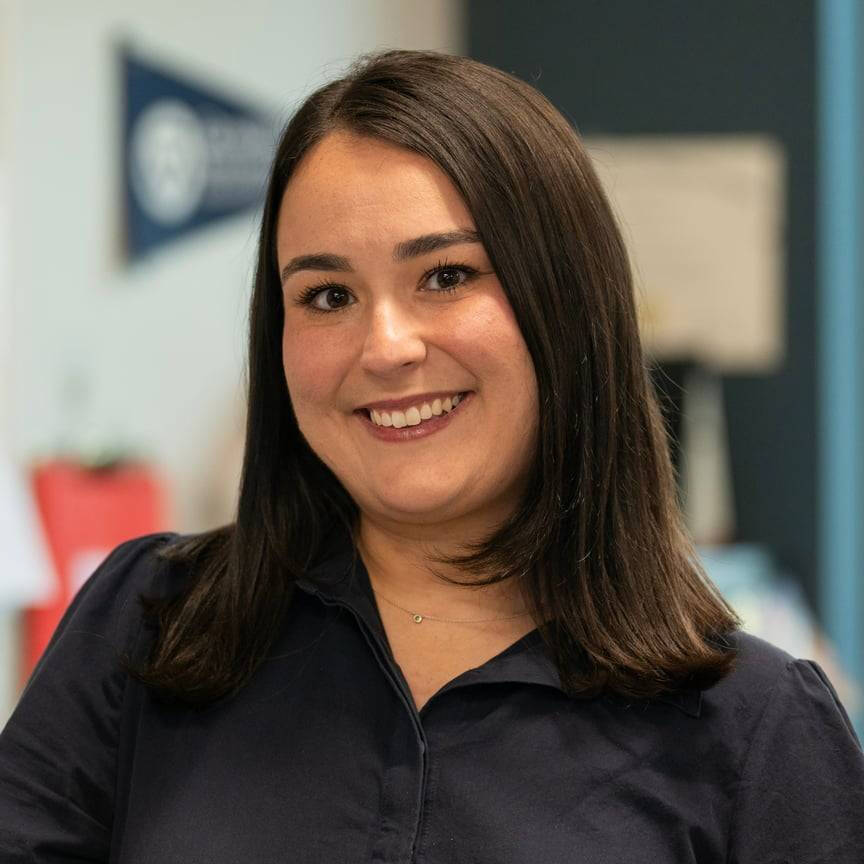
During the Fall 2025 semester, alumna Gloria Masterton Hunter received Grand Valley's Young Alumni Award, recognizing her for her outstanding contributions to society, as well as representing herself and the University as a teacher at Legion Collegiate Academy (LCA) in Rock Hill, South Carolina.
Gloria graduated from GVSU in 2017 with degrees in both Social Studies and Secondary Education and has since gained many accolades for her commitment and passion for education including the 2021 LCA Teacher of the Year award and designation as a 2022 Nation-al Society of High School Scholars Top 10 Educator of the Year. Aside from teaching multiple subjects, she's continued to demonstrate her leadership by serving as social studies department chair, faculty mentor, and advisor to the student council and yearbook.
Gloria spoke with future Grand Valley State Group Social Studies graduates to talk about her career, her time at GVSU, and how she's making an impact on her local community today. Students had the opportunity to speak with Gloria and ask her a range of questions to help build alumni-student relations and gain a perspective on life after graduation.

Jennifer Ventimiglia '05 Supports Youth Filmmakers in Chicago
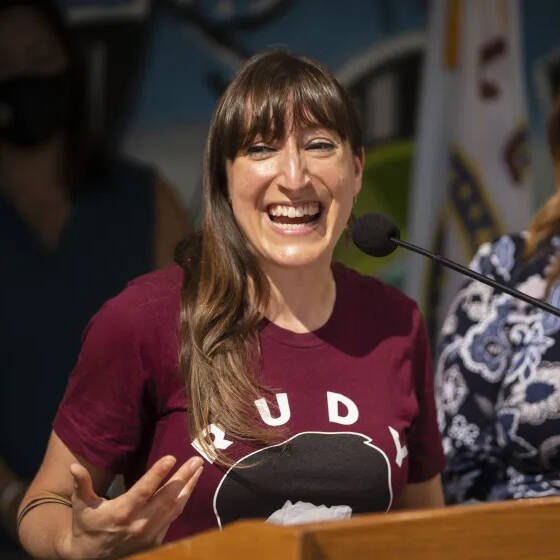
Ventimiglia, then principal of an alternative social justice high school on Chicago’s West Side, had already begun collaborating with Rodriguez prior to the pandemic. When the COVID-19 pandemic hit, that partnership deepened as the school remained open to provide a safe space for students placed most at risk, expanding multimedia programming as a central form of engagement. In collaboration with local leadership, including the alderman’s office and safety committee, they formalized the work into a 501(c)(3) nonprofit in 2022.
Since then, Ventimiglia has supported Luv City’s operations, including grant writing and organizational development, helping secure an initial $2 million grant. These resources enabled the acquisition of industry-standard film equipment and the expansion of programming. Additional large state and city grants have since supported continued growth, including year-round mentorship and paid workforce opportunities in multimedia production for hundreds of youth from Chicago’s West and South Sides.
After graduating from Grand Valley State in 2005 with a degree in social studies and international relations and a minor in history, Jennifer spent the next fifteen years as a teacher and instructional coach in the Unit-ed States and around the world, including stints with Teach for America in Washington DC (where she earned a master’s degree in Teaching English for Speakers of Other Languages at American University), as a Peace Corps volunteer in Nicaragua, as a Fulbright scholar training teachers in project-based learning methodology in the Czech Republic and Poland, as an instructional coach for early career teachers in Chile, as a State Department English Language Fellow in Perú, and as an English Specialist in partnership with the Ministry of Education in Albania.
Along the way, she earned a master’s in educational leadership at the University of California, Berkeley. In 2019, Jennifer moved to Chicago and became principal of the alternative high school where she met Rodriguez.
She also earned a doctorate in Education Policy, Organization, and Leadership from the University of Illinois Urbana-Champaign and began teaching in the master’s of educational leadership program at Northeastern Illinois University, preparing the next generation of school leaders.
In October 2025, Jennifer returned to Grand Valley State to present a paper entitled “Beyond Survival in West Chicago: Multimedia Counter-Storytelling and Youth Healing on the Margins” at the Great Lakes History Conference on how Luv City’s work help youth reinterpret and reconstruct their digital and physical environments, centering their voice, meaning making, healing, and sense of possibility.
Youth from Chicago’s West and South Sides are making movies at a professional, industry-standard level with the support of Luv City, a youth development, violence prevention, and film production company in Chicago founded by Andre Rodriguez in 2019 and formalized into a 501(c)3 nonprofit in 2022 with Jennifer Ventimiglia (Class of 2005). Jennifer serves as Luv City’s Chief Operating Officer.
Luv City seeks to be a “beam of light” in the community, according to Rodriguez, by providing a safe, creative space for youth from historically marginalized communities to make meaning of their experiences and share their own narratives through multimedia production. Rodriguez, a native of Chicago’s West Side, brings lived experiences similar to those of the youth Luv City serves. Through his work in violence prevention, he sought new ways to connect with young people and recognized the power of video as an entry point. Starting with a smartphone, he taught himself to shoot and edit music videos for the youth he mentored. As demand for his work grew, he saw both the depth of creative talent throughout Chicago and the lack of accessible outlets he himself had not had growing up. He began using multimedia production as a way to engage some of the city’s most marginalized youth, offering both skill-building and a pathway toward hope.
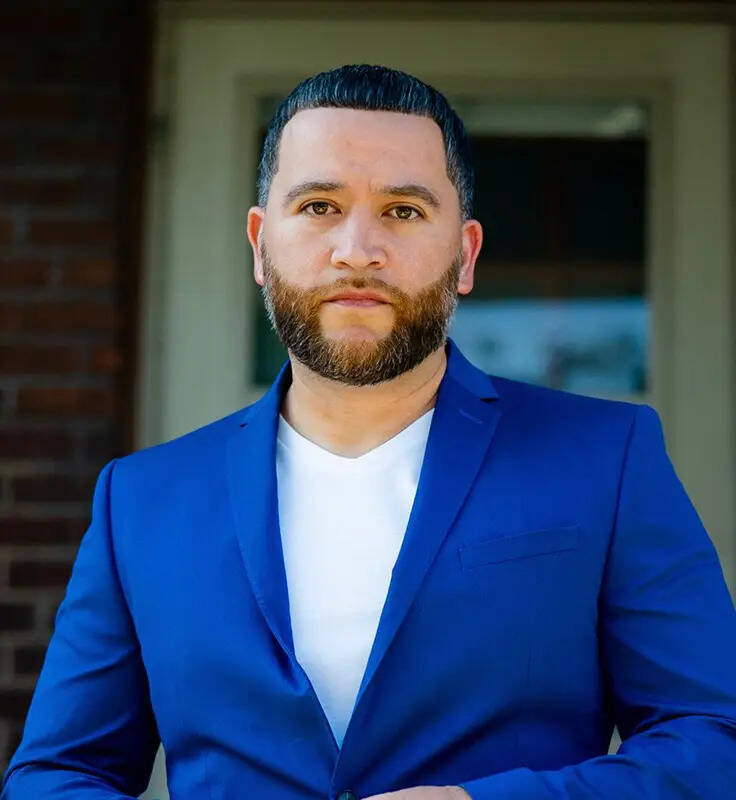
Dre Rodriguez - CEO & Founder of Luv City
Paul Stuart '70
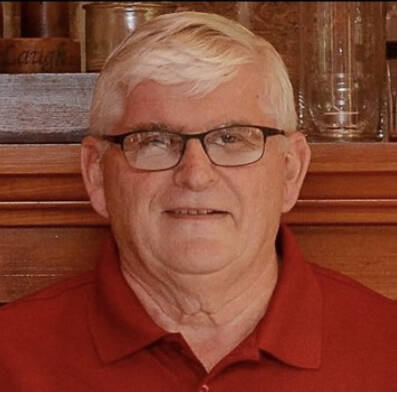
However, I received some good counsel regarding proper study habits, and in my senior year, I made the Dean’s list for high academic achievement.
After graduation, I began teaching at Ottawa Hills High School. I returned to Grand Valley to earn a special education endorsement that allowed me to be additionally certified in special education. I was a special education teacher, consultant and administrator for 15 years. I then taught secondary social studies and language arts. In social studies, I taught government, law, psychology, sociology, and geography. I received my Master’s Degree from Western Michigan University in counseling in 1977. During my career, I served as a secondary counselor.
I enjoyed coaching track and basketball for 24 seasons and teaching Drivers Education for over 30 years. I served 32 years as an educator for Grand Rapids Public Schools.
Grand Valley prepared me to be an educator. In March of 1992, my fellow educators nominated me, and I was recipient of the Student Advocacy Award for significant accomplishment and outstanding effort on behalf of students for the Grand Rapids Public Schools.
I have good memories of my time at Grand Valley where I was also involved in Inter-Varsity Christian Fellowship. I appreciate all of my professors for their in-vestment in me, and am grateful for the many friend-ships that I made with my fellow students.
Today, I enjoy my retirement and am keeping busy. I volunteer at the Michigan Veterans Home, helping the chaplain. I tutor at an elementary school. I lead a Bible Study, direct AWANA, an evangelical organization for children around the world, and serve as a deacon at my church, Plainfield Baptist. Lastly, I have been to the Philippines twice and serve on a mission Board for the Philippines.
I attended Grand Valley beginning in 1966 and receiving my BS in education in 1970. I was a resident of Copeland House for 3 ½ years. My major was Group Social Studies with an emphasis in History, and a mi-nor in physical education. In the 60’s, the school was known as one of the toughest academically in the Midwest. Dr. Glenn Niemeyer was my academic advisor and professor. I struggled in my freshman year and was placed on academic probation.
Allison Lemley '15
Jamie Pleyte '07
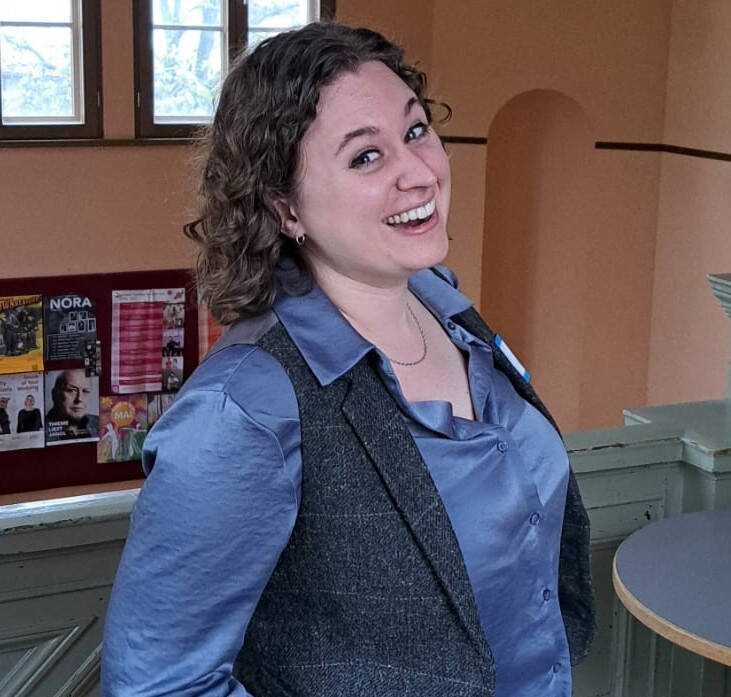
Allison Lemley graduated with a major in English and Education and a History Teaching minor. She won the Quirinus Breen Prize in 2015. Allison just completed her dissertation entitled “’Shows, Pageants, and Sights of Honour’: History, Memory, and the Use of Spectacle in William Shakespeare’s and John Fletcher’s King Henry VIII” at Goethe University in Frankfurt, Germany. On April 6, 2026, the History Department sponsored a public lecture she delivered—“Reconstructing Shakespeare’s Globe: History and Memory.” She is currently a lecturer with the chair of English Literature at the University of Bamberg in Germany
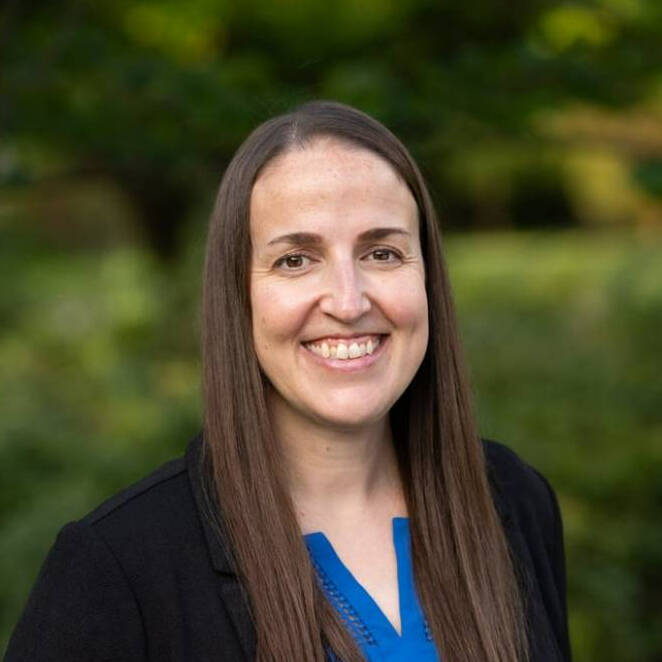
After graduating from GVSU with a major in Group Social Studies, Jamie Pleyte taught English in Korea for four years. She then transitioned to teaching at international schools for the next eleven years in China, the Philippines and Poland where she taught, Social Studies, English as a Second Language, Design and Physical Education / Health to middle schoolers from all over the world. She is currently Assistant Director of Study Abroad and International Partner-ships at the Padnos International Center at Grand Valley State University.

The Omega Theta chapter of Phi Alpha Theta, the national history honor society, initiated nineteen new members on Wednesday, April 15, 2026. Students selected for Phi Alpha Theta must have completed at least four history classes at GVSU and have maintained a 3.25 overall GPA and 3.25 in history classes.
New Inductees
Jack Benjamin Alcorn
Caleb Steven Bennett
Christina A. Carriveau
Caiden Donnelly
Alexander James Fitzpatrick
Cody T. Hansen
Aiden Henderson
Isaac Michael Knol
Liam Patrick Magin
Conrad Emerson McIntosh
Máire Noonan
Nicholas Porter
Kate Elizabeth Roelof
Joel VanOeffelen
Jamie Marie Vedders
Juliet A. Veliz-Figueroa
Adam Ronald Walsworth
Layne Weatherwax
Brianna Zukowsk
The History Department and Social Studies Program announced the winners of department awards at the Phi Alpha Theta ceremony, which was held at Main St. Pub in Allendale on Wednesday, April 15, 2026.
Scholarship & Award Recipients
Frances Anne Kelleher Endowed Memorial Scholarship:
Christina Carriveau
Jo Ellyn Clarey Women’s History Scholarship:
Hannah Kaye
Quirinus Breen Prize:
Taylor Braman
Glenn A. and Betty J. Niemeyer Scholarship Award:
Caiden Donnelly
David M. Stark Endowed Scholarship in Latin American History:
Edith Juárez-Rodríguez
Richard L. Cooley-Chester Huff Distinguished Social Studies Award:
Anthony Clark
Major of the Year—History:
Taylor Braman
Major of the Year—Social Studies:
Emily Cornish
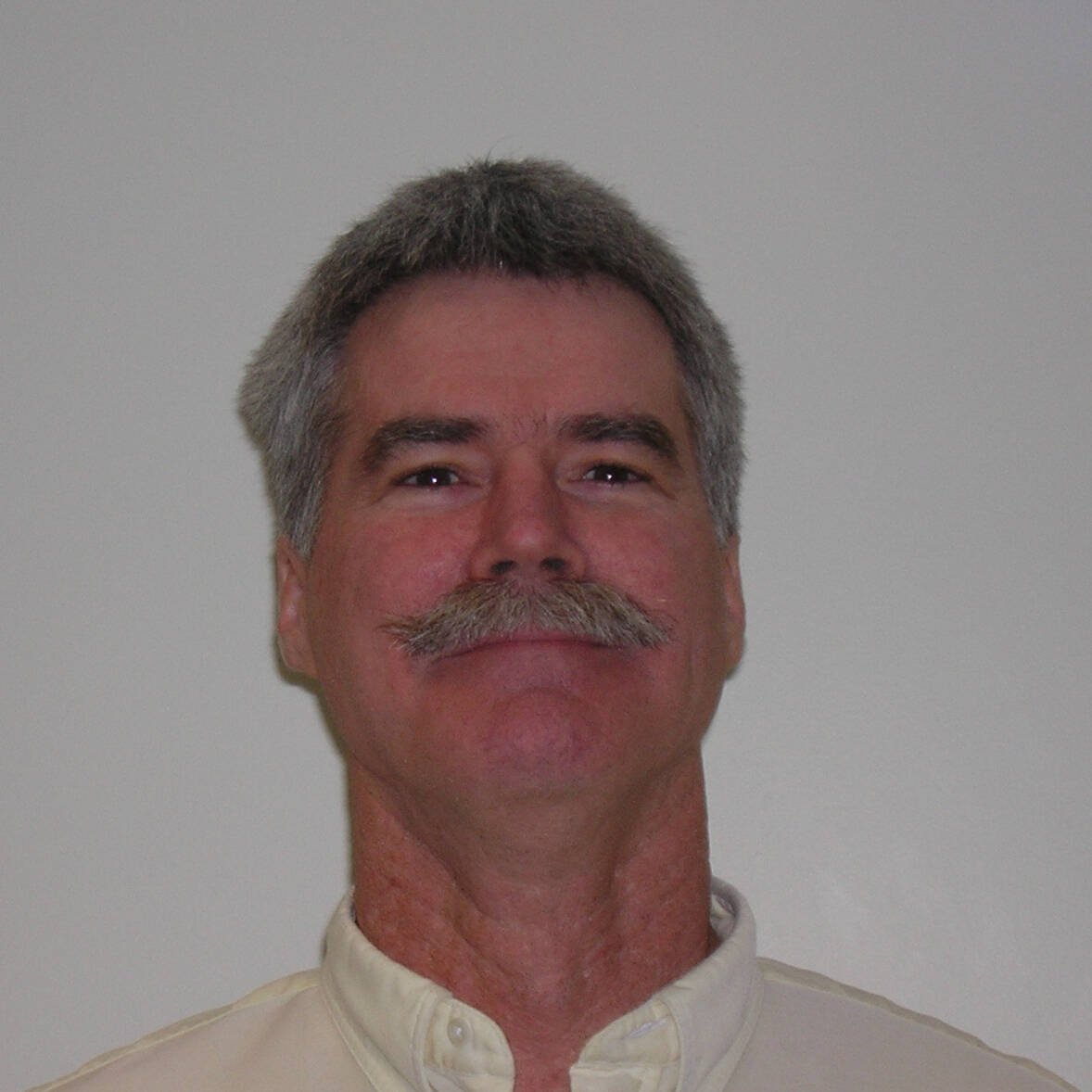
Professor Sean O’Neill came to Grand Valley State in 1991 to teach colonial American and native Ameri-can history and to mentor student teachers. He continued to research Jesuit missionaries in seventeenth century North America and took a leadership role in history and social studies education in the state of Michigan. Thousands of middle school and high school students remember Professor O’Neill for the Western Michigan Regional History Day competition, which he coordinated for thirty-five years, be-ginning in 1991. He has been involved in the Michigan History Day State Contest for almost as long, volunteering as a judge, co-coordinator, and head judge. Professor O’Neill served as president of the Michigan Council for History Education from 1999 to 2001 and the Historical Society of Michigan from 2004 to 2006. He has been a leader in history and social studies education in the state, serving on state committees concerned with teacher preparation and testing, including advising on the creation of the Michigan Test for Teacher Certification in history. Professor O’Neill devoted much of his scholarly attention to teaching professional development, having presented many sessions on teaching history, including Michigan history, around the state. In 1993 and 1994 he won $100,000 grants for summer professional development in World and American history. In 2005, he helped secure the first of two three-year Teaching American History (TAH) Grants for Muskegon and Ottawa county teachers. The federal government extended the second grant for two years, for a total of over $2,200,000 for eight years of professional development. He also participated in three years of TAH-funded professional development for the Kalamazoo Regional Education Service Agency (RESA).

Professor James Smither arrived at Grand Valley State University in 1990 to teach Renaissance and Reformation history. Students remember the rigor of his writing instruction in HST 200: Writing History. He also served as Assistant Chair and, from 2001 to2007, as Chair of the department. Professor Smither taught a variety of courses in French and European history over the years and began to teach the History of Warfare in 2001. That experience led him to create the Grand Valley State University Veterans History Project in 2006. Professor Smither has conducted and recorded over 800 oral history interviews with area veterans and the Project has recorded over 2500 interviews in total. Over 1100 interviews are now archived online at GVSU with several hundred more on the Veterans History Project YouTube channel and being processed for archiving. This work led to documentary filmmaking. His productions include Nightmare in New Guinea (2006)about Michigan veterans of the Red Arrow division who overcame terrible conditions to win the Army’s first victory in the Pacific in World War II and A Team of Our Own (2015) about women’s baseball in Grand Rapids. He edited Joseph P. Olexa’s Death and Life in the Big Red One: A Soldier’s World War II Journey from North Africa to Germany (2023) and wrote The End of the Rope: The Ripcord Campaign and American Disengagement in Vietnam (2026).Professor Smither has other books in mind in retirement and plans to sort through all the interviews, documents, written memoirs, and other materials collected by the Veterans History Project over the last twenty years.
Veterans History Project: https://www.gvsu.edu/vethistory/.
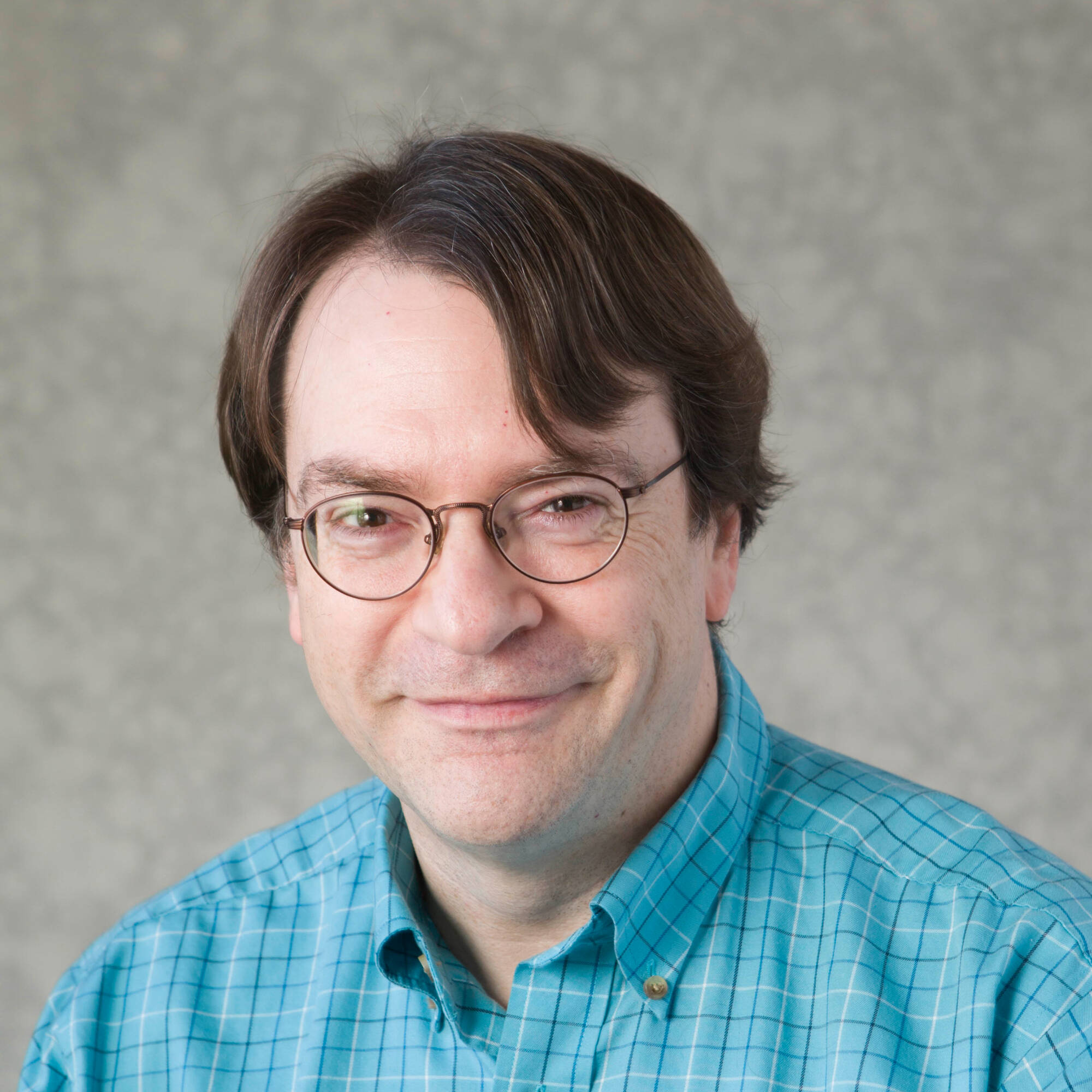
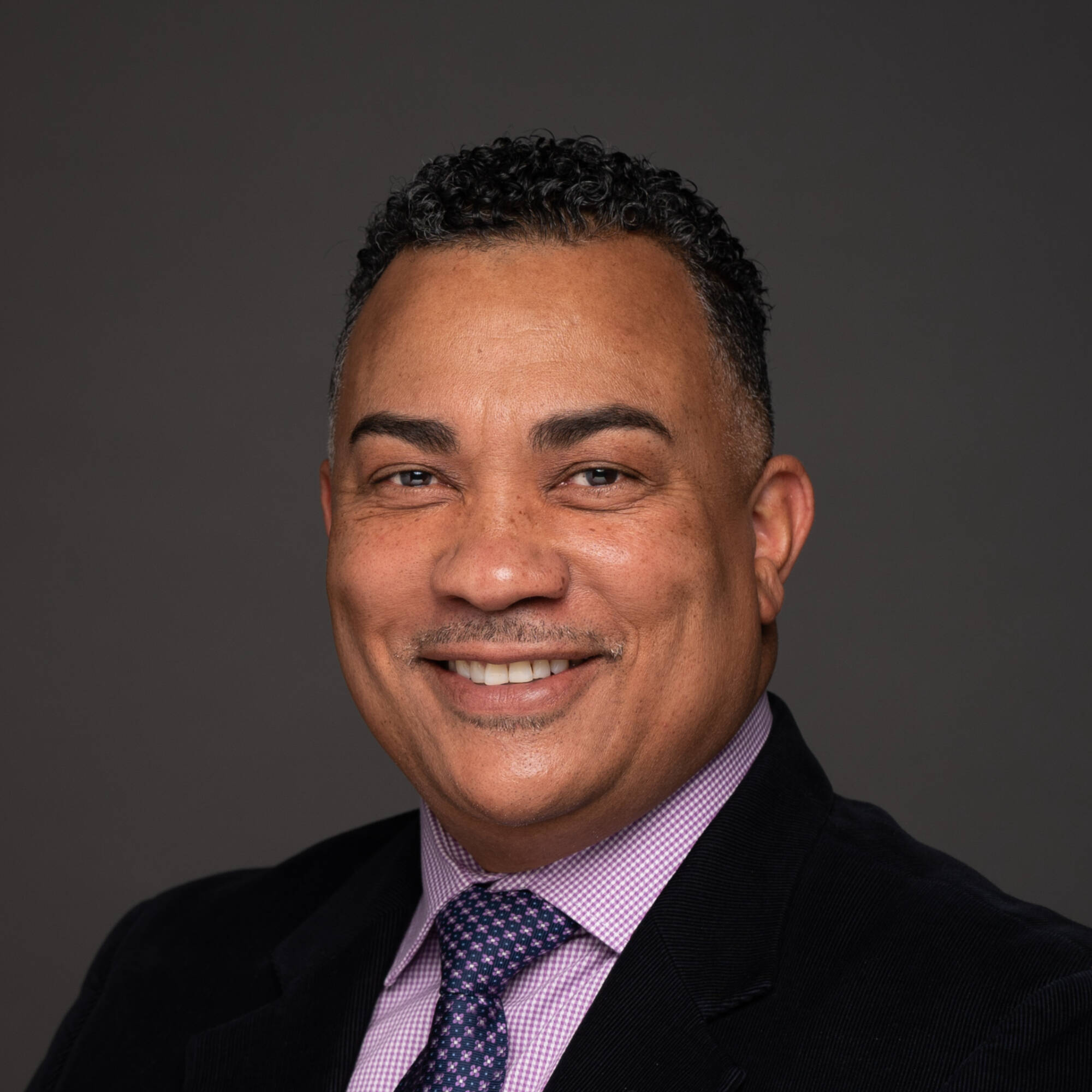
Steeve Buckridge lectured on missionization in the British Caribbean at the University of University of Bonn, Germany.
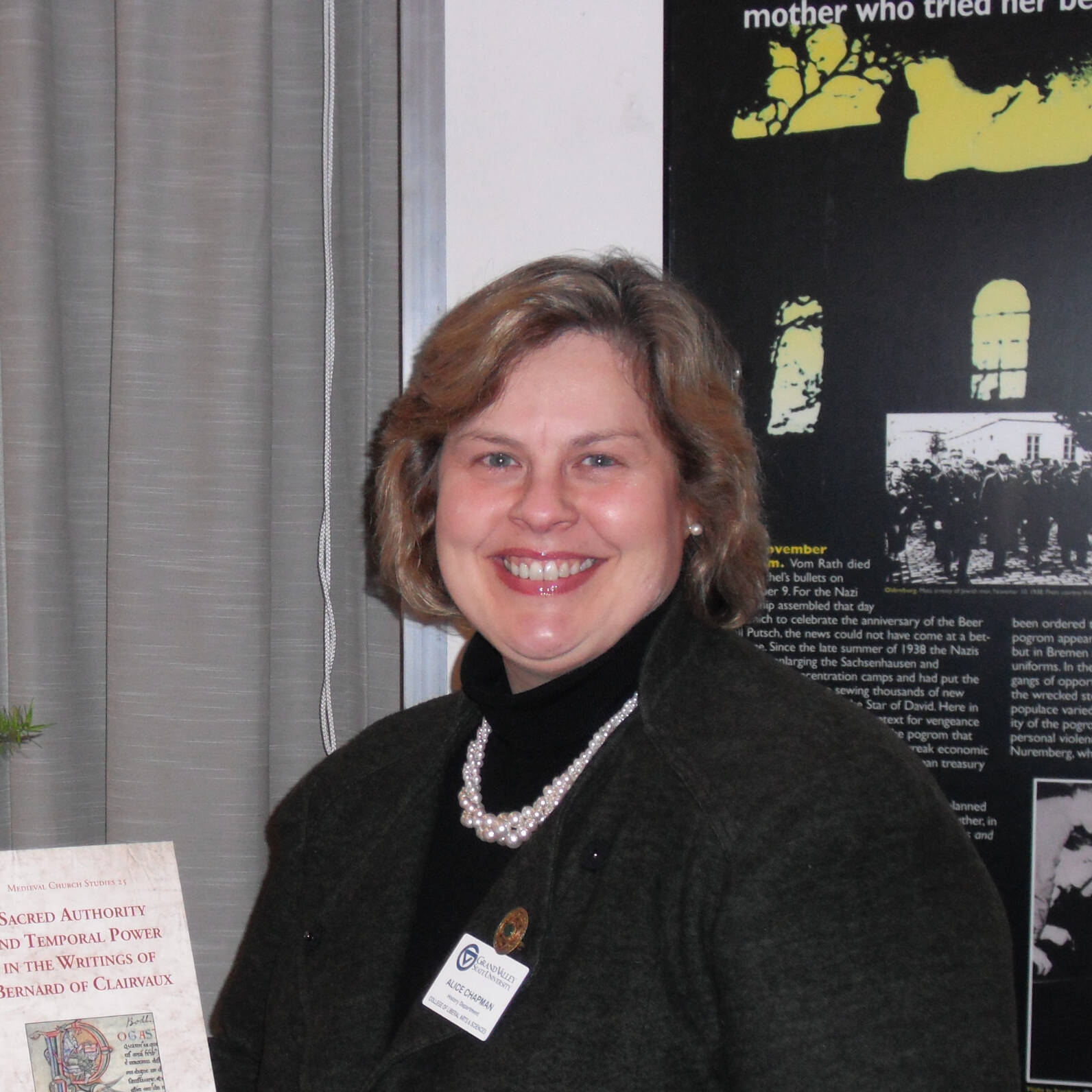
Alice Chapman represented the humanities on the Strategic Plan to Augment Research, Scholarship, and Creative Activity planning group. She serves on the board of District 6290 of Rotary International and redesigned their Global Scholarship application process.
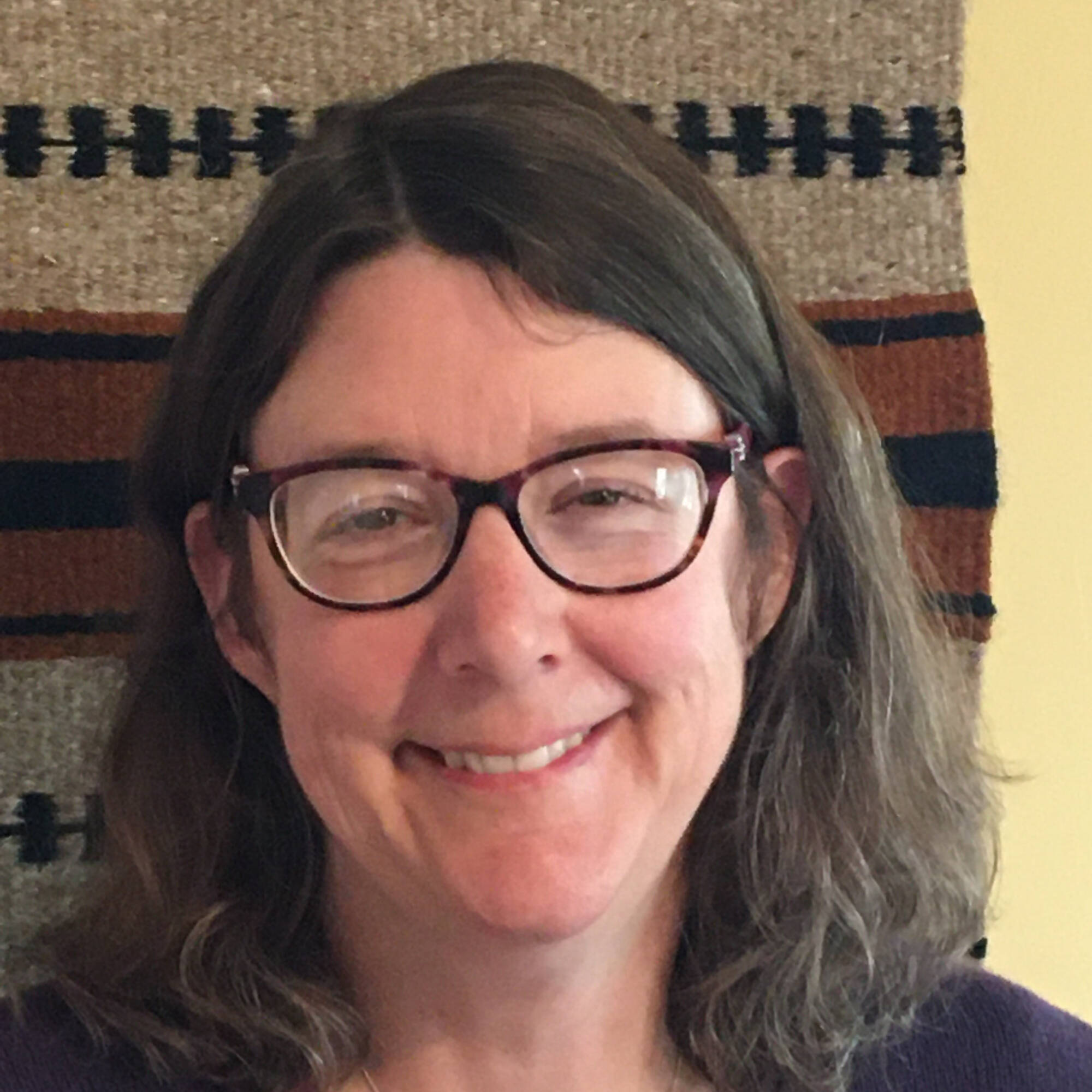
Grace Coolidge published “Economies of Death: Wills, Gender, and Resilience in Toledo, Spain (1576-1697),” Gender & History (2026).
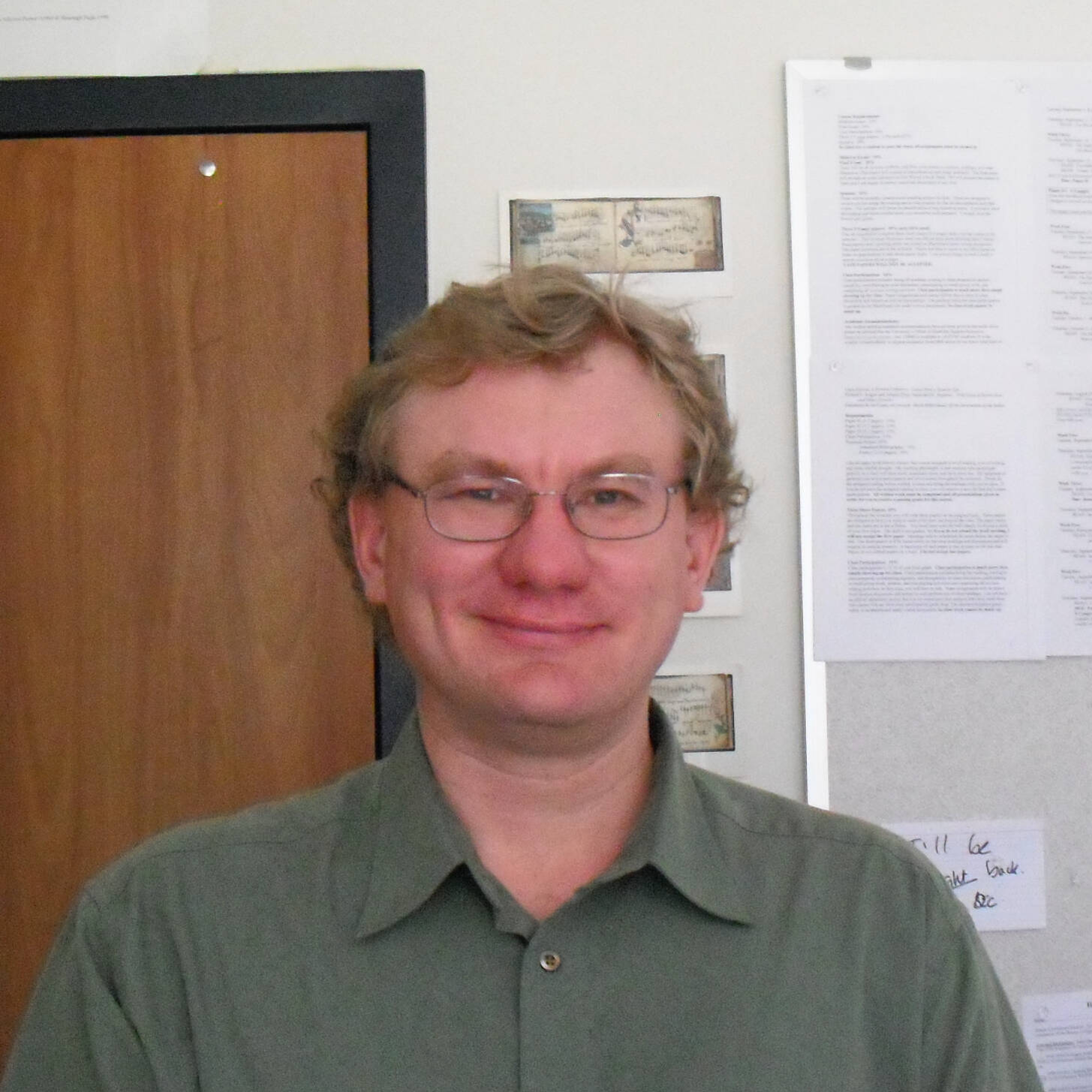
Jason Crouthamel gave talks on “War and Masculinity” at the Norwegian University of Science and Technology in Trondheim, Norway, and “Building the ‘Volksgemeinschaft’: Voices of Marginalized Groups in the Nazi ‘Racial State’” at the United States Military Academy, West Point.
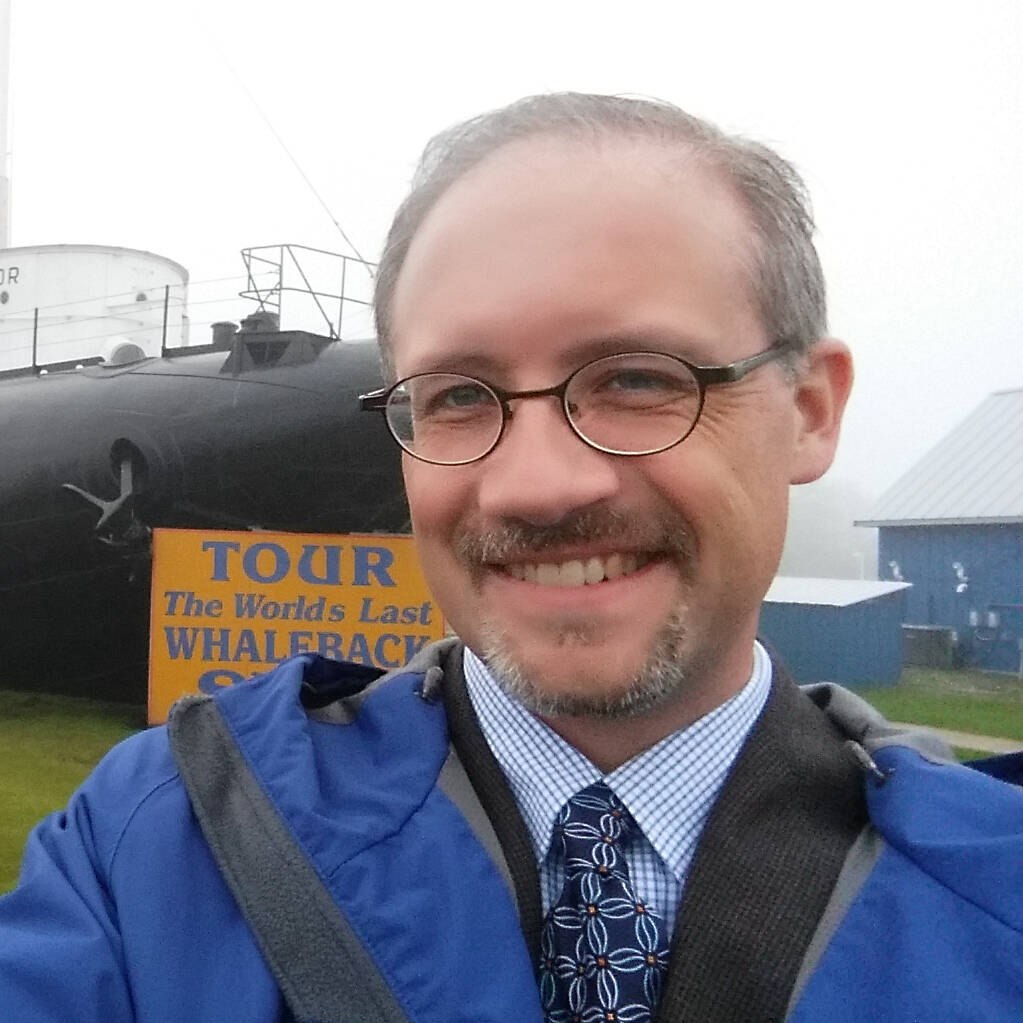
Matthew Daley was the principal author of a grant for over $225,000 to help teachers in the Muskegon Public School District and Muskegon Area Intermediate School District develop class materials on black migration from states like Alabama, Arkansas, Mississippi, and Tennessee to Muskegon. He also co-authored a grant to support an intern to revise the Grand Rapids Historical Commission’s website and serves on the Michigan State Historic Preservation Office Review Board.
Dave Eaton served as a member of the executive committees of the Midwest World History Association and the World History Association.
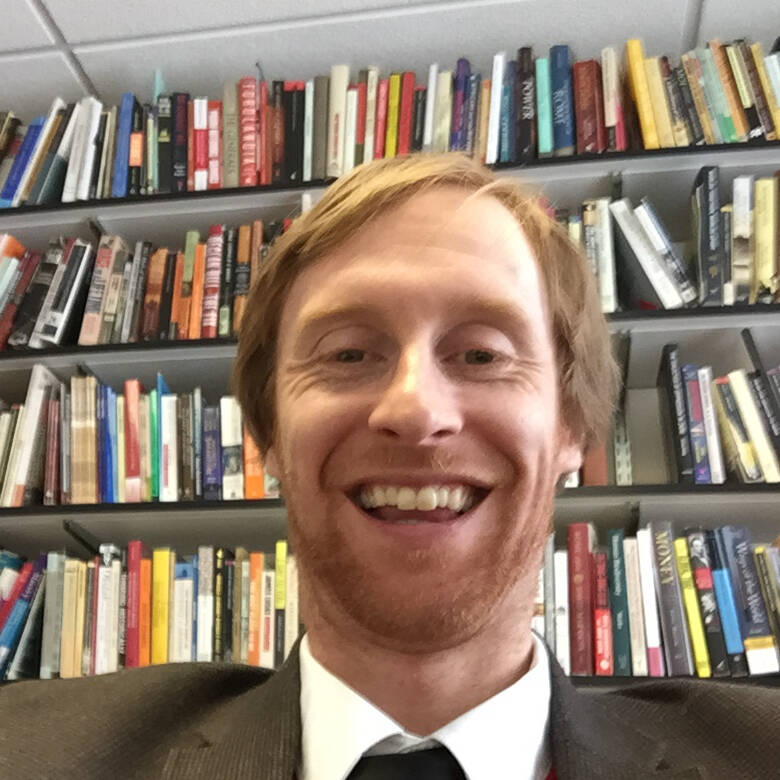
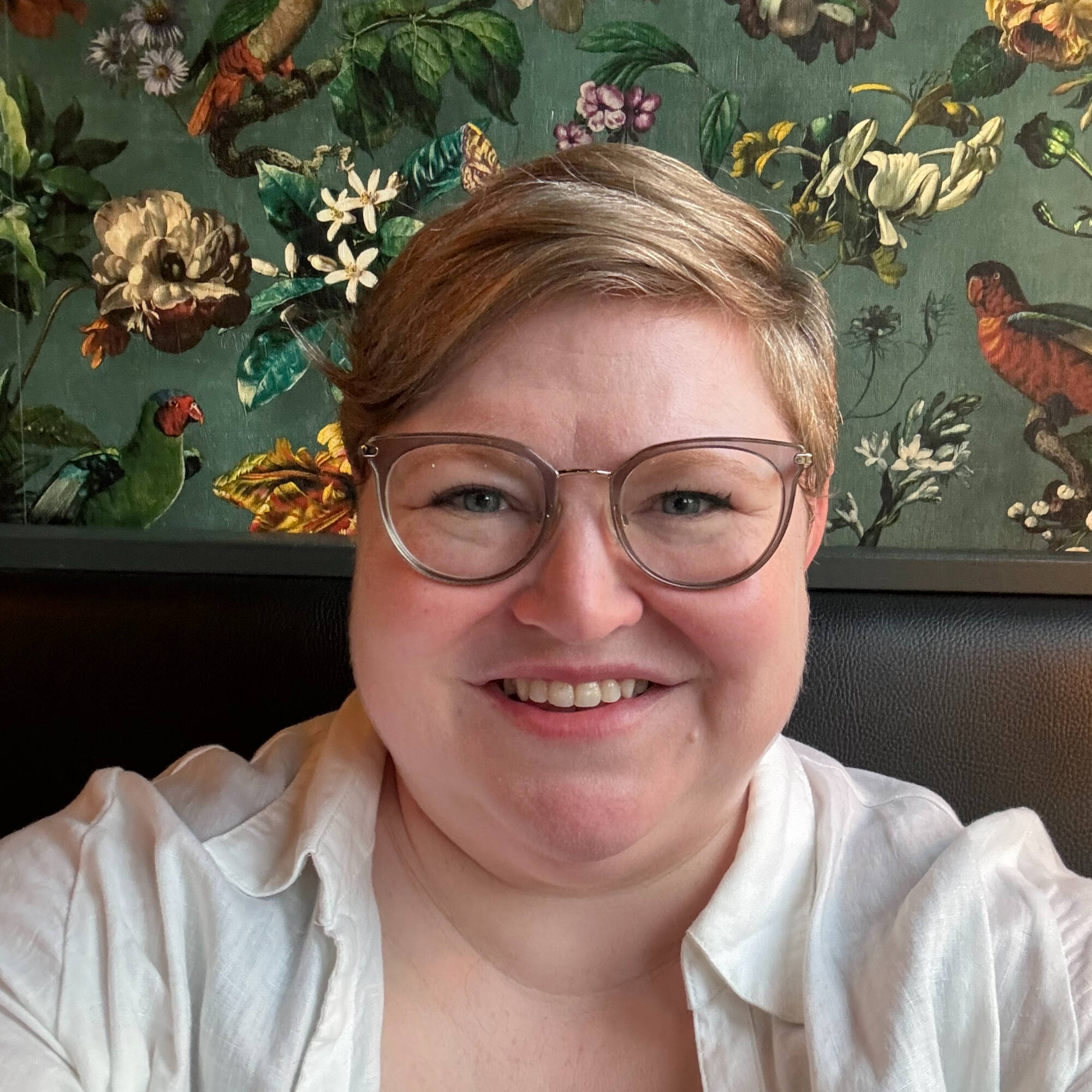
Abigail Gautreau co-chaired the Long Range Planning Committee for the National Council on Public History.
Michael Huner published Parishioners of Sovereignty: A History of Nationhood and War in Nineteenth-century Paraguay (University of Nebraska Press, 2025). He also served on the Macleod Book Prize committee for best book in Latin American history for the Southern Historical Association.
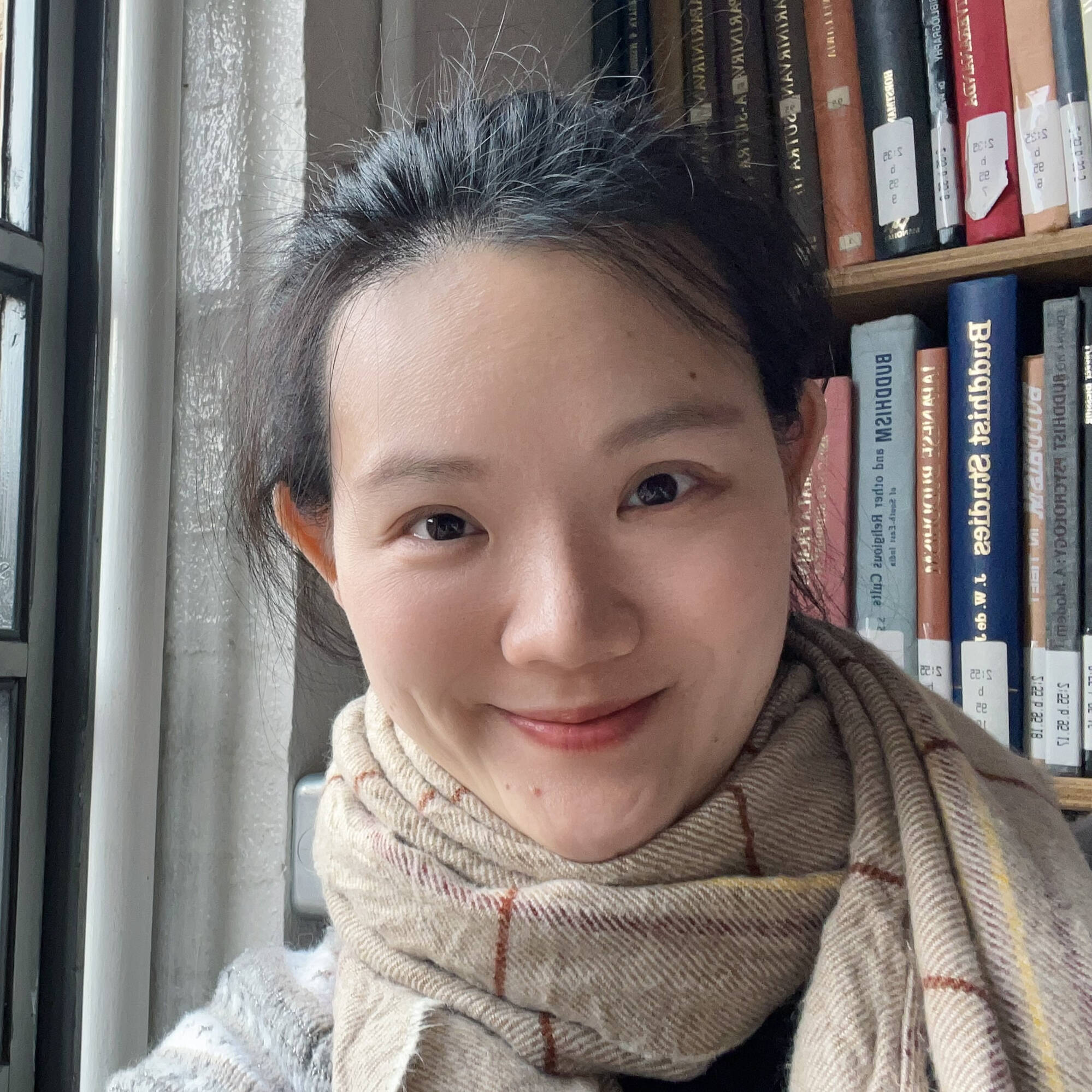
Yue Liang presented “The 1954 Yangtze River Flood and Early Cold War China-U.S.-India Relations” at the Columbia University International History Workshop.
Chad Lingwood served as program coordinator for the Middle East Studies Program. In that capacity, he organized the Michigan Model Arab League Conference, which Grand Valley has hosted since 1998.
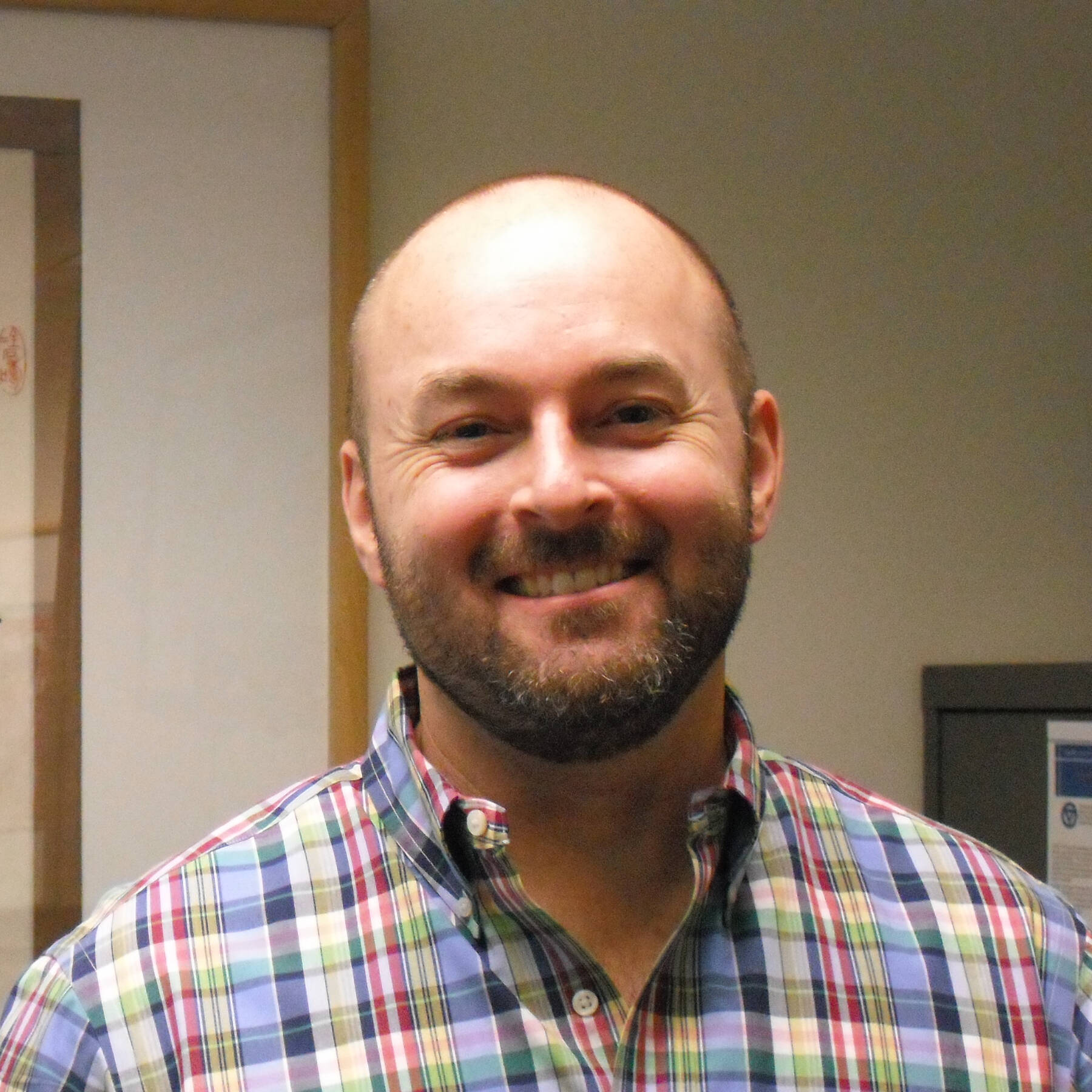
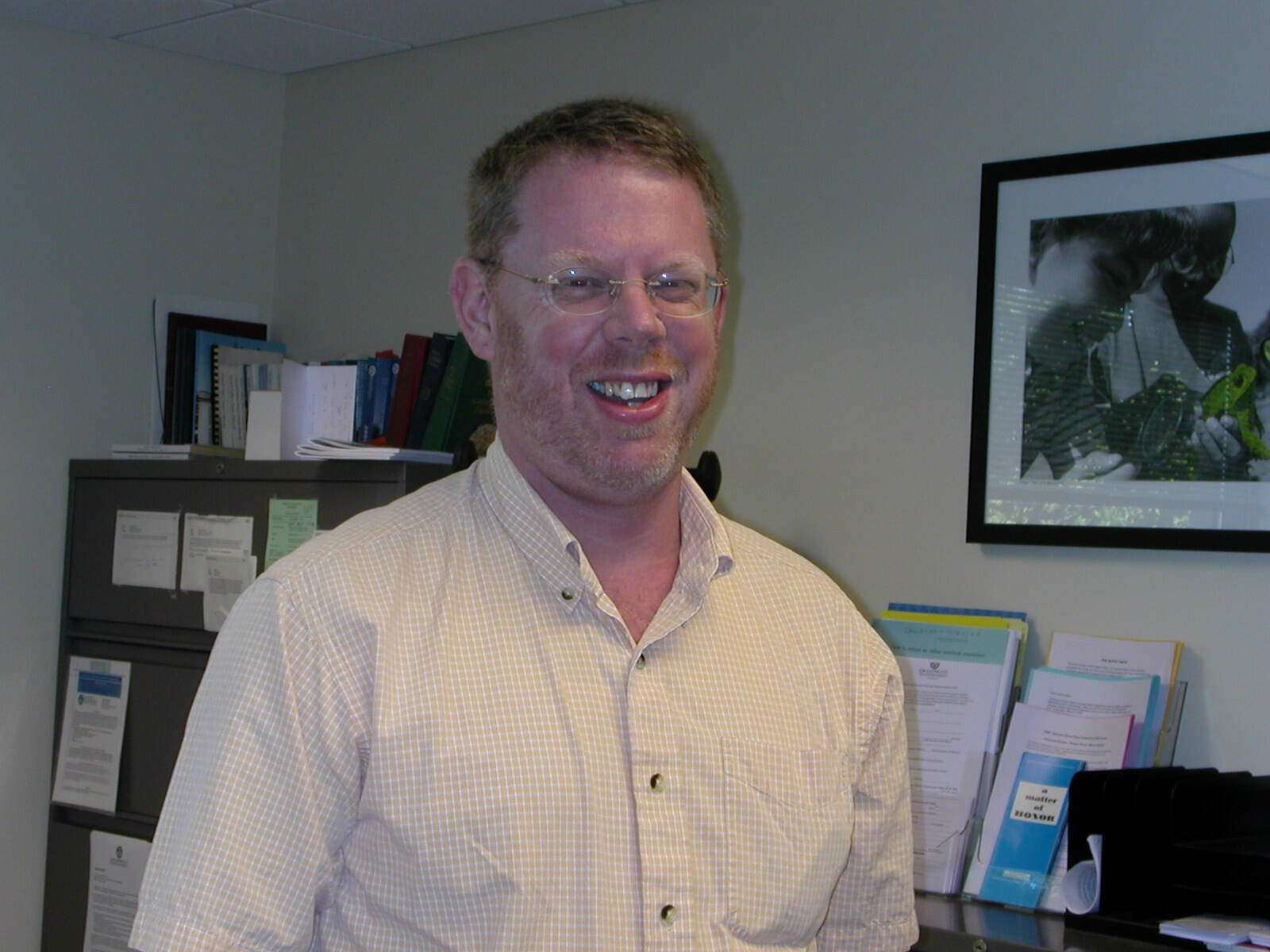
William Morison serves as the chapter president of the Archaeological Institute of America, Central West Michigan Society and as a member of the Managing Committee of the American School of Classical Studies in Athens.
Paul Murphy co-chaired the annual meeting of the Society of U.S. Intellectual History, which was held in Detroit, Michigan, in November 2025. He wrote an extended review of Tom Arnold-Forster’s Walter Lippmann: An Intellectual Biography in American Political Thought, 15:1 (Winter 2026), 137-142.
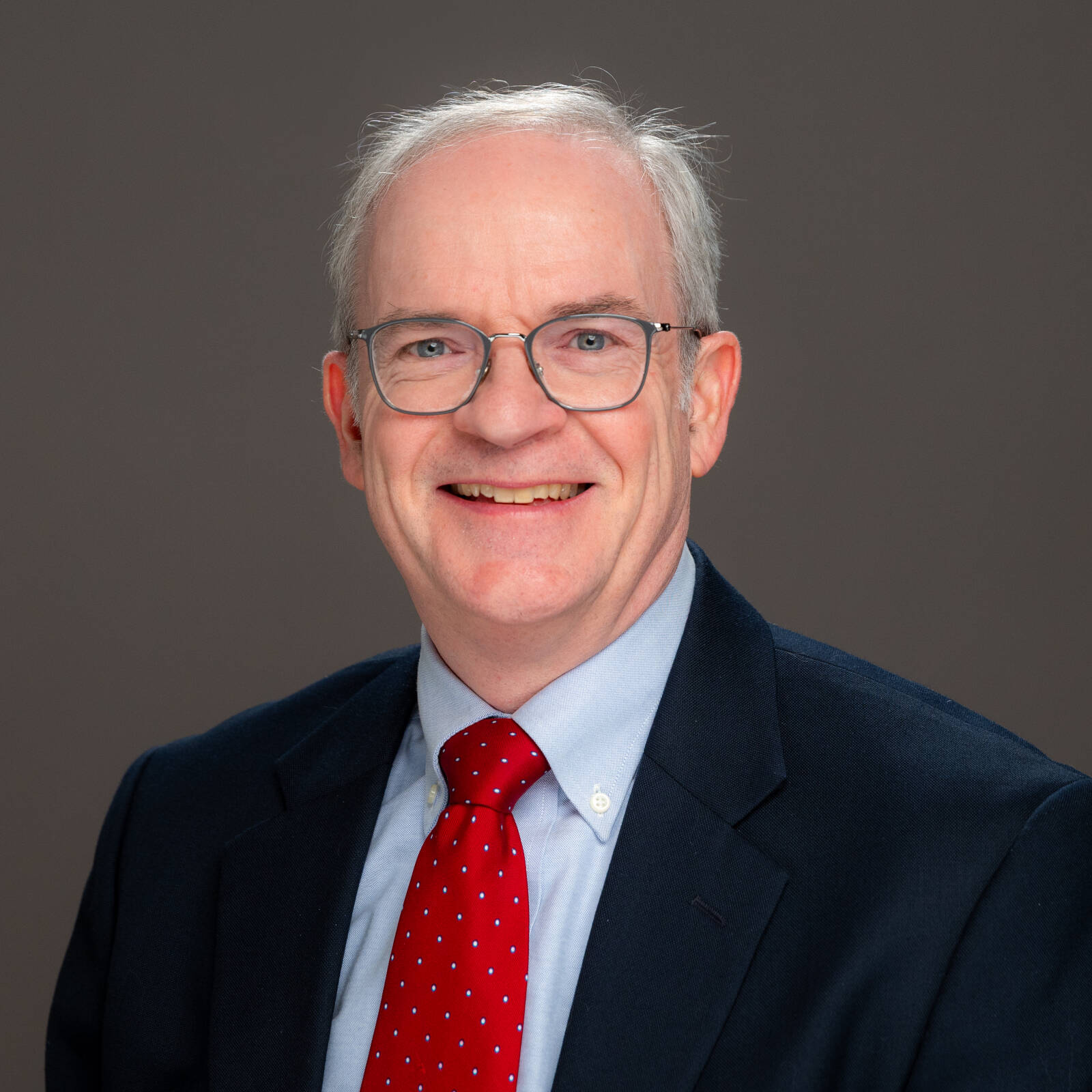
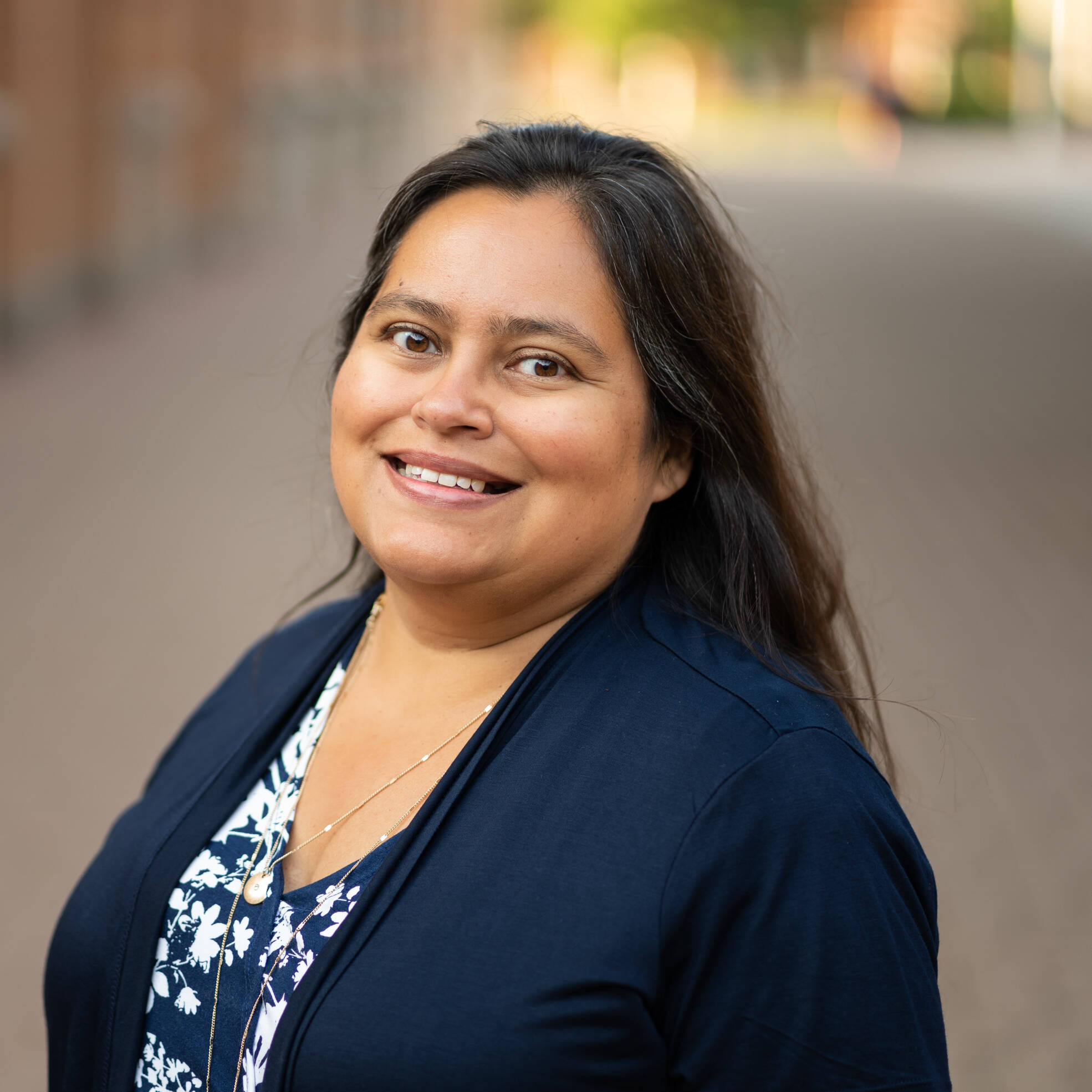
Nora Salas directs the Kutsche Office of Local History. The Kutsche Office is developing the Teaching West Michigan Histories Project, which seeks to make the local history of under-represented populations more accessible to K-12 educators. She also serves on Michigan's Committee for the United States Semiquincentennial,
Patrick Shan published “Delving into Zhou Enlai’s Multiple Identities: Appraising Chen Jian’s Zhou Enlai: A Life”. The Chinese Historical Review, 32:1 (2025), 46-76. He was invited to speak on “China's First Democracy: Post-imperial Situation, Nation-wide Election, and the Creation of Congress, 1912-1913” at the University of Texas at Austin. He also presented “Li Dazhao: China's First Communist” online at California State University San Bernardino and “China's First Communist and the United States: Li Dazhao's Changing Attitude towards America” at the Timothy Light Center for Chinese Studies at Western Michigan University.
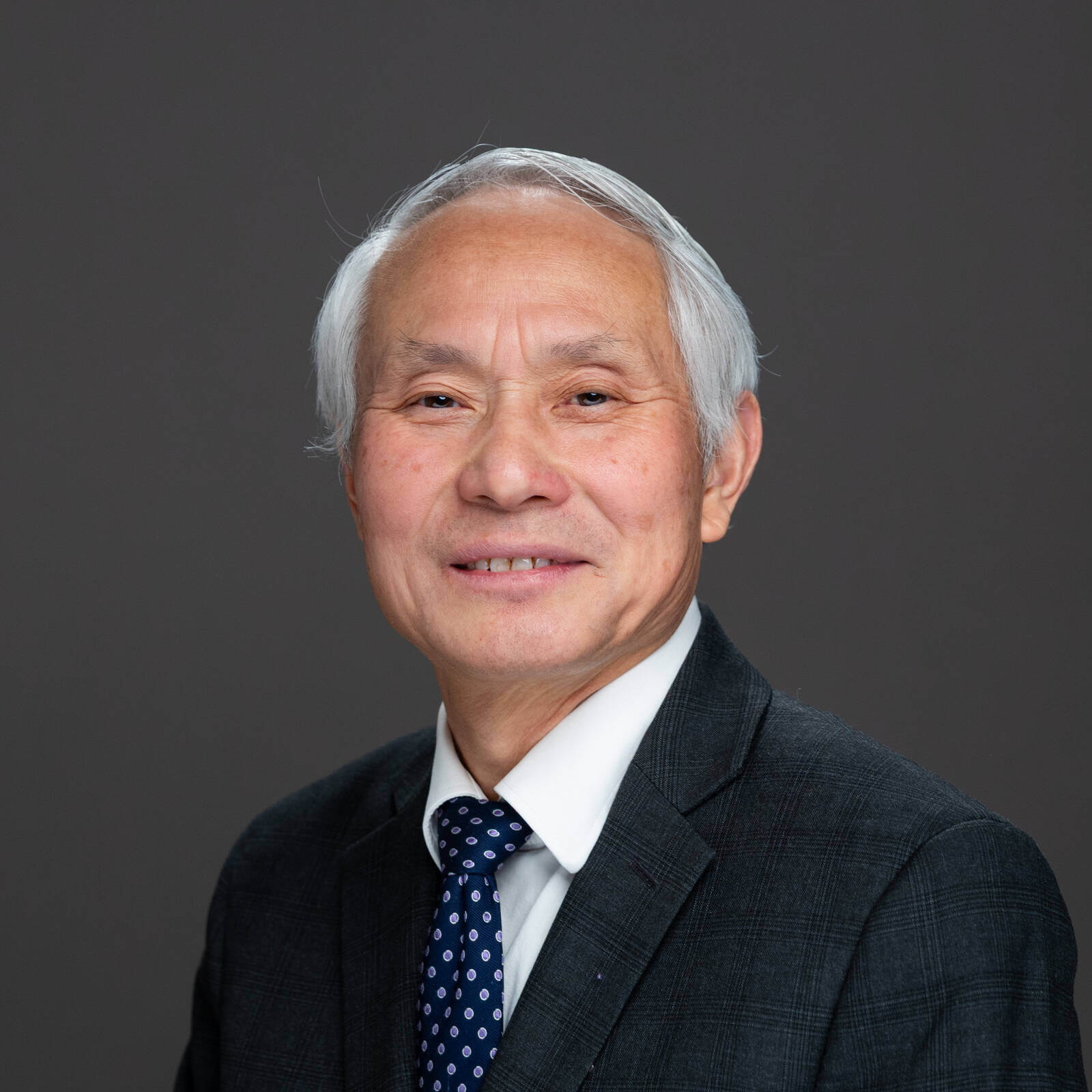
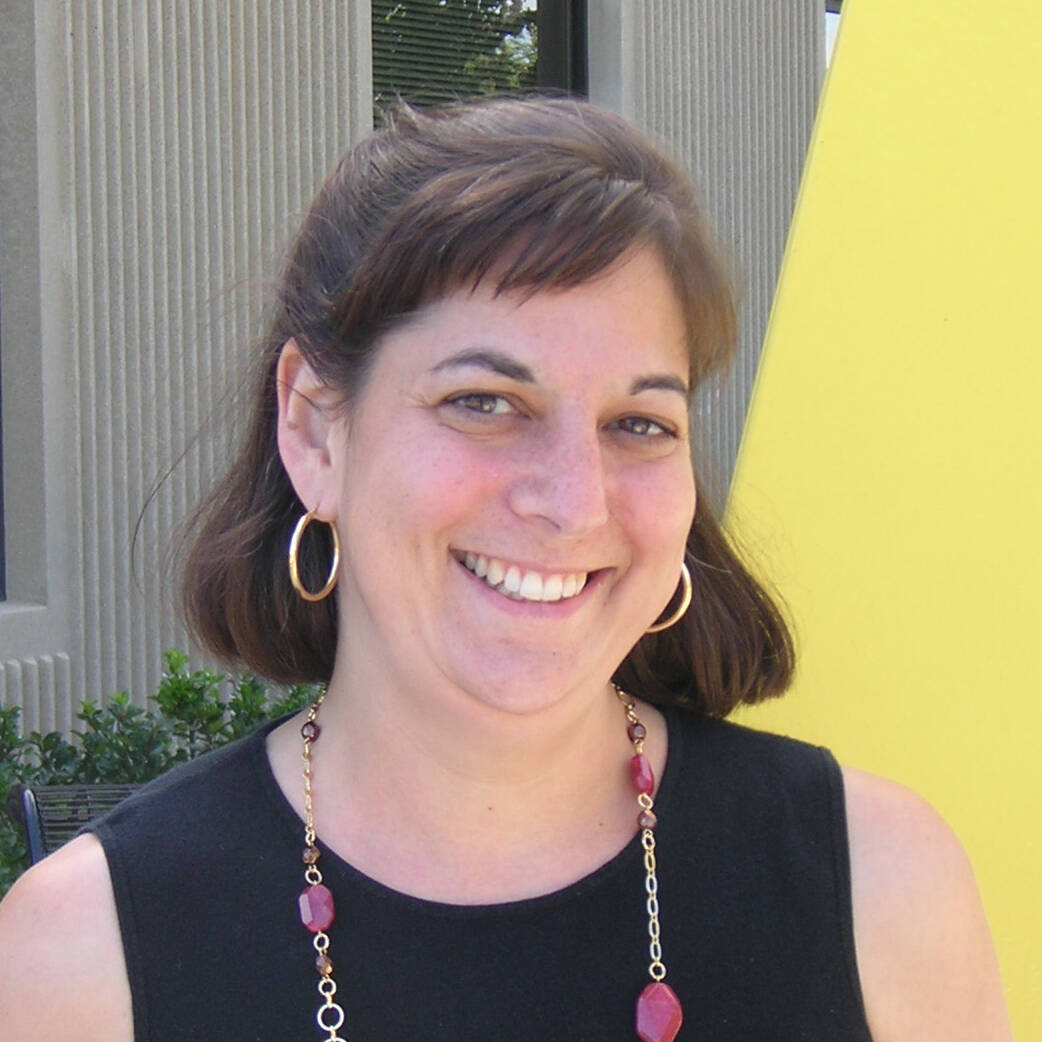
Carolyn Shapiro-Shapin co-chaired the Academic Policies and Standards Committee.
Scott Stabler received a Library of Congress grant for “Teaching Critical Data Literacy through the Slow Reveal Method and Primary Source Data Visualizations: A Project to Expand Teachers’ Understanding and Access.” He also published “Mayaguez – It’s Just as Difficult an Incident for Ford as It is to Pronounce,” Ford Leader-ship Forum, May 15, 2025.
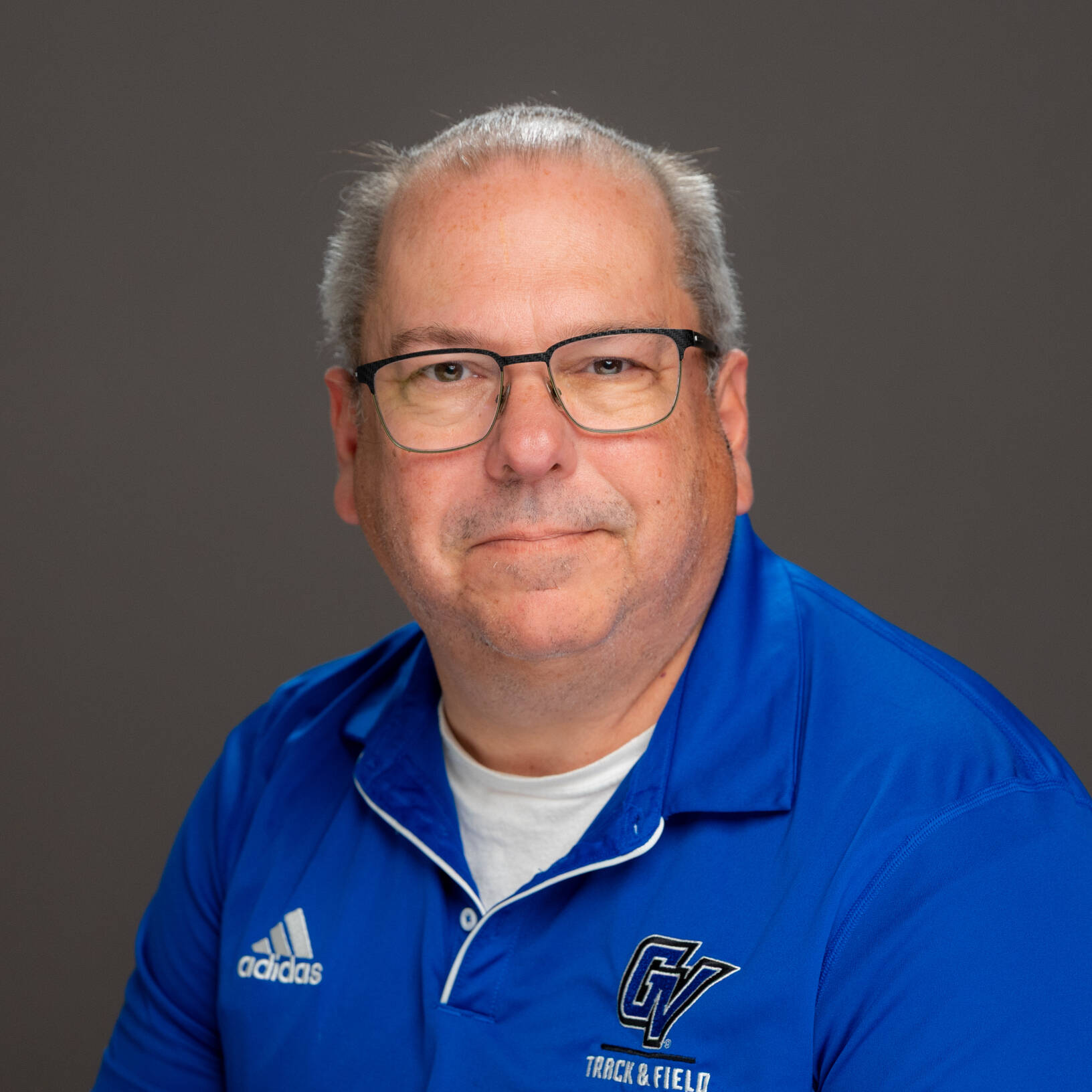
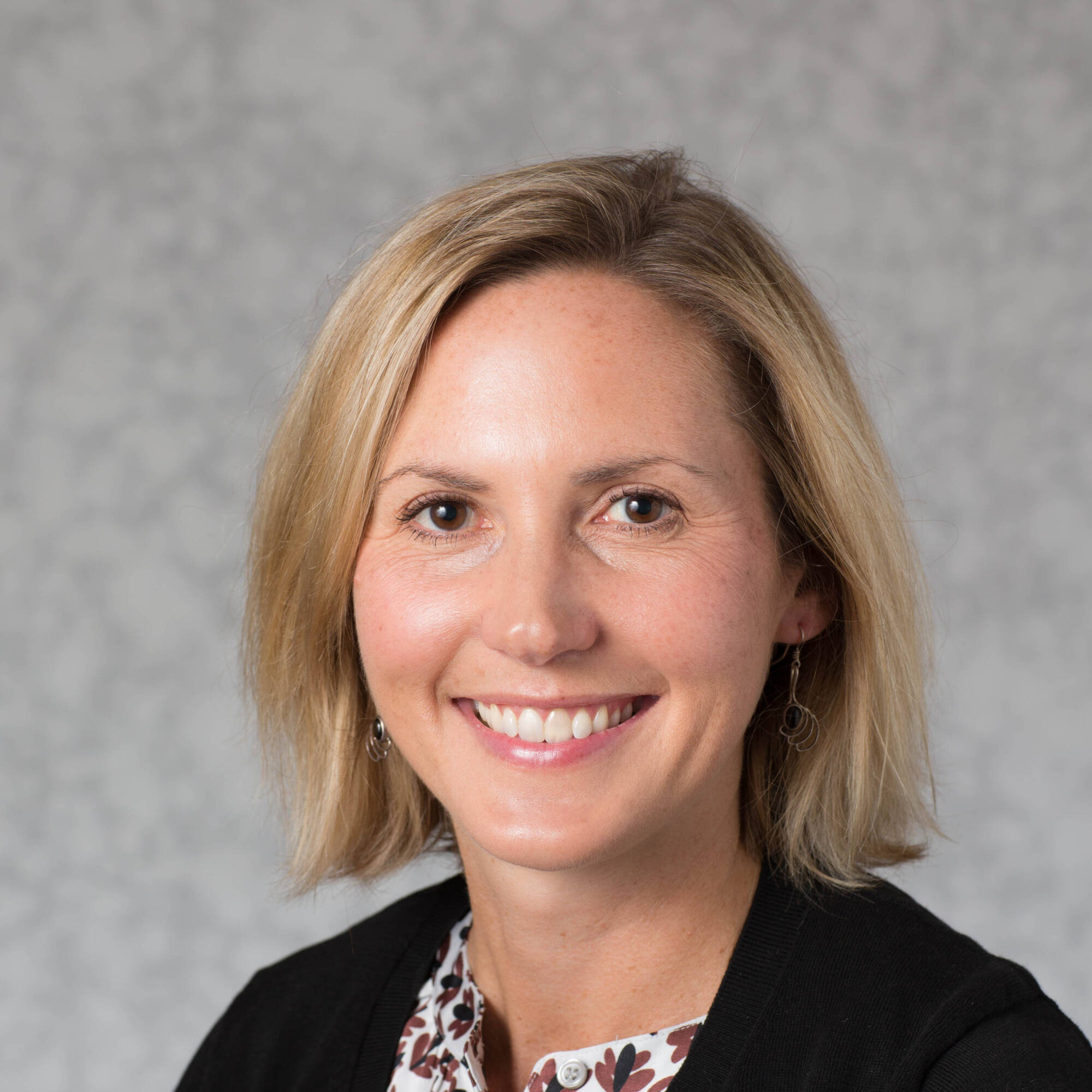
Tammy Shreiner is Director of the College of Liberal Arts and Sciences PK12 Initiatives and Director of the Pedagogical Content Knowledge for Elementary Teaching Program. She served on the Ad Hoc Committee on Artificial Intelligence for the American Historical Review and is a member of the editorial board for the Journal of Adolescent & Adult Literacy. She serves on the boards of the Michigan Council for History Education and East Grand Rapids Schools Foundation. She and Professor Bradford Dykes extended a Library of Congress grant to populate their website (dl4ss.com) with data visualizations, professional development modules, slow reveal lesson plans, scrollytelling” tools, and other resources.
Blair Stein is co-editor-in-chief of the popular blog, The Otter, Network in Canadian History and Environment. She is also on the executive board of the Network in Canadian History and Environment (NiCHE).

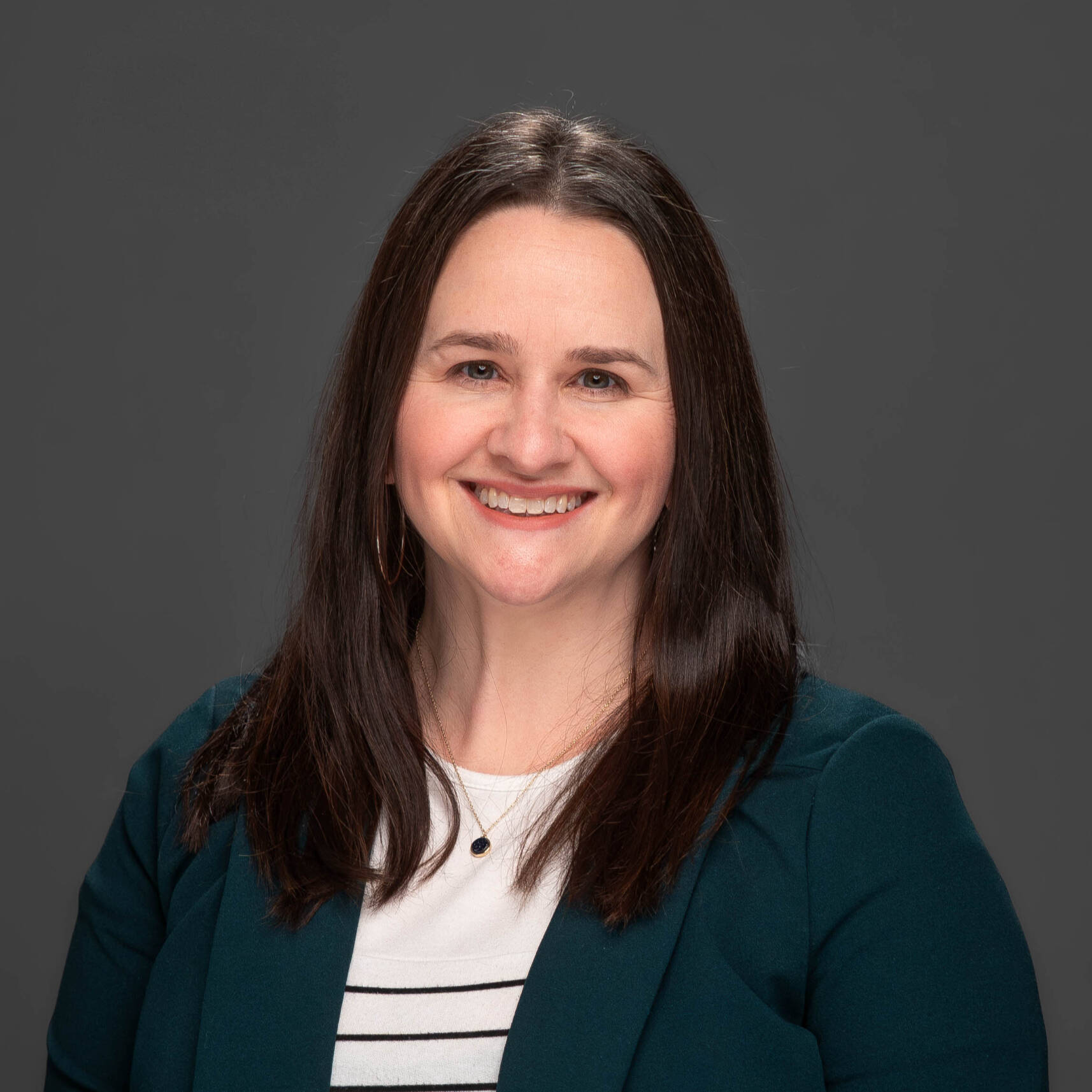
Annie Whitlock received the 2026 College Educator of the Year Award from the Michigan Council for the Social Studies (MCSS). She published “The State of Elementary Social Studies in Michigan,” Great Lakes Social Studies Journal, 5:2 (2025), 47-50, and with Linda Doornbos, “A Decade of the C3 Framework: How Wide Is Its Reach?,” Journal of Social Studies Research, 50:1 (2025), 3-17. She wrote a chapter entitled “No More Effs Left to Give” in Navigating Academic Motherhood: The Possibilities of Effective Mentorship for Tenured Faculty Mothers, edited by Elizabeth Gates Bradley and Vonzell Agosto (Routledge, 2025). She also received a grant from the Kutsche Office of Local History for “Letters Home: A West Michigan Community's Experience in World War II” to work with a student on her historical podcast. She serves on the board of directors of the Michigan Council for the Social Studies, which she served as president through the first half of 2025.
Ian Van Dyke organized a panel, “Protestant Missionaries as Agents of ‘Creativity and Renewal” and presented a paper, “’The First Great Error’: U.S. Missionaries to Muslims and Repentance for the Crusades” for the 2025 Society for U.S. Intellectual History annual meeting in Detroit. He and Darren Dochuk co-edited The Routledge History of Evangelical Christianity in America (Routledge, 2026). His commentary was featured in the Council on Foreign Relations survey of historians on “The 10 Best and Worst U.S. Foreign Policy Decisions.”
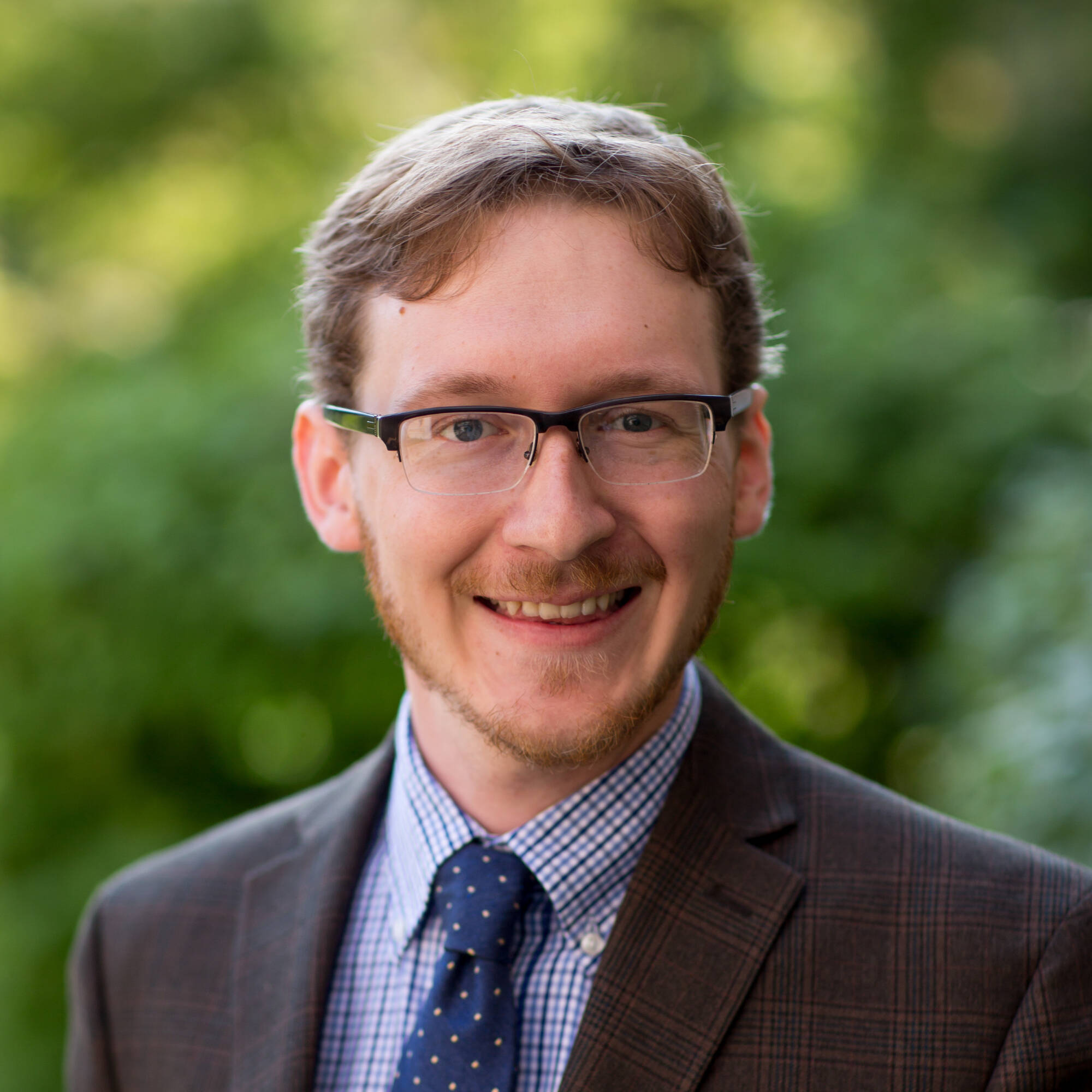
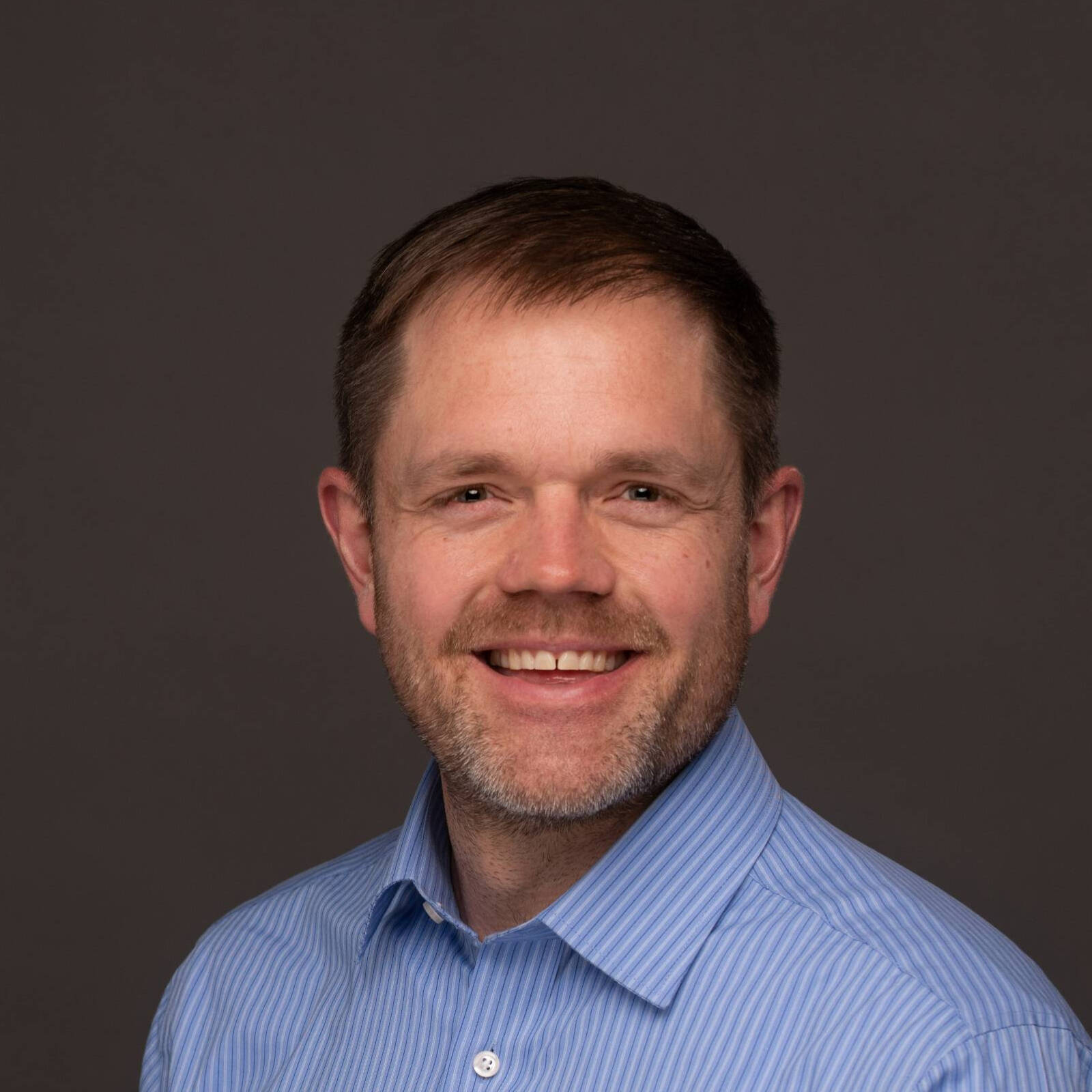
David Zwart and Wilson Warren published “Sliding into Oblivion? Michigan's History and Social Studies Teaching Preparation Programs since 2010,” Teaching History: A Journal of Methods, 50:1 (2025), 31-43. They presented their findings at the Organization of American Historians Annual Conference. He is treasurer of the Michigan Council for History Education and treasurer and membership secretary for the Association for the Advancement of Dutch-American Studies.
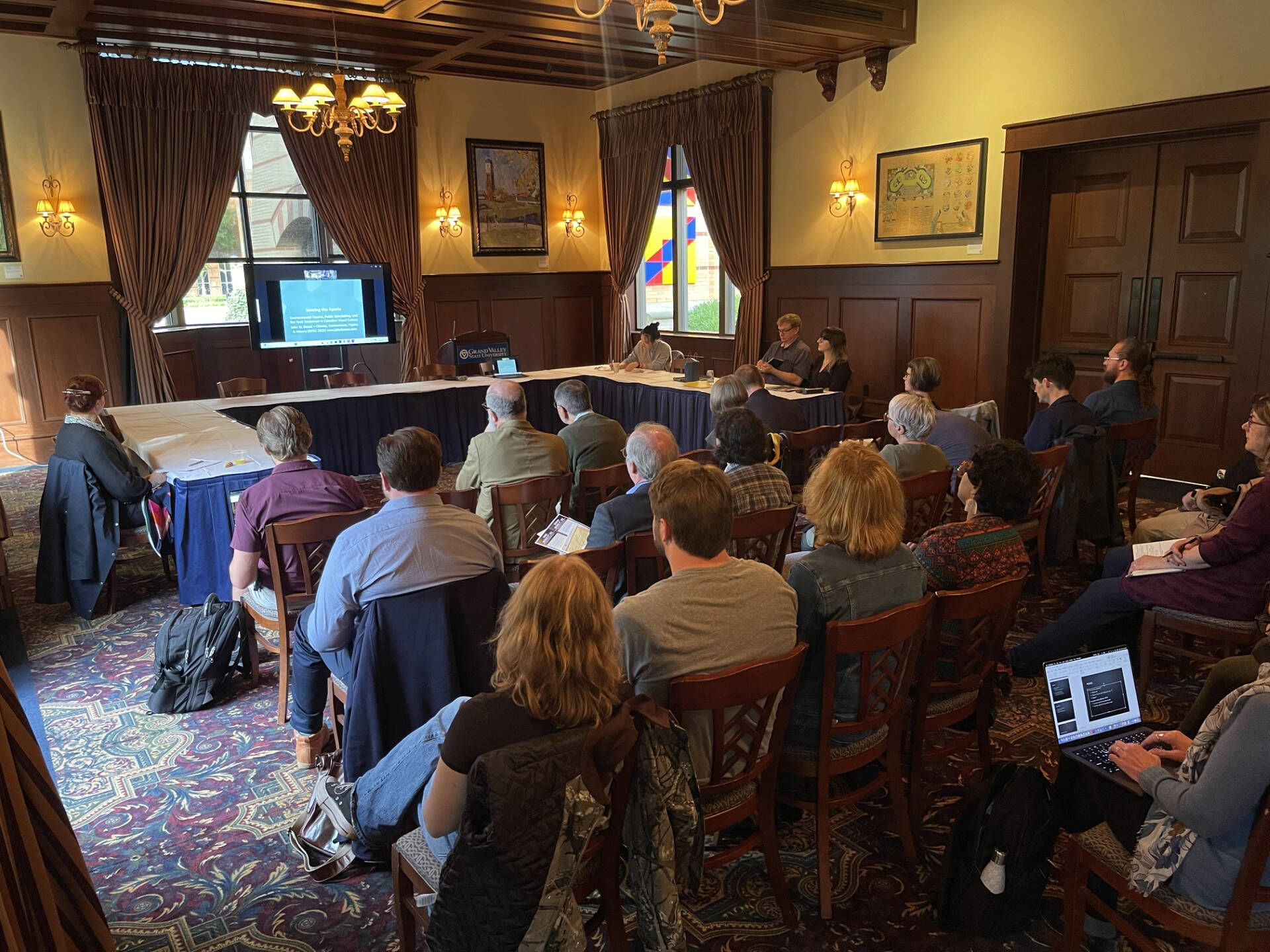
Participants had the chance to explore different ways of approaching a variety of experiences with material environments. The conference addressed a number of interrelated questions, including: How does material culture/the environment influence humans, and how do humans in turn influence and construct their material environment? What different forms of trauma emerge as a result of climate/environmental disasters? How are experiences with the environment represented and processed through a variety of media, narratives and images?
Highlights included panels on psychological theories dealing with material environments and mental health, the different ways in which environmental disasters are visualized, representations of environmental stress in popular media, and diverse narratives of climactic trauma, which included a presentation by GVSU alumna Jennifer Ventimiglia, who is now a professor at Northeastern Illinois University, on films and music constructed by Chicago youth.
How does material culture & the environment influence humans, and how do humans in turn influence and construct their material culture?
The Great Lakes History Conference in October 2025 focused on “Climate, Environment, Psyche and History.” Jason Crouthamel (GVSU) and Peter Leese (University of Copenhagen) organized the conference, which featured scholars from Europe and the United States in history, psychology and psychiatry, film studies, criminology, medical humanities, education, art & design, philosophy, environmental studies, and literature.
Finally, the conference offered panels on case studies of environmental trauma in a variety of historical contexts. The event also included a Latin American History Workshop organized by Mike Huner, and a Student Panel organized by Alice Chapman, which gave our students the opportunity to gain experience in presenting their work and receiving feedback on their research. Thanks to all colleagues and students who joined us and helped make the conference a rewarding experience!
|
Date |
Event |
|---|---|
|
Saturday, October 3, 2026 |
Grand Valley State Homecoming |
|
Saturday March 20, 2027 |
National History Day Regional Competition |
|
April 2027 |
Phi Alpha Theta Regional Conference Grand Valley State University |
|
Friday, April 30th, 2027 - Saturday, May 1, 2027 |
Michigan Council for the Social Studies (MCSS) Annual Conference Wayne State University |
If you are interested in supporting current Grand Valley State University undergraduates, consider making a donation to one of the following funds established to honor past history faculty or advance current historical work. Contact the History Department with any questions (616-331-3298) or the University Development Office (https://www.gvsu.edu/giving/).
Quirinus Breen Prize Scholarship: Benefits students regularly enrolled in any history course.
Frances Ann Kelleher Endowed Memorial Scholarship: History or Social Studies students studying abroad.
James F. and Virginia L. Goode Global Programs Endowed Scholarship: Need-based scholarship for students planning to study abroad.
Glenn A. and Betty J. Niemeyer History Scholarship Endowment: Benefits deserving junior or senior history majors.
David M. Stark Endowed Scholarship in Latin American History: Benefits students of any major with a special interest in Latin American History or Latin American Studies.
Veterans History Project Endowment: Funds oral history interviews, documentaries, educational materials, and live presentations by U.S. veterans.
Kathleen Underwood Endowed S3 Fellowship: Assists students in the Student Summer Scholars (S3) Program and who are conducting research on social inequality in women and gender studies and/or history.
Joan L. Chapman Endowed Scholarship: Assists students from the College of Liberal Arts and Sciences who are enrolled in either the history or English programs and also demonstrate financial need in covering the cost of their education.
Social Studies Education Endowed Scholarship: Assists students majoring in Social Studies (Secondary Education) or Pedagogical Content Knowledge for Elementary Teaching (PCKET) with a concentration in Social Studies with the intention of pursuing a career as a teacher.
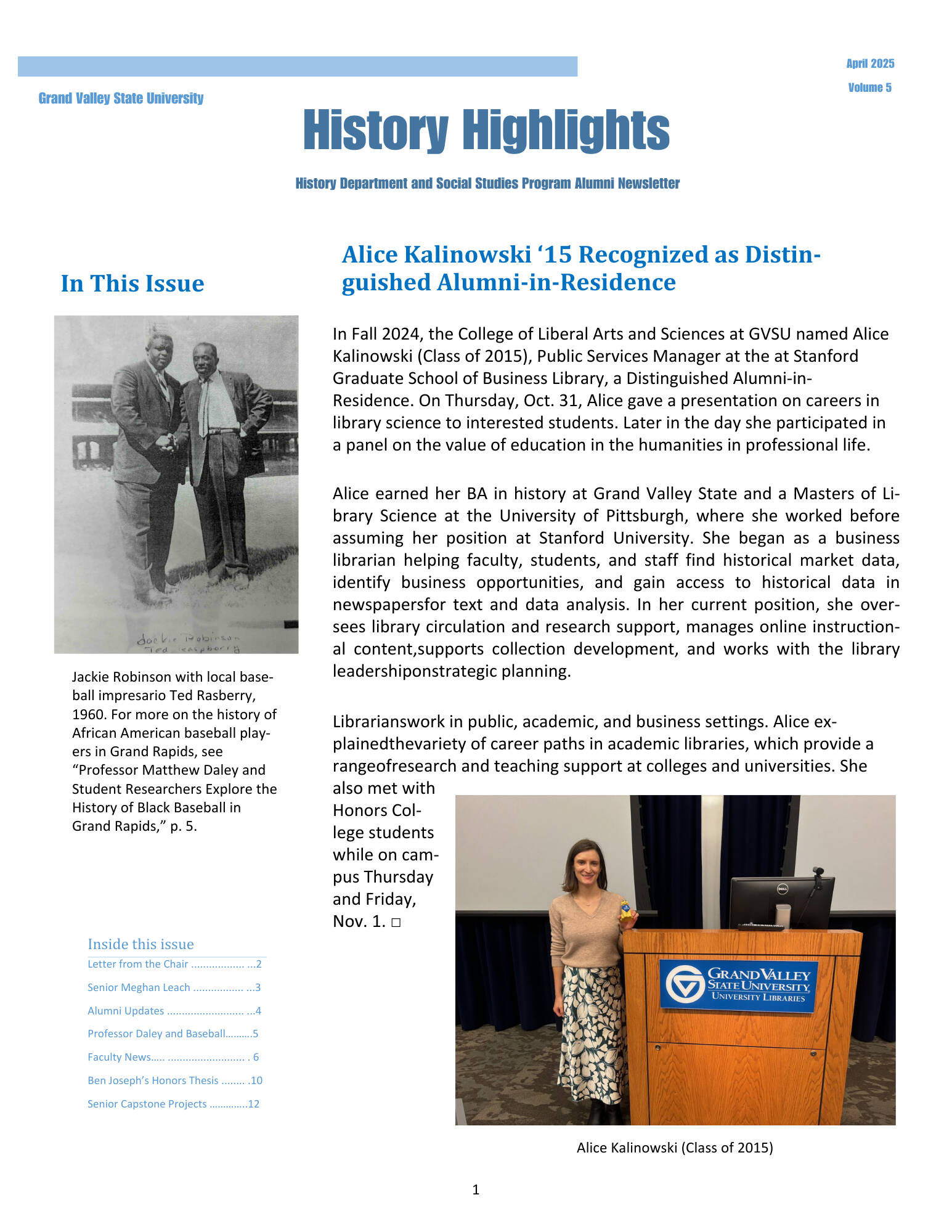
2025
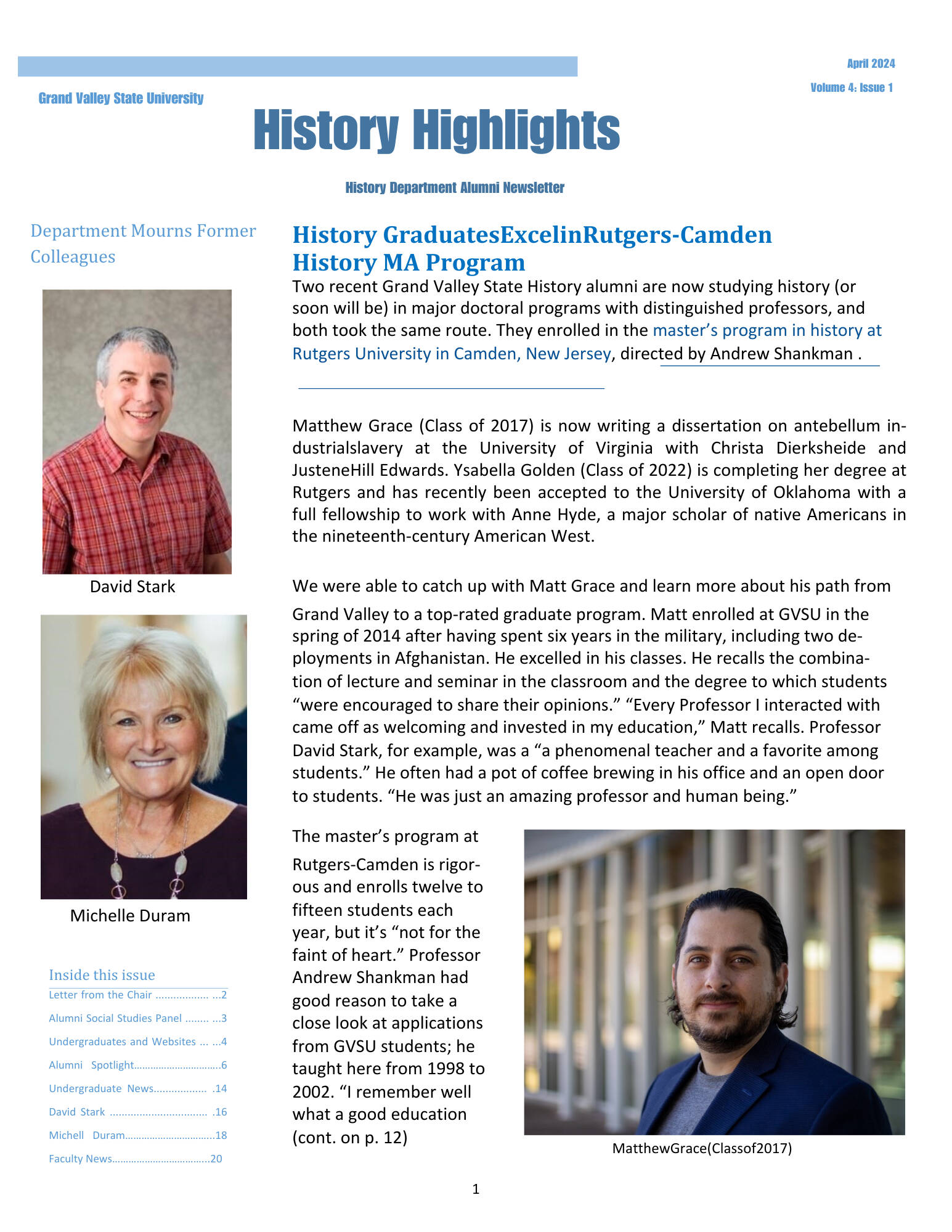
2024
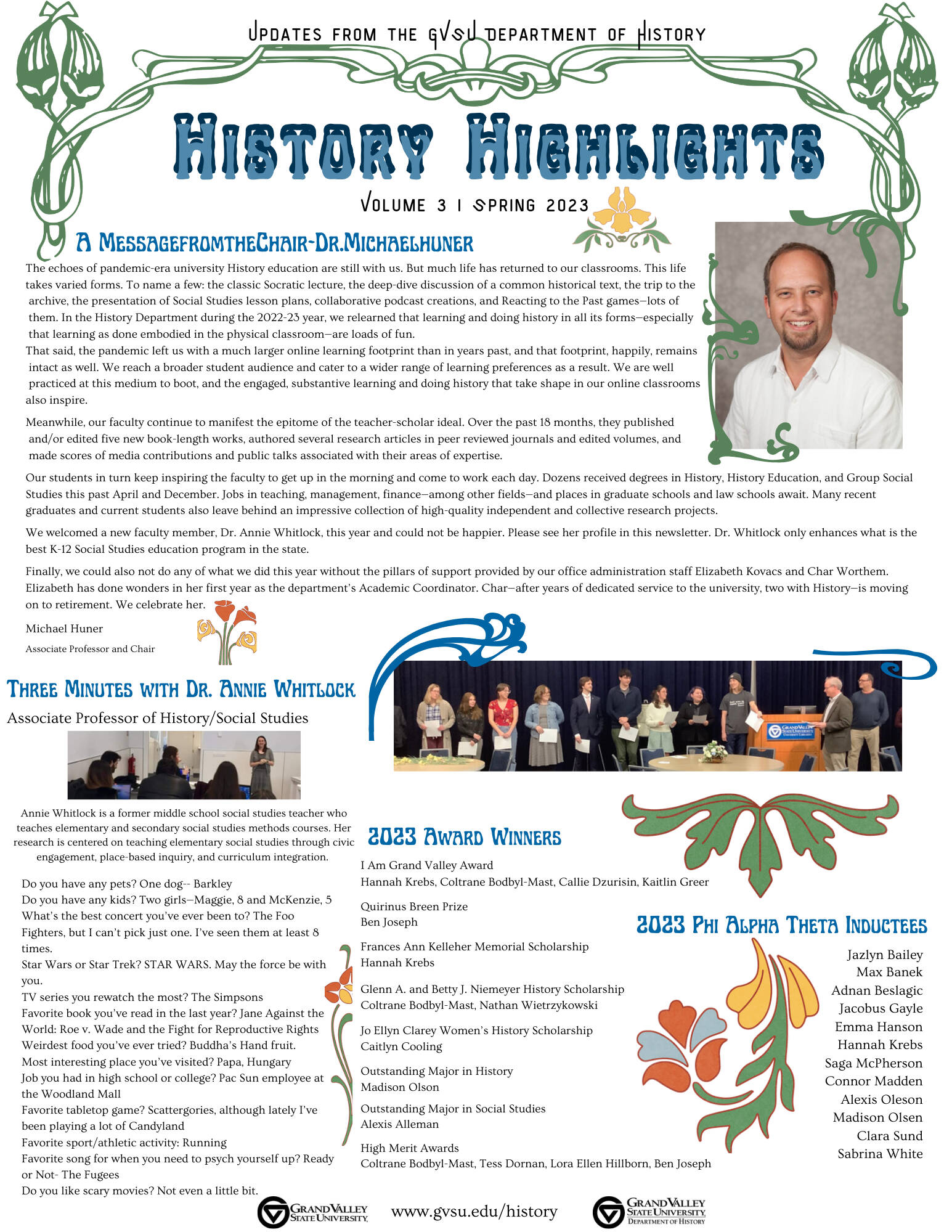
2023
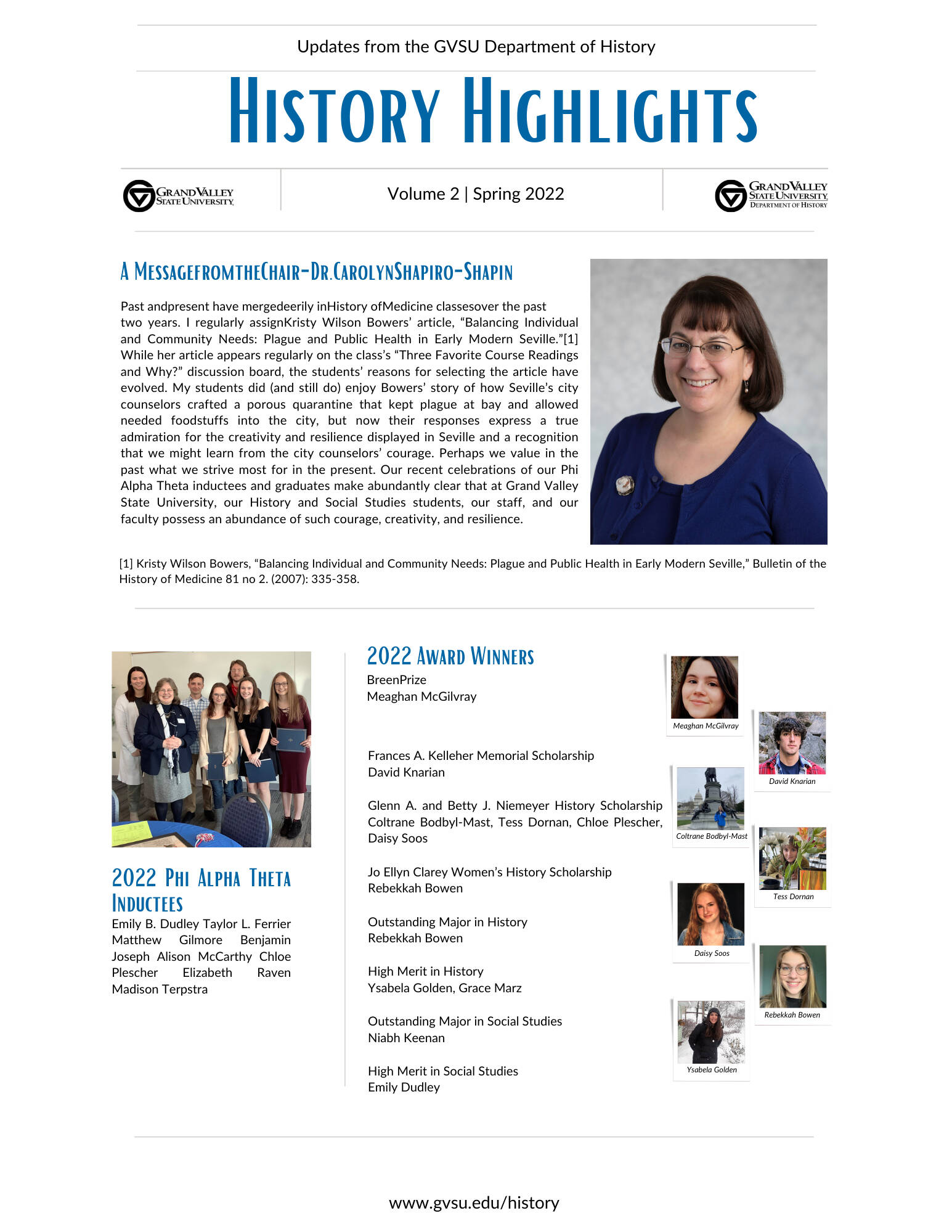
2022
History Highlights
Vol. 5, No. 1 (April 2026)
Questions, comments, or if you have news for future editions:
The craft of history interprets the past. History examines the lives of people, the consequences of ideas, and the products of human ingenuity. Historians engage in deep inquiry and persuasive debate. They craft narratives about the past based in evidence. The skills students gain through the study of history allow them to analyze and interpret evidence and evaluate how human societies change over time.
The History Department Alumni Newsletter is published by the Alumni Outreach Committee:
Steeve Buckridge
Michael Huner
Chris Jansson (Digital Newsletter Editor)
Paul Murphy (Chair, Newsletter Editor)
Yue Liang
Annie Murphy
Scott Stabler
Please contact Annie Whitlock ([email protected]).
GVSU Department of History
1 Campus Dr., Allendale, MI 49401
Mackinac Hall, D-1-160
(616) 331-3298
Chair: Michael Huner ([email protected])
Department Coordinator: Elizabeth Ehlers ([email protected])
Joint Department Coordinator: Chris Jansson ([email protected])