.svg)
The Hauenstein Center's educational outreach program invites West Michigan educators and their students to join our community of learners devoted to the study of leadership, the humanities, and public policy. We offer special opportunities to attend our community events and a curated collection of educational resources. Middle and high school educators have an open invitation to attend our private pre-event receptions.
Our team is eager to partner with area administrators, educators, and student groups to bring our valuable programming to the next generation of ethical, effective leaders for the 21st century.
Educator Events
Veterans Day Celebration

Common Ground: The Separation of Church & State
These guides offer guidance on incorporating past Hauenstein Center event recordings into your curriculum. Each guide provides modular activities to fit available classroom time and recommended resources and questions, as well as a customizable graphic organizer that can be assigned to students and links to professionally produced recordings of the event.
U.S. History
|
Topic |
Link |
|---|---|
|
MLK: Leading Like a King |
|
|
Collective Memory: Race and Remembering the Past |
|
|
Presidential Precedents |
|
|
How President Bill Clinton's Campaigns Reshaped Modern Presidential Politics |
|
|
Why WWII Still Matters |
|
|
Plessy v Ferguson: Race in American Memory |
|
|
Angelica: For Love and Country in a Time of Revolution |
|
|
Seeking Monsters to Destroy: How America Goes to War |
Politics & Government
|
Topic |
Link |
|---|---|
|
Federalism in the Twenty-First Century |
|
|
U.S. Foreign Policy Public Forum |
|
|
Is the Party Over? The Present and Future of American Party Politics |
|
|
Reflections on Patriotism |
|
|
The Constitution vs. Democracy |
|
|
Freedom From Religion or Freedom For Religion? |
|
|
Our American Allies: NATO and the Future of U.S. Power |
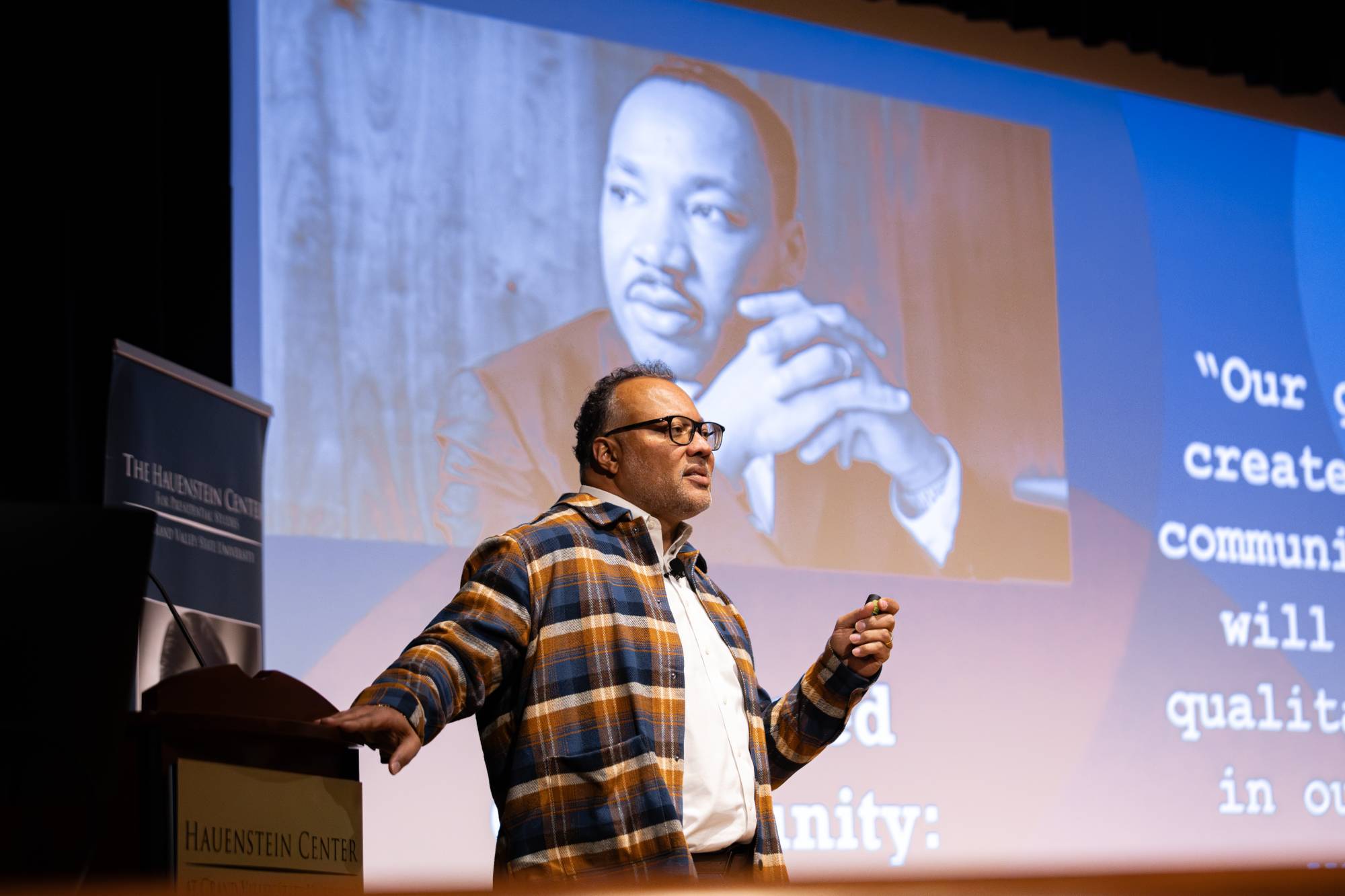
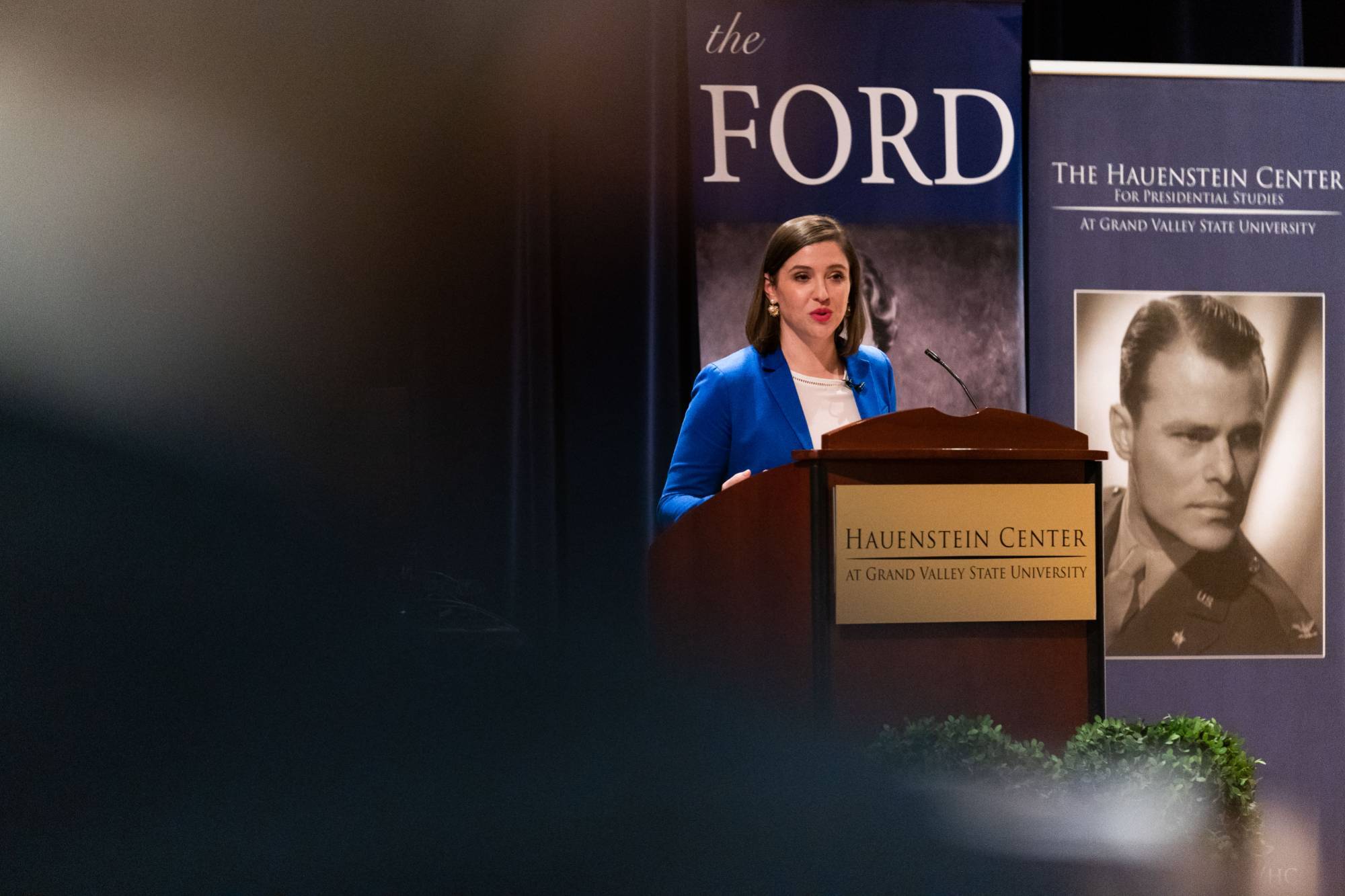
Joe Jones highlights the courage, resilience, and partnership embodied by Dr. Martin Luther King Jr. and Coretta Scott King to demonstrate that true leadership requires moral integrity, especially during times of crisis.
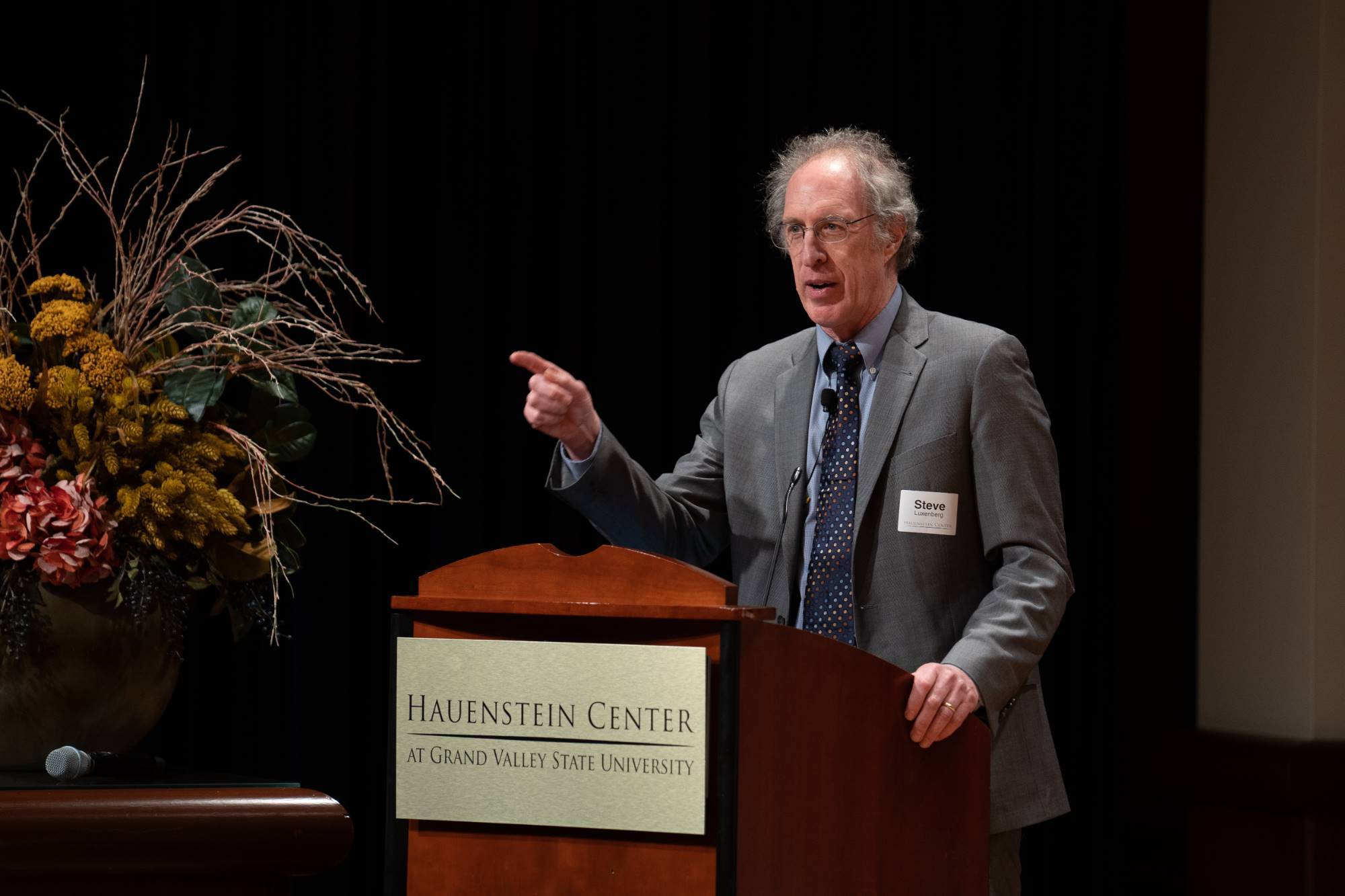
Steven Luxenberg argues that debates over statues, memorials, and names reveal deeper struggles over how Americans remember and interpret their history, making honest engagement with the past essential to understanding moral progress.
Lindsay Chervinsky explores how George Washington established foundational executive precedents—such as the Cabinet system and the peaceful transfer of power—providing educators with an ideal resource for teaching the constitutional balance of power and the legacy of the Founding Era.
Jay Barth explores how presidential campaigns evolved from network television advertising to targeted digital outreach, highlighting the impact of media and technology on elections.
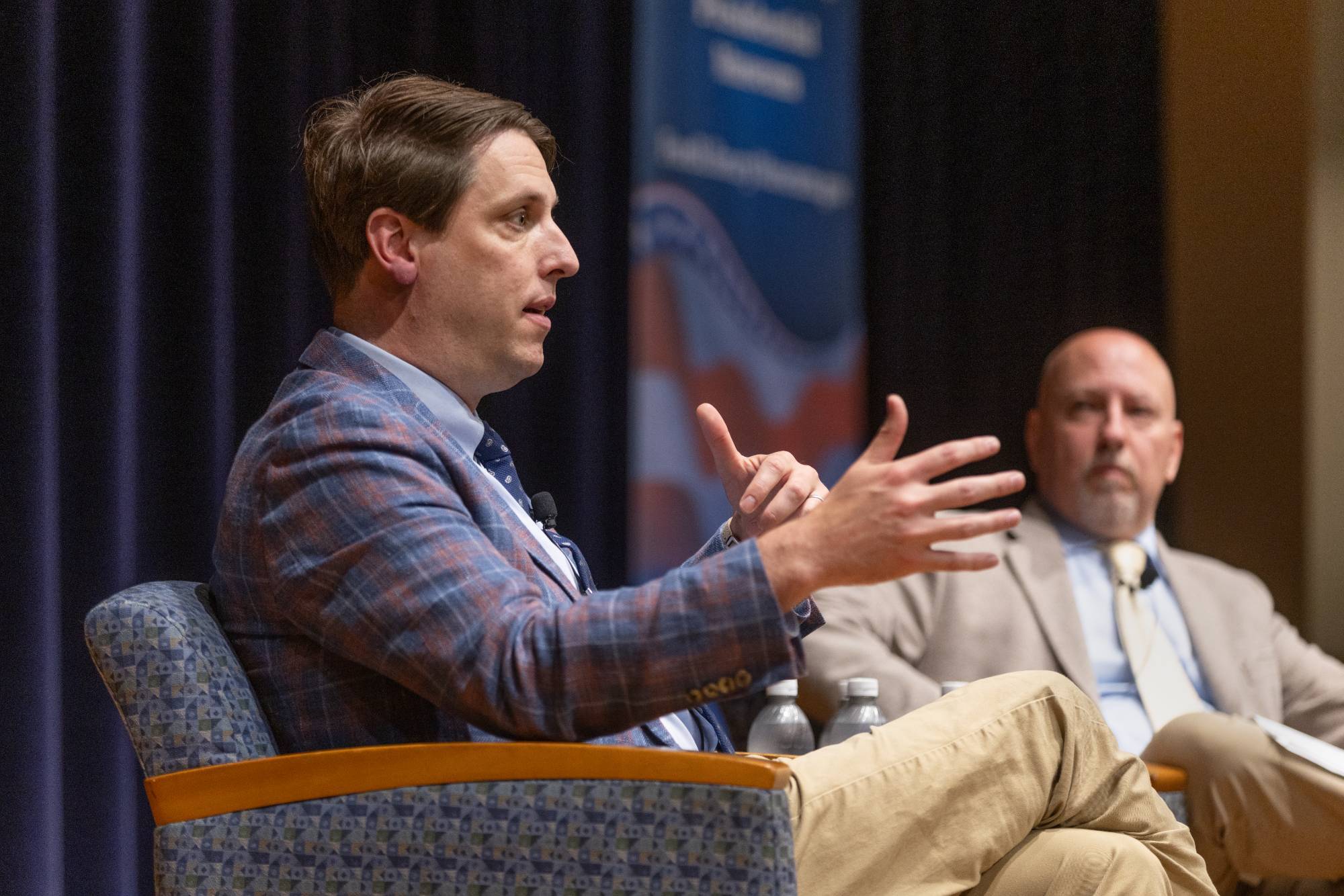
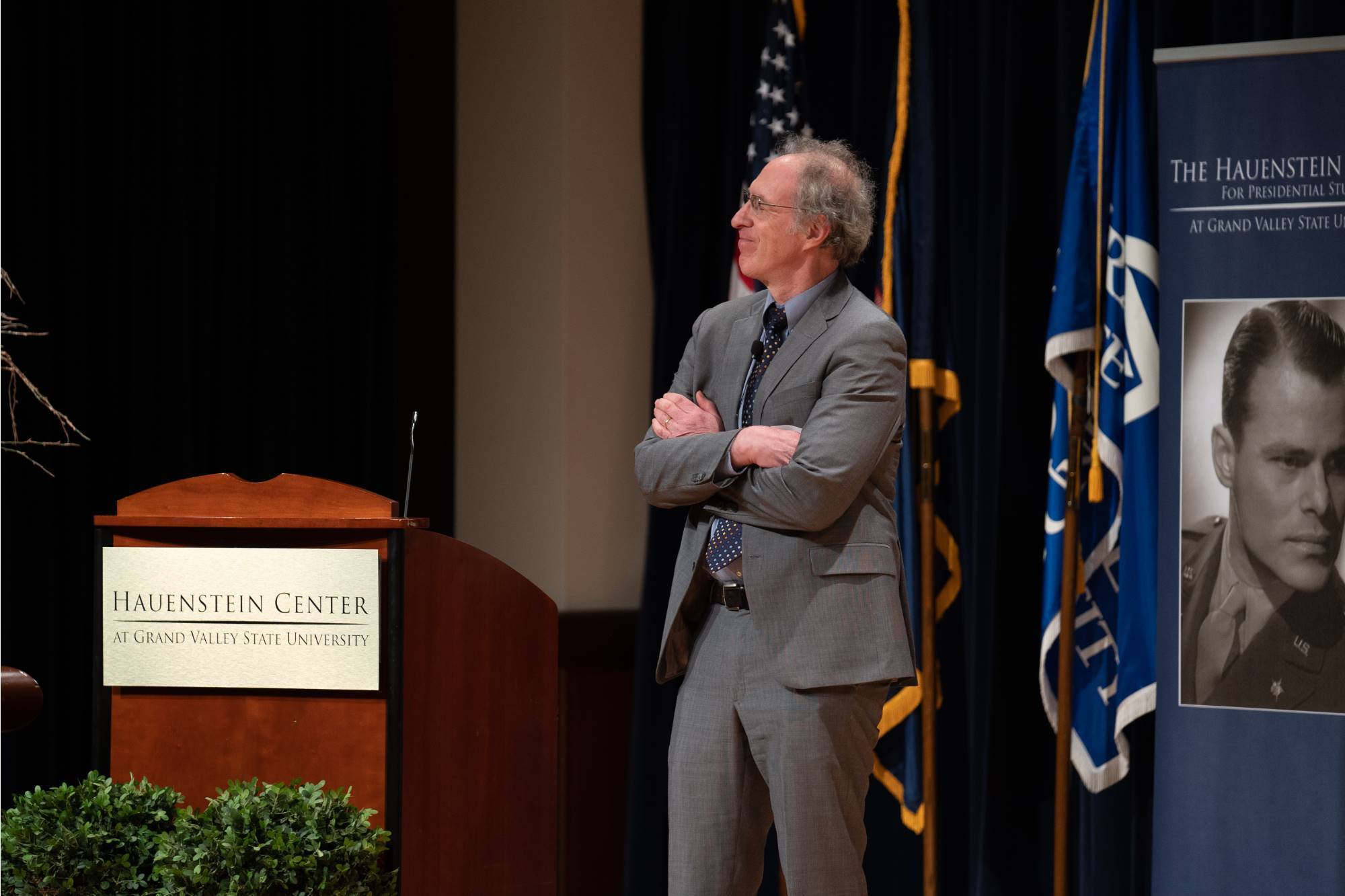
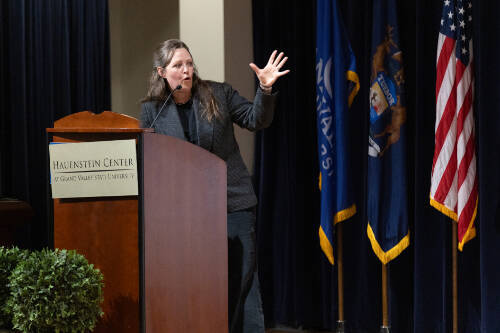
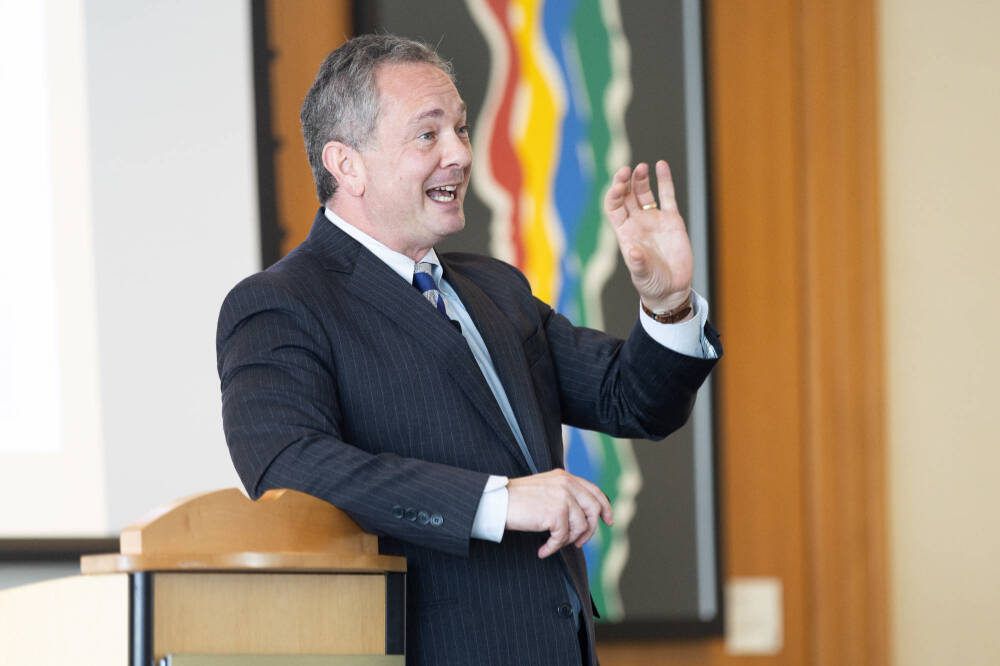
Garrett Graff discusses how oral histories can bring events such as World War II, D-Day, 9/11, and the Manhattan Project to life, helping students explore history through personal experiences.
Steve Luxenberg encourages educators to move beyond traditional textbook narratives of Plessy v. Ferguson by examining overlooked individuals, Northern resistance to segregation, and the ways memory and omission shape historical understanding.
Molly Beer examines the life of Angelica Schuyler Church to demonstrate how women exercised historical influence, and challenges how historical narratives are constructed and whose voices are included.
Historian Jeff Engel examines how U.S. leaders use ideas about race, identity, and cultural similarity to frame wars as efforts to liberate foreign populations from hostile leaders rather than fight entire peoples.
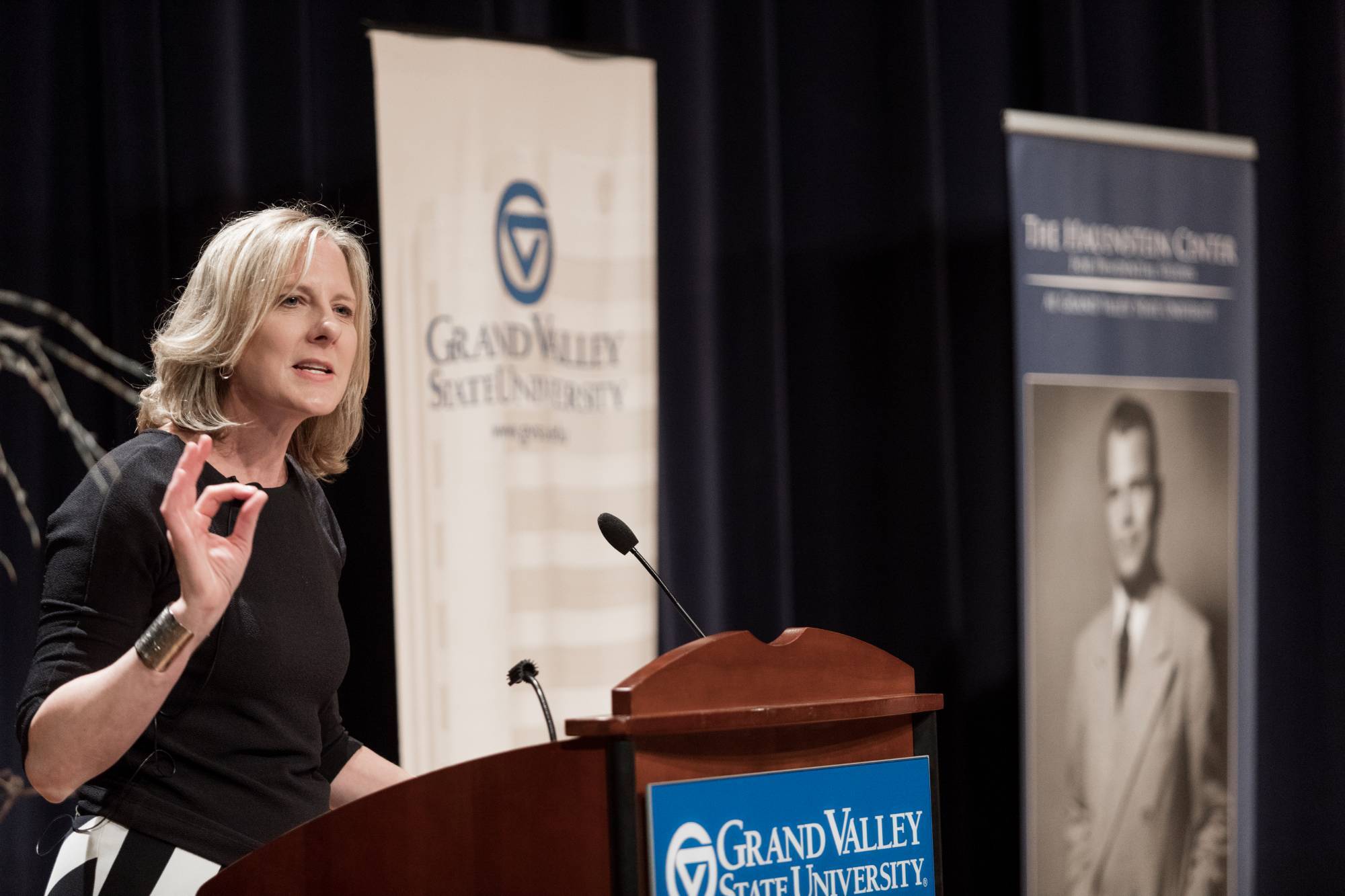
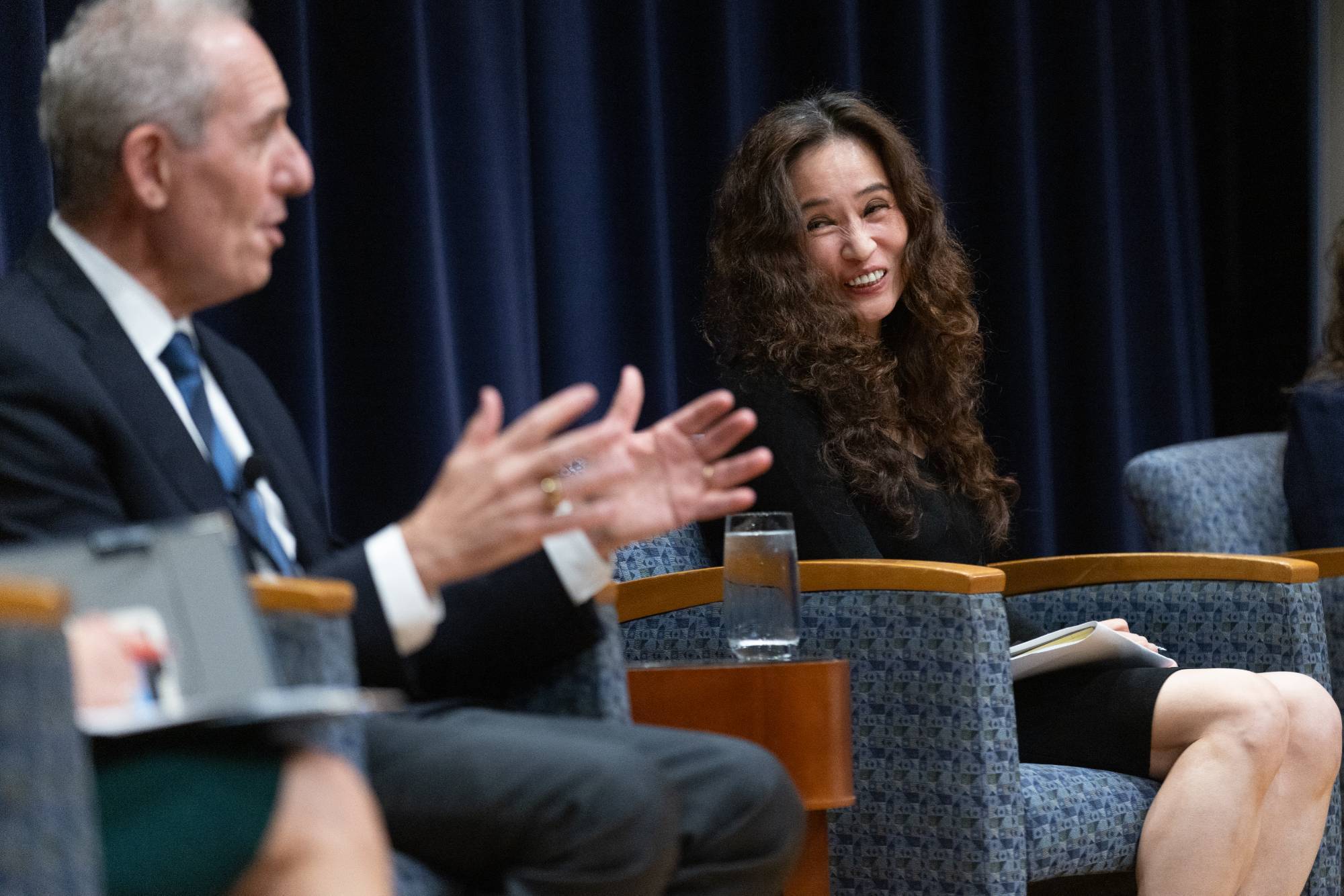
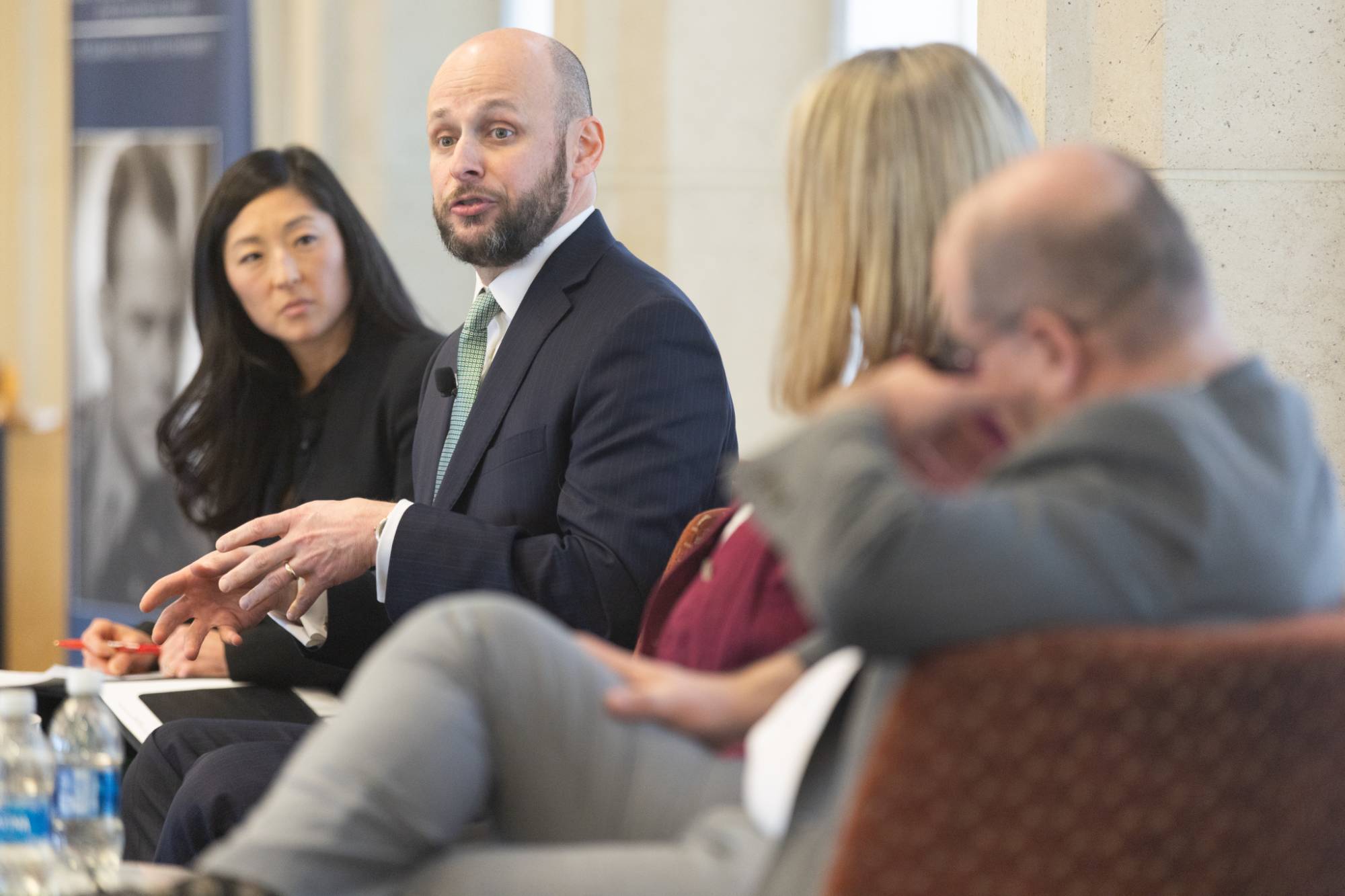
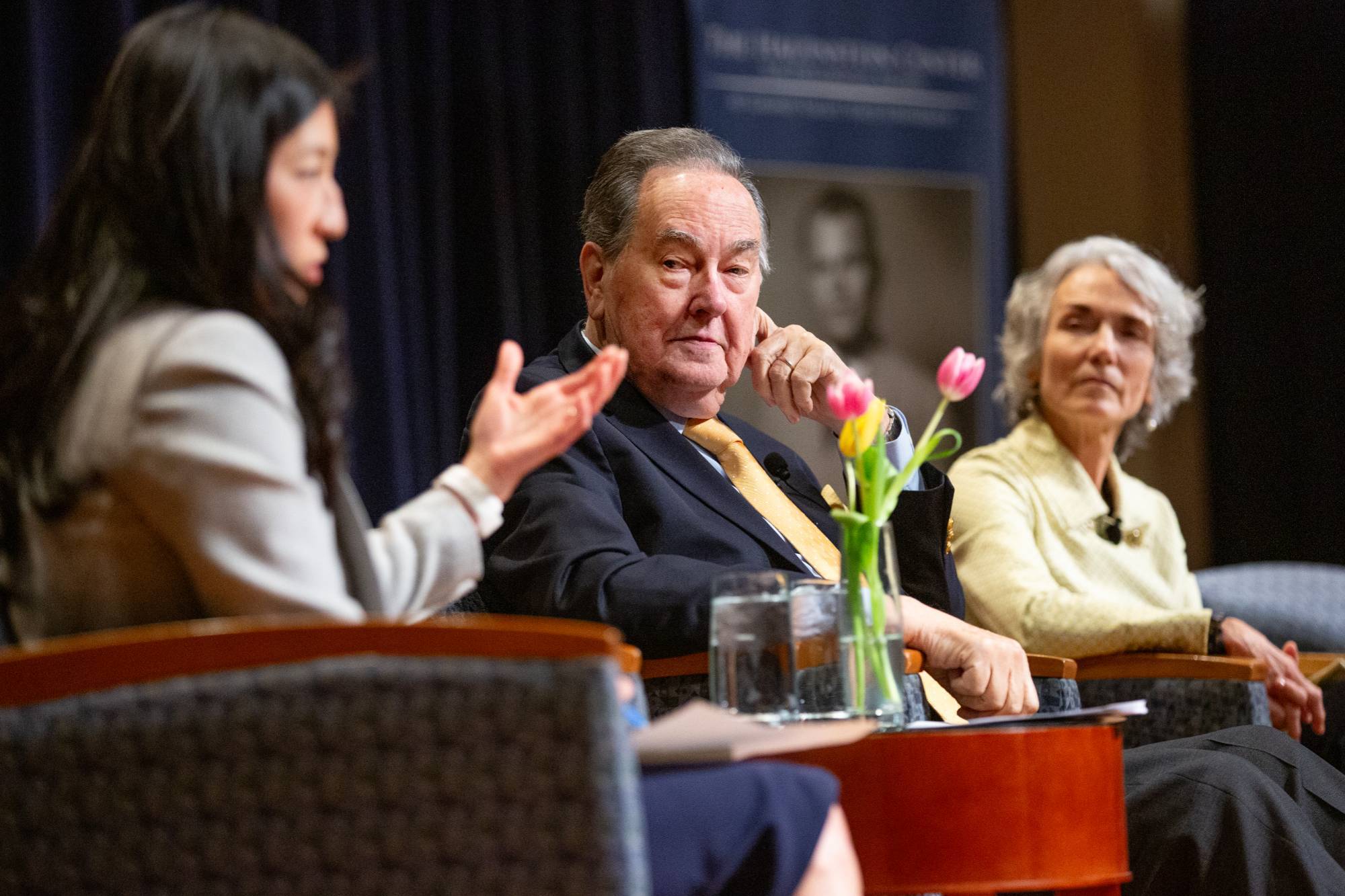
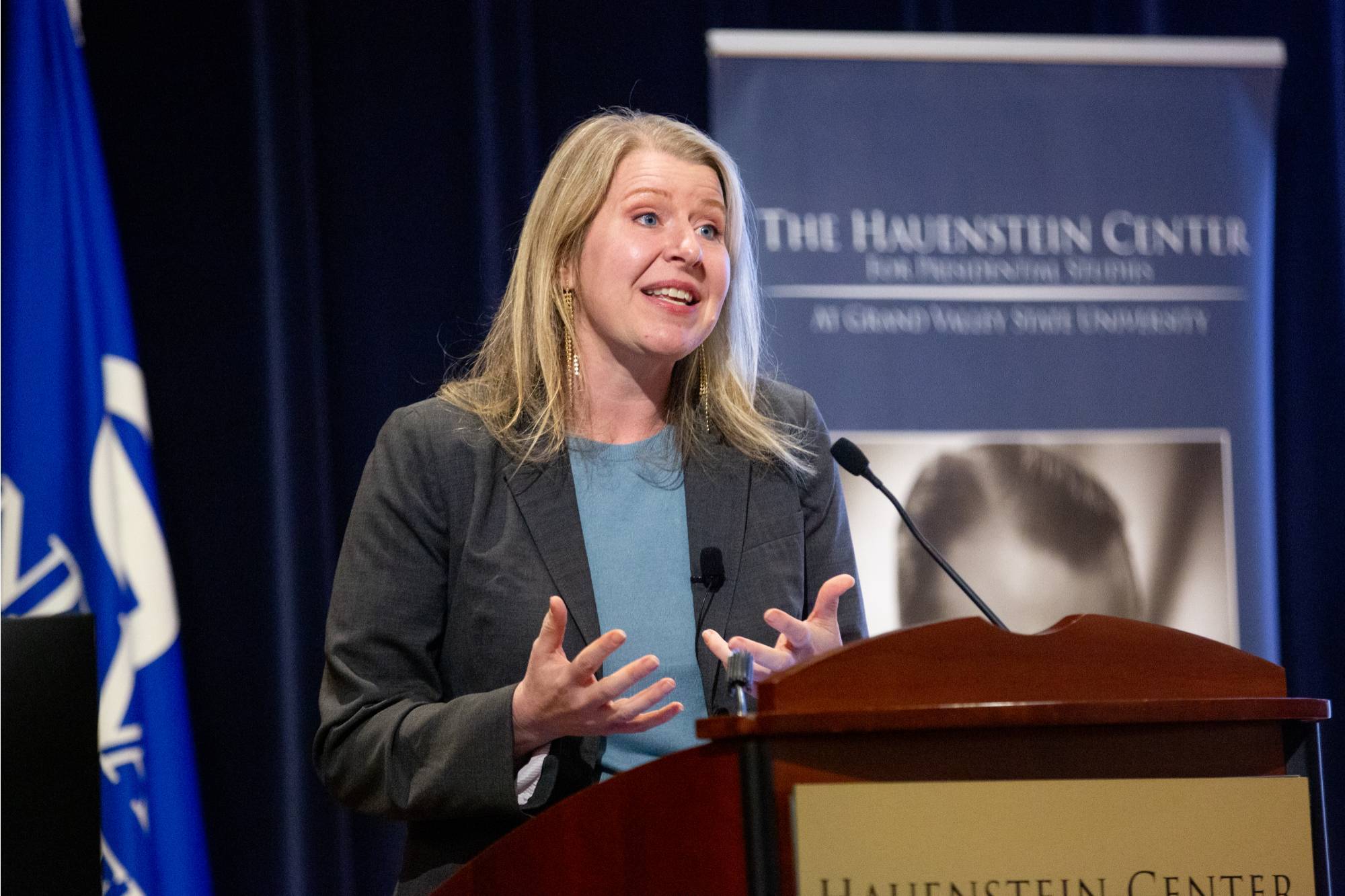
Heather Gerken examines 21st-century federalism by showing how states and cities shape national policy through both cooperation and resistance, encouraging students to examine the balance of power, civic engagement, and the role of local action in driving change within American democracy.
This presentation helps educators engage students in analyzing foreign policy issues, exploring how topics such as China, trade, global conflicts, national security, and diplomacy influence American society and shape the nation's role in an interconnected world.
This presentation examines how political parties, voter loyalty, polarization, campaign finance, media influence, and the two-party system shape American politics, helping students analyze how parties evolve and how citizens form political identities.
This presentation explores competing perspectives on patriotism, encouraging students to examine how citizenship, civic responsibility, constitutional rights, public service, protest, and national identity shape American democracy.
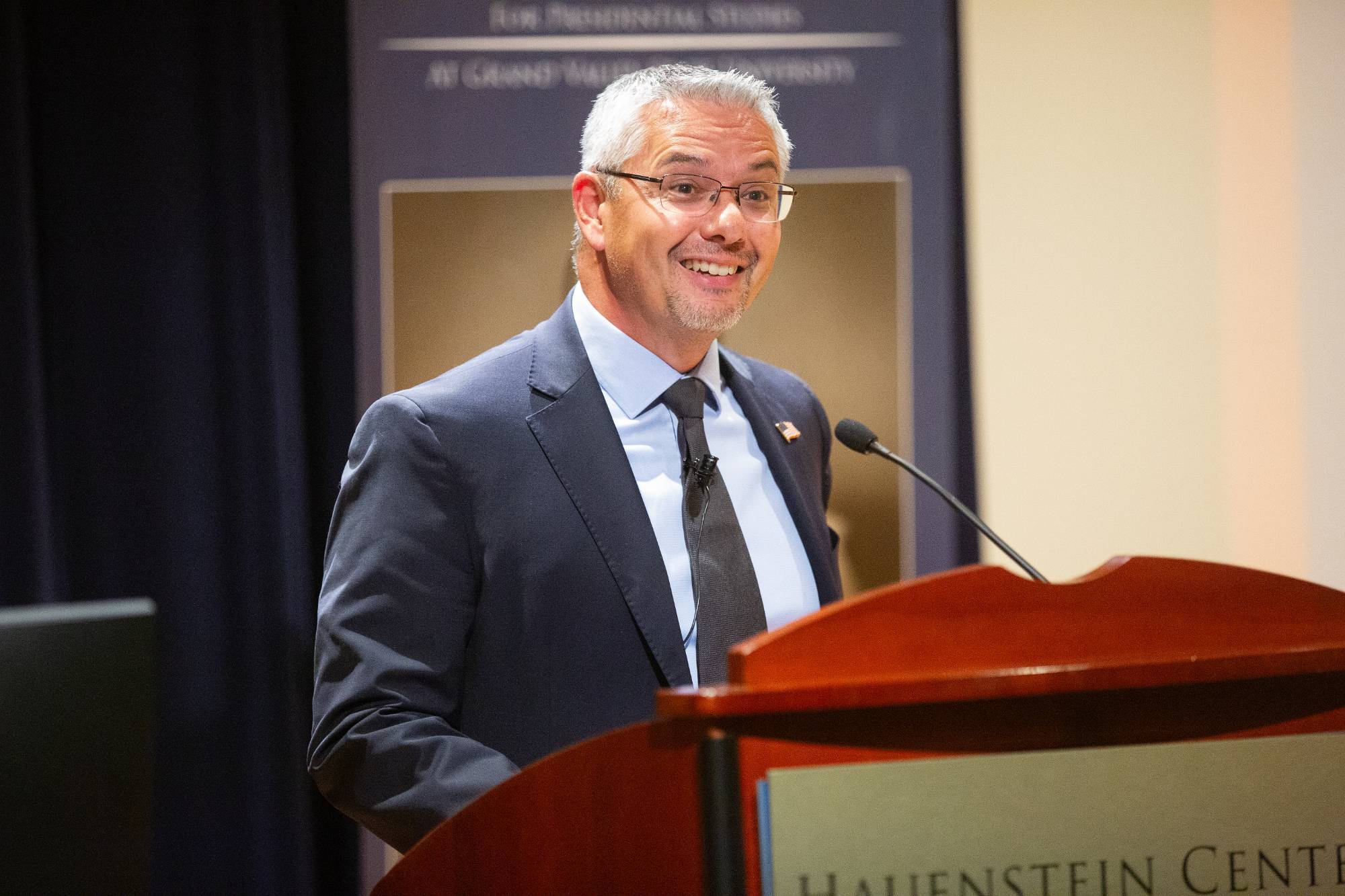
Nicole Hemmer examines how the U.S. Constitution, voting rights, representation, federalism, and democratic reforms have shaped American democracy.
Vincent Phillip Muñoz examines the Founders’ understanding of religious liberty and its relationship to contemporary Supreme Court interpretations, using landmark cases to explore competing concepts of freedom from religion and freedom for religion.
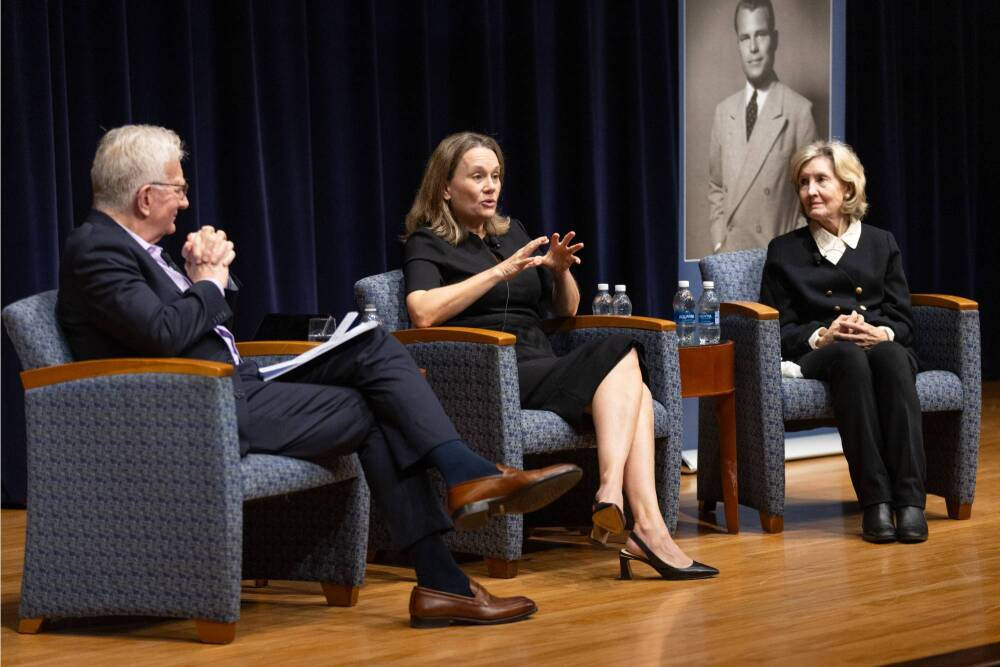
Former U.S. ambassadors Kay Bailey Hutchison and Julianne Smith provide firsthand insights into global security, NATO, and international diplomacy, offering educators a valuable resource for teaching modern foreign policy and international relations.
Educator Mailing List
Staff and Contact
Randy Cotts
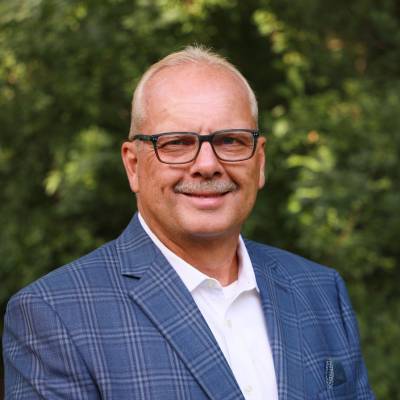
The Hauenstein Center is excited to partner with Randy Cotts, Educational Outreach Consultant, to support our K-12 outreach efforts. Randy recently retired from a 30+ year career as a teacher with Byron Center High School. A graduate of Western Michigan University, he earned a bachelor's degree in secondary education and a master's degree in history. Along with AP government, he has taught 10th grade U.S. history, sociology, psychology, international relations, and constitutional law. He advised the school's Close Up program, which brought students to Washington, D.C., and started a German-American exchange program. Randy uses his education experience and passion for youth civic engagement to build relationships with local teachers and create curriculum guides for and from our events.
Reach out to Randy for more information about the Hauenstein Center's educational resources at [email protected].