


.svg)
The Hauenstein Center will mail free copies of books to GVSU students who register to attend a meeting.
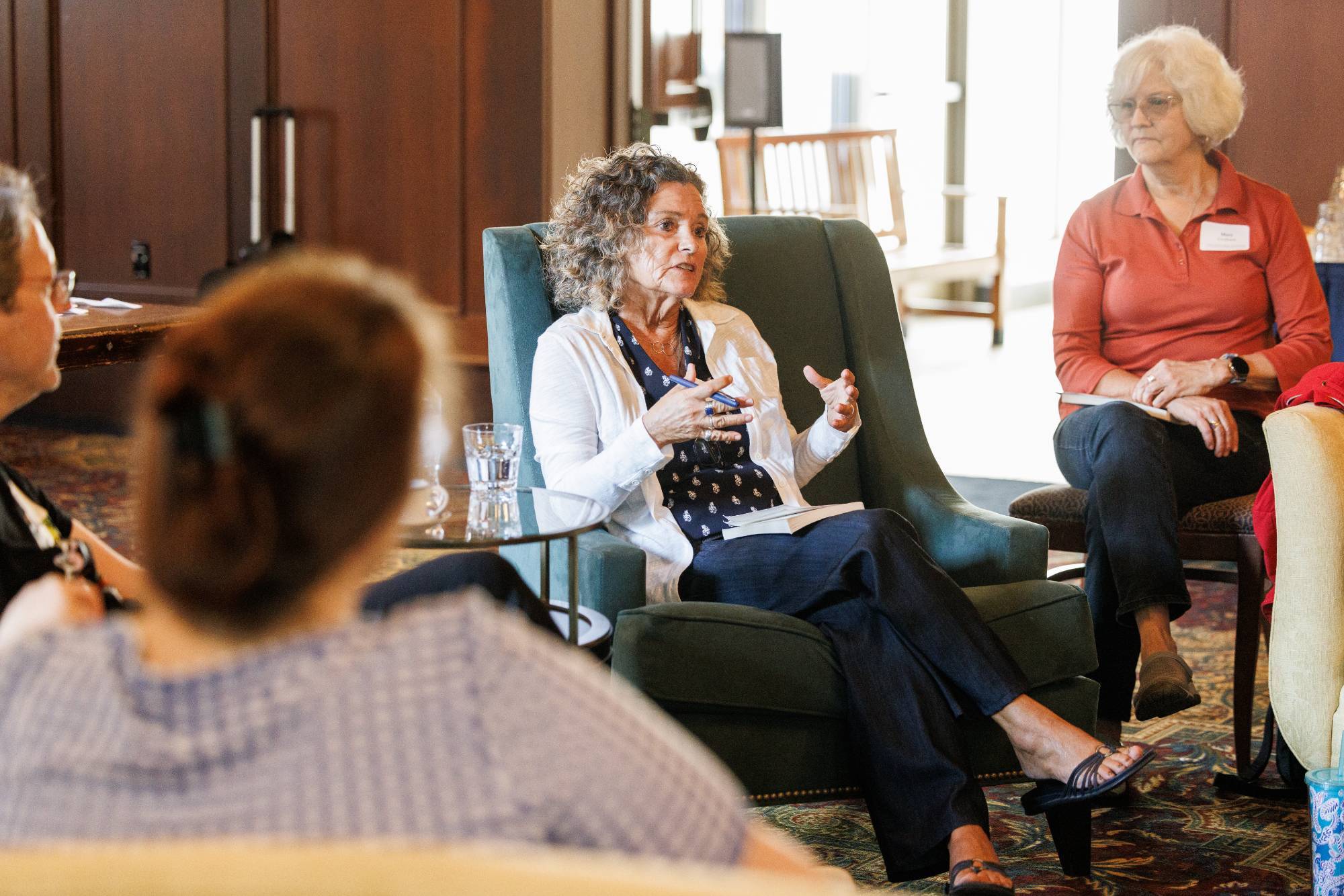
The Open Minds Book Club invites thoughtful participation from GVSU students, faculty and staff, Hauenstein Center members, and community members. Kahler Sweeney, public programming manager at the Hauenstein Center, and Brian Bowdle, associate professor of psychology, will host discussions on books that seek to understand and serve the needs of our democratic society.
All meetings will take place from 4:00 pm to 6:00 pm in the Richard M. DeVos Center’s University Club located on the GVSU City Campus.
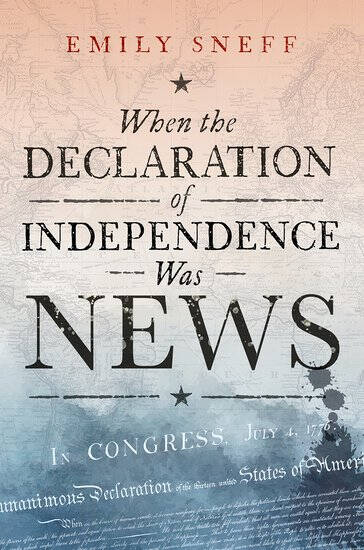
When the Declaration of Independence Was News
Published for the 250th anniversary of the United States, When the Declaration of Independence Was News focuses on the nation’s founding document at the moment of its creation in 1776, before anyone knew what the legacy of the Declaration would be or if the United States would win the war against Great Britain. It explores how the Declaration was communicated to people in the new nation and around the Atlantic world and reveals the stories of the many people involved in the process of declaring independence, from printers to soldiers to diplomats to translators.
Meeting Date: September 30
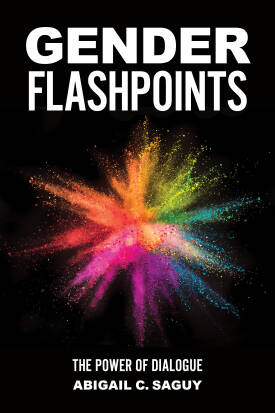
Gender Flashpoints
Americans are deeply divided about gender. Like other issues in the US, debates about gender are extremely polarized and can spark intense anger and conflict. These “gender flashpoints” include gender identity, gender and parenting, gender-neutral restrooms, the use of identifying pronouns, and participation in women’s sports. Even the term gender itself has become contested. In this divisive social context, advocates on both sides have reduced complex issues to all-or-nothing propositions. Many people are confused about these topics, embarrassed about what they do not know, or afraid that they will be called bigots if they say the “wrong thing." Gender Flashpoints is a fascinating and comprehensive view of the deeply personal and divisive topic of gender that offers hope for finding common ground and a path forward.
Meeting Date: October 21
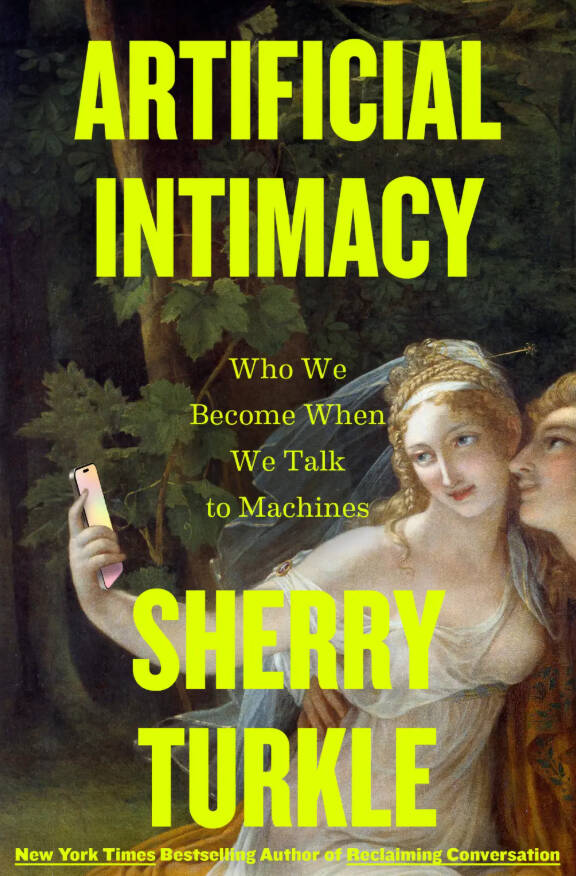
Artificial Intimacy
Artificial Intimacy is unique in how it traces our new habit of talking to machines through the lifecycle—from children’s earliest attachments to how we face death. But technology, by offering to do everything, teaches us that we neither need nor have the capacity to take risks, have hard conversations, struggle through uncertainty or insecurity, or rely on our own faculties and judgment. Turkle has spent decades studying how digital technologies isolate us from one another. Now, in her long-awaited follow-up to Reclaiming Conversation, she offers both a cautionary tale and a roadmap for reclaiming our humanity in the age of AI.
Meeting Date: January 27
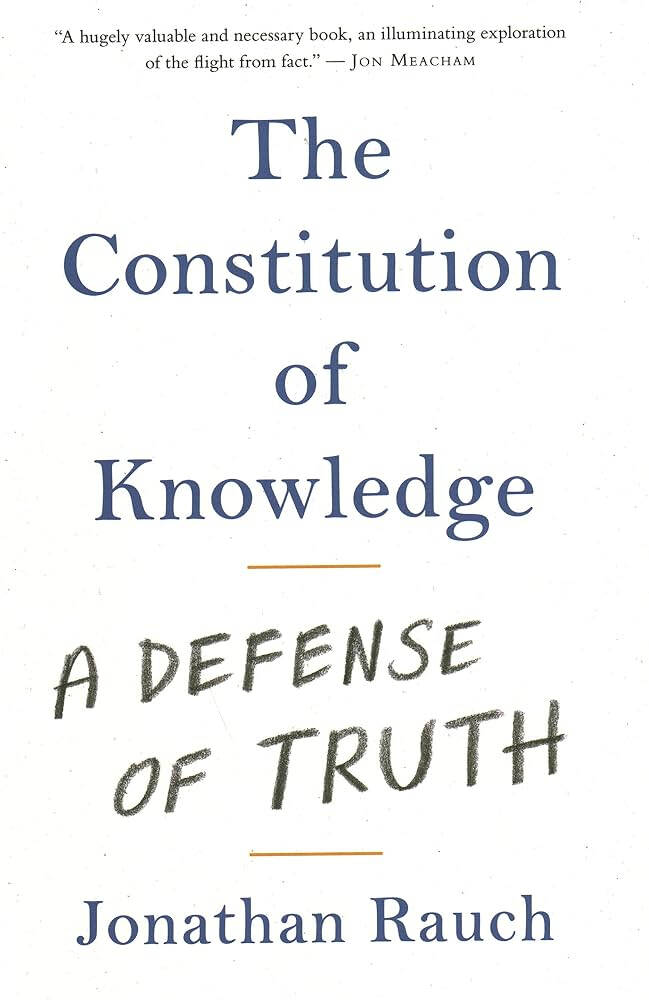
The Constitution of Knowledge
Disinformation. Trolling. Conspiracies. Social media pile-ons. Campus intolerance. On the surface, these recent additions to our daily vocabulary appear to have little in common. But together, they are driving an epistemic crisis: a multi-front challenge to America’s ability to distinguish fact from fiction and elevate truth above falsehood. By explicating the Constitution of Knowledge and probing the war on reality, Rauch arms defenders of truth with a clearer understanding of what they must protect, why they must do so—and how they can do it. His book is a sweeping and readable description of how every American can help defend objective truth and free inquiry from threats as far away as Russia and as close as the cellphone.
Meeting Date: February 24
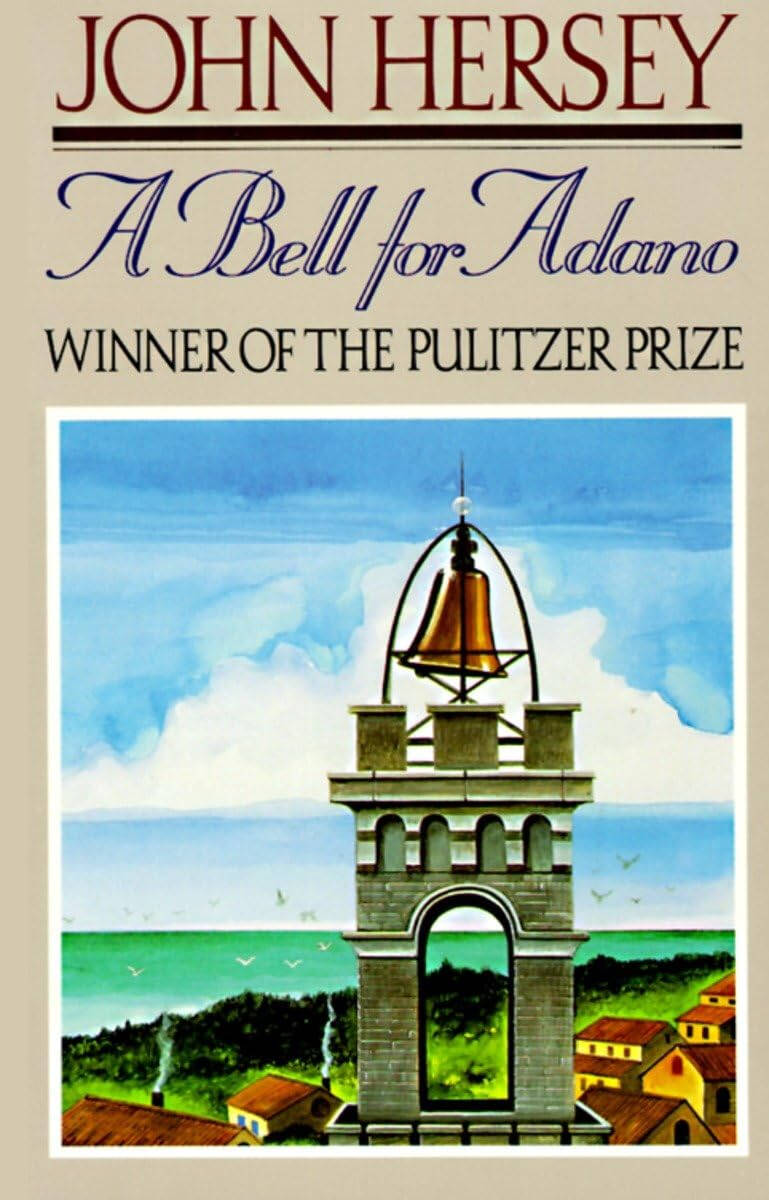
A Bell for Adano
This classic novel and winner of the Pulitzer Prize tells the story of an Italian-American major in World War II who wins the love and admiration of the local townspeople when he searches for a replacement for the 700-year-old town bell that had been melted down for bullets by the fascists. Although situated during one of the most devastating experiences in human history, John Hersey’s story speaks with unflinching patriotism and humanity.
Meeting Date: March 31
Past Reads
January — I, Robot by Isaac Asimov
February — Who is Government : The Untold Story of Public Service edited by Michael Lewis
April — On Civil Disobedience edited by Roger Berkowitz and featuring essays from Hannah Arendt and Henry David Thoreau
January — Out of the Melting Pot, Into the Fire: Multiculturalism in the World's Past and America's Future by Jens Kurt Heycke
February — The City and The City: A Novel by China Miéville
March — Don't Label Me: An Incredible Conversation for Divided Times by Irshad Manji
September — The Pursuit of Happiness: How Classical Writers on Virtue Inspired the Lives of the Founders and Defined America by Jeffrey Rosen
October — The Omni-Americans: Some Alternatives to the Folklore of White Supremacy by Albert Murray
November — Mission, Tribe & Grace: How Veterans Can Lead Change, Find Their Tribe, and Build a Meaningful Life by Jill Wolfe
January — Rescuing Socrates: How the Great Books Changed My Life and Why They Matter for a New Generation by Roosevelt Montas
February — The Screwtape Letters by C.S. Lewis
April —Rooted: Life at the Crossroads of Science, Nature, and Spirit by Lyanda Lynn Haupt
September — The Life-Changing Science of Detecting Bullshit by John V. Petrocelli
October — The Practice, the Horizon, and the Chain by Sofia Samatar
November — The End of Race Politics: Arguments for a Colorblind America by Coleman Hughes
January — The White Mosque by Sofia Samatar
March — This View of Life: Completing the Darwinian Revolution, by David Sloan Wilson
April — The Lathe of Heaven by Ursula K. Le Guin
September — How to Educate a Citizen: The Power of Shared Knowledge to Unify a Nation by E.D. Hirsch Jr.
October — Becoming Kin: An Indigenous Call to Unforgetting the Past and Reimagining Our Future by Patty Krawec.
November — The Myth of Left and Right: How the Political Spectrum Misleads and Harms America by Hyrum Lewis and Verlan Lewis.
January — No One is Talking About This by Patricia Lockwood
April — Suspicious Minds by Robert Brotherton
October — Liberalism and its Discontents, by Francis Fukuyama
November — War Is A Force That Gives Us Meaning by Chris Hedges
March — Speak Freely: Why Universities Must Defend Free Speech by Keith E. Whittington
June — Self Portrait in Black and White by Thomas Chatterton Williams
September — Mistrust: Why Losing Faith in Institutions Provides the Tools to Transform Them by Ethan Zuckerman