Master of Science (M.S.) in Cell & Molecular Biology — Research Option
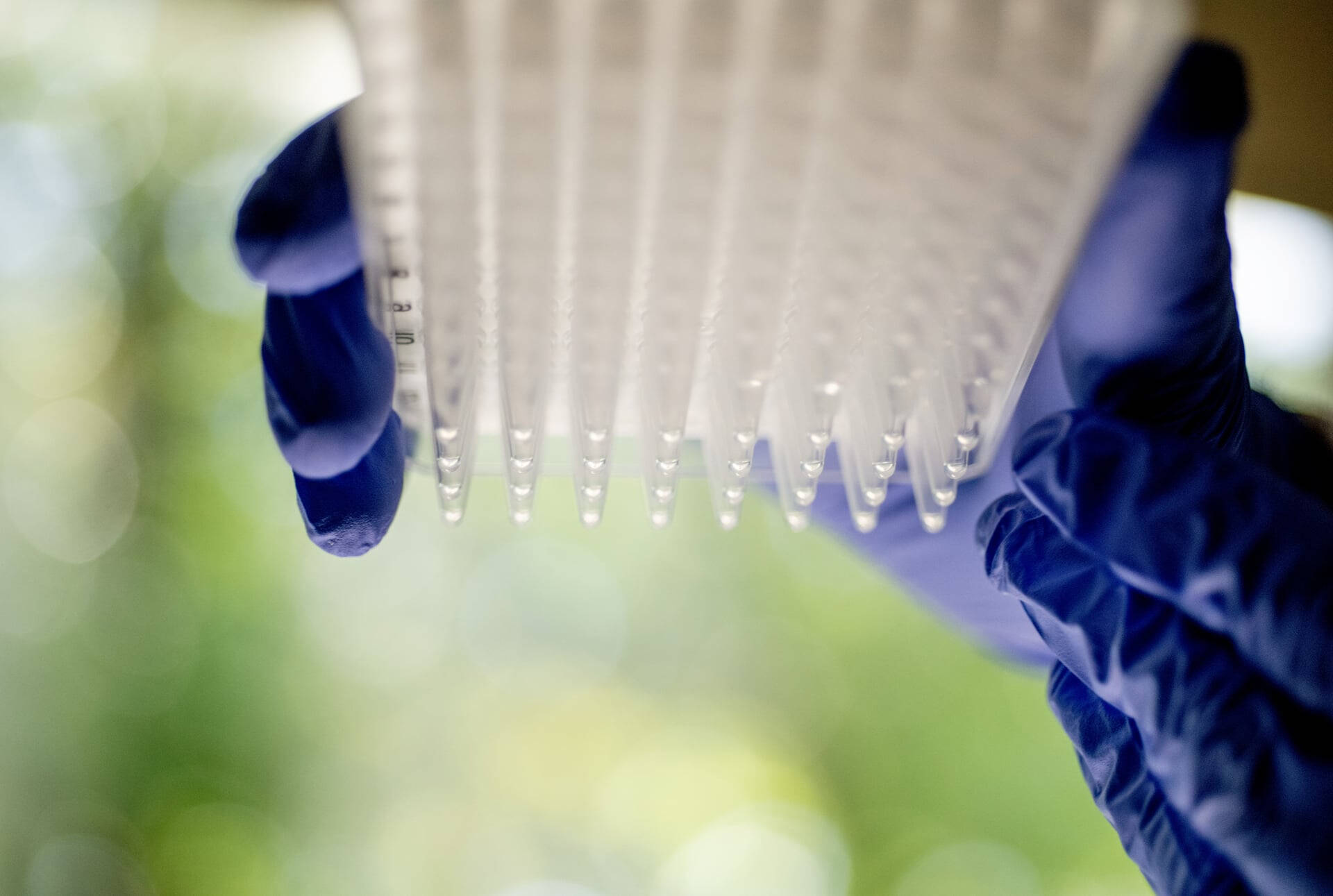
Cell and Molecular Biology (CMB) at Grand Valley State University
Explore life at the molecular level through hands-on research and advanced lab techniques.
CMB integrates biochemistry, genetics, and biophysics to prepare students for careers in biotechnology, biomedicine, and research.
Students gain real-world experience through independent research or internships, working with faculty and industry mentors to apply modern biotechnological tools to real scientific challenges.
Graduates leave ready to lead in labs, research, and the life sciences.
Cell & Molecular Biology at GVSU
Grand Valley’s Cell and Molecular Biology M.S. - Research Based degree is designed for students passionate about understanding how cells develop and function. The program provides a strong foundation for careers or doctoral study in biotechnology, pharmacology, and biomedicine.
Students complete an intensive 15–18 month research project under faculty mentorship, culminating in a publishable thesis. Coursework integrates scientific communication, ethics, and statistics with advanced lab skills in DNA/RNA manipulation, cell culture, and bioprocessing.
Degree Highlights
Research Experience: Faculty-mentored, in-depth research spanning the program with hands-on training in experimental design, advanced lab techniques, and data analysis.
Scientific & Professional Development: Advanced coursework in molecular and cellular biology with emphasis on communication, scientific writing, and research ethics.
Scholarly Engagement: Completion of a written thesis and public defense showcasing original research contributions.
Outcomes: Strong preparation for Ph.D. programs, research careers in academia or industry, biotechnology roles, and other advanced life science pathways.
The CMB Experience
Students in the M.S. Research Program develop deep scientific and professional competencies, including:
Independent Thesis Research – 15–18 month faculty-mentored project.
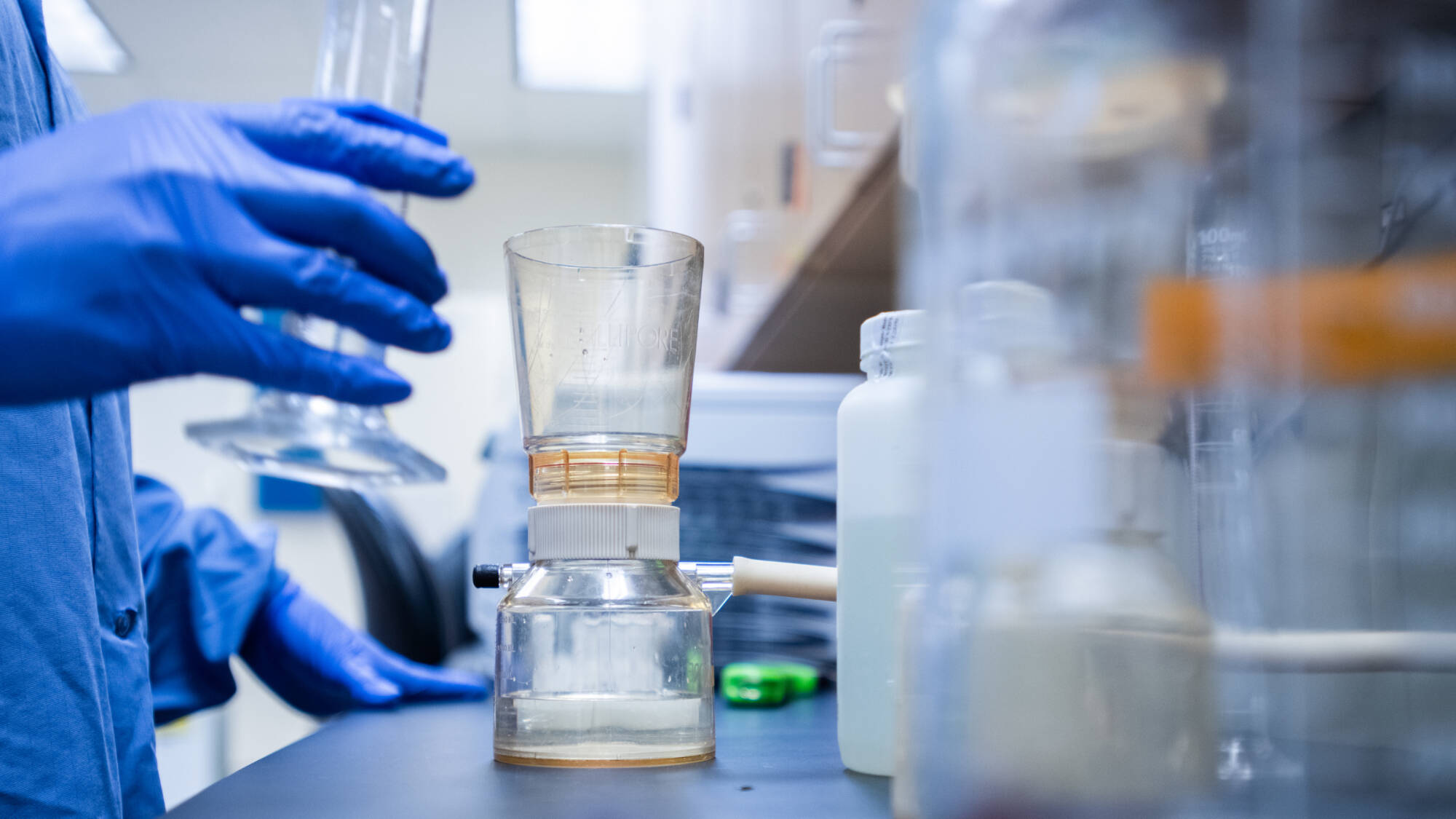
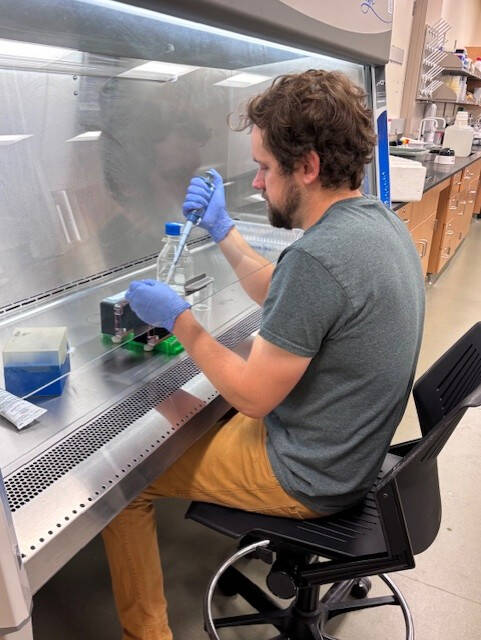
Hands-On Lab Experience – DNA/RNA, cell culture, bioprocessing.
Scientific Communication & Ethics – Core to graduate training.
Graduate & Professional Prep – Ideal for Ph.D. or M.D./Ph.D. pathways.
Cutting-Edge Facilities – Access to advanced research labs.
Graduate Assistantships in CMB
To qualify for a graduate assistantship, students must:
- Be fully admitted to a GVSU graduate degree program.
- Enroll in 9+ graduate credits for a full-time GA or 4.5+ credits for a half-time GA.
- Maintain a 3.0 GPA or higher and remain in good academic standing.
- Be enrolled in classes during the semester(s) of their GA appointment.
Learn more about GA at GVSU here.
Full Time GA
- 20 hours/week
- $6,500 stipend
- 9 credit tuition waiver/semester
Half Time GA
- 10 hours/week
- $3,250 stipend/semester
- 4.5 credit tuition waiver/semester
Admission Timeline
To be assured of admission consideration, applicants should submit their application and all supporting documents one to two months prior to the start of their intended semester. International applicants are encouraged to allow additional time for processing and visa requirements.
- Fall Semester: August–December
- Winter Semester: January–April
- Spring/Summer Semester: May–August